 was at the height of its indie darling status with a balance of youth market titles and prestige art house hits to keep critics and audiences lining up at the box office. Two films in particular were supposed to
  be surefire hits in this period: Rounders, a Matt Damon and Edward Norton poker drama, and 54, a flashy look at American hedonism at the end of the '70s. Both films were subjected to the studio's legendary meddling that had become expected by that point, with 54 getting the worst of it by far with a slew of reshoots and additional filming radically transforming what was supposed to be a carefully modulated character study. That tactic failed spectacularly with the film getting dismissive reviews and even more disappointing turnout, with curiosity about the original cut from director Mark Christopher refusing to die down as the years went by. In the meantime Miramax was unperturbed and scoring big Oscar wins with two films released soon after this one, Shakespeare in Love and Life Is Beautiful, while another '98 look at the same era and location, Whit Stillman's The Last Days of Disco, got a far warmer reception. It also didn't help that Paul Thomas Anderson's Boogie Nights had come out in 1997 at the same time this film was being shot, setting a bar for a cinematic portrayal of that turn of the decade debauchery that no one else could possibly hurdle. Eventually a director's cut of 54 turned up as a not officially sanctioned screening of a VHS copy at Outfest in 2008, and the positive response led to the assembly of a much better quality director's cut finally released in 2015. The differences between the two are so radical they essentially feel like different movies sharing the same cast, a fascinating case study in how the production process can utterly overhaul a project across the board.
  which version you watch, the basic setup is similar with young Shane (Phillippe) fresh out of high school and pumping gas in Jersey
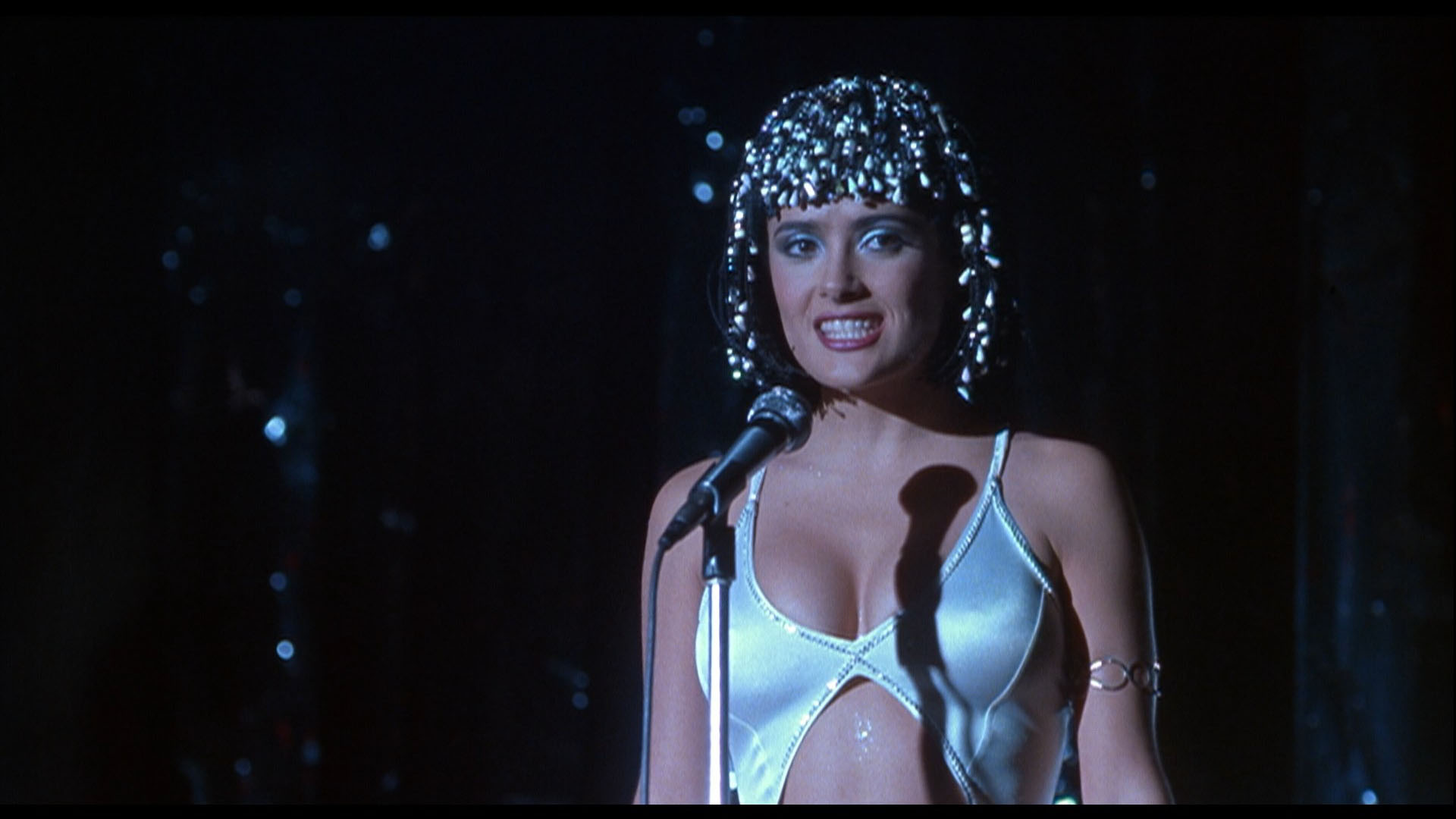
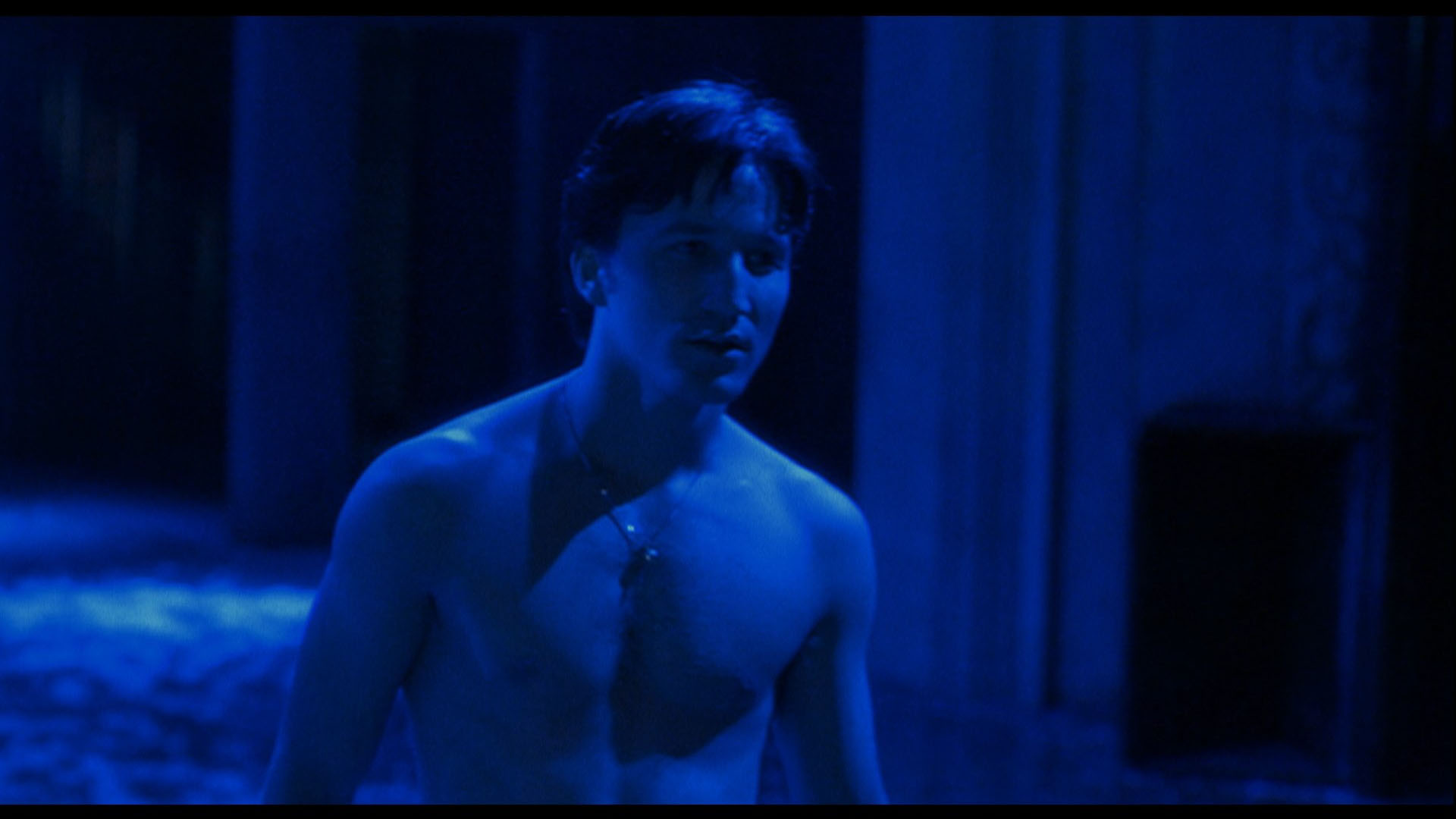
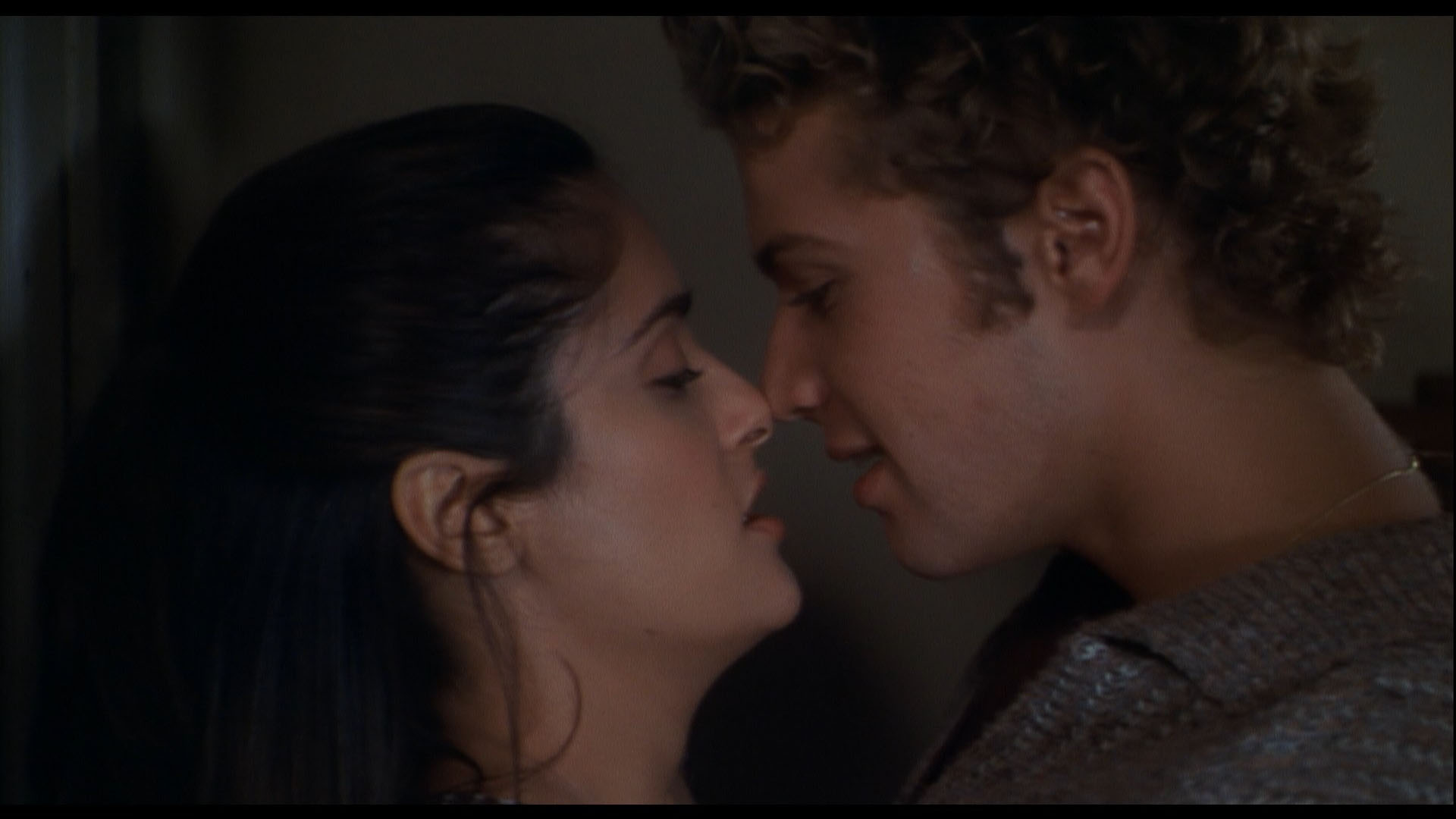
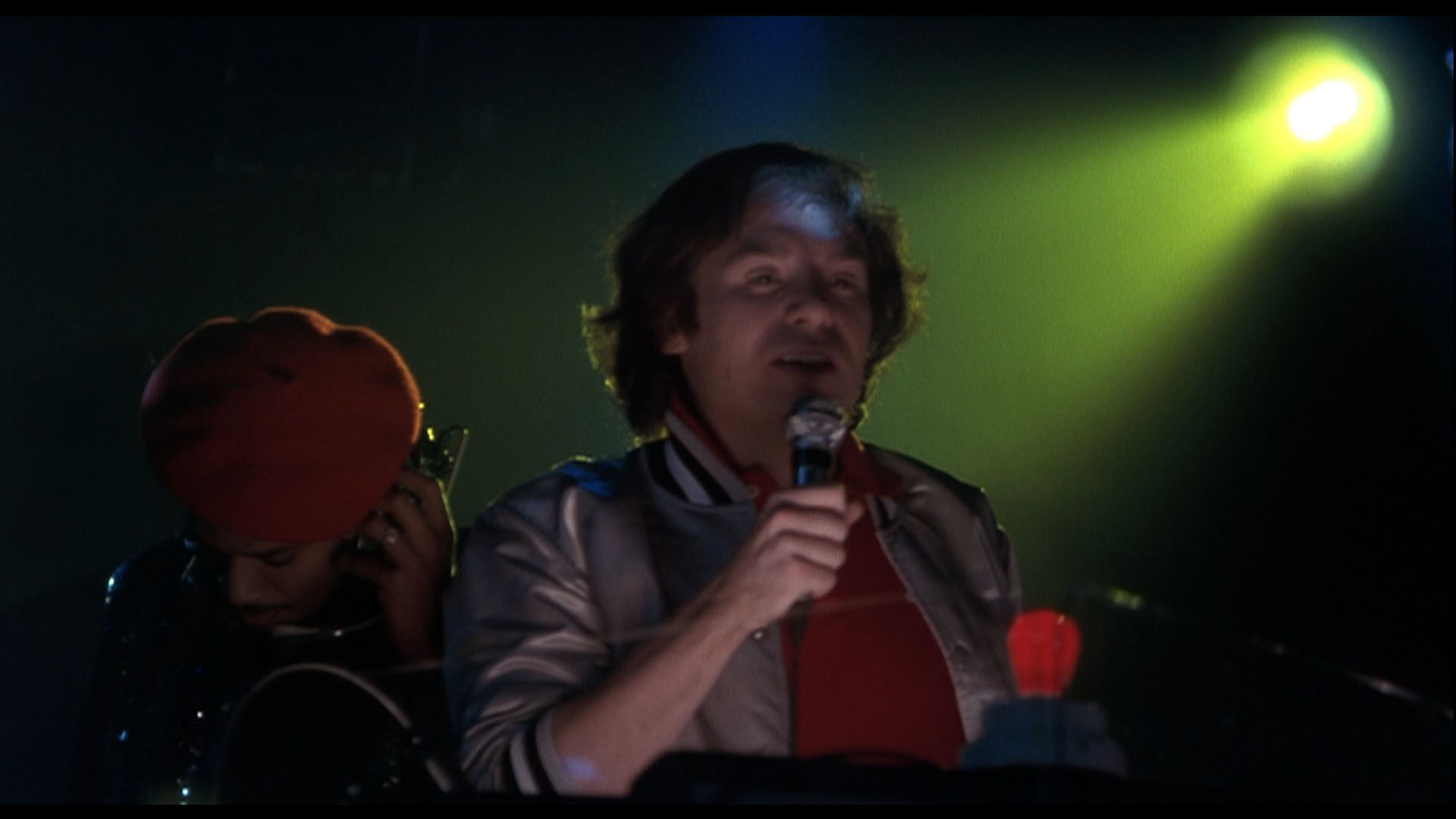
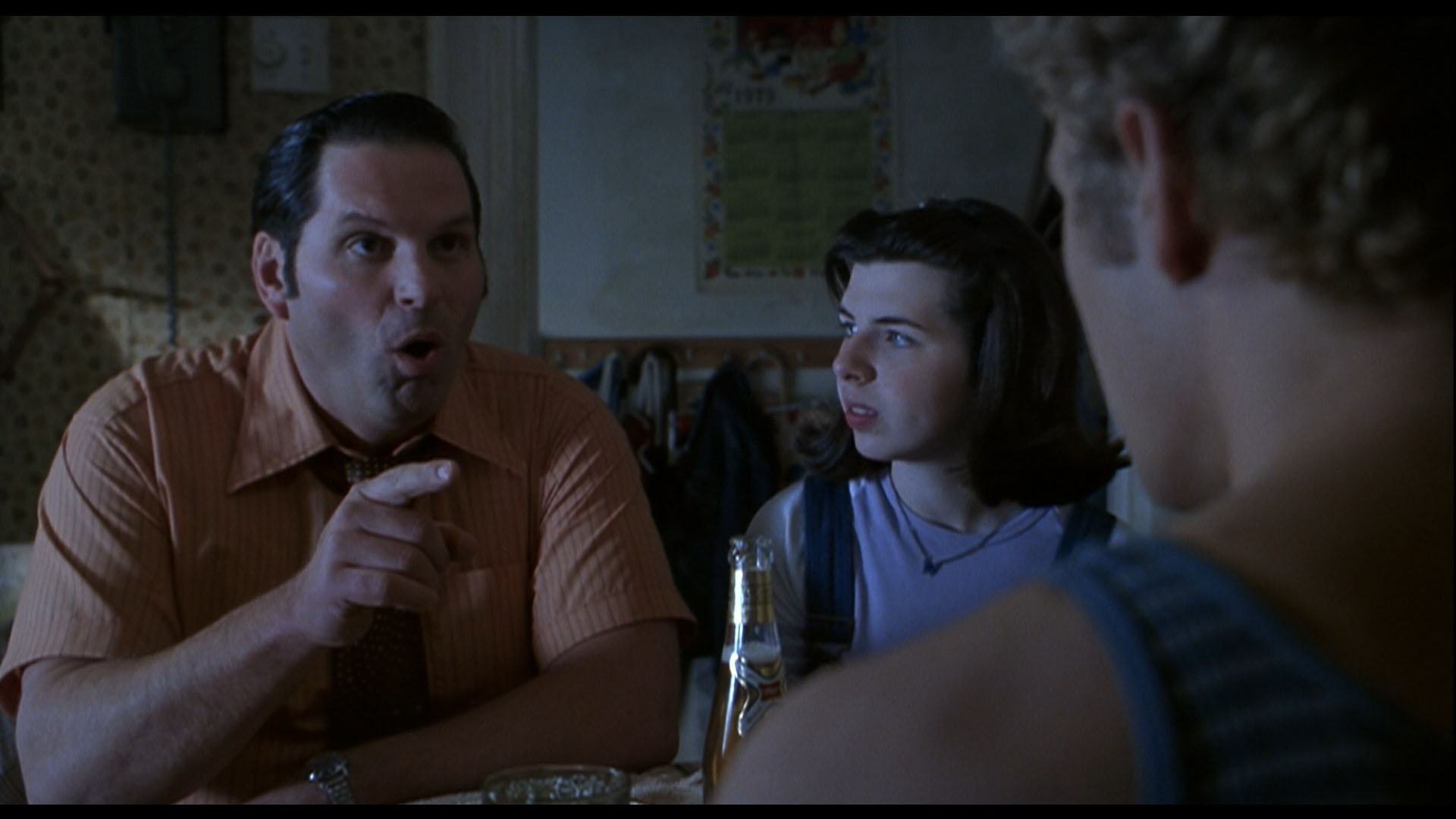
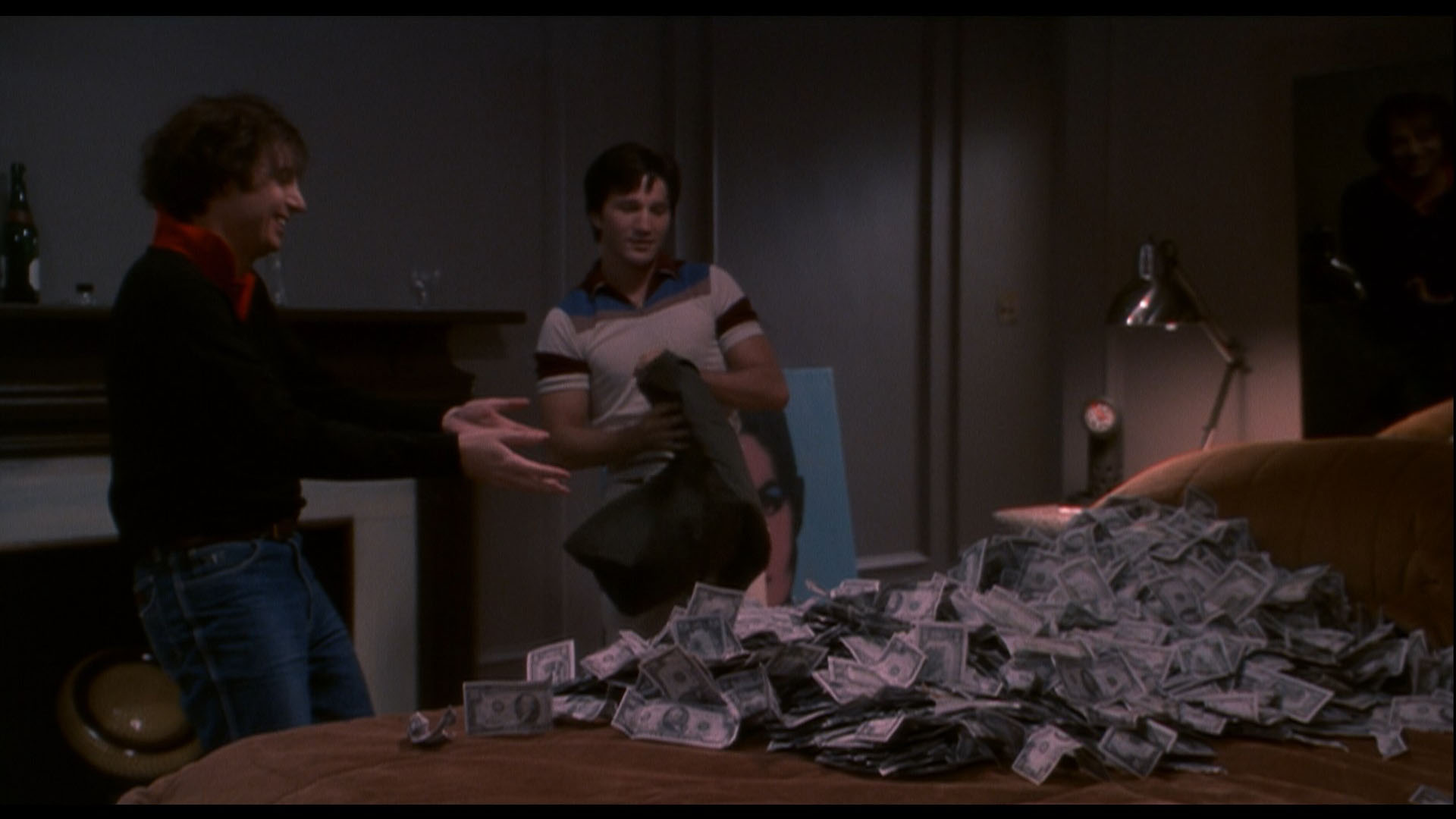
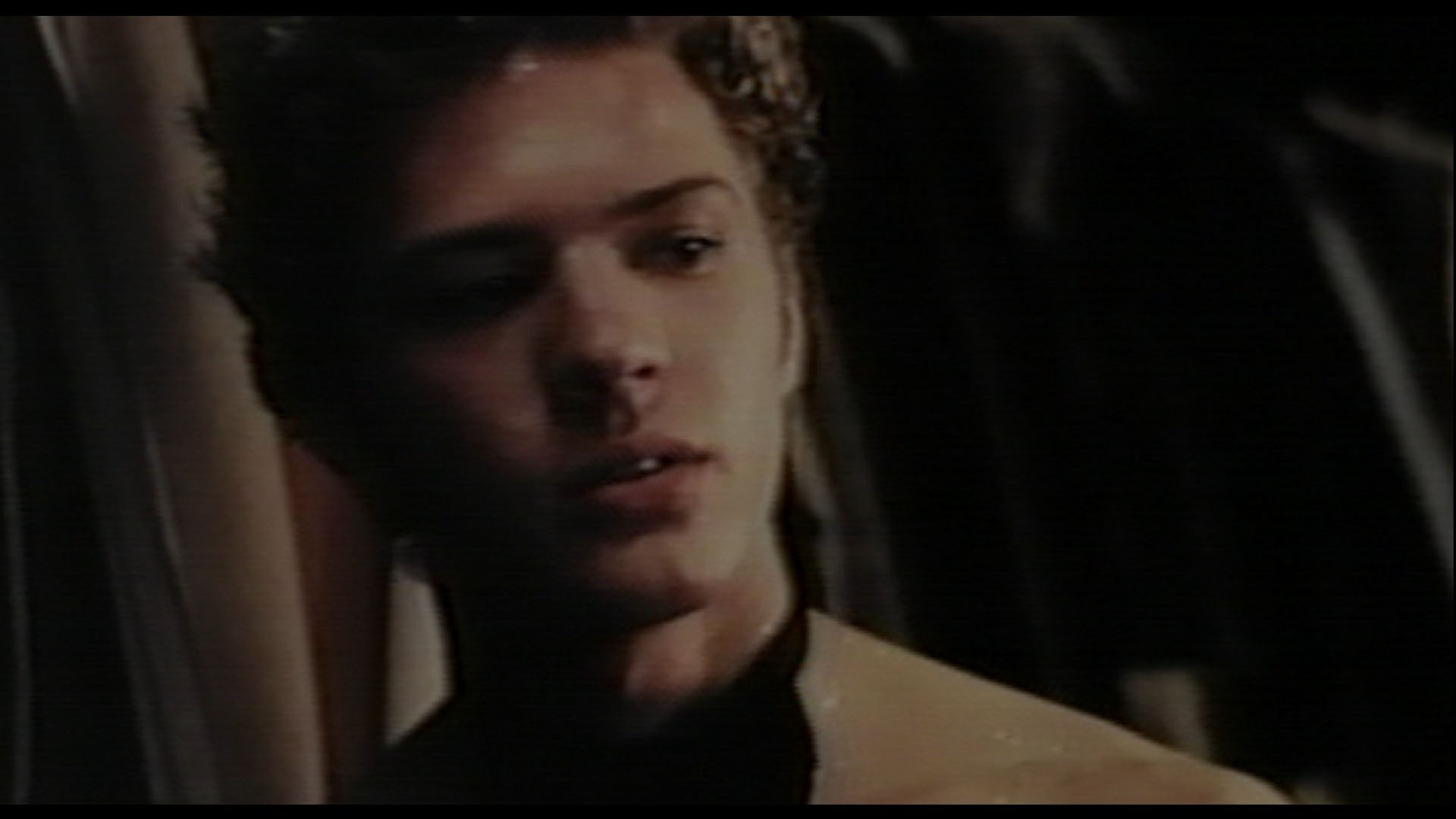
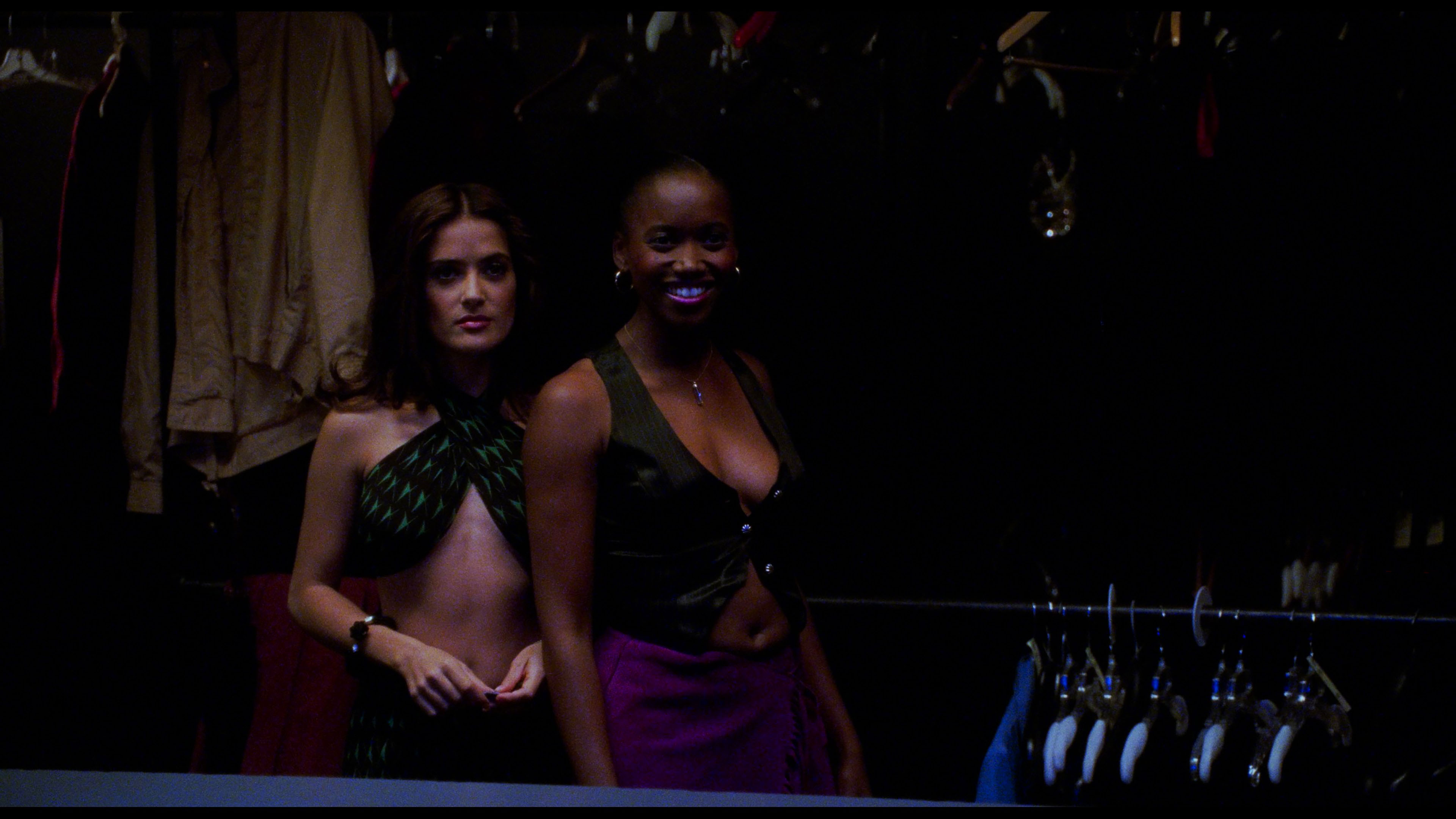
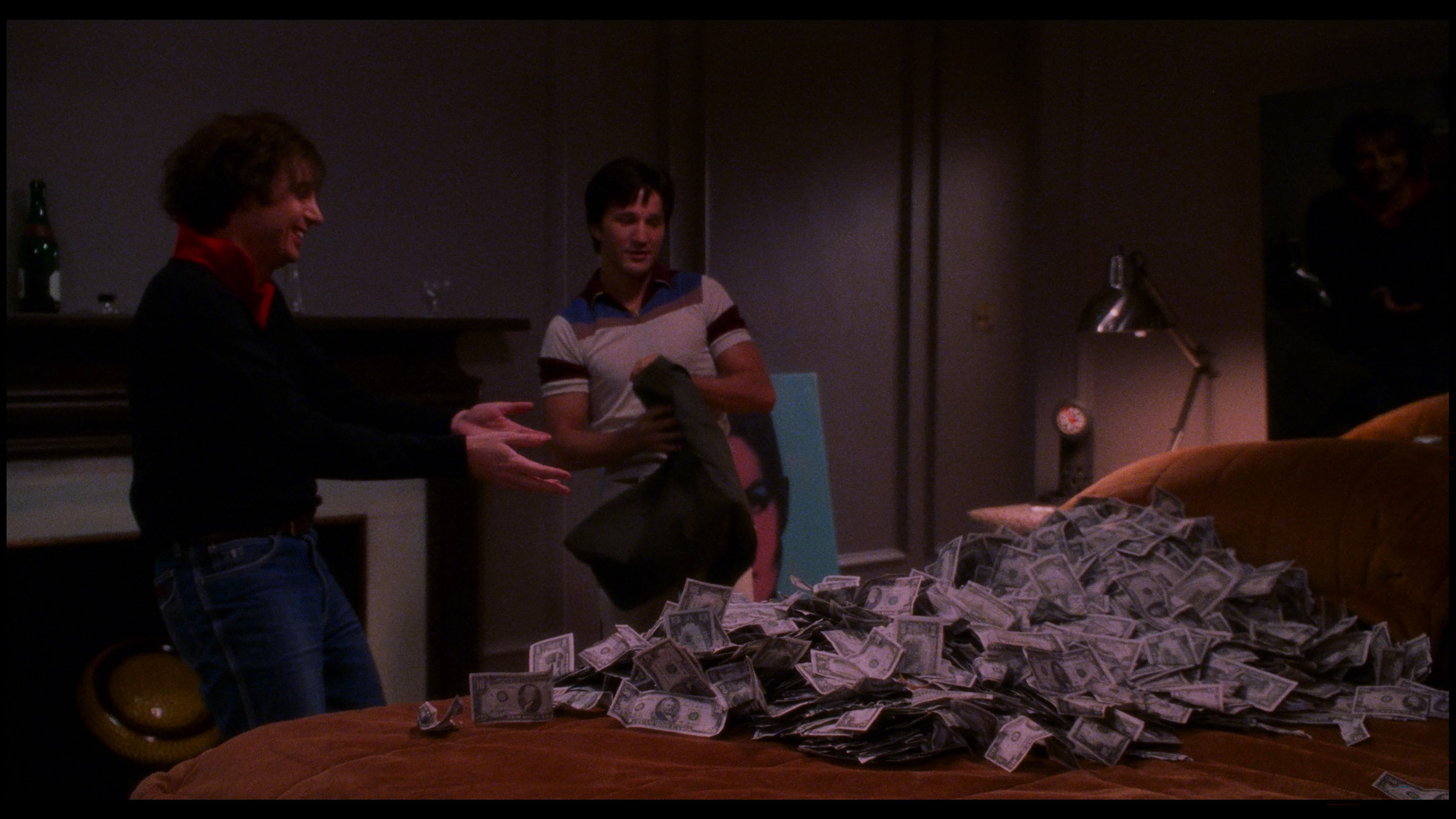
 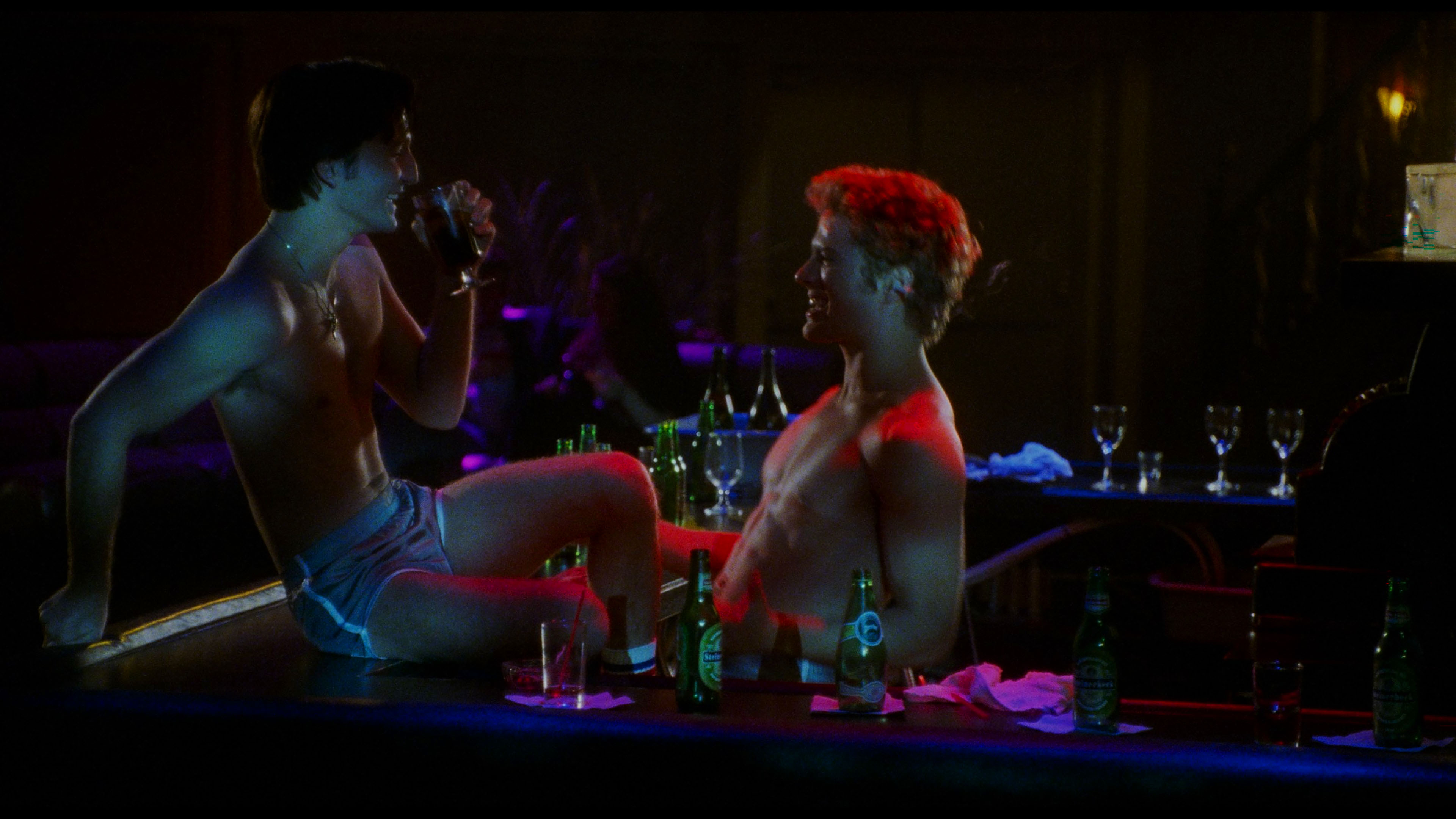 City where he lives with his family including sister Grace (Matarazzo). On a night out in New York City with his buddies (including a young Mark Ruffalo), Shane is chosen to enter the exclusive doors of disco hot spot Studio 54 run by Steve Rubell (Myers). Willing to doff his shirt and able to handle famous personalities, Shane is quickly hired as a busboy and hits it off with bartender Greg (Meyer) who lives with aspiring disco singer Anita (Hayek). The three become close and end up living together, and as Shane makes his way up the ladder in the club (and bounces in and out of several beds), the high life is bound to come crashing down sooner or later.
 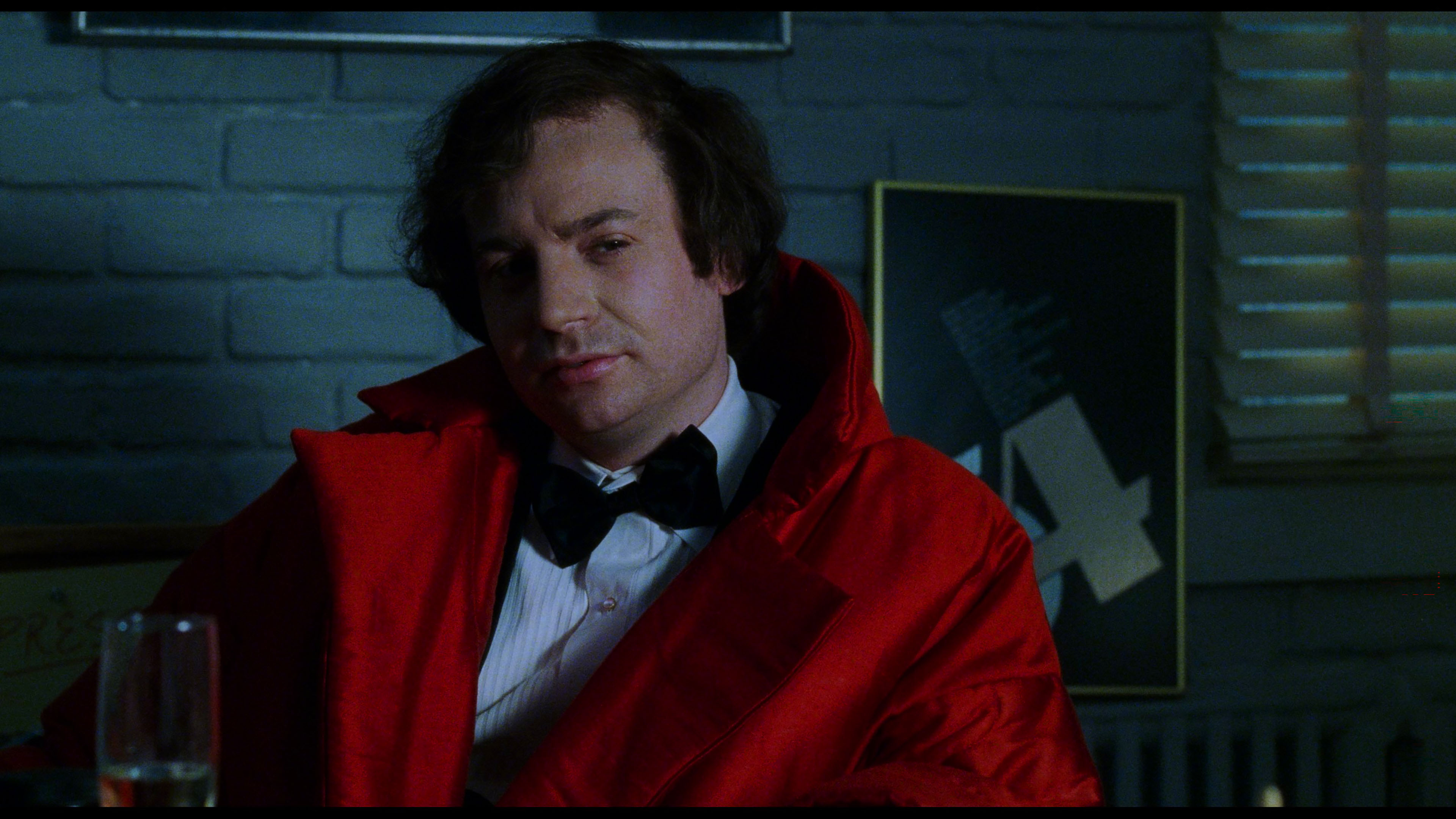 tweaked ending. Inadvertently, the main casualty in the end was Phillippe whose initially solid performance was flattened out by new, clunky narration (by the writers of Rounders, natch) and a seriously baffling character arc. On the other hand, Myers turned
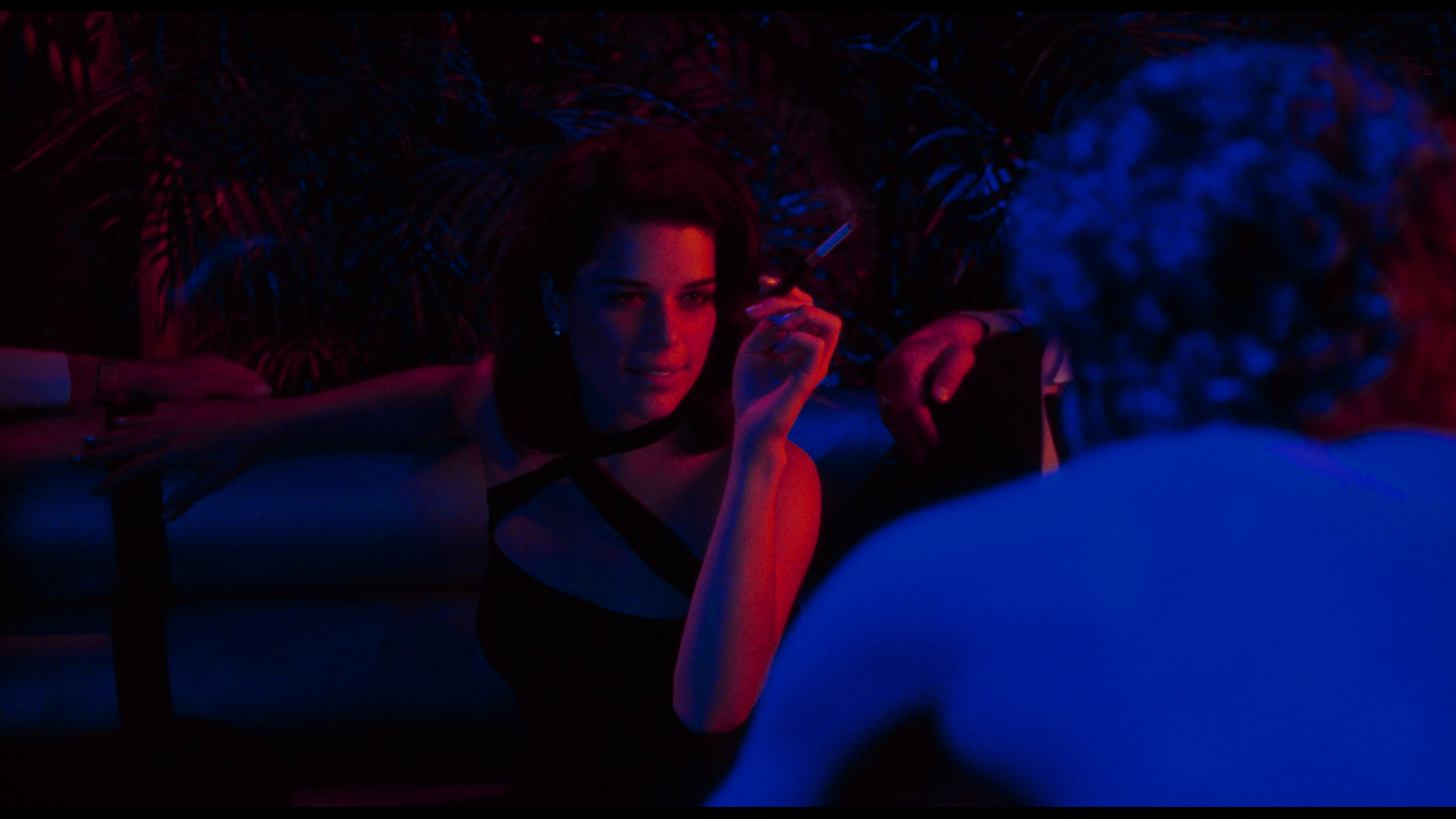
 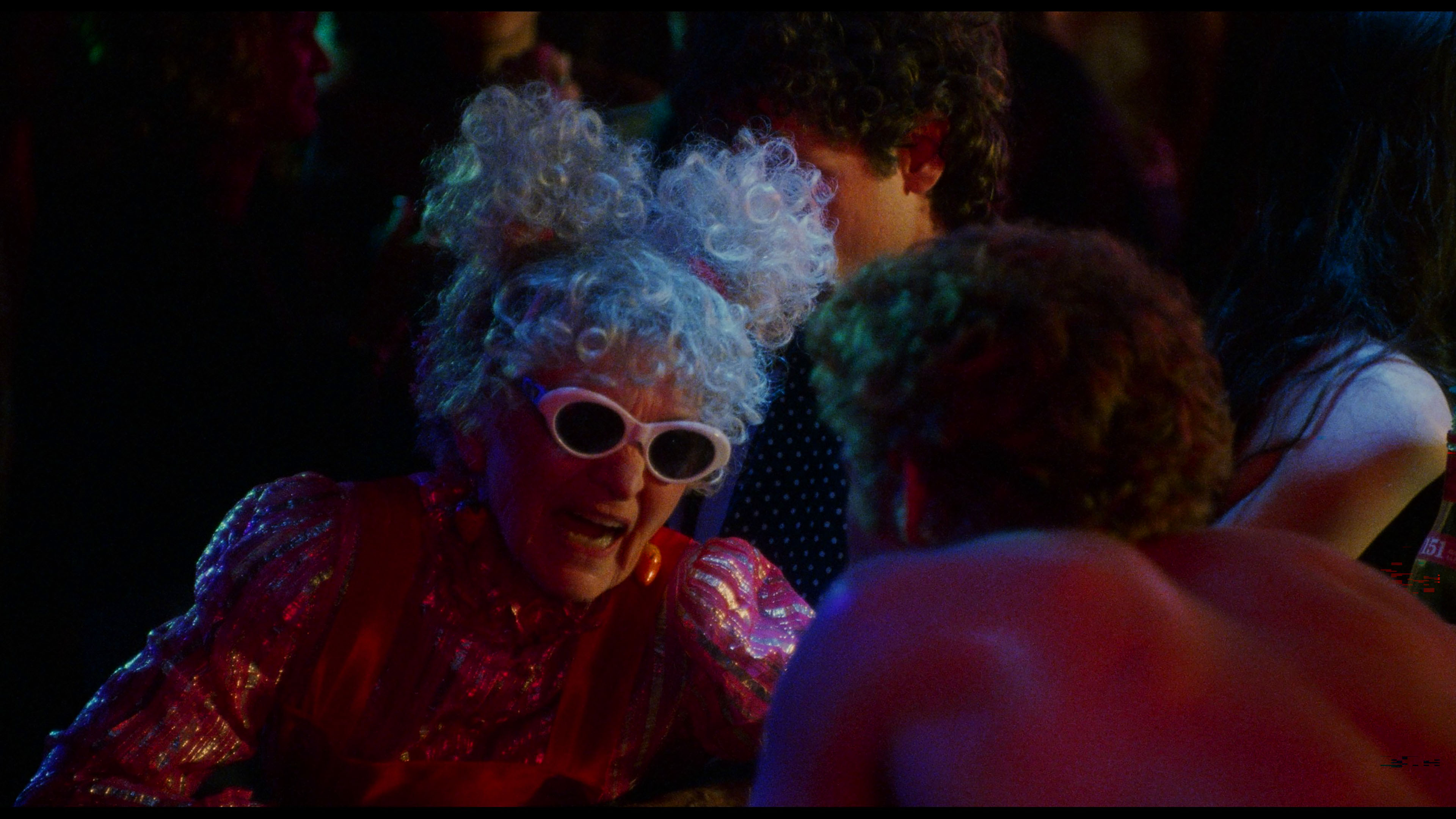 out to be very impressive with a great dramatic turn that proved to be a big surprise after his run of hit comedies and years on Saturday Night Live. The two versions also look very different, with the theatrical pushed to look as bright and vivid as possible compared to the original intended darker look reflective of a late '70s movie aesthetic.
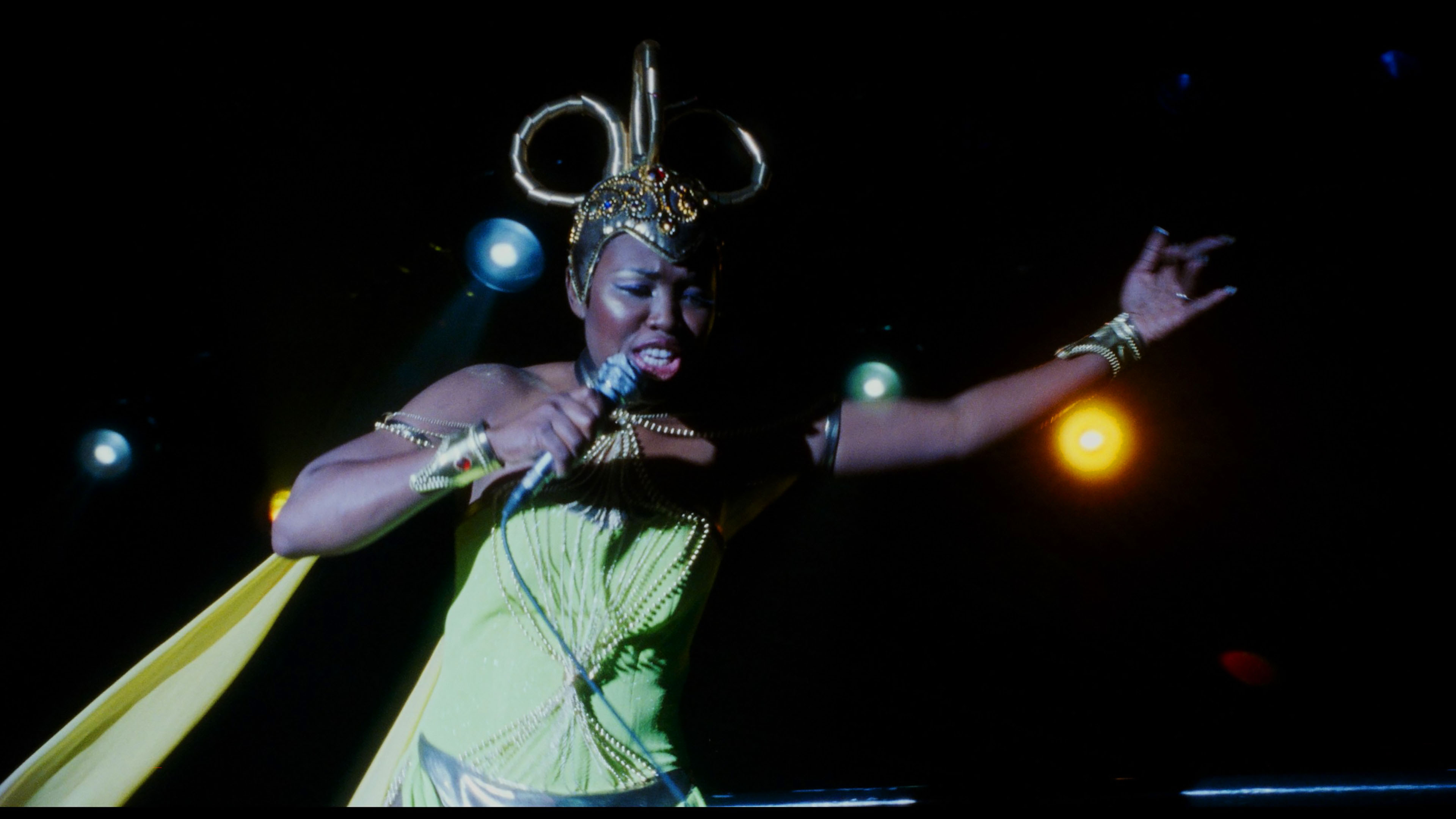
 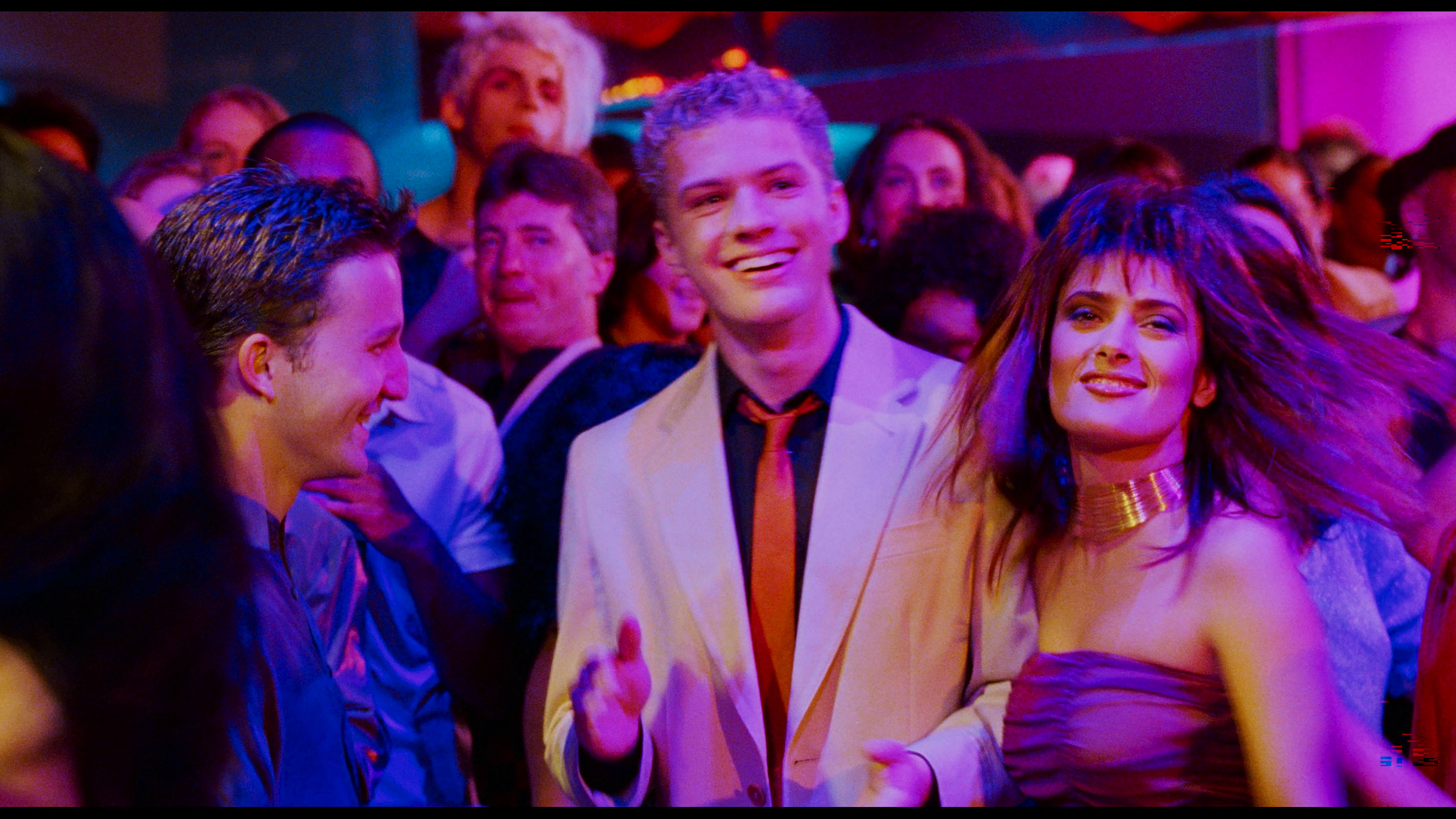 the decades-long process of getting it reassembled. The three-disc set features one UHD and two Blu-rays, with the UHD featuring a new 4K scan from the original camera negative of the theatrical version with HDR10-compatible Dolby Vision. The quality here is a huge improvement over the dated master used for the earlier Blu-ray, with much deeper blacks and better detail. The first Blu-ray contains both the theatrical cut and the director's cut (from the usual HD master since that's how it was created), both with DTS-HD MA 5.1 and 2.0 English options with optional English SDH subtitles. Christopher contributes new audio commentaries for both cuts with Cinématographe's Justin LaLiberty, and as you'd expect
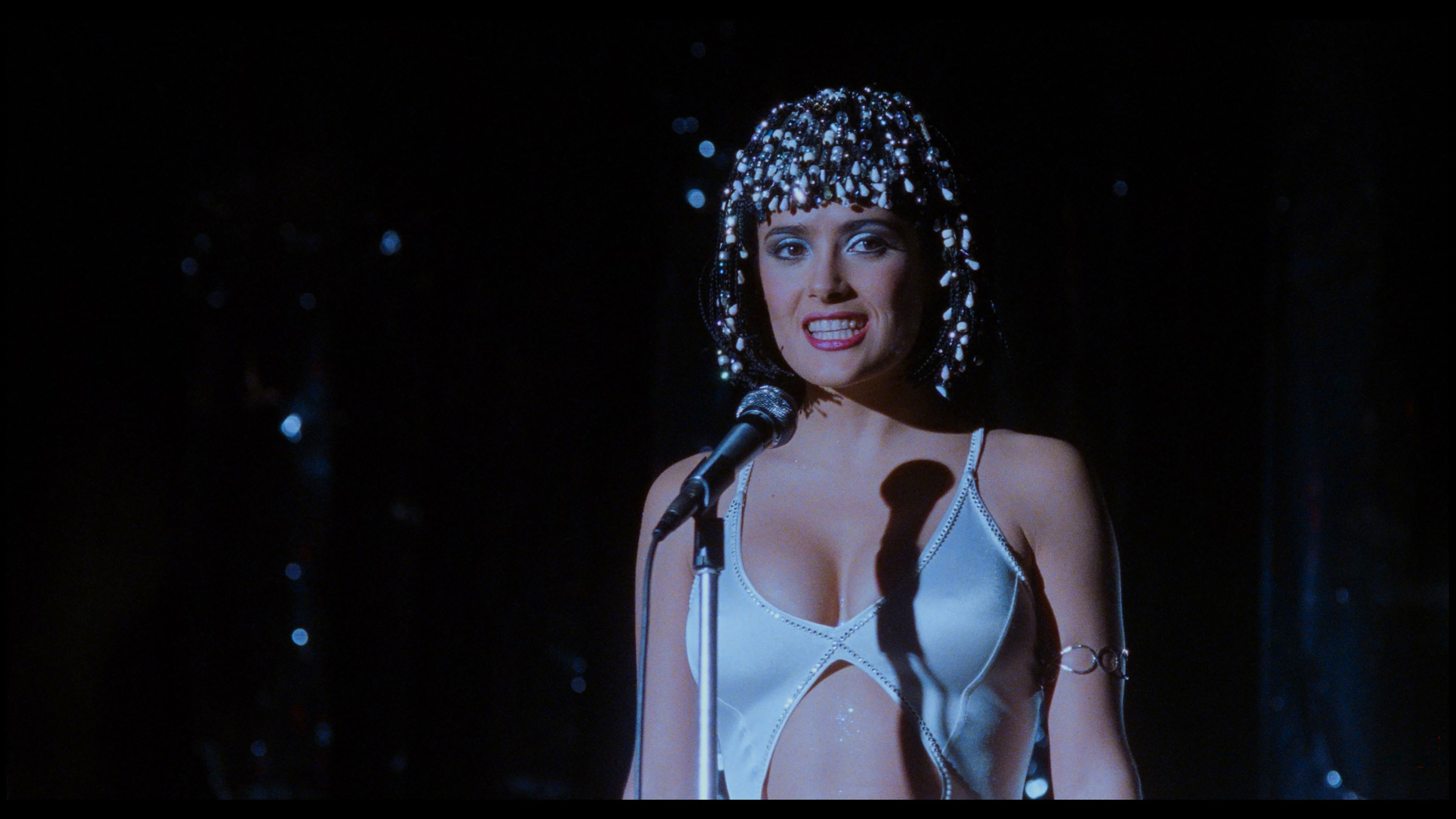
 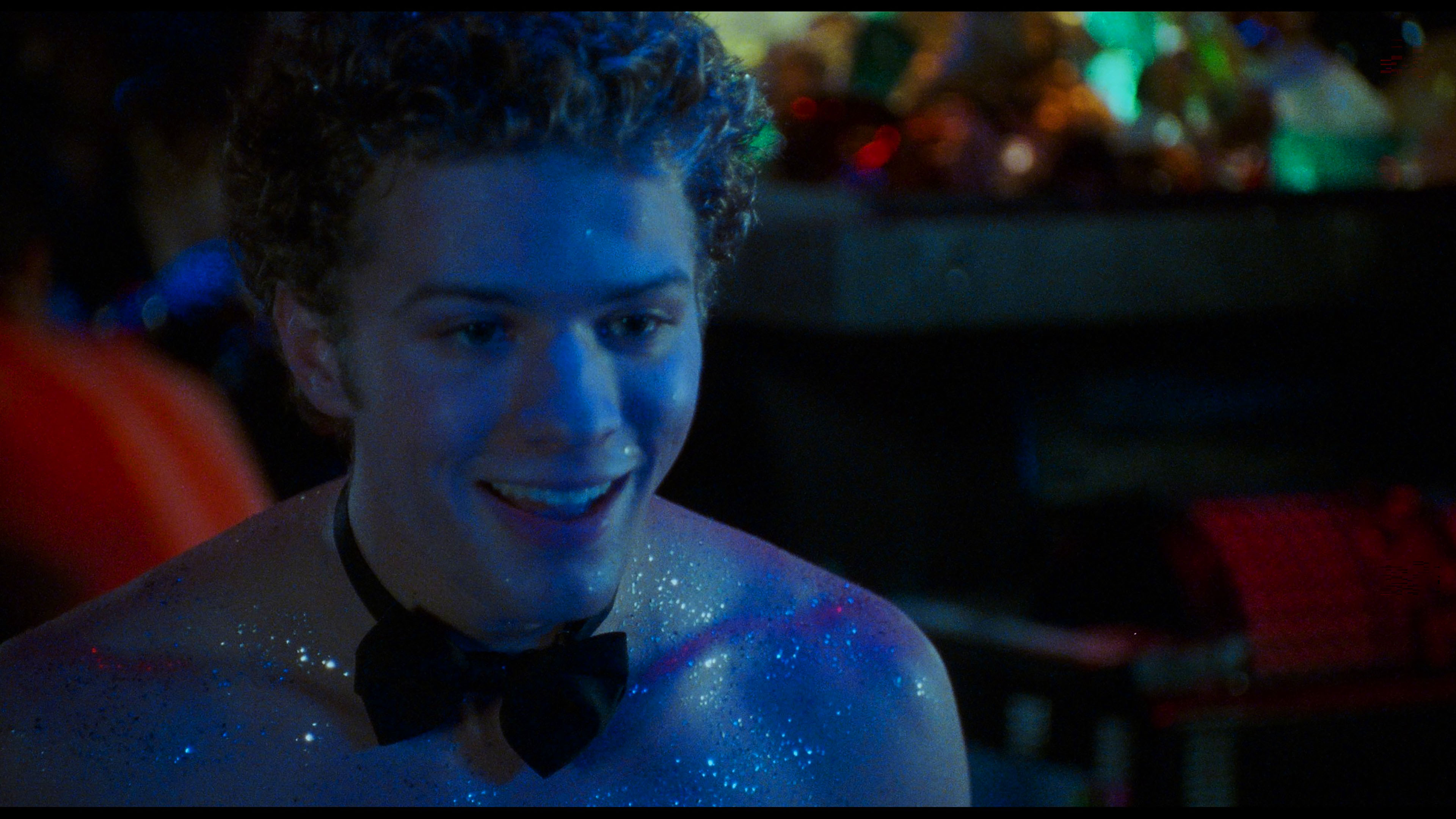 he's full of stories including the differences between the original Toronto shoot and the New York reshoots and added scenes, the "on the nose" replacement narration, Hayek filming her big singing number, the color timing choices, his own experiences at 54, and tons more. Christopher's original commentary with director of photography Alexander Gruszynski for the initial director's cut release is ported over here, while filmmaker and writer Drew Burnett Gregory does a new commentary for the theatrical cut covering Christopher's background (including the mentorship of Paul Schrader who encouraged this "American Graffiti, but disco"), the differences between the two versions, the varying levels of queer elements, the major cast members, and more.
  his first meeting with Christopher in 1995, his involvement in the director's cut, and the studio climate in the late '90s. In "Let's Do the Work" (18m40s), David Kittredge explains how he came to editing the director's cut, the mutual friend who connected him to Christopher, the misguided thinking behind the theatrical recut, and the approach to reconstituting the original vision with all the elements available. Finally "In the Trenches Together" (14m33s) is a new interview with Gruszynski about his career as a cinematographer, his take on capturing the '70s atmosphere, and his own experiences he could draw on for inspiration.
  Also included is a 15m19s batch of archival EPK interviews with Christopher, Hayek, and Phillippe.
Director's Cut (Blu-ray)