 the infamous "Lucio Fulci Presents" line of gory late '80s shockers to UHD and Blu-ray with Andrea
  Bianchi's Massacre, Vinegar Syndrome continued to mine this eccentric string of horror films (some shot on 16mm) with outrageously deluxe UHD and Blu-ray editions. Several films in the series (which used Fulci's name with little involvement from the maestro himself) ended up being used as his personal splatter stock footage library for his far more famous A Cat in the Brain, but Americans who wanted to see the full movies around those squishy kill scenes had to work hard until now. As most fans of Euro horror know, Italian genre films were on a rapid downhill slide throughout the decade with budgets and distribution all drying up each year. By this point, home video or TV were the most welcome homes for films like these-- including levels of bloodshed that were still way beyond what the MPAA would have allowed had these been imported in the U.S. Watching these requires a certain appreciation for the rough aesthetic, minimal characterization, and often irrational plotting; as with what Filmirage was cranking out with films like Ghosthouse, these are movies designed to deliver simple twists and wacky, charming shocks to an audience that was quickly fading away.
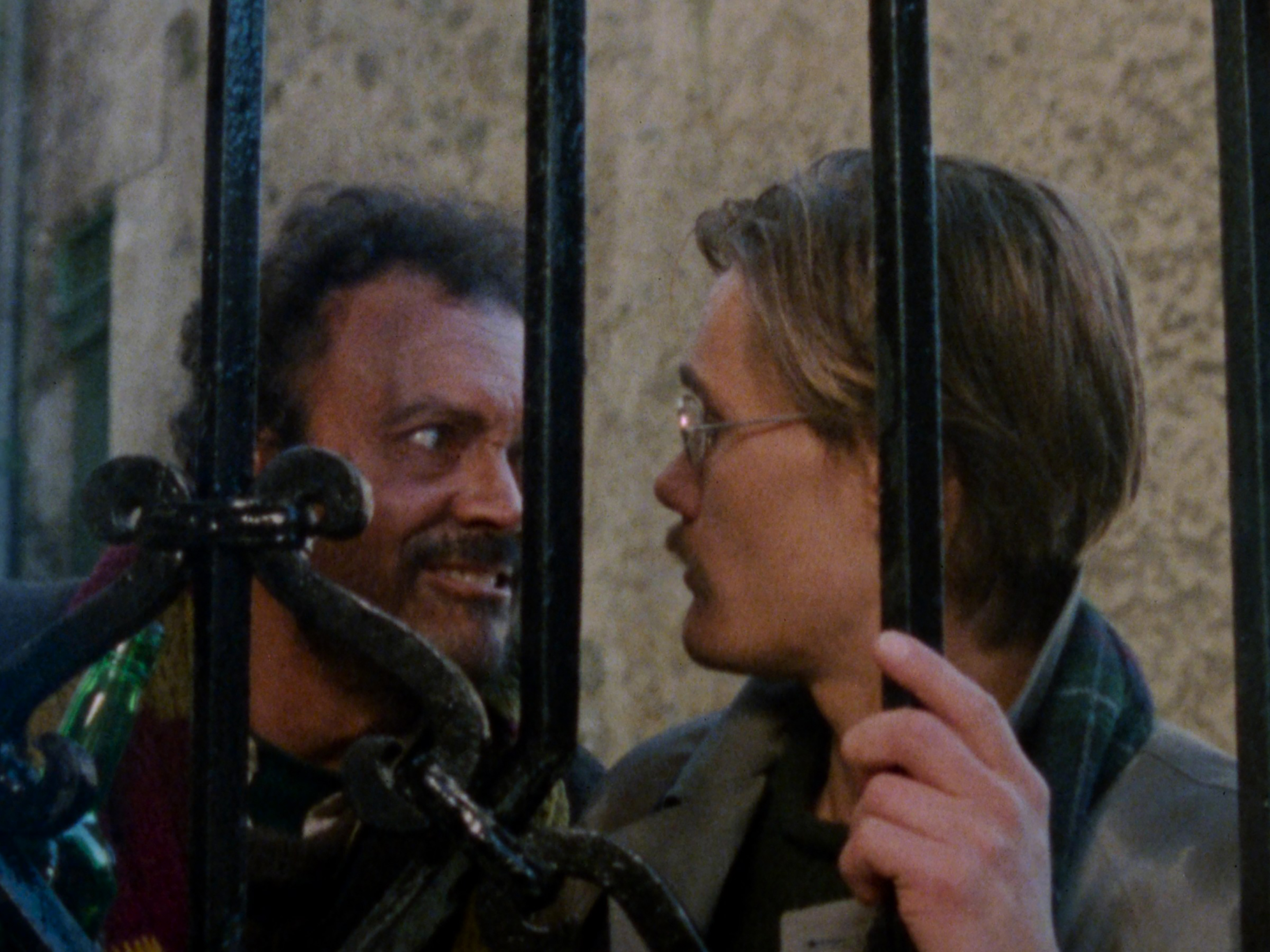
 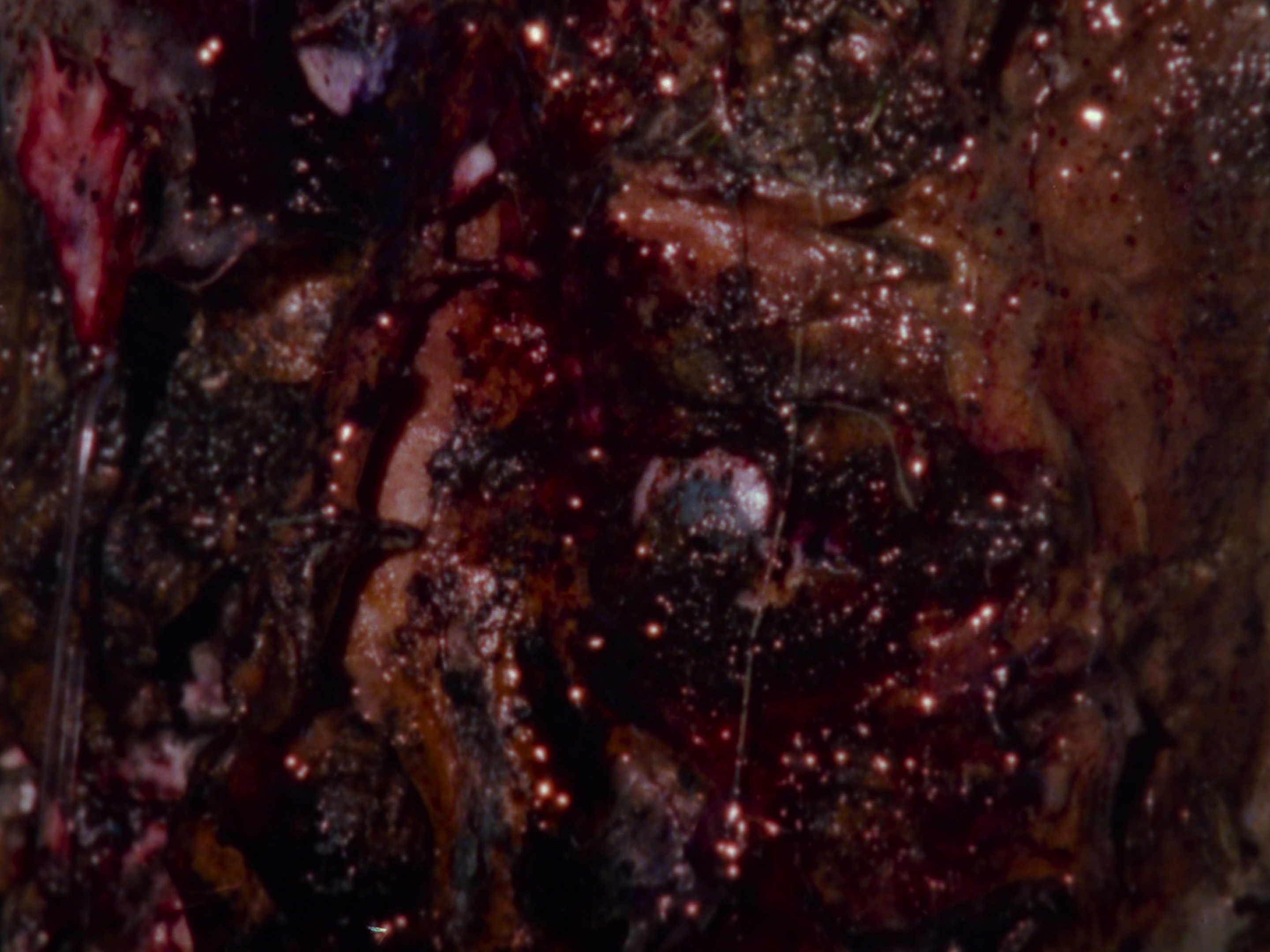 First up is the delirious Bloody Psycho from minor exploitation helmer Leandro Lucchetti (Caged Women), in which renowned "therapeutic energy healer" and tai chi fan Dr. Werner Vogler (The House of Clocks' Hintz) is summoned to the castle owned by rich, wheelchair-bound Mrs. Rezzori (Christensen) where he's warned at the gate by a
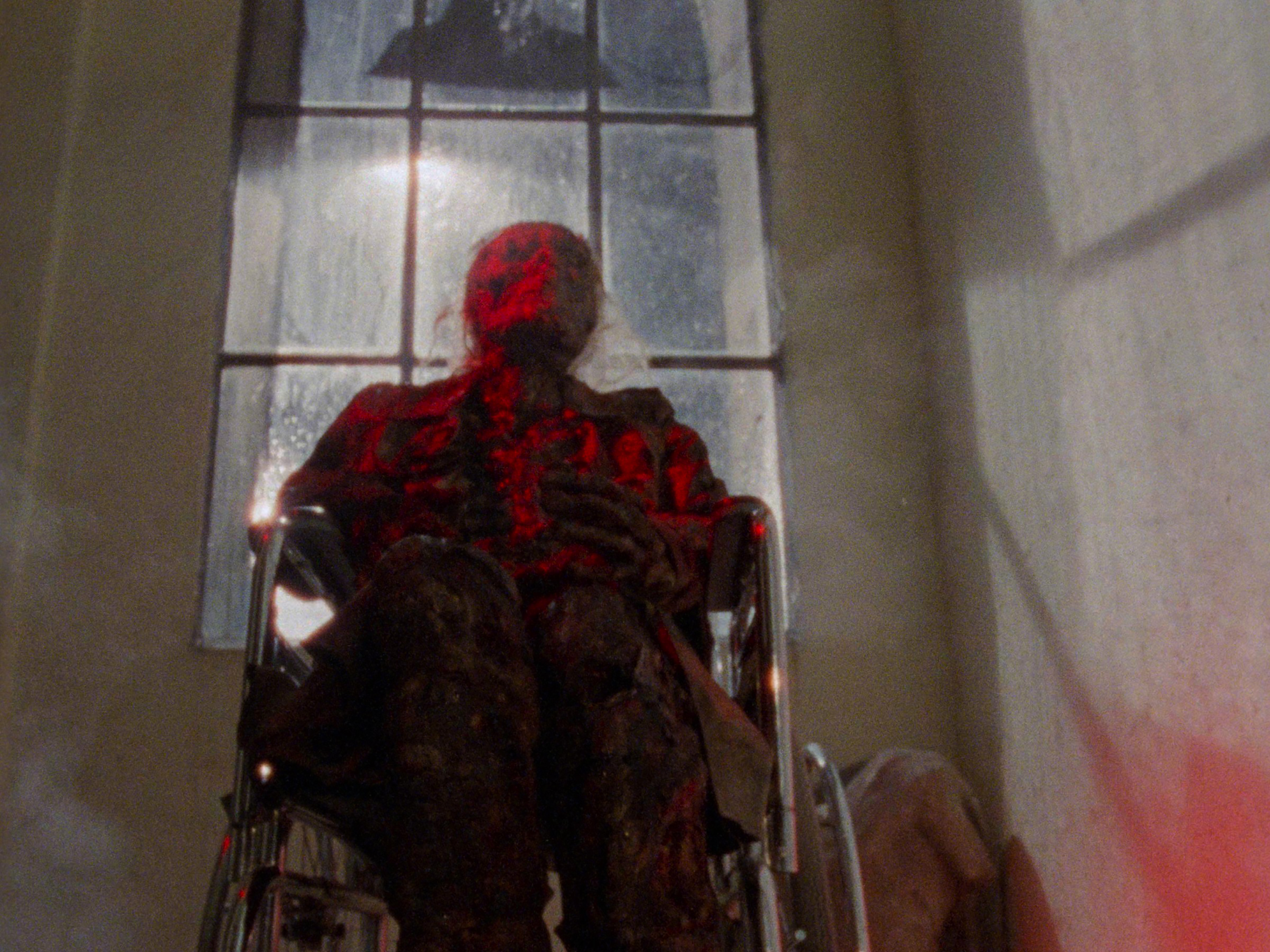
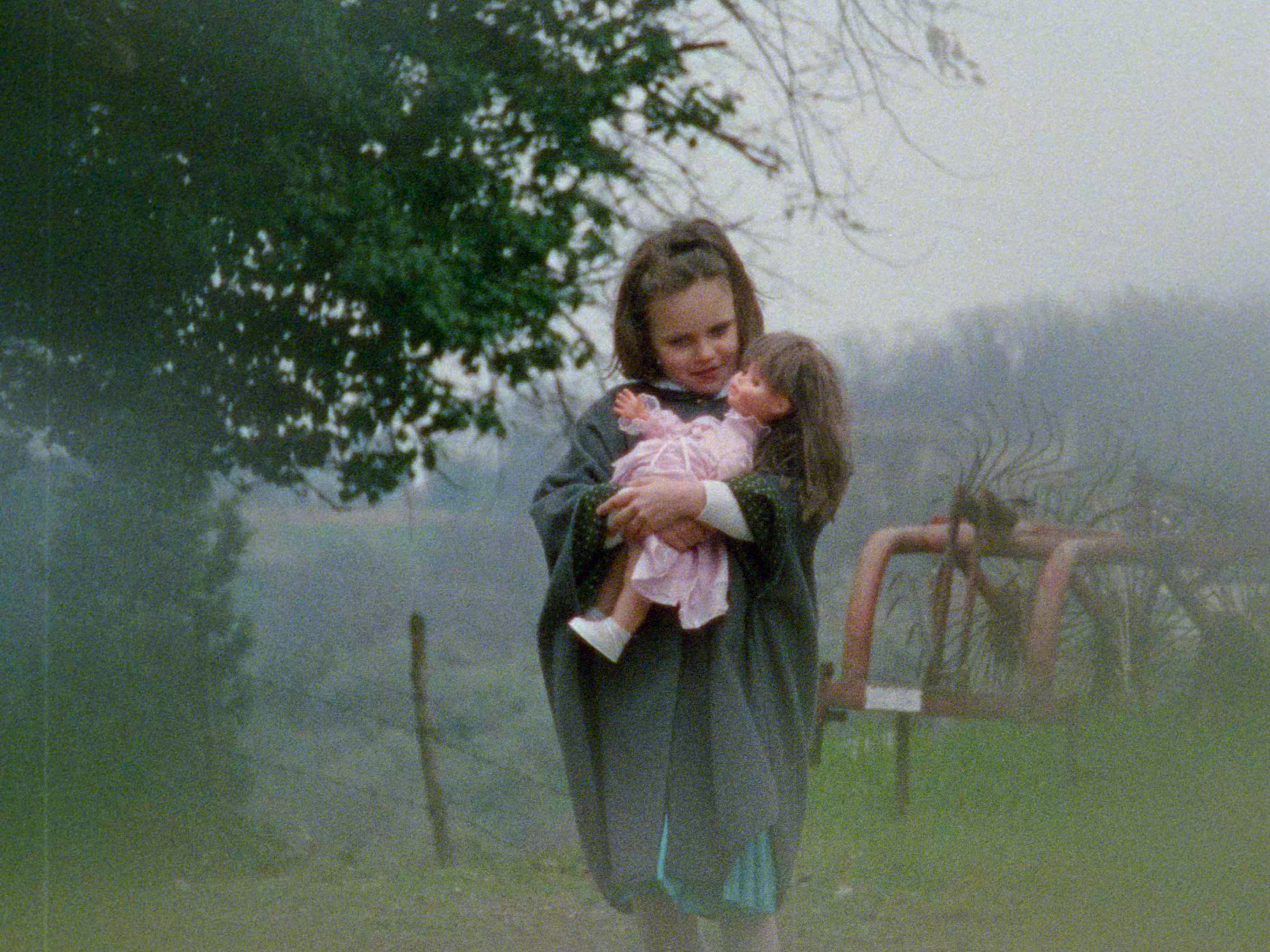
 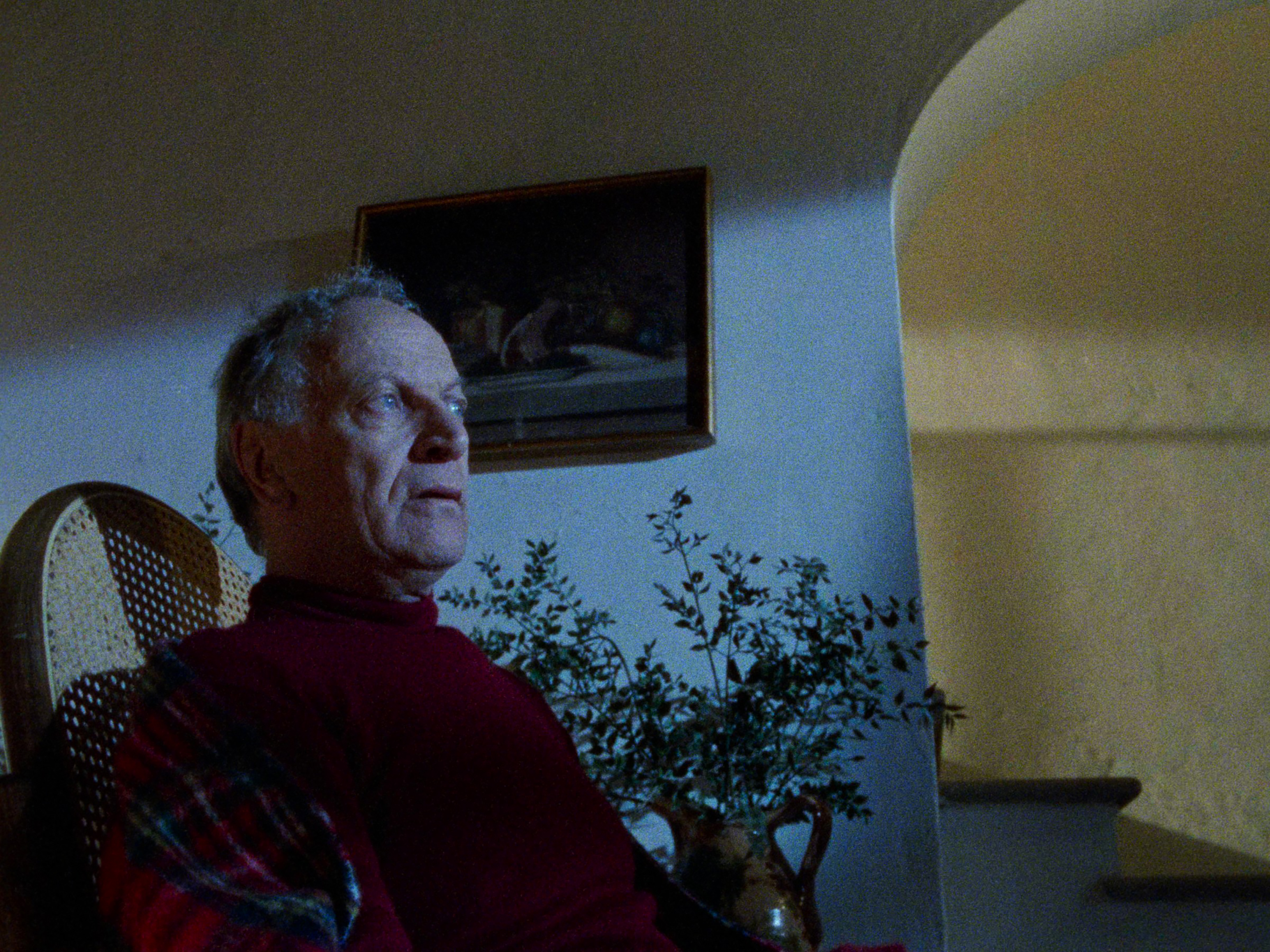 drunken bum (Karis) that the property is haunted. Local journalist Sacha (Darwin) aggressively pursues him to do a story about his latest assignment to use his abilities for his foul-tempered client, but the most intriguing aspect of his stay is the violent visions he experiences involving a bloody butcher knife stabbing, a skull-faced corpse in a wheelchair, and a beheaded doll. When the lady of the house's younger cousin Micaela (Strike Commando's Karmsteeg) shows up and adds to the list of suspicious characters along with the lurking attorney Cohen (Muller), the stage is set for murder and supernatural mayhem.
 twist ending. This one went straight to VHS in Italy and was custom subtitled on the gray market, looking pretty
  dire; adding to the confusion is its actual title which has also been cited as Lo speccio ("The Mirror") on some prints as well as Nel nido del serpente (or The Snake House), which plays into that ending. The Vinegar Syndrome release is a real stunner if you're familiar with this film's video history, looking infinitely more detailed and colorful than ever before with the UHD wringing as much as possible out of the 16mm cinematography. It isn't a slick-looking film by any means, but this is as good as one could imagine. An English dub was apparently never created, so you get the DTS-HD MA 2.0 Italian mono track here with optional yellow English subtitles.
 Blood Part II to, well, the movie you
  have here.
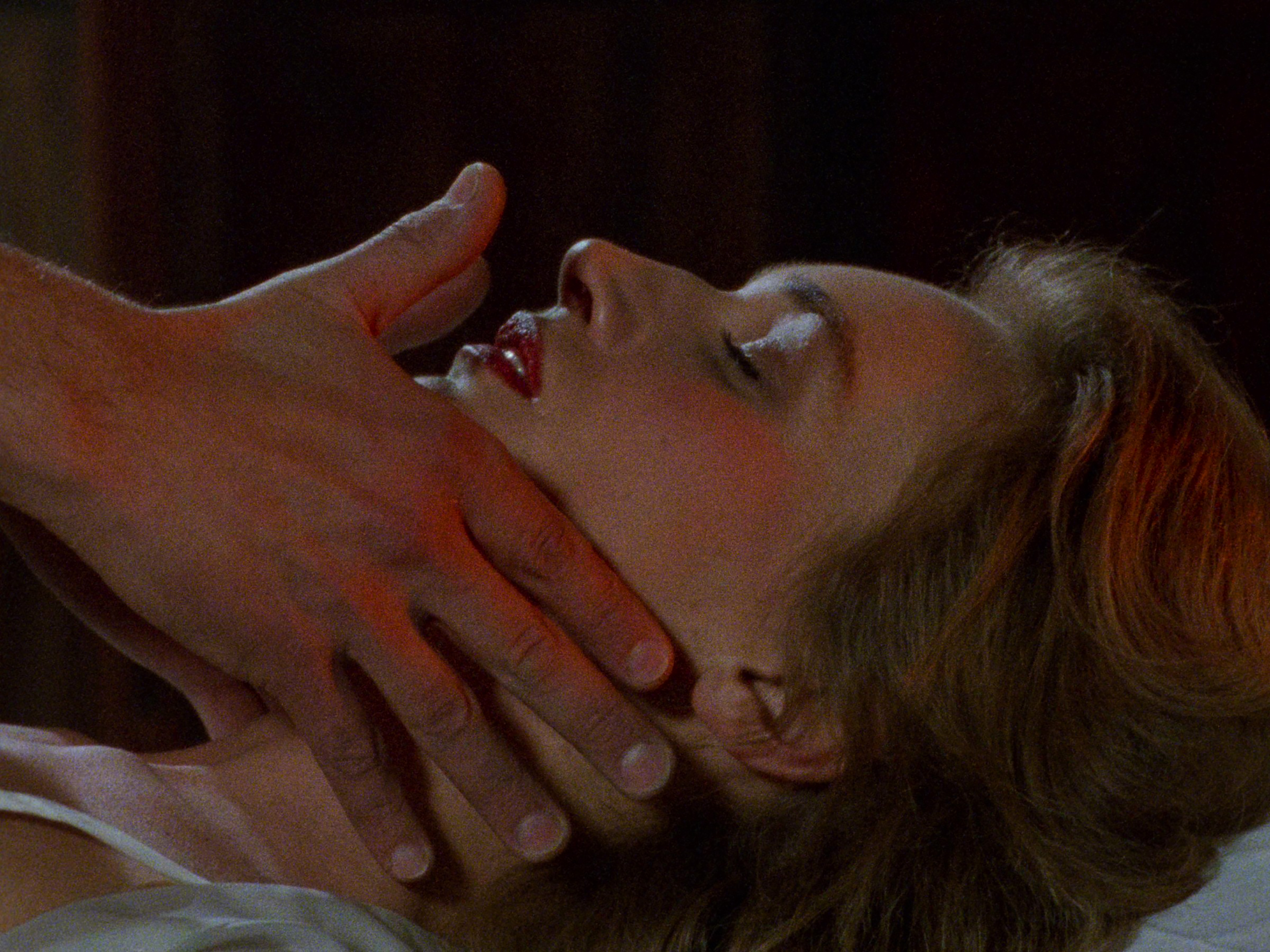
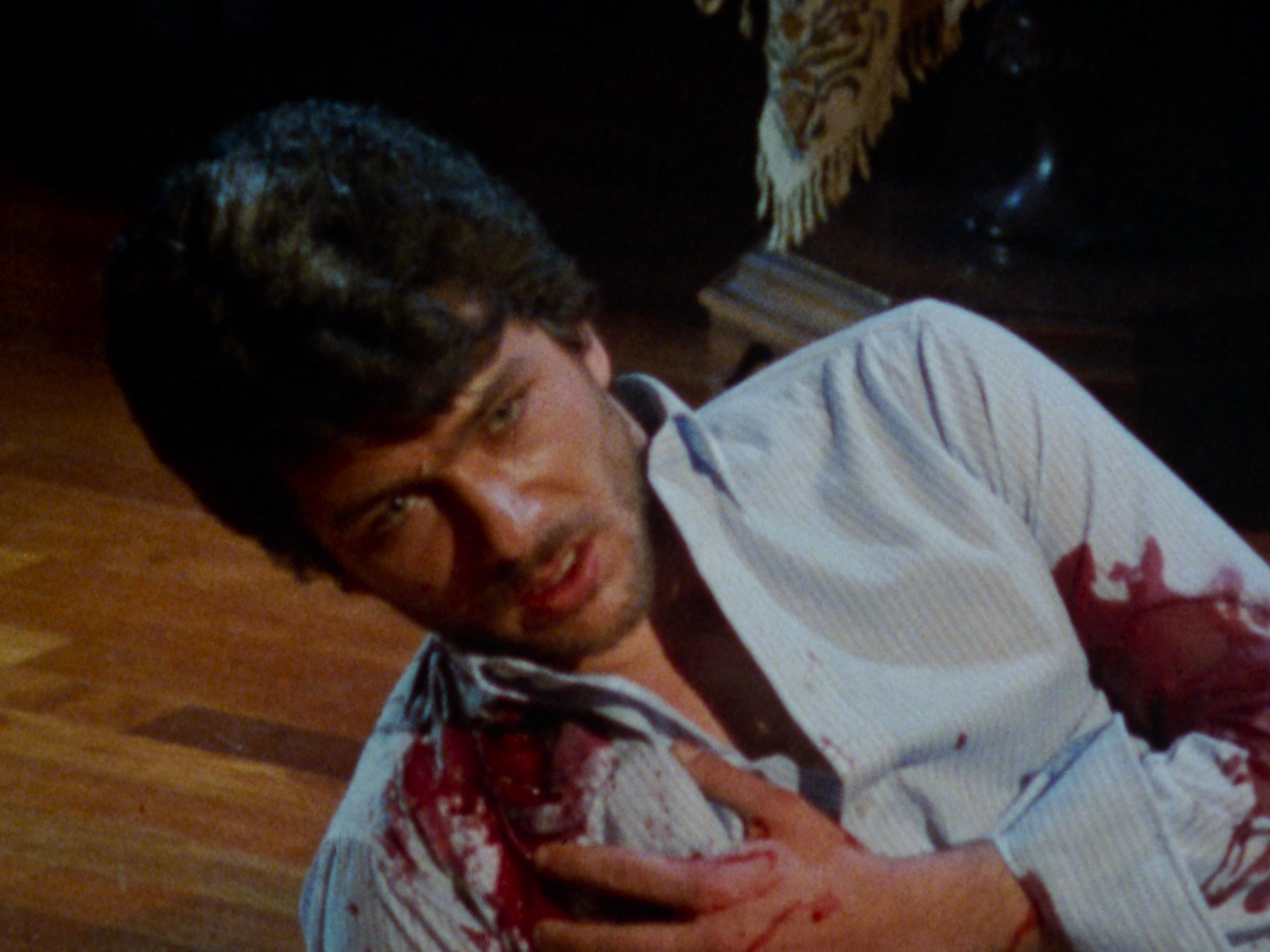
 Though the bulk of this one plays out like a late '60s giallo with its rampant gaslighting and identity switches, Escape from Death does pack in some of the series' most memorable kill scenes which also served as highlights for
  A Cat in the Brain. You'll know them when you see them (a gunshot and a window factor in two of the craziest bits), and even '70s sex symbol Annie Belle turns up in a small part long enough to co-star with a scythe. Plus there's a bizarre narrative diversion involving the creepy, blackmailing stablemaster who's brought in a young woman to play around with who may or may not be his daughter. Given that this was directed by Enzo Milioni of The Sister of Ursula infamy, this subplot doesn't seem too surprising. Extra points for the hilariously abrupt closing shot, which is almost worth the price of admission by itself.
 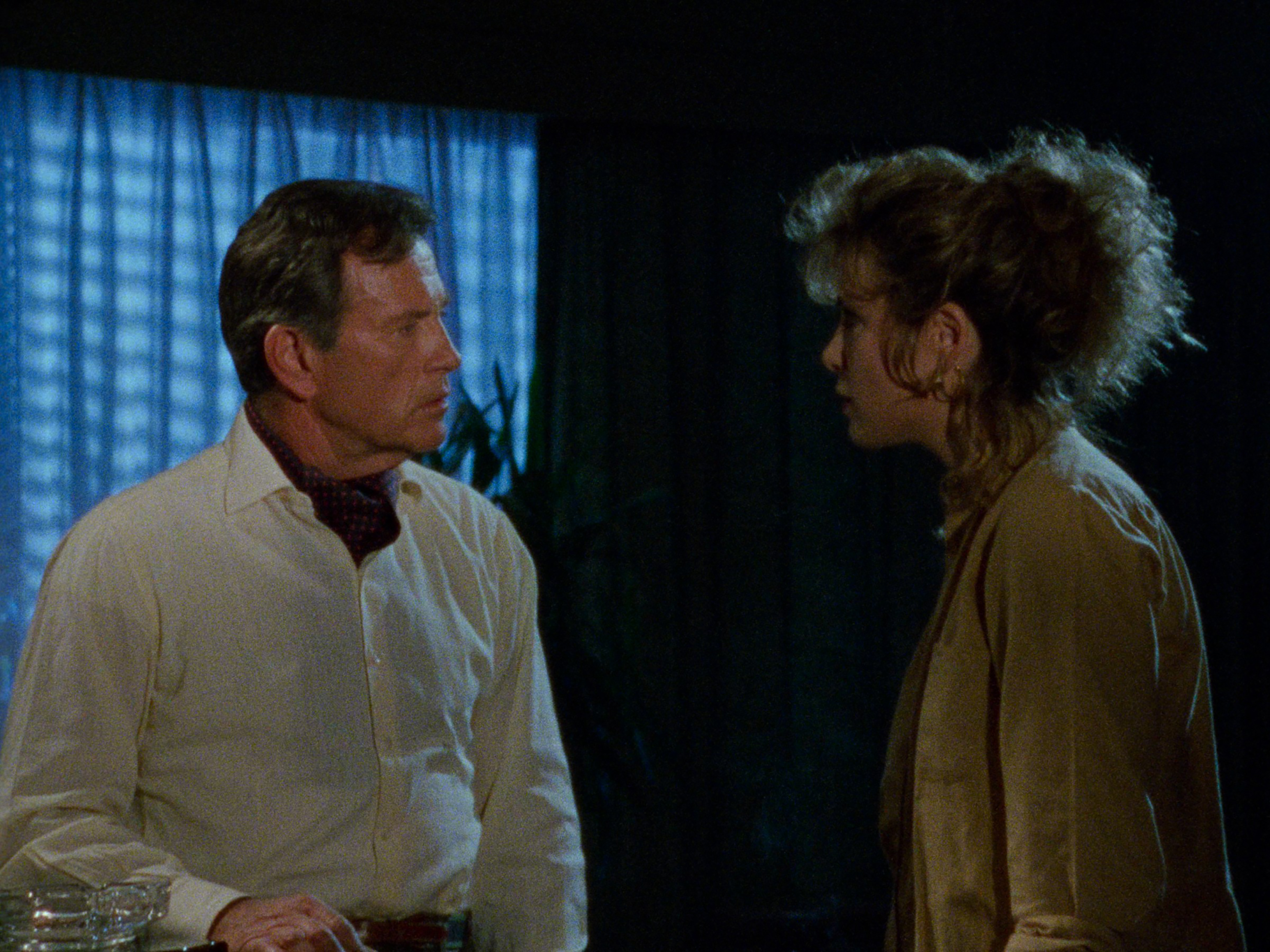 An audio commentary by Eugenio Ercolani and Troy Howarth focuses more on the series at large, the director's background, and
 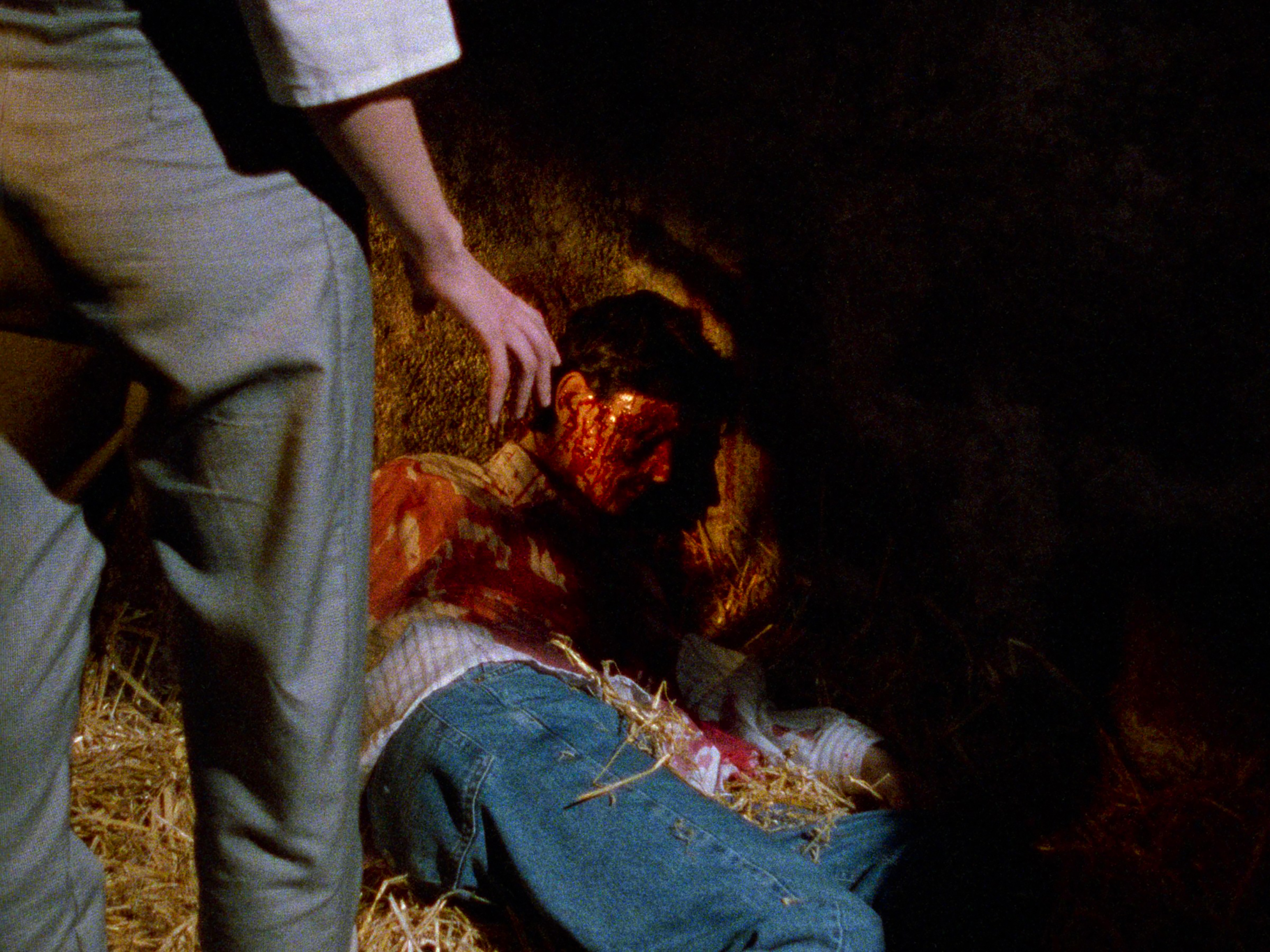 Fulci's career at the time, with a history of the series' odd production history and distribution along with thoughts on this one's unique cast and generally low status in the series. The great "Zora, the Escapee" (17m55s) is a candid and often very funny chat with the Czech actress covering her life and career in the second half of the '80s, when her marriage (to a real piece of work apparently) fell apart and left her taking care of a young child. Unable to get work back home due to blacklisting and longing for Italy, she resumed her career and found Fulci a great help getting her back on several projects including this and Touch of Death. The "dead dog" anecdote is especially hilarious. In "Victim of Circumstance" (16m19s), Freyberger looks at his own family acting background, his start on Caligula: The Untold Story, his crazy Wild Beasts chase scene, and his fairly scant memories of this production. In "Bloody Sonata" (19m28s), composer Paolo Gatti discusses his young musical training, his collaborations with Alfonso Zenga including this film, the illustrious peers who impacted him, his "indirect" project with John Cassavetes, and other projects for the screen and theater. In "Exhuming Lucio" (12m36s), Bocchi shares his own memories of meeting Fulci around the early '90s and how he views the post-golden age period of the famously cantankerous filmmaker's career. Ercolani also pops up for "Escape from Death, Enter the Showbiz (29m54s), diving further into the finer points of the cast including their more unusual career choices and public scandals as well as the tactic of mixing
 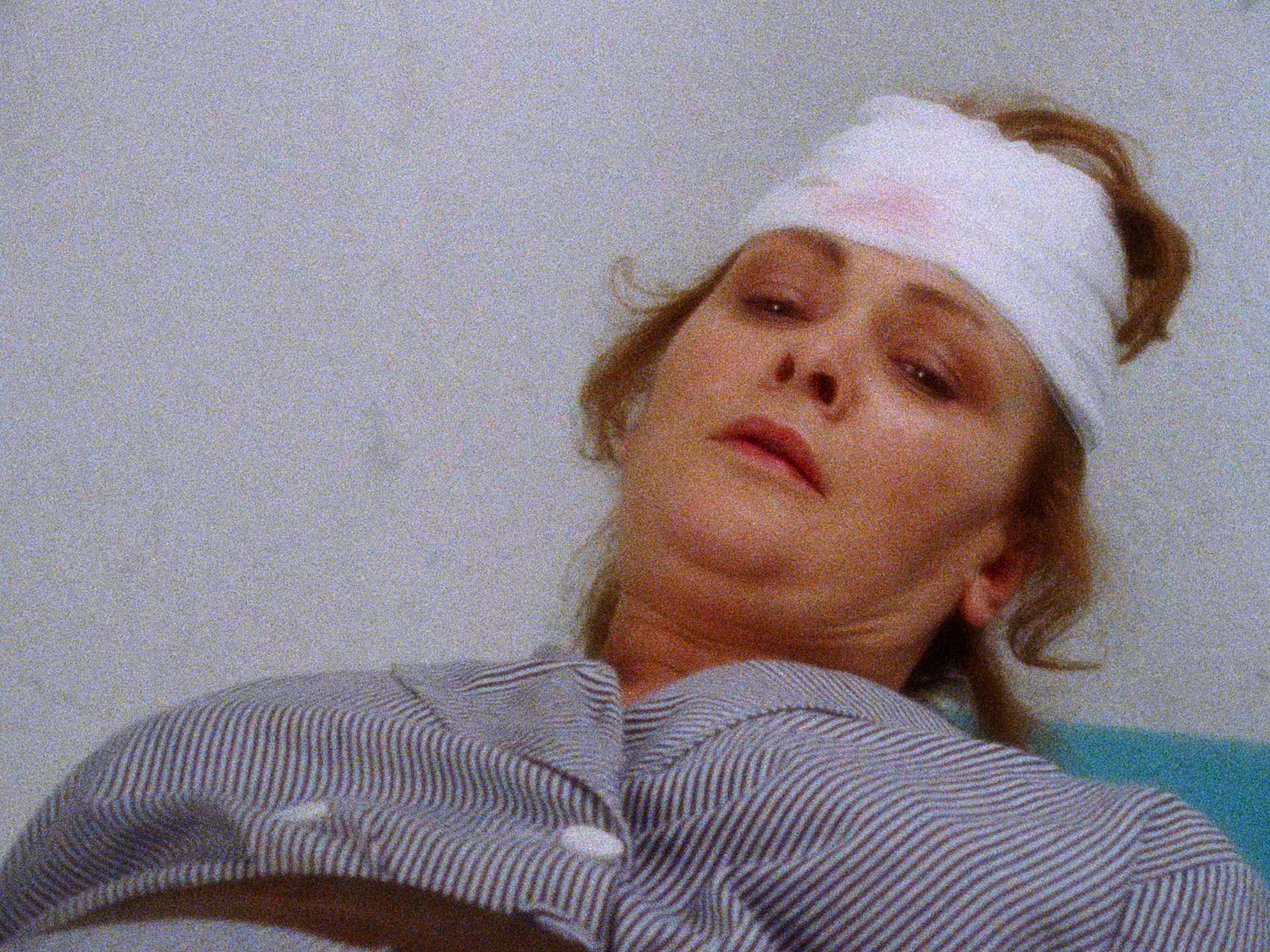 willing veterans with young, cheap
 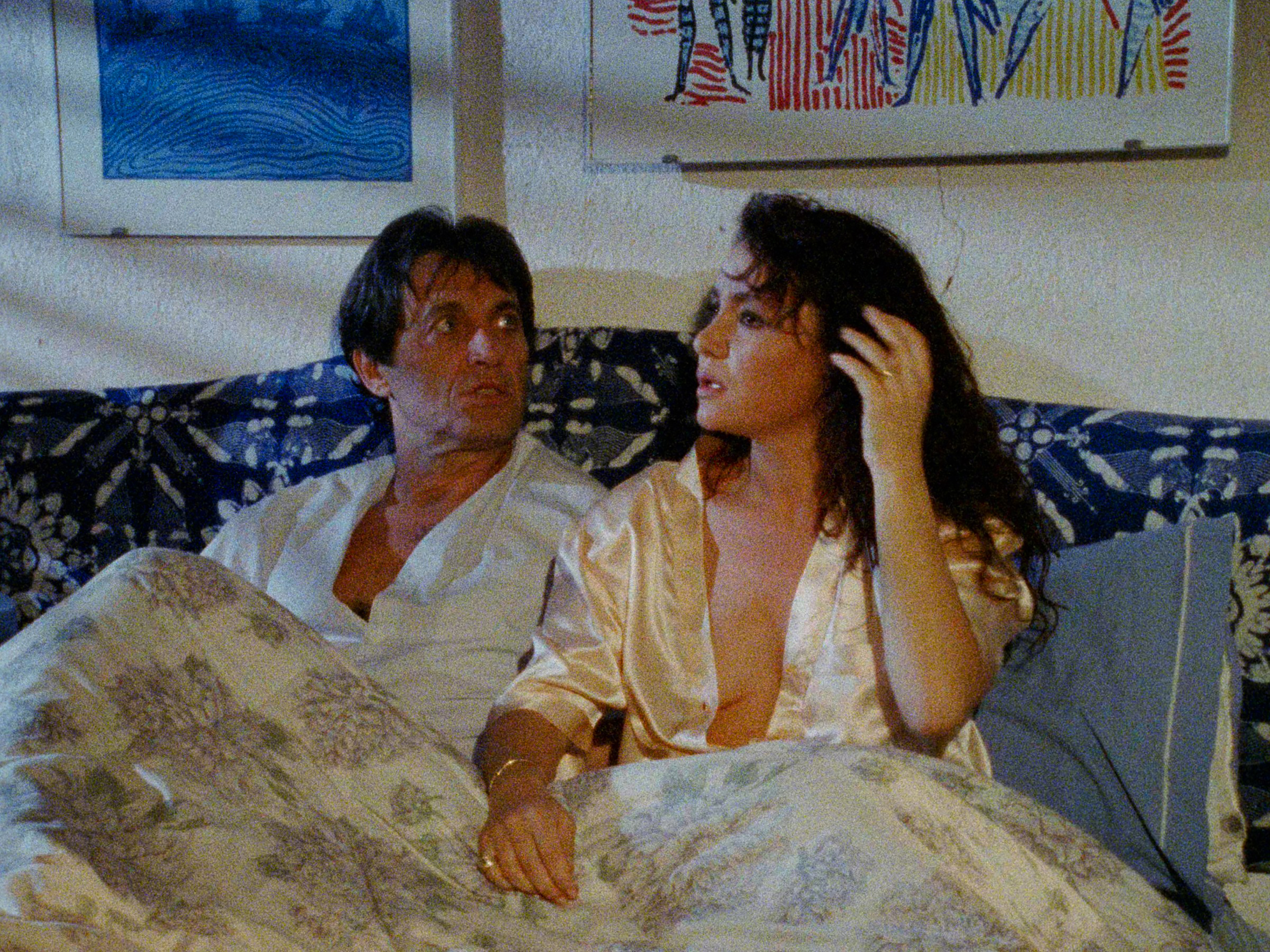 talent.
 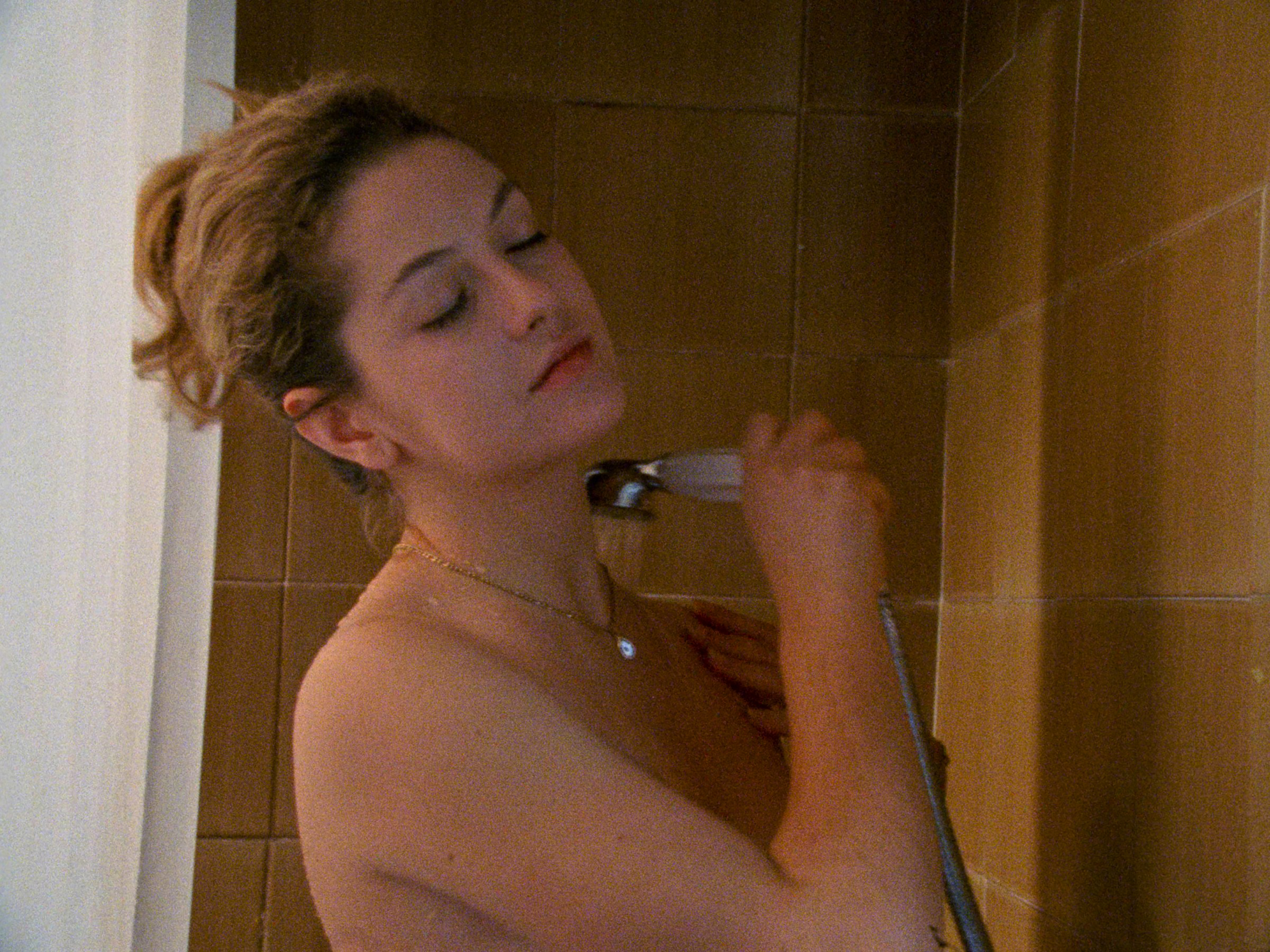 Fulci-eque of the three films here, The Murder Secret is chock full of weird character beats, thumping synth music from Gianni
 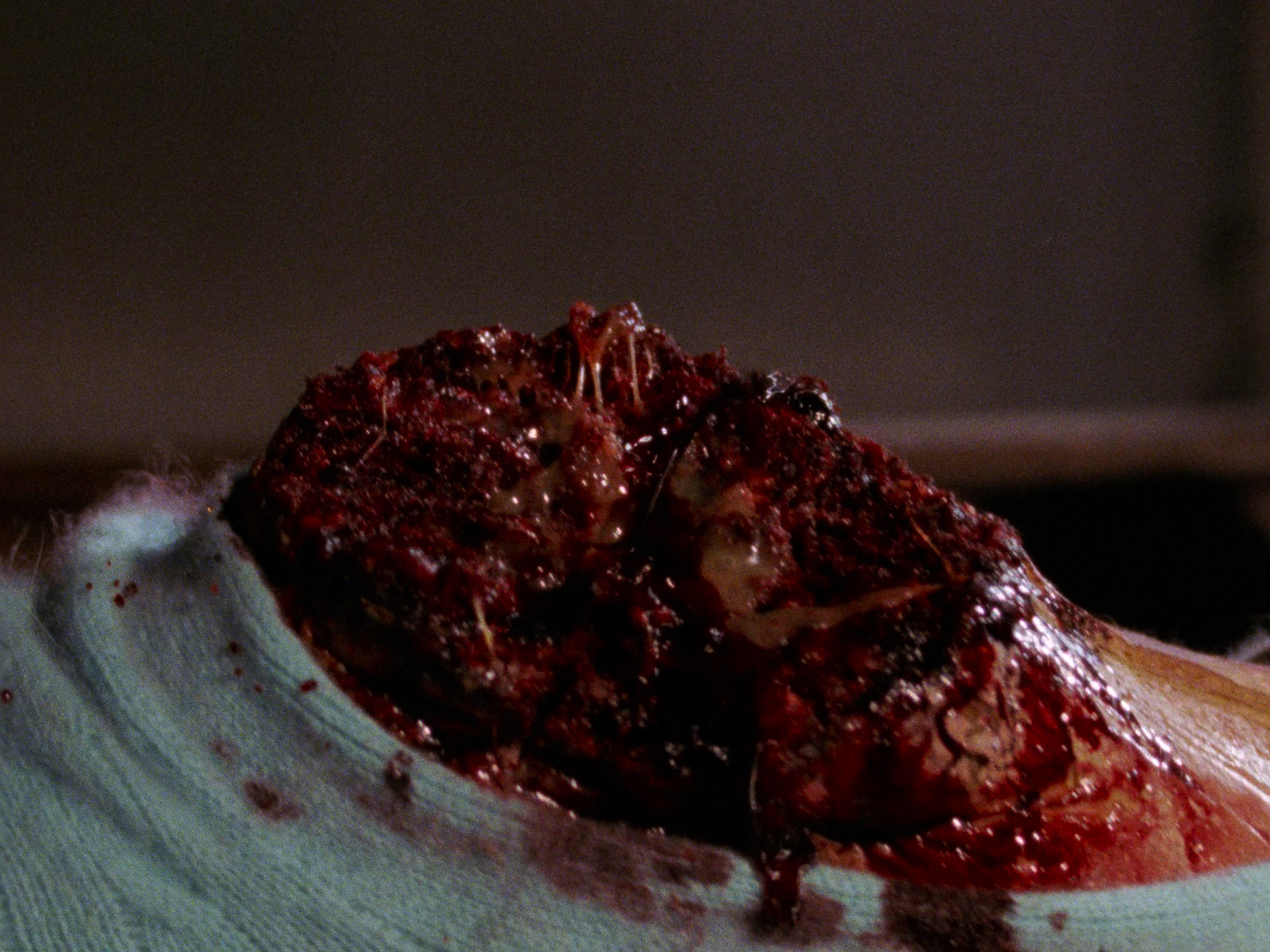 Sposito, gratuitous shower nudity, and a crazy gore banquet near the one-hour mark that provided Cat in the Brain with some of its juiciest bits. (The chainsaw gag in particular is one that still shocks.) Good luck figuring out what's happening at the end when the film decides to throw in at least three completely contradictory twists into the mix, but if you don't think about it too much, this is a delightfully daft shocker all around. Tinti and Poli definitely take the top acting honors here, with the latter getting the film's biggest gross-out moment near the end with that old '80s Italian horror standby, real maggots. Director Mario Bianchi, the prolific hardcore director probably best known for the horror-sex hybrid Satan's Baby Doll, takes a very straightforward approach here focusing on titillation and shocks over any real visual style-- which was enough to get the job done here. Not surprisingly, this one got wider distribution than many of its peers including VHS releases overseas (including Japan) and a Dutch DVD from EC Entertainment. Thankfully an English track was prepared and released, and both that and the Italian dub are included on the Vinegar Syndrome release (DTS-HD MA 2.0 mono with English-translated or SDH subs) which again featuring a stellar restoration from the 16mm negative. Ercolani and Howarth appear again for a new audio commentary ably covering Bianchi's career, the confusion of multiple other movie industry Bianchis (no relation to Burial Ground's Andrea), the actors and their Fulci connections, and the production background.
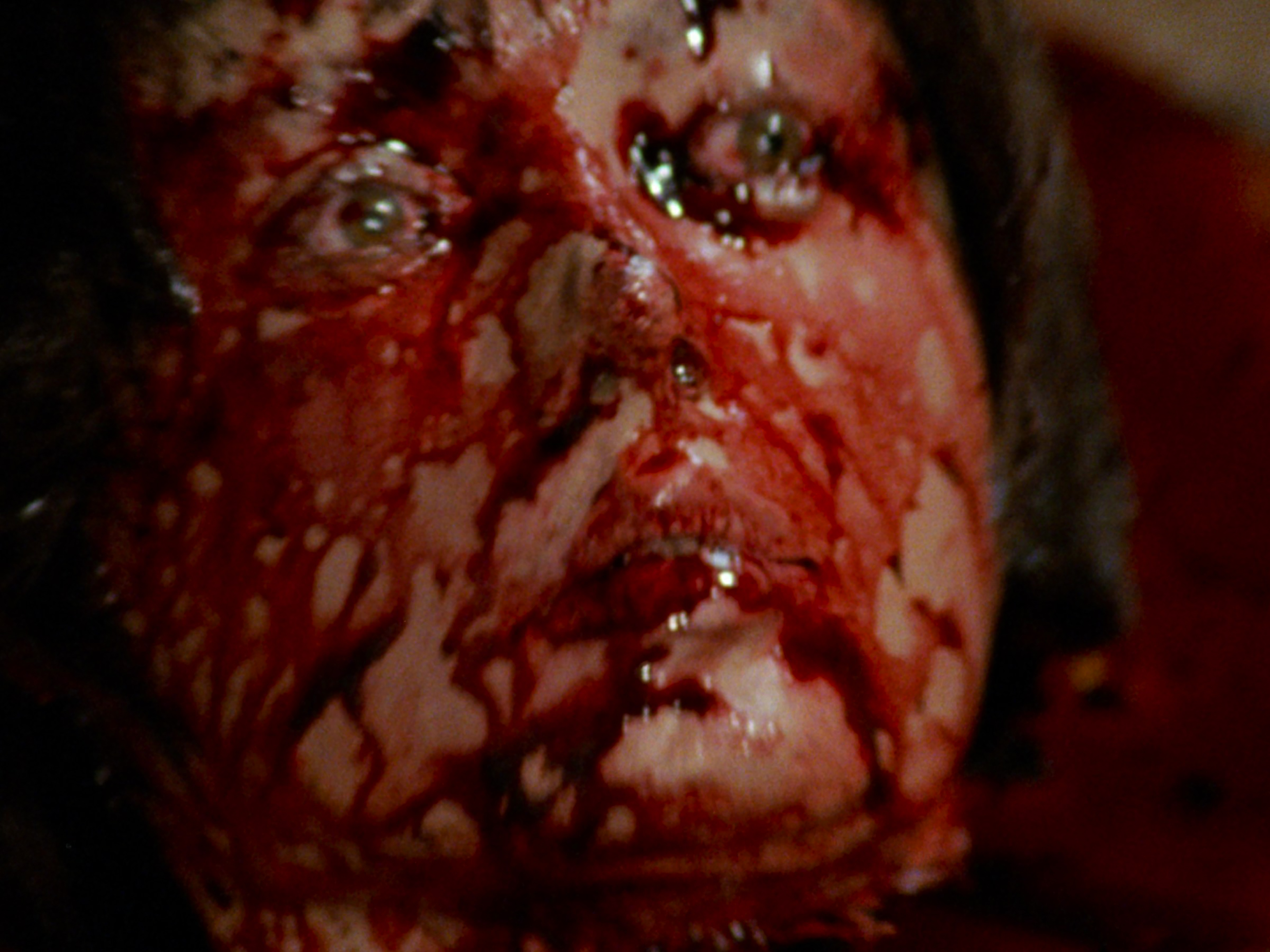 Aunt Adriana" (25m51s), Russo is interviewed about her very non-glamorous debut in Ettore Scola's Ugly, Dirty and Bad
  (this is the second one here to mention makeup for a cleft lip), her industry experiences with numerous luminaries, the effects process for her biggest scene, and her fondness for her director with whom she also worked on Nightmare in Venice. In "Horror in B Minor" (16m38s), uncredited co-writer Francesco Valitutti covers his own upbringing in the industry, the connections that led to this film, the comedies he worked on before this, his collaborations with Andrea Bianchi, and the rationale behind the twisty final act of this film which he left during the dialogue writing. In "Bread, Butter and Gore" (12m), Roberto Stiffi, founder and owner of movie transportation renal and logistics company Stiffi Cinematografica, looks back at his numerous Fulci-connected productions starting with Conquest and rattling off several amusing recollections about his days on movie sets including the producers of this series. In "Three Whites in Red Light" (25m44s), film historian Franco Grattarola takes a look at his personal experiences with Mario Bianchi, the director's personality, and the intersection of porn and genre filmmaking he straddled around this time. Finally in "Four Murders, Zero Secrets" (30m12s), Beyond Terror author Stephen Thrower charts the development of this series (initially without the Fulci branding), the indications of a hasty script for this gory take on Waiting for Godot, the drastic budget stripping compared to the original concept, the story behind that white Mercedes you see in several of these entries, Fulci's own outlook on the process, and the many peculiar shortcomings in the final result. Also included are the rattier English main titles and closing end card.