 before he galvanized Hollywood with his Oscar-winning crime classic The French Connection, director William
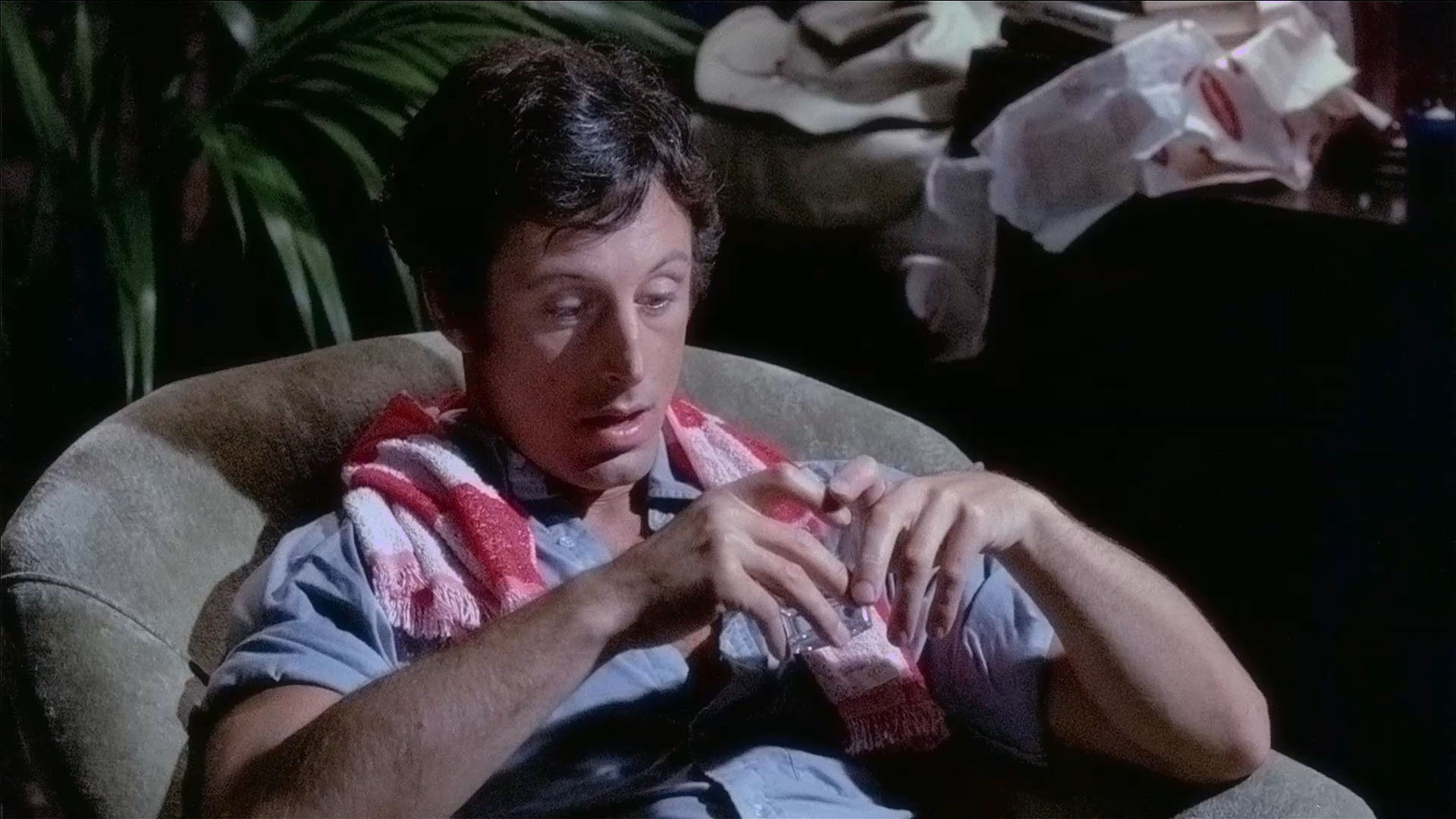
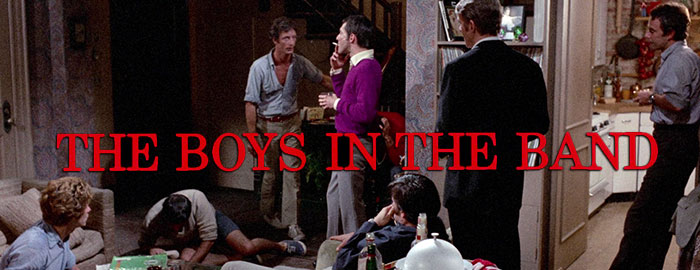
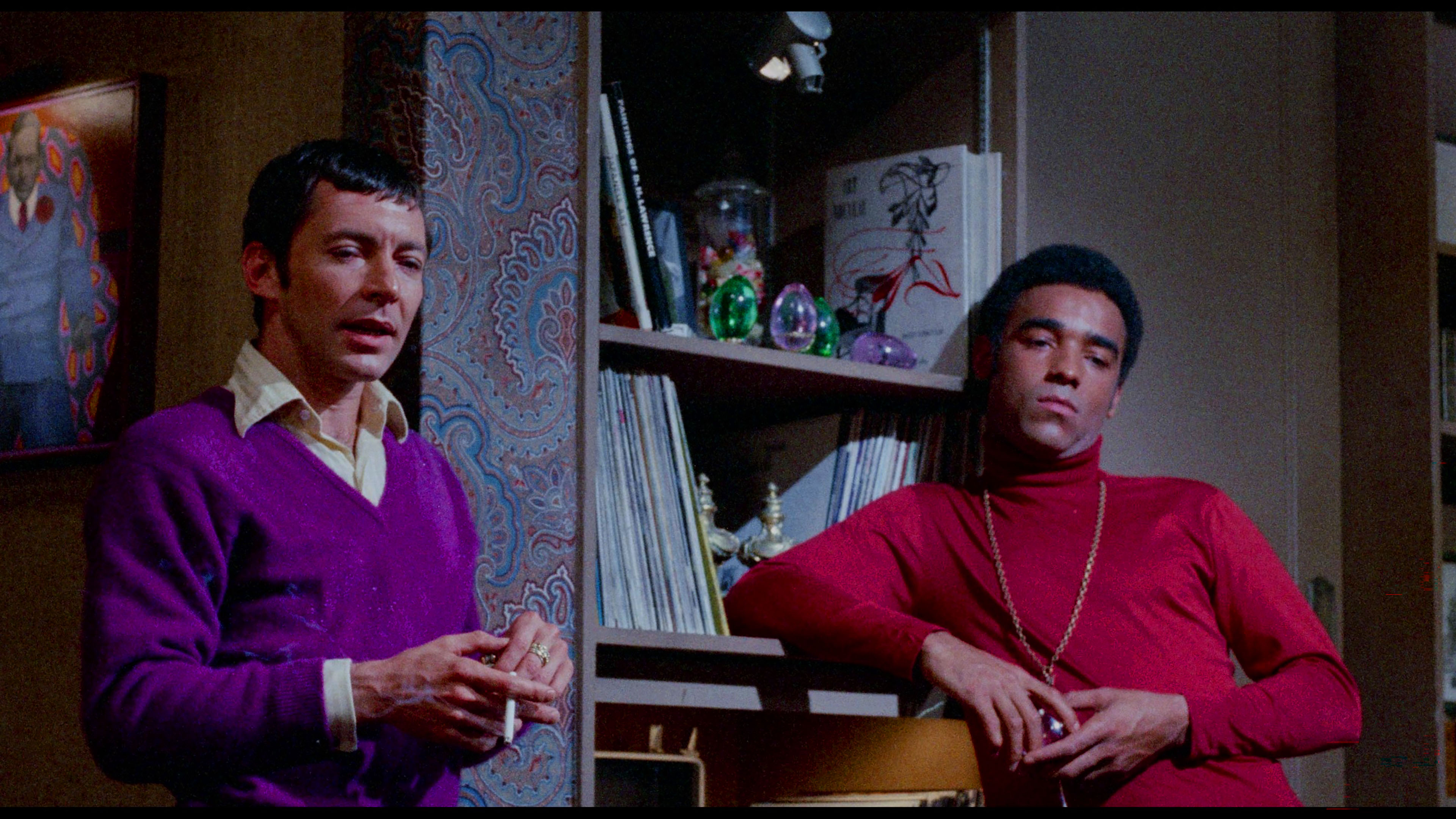
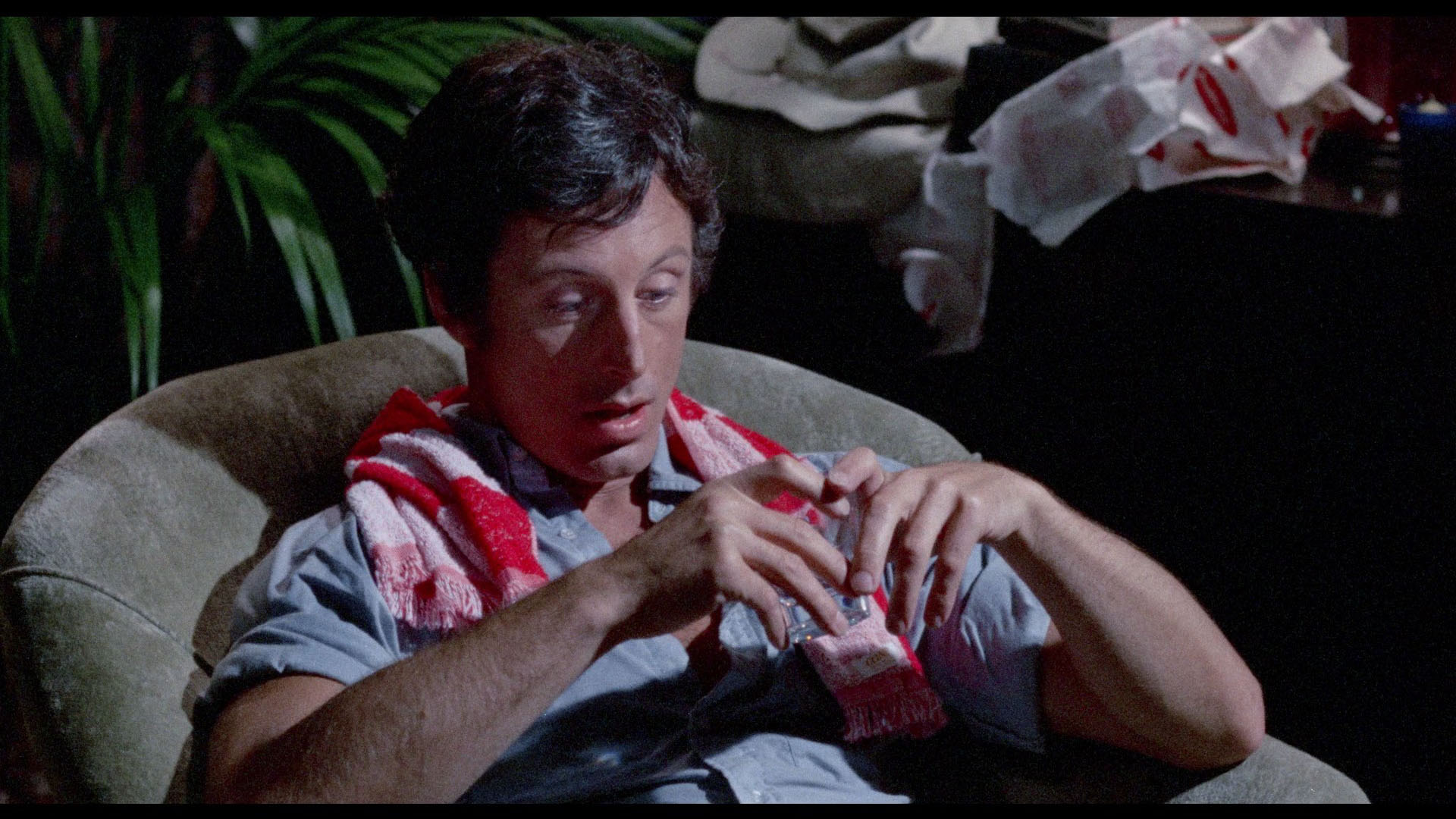
 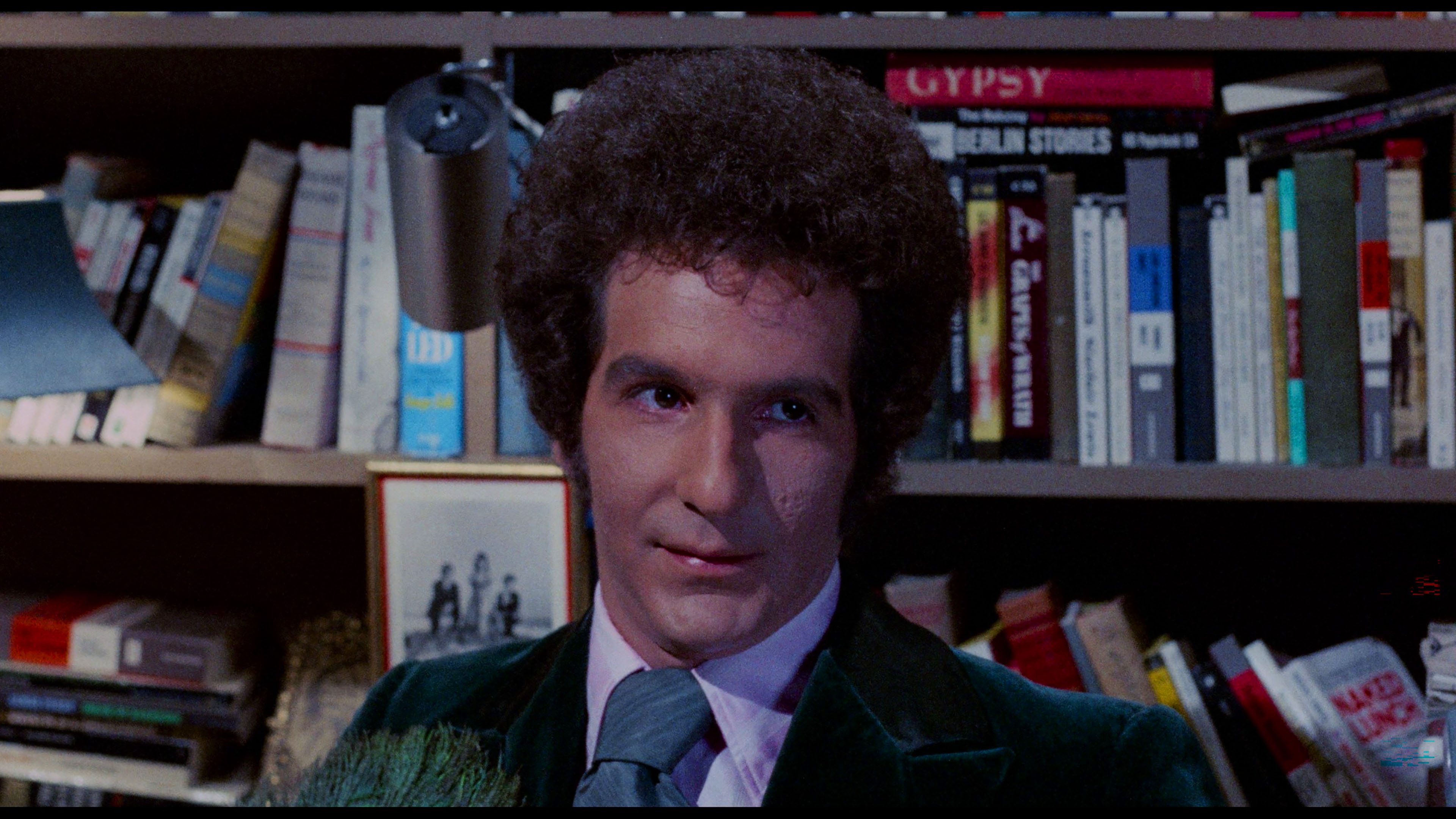 Friedkin took a very different look at life in New York City with The Boys in the Band, a very faithful filming of the Off-Broadway hit play by Mart Crowley (who also wrote the screenplay). The entire original cast was wisely retained for the film, which depicts a very turbulent night in the late '60s in the lives of several gay friends and one ambiguous uninvited arrival. Of course, the Stonewall uprising in between the play's opening and the film had changed the social climate tremendously; from its release onward the depiction of the characters here has caused controversy ranging from praise for its frankness and the diversity of its personalities to raking it over the coals (from Vito Russo in particular) for harmful depictions of self-pity and an unfulfilling life. Of course, those issues would pale in comparison to the way Friedkin would close out the decade when he made his most widely protested film ever, Cruising, but time has proven both films to be easily capable of withstanding criticism while providing a snapshot of the major changes undergone during the '70s with the horrific catastrophe of AIDS right around the corner. The fact that the majority of the Boys cast members would themselves be gone far too young gives the film a different feeling than intended, capturing
 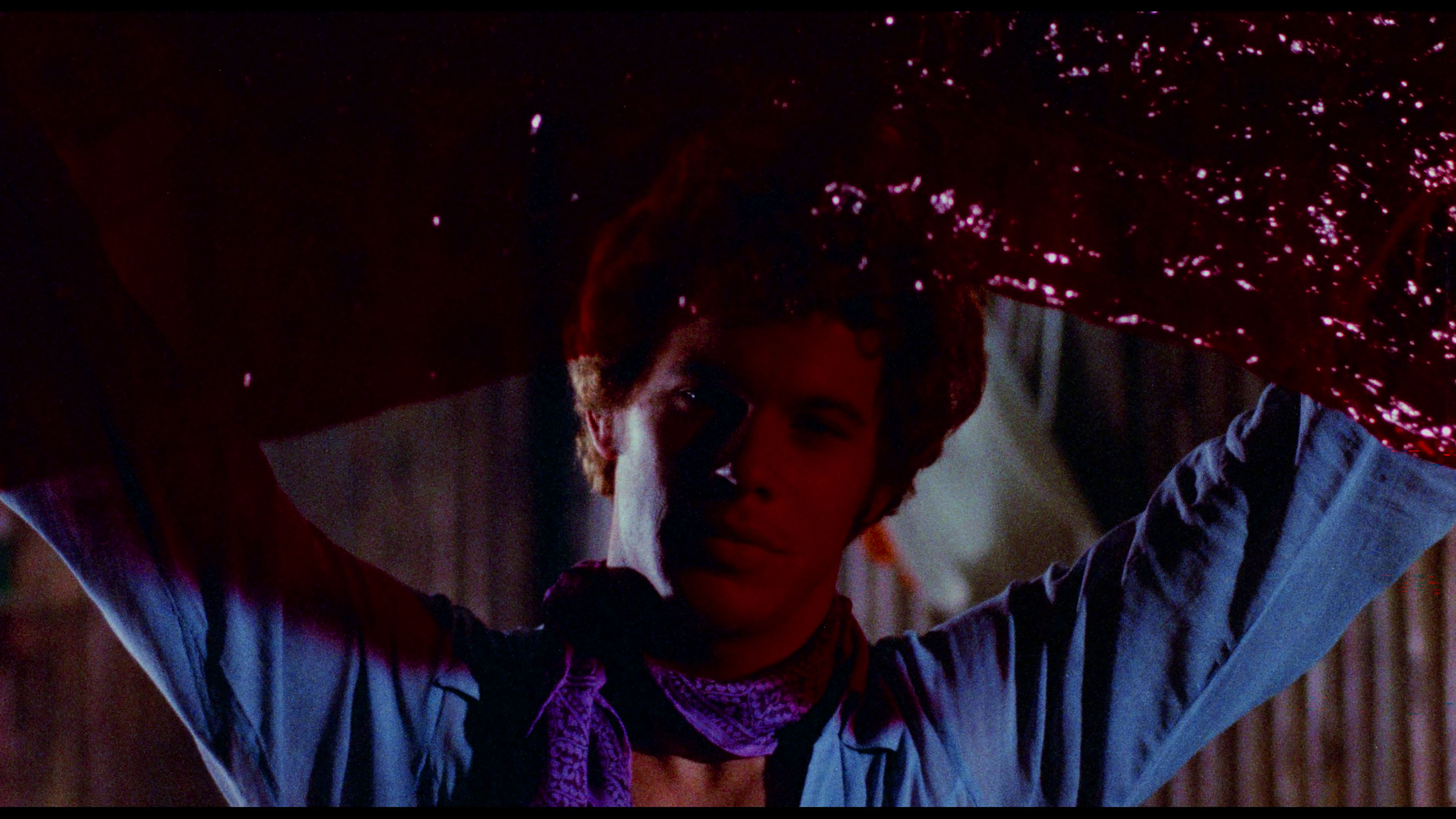 a score of
 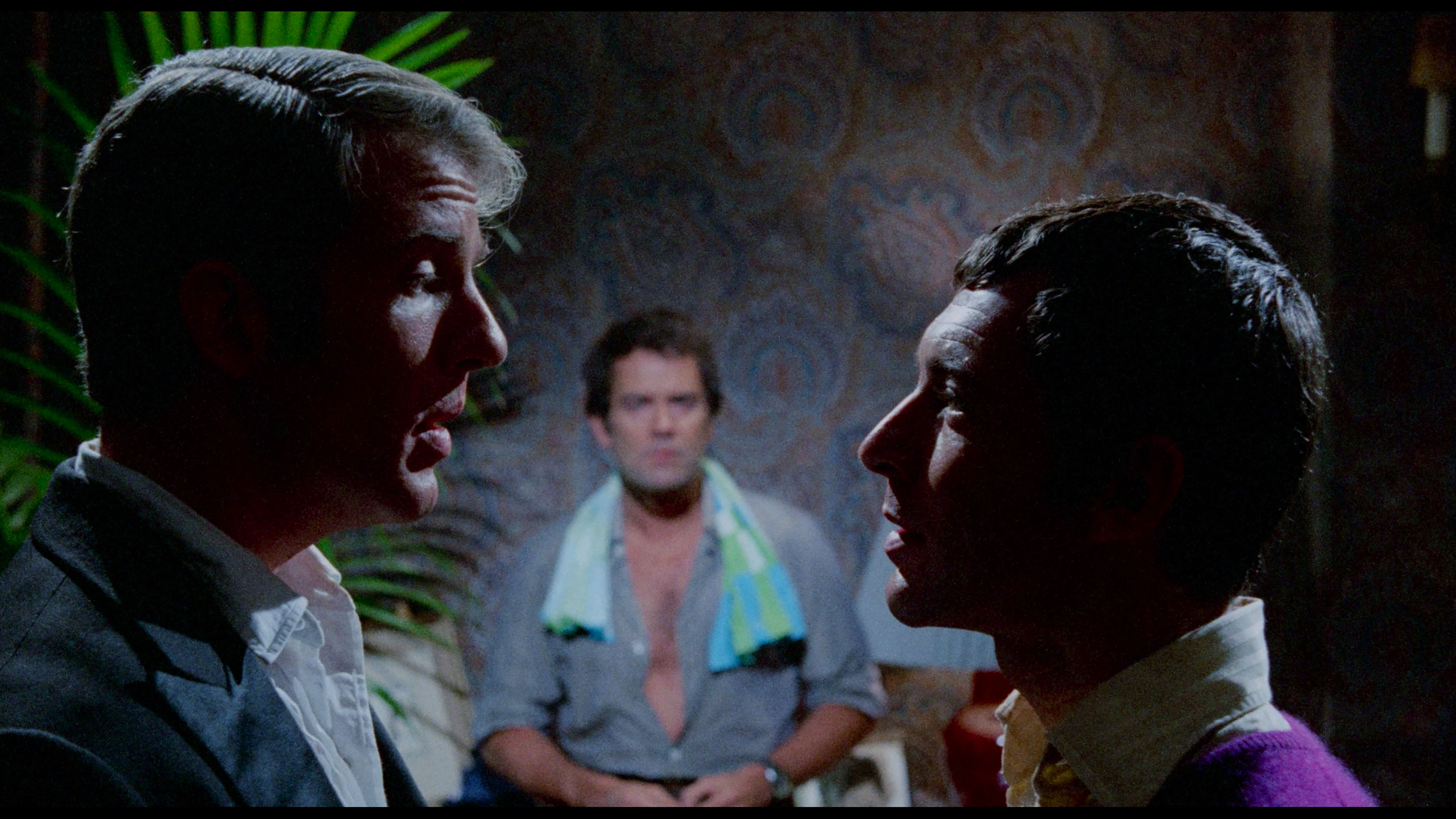 iconic performances forever from several actors who would never get to reach their full potential. Though the film was only successful in major cities, its impact was felt quickly with a slew of gay-themed mainstream films quickly released including Something for Everyone (later the same year from the same company, Cinema Center Films), Sunday Bloody Sunday, Some of My Best Friends Are..., and Fortune and Men's Eyes.
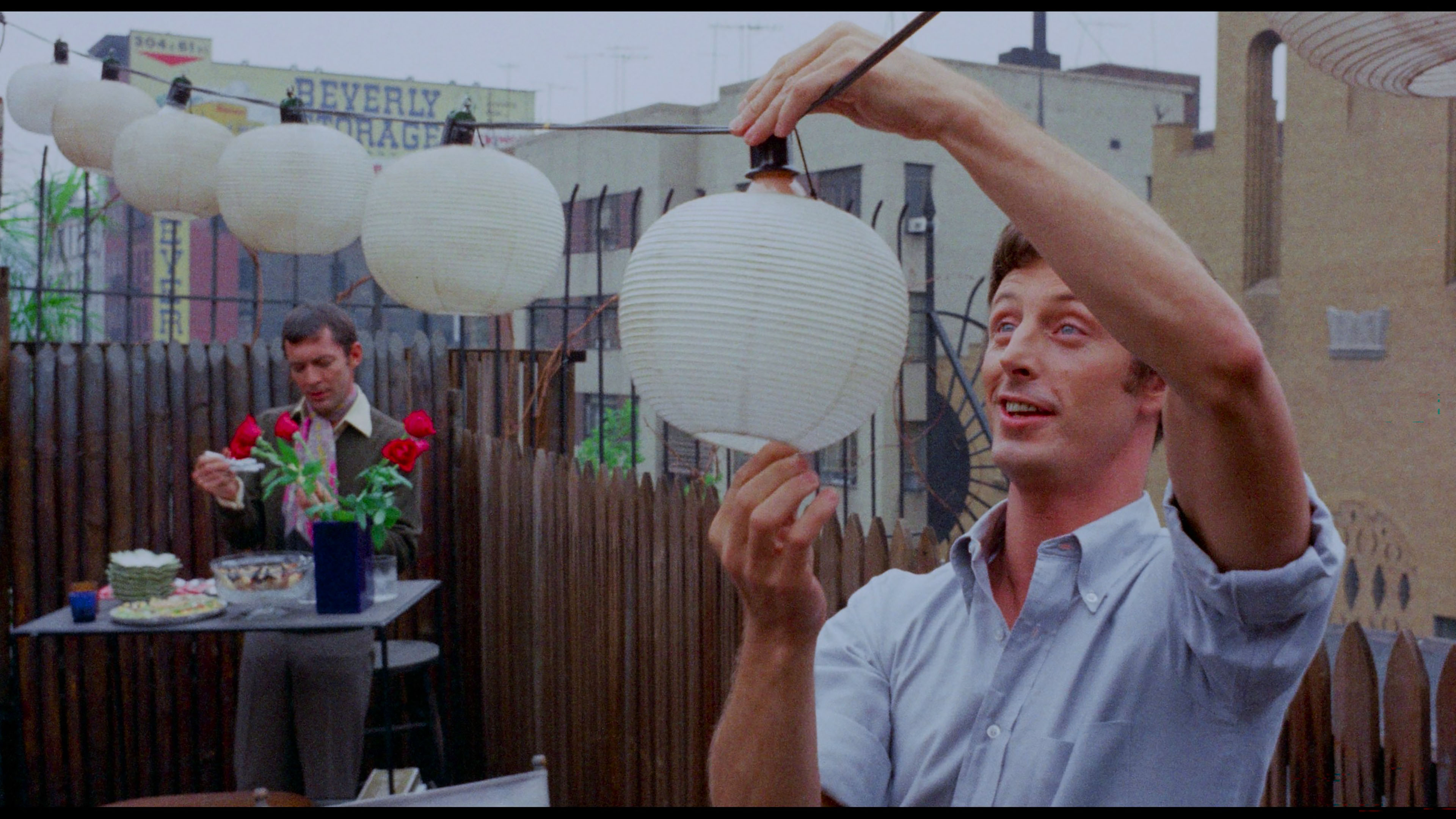 Goes" all the way to the subdued, wistful final shot. The movement of the action in and out of the apartment
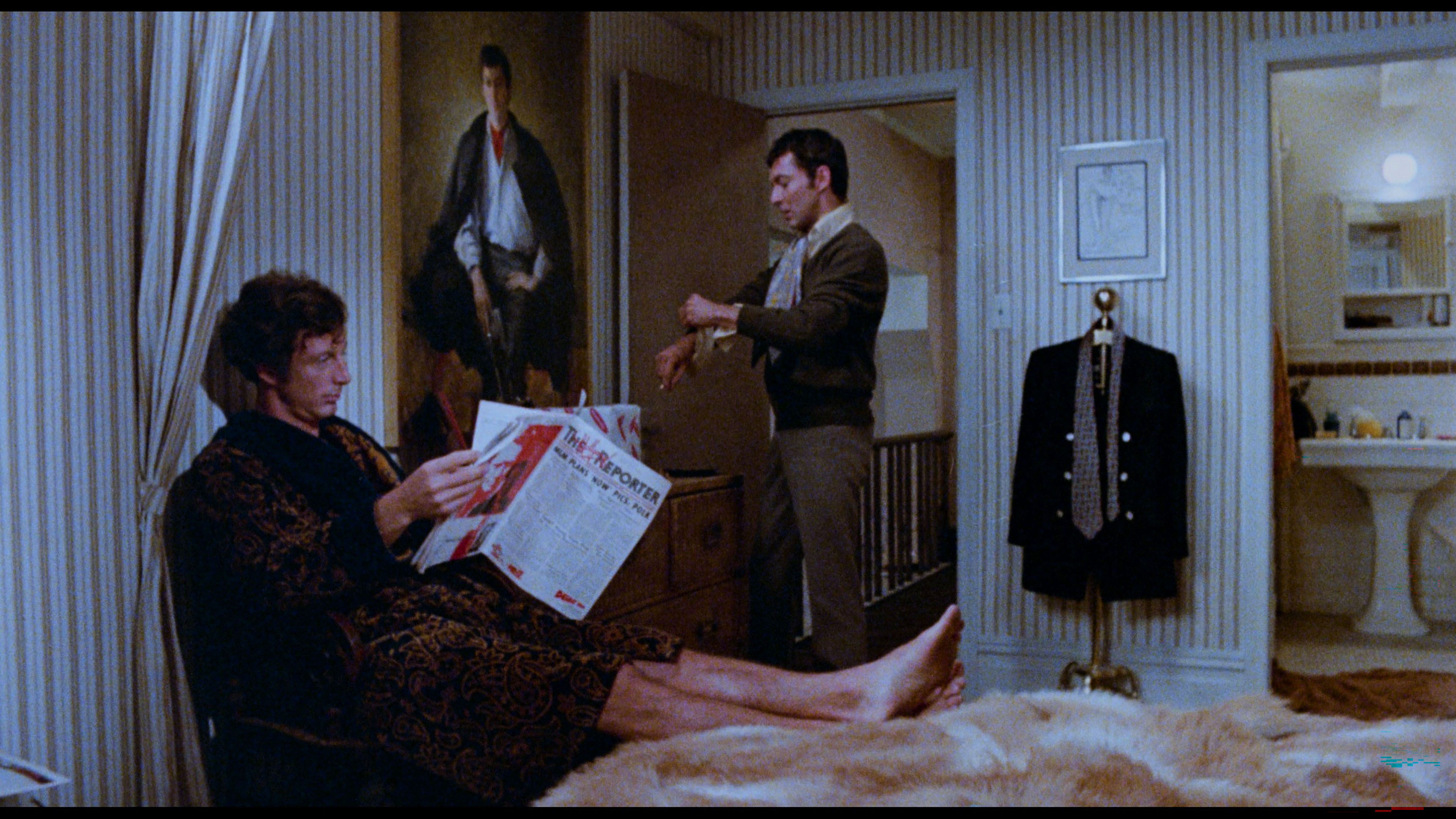
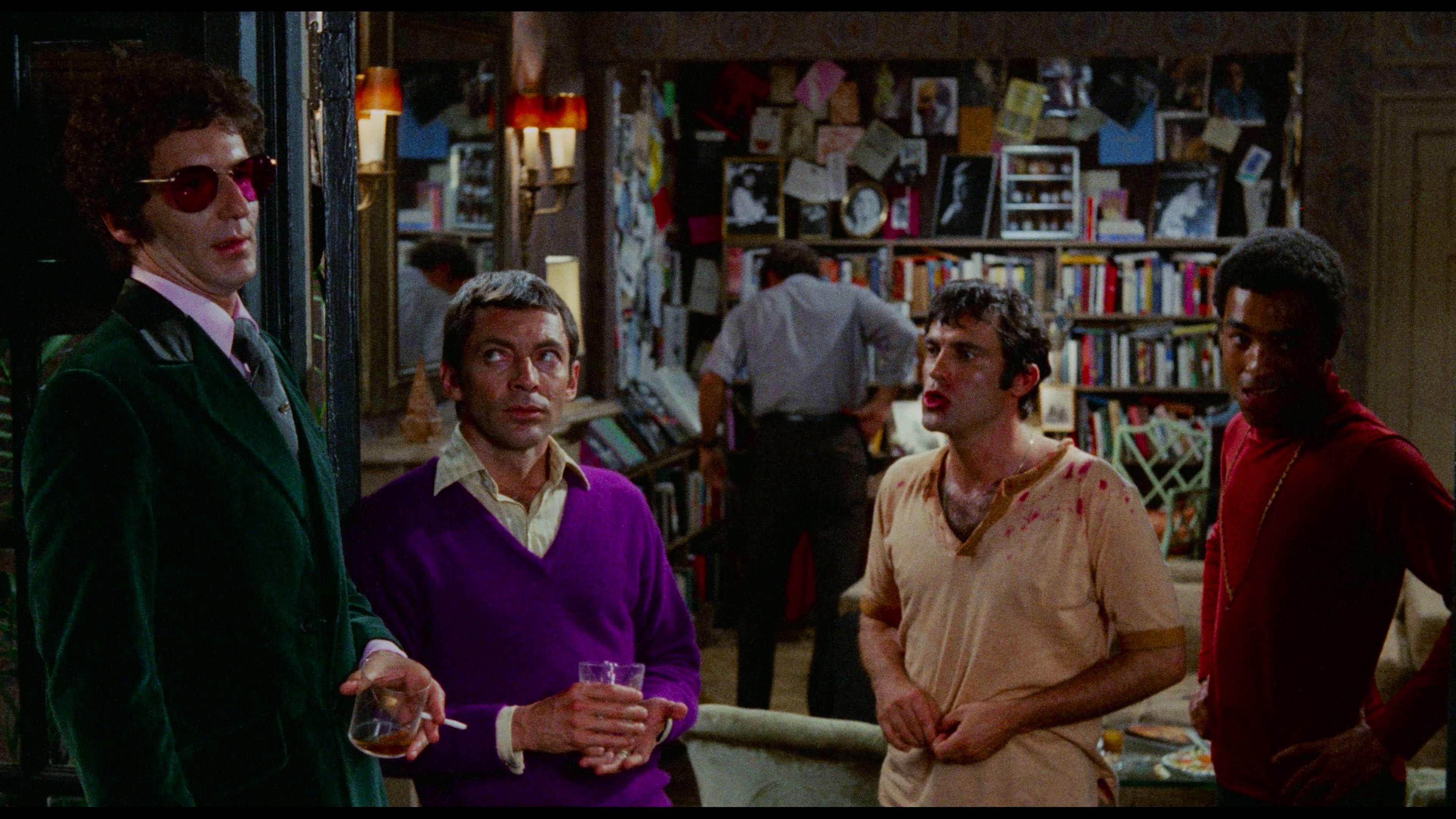
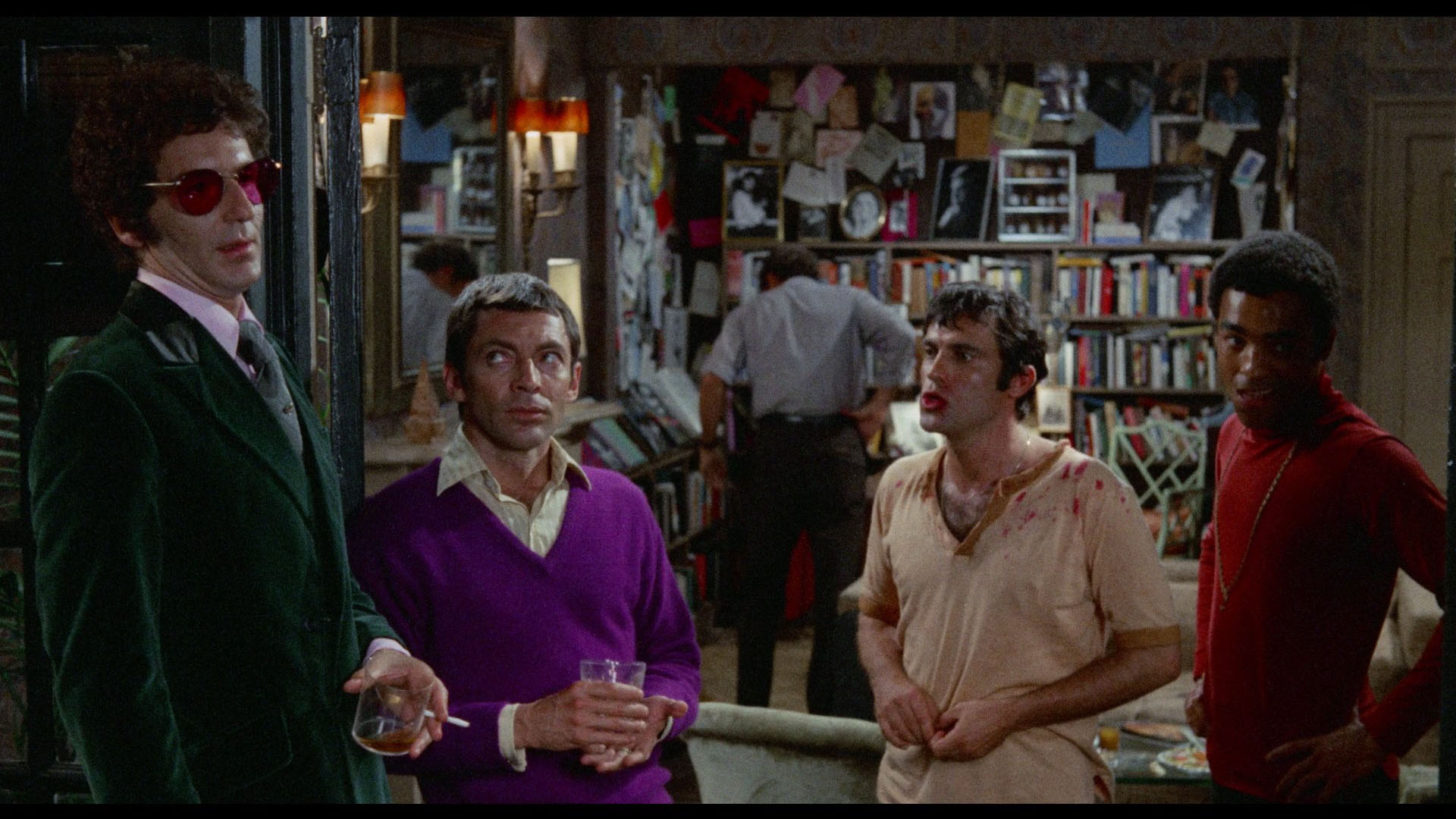
 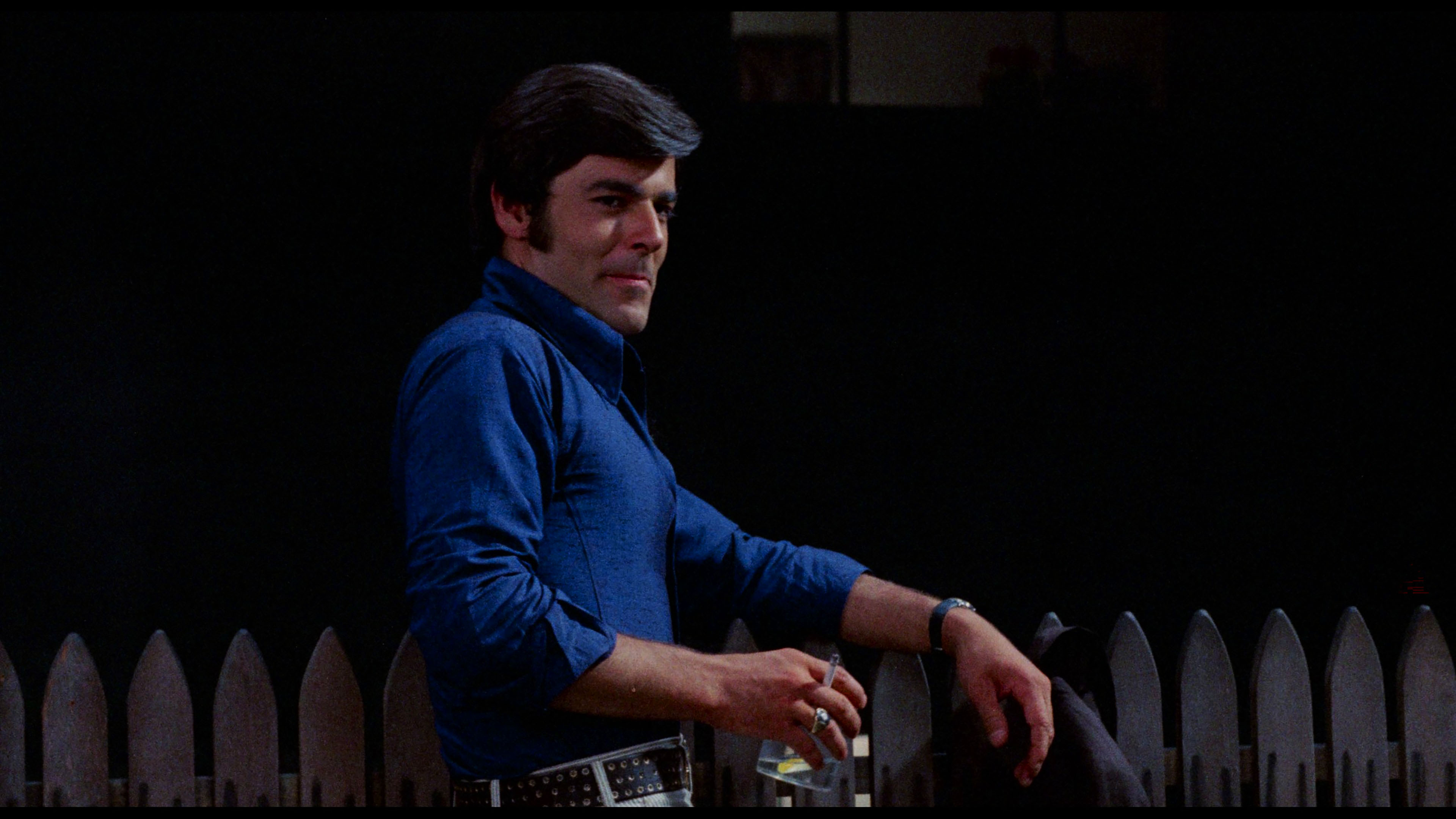 keeps the characters' geography clear at all times, always dividing them and reuniting them visually when the drama requires it. Frey obviously gets the juiciest material here since Harold is the showiest role, and it's no wonder he got to jump immediately from this to his very different Oscar-nominated role in Fiddler on the Roof. Watching the film now so many decades later can be an odd experience given how much things have changed but how similar many personality types remain today; add to that the fact that the play was successfully revived on Broadway in 2018 by director Joe Mantello, who likewise kept the same cast for the direct-to-streaming film version in 2020. The creative decisions made for that version are another complicated topic, but at a minimum it's fascinating to see how it approached the ending with a greatly extended look at what happens after that door closes.
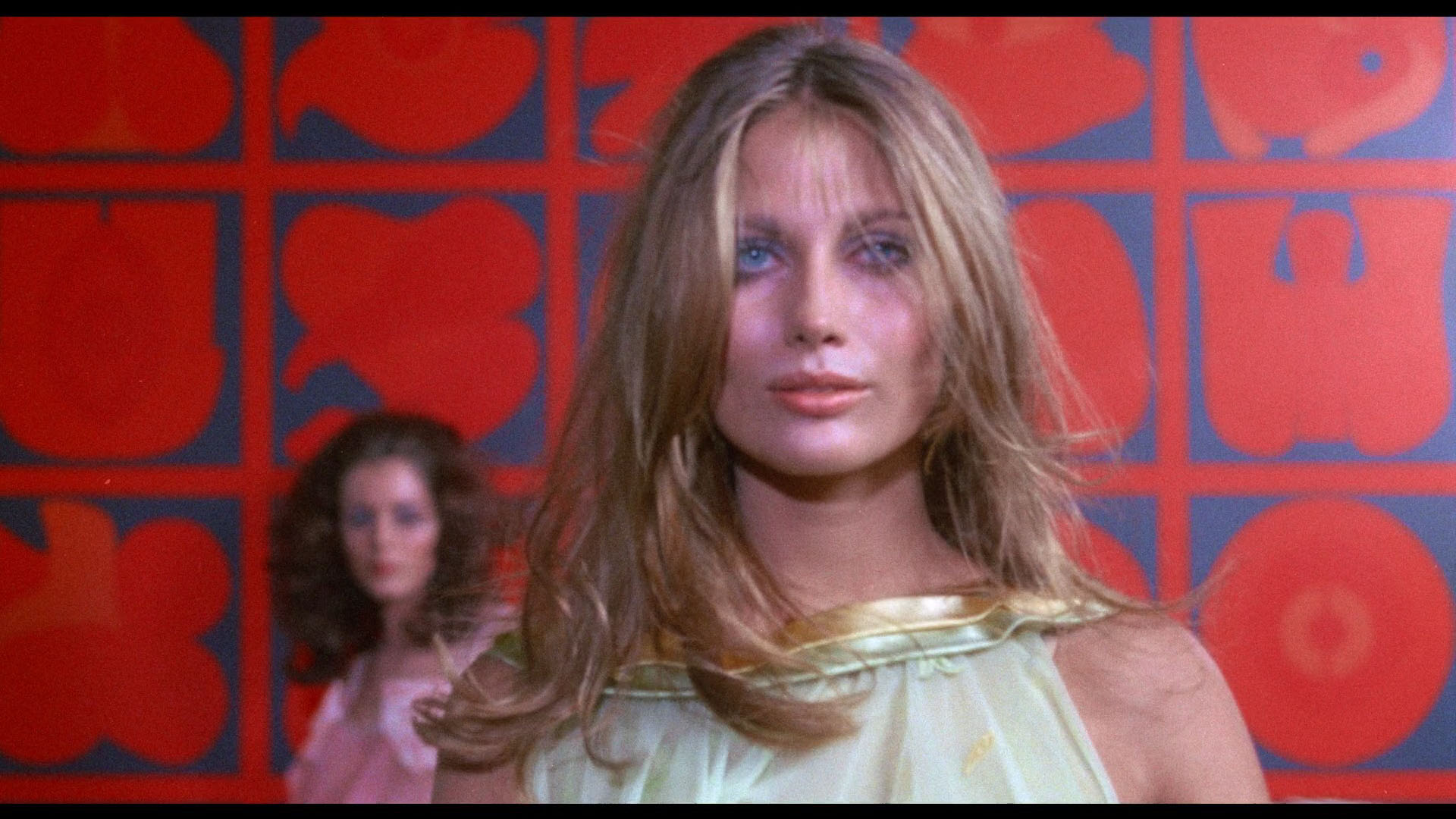
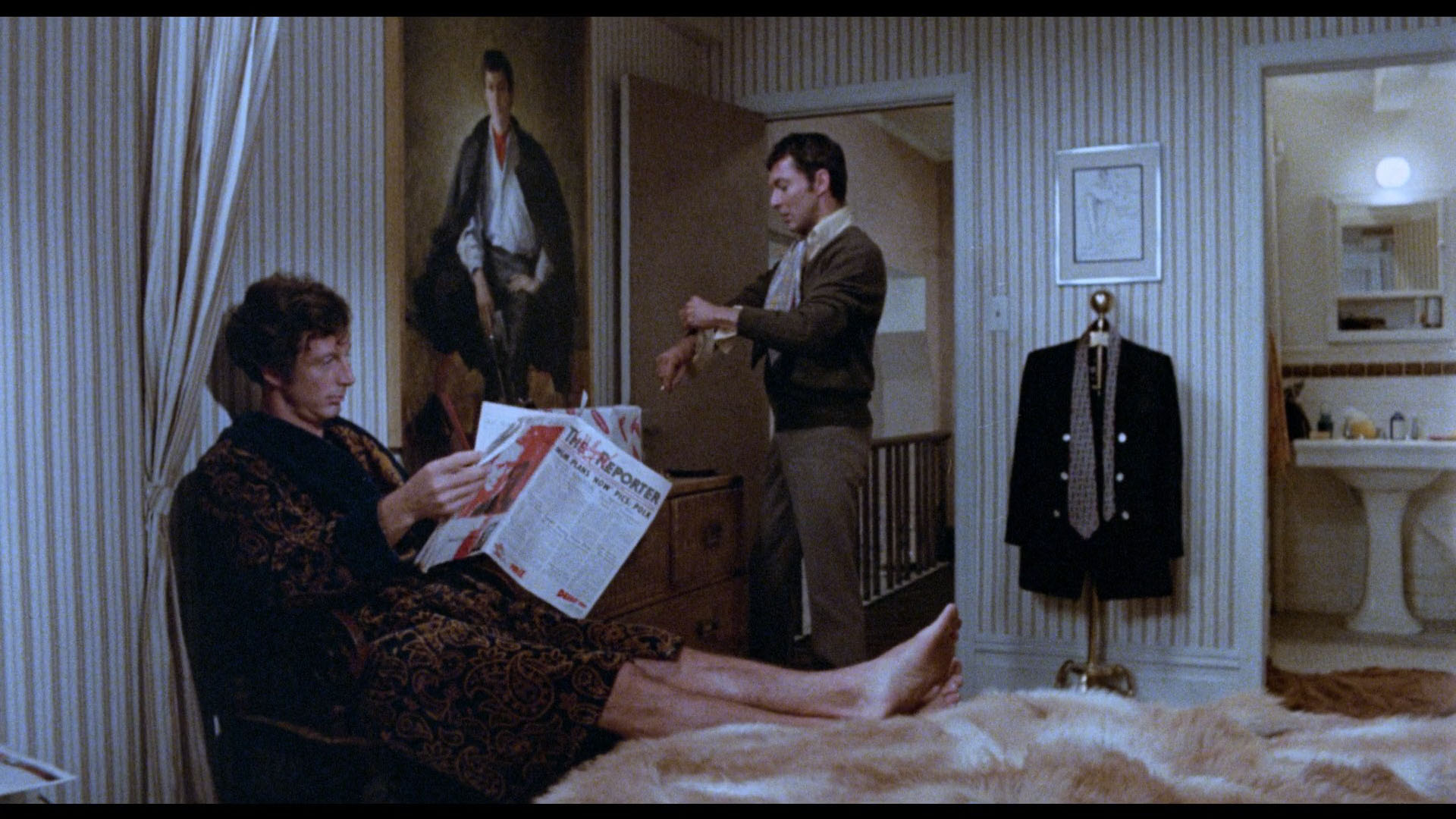
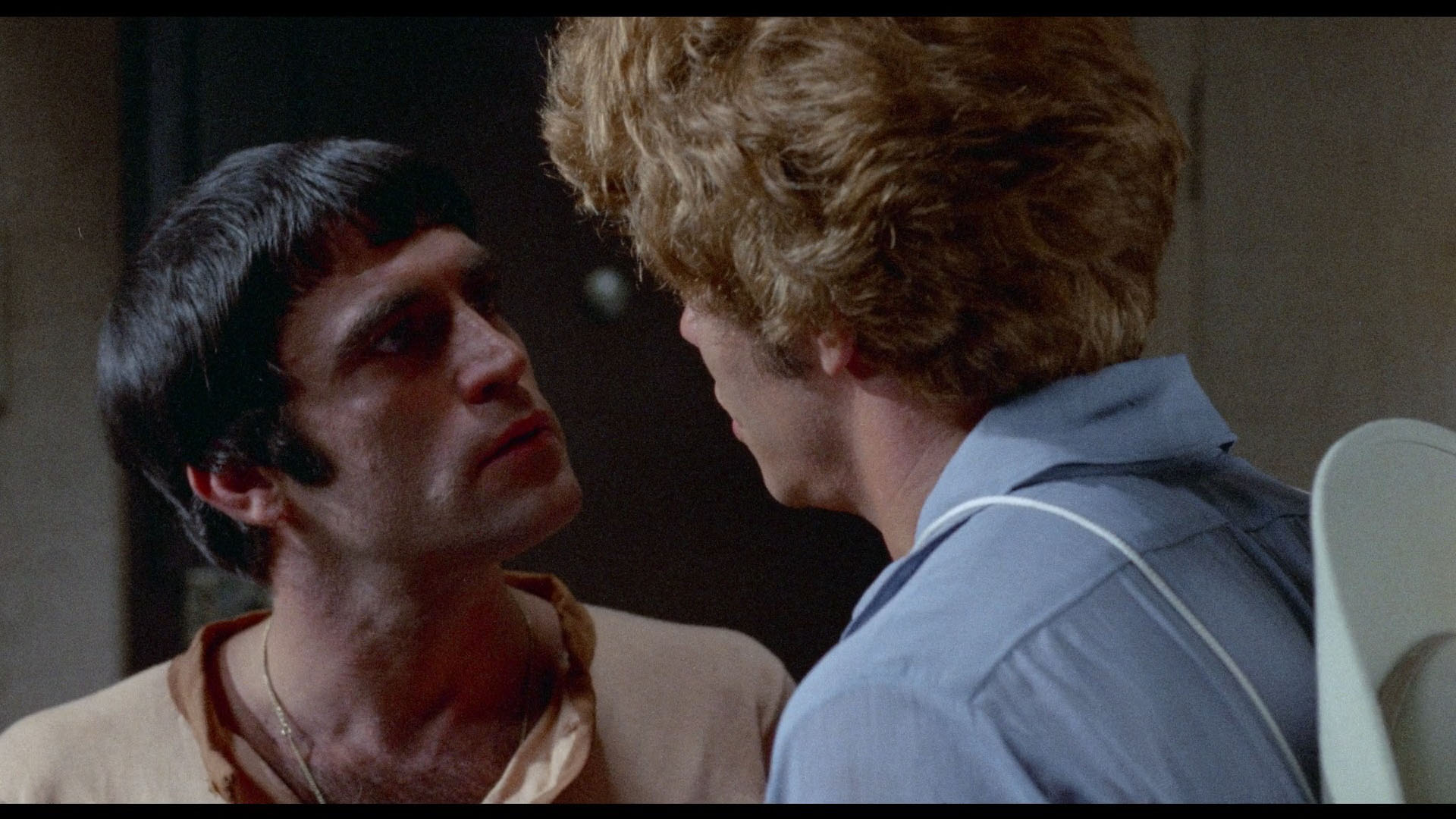
 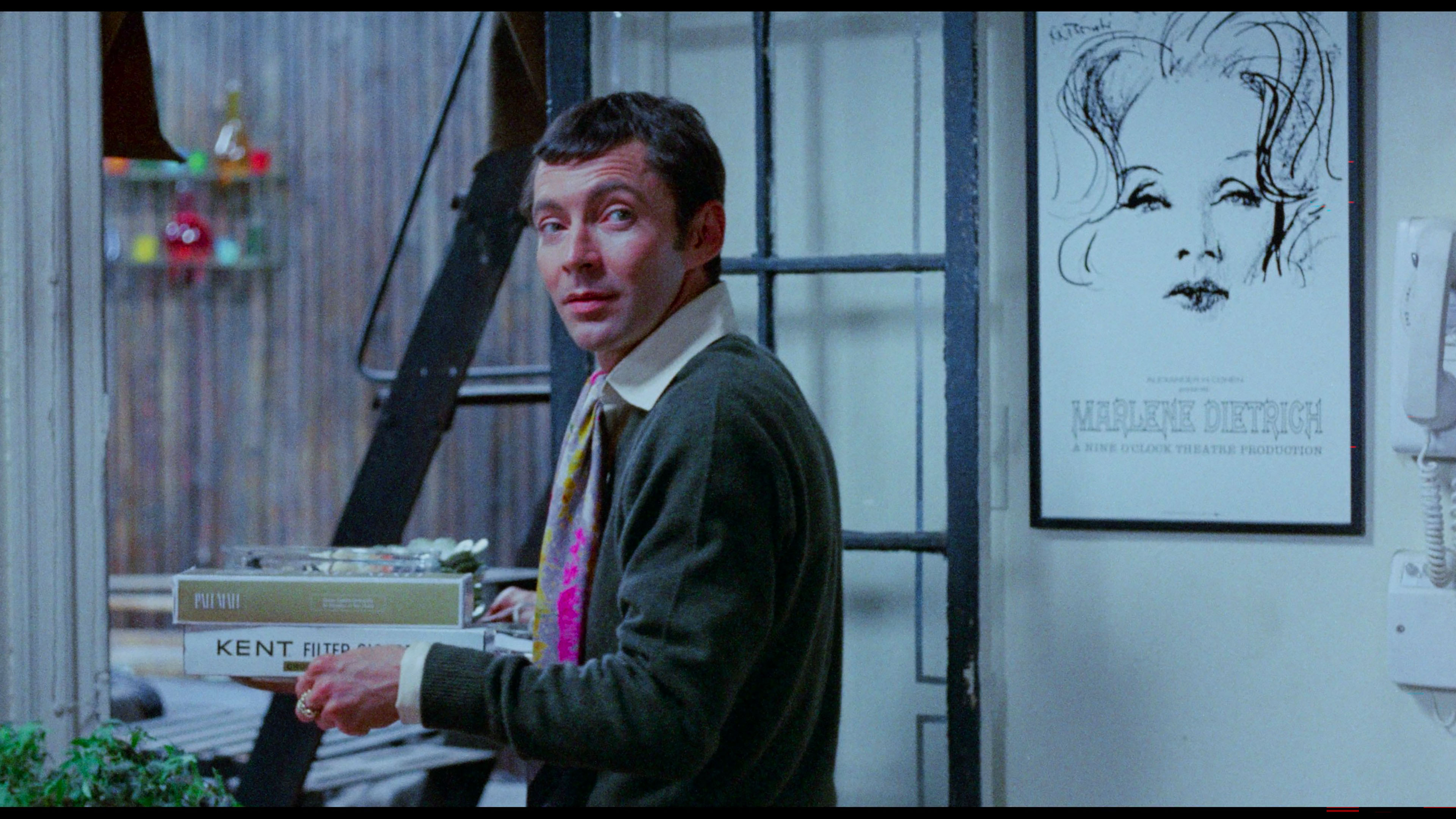 out, color-smudging effect Friedkin imposed on the notorious first Blu-ray edition of The French Connection.
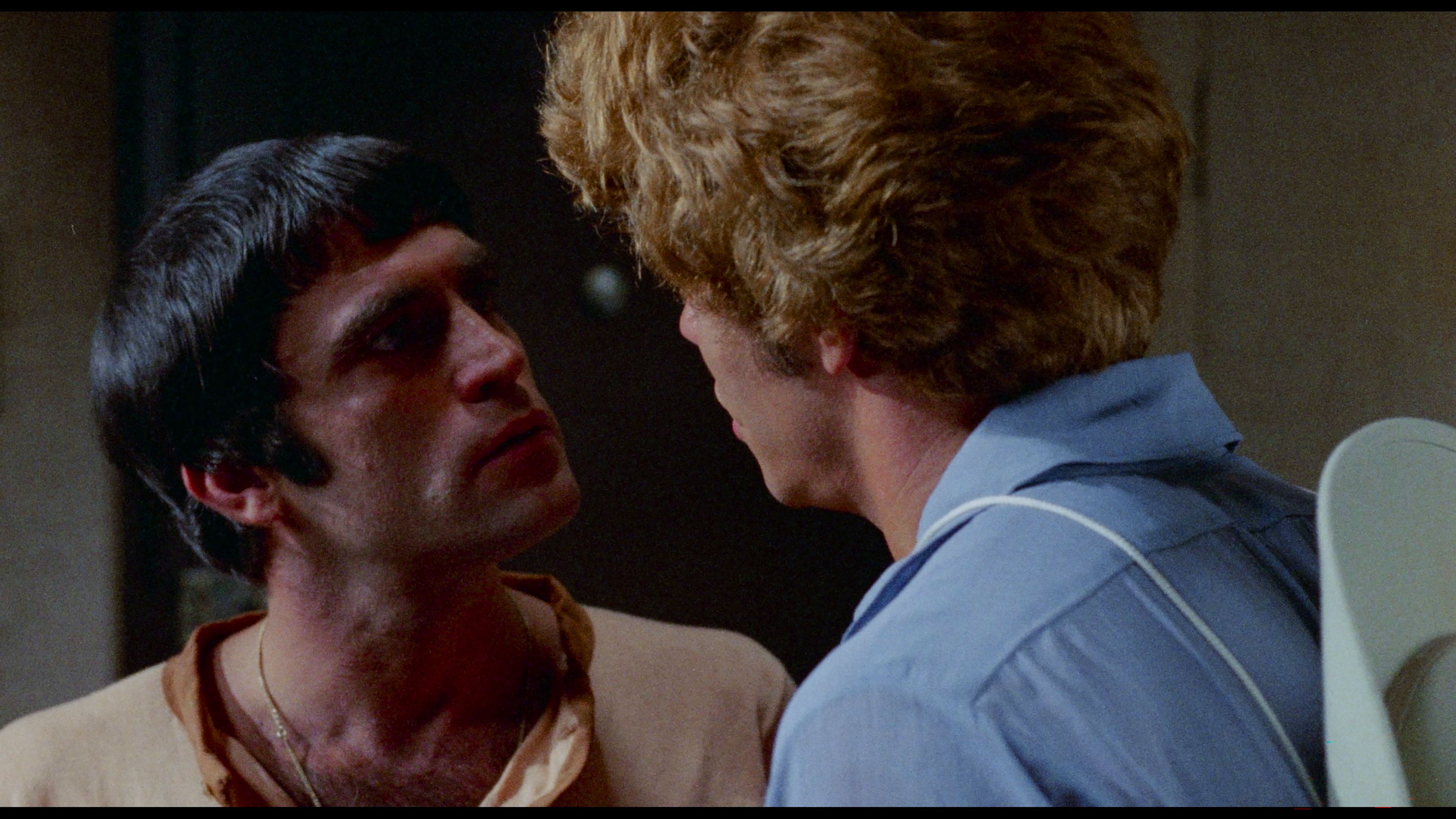
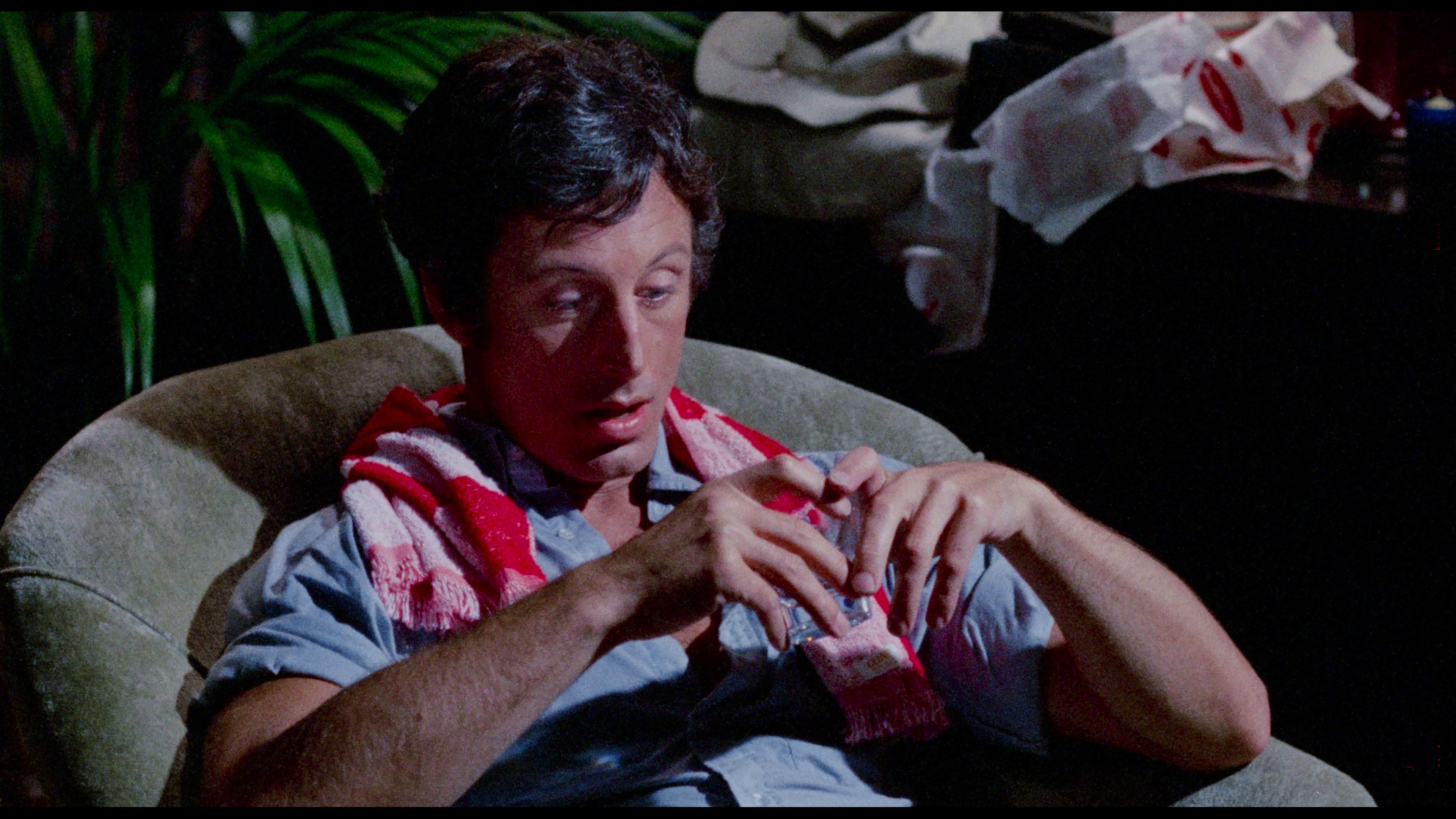
 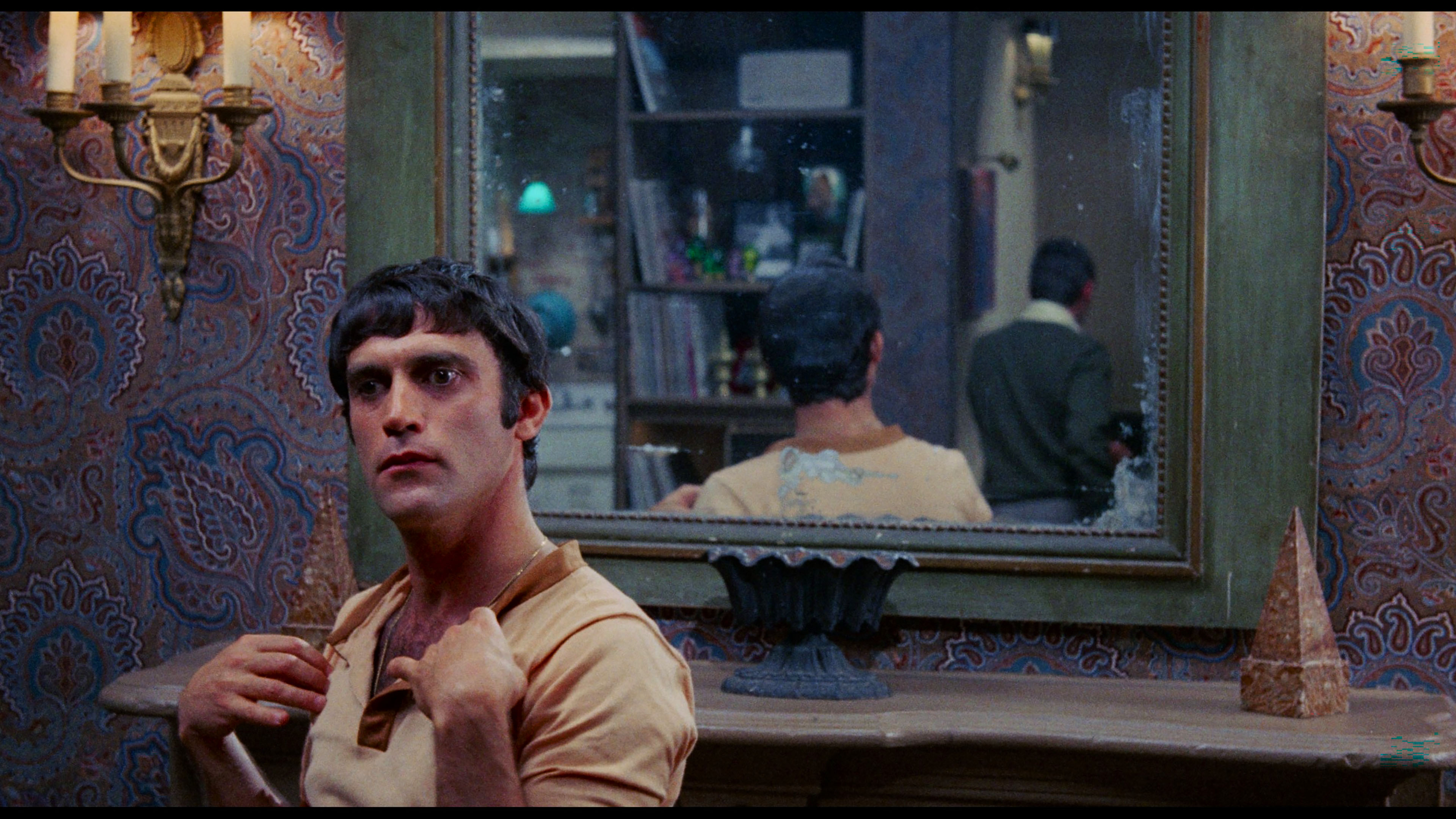 framing adjusts slightly here to the theatrical 1.85:1 framing versus the earlier 1.78:1, which doesn't make a big difference either way. The DTS-HD MA 1.0 English mono audio sounds excellent given the fairly basic nature of the sound mix, with optional English SDH subtitles included. Again the commentary and three-part doc are included here, while Farrah Freiberg provides a new, extremely well-research new commentary covering the filming locations, the LGBT climate at the time, the play's history, and even a Jess Franco connection which is always welcome. A new interview with Luckinbill, "Your Place in the World" (24m29s), is a great recollection of his time doing both the play and the film in his mid-30s, his first meeting with Crowley long before the play, and a reflection of his love for the stage over the course of his life. The clips here are also from the older HD scan in case you want to see how bad it looked in motion. Then in "Take It or Leave It" (14m54s), entertainment journalist Michael Musto covers his own experiences discovering the film in the '80s while living in Bensonhurst and his thoughts on the film's depictions of community in all its positive and negative complexities. Further context is provided in "Something Important to Say" (36m31s) with film historian Mark Harris covering the play's genesis in 1967 (while Crowley was working for Natalie Wood) and the process of bringing it to life at a key shifting point in gay rights history that makes it a fascinating subject to study today.
 Cinématographe (UHD)
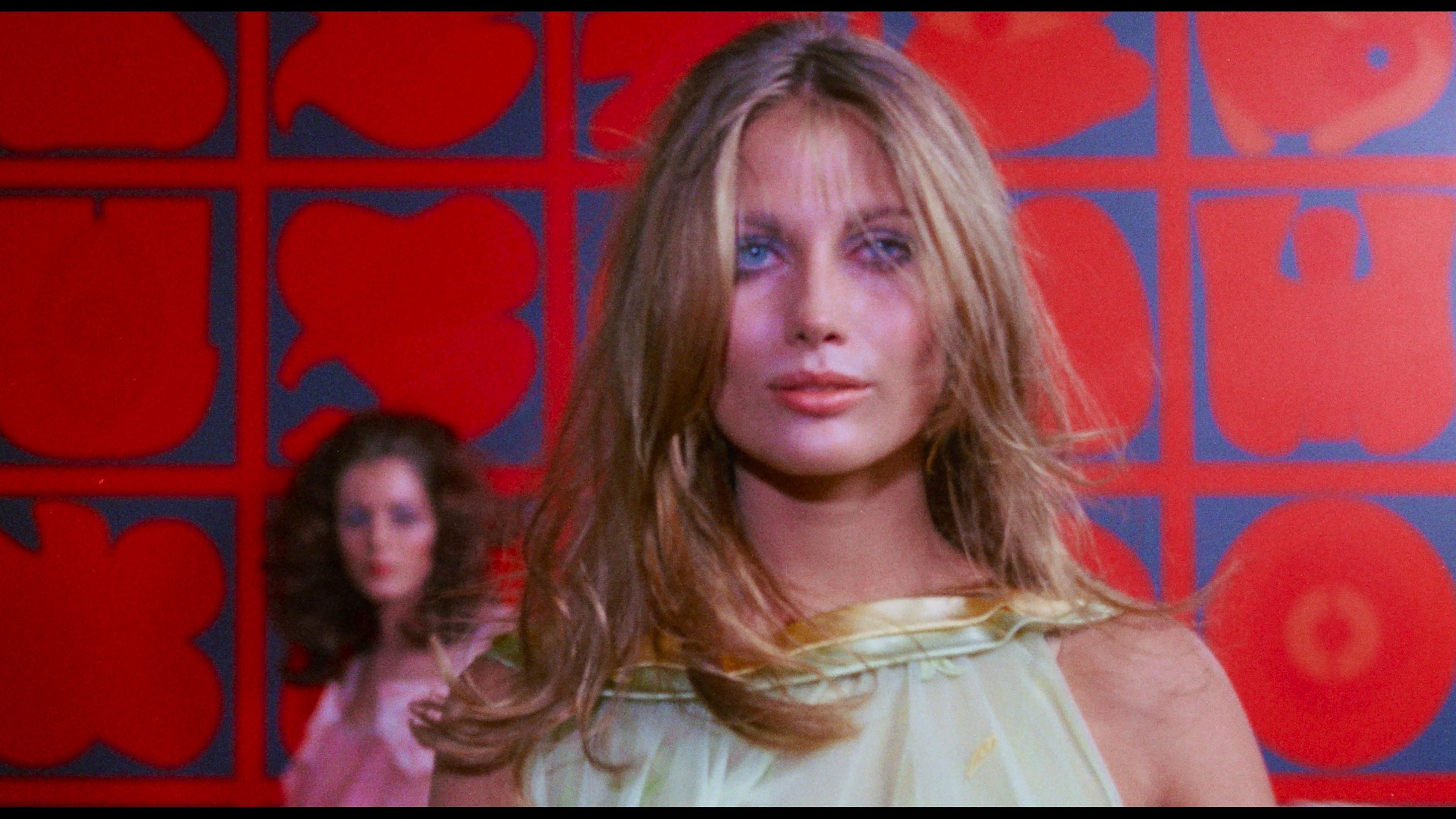
Cinématographe (Blu-ray)
Kino Lorber (Blu-ray)