
CAT CITY
Color, 1986, 97 mins. 18 secs.
Directed by Béla Ternovszky
Deaf Crocodile (Blu-ray) (US RA HD), Image Entertainment (DVD) (US R1 NTSC)
 animation output from Hungary during and after the Cold War, Cat City
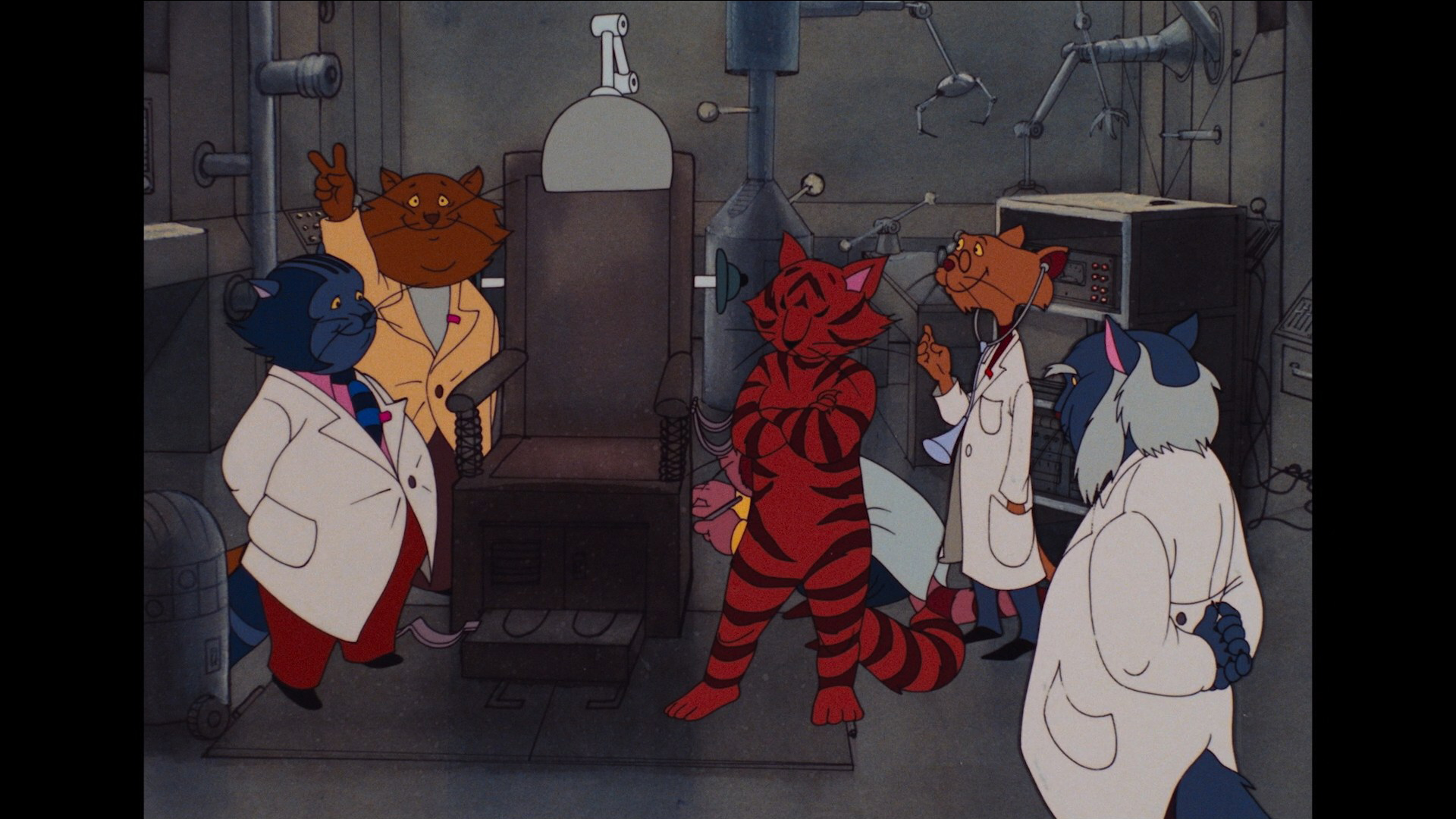
  (Macskafogó) still feels like a wild, very quirky piece of counterprogramming from a period when animated features were in their greatest theatrical slump. You could spend hours pulling apart all the inspirations and satirical targets here -- Disney, Ralph Bakshi, Danger Mouse, Heavy Metal, Inspector Gadget, James Bond, and Don Bluth, just for starters -- but the result is a wholly unique and often hilarious snapshot of the Eastern Bloc artistic mindset during the twilight years of the Cold War. Unlike the majority of Eastern European animation, this one got significant worldwide distribution with multiple home video releases in the U.S. and U.K. including one of the earliest snapper case DVDs from Image Entertainment in 1999. A prime subject for restoration, the film was given a big overhaul by the National Film Institute in Budapest with a stacked special edition Blu-ray from Deaf Crocodile. It ended up being reissued as a two-disc deluxe set soon after with its 2007 sequel from the same director, Béla Ternovszky, showing how marked the difference was in animation techniques over a two-decade period.
  ignoring the historical conventions between cats and mice, aiming for the complete annihilation of the race of the mouse. But on the verge of total destruction, when the wisest mice were already thinking about leaving the planet, suddenly a
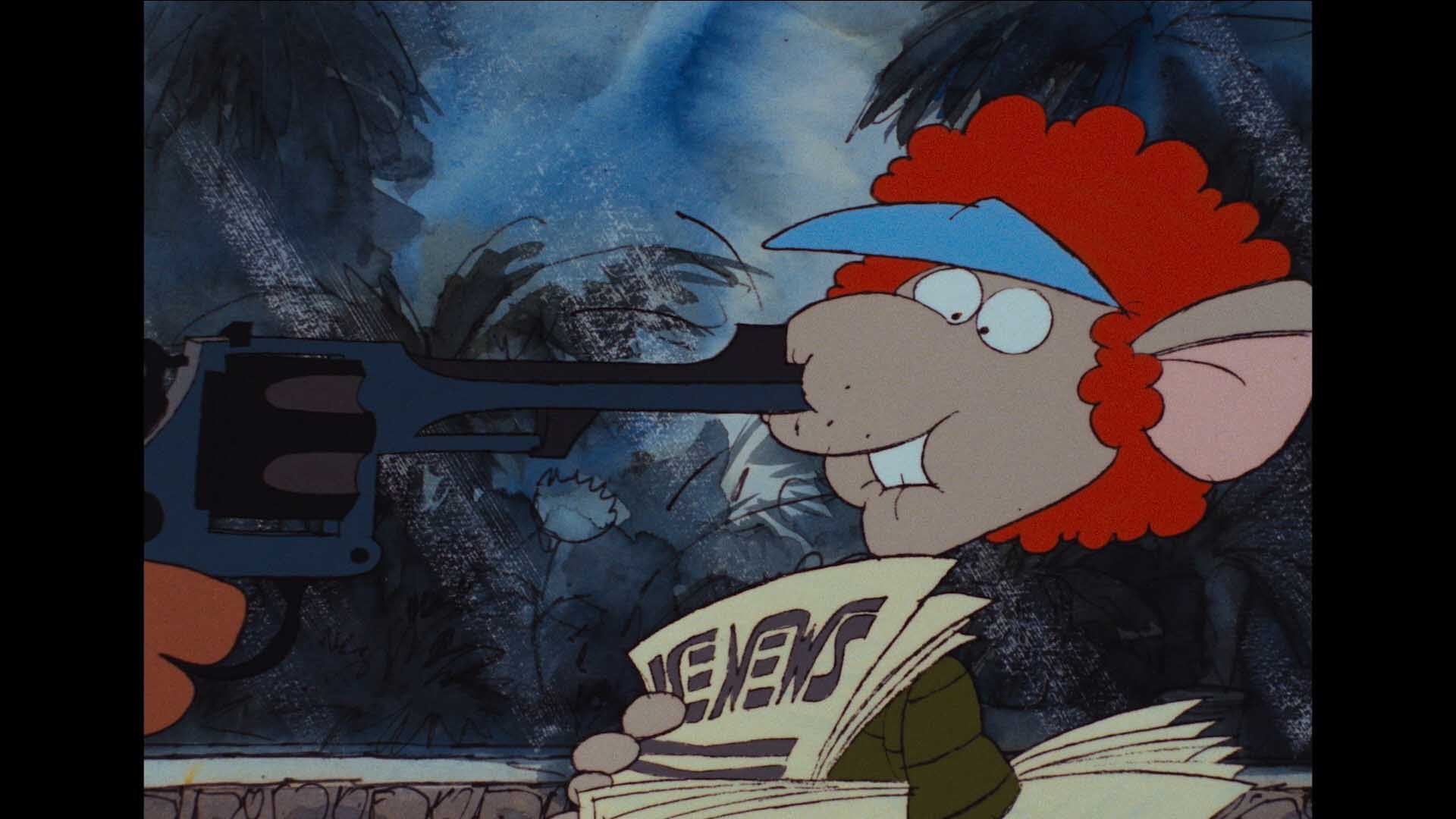
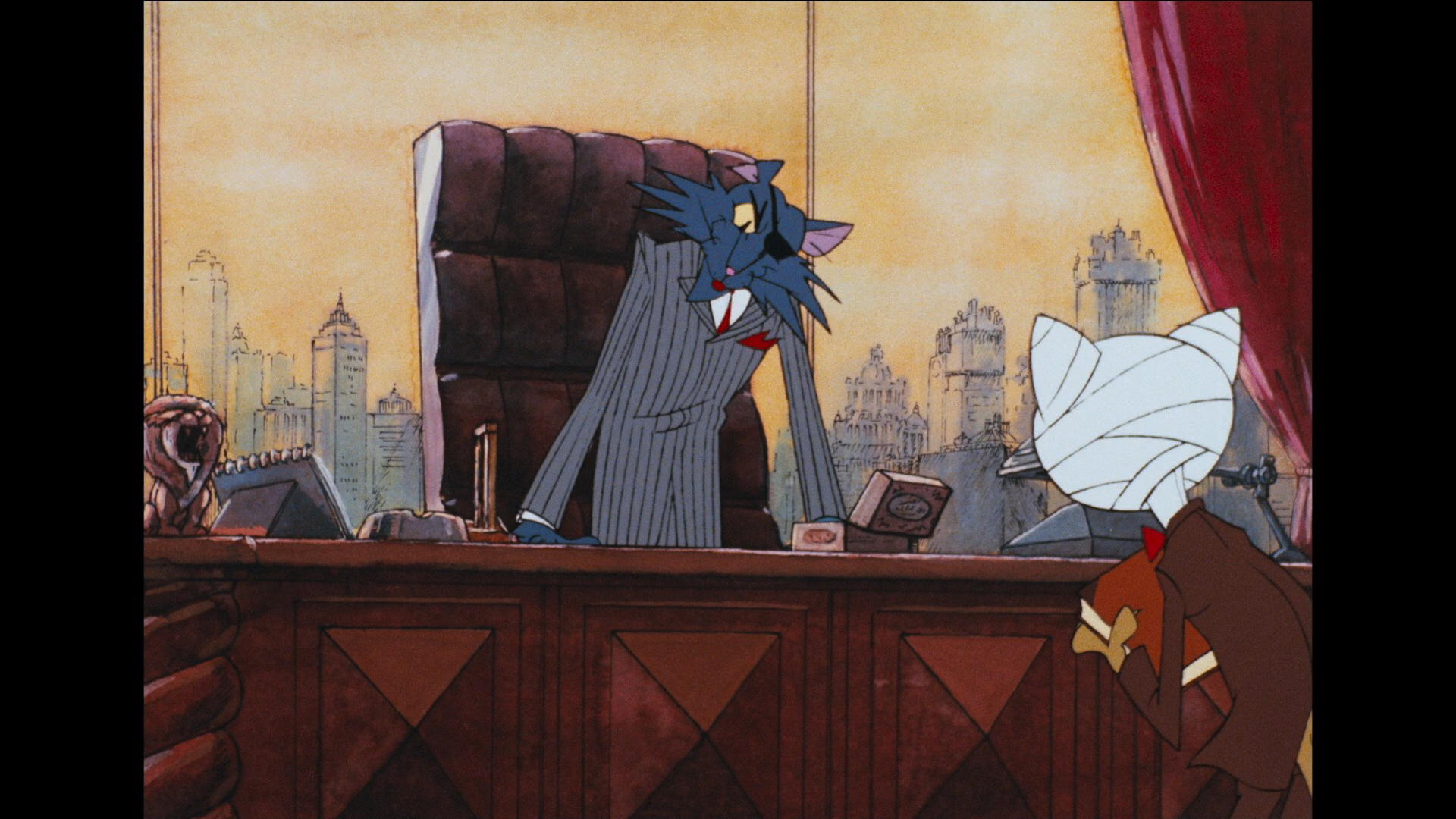
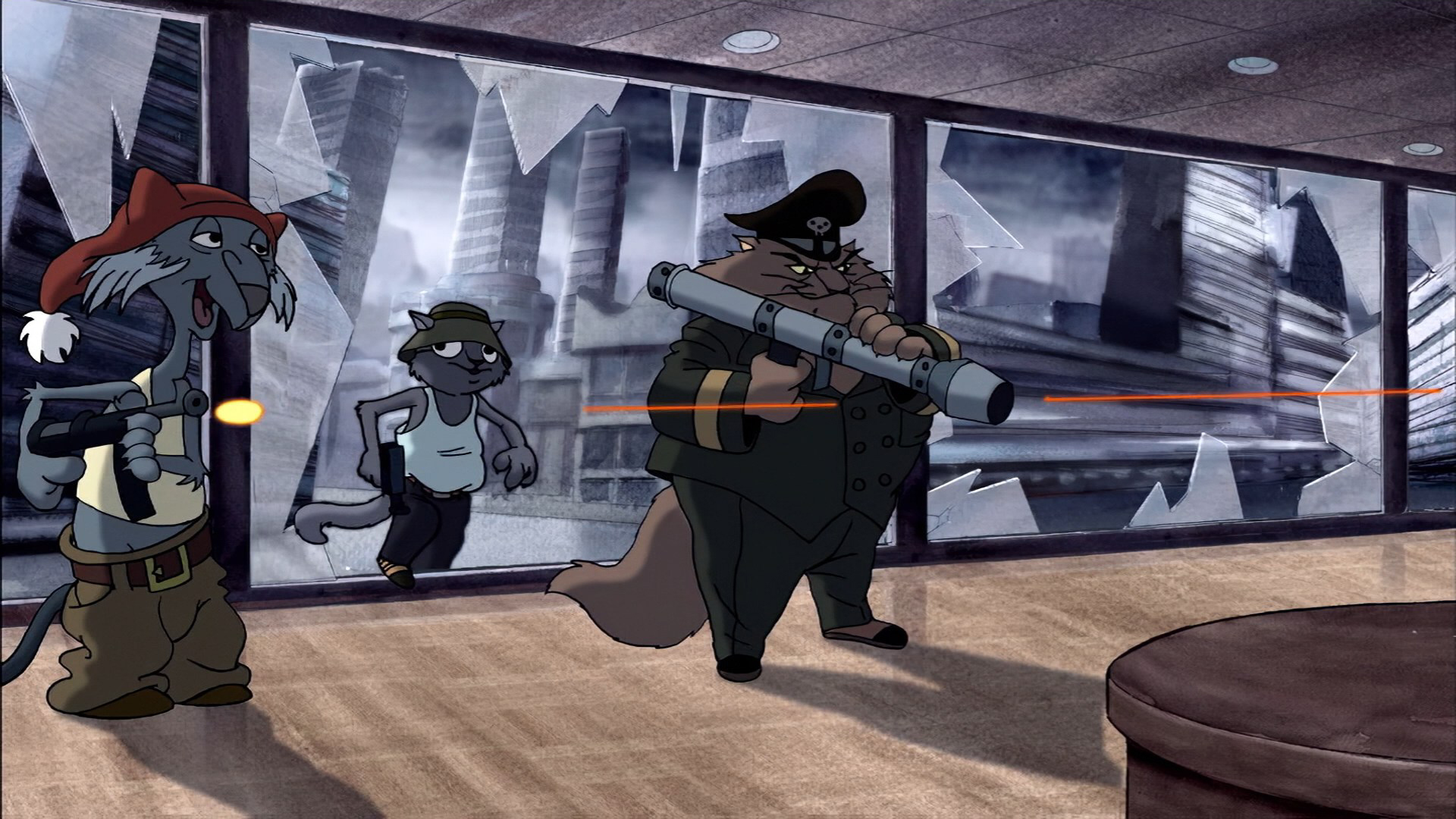
 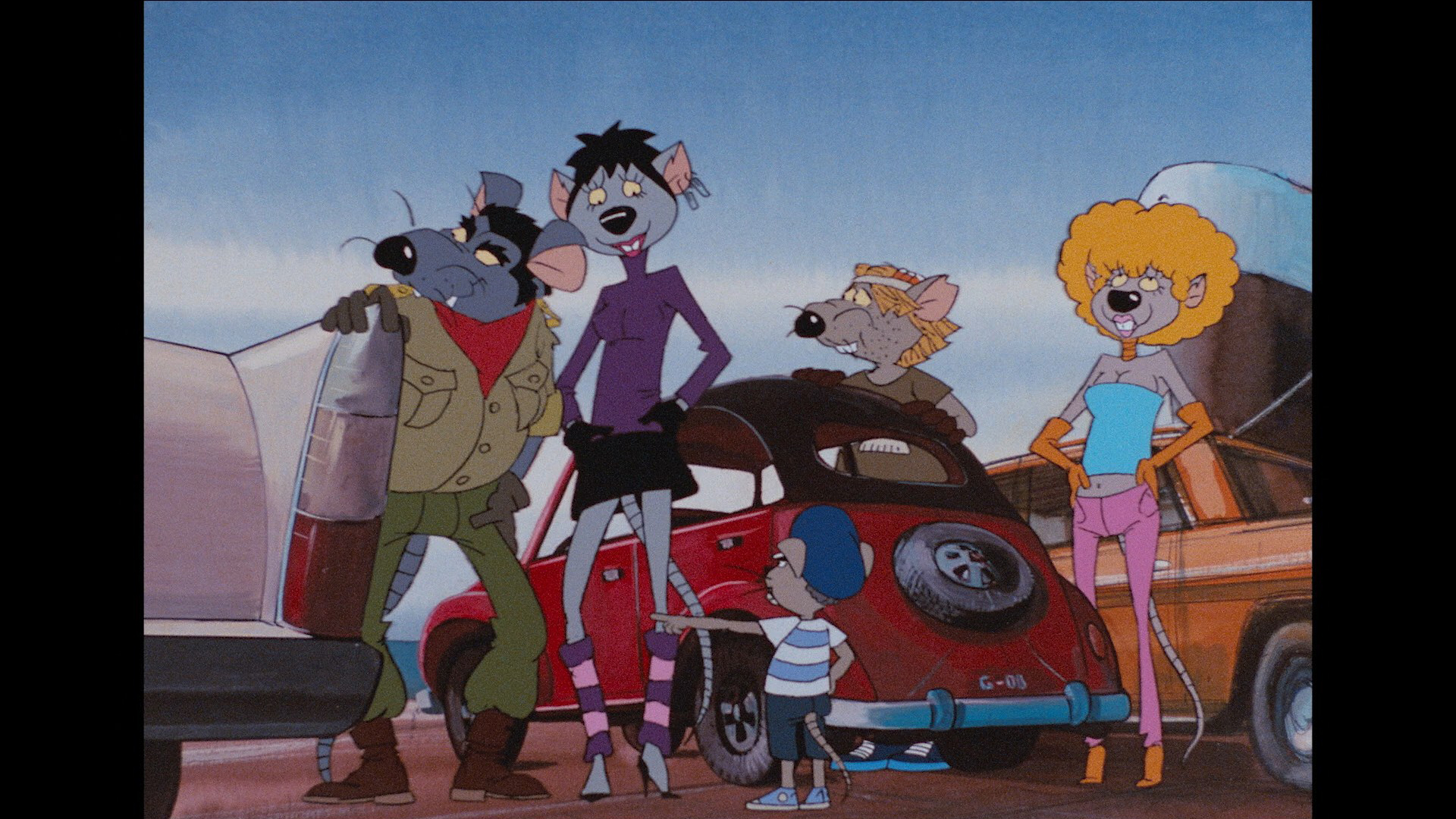 new hope was born..." Said hope is Nick Grabovsky, a mouse secret agent tasked with getting plans for a defensive cat trap to the oppressed rodent residents of Cat City who have been targeted for an all-out extermination. What ensues is essentially a string of episodic gags including mouse song-and-dance numbers, rampaging feline gangsters, a decoy plane-bound Nick, heroic gunslinging Mexican bats, and of course our main power-hungry villain, Mr. Teufel.
 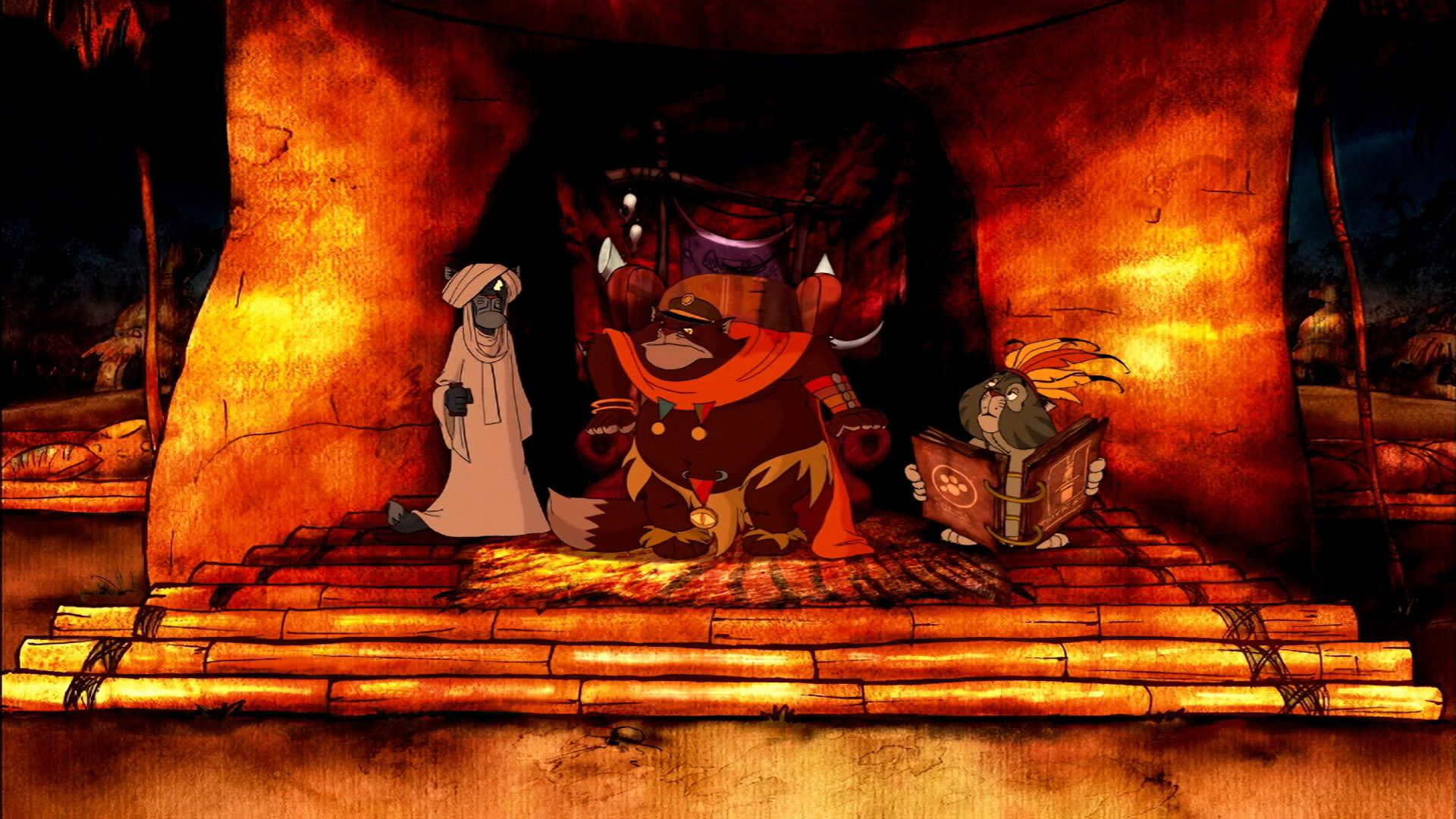 the second film. It's tempting to read the films as critiques of Soviet aggression, something Hungary was more than familiar with, though the first film didn't really have any censorship issues with its cloaked critique in cartoon
 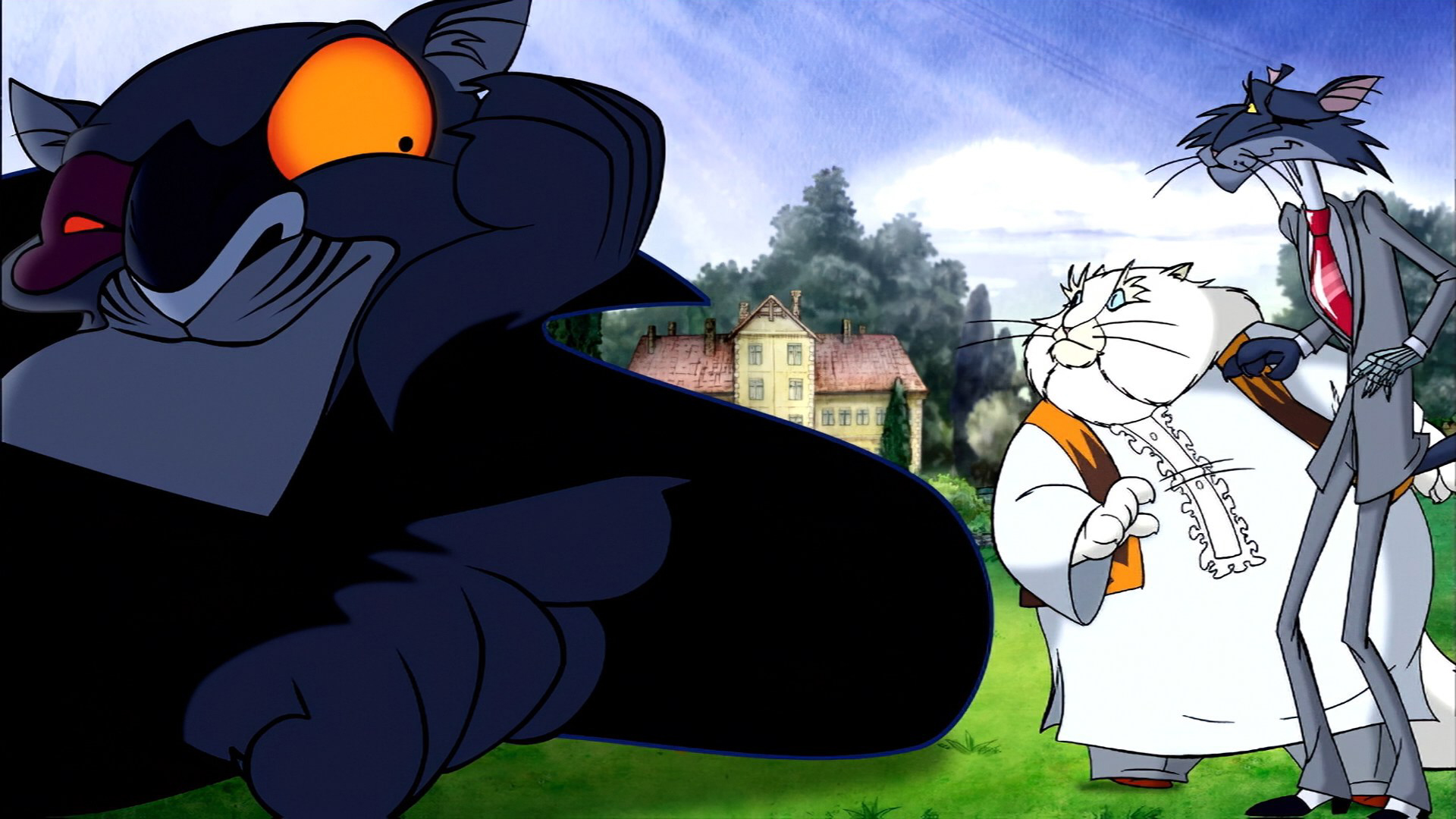 form making it easier to slip by. The anti-bigotry angle of a subplot involving the one admirable cat character, a young female kitten, likely helped some of the more political jabs slip by, too. Mostly though these are both colorful, silly entertainments, and you don't have to know a thing about Hungarian history or culture to have a good time.
  Ternovsky appears for two interviews: 2023's "The Director Answers" (23m14s) covers
  his art training, the professional gig that led to meeting and working with his eventual wife, his pivotal shorts, major collaborators, military service, and move to feature work; and 2020's "We Just Made It for Fun" (30m39s) features archival footage and a new chat honing in more specifically on the creative path that led to this film and his time at Pannonia Studio doing long- and short-form work. Finally in "Ahead of Its Time" (26m53s) from 2020, film historian Zoltan Varga discusses Cat City's forward-thinking approach to genre and creative blender approach, the integration of previous innovations in local shorts, and the novelty of using the cat versus mouse feud for an entire feature on a massive scale. The sequel looks as pristine as you'd expect with a dynamic DTS-HD MA 5.1 Hungarian track with optional English subtitles, plus a punchy audio commentary by Dorian Saisse who brings his animation expertise to play here with insights into the film's technical advances, the aspects of Hungarian culture here, developments since the first film like DreamWorks Animation, the finer points of the character design, and some little gags you could easily miss. In the visual essay "The Satirical, Postmodern World of Cat City" (15m49s), Evan Chester dives into the numerous pop culture elements and wordplay present in both films and how they were interpreted by the director and his crew here. Finally you get a new Ternovszky and Bartok interview (45m42s) with translator Anna Klaniczay, conducted over less than ideal audio conditions but great to have for more stories about how both films came to be and how the filmmaker feels about their legacy. A 48-page insert booklet for the limited edition features new essays by Walter Chaw (on the first film), Dan Schindel (on the second), and Ana Ida Orosz (on Ternovszky and Jozsef Nepp), each useful in helping you look closer at the films at hand, plus production sketch artwork.