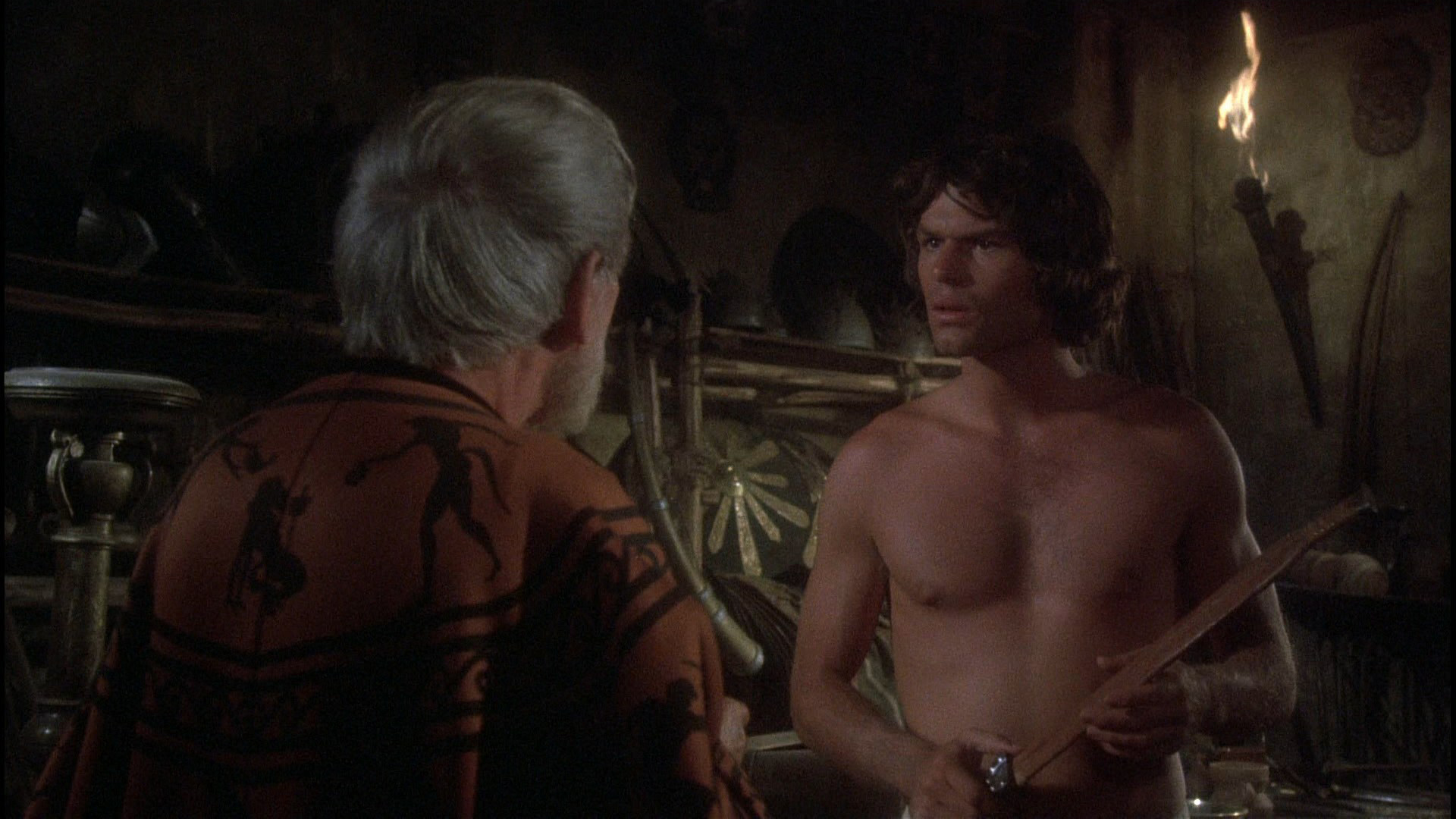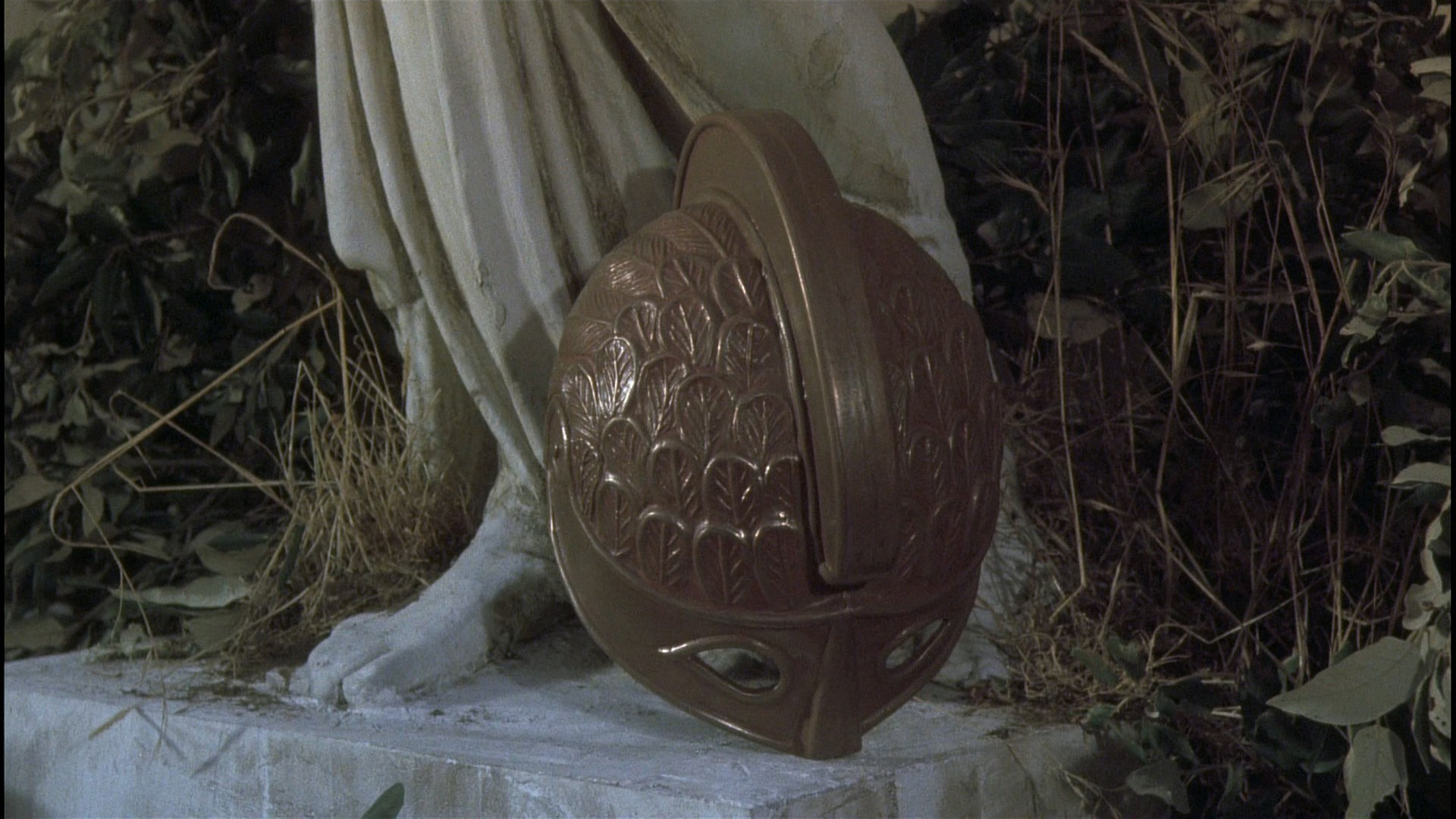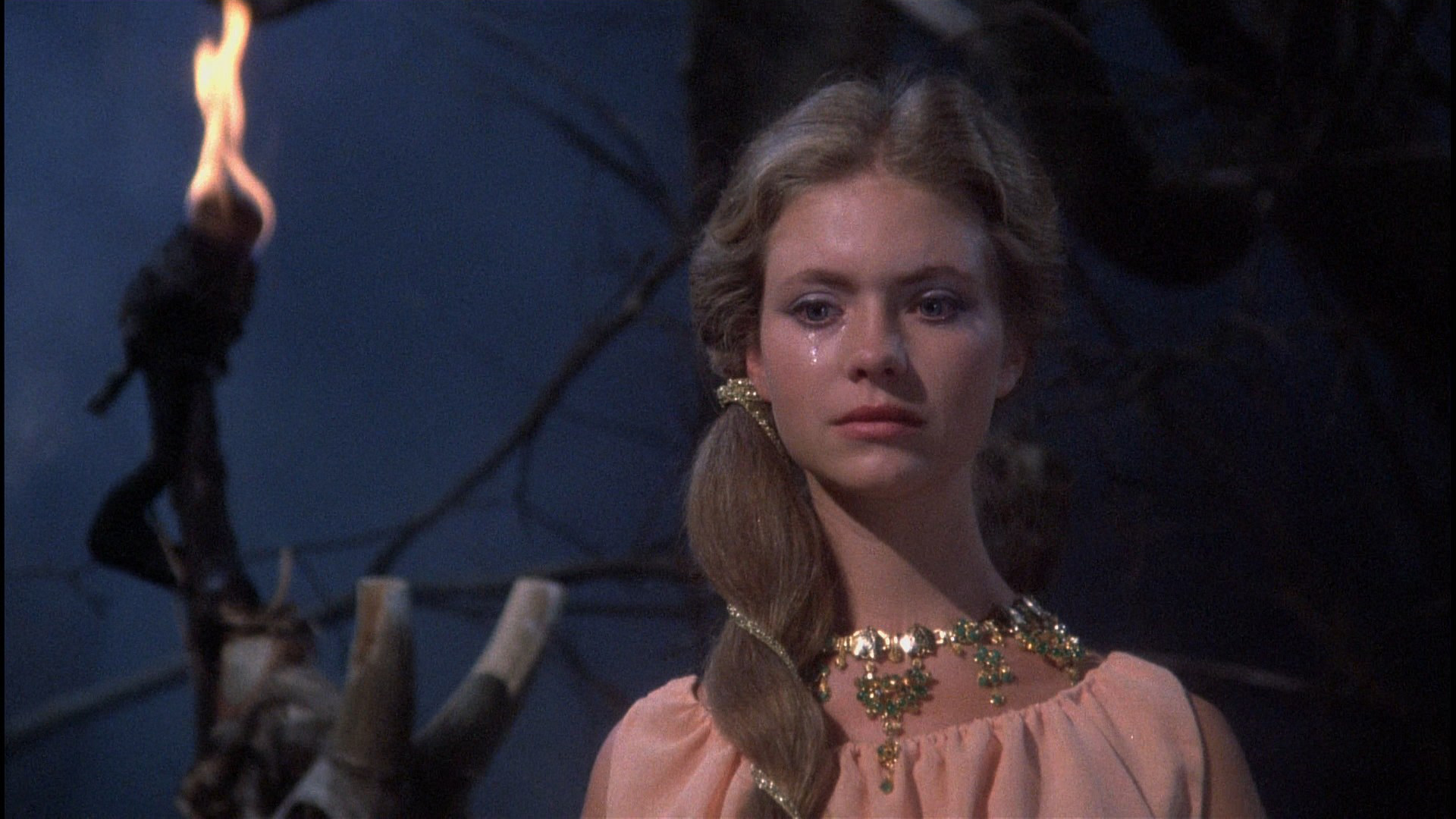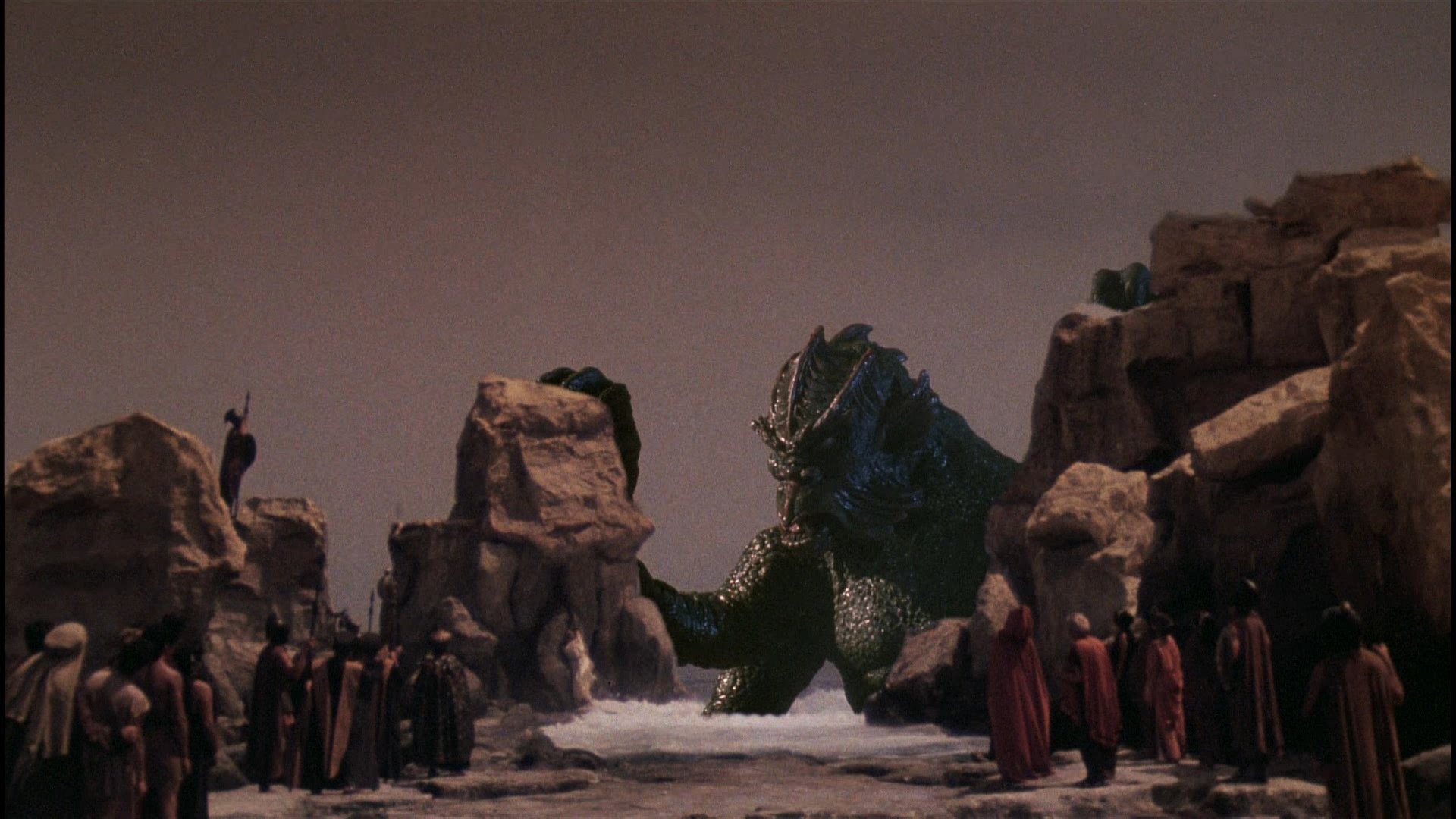
 Ray Harryhausen's trilogy of Sinbad films was released in 1977, major change was in the air
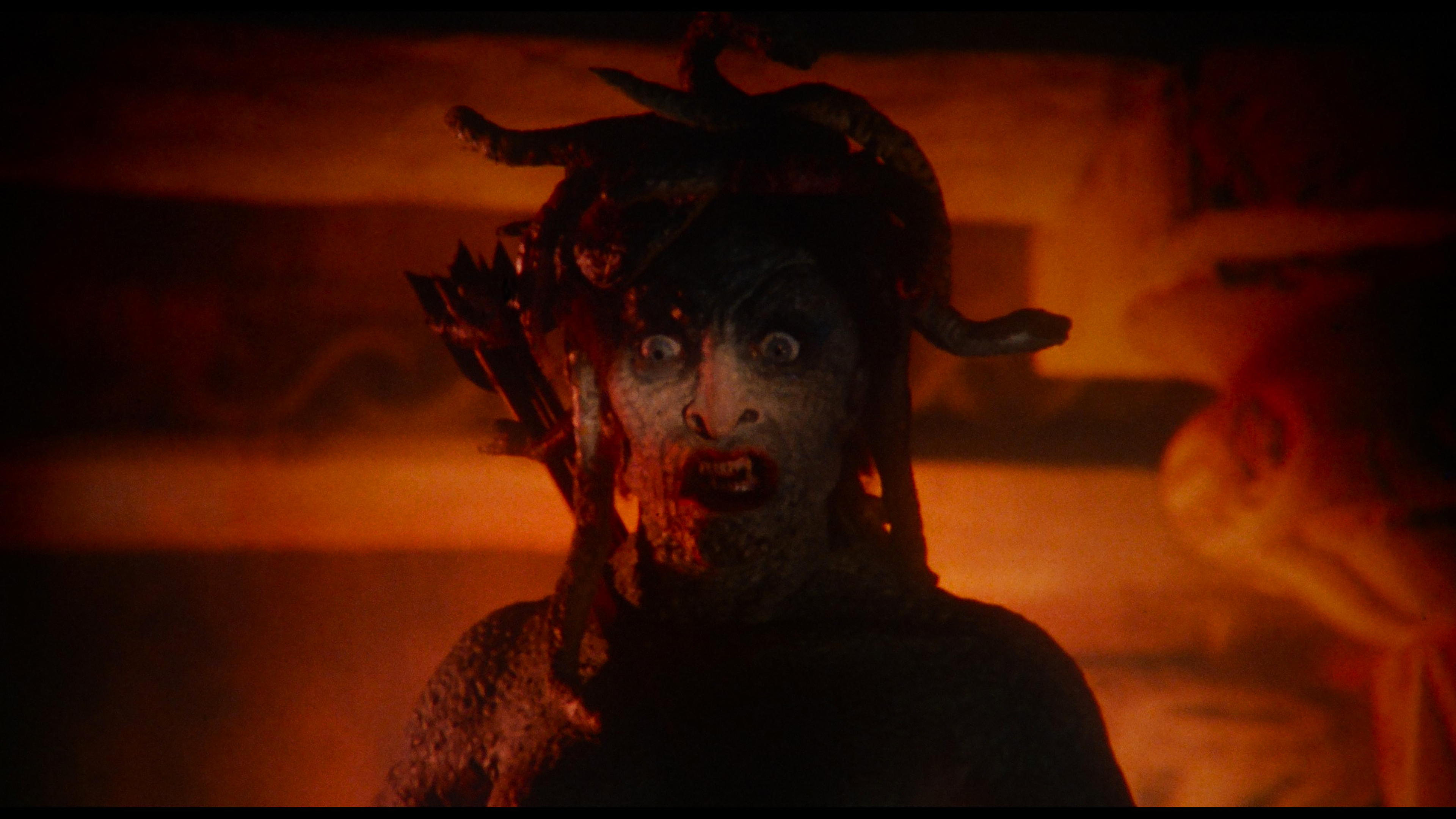
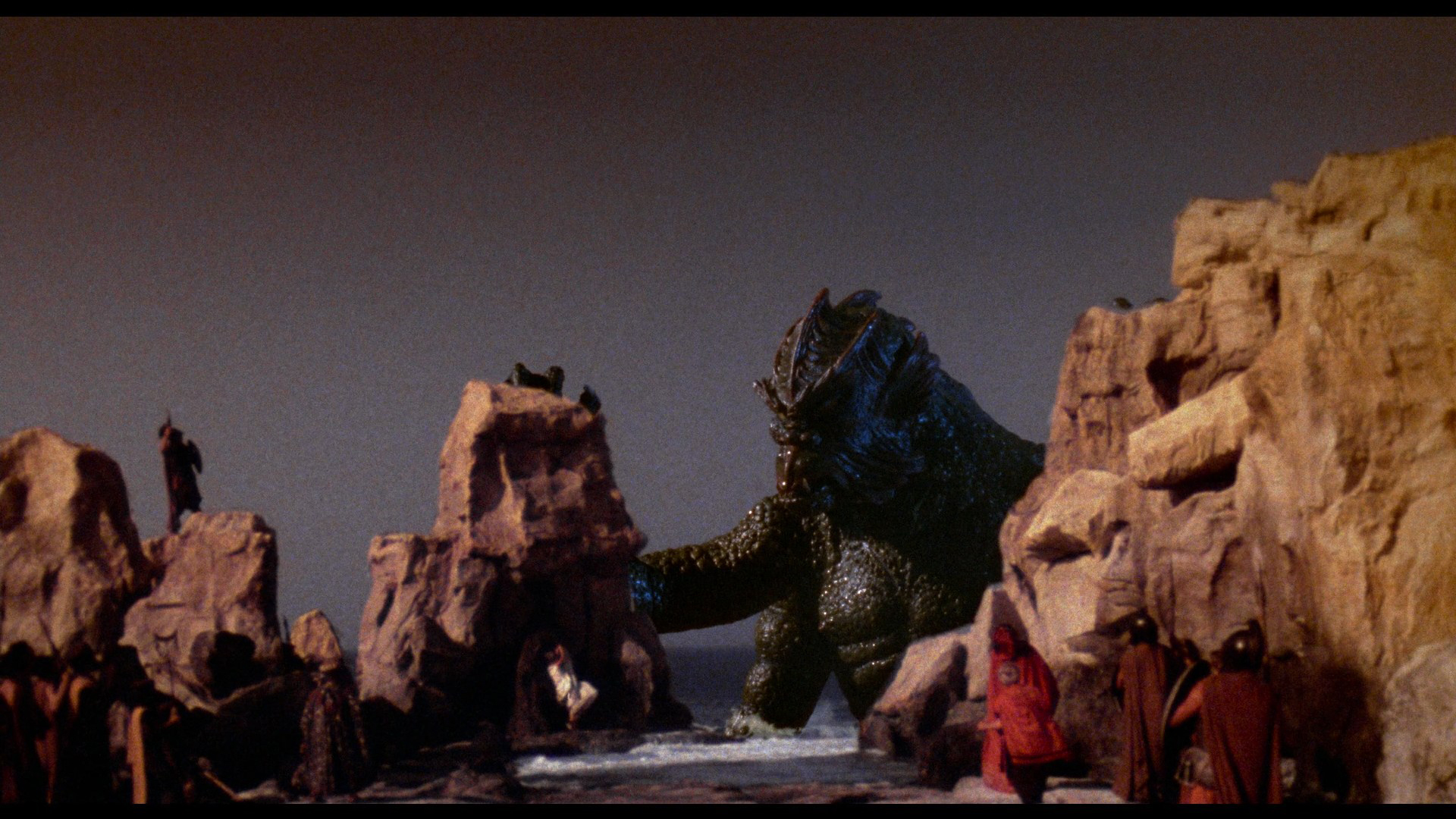
 with Star Wars cleaning up at the box office and the '80s sword and sorcery boom just on the horizon. In a logical move, Harryhausen returned for one last hurrah on the big screen with Clash of the Titans, a spiritual companion of sorts to his prior Greek mythology classic, Jason and the Argonauts, here boasting a wild cast and a return to the larger-than-life monsters that had made the stop-motion wizard's reputation in the first place. After going through multiple studio hands since 1978, the result was a box office hit in theaters and an enduring favorite on cable TV for years, with generally positive reviews as well apart from grumbling about the R2-D2-style comic relief with Bubo the mechanical owl. Pushing the PG rating about as far as it could go with relatively minor nudity and violence, the film went on to cement its place in pop culture history as a Gen X favorite, a source of reliable quotes (especially "Let loose the Kraken"), and the inspiration for a truly rancid 2010 3-D remake and a 2012 sequel.
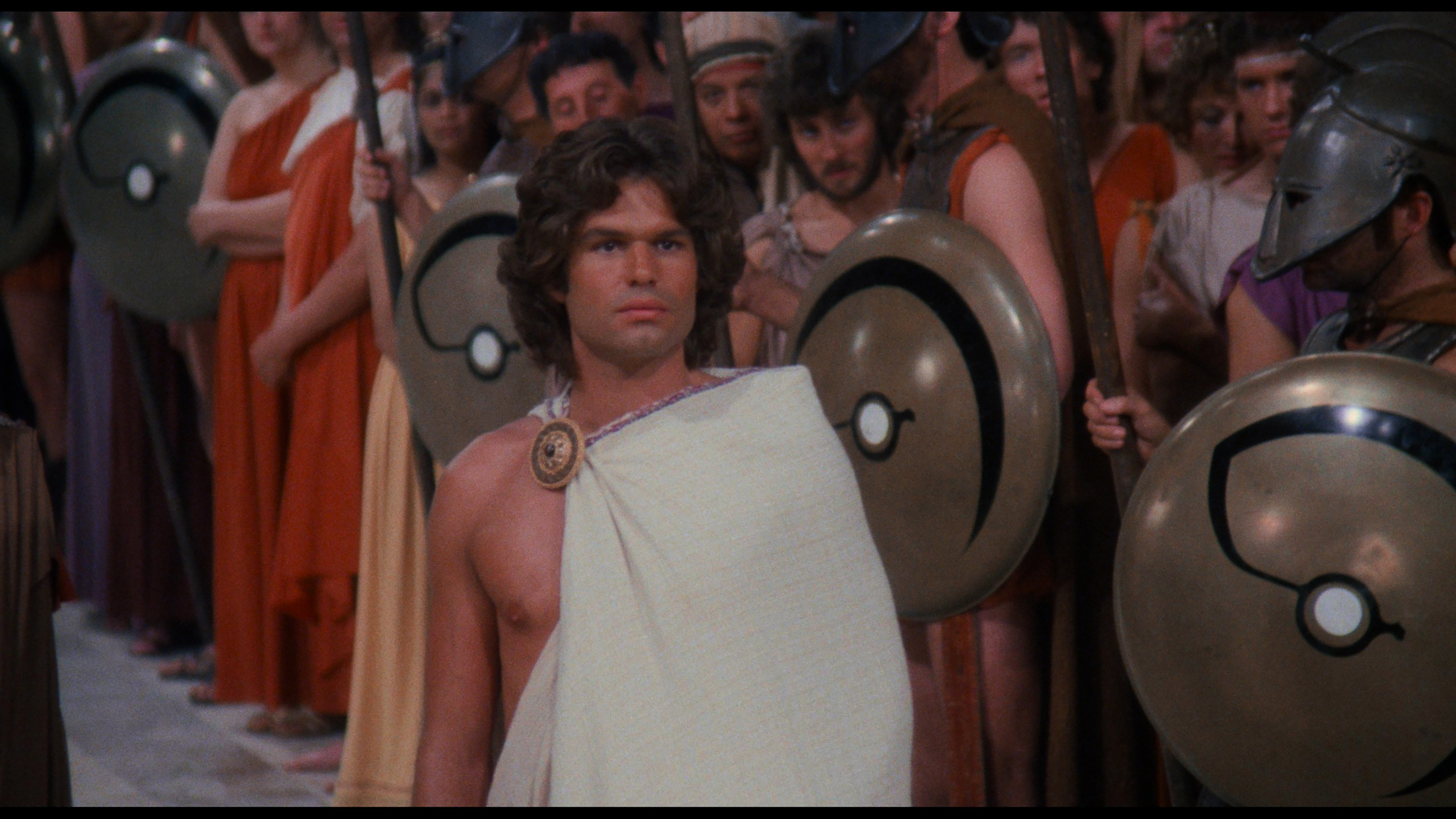
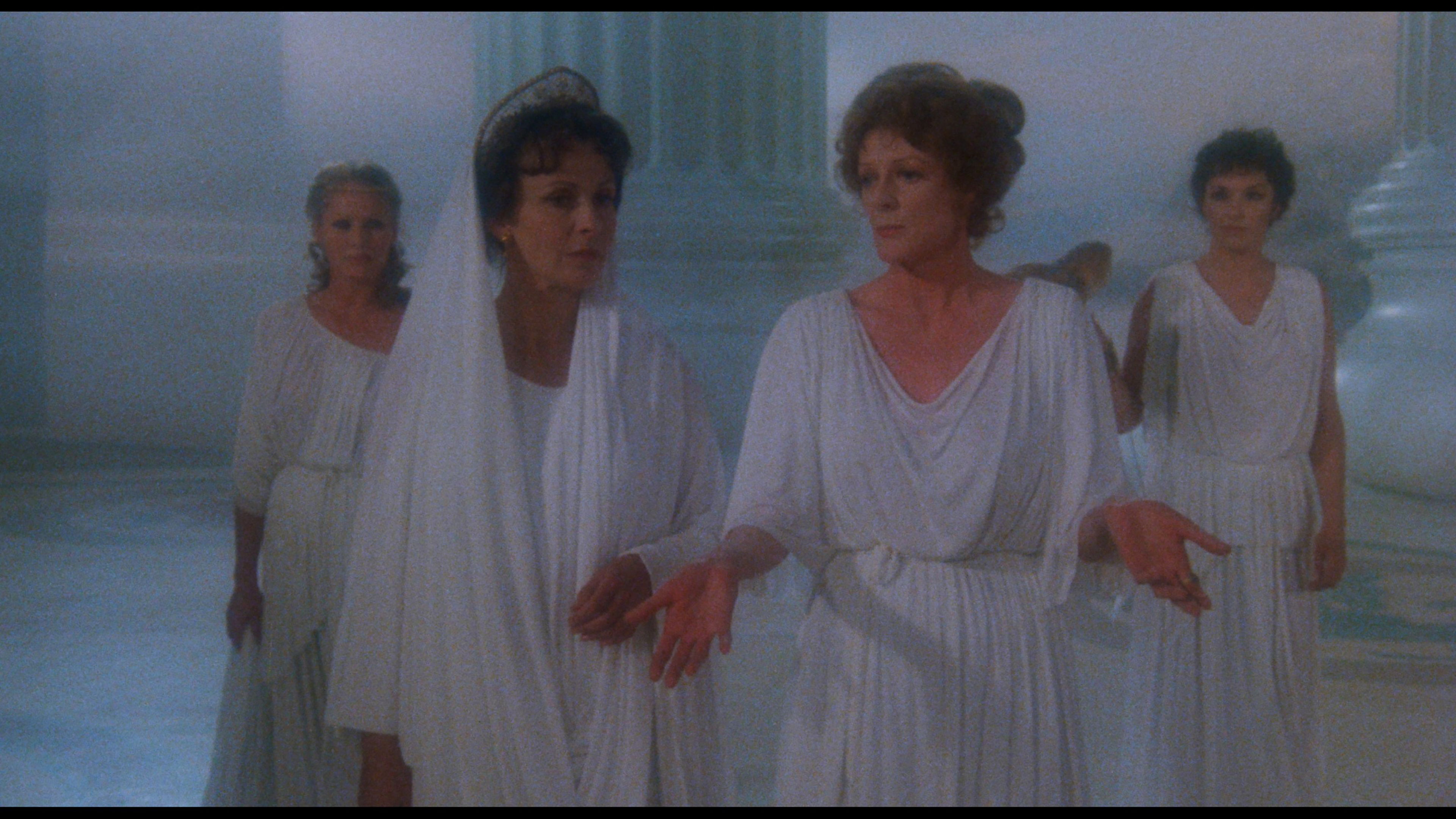 Hera (Bloom), does what he can to aid his son who is targeted by the spiteful Thetis (Smith) when her own son, Calibos (McCarthy), is transformed into a monster for his numerous
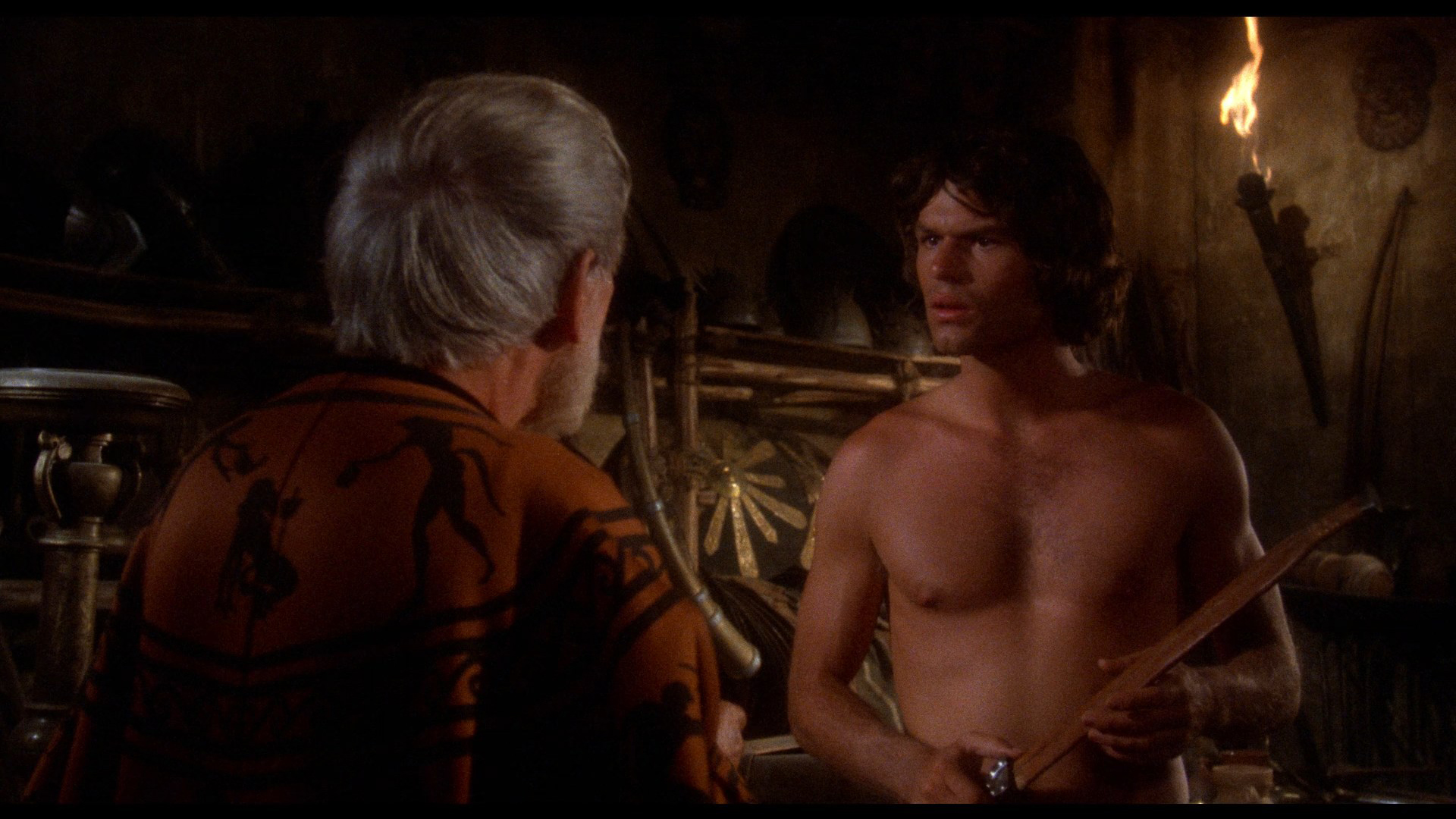
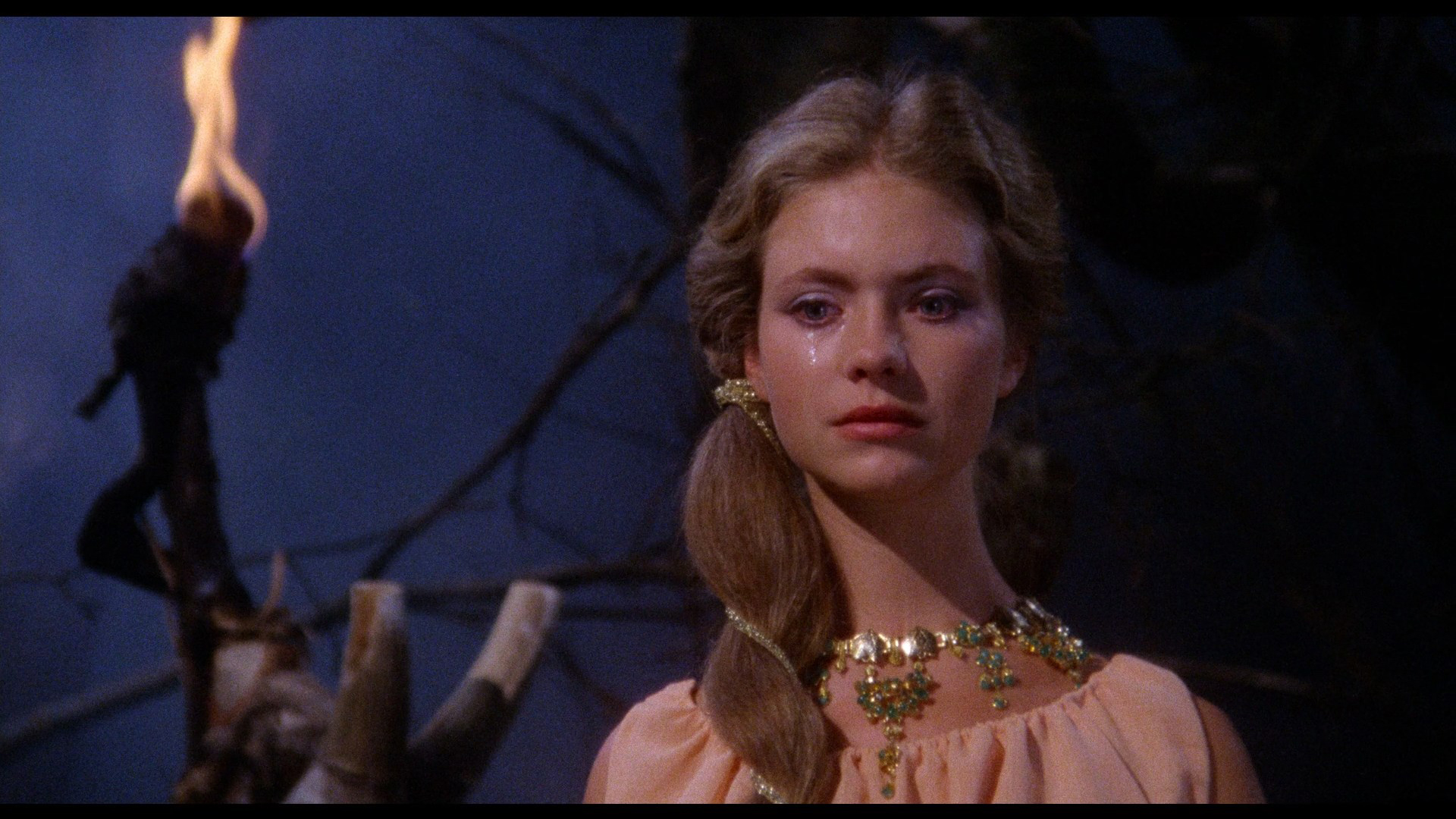
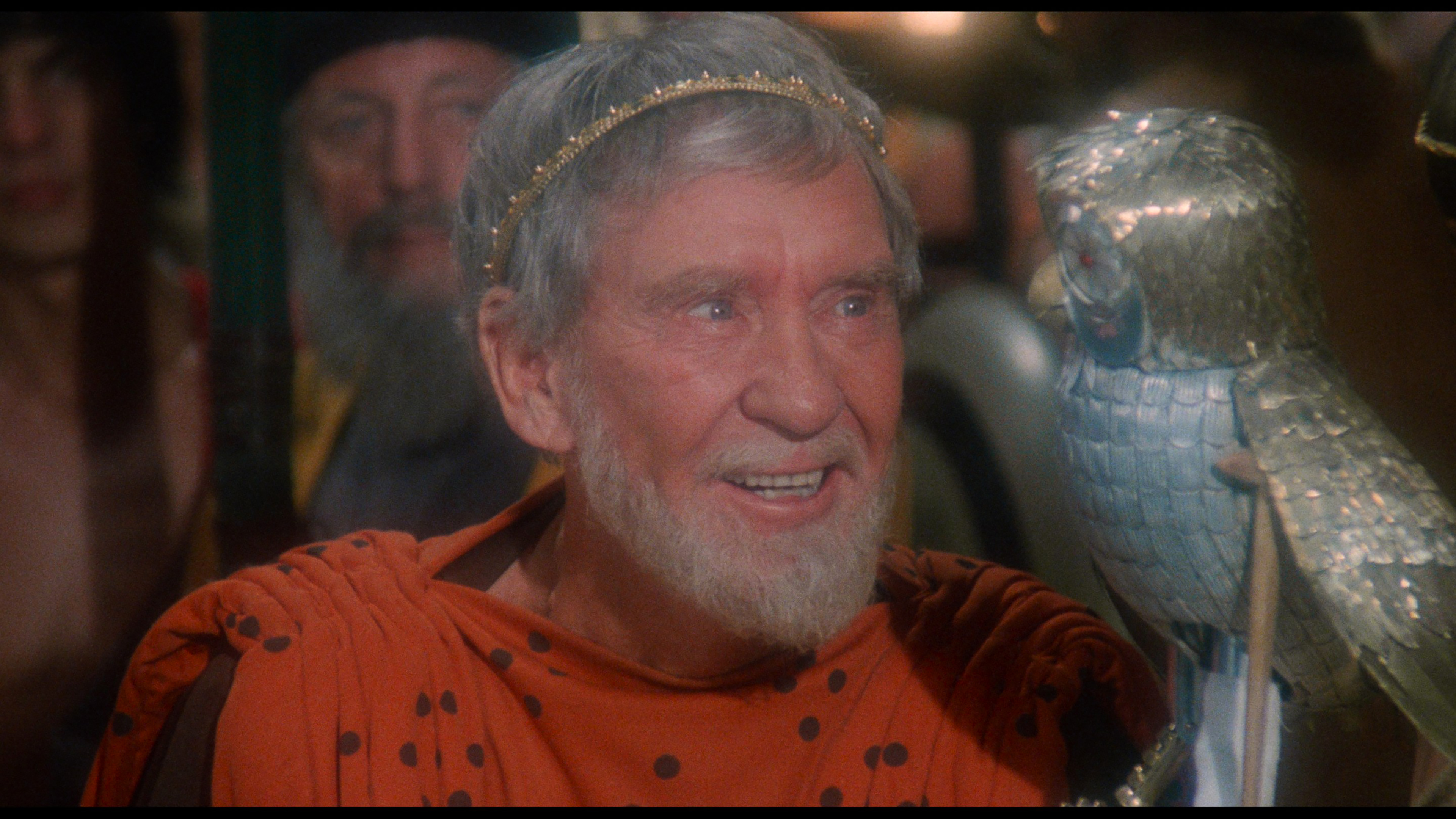 transgressions. Thetis moves Perseus in his sleep to an amphitheater far away in Joppa where he becomes allied with quirky actor and poet Ammon (Meredith) and soldier Thallo (Pigott-Smith). Together they tackle the mystery of the Princess Andromeda (Bowker) whose queen mother, Cassiopeia (Phillips), oversees the wooing of suitors who get burned alive if they can't solve an ever-changing riddle offering by the princess. Aided by a number of gifts from the gods, Perseus sneaks into Andromeda's chamber and learns that her former betrothed, Calibos, now lives in a swamp and gives her the seemingly unsolvable riddles, something our hero puts to an end by offering an answer linked to Calibos' now-severed hand. An enraged Thetis declares that Andromeda must be sacrificed within a month to the Kraken, a sea titan kept imprisoned under the control of Poseidon (Gwillim), setting Perseus and his companions on a dangerous quest to save her life.
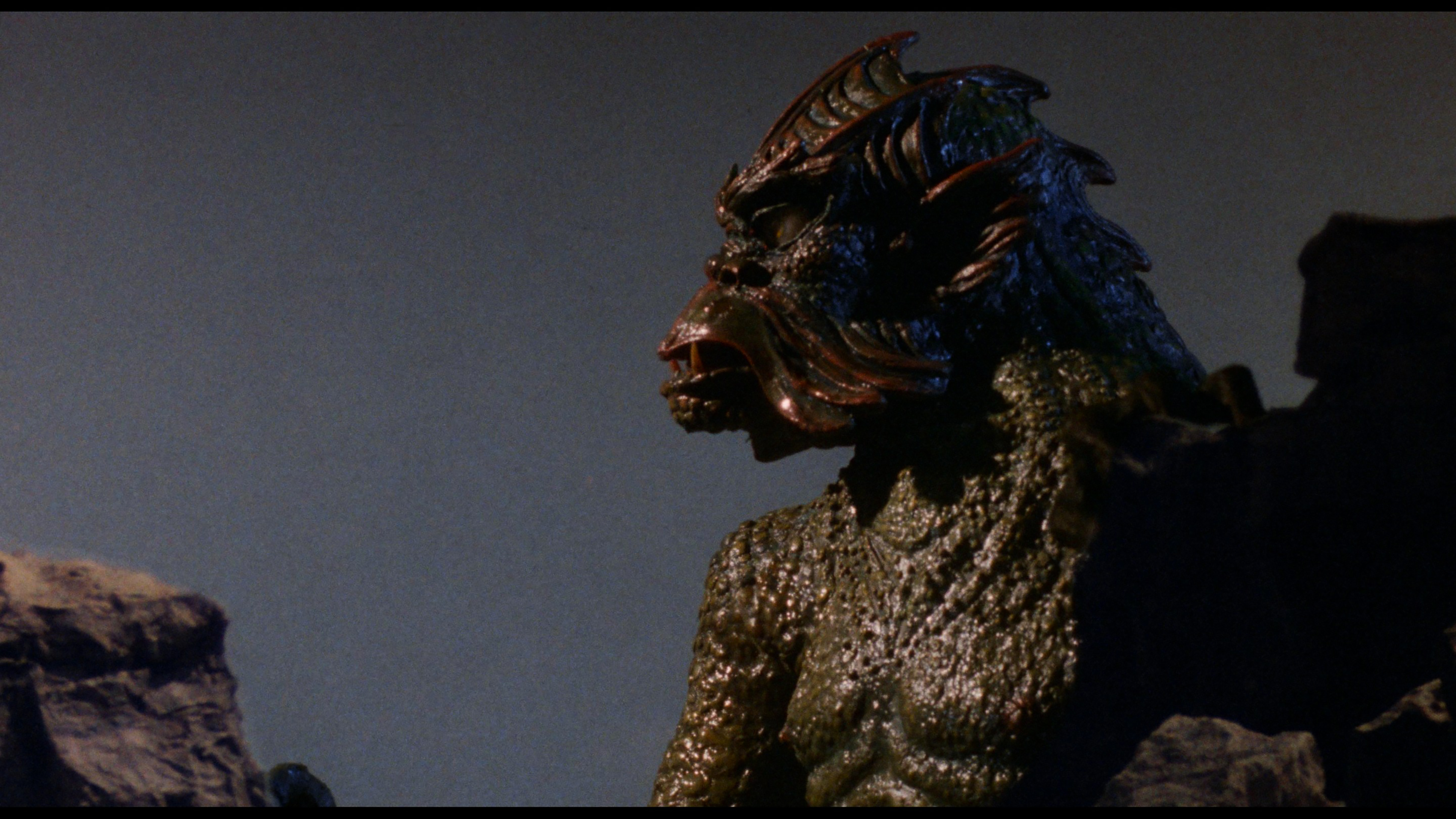 animation sequences due to the opticals involved which increased film grain and impacted the clarity of the image. However, it fared well enough on the small screen through its many incarnations including broadcast, VHS, and letterboxed laserdisc and DVD options, with
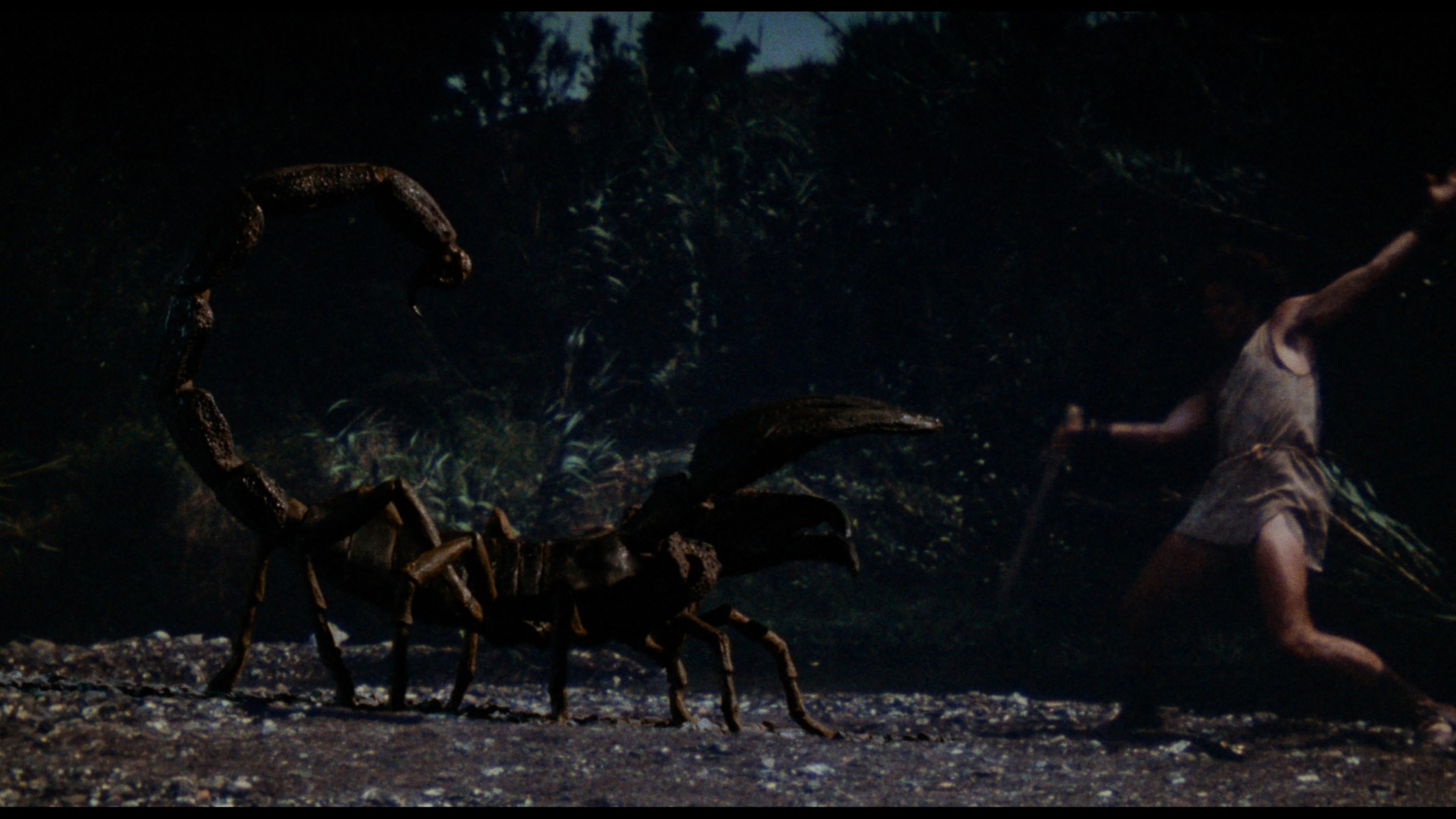
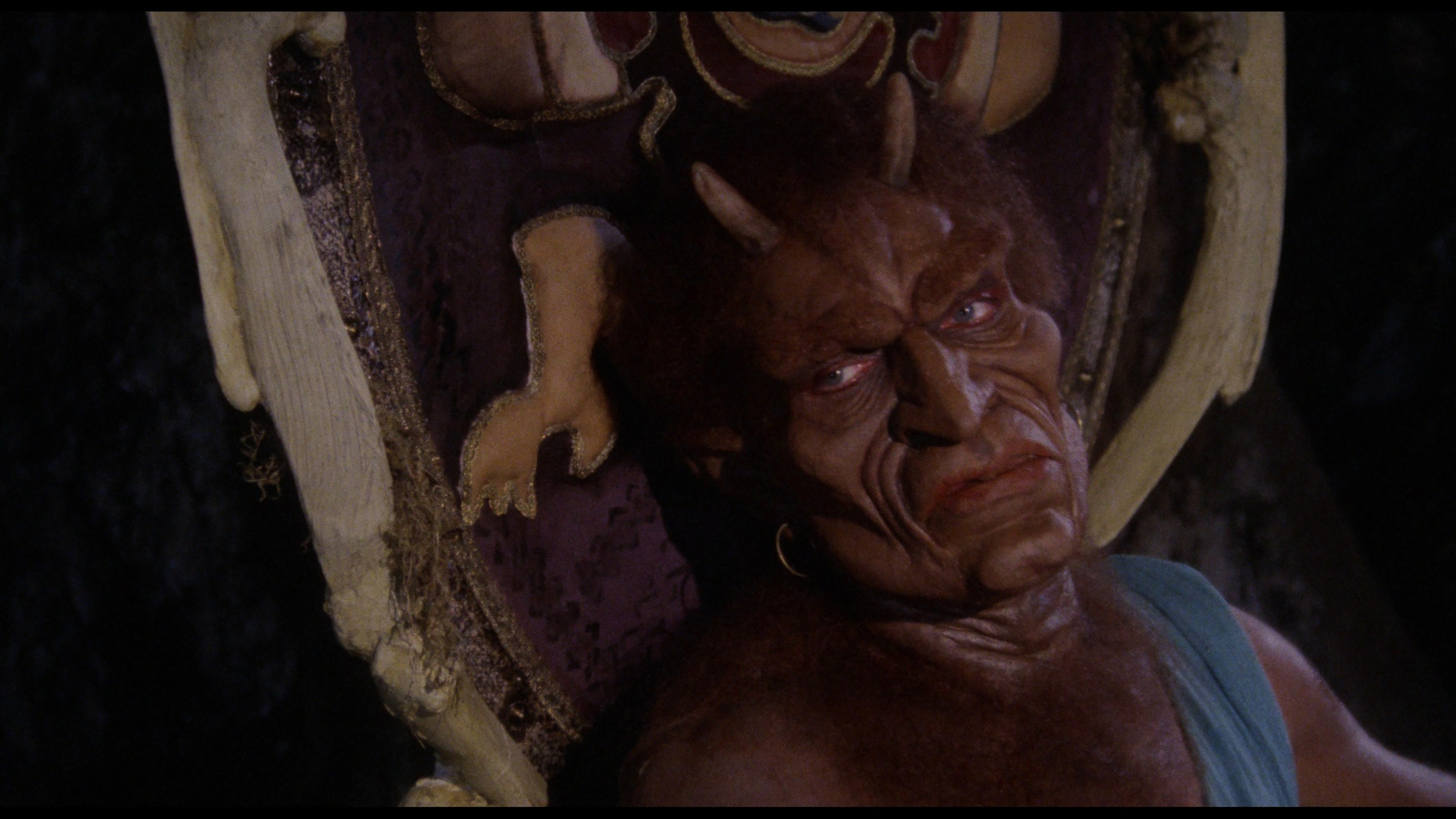 an eventual Blu-ray in 2010 with English DTS-HD MA 2.0 stereo audio (plus Dolby Digital French, Spanish, Portuguese, Czech, German, or Italian) with English SDH, French, Spanish, Portuguese, Japanese, German, Dutch, Italian, Czech, Danish, Norwegian, Swedish, Thai, or Finnish subtitles. Extras created for the DVD include "A Conversation with Ray Harryhausen" (12m14s), about his initial exposure to fantastic films and his approach to making monsters set in the past, and a "Myths and Monsters" Harryhausen interview collection for "Calibos" (1m20s), "Pegasus" (1m22s), "Bubo" (48s), "The Scorpions" (41s), "Medusa" (1m53s), "The Kraken" (1m29s), and "Dioskilos" (1m7s).
 He also goes into his earlier films to varying degrees, such as hollowing out real dead crabs for Mysterious Island. Also
 included as a fourth audio option with the film is a 1970 BFI interview with Harryhausen and longtime producer Charles H. Schneer about their collaborations to that point starting with It Came from Beneath the Sea and their first Sinbad hit and up to their most recent film, The Valley of Gwangi, which hadn't hit British theaters yet.
Arrow (UHD)
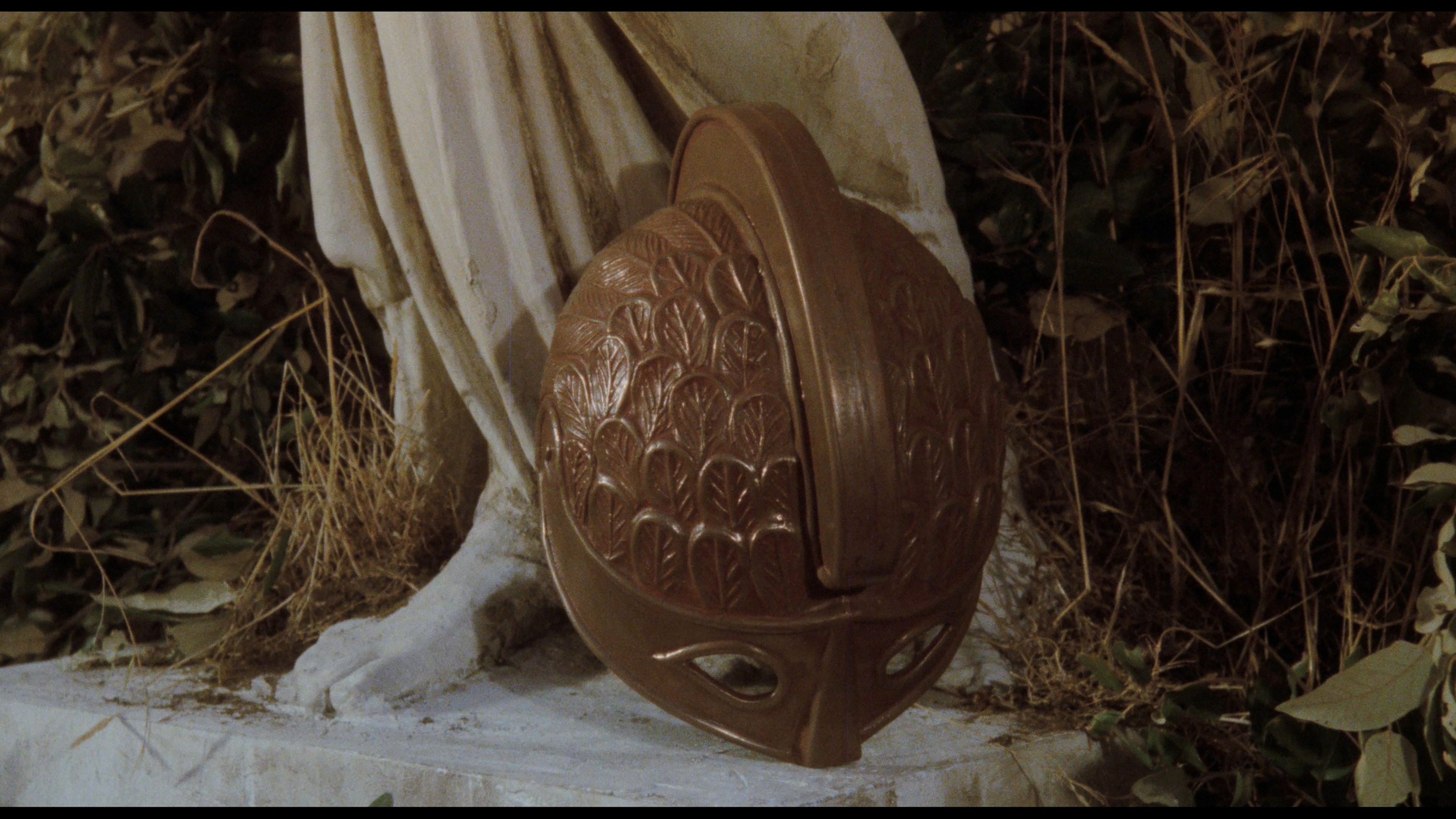
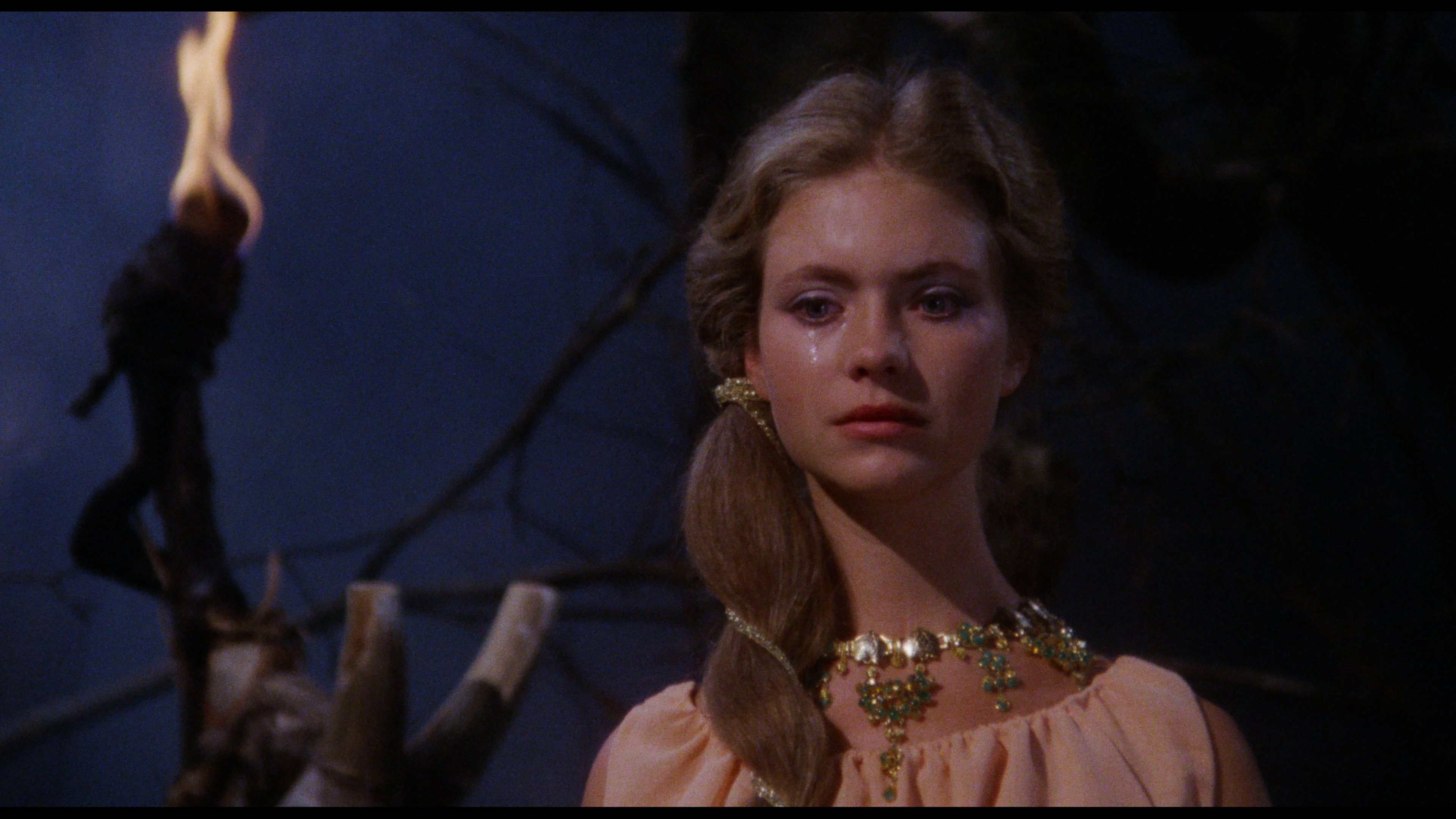
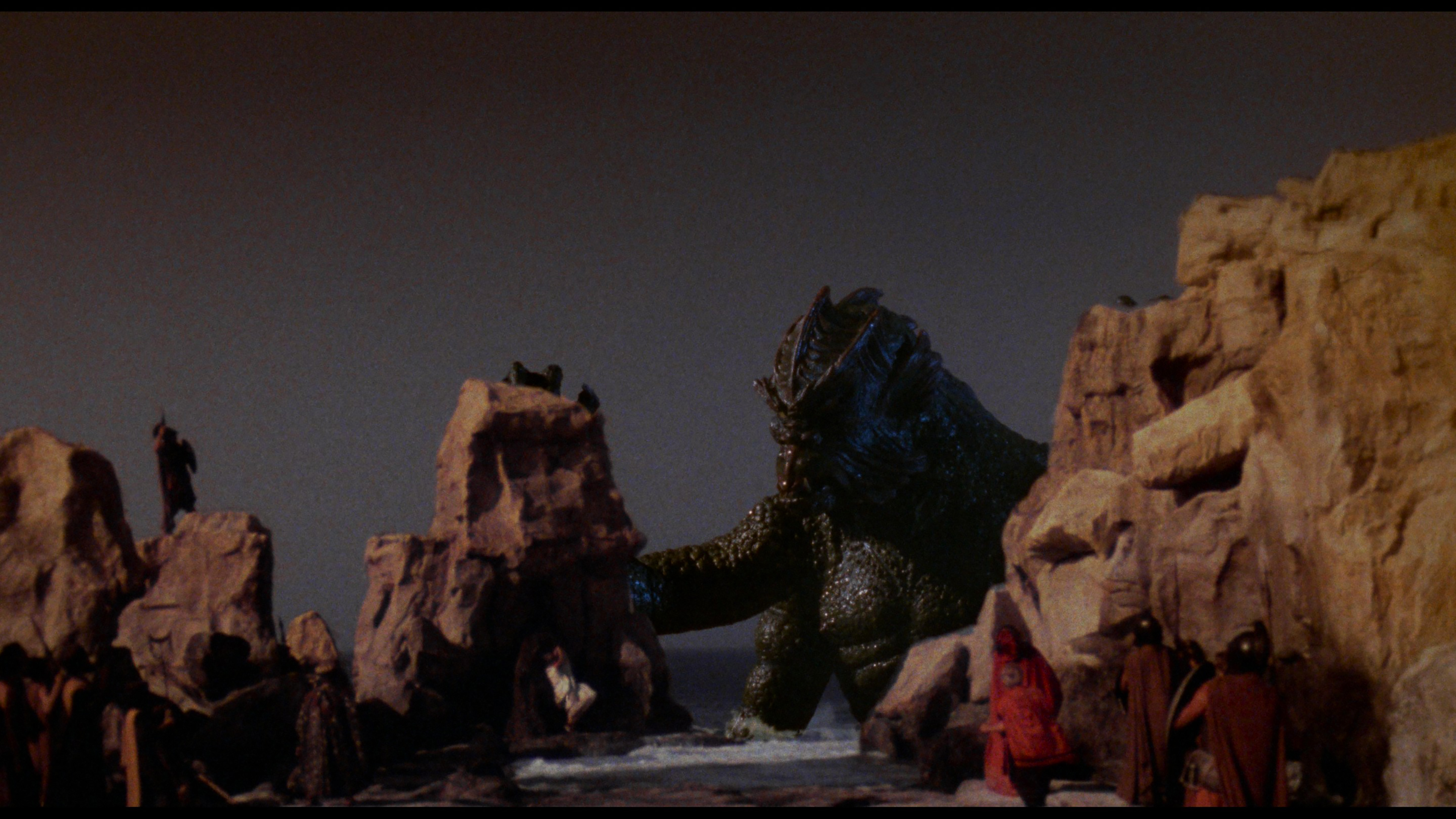
Arrow ( Blu-ray)
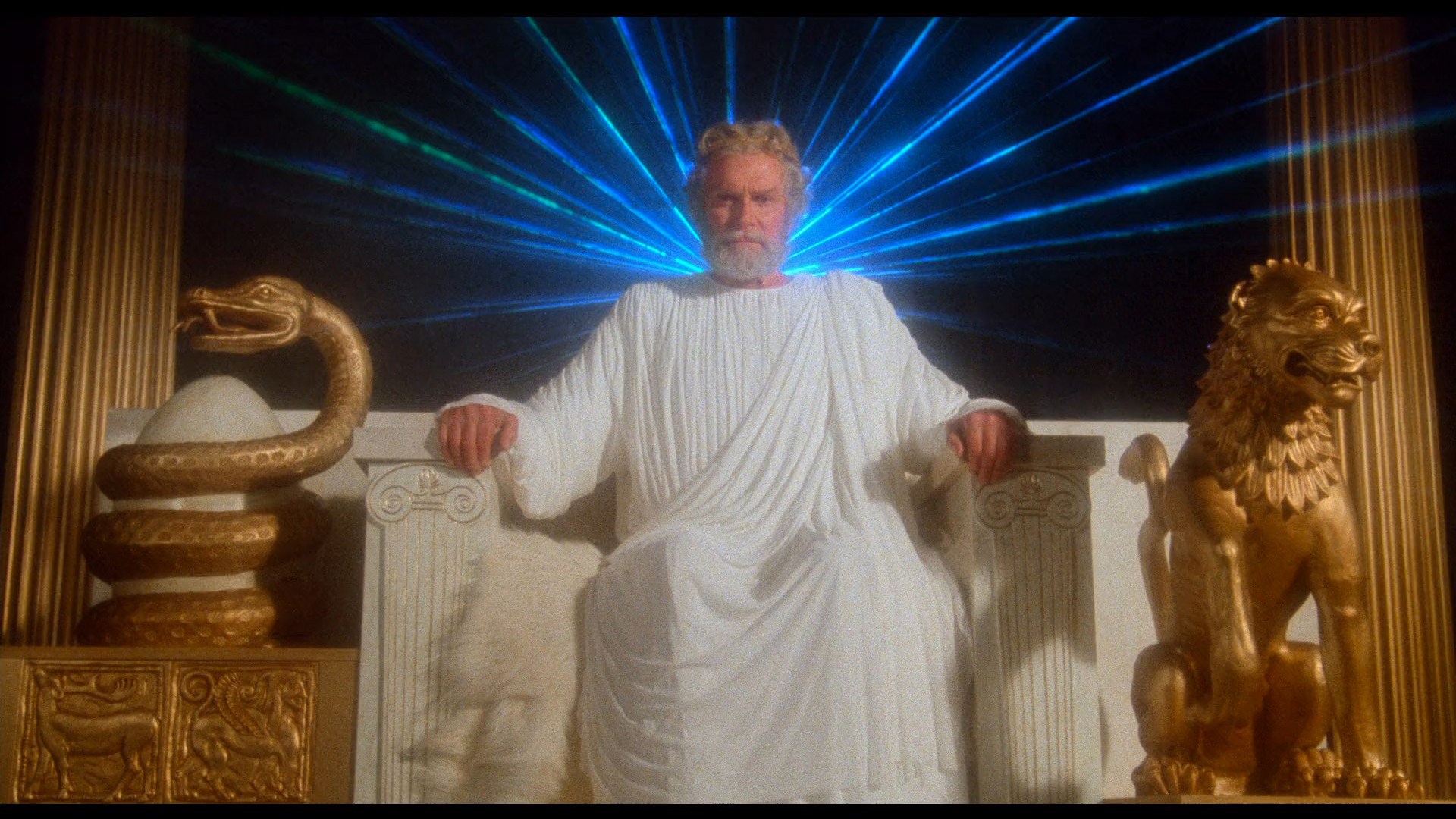
Warner Bros. (Blu-ray)