 Severin Films released its watershed Dungeon of Andy Milligan Blu-ray set (which still stands proud as one of the
  best director-dedicated releases ever), it seemed to be the final word on the most important director to ever come out of Staten Island. That said, it encompassed everything at the time except for three things: an in-progress documentary about Milligan by Josh Johnson and Grayson Tyler Johnson that was nowhere near completion at the time, and two unfinished films that were abandoned as workprints that passed on to Milligan biographer Jimmy McDonough (who in turn passed them on to Nicolas Winding Refn to preserve and stream on his website, later made available on Mubi). A lot can change in five years though; as anyone who's read McDonough's book or delved into Milligan beyond his more familiar horror films knows, all of his black-and-white '60s sexploitation films, many made for distributor William Mishkin, have long been considered tragically lost with only a fragment of The Filthy Five and a trailer for Depraved! recovered for that box set. Lo and behold, by the time the follow-up box arrived in 2026 as Gutter Auteur: The Lost Legacy of Andy Milligan, everything we'd been waiting for materialized along with two massive incentives: the discovery of a pair of his lost Mishkin films unearthed from film vaults, filling in a vital chapter of his filmography with one in particular ranking as an essential title up there with his best.
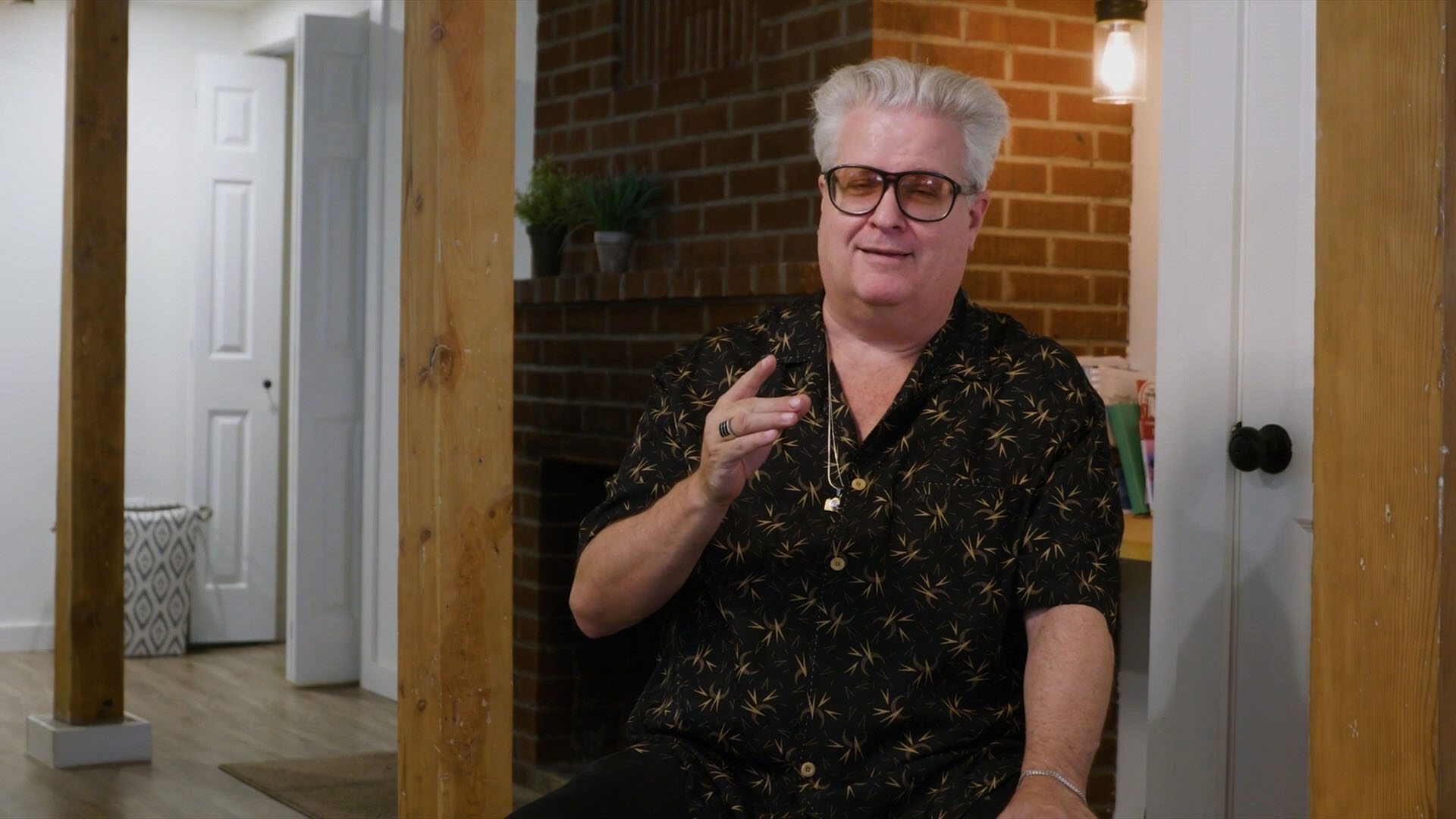
 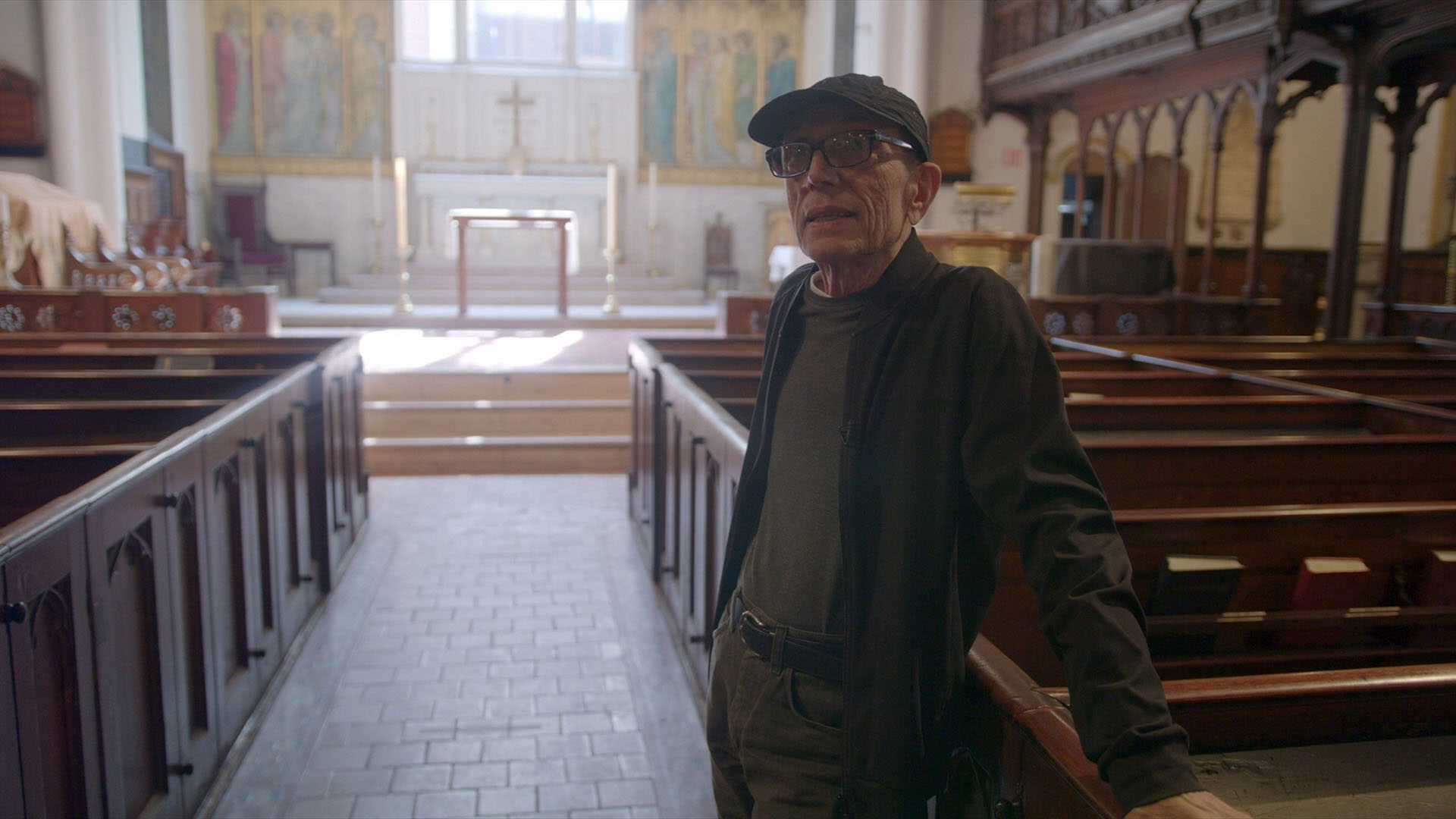 Stephen Thrower and Alex DiSanto. Everyone has great material here while the film provides an appropriately dizzying ride through Milligan's life and work including some incredible footage
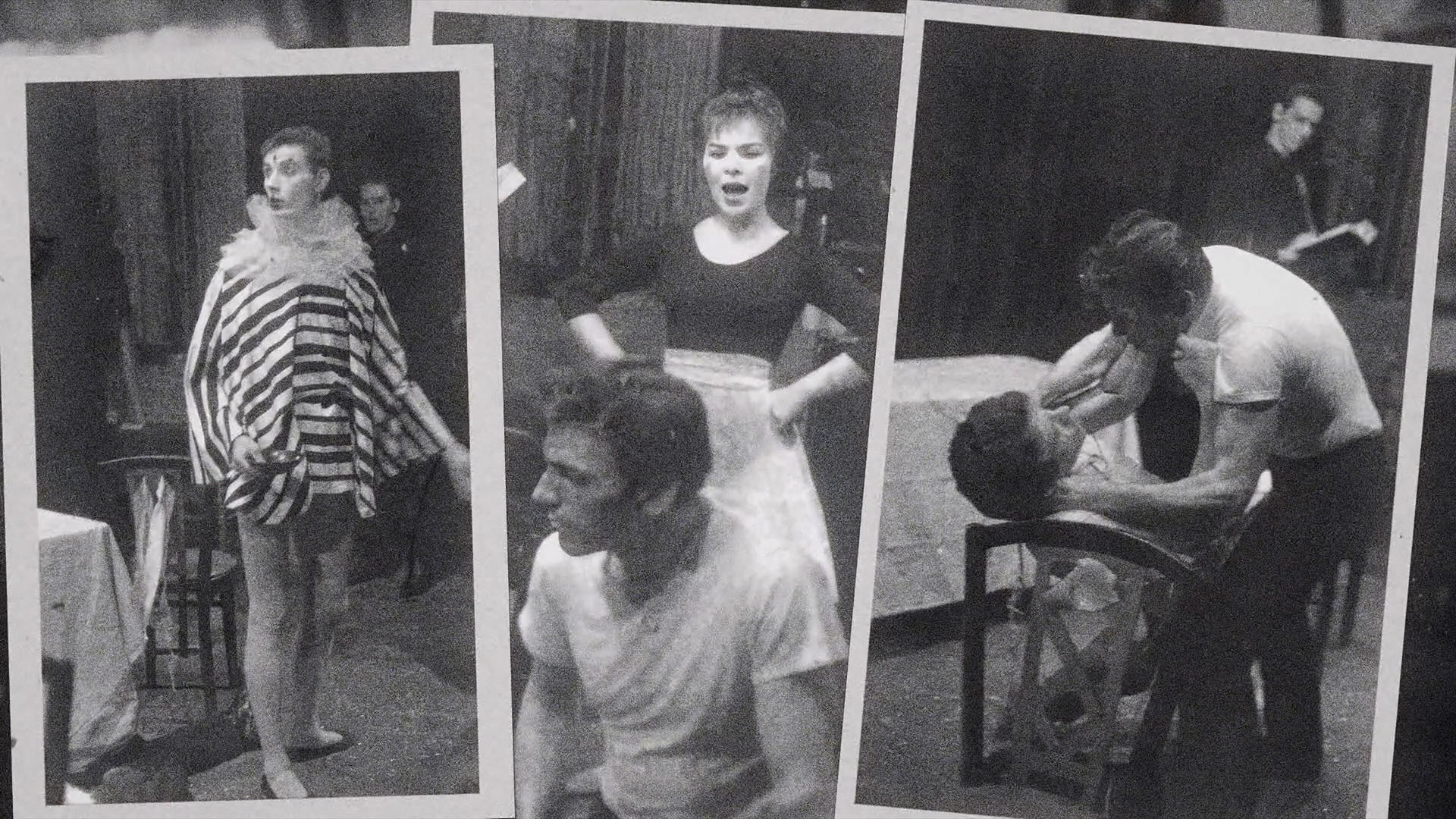
 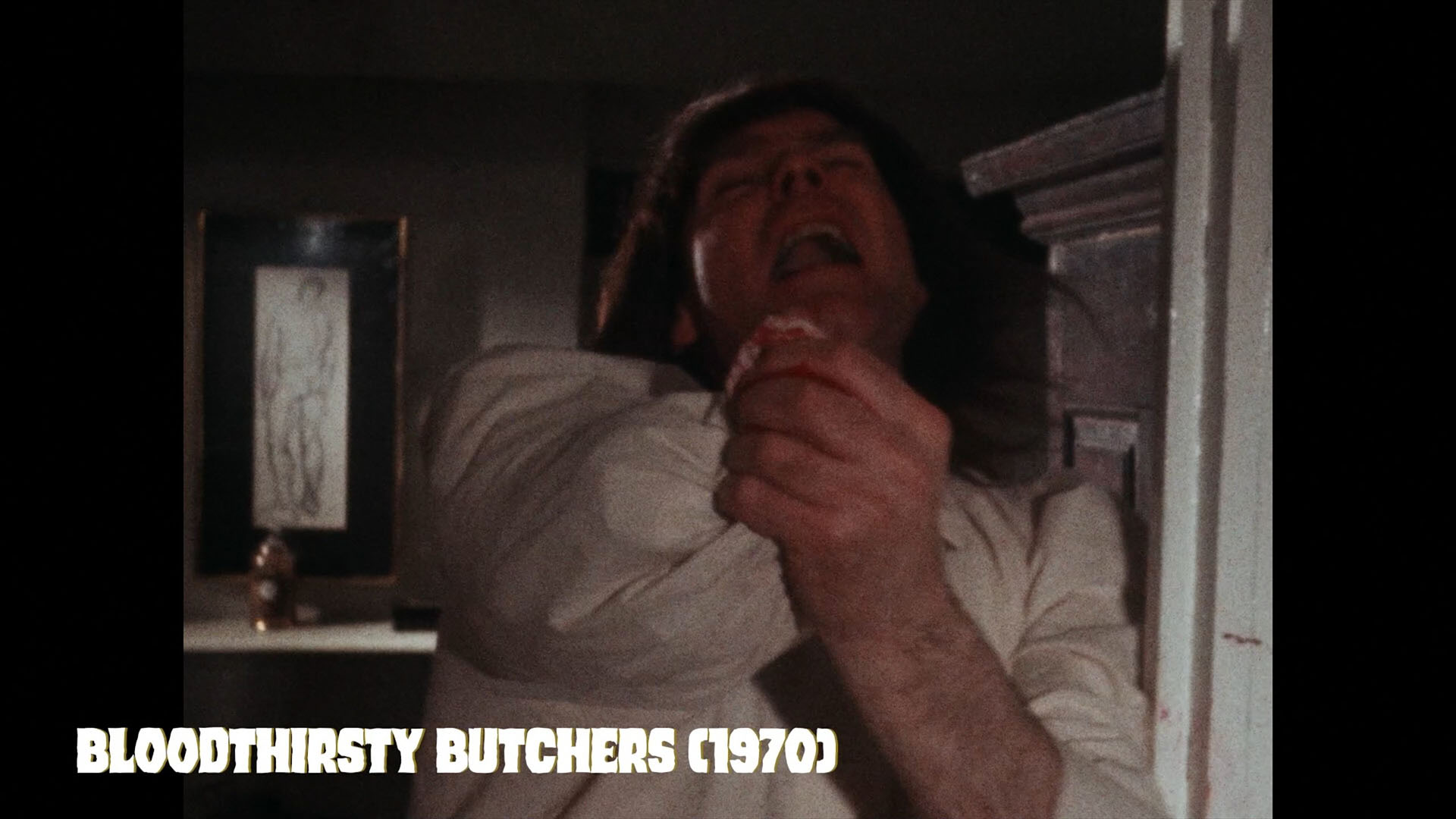 of him as a young actor live on TV and extensive coverage of his tireless work in New York City theater including the Caffe Cino in its heyday. All the Mishkin sexploitation and horror films get their due here plus his groundbreaking short film Vapors, plus Andy's peculiar sojourn to England, all the films that snuck out in between, the ones that never got completed, and Andy's eventual move to Los Angeles and his death. You even get a trip to the church from Guru the Mad Monk among other delights, and it's great to have so much history still preserved for posterity for a director who seems much more embraced now than he ever was in his lifetime. Befittingly, the doc touches on numerous colorful personalities from the stage and screen work who seem like they could be compelling subjects all unto themselves, and the end result will likely give you an urge to start a Milligan mini-marathon of your own (if your psyche can bear it). Plus you get the most drama here over fabric this side of The Cobweb, which is always a joy, and a guide to spotting little idiosyncrasies in the films like Andy’s fleeting accidental cameo appearances due to the hyper-rushed and often guerrilla shooting methods, usually with his beloved Auricon camera.
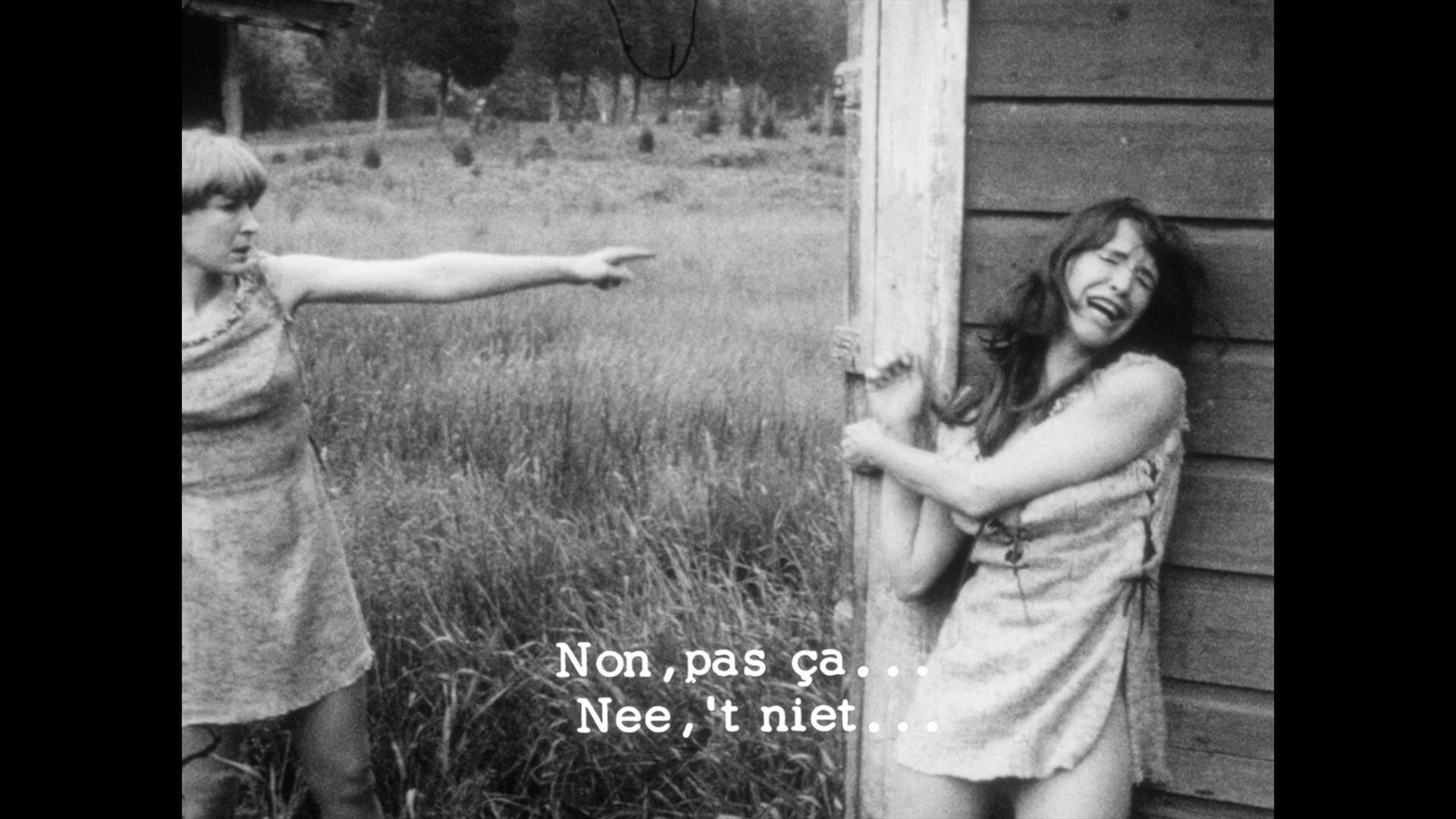 kicks off with one of the recently rediscovered wonders in the set, 1967’s once-lost The Degenerates, a print of which was uncovered at the
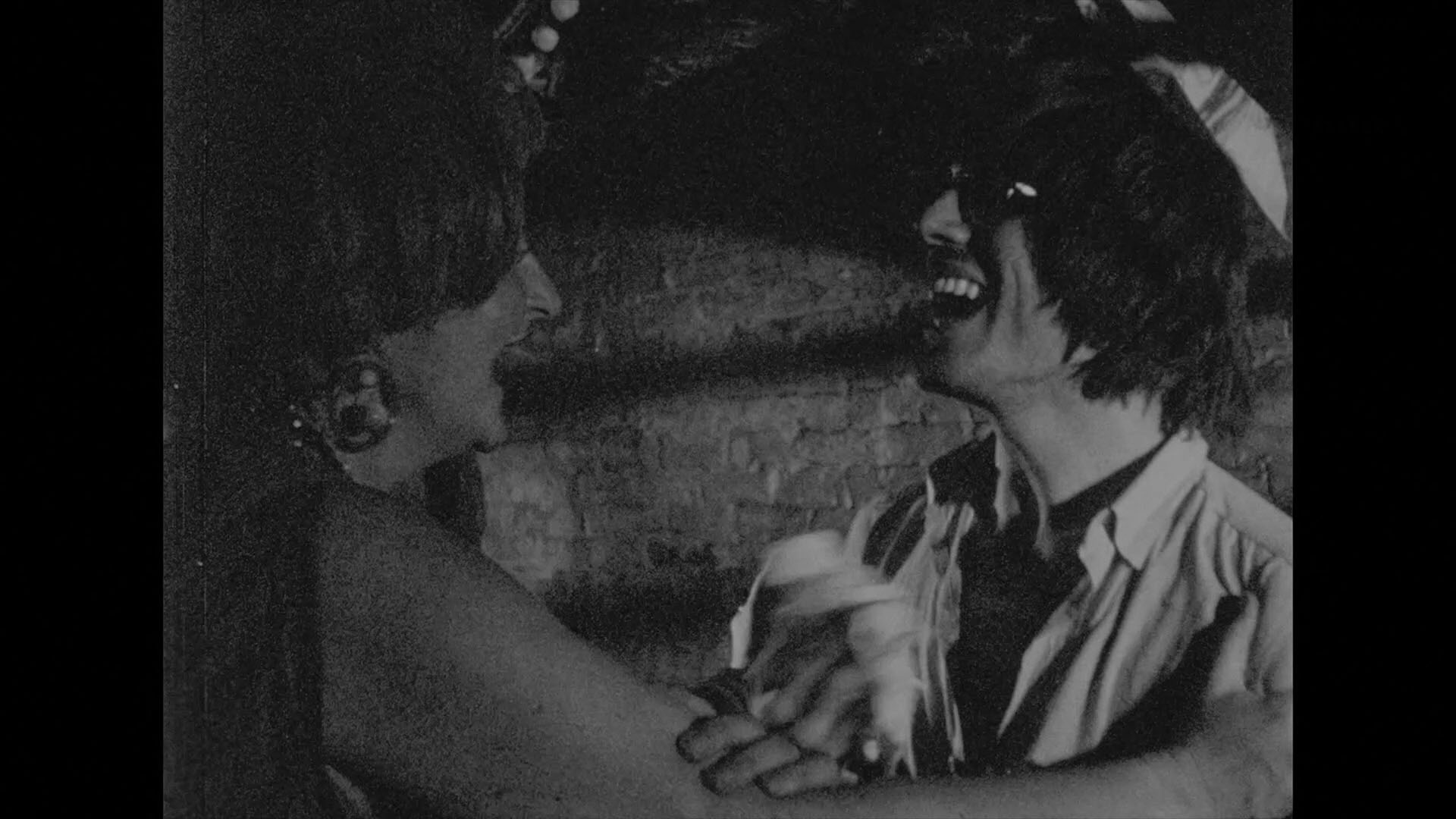
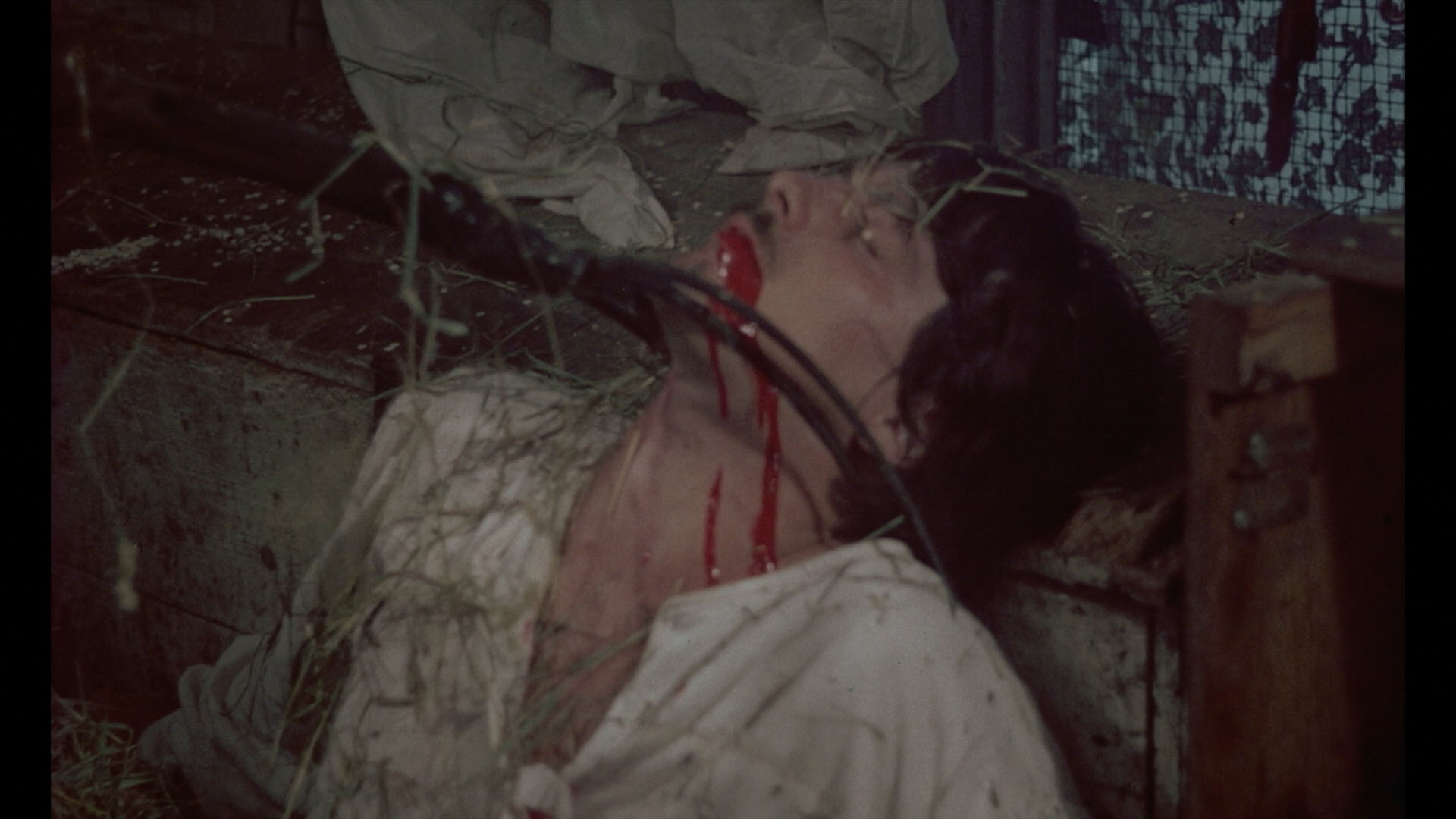
 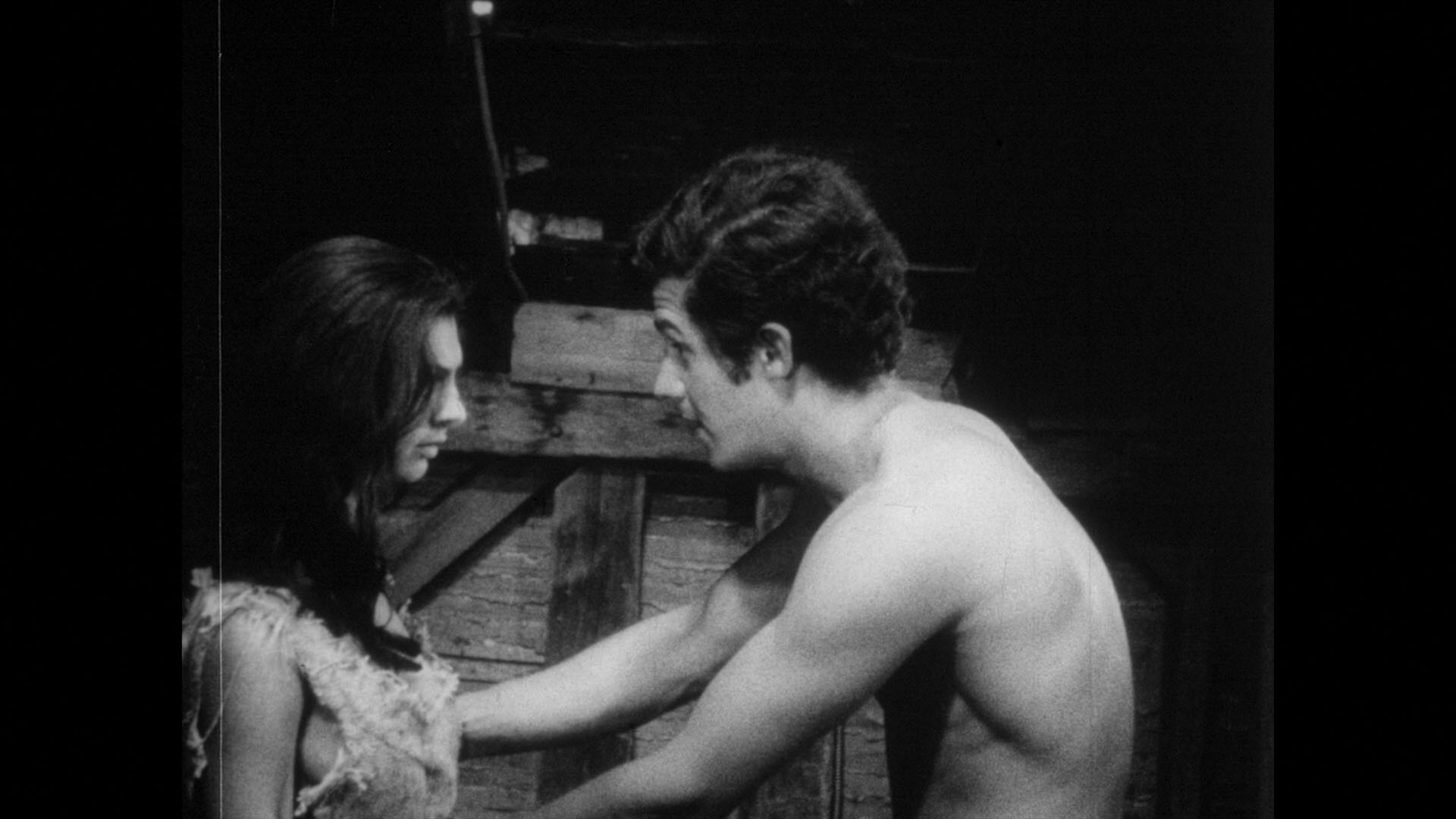 Cinémathèque royale de Belgique featuring burned-in French and Dutch subtitles. Here Andy goes post-apocalyptic at least in theory, presenting one of his screaming-est films ever as a dysfunctional psychodrama in the countryside. Three men in sunglasses – Jim (Burgos), GoGo (Newman), and Frank (Haine) – are colleagues from the Nuclear Attack Survival Center looking for survivors, and they come across a residence (a very effective derelict mansion in Woodstock) occupied by five sisters in various degrees of mental collapse. Among the craziest are the feral Ivy (Stansbury) who prowls around the property and the domineering, homicidal Violet (Lee) who's been driven around the bend after setting her incestuous father on fire. Soon the new arrivals are trying to impose their own systems of control on the household, with utterly disastrous and violent results. Shot under the title Sin Sisters 2000 A.D., this makes no significant use of its futuristic setting (this could be pretty much any time period without changing much) but does deliver 100% unfiltered Milligan with its strange DIY dresses and rambling, toxic dialogue co-written with Jacuzzo. Pretty much everyone here was a Milligan theater repertory player at the time, with the women in particular really giving it their all and delivering a ferocious finale that couldn't have come from any other director. Given that this was marketing as sexploitation, it's remarkably coy at times with some near-nudity at times and sisterly lesbian activity in the second half. Whether a stronger version ever existed seems to be up in the air; a longer running time in the pressbook is obviously unreliable since those were wildly inaccurate most of the time anyway. What we have here doesn't feel particularly incomplete, and the gore in the final stretch is most definitely not toned down. Quality is obviously limited by the source material here, but quite good for a print of something that by all rights shouldn't even exist. A new audio commentary by DiSanto is thorough and engaging as he covers Milligan's non-tripod shooting style at the time, the film's status as part of a three-title deal with rival fleapit distributor ASA, the state of that central house location, the backgrounds of the cast, and much more. In "Sin Sisters '66" (21m46s), Stephen Thrower covers the film's creation on the heels of The Naked Witch, the sexploitation and horror market at the time, the connections to Milligan's other stage and film work including similarities to the masterpiece Seeds, the initial use here of pitchfork trauma that would turn up again in several forms, and plenty more. McDonough turns up next for "Trauma at Tribeca" (16m34s) giving a colorful intro for a screening of the film, while "Two Weeks in Woodstock" (15m31s)
 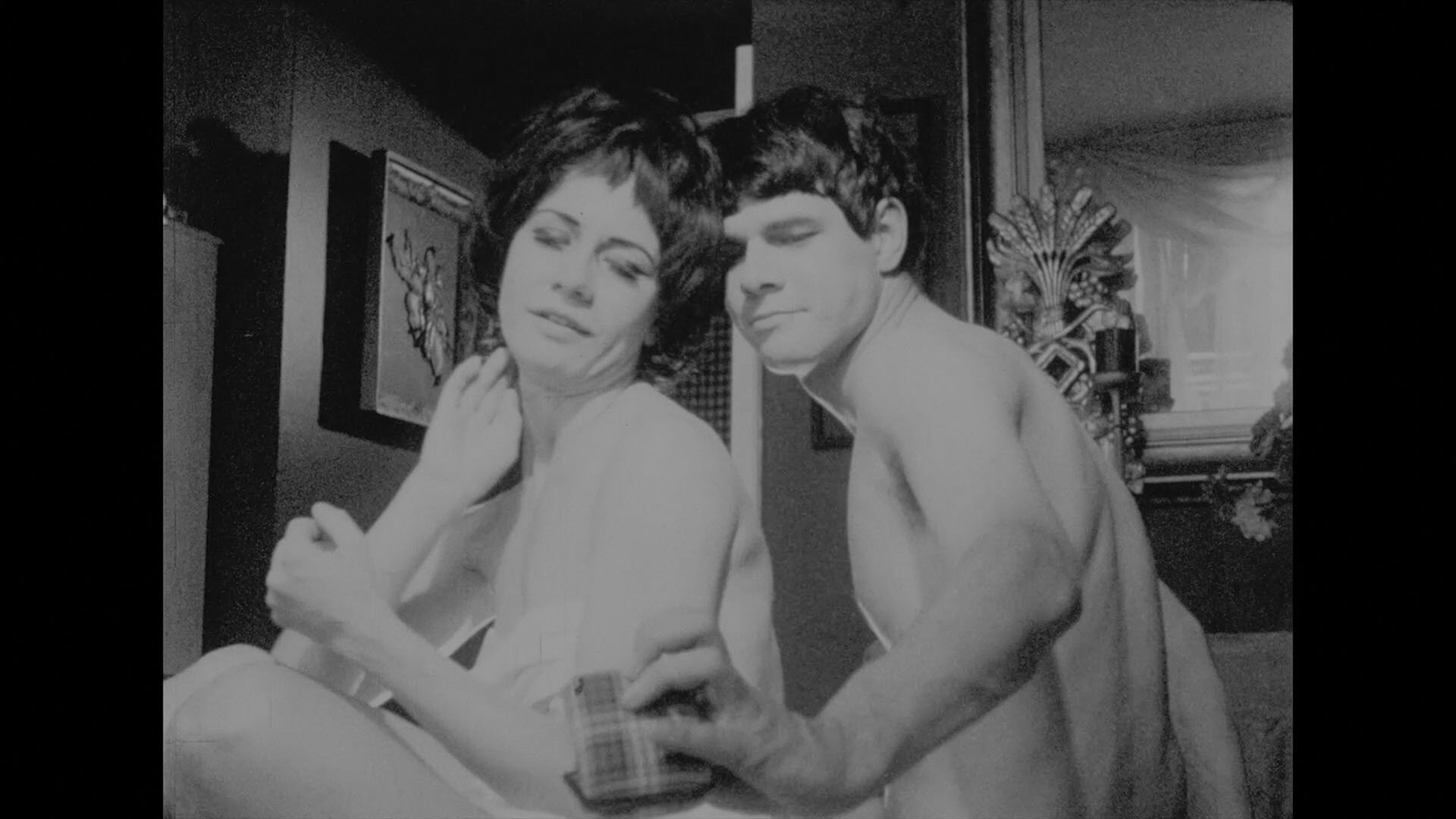 features actress Laura Cunningham recalling the shoot during her coed days, her lack of awareness about the nature of the film, the challenges of living on site for the filming, and her fellow actors and memories of Caffee Cino. A 1m13s lobby card gallery is also
  included.
 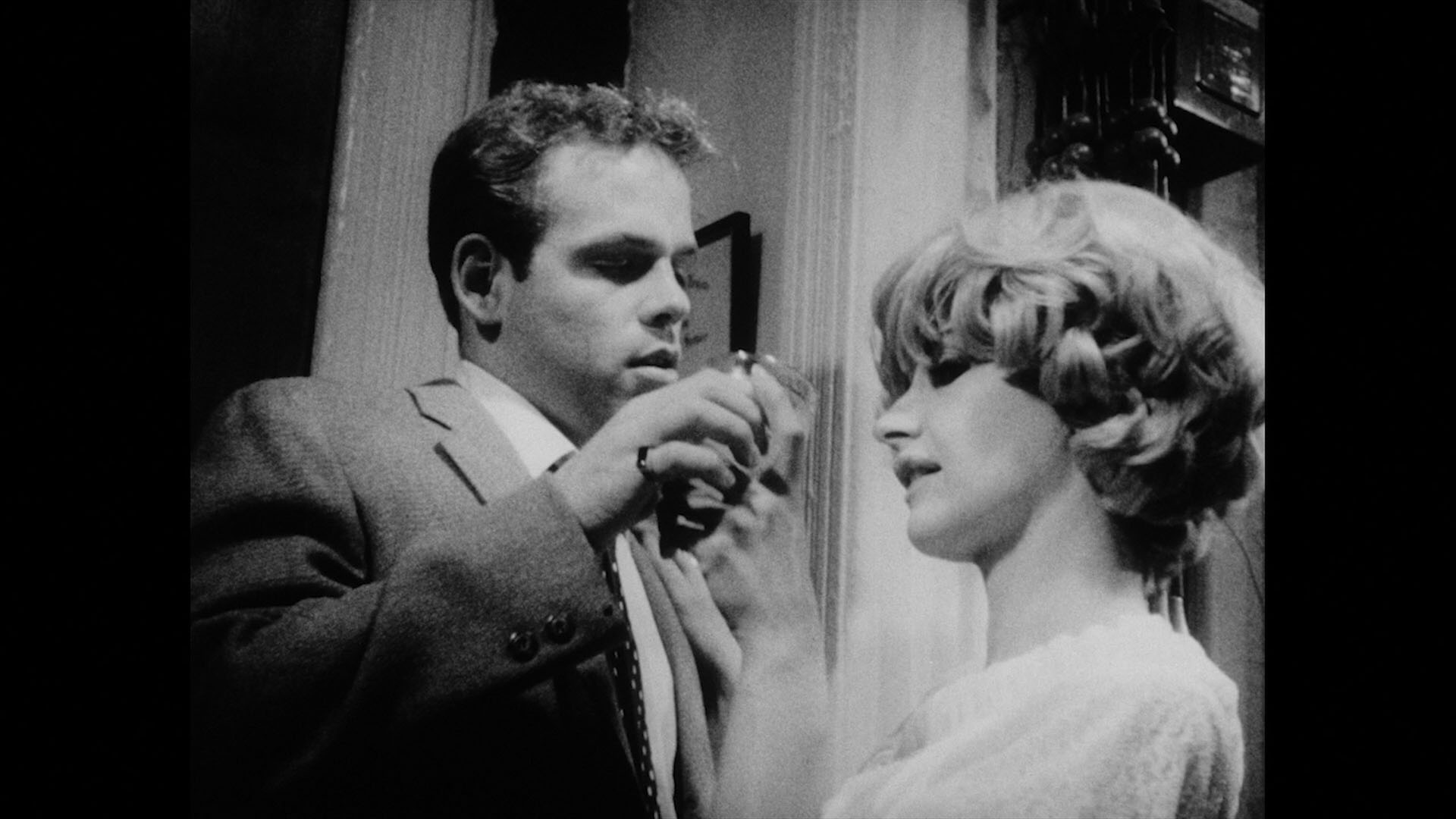 Milligan in peak form, delivering that same rush of venomous excitement you can find in Seeds along with the heightened dramatics of Vapors or Nightbirds. Natalie Rogers absolutely dominates the screen here as Jean, essentially an updated Big Apple version of Jean Harlow's Red-Headed Woman, who's
 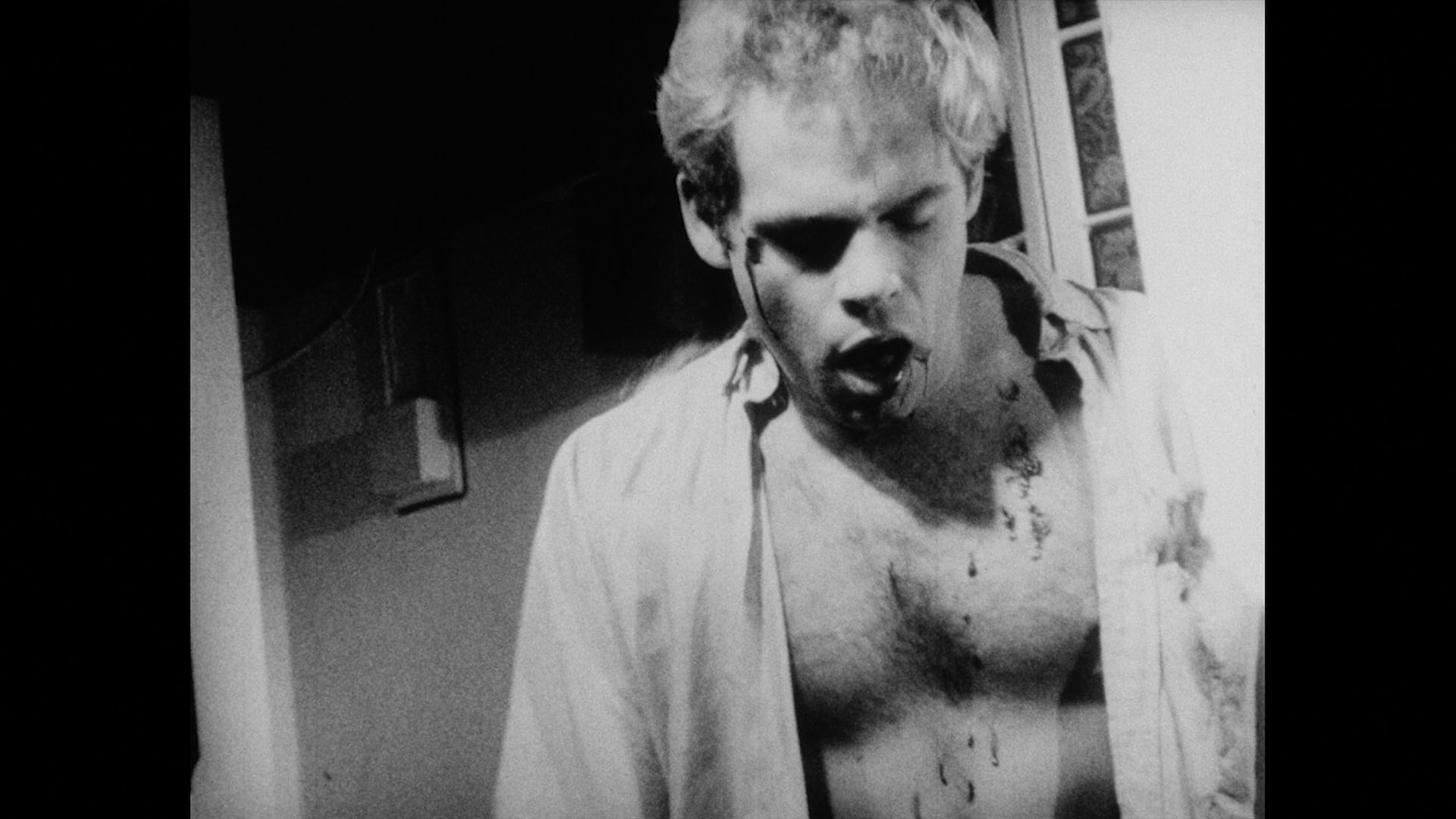 married to dumb lug Stan (Williams) and has the hots for his best friend, even dumber lug Eddie (Ratray), whom she used to date for good measure. The two start an affair, but when Eddie gets tired of her antics, Jean sets him up with stepsister-in-law Ellen (Martin) so they can all stay in close quarters together. Being the world's worst mother to her little boy, Jean doesn't think her plan through very carefully and ignites a ferocious love rectangle with the expected dramatic and tragic consequences.
  and the merits of what happened when all these forces collided here (some for the last time).
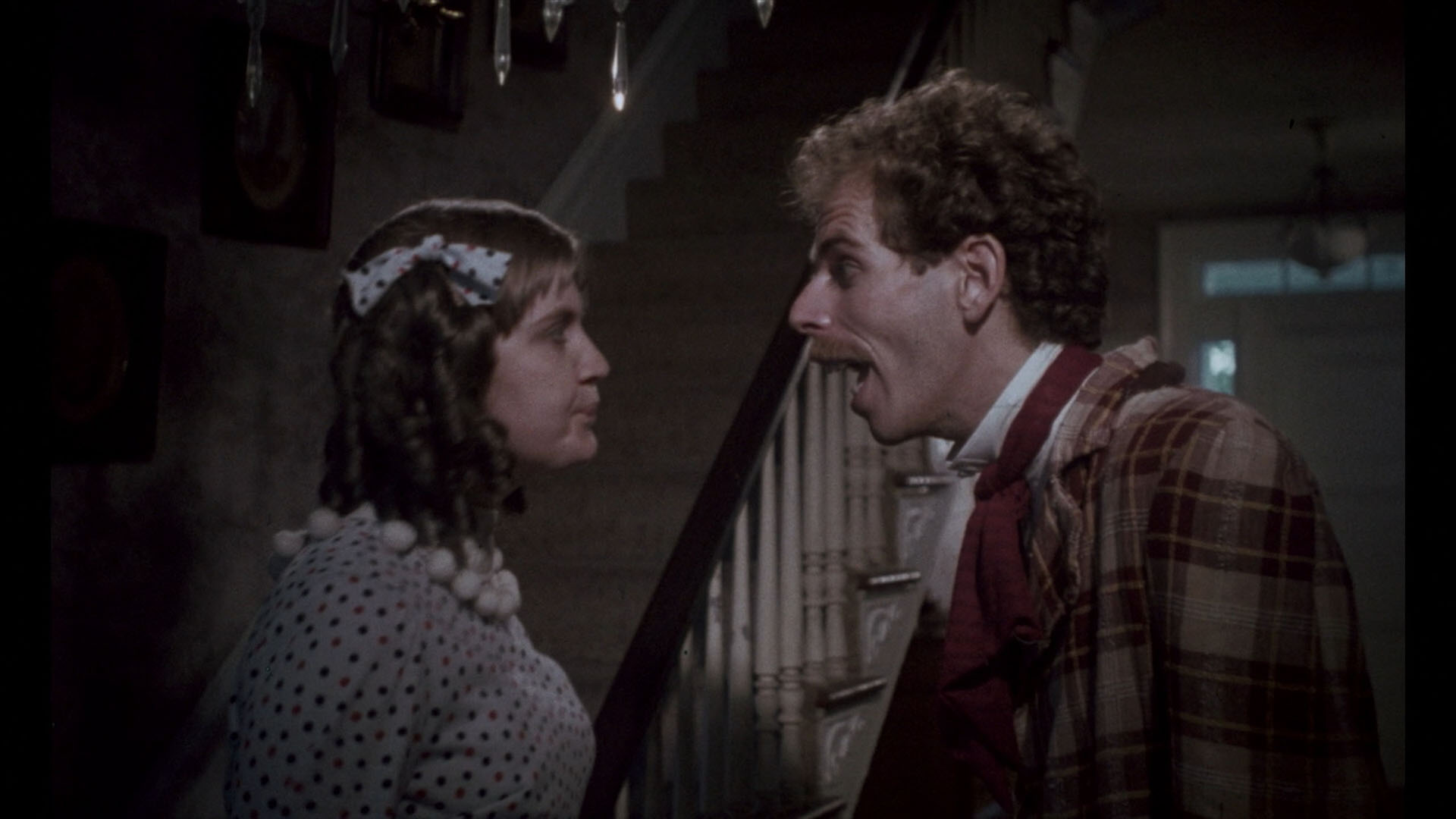
  horror set in the Reconstruction-era South. Essentially transposing ideas from The Degenerates to a world of hoop skirts, corsets, and, uh, voodoo. Once again we have a dysfunctional collection of sisters with flower-oriented names, in this case the Le Fleur family whose plantation has become a target for various unsavory takeover attempts while the staff including dimwit servant Judd (Hal Borske, of course) aren't much help keeping things together. Mostly it's an excuse for endless monologuing punctuated by shocks like a knife piercing an infected leg, another bloody pitchfork murder, acid mangling, and a killer on the loose who never gets identified because they never shot the ending (which also involving the plantation going up in flames). Seeing Milligan transform Staten Island's Tottenville neighborhood (also used in Legacy of Blood, which shares some cast members) into an 1800s Southern setting around the end of the '70s is really something to behold, with the director's love of costumes really getting a showcase here much more than usual. As with Compass Rose, this has no finished sound mix, music, or credits, so the final product here is tricky to evaluate but definitely the easier watch of the two. It also streamed on Refn's platform before moving to Mubi, with its premiere inspiring a contest among members to create a video of their own ending to the film with various filmmakers and animators chipping in. The version here has been augmented with a helpful cast list at the end courtesy of research from Thrower and Lisa Boies Cummings, and it looks quite nice given the perilous state of the material which had faded somewhat over the years. Thrower also appears for the sole extra, "All About the Frocks" (29m46s), exploring the film's tricky portrayal of female power, the meaning of the film within Milligan's filmography, the distinctive setting at this later point in his career, and the history behind the film's creation and ultimate abandonment.