Color, 1971, 90 mins. 40 secs.
Directed by Romolo Guerrieri
Starring Jean Sorel, Ewa Aulin, Lucia Bosè, Silvano Tranquilli, Sergio Doria, Antonio Pierfederici, Giacomo Rossi Stuart
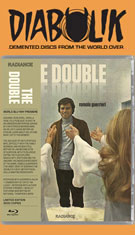
Radiance Films (Blu-ray) (US/UK RA/B HD) / WS (1.85:1) (16:9)
During the single 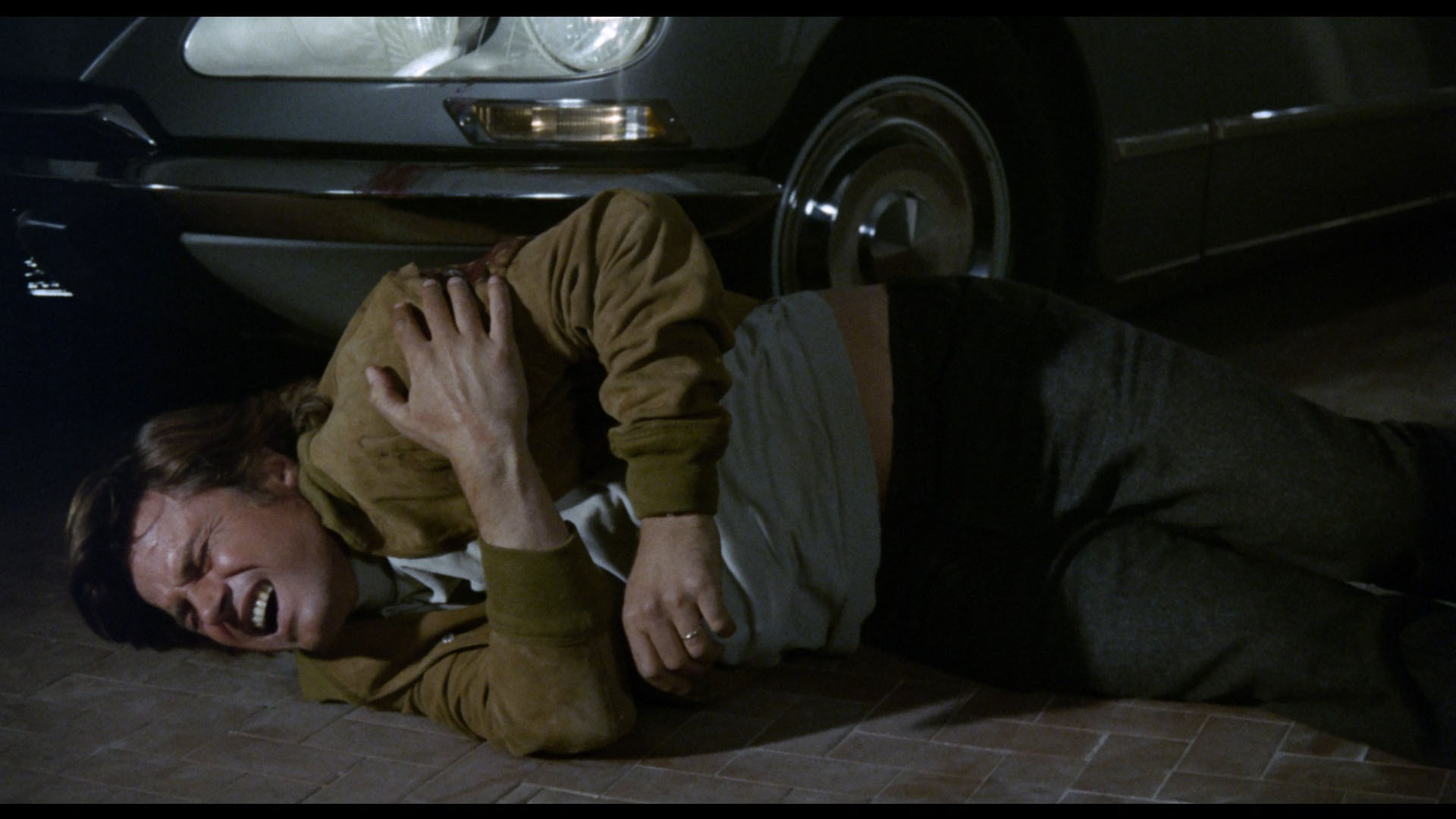 busiest year for the giallo in 1971, every week in Italy seemed to bring at least one or two thrillers filled with
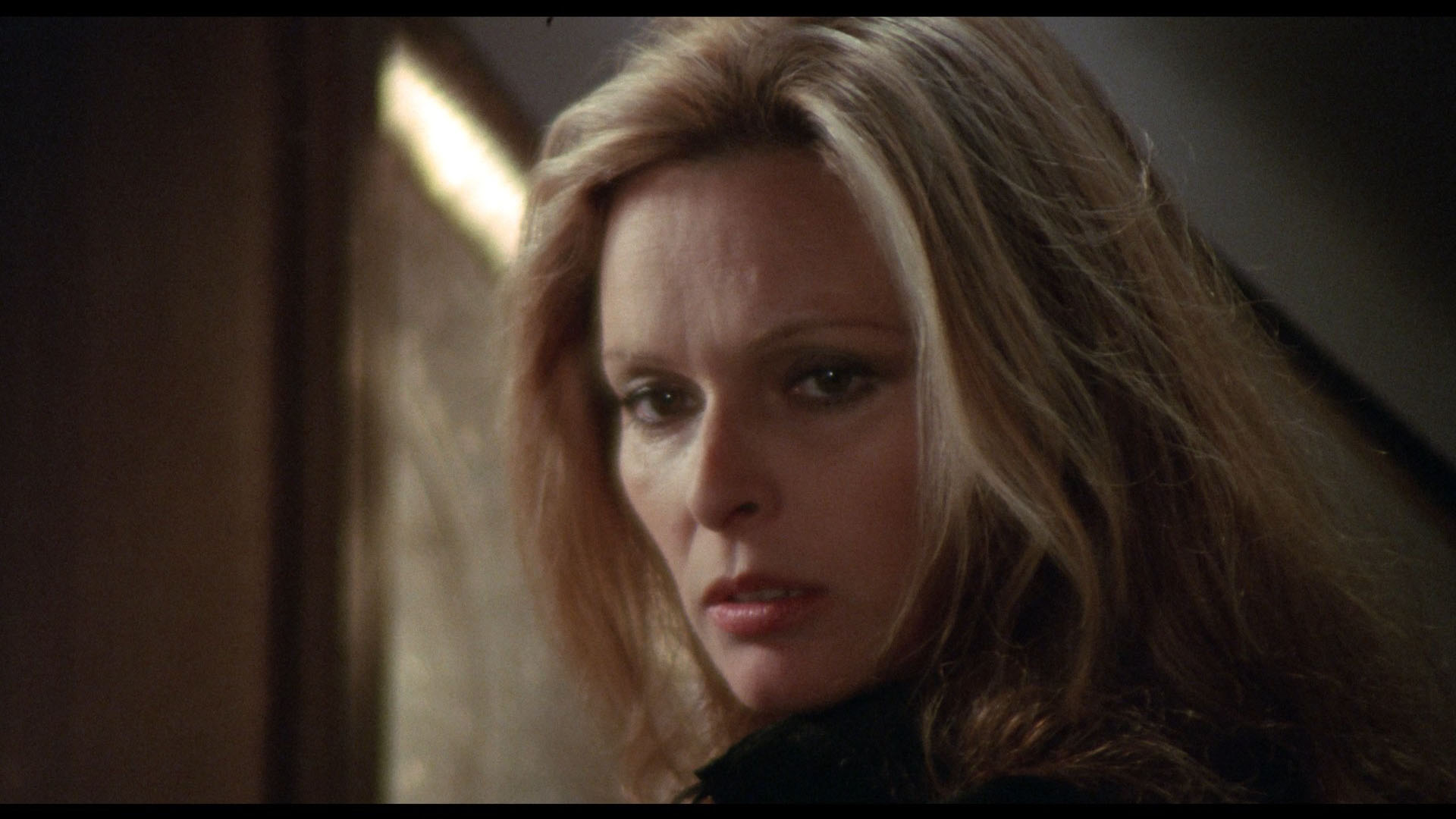
  scheming, screaming, and a black glove or two. In fact, '71 saw no less than four entries from the busiest of its male stars from the era, Jean Sorel, including A Lizard in a Woman's Skin, The Fox with a Velvet Tail, and Short Night of Glass Dolls. The most obscure of the quartet, The Double, shared a similar conceit with Short Night with Sorel stuck in a state of suspended narrative animation looking back at the events that led to his grim fate, something that probably made it tough to sell in a crowded market. Though it had a marketable European cast, a solid director in Romolo Gerrieri (The Sweet Body of Deborah), and a tony literary source courtesy of poet and novelist Libero Bigiaretti, The Double received marginal distribution and only started to build up much word of mouth when its Greek VHS release infiltrated the gray market trading scene. Essentially this is a later entry in the chic giallo that had been popularized by the likes of Umberto Lenzi, with pretty people doing awful things to each other in glamorous locales instead of post-Argento knife and razor attacks. Approached from that perspective, this is one of the best of its kind and a gem that still hasn't gotten its full
  due.
due.
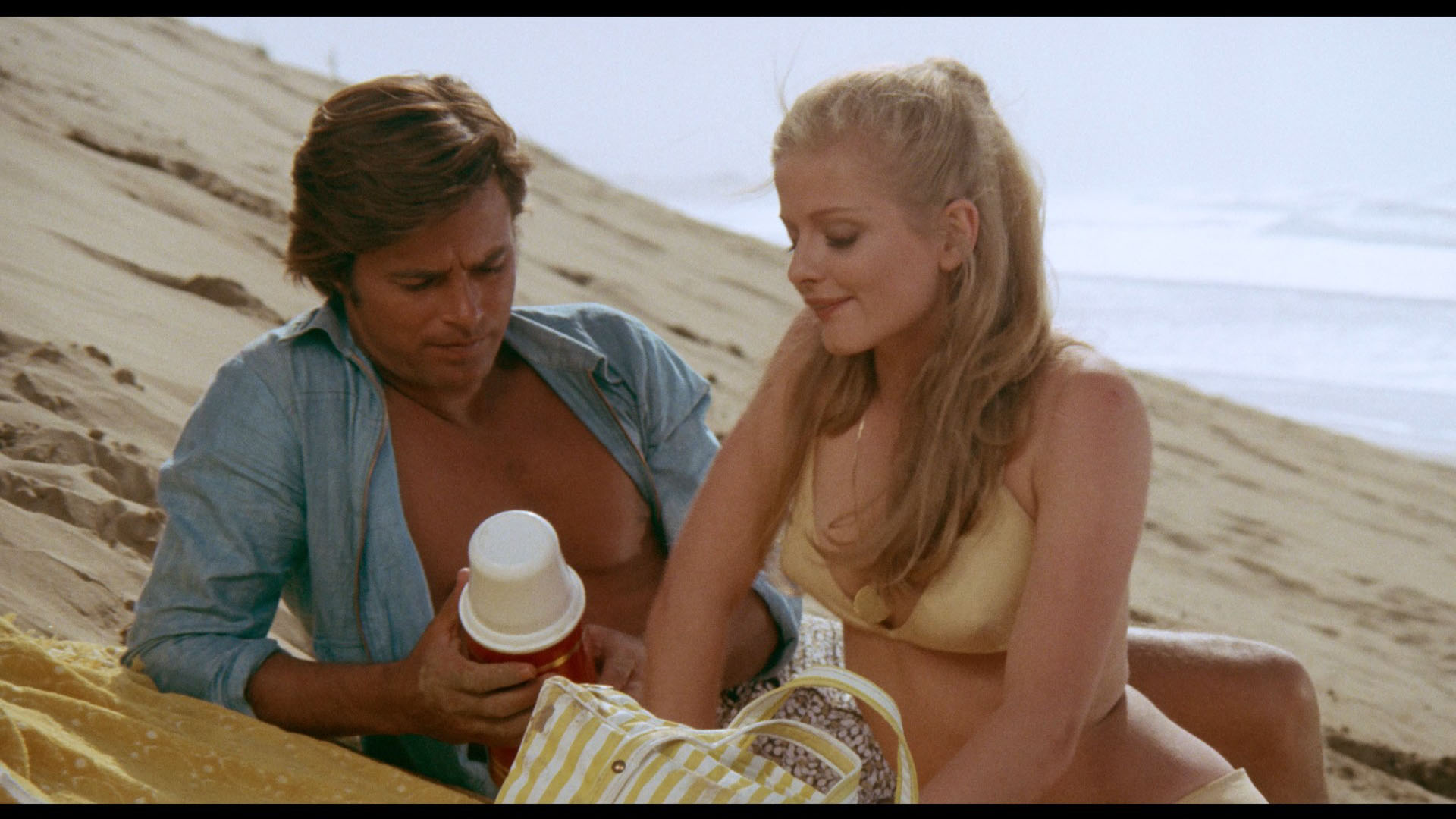
In a 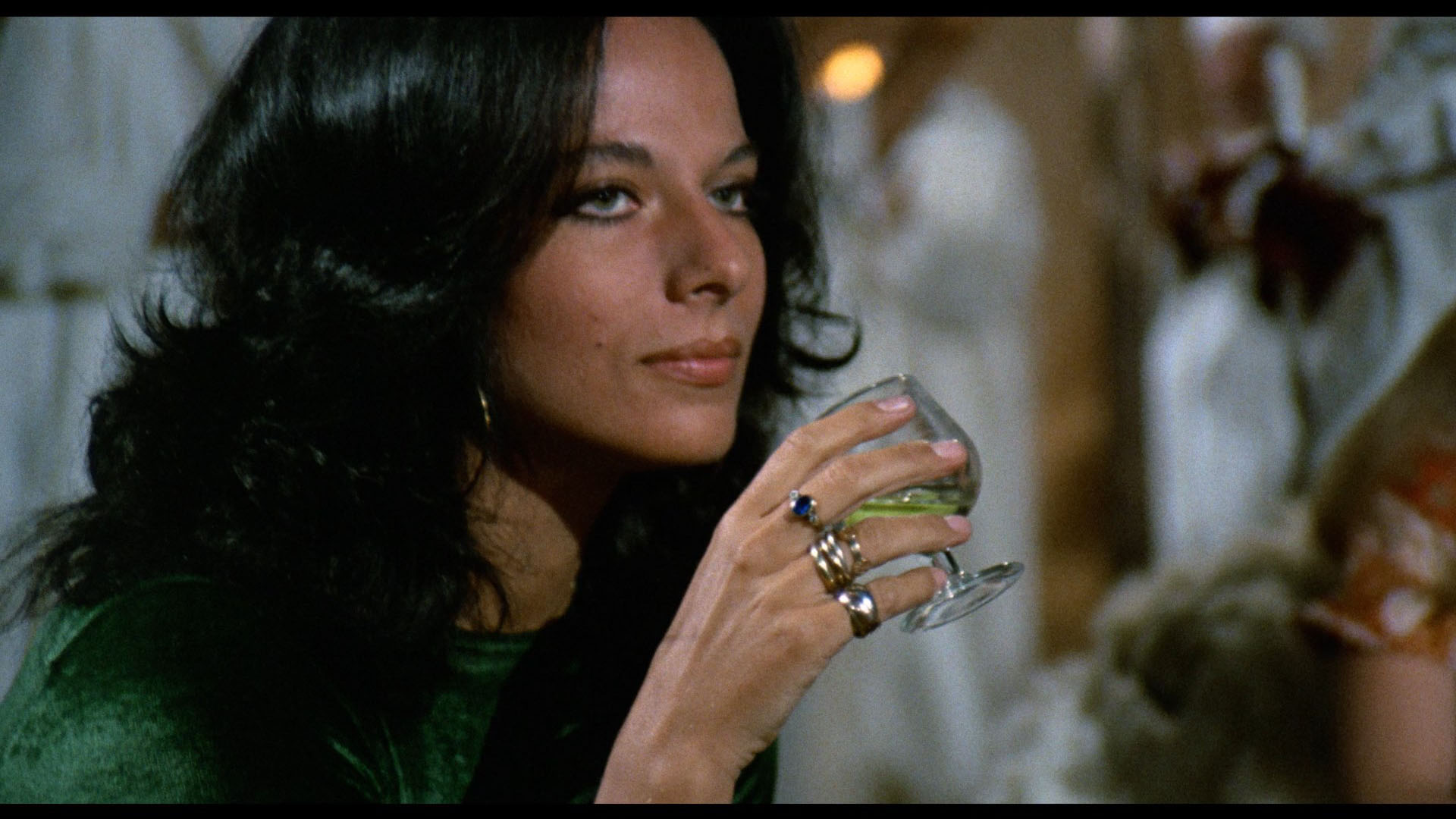 parking garage, Frank (Sorel), or Giovanni in the English version, is gunned down by a bespectacled, clearly distraught professor (Pierfederici). As he slowly collapses to the ground in slow motion, the film flashes back to a protracted beach vacation in Morocco he enjoyed with his younger wife, Lucia (Candy's Aulin). Their lives become complicated by the presence of her mother-in-law, Nora (Bosè), and the American drifter Eddie (Doria) whom both women desire. Frank's own attraction to Nora also has an effect on the efforts of his brother (Stuart) to enlist aid in saving their foundering family manufacturing business, and soon multiple murders are the inevitable result.
Beautifully shot and edited, The Double also boasts an intoxicating score by Armando Trovajoli (with the usual Nora Orlandi vocalizing) and a nicely twisty plot filled with Antonioni-esque upper class malaise. The homicides here are fairly subdued and quite restrained for the time, though the numerous love scenes (and Aulin's most revealing appearance by a long shot) are unmistakably the product of looser censorship than the previous decade. The nonlinear structure is an intriguing device that remains coherent as long as you're paying attention, and it makes for several surprises along the way as the viewer discovers how truly destructive all of the characters truly are. The entire cast is solid, with Silvano 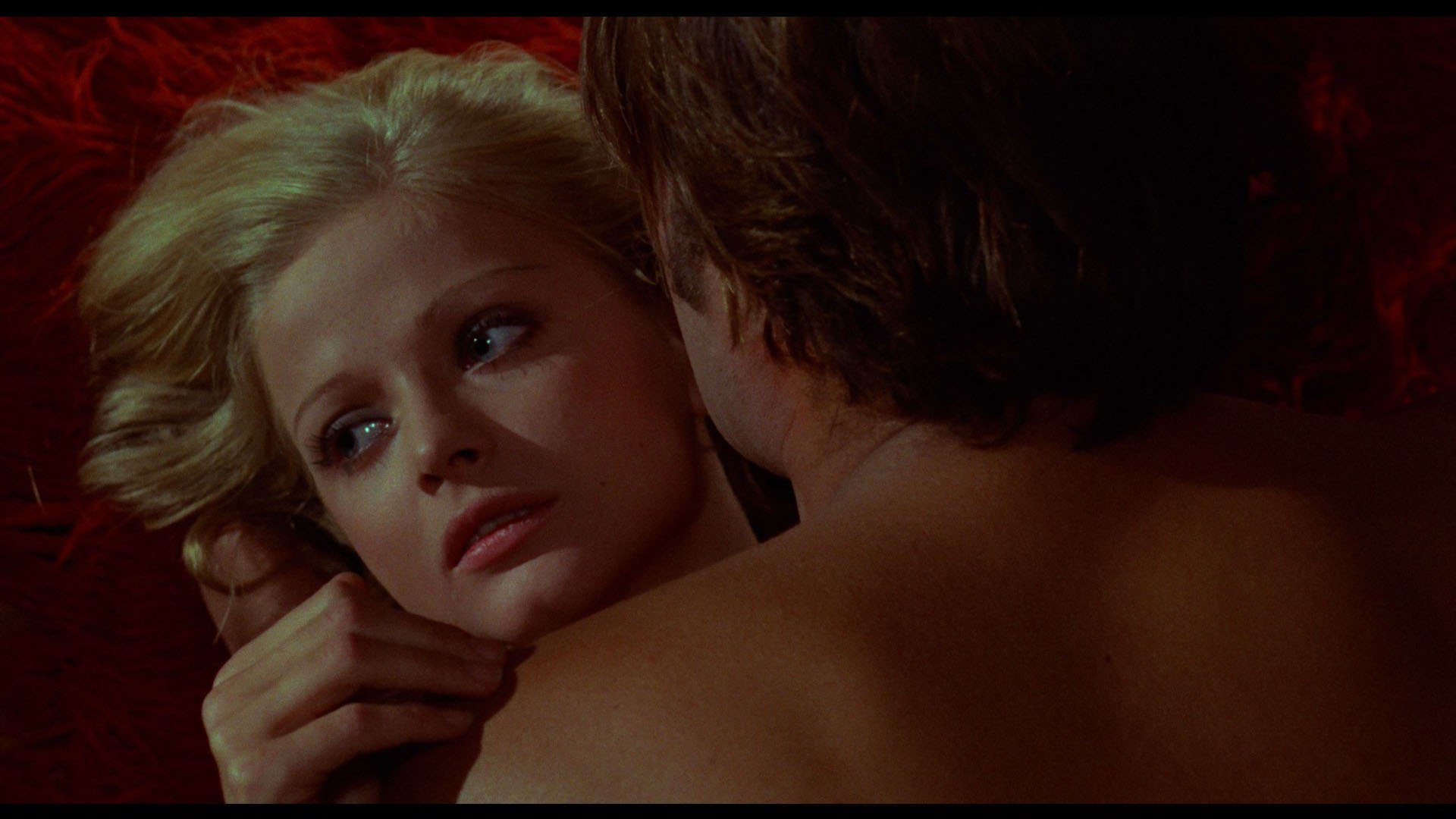 Tranquilli and Marilù Tolo also offering fine support as a pair of married friends hovering around our central love triangle (or a couple of other possible geometric
 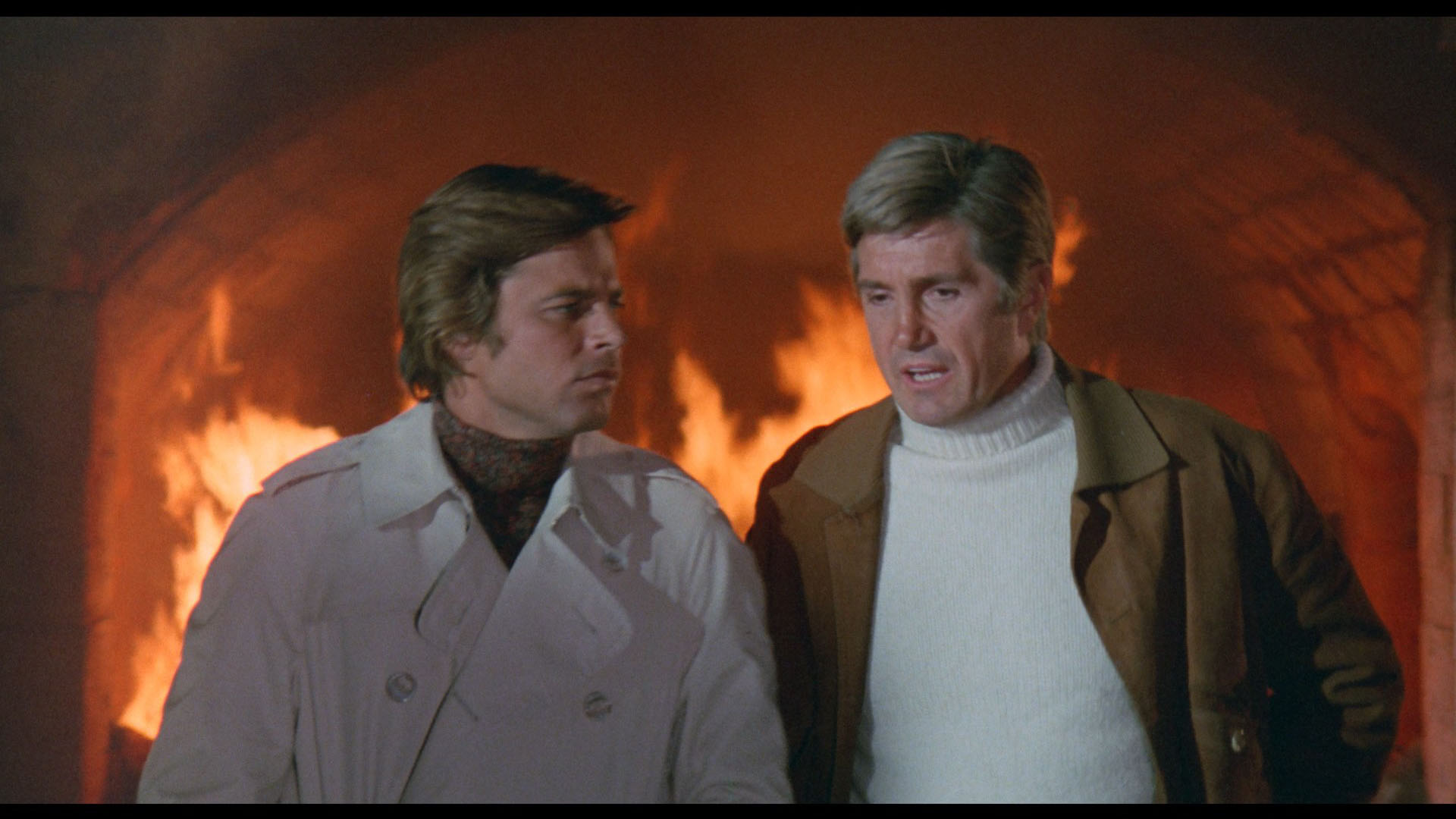 shapes depending how you want to define it).
Anyone left unimpressed by the dupey Greek tape we've had to put up with for decades will be astonished by the 2026 Blu-ray from Radiance Films, the film's first disc release in any format. The new 4K restoration from the original negative looks pristine and brings out many details impossible to appreciate before, including the skillful use of sunlight and shadows throughout. The LPCM 1.0 mono English and Italian tracks both sound excellent and come with optional English-translated or SDH subtitles. A new audio commentary by Tim Lucas does a perceptive job of sifting through the film's major players, the source novel, the unorthodox narrative structure, and whether this qualifies as a giallo at all. An interview featurette combining sessions with Guerrieri and Aulin (14m25s) touches on the Morocco location shooting, the Roman water tank used for the memorable skinnydipping scene, positive memories of Bosè, the more reserved Sorel, the creation of the score, and the logistics of shooting love scenes. Then a video appraisal by Stephen Thrower (26m2s) compares this to Guerreri's previous thriller, the superiority of the more complex Italian title (La controfigura), the process of making a literary adaptation, the handling of the unsavory main character, the actors' backgrounds and their art film and genre credentials, and the doubling idea running through the entire film. In addition to an insert booklet in the limited edition with an essay by yours truly, the disc also features an Easter Egg (2m44s) with two short extended sequences involving Aulin and Sorel present only in the Greek VHS release.
Reviewed on July 12, 2026
