Color, 1983, 104 mins. 7 secs.
Directed by Nobuhiko Obayashi
Starring Tomoyo Harada, Ryoichi Takayanagi, Ittoku Kishibe, Toshinori Omi, Masataka Matsutoya, Toshinori Omi
Cult Epics (Blu-ray) (US RA HD) / WS (1.66:1) (16:9), Third Window Films (Blu-ray) (UK RB HD), Kadokawa (Blu-ray) (Japan RA HD) / WS (1.78:1) (16:9)
After proving his ability to 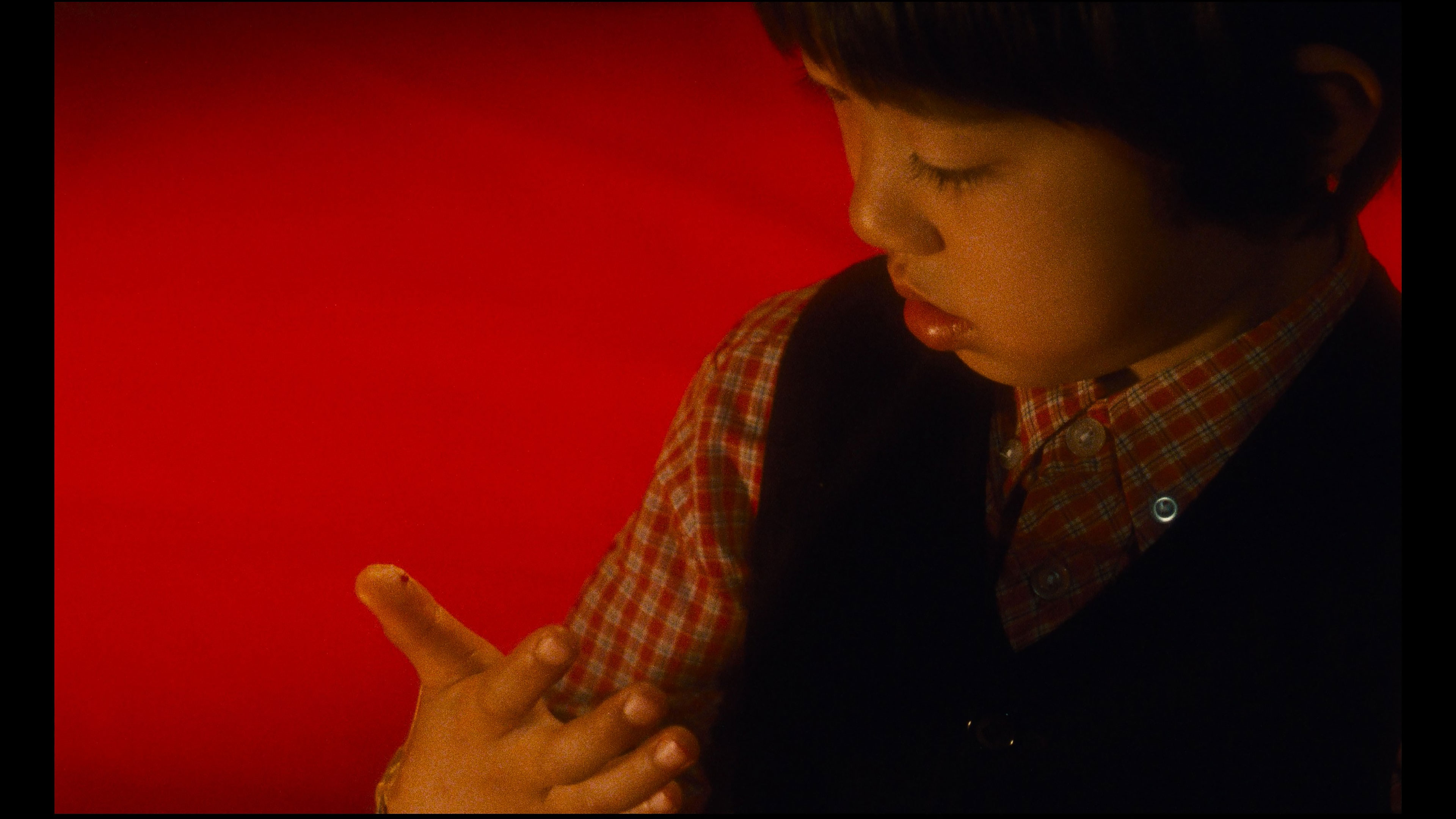 captivate a young audience with his 1977 cult debut House, filmmaker Nobuhiko Obayashi returned to the
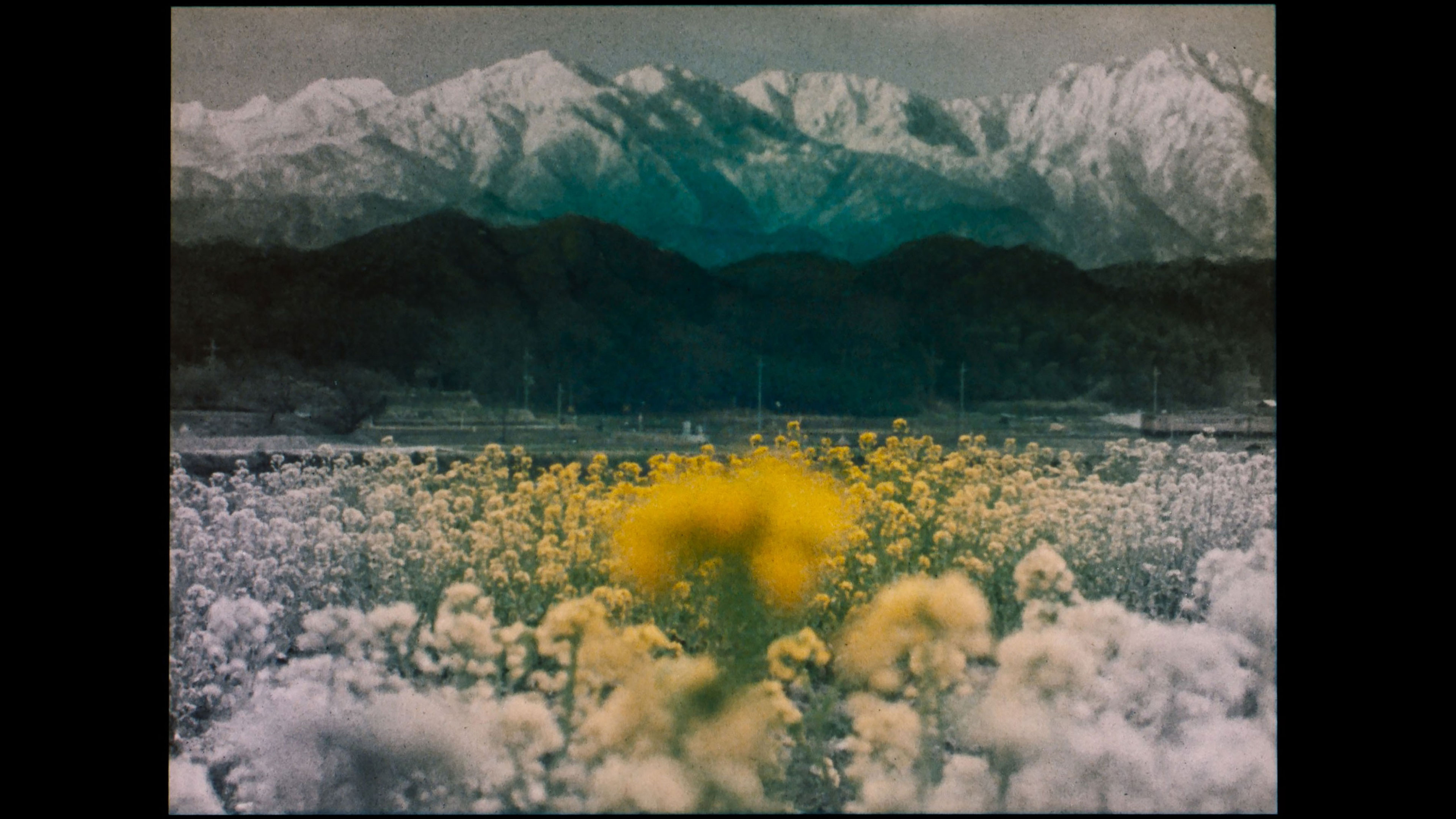
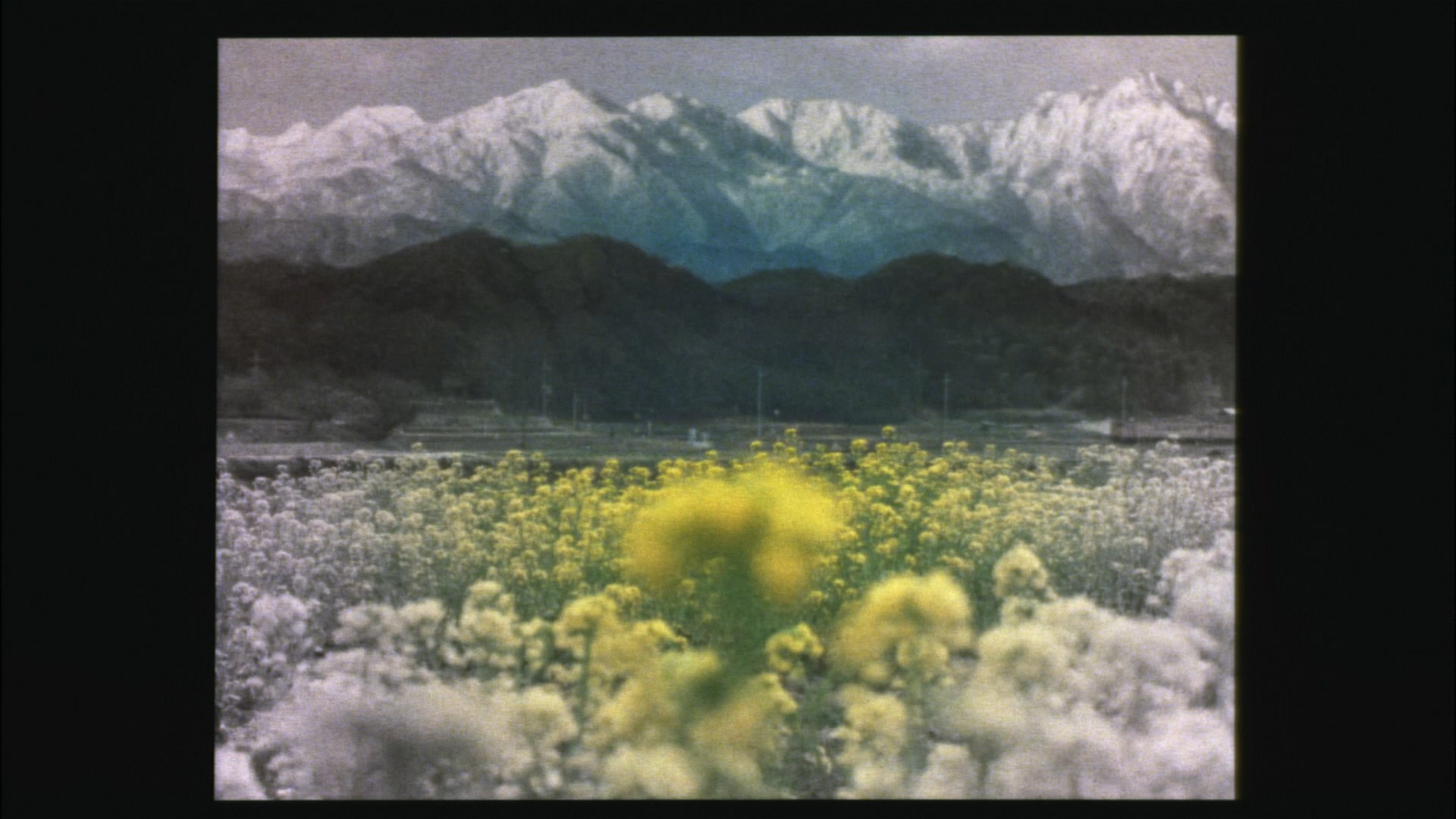
  idea of outre fantasies in a teen setting multiple times during his career. None was more popular than this 1983 adaptation of a 1967 Japanese sci-fi serial/novel that has since been revisited again for television (multiple times), a live-action 2006 sequel, a 2006 anime feature, and inevitably a manga. Though it features the director's trademark experimental flourishes including a deliberately artificial black-and-white opening with bursts of color tinting, this film has a fairly accessible and linear narrative that makes it a solid gateway for those new to the director. One major reason for its success is the discovery of its star, Tomoyo Harada, who continues to act to this day, became something of a teen idol throughout the decade, and recorded a hit theme song for this film that definitely helped its box office appeal.
During an assignment after class to clean up the science room with fellow students Fukamachi (Takayanagi) and Horikawa, Yoshiyama (Harada) falls unconscious when a lavender-scented beaker smashes and releases a mysterious smoke. Over the course of the next few days, time itself seems to loose its bearings as she has foreshadowings of events and relives a fateful day with incidents like falling roof tiles and an earthquake taking on great significance. She also finds herself falling for Fukamachi, whose role in her own past isn't even remotely what she had imagined.
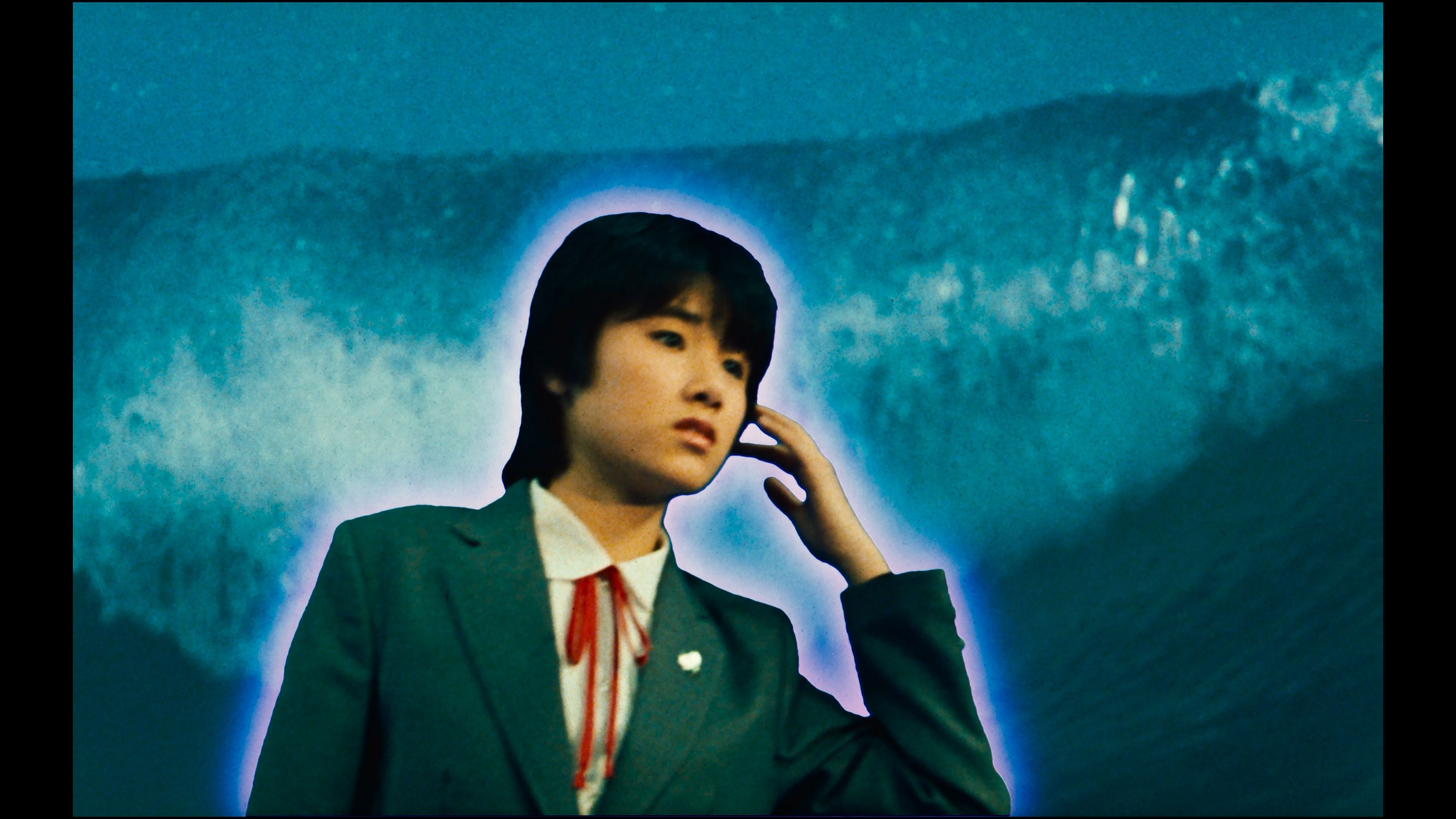
Though the actual time travel here is minimal and confined mainly to a little pre-Groundhog Day time looping and some memory tourism, The Girl Who Leapt Through Time manages to inject the feeling of youthful romantic angst straight into the viewer's veins with a melancholy twist that hits home in the potent final ten minutes. The pop music sensibility of the soundtrack adds to the film's push and pull between the present and a past that may not be as accurate as our heroine remembers, and the quirky lo-fi compositing effects here manage to tie in perfectly with the emotions churning 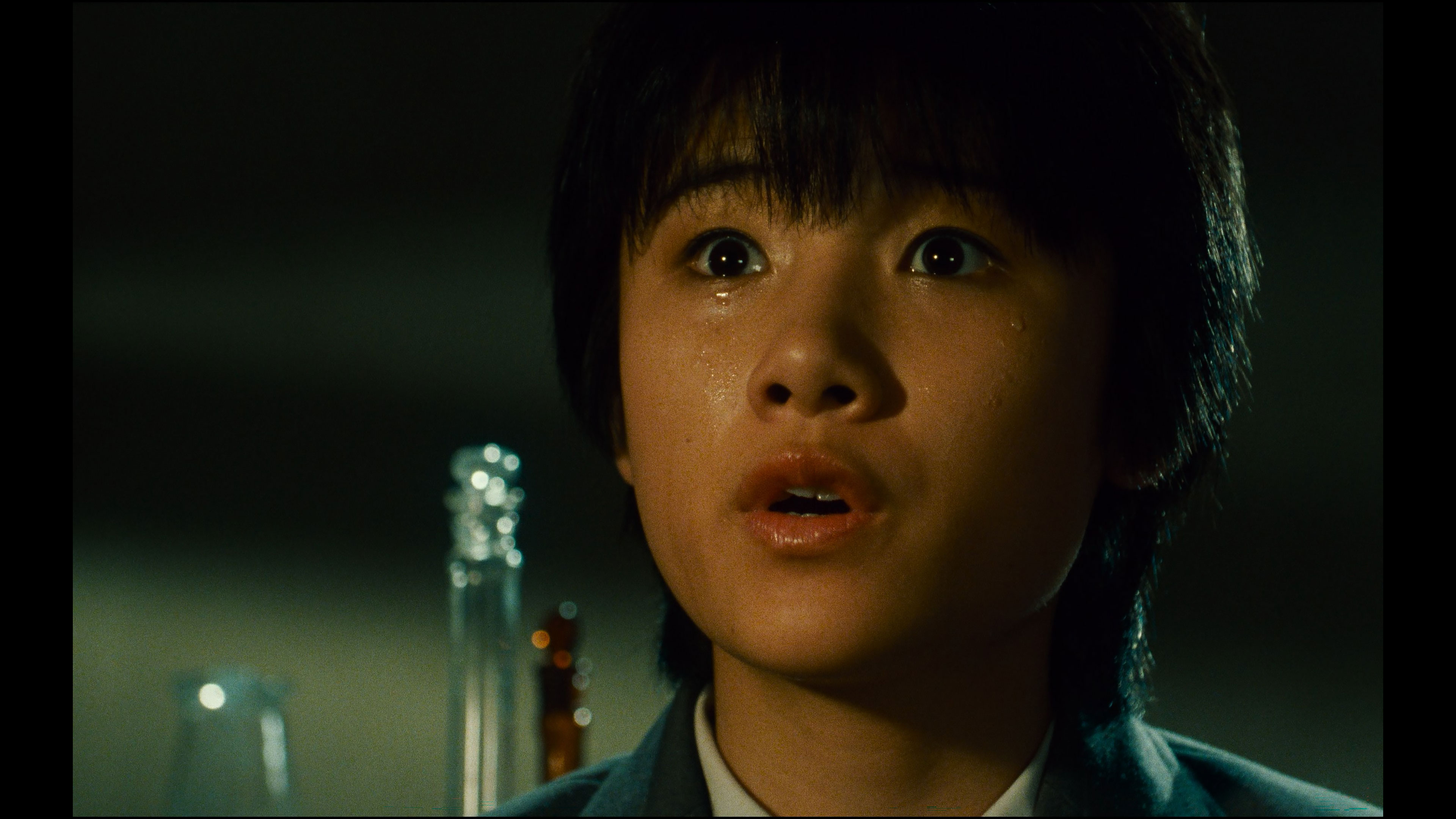 around beneath the story. You definitely don't have to be under 21 to appreciate this one, but this is a great one to show any curious viewers in that
  age bracket.
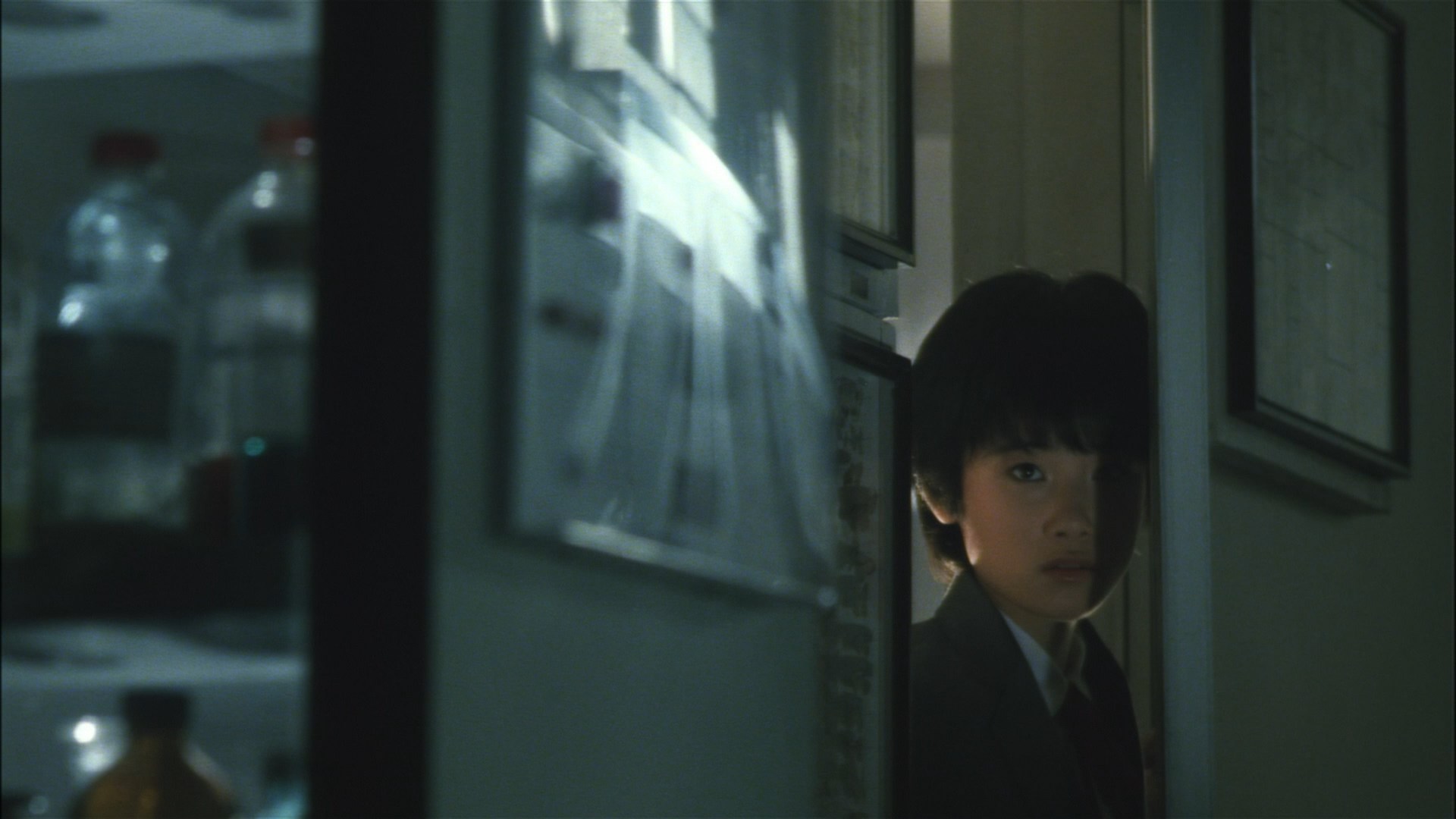
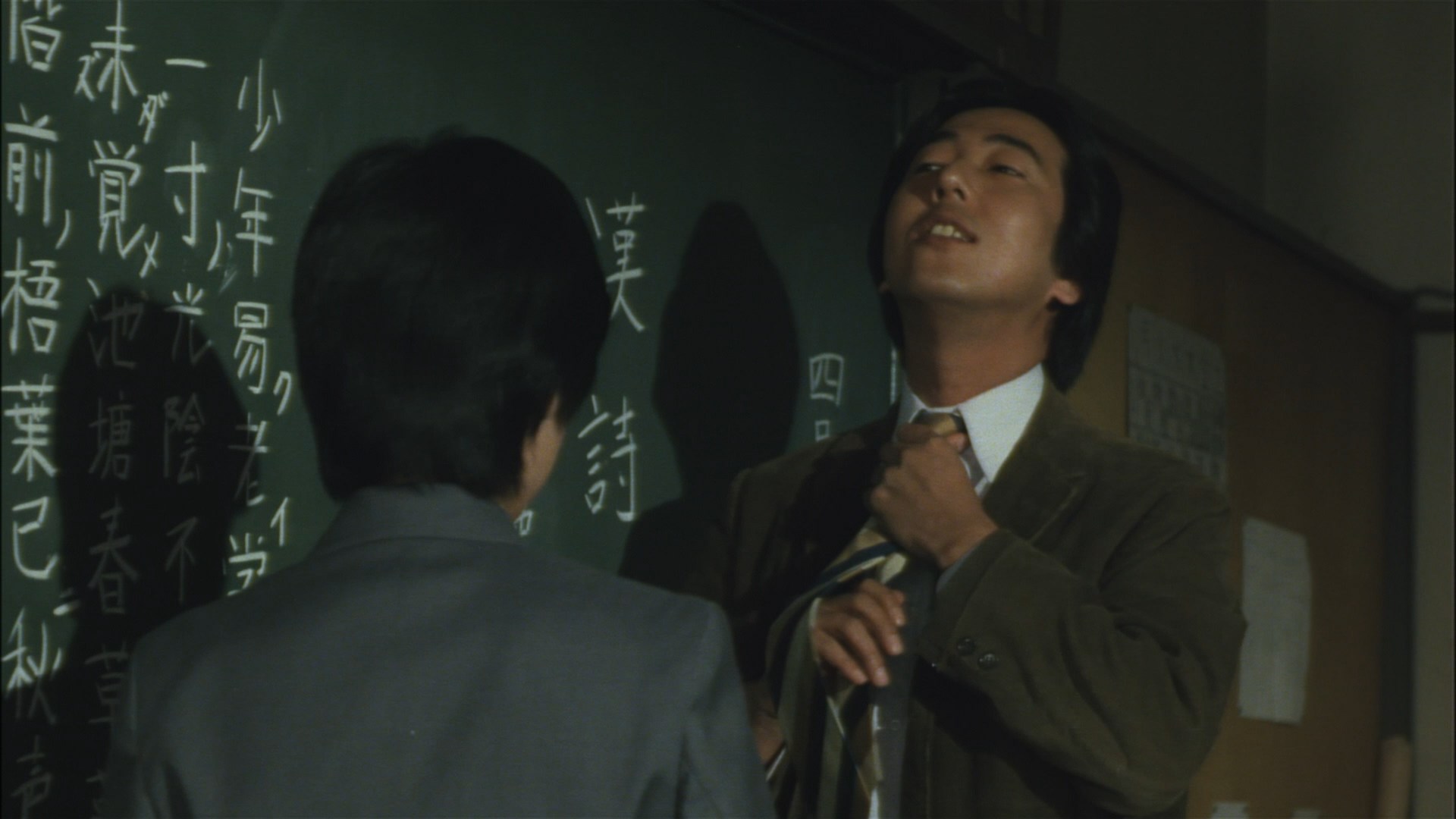
Not surprisingly, Kadokowa has kept this one readily on home video in pretty much every major format including DVD and Blu-ray releases in Japan. The first official English-friendly release of any kind came in in 2022 from U.K. label Third Window Films as part of a four-title Nobuhiko Obayashi 's 80s Kadokawa Years set along with His Motorbike Her Island, School in the Crosshairs, and The Island Closest to Heaven. A separate disc was issued in 2024, featuring the same presentation including a DTS-HD MA 5.1 Japanese track with optional English subtitles, an archival interview with Nobuhiko Obayashi (24m24s) about how this became an "event film" for Kadokawa thanks to the discovery of its new star, Harada's audition and behind the scenes footage (7m36s), a music video, and the trailer. The transfer was okay at the time but featured weak black levels, as well as some modest cropping at the top and bottom.
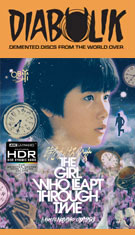
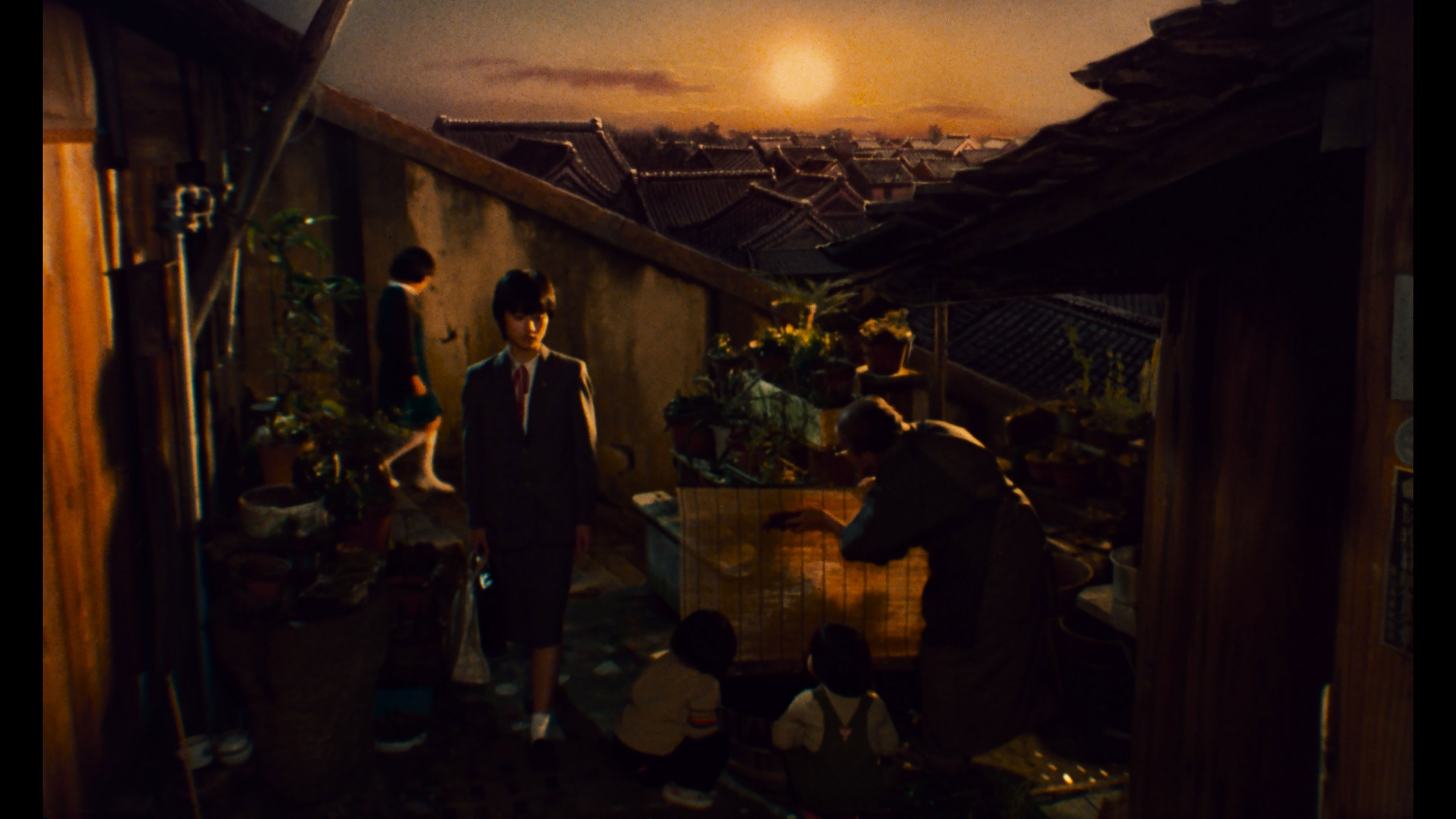
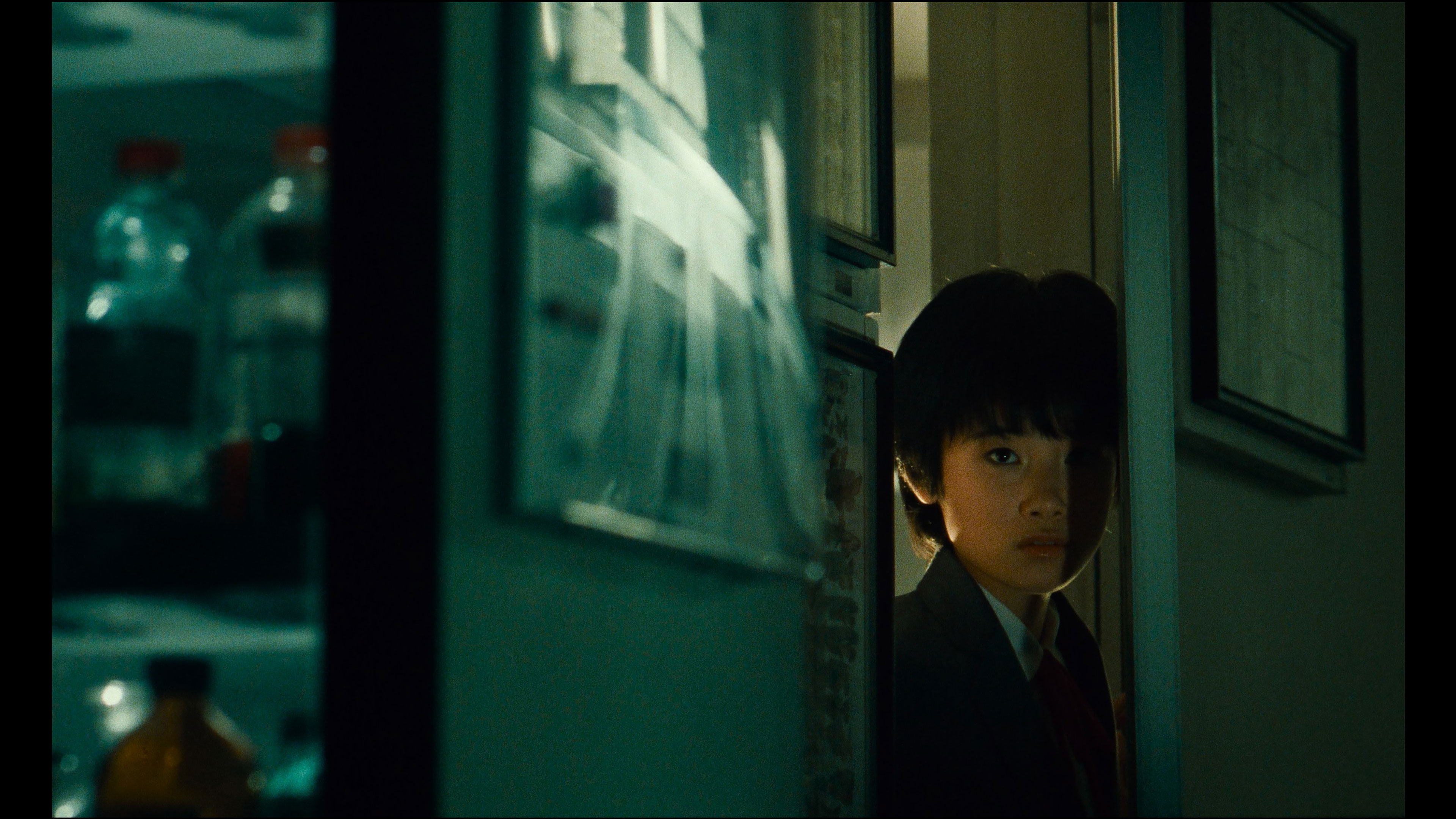
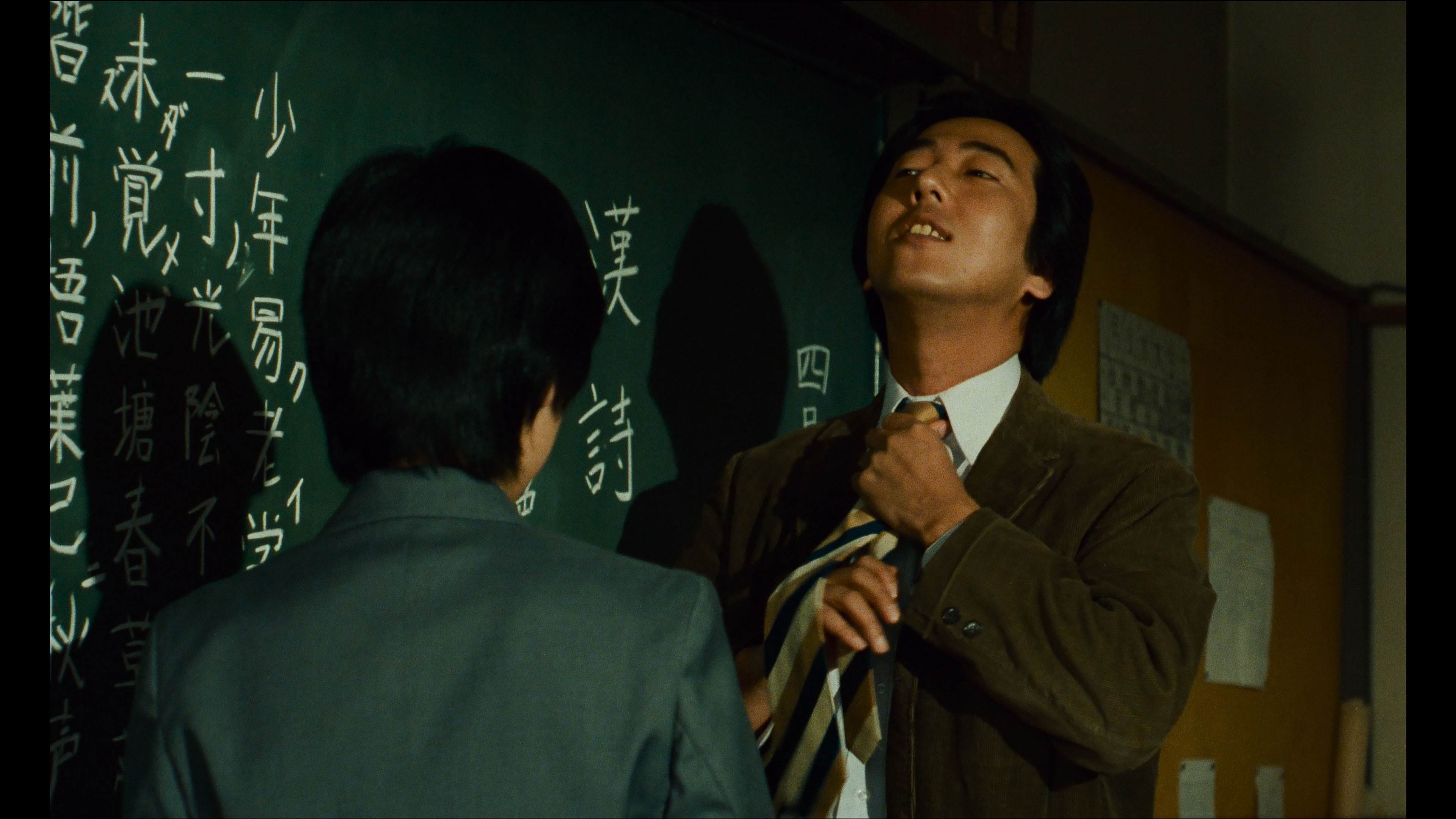
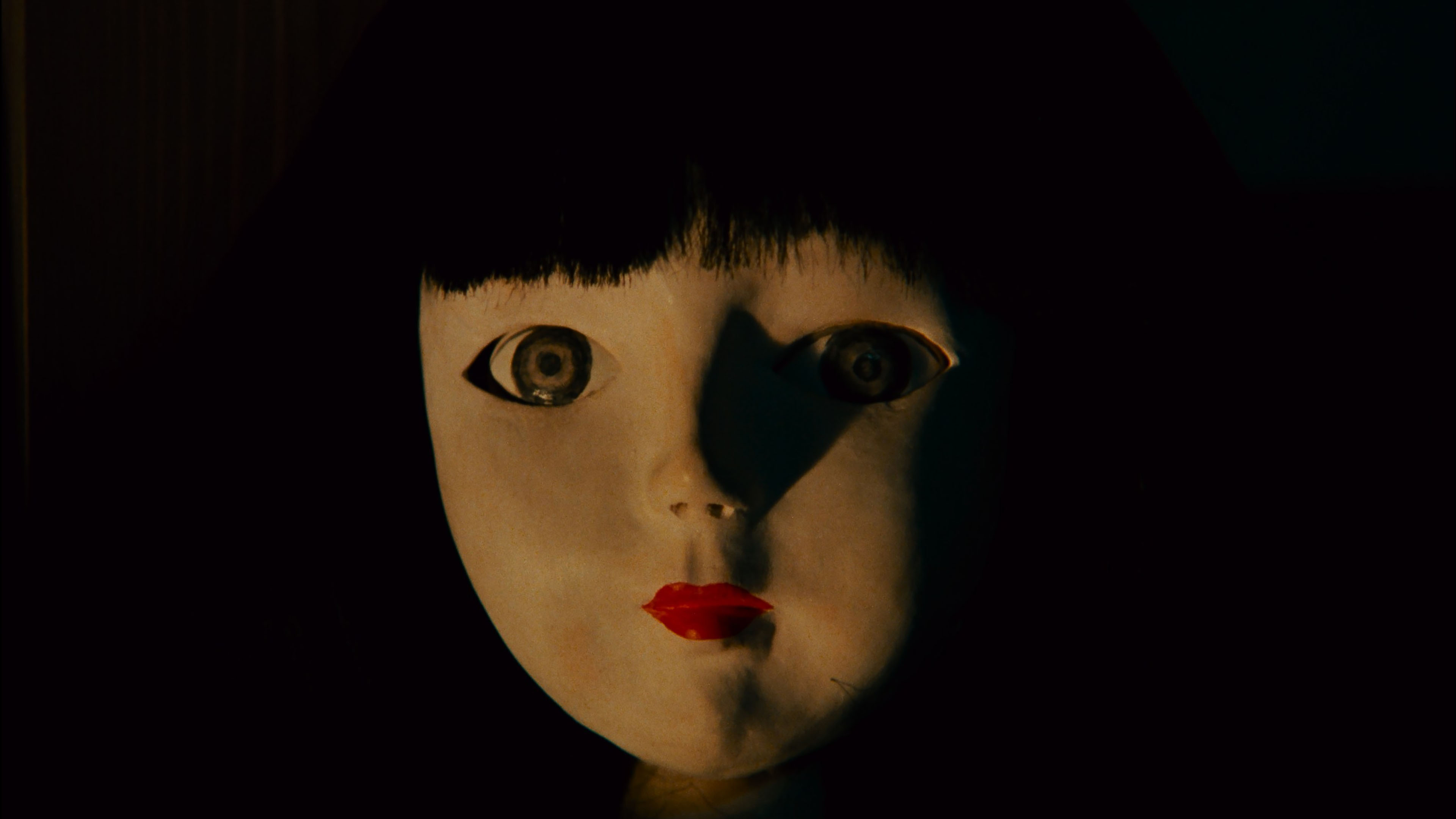
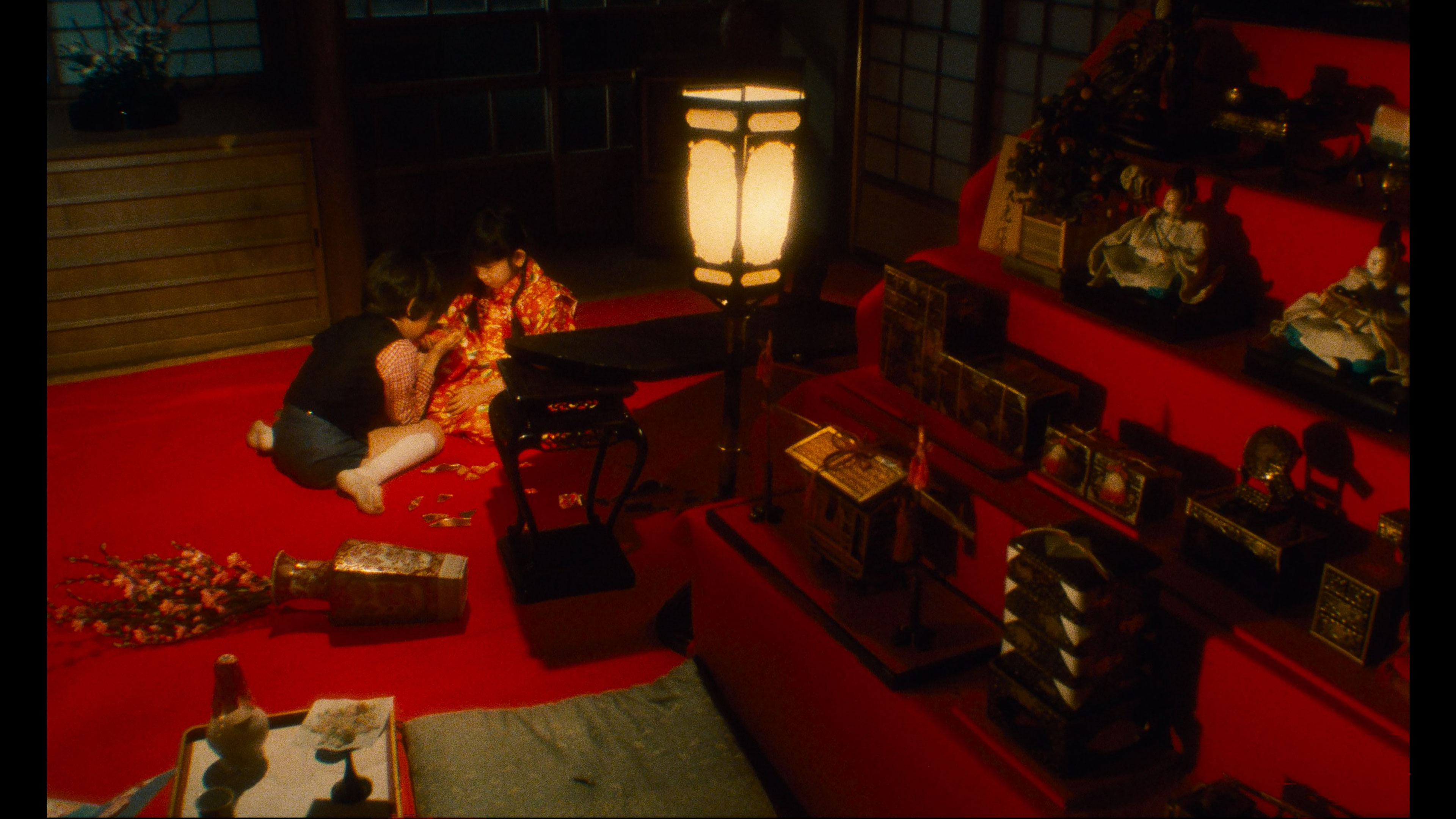
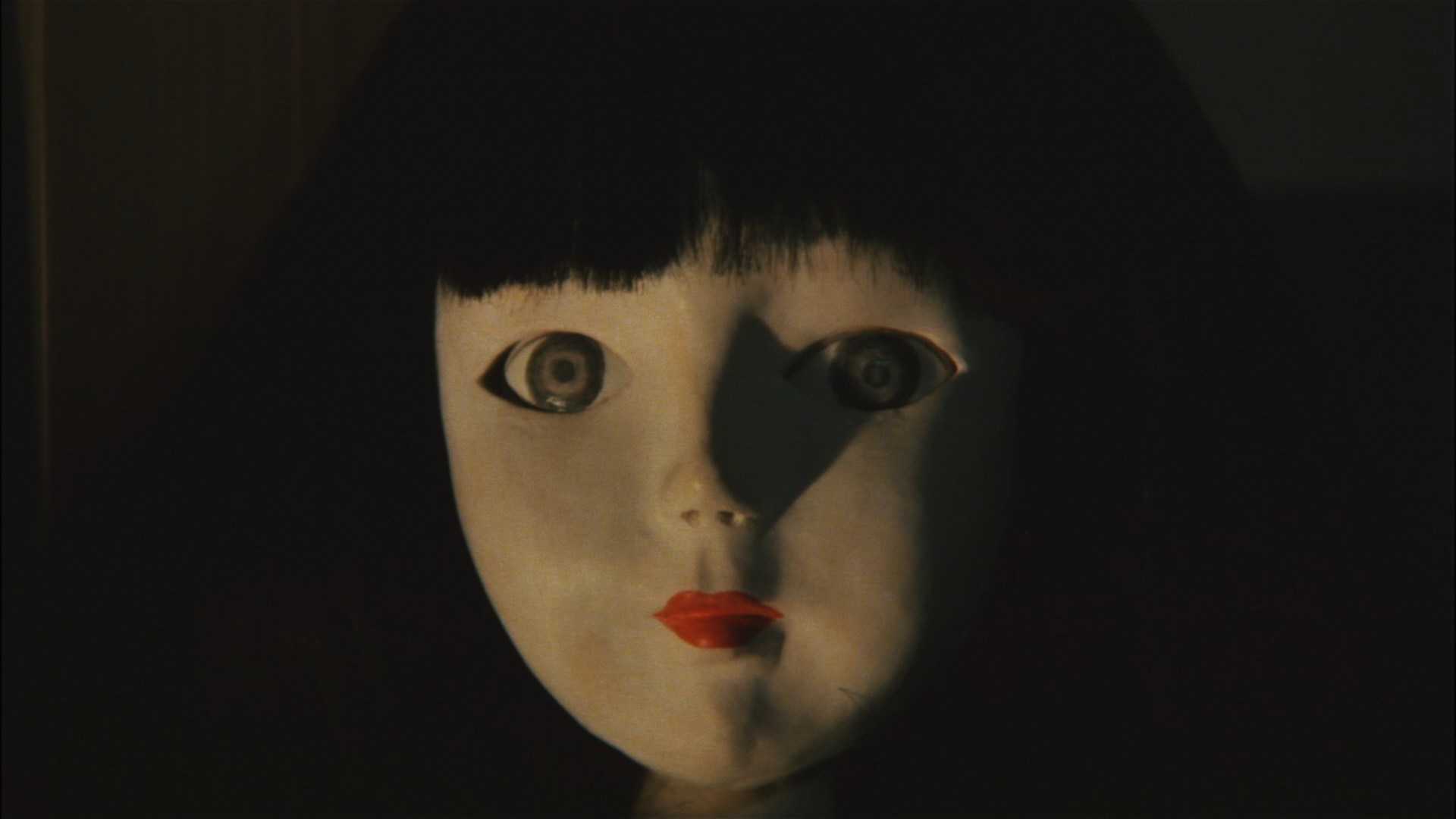
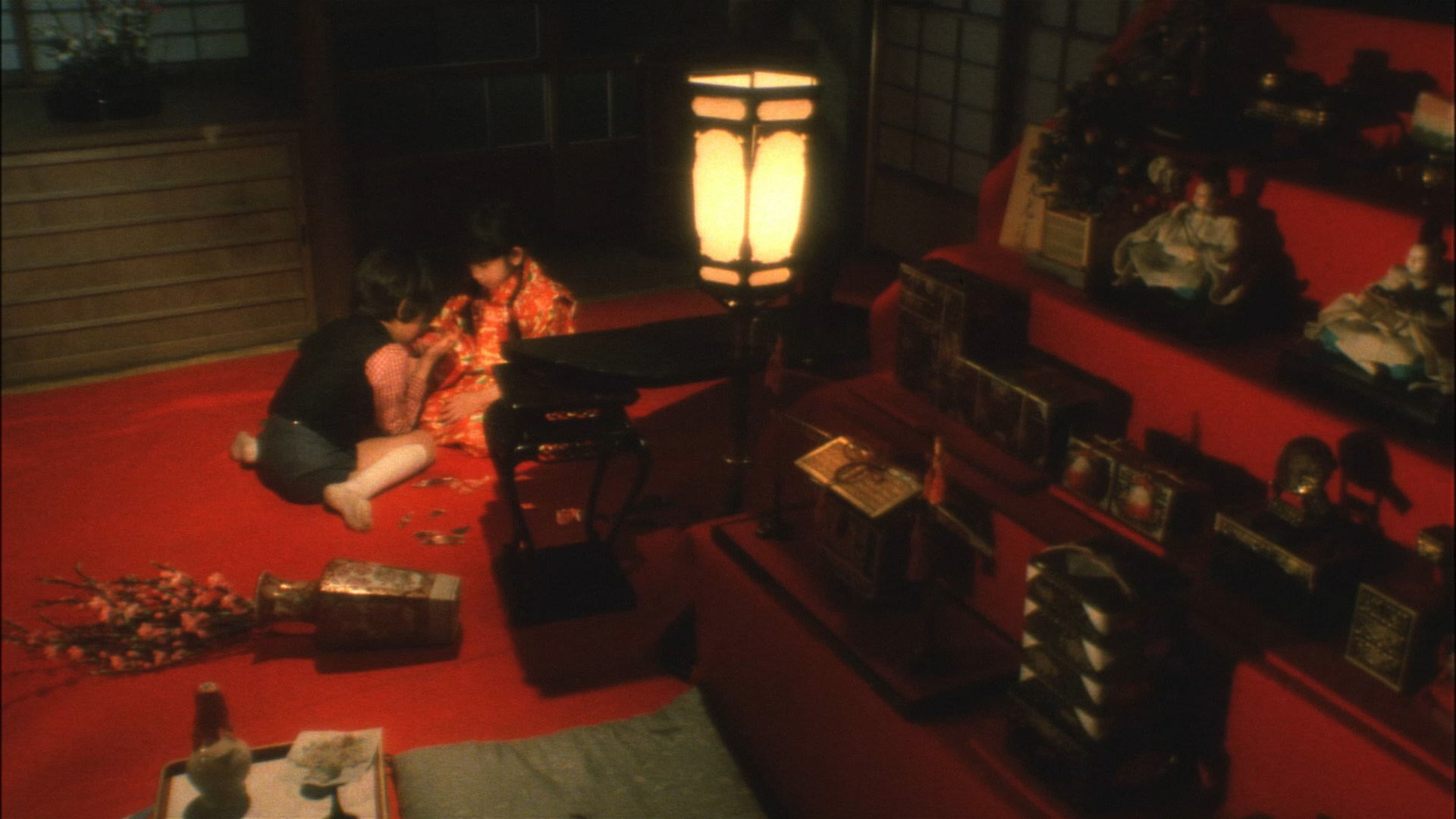
A 2026 UHD and Blu-ray combo from Cult Epics marked the film's first U.S. release, featuring Japanese 5.1 DTS-HD MA and 2.0 stereo tracks with optional English subtitles. The UHD (with HDR making those crazy golds and reds really jump off the screen) looks especially gorgeous, and the more spacious 1.66:1 framing here looks significantly better than the earlier 1.78:1 releases. (The film bounces around between aspect ratios several times, so don't worry, it's supposed to look like that.) A new commentary by Alex Pratt is extremely well-versed in all things Obayashi, pointing out 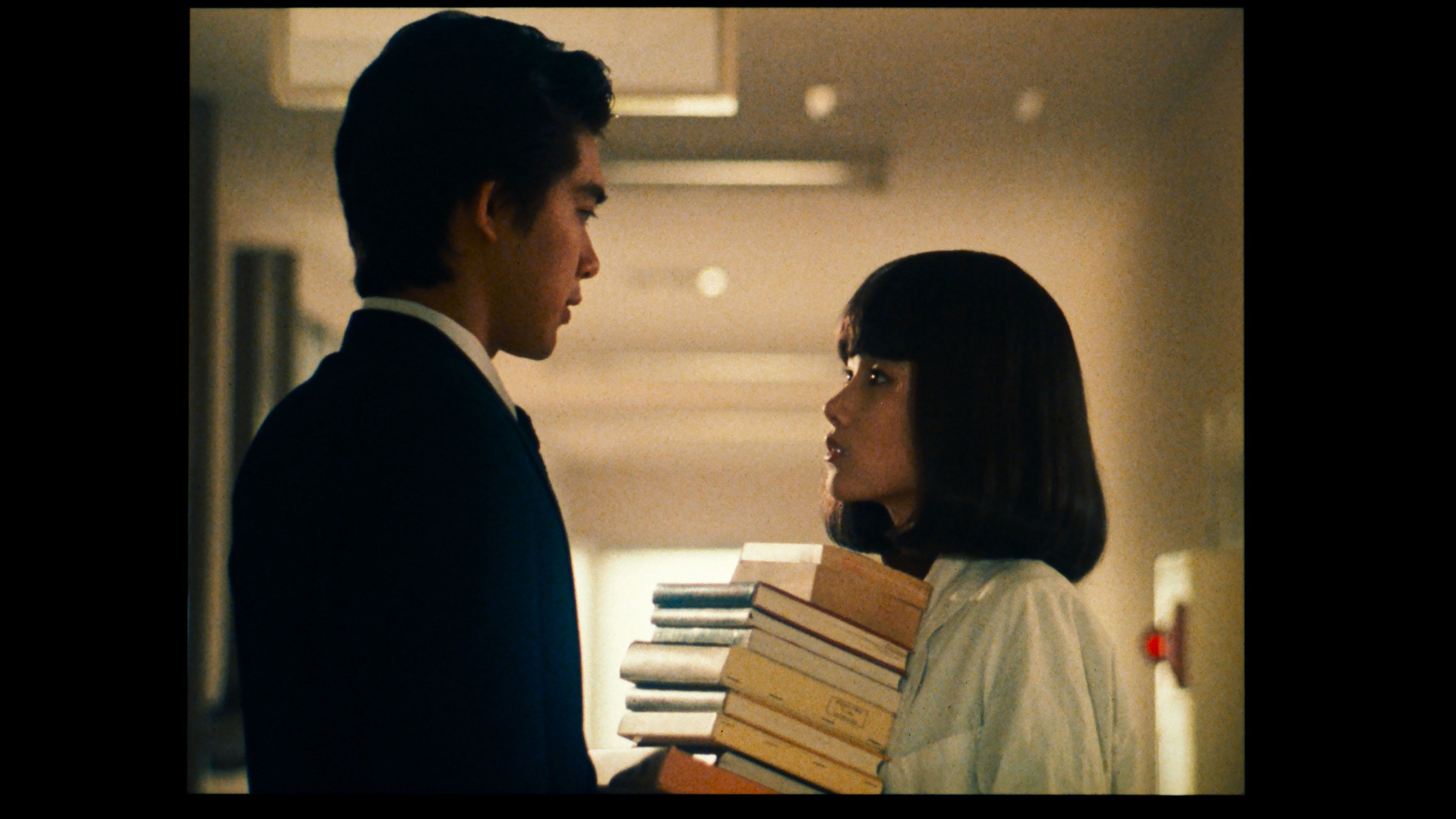 significant personal aspects of the locations, the techniques pulled from his earlier films and TV commercial work,
 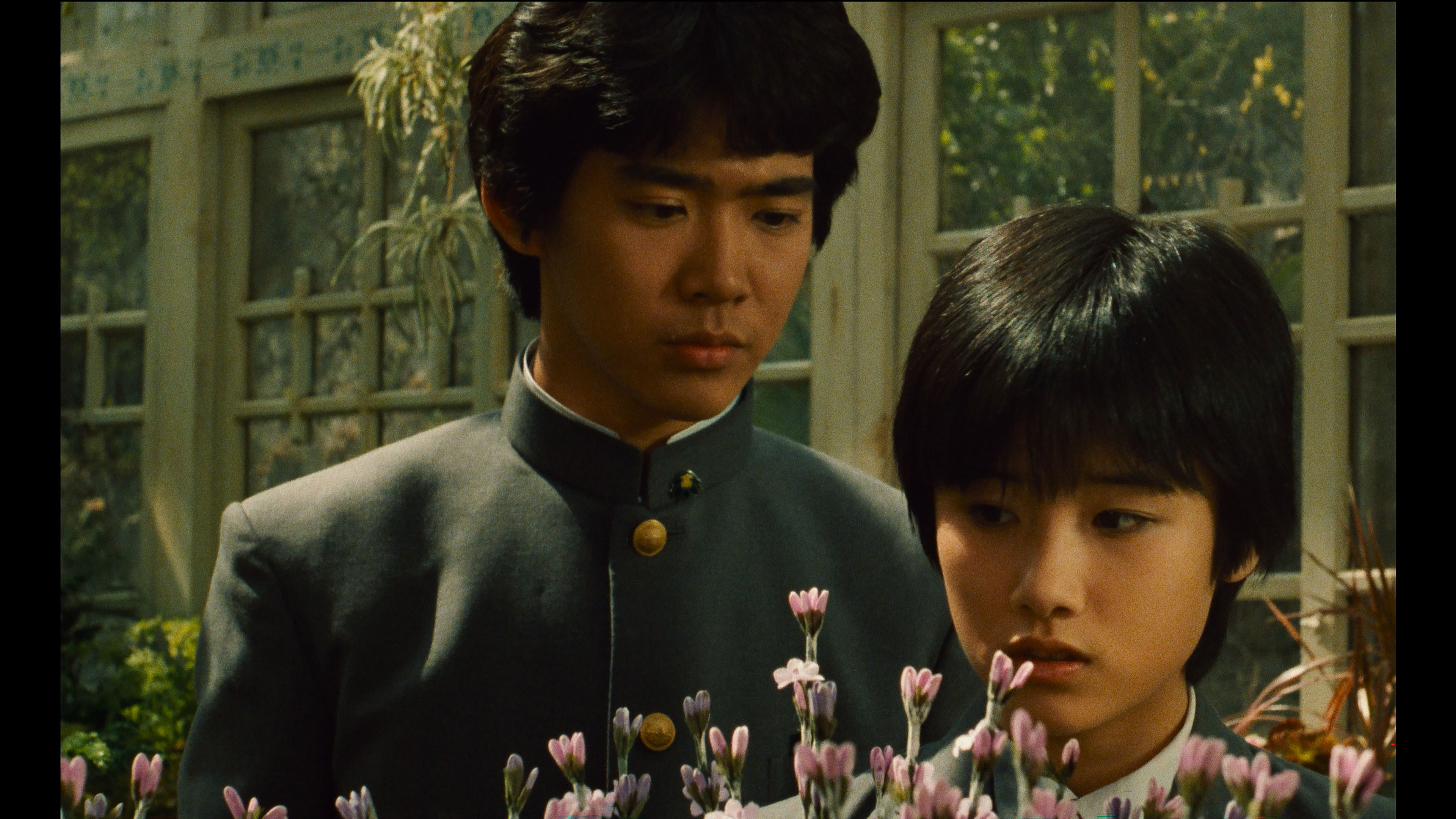 the history of the source material, and much more. In the visual essay "A Movie: Obayashi’s Cinematic Life" (23m39s), Max Robinson covers the impact of the Hiroshima bombing on the director's childhood, his key films, his start in shorts and commercials, and the recurring sympathy for children and adolescents running through much of his work. In "Now and Then, Here and There: Onomichi Pt. 2" (16m28s), Alex Pratt explores the role of the director's hometown on his films including its use in this film as part of a loose trilogy, as well as the history of the oceanside town itself and another triptych of films to come later. A 2015 interview with Obayashi (21m59s) at New York's Japan Society opens with a discussion of this film and traces through his continuing use of experimental techniques even in his most commercial projects. Then the archival interview from the U.K. release is ported over here, followed by "The Tomoyo Harada Story" (10m32s), a quick overview of the star's career including that audition footage, recording studio coverage, and a different Obayashi interview talking about her. Also included are the familiar "Toki O Kakeru Shojo" music video, the trailer, and bonus trailers for His Motorbike, Her Island, School in the Crosshairs, and The Island Closest to Heaven. The first pressing also comes with a reproduction of the film's 24-page Japanese promotional booklet.
Cult Epics (UHD)
Third Window (Blu-ray)
Reviewed on June 13, 2026
