 vampire fantasies and less personal erotic films, director Jean Ro
 llin pushed the French horror cinema in a new direction by introducing two new elements - zombies and explicit gore - to which he would return later with the deranged Zombie Lake and the more poetic The Living Dead Girl. The most traditional of his walking dead trilogy, The Grapes of Death (Les raisins de la mort) retains his slow, dreamlike pace while jolting viewers with unexpected bouts of bloodletting.
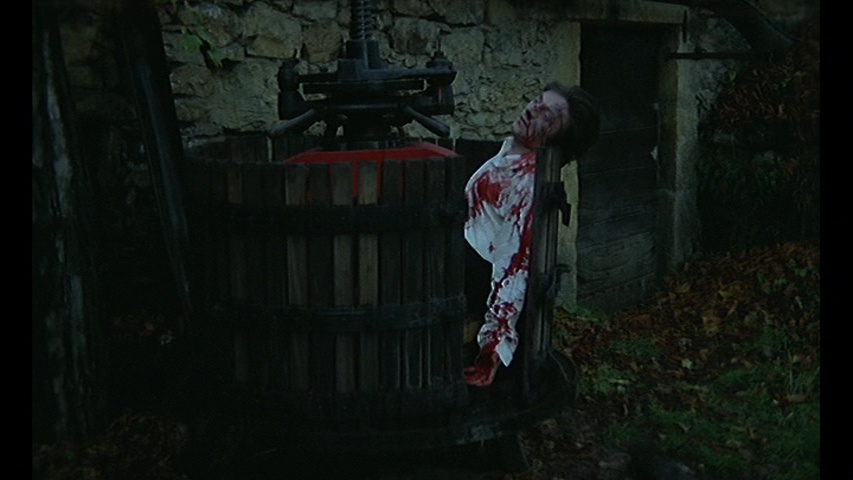
 individual sequences (particularly the memorable fate of a helpful blind girl), The Grapes of Death benefits from
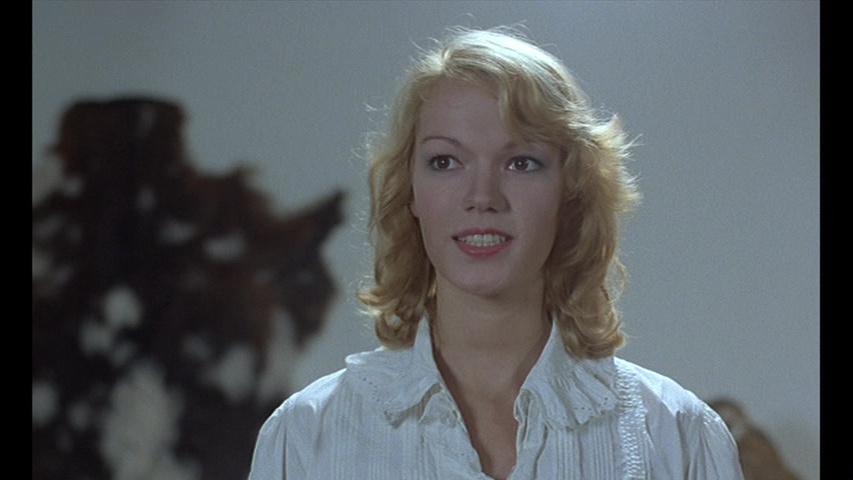
  Rollin's increasing control of cinematic language within the horror medium. His skillful assembly of landscape shots and claustrophobic interiors creates an uneasy yet beautiful atmosphere, and he gains quite a bit of mileage in the furious third act from the presence of his most famous leading lady, Brigitte Lahaie, a former adult film star who steals the show with her two big scenes including a striking entrance that tips its hat to Mario Bava's Black Sunday. The bizarre, pulsating electronic score is also a notable change of pace, creating a hypnotic if somewhat unorthodox mood in the style of Tangerine Dream and very different from the jagged, sometimes psychedelic scores of Rollin's previous films. Rollin was adamant on more than one occasion that he wasn't aping George Romero's Night of the Living Dead with this film, since the characters actually change locations frequently while the "zombies" are at least partially aware of what they're doing. That's actually a fair point; if anything, this is closer in spirit to another Romero film, The Crazies, pollinated with more than a dash of The Living Dead at Manchester Morgue. More than anything else, though, it's a Rollin film from his second horror wave and a solid introduction for any fright film fan curious about his work.
 all). The first DVD out of the gate from Synapse was one of their best at the time, transferred from the
 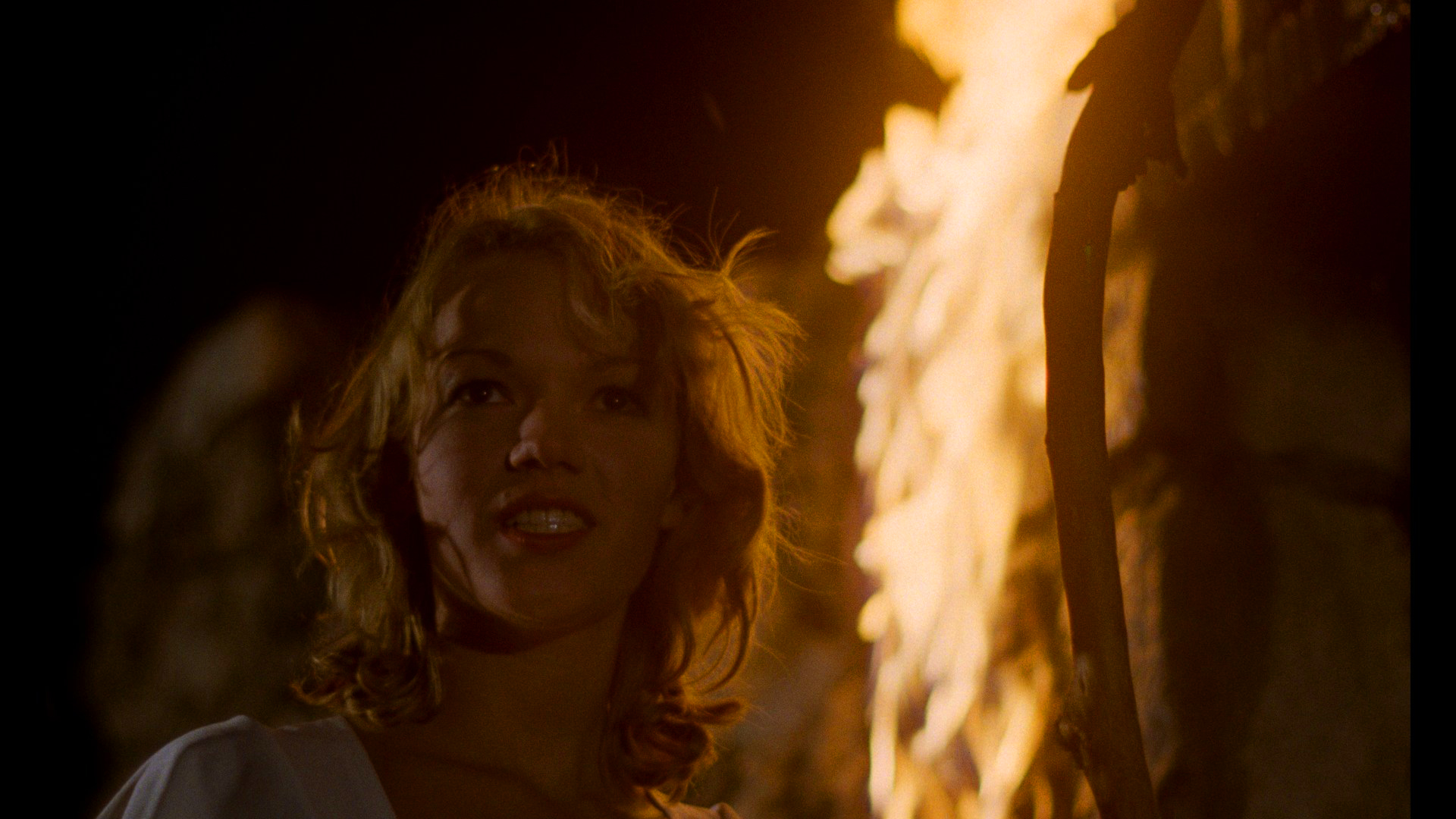 original negative. The optional English subtitles are large, easy to read, and appear to be appropriately translated. Extras include the somewhat fragmented theatrical trailer, a Rollin bio, and video interviews with Rollin and Lahaie, both of whom offer some interesting insights into their horror careers, once one adjusts to their strong accents. Lahaie teamed up with Rollin again for two of her best lead roles in Fascination and The Night of the Hunted (with a final reunion years later in Dracula's Fiancee), making The Grapes of Death the start of another type of trilogy as well.
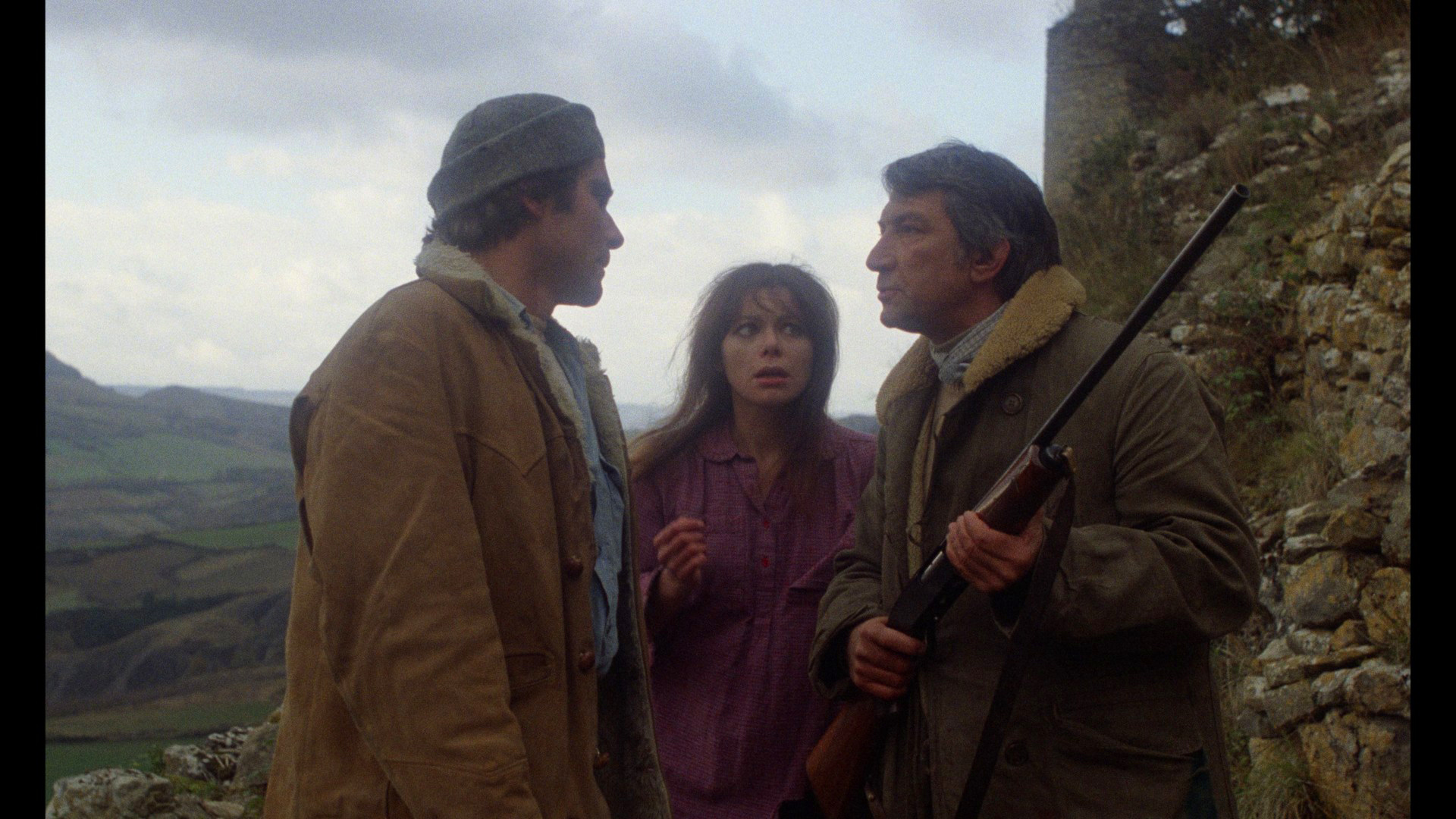 interview with Patrick Lambert and
 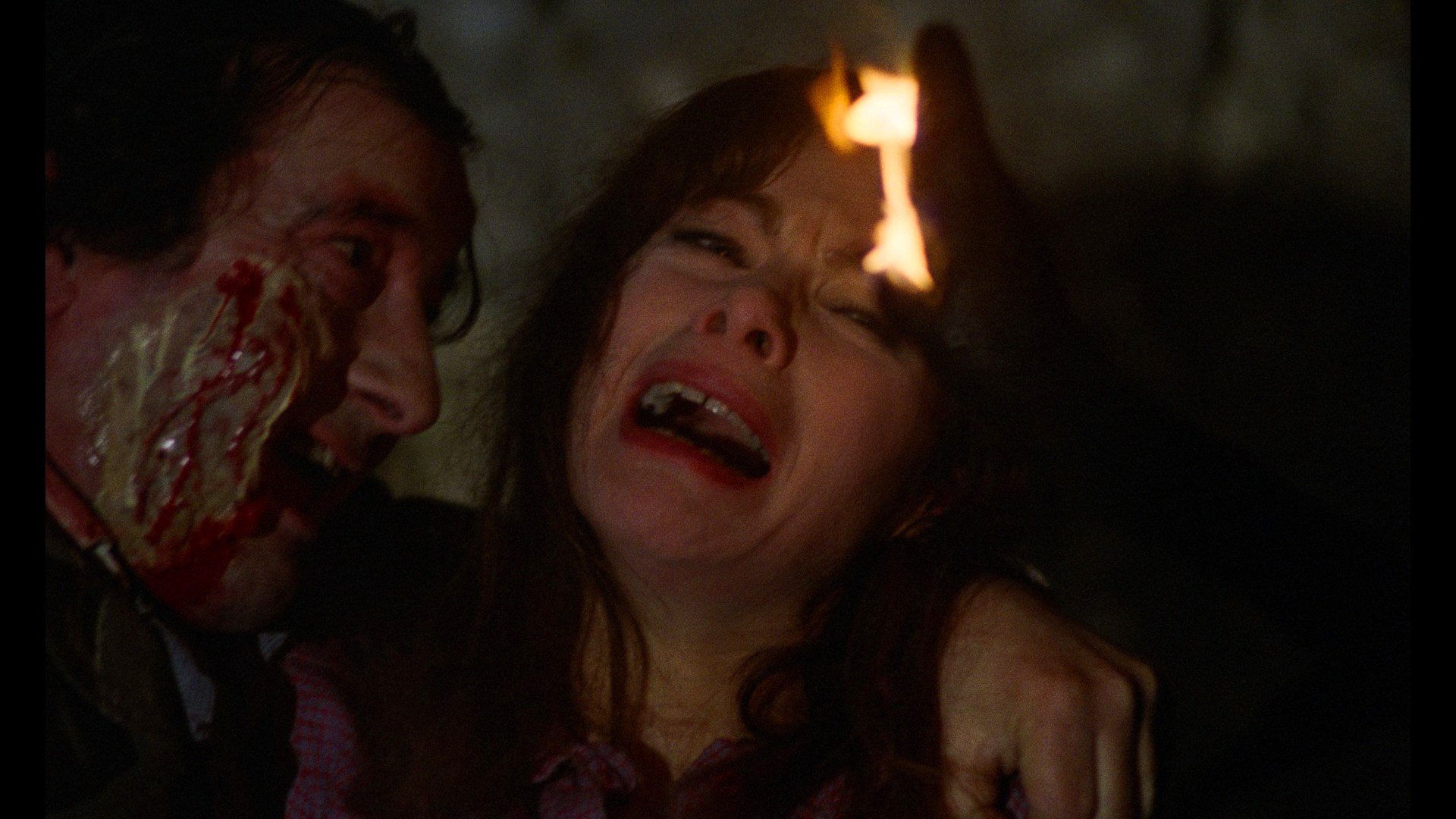 Frederick Durand recorded during his 2007 visit to Fantasia in Canada. It's not really geared to a particular film for the most part, instead covering his influences, cinematic techniques, and thoughts on French culture, with topics including slang terms for the guillotine, French noir fiction, and the "engulfing" qualities of Valerie and Her Week of Wonders.
Also included are the original trailer and bonus Rollin trailers for Fascination, The Living Dead Girl, The Night of the Hunted, Zombie Lake, and Two Orphan Vampires, while Tim Lucas contributes a new set of liner notes discussing this film's pivotal placement in Rollin's filmography after his flirtation with adult filmmaking and his shift to a more commercially viable strain of horror film, with Lahaie joining him for the ride.
Frederick Durand recorded during his 2007 visit to Fantasia in Canada. It's not really geared to a particular film for the most part, instead covering his influences, cinematic techniques, and thoughts on French culture, with topics including slang terms for the guillotine, French noir fiction, and the "engulfing" qualities of Valerie and Her Week of Wonders.
Also included are the original trailer and bonus Rollin trailers for Fascination, The Living Dead Girl, The Night of the Hunted, Zombie Lake, and Two Orphan Vampires, while Tim Lucas contributes a new set of liner notes discussing this film's pivotal placement in Rollin's filmography after his flirtation with adult filmmaking and his shift to a more commercially viable strain of horror film, with Lahaie joining him for the ride. 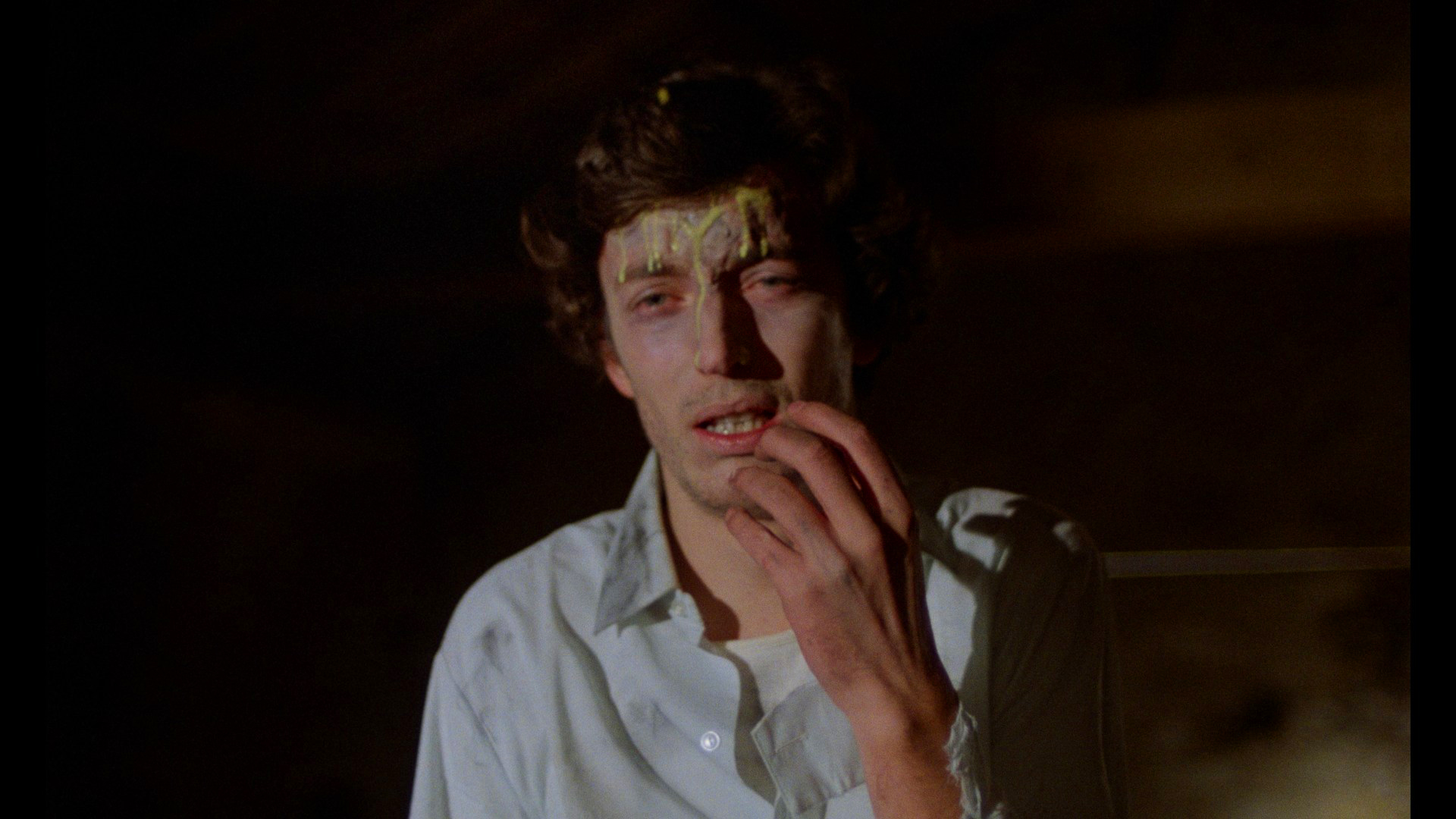 Perrey also chiming in about the somewhat DIY nature of the production, the necessity to include gore at the time, the decision to make wine the culprit instead of a space
  threat, and much more. Also included are a new improved edit of the 2002 interview with Rollin and Lahaie (23m42s), plus the 2007 Rollin interview (49m12s) at the Fantasia Film Festival (in a noisy bar) where he was premiering The House of Clocks. Bloody Lips and Iron Roses (34m35s) is a career-spanning 2001 German documentary similar to the Eurotica! episode about him, built around a lengthy interview about his formative influences and thoughts on the fantastique as well as his key stars like Lahaie and his novels. Finally, "Experiment in Terroir" (35m9s) features an appreciative appraisal of the film by Stephen Thrower about the shift this marks in Rollin's career, the trends hitting the genre and the director's own marginally distributed work by the middle of the '70s, the comparisons to George Romero for better or worse, the advanced nature of the special effects (relatively speaking), and the oddness of this end result within a seemingly mainstream horror subgenre as only Rollin could have made it. Also included are the French and German trailers and image galleries of promotional and publicity material (58 images) and behind the scenes (21 images), while the limited edition comes with an 80-page book with a new essay by Elizabeth Purchell, an archival Rollin intro, an archival interview with Lahaie, an archival essay by Paul Hegarty, and an extract from the pressbook.
Indicator (UHD)
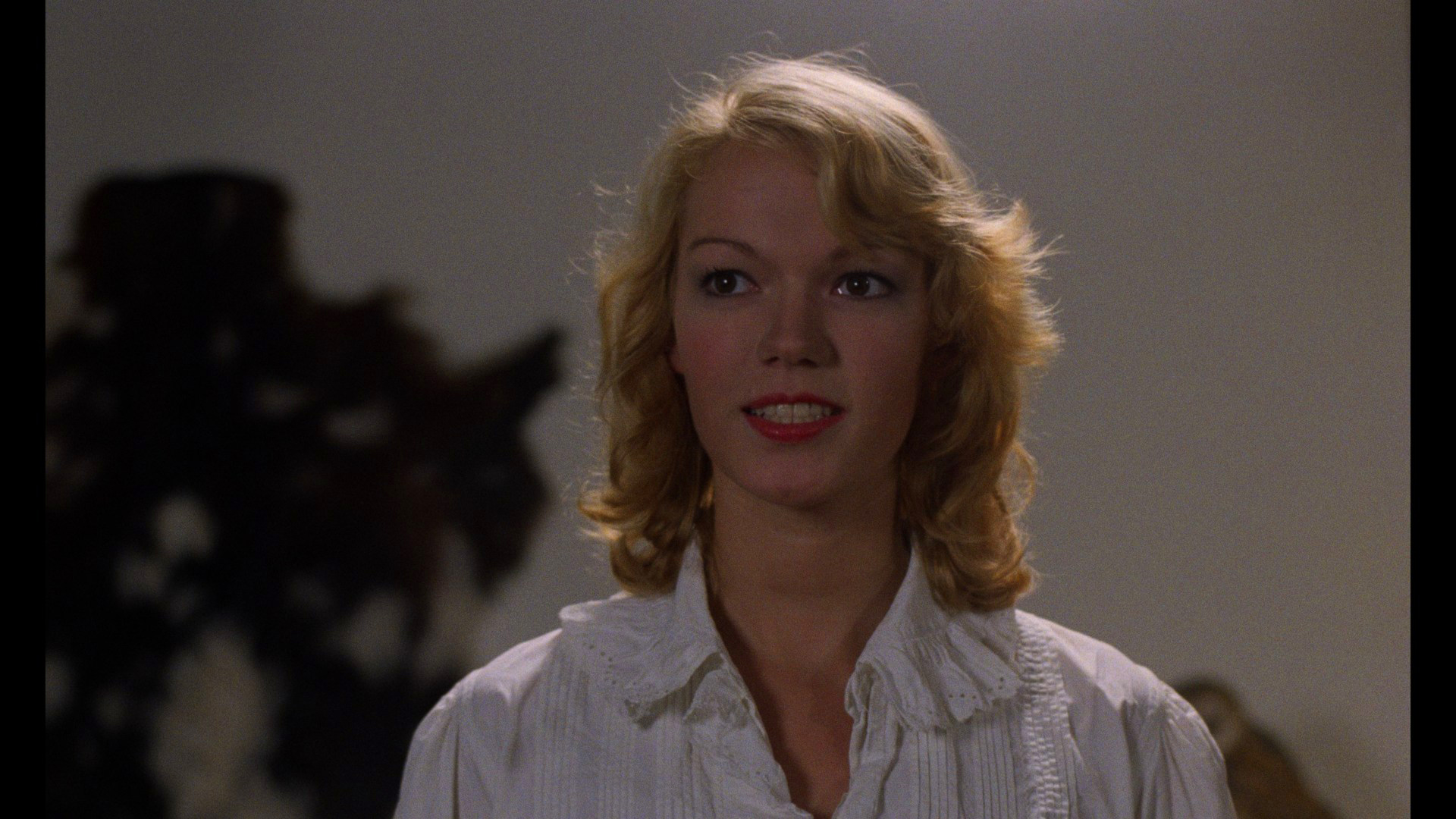
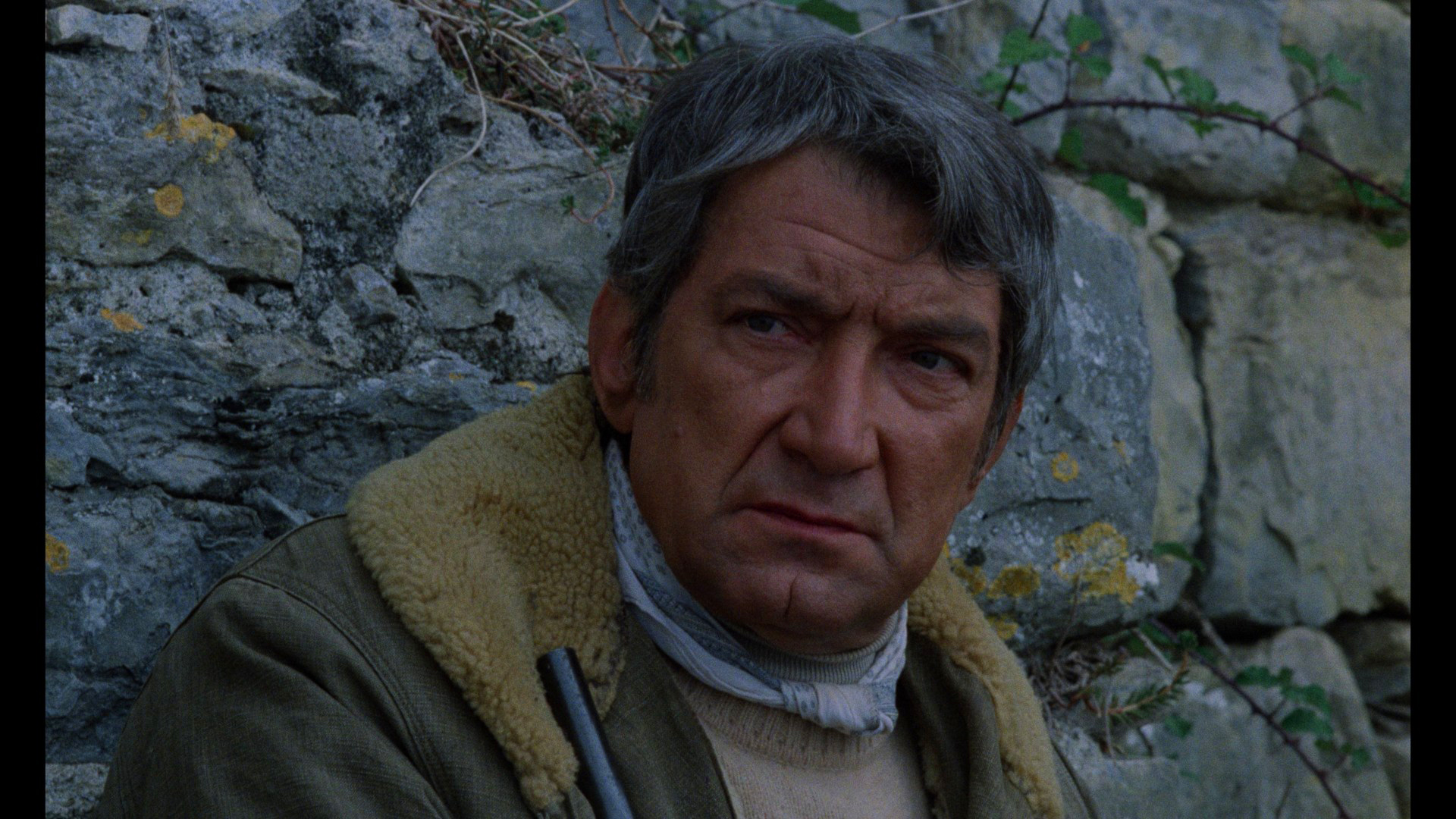
Kino Lorber (Blu-ray)
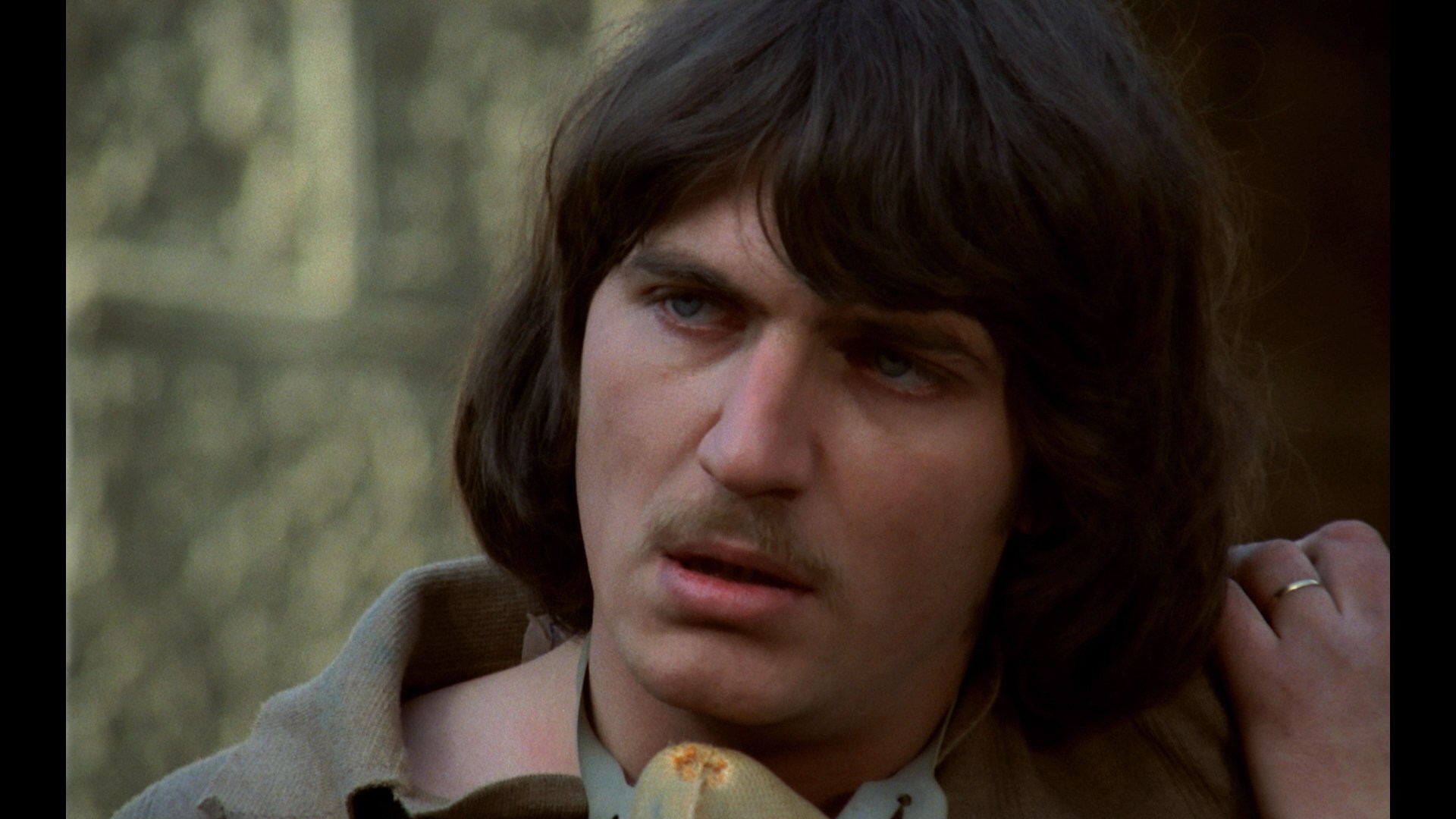
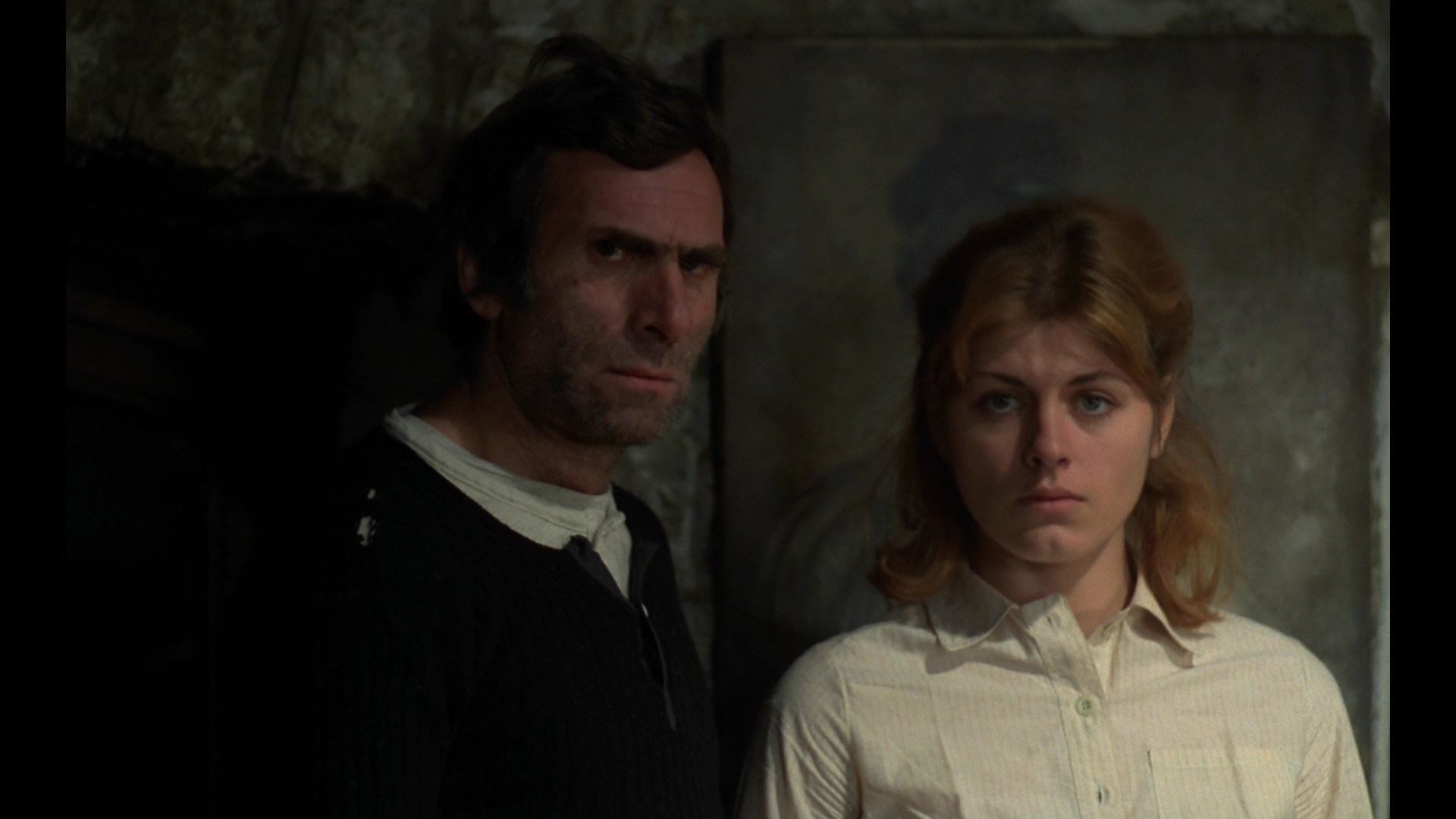
Synapse (DVD)