Color, 1974, 99 mins. 11 secs.
Directed by León Klimovsky
Starring Alexandra Bastedo, Narciso Ibáñez Menta, Gemma Cuervo, Manuel Zarzo, Eva León, Manuel de Blas
Mondo Macabro (Blu-ray) (US R0 HD) / WS (1.85:1) (16:9)
Right in the middle of 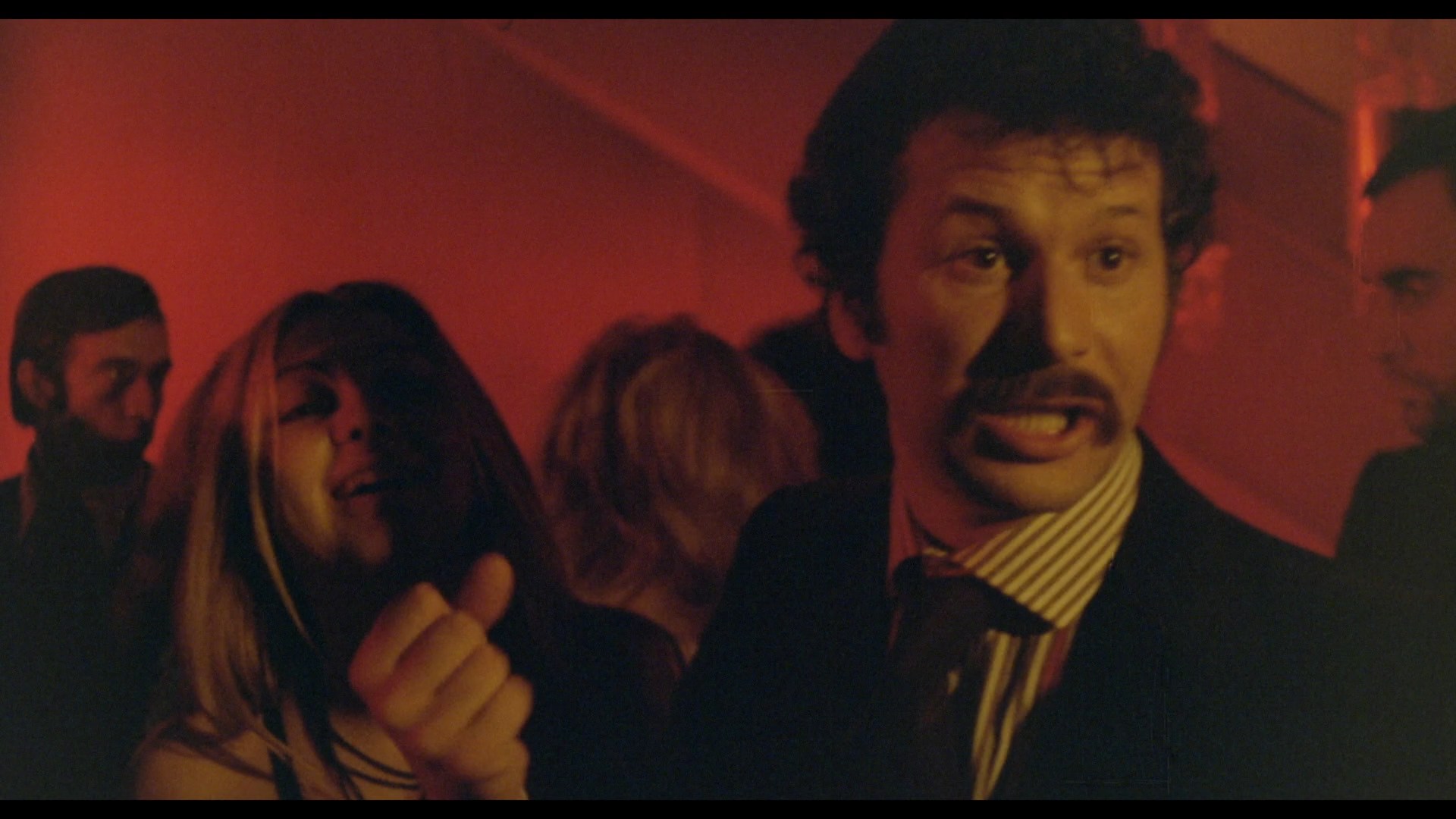 cranking out beloved Spanish horror favorites like The Vampires Night Orgy, The Dracula Saga, and Devil's Possessed, Spanish
  director León Klimovsky took some time out to deliver a very eccentric and memorable contribution to the gender-swap wave of movies that had been turning up throughout the '70s in the wake of Hollywood's timid but interesting The Christine Jorgensen Story in 1970. Though nowhere near as extreme as offerings like Let Me Die a Woman or Angel on Fire, I Hate My Body (Odio mi cuerpo) tackles some pretty dicey material for dictatorship-era Spain and anticipates the craziness that was about to come later on in the decade.
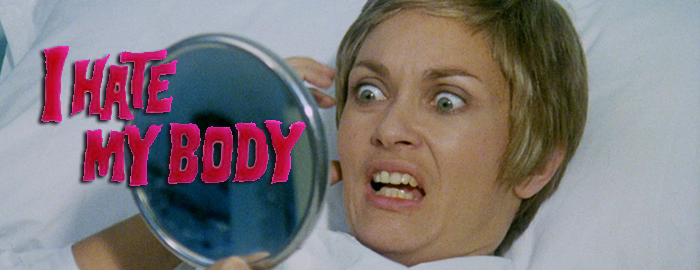
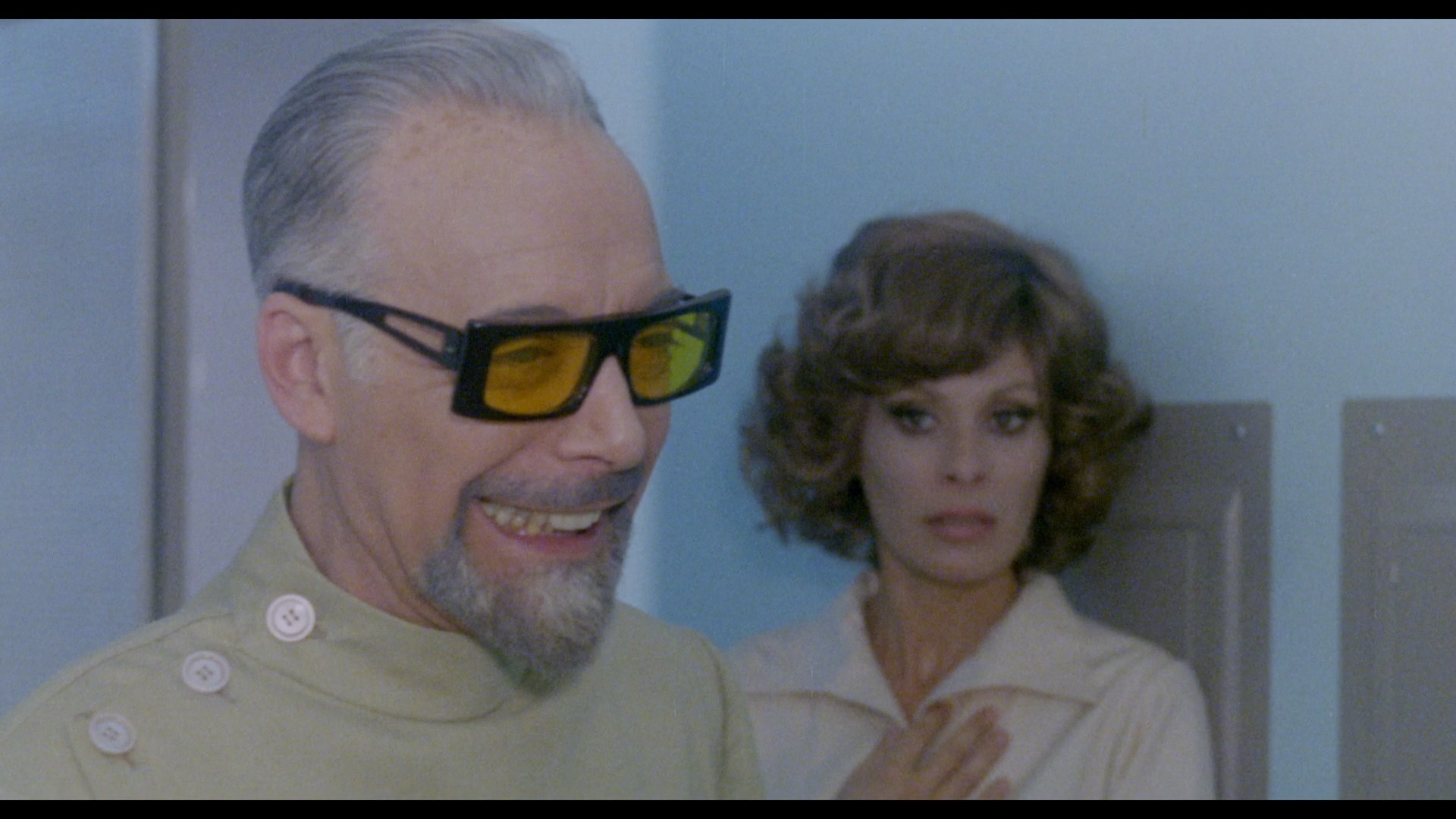
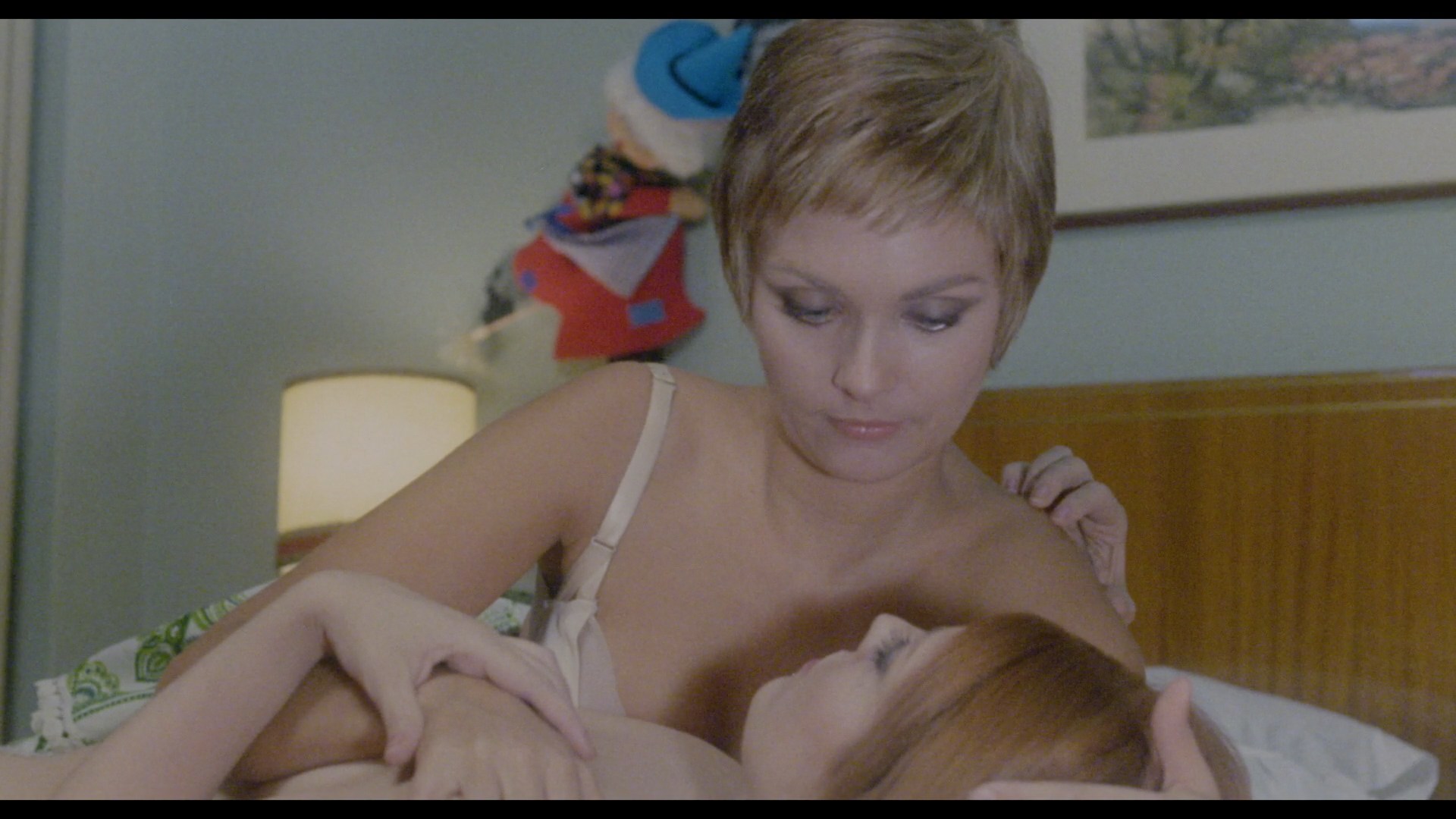
During an indulgent night out at the club with one of his coworkers, businessman Ernest (Hunchback of the Morgue's de Blas) decides to switch girlfriends for the night and tears off for some more fun back home. However, the car smashes into a bridge leaving a heap of flaming wreckage. Ernest wakes up some time later in a hospital as, initially from only his point of view, he is shocked to learn that he is now in the body of a recently deceased woman, Leda (The Blood Spattered Bride's Bastedo), thanks to some brain-swapping shenanigans by his onetime Nazi surgeon (The Dracula Saga's Count himself, Menta) who's always wanted to see his experiment play out. In fact, the doc is giddy when Leda-Ernest makes a move on a nurse and eventually releases his confused patient out into the world. Ernest's voiceover relates the massive obstacles Leda faces trying to get an engineering job even with impressive credentials, avoiding the efforts to lure her into sex work, and 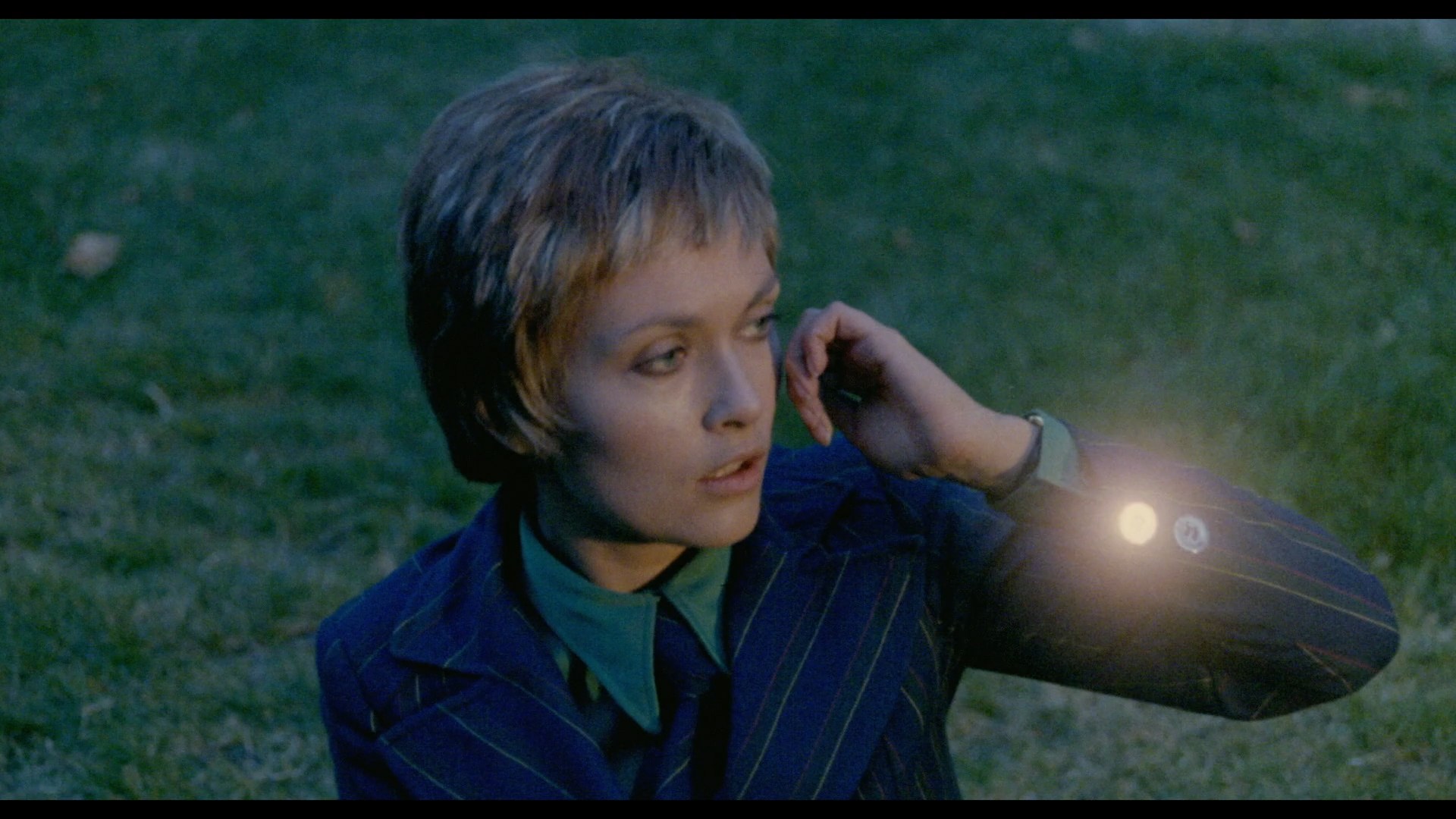 reconciling an attraction to women
 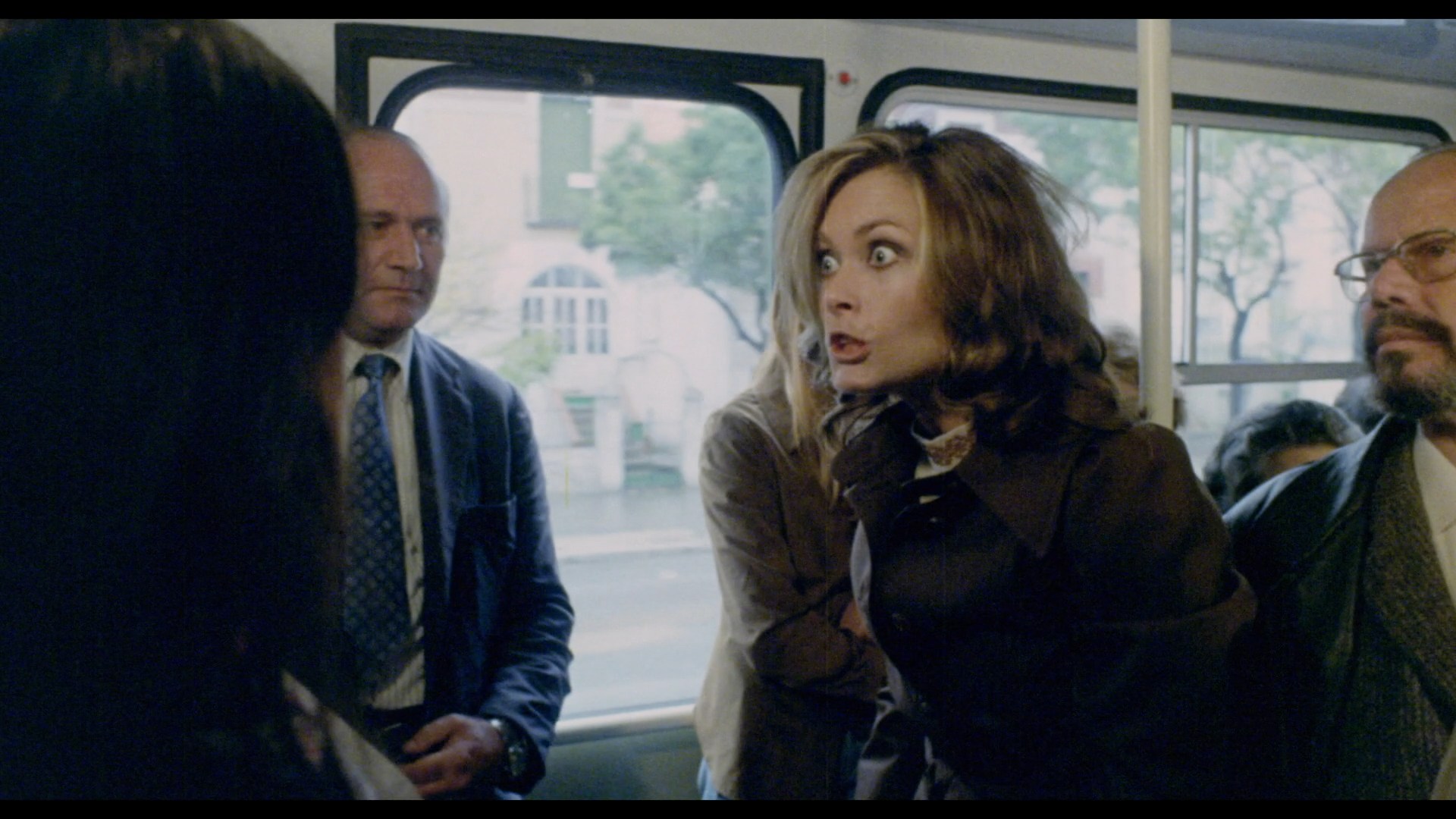 in her new body.
Given the opening credits' note that this film is "con la colaboracion especial de Byron Mabe" (with the exploitation legend turning up in a small role), I Hate My Body is a deeply disorienting experience mixing potent social commentary with melodramatic pulp. The level of sex and violence here is extremely restrained given the subject matter, but the tone here is wild with funky music and amped-up performances galore guiding you through an episodic narrative putting our protagonist through some bizarre, tragic paces. Bastedo handles the demands of the role well here and gets to both freak out gloriously and display some touching introspection, and while this isn't the kind of film that would likely win any GLAAD awards (as far as "LGBT" goes, the "T" gets handled better than the "L"), it's quite remarkable to watch given when and where it was made. The film was frequently trimmed down including a significantly shortened English-dubbed version released in the U.S. from CinAmerica, a print of which was later sourced for a Something Weird Video VHS in the mid-'90s as part of "Frank Henenlotter's Sexy Shockers from the Vault."
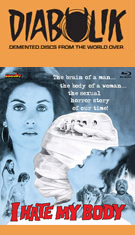
In 2025, Mondo Macabro bowed the film on Blu-ray with the usual initial red case version featuring an insert booklet with an essay by Ismael Fernandez, followed by a general retail option that's otherwise the same. The new 4K restoration from the negative is obviously much better than the ragged prints we've had before this, and it's completely uncut with a much better flow as well. Colors look quite nice, though the blacks are very flat and weak which may be 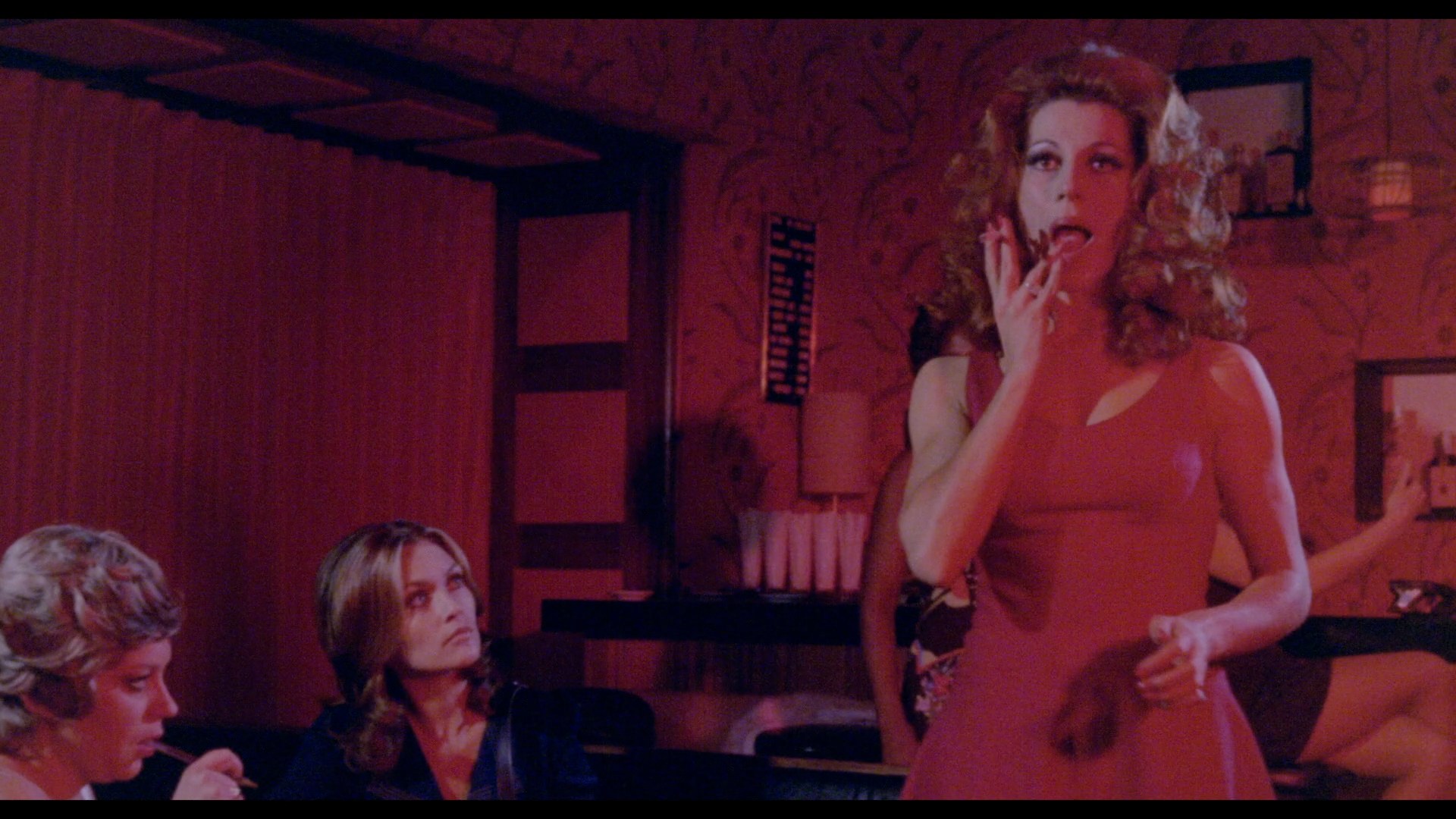 part of the "soft" look the film is going for. The original
  Spanish track and the English dub are both here in fine-sounding DTS-HD MA 2.0 mono options with English subtitles, and the two make for dramatically different experiences. The Spanish-language version plays fairly sincere despite the outrageous grace notes in the plot, while the English dub is absolutely nuts with a crazy quilt of accents ranging from British to... Brooklyn, or something. If you're watching this with friends, the dub is definitely more of a party option. A new audio commentary from the Naschycast's always reliable Rod Barnett and Troy Guinn covers Klimovsky's career to this point, the Argentinian roots of multiple players, the stage and screen careers of the actors, the possible intentions behind the story, the unsettling relevance of it to Spain, and the way it plays today in very different times. A frequently amusing interview with de Blas (41m8s) goes into his life and career including growing up in Cordova, seeing the industry and horror genre ascend thanks to Paul Naschy, his numerous collaborations with Klimovsky ("he was like Santa Claus"), and the nature of shooting in English versus Spanish as well as getting frequently slotted into villain roles. Then the Sitges Film Festival's Angel Sala appears to talk about the film (20m14s) including its creation during the waning days of the Franco regime when the transition to democracy was about to begin, the busy industry at the time that was building up fans both locally and abroad, and this film's distinctive "cinephile" place in the filmography of its director including its controversy and middling box office reception. Finally director-film historian Victor Matellano appears to talk about Menta (25m12s), including his own encounters with the actor, the wide range of stage and screen credits, and the thespian's personality and connections to some of Spanish horror's biggest names.
Review on February 19, 2026
