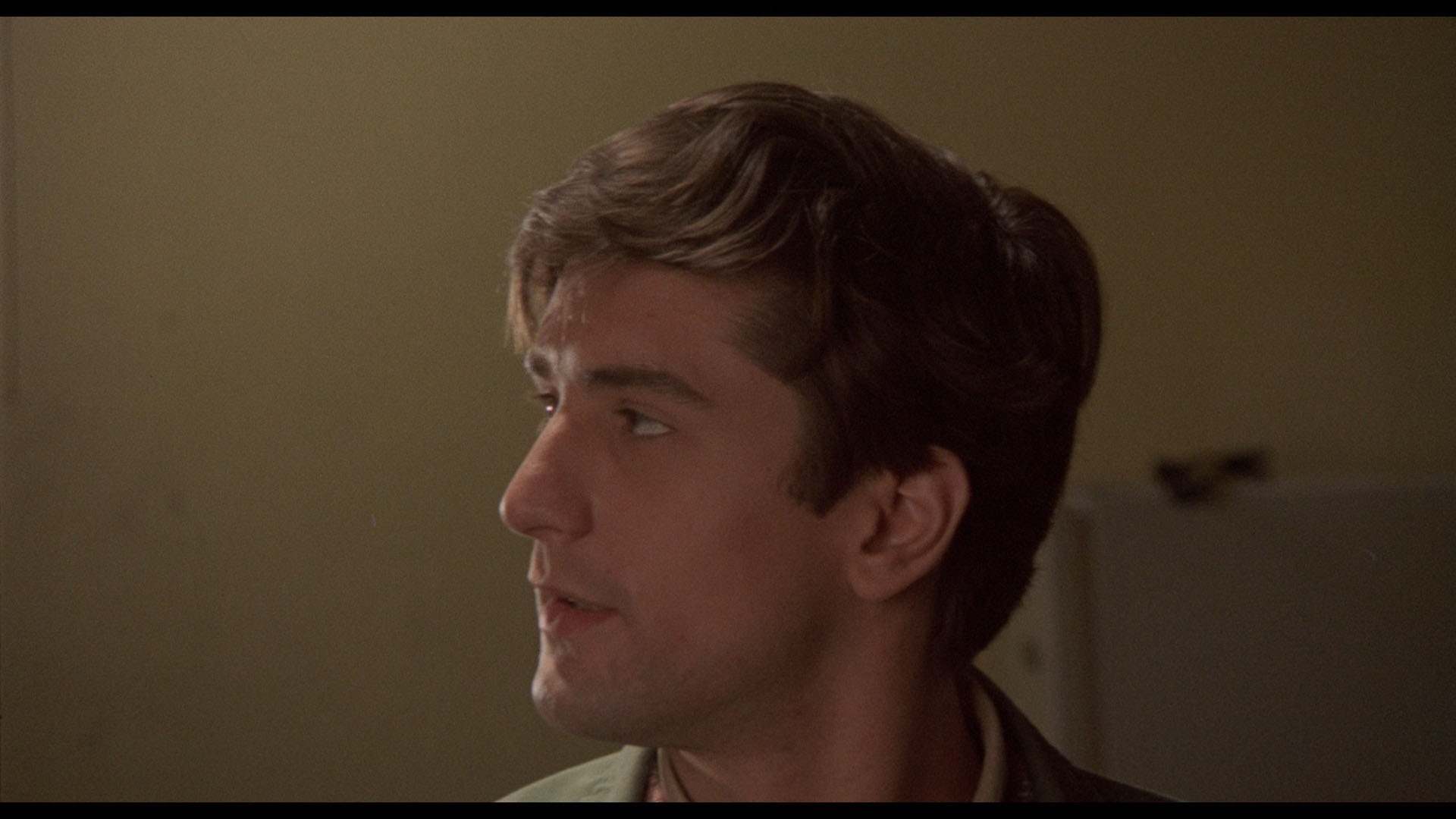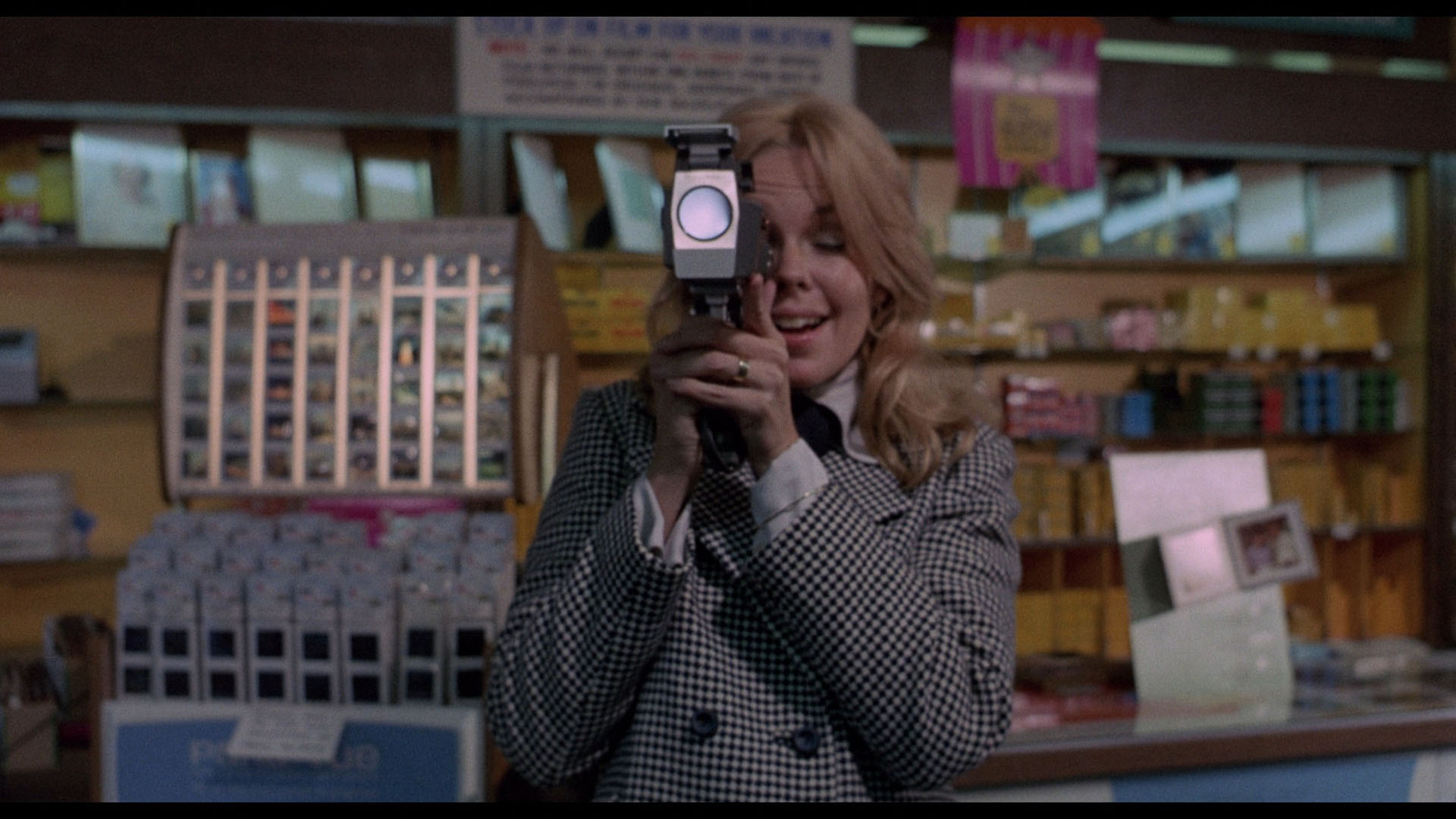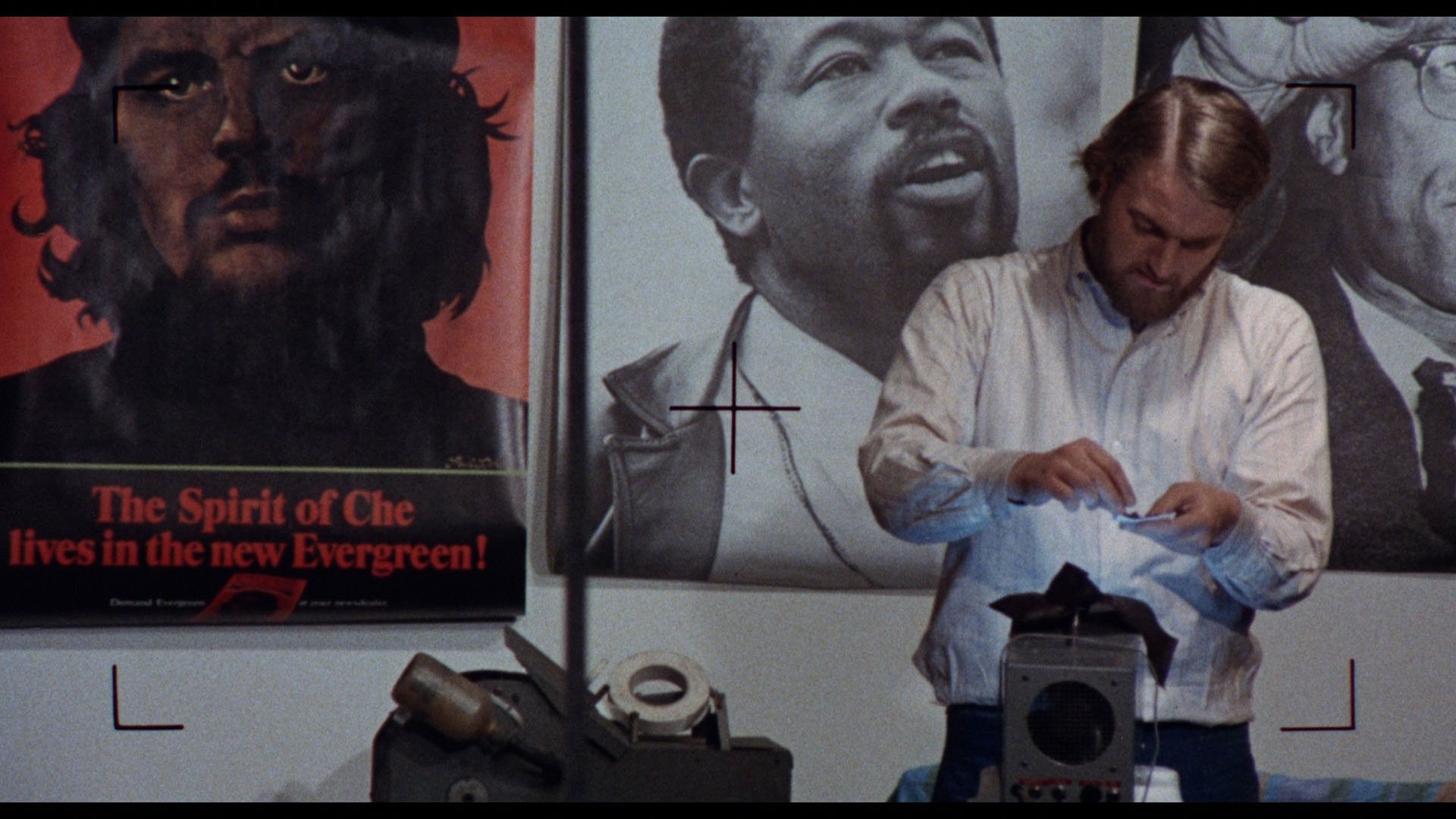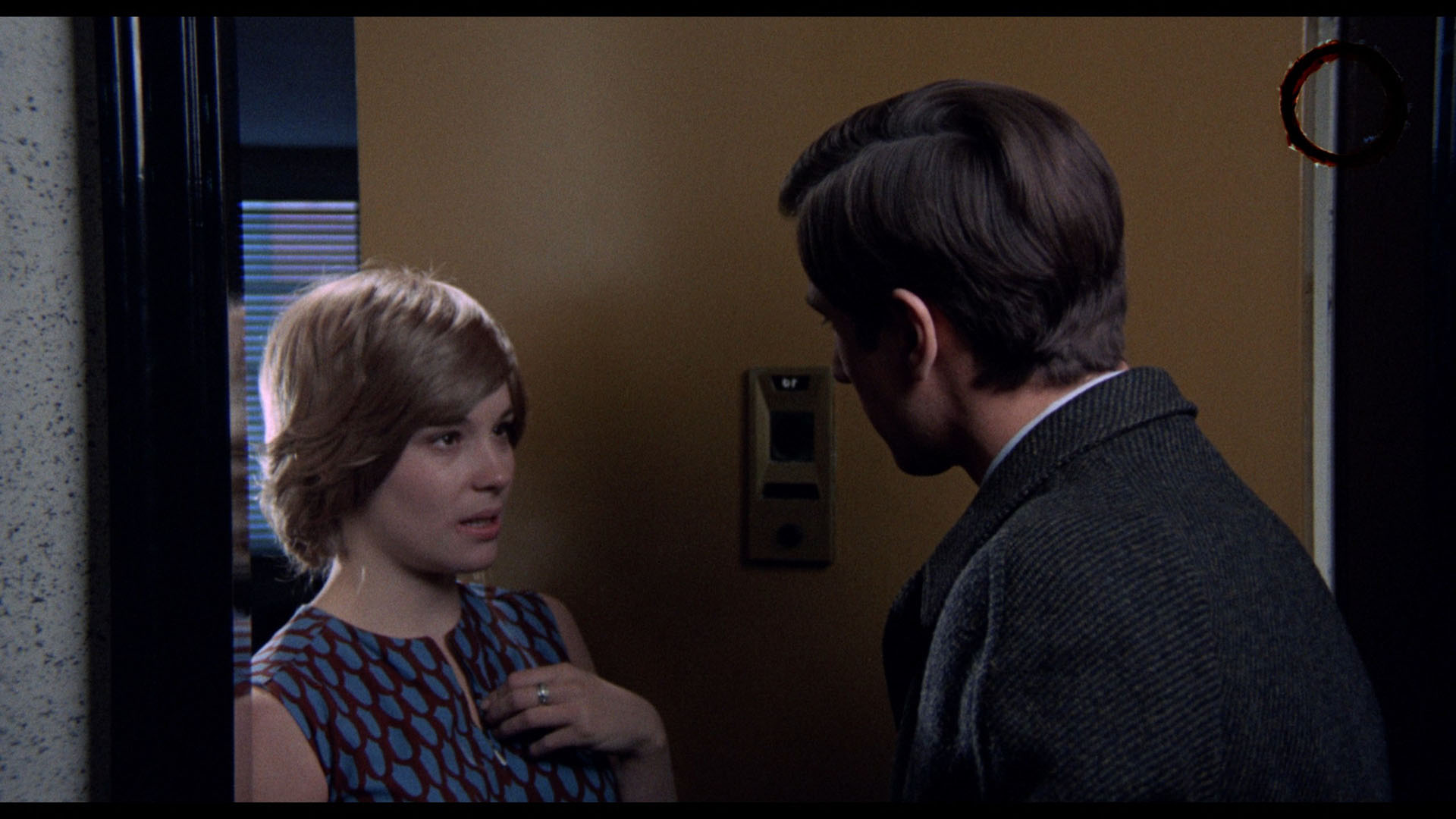
 writer-director Brian De Palma took the unusual step of making the first and only real sequel of his
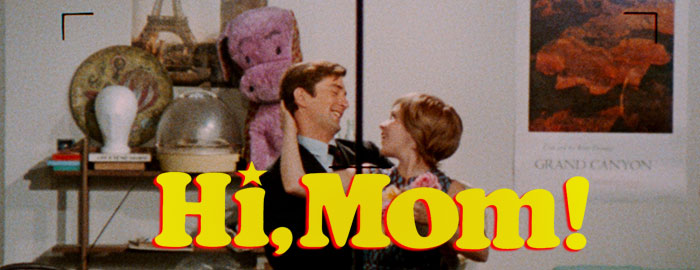
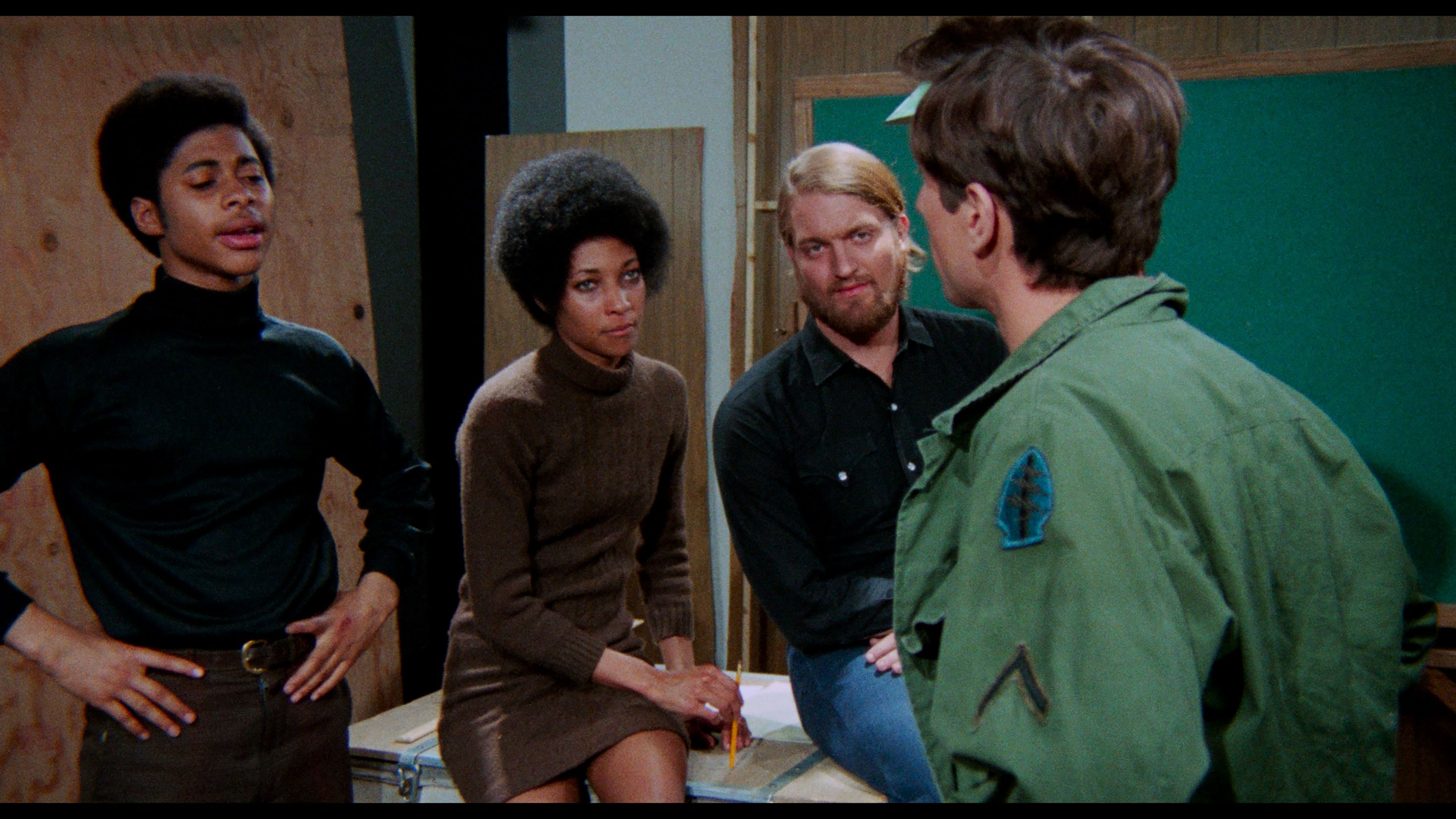
 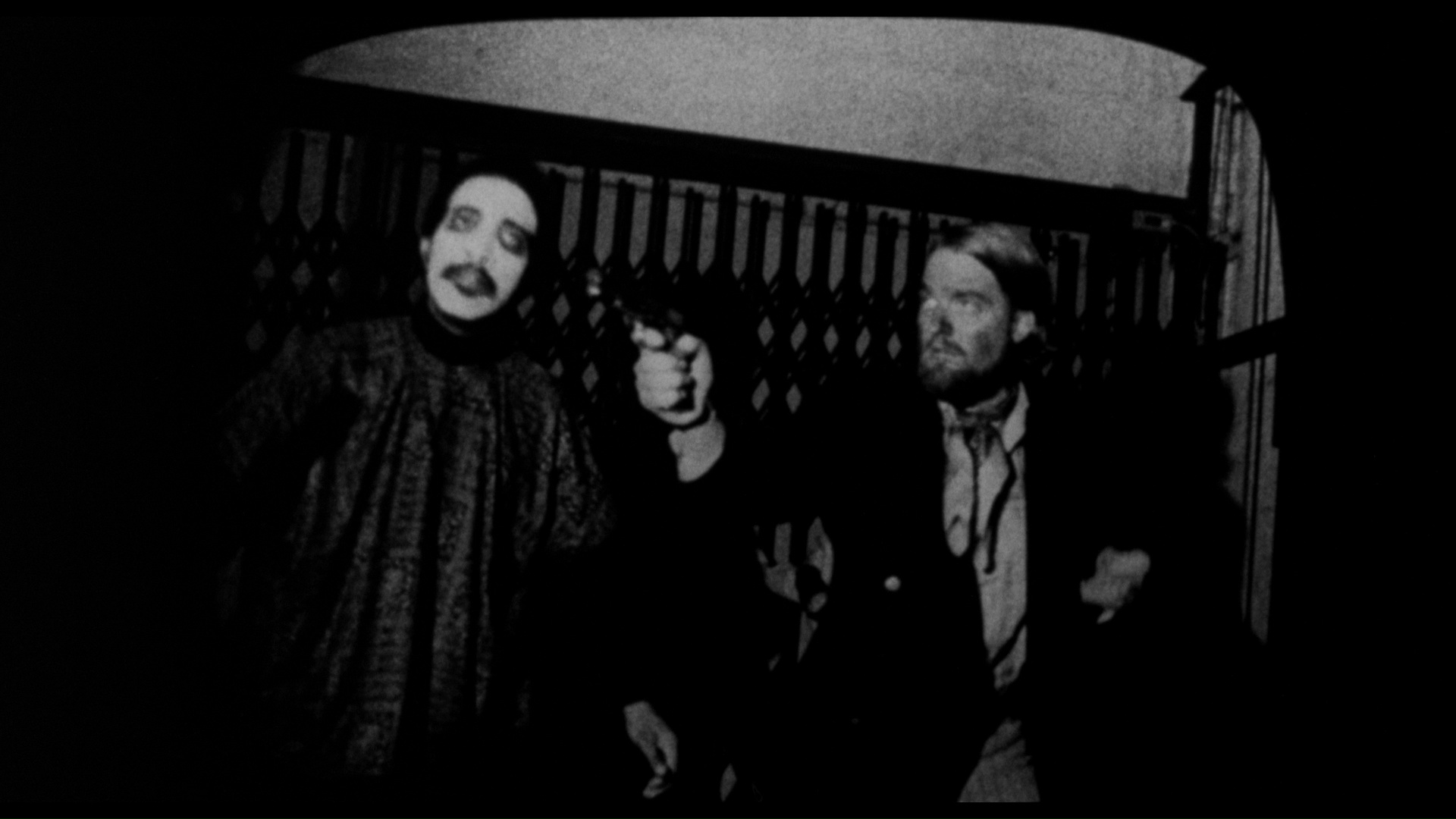 career: Hi, Mom!, the continuing adventures of Jon Rubin, one of the draft-dodging main characters in the 1968 comedy, Greetings. There's no continuation of a storyline here though as De Palma, still obviously making sly observations about the ongoing horrors of the Vietnam War, turns his eye here to the process of filmmaking, the madness of modern life in the big city, and most pointedly today, the frequently disturbing interaction of activism, racial inequality, and social superiority. One of De Palma's loosest and wildest films, it's also a showcase for numerous familiar faces from his early period including two who would be prominent in his first major horror breakthrough, Sisters, Charles Durning (seen in the amusing commercial parody before the opening credits) and Jennifer Salt. Also returning here from Greetings is one of De Palma's reliable acting mascots through the late '70s, Gerrit Graham, here playing a completely different, outrageous character that feels like a warm-up for his role in Used Cars.
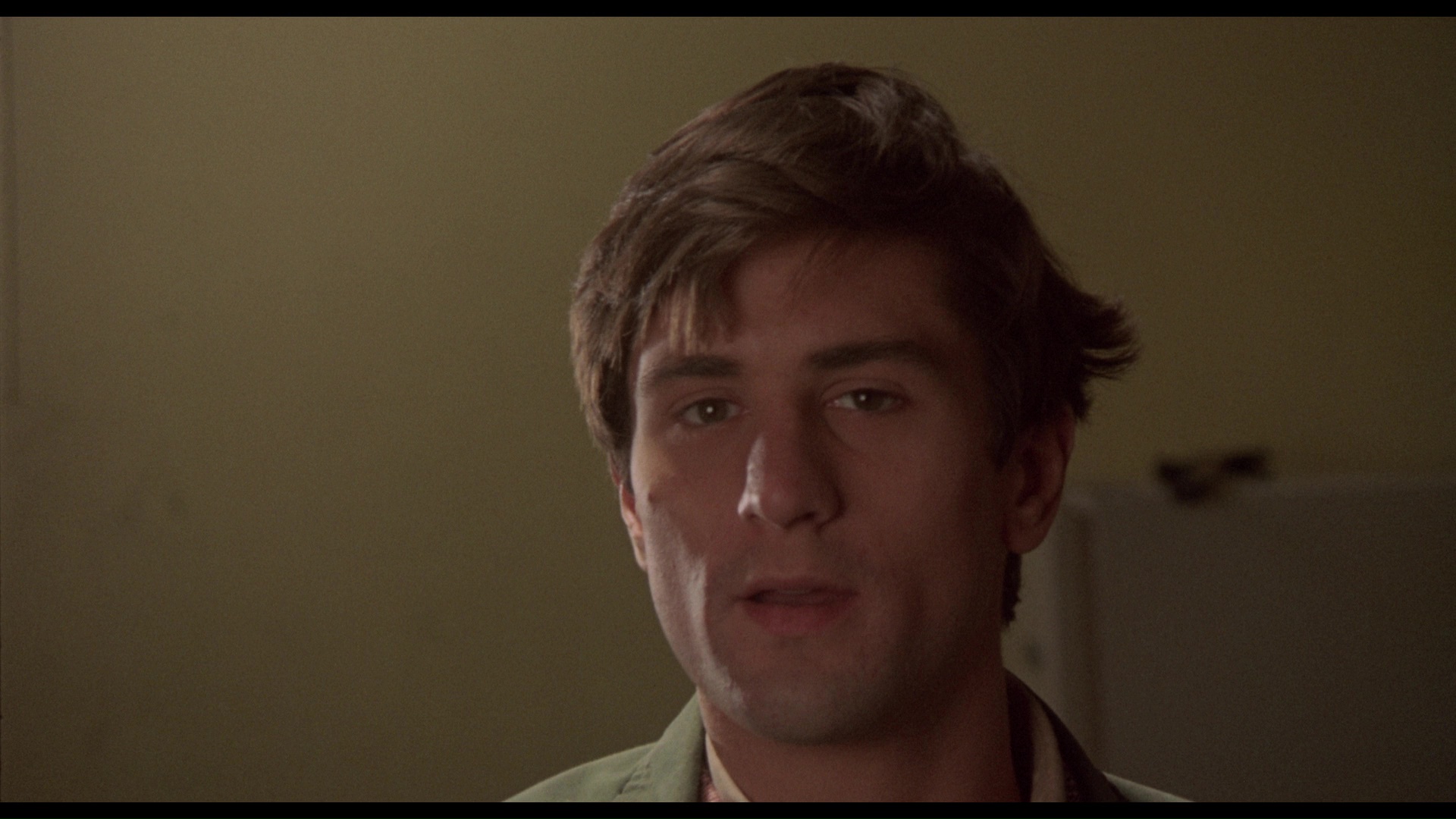
  ever, too, as his Greenwich Village apartment offers a vantage point of a colorful array of characters whom he films and "directs" on his
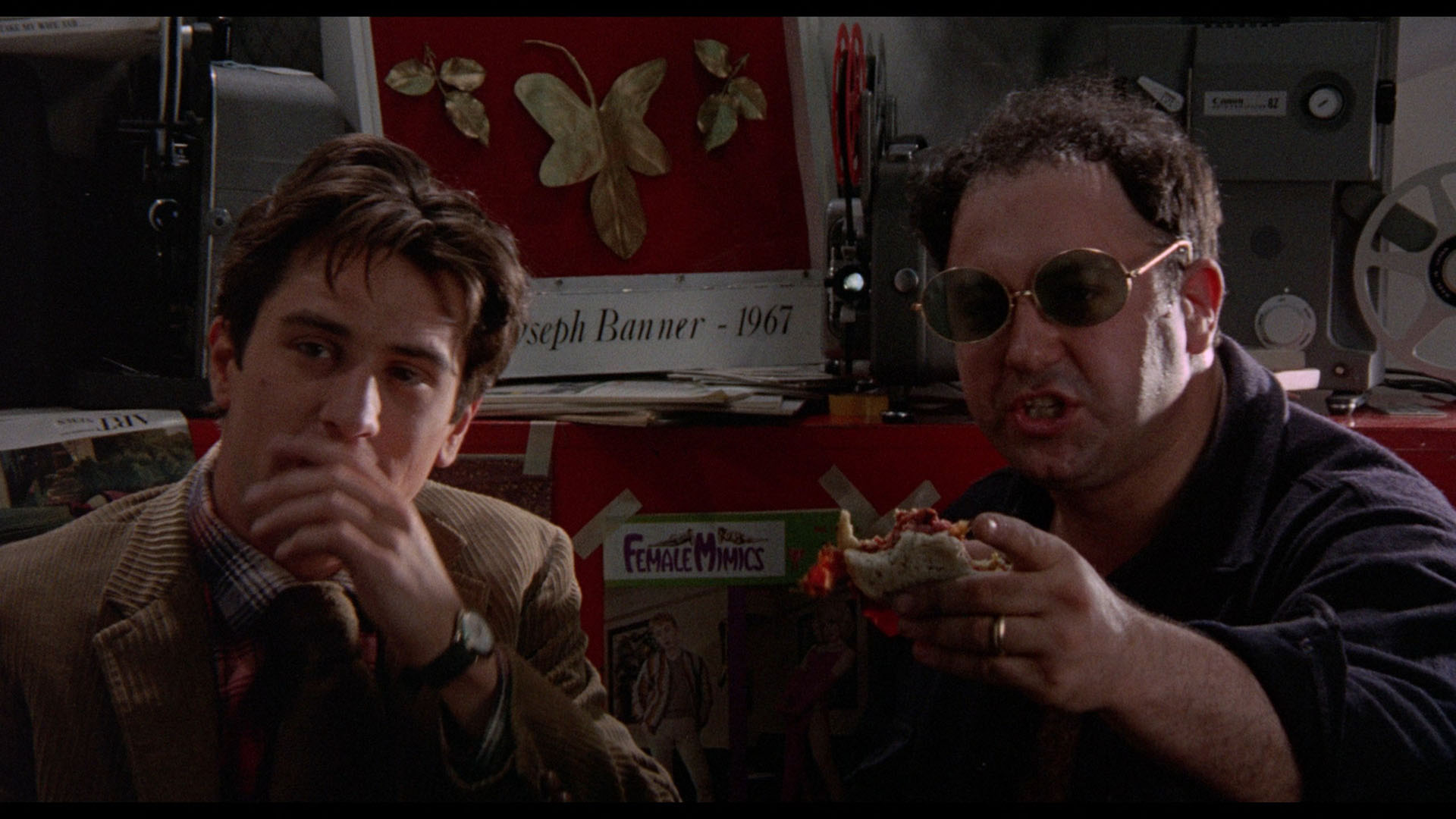
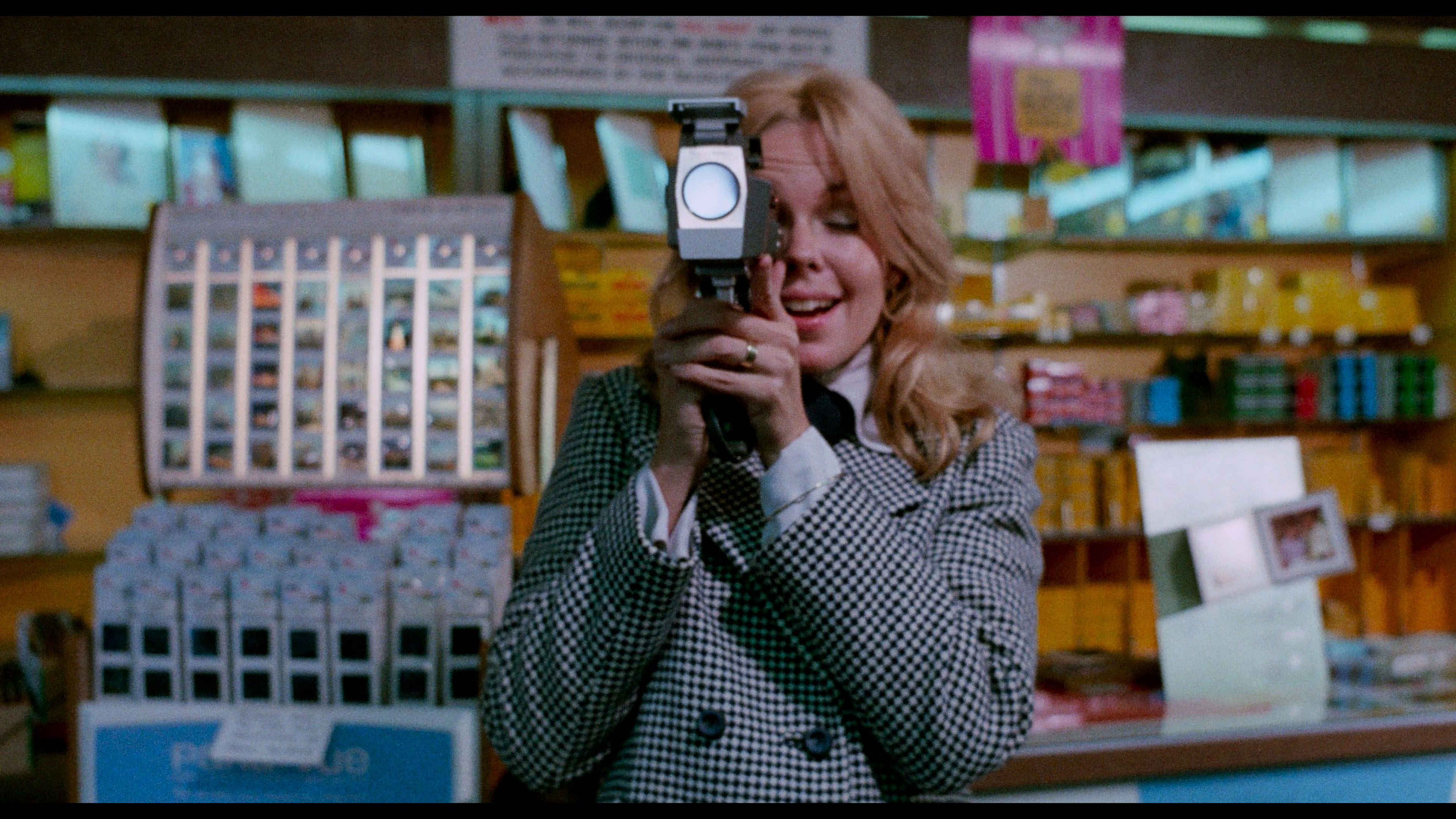
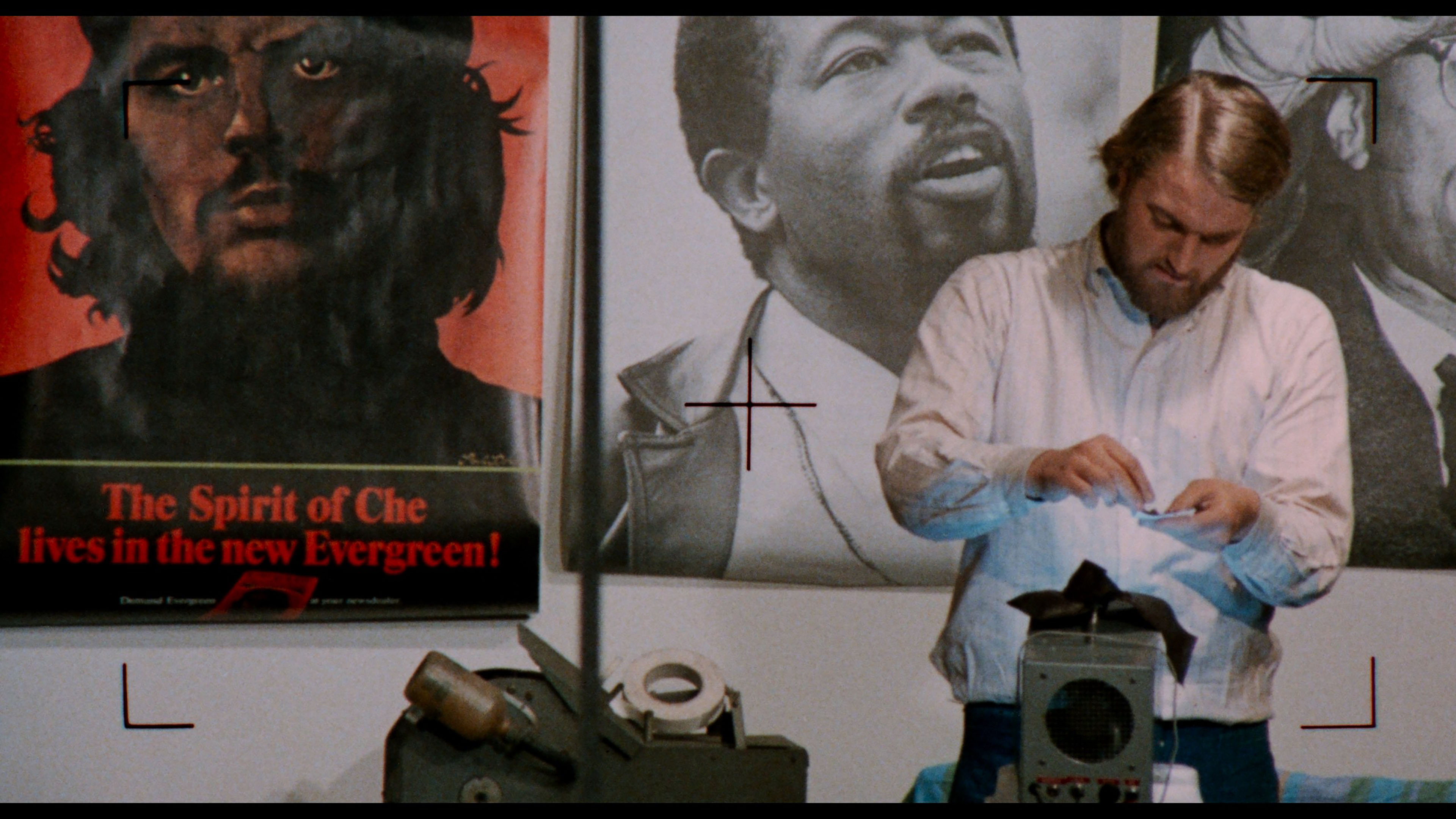
  own terms. Therefore, why not put his interests to commercial use and make Super 8 pornography for distributor Joe Banner (Garfield) by insinuating himself in the life of his most interesting local subject, housewife Judy (Salt)? Soon Jon becomes embroiled in a radical group putting on a staged theatrical production - or is it? - called Be Black Baby, an extreme statement about race and culture that puts him on the path to even more extreme behavior.
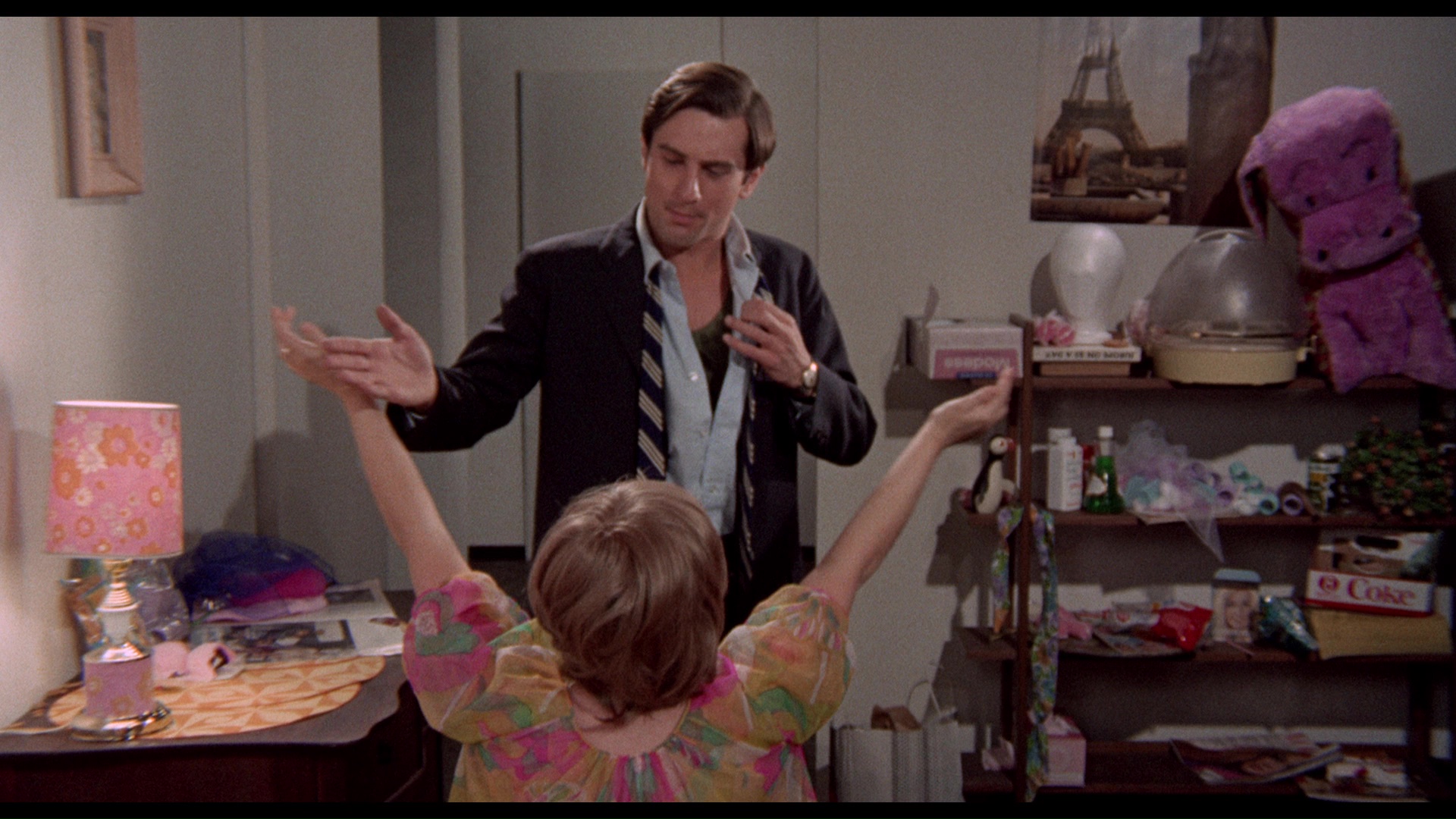 idea of subjects filmed without their knowledge or consent
 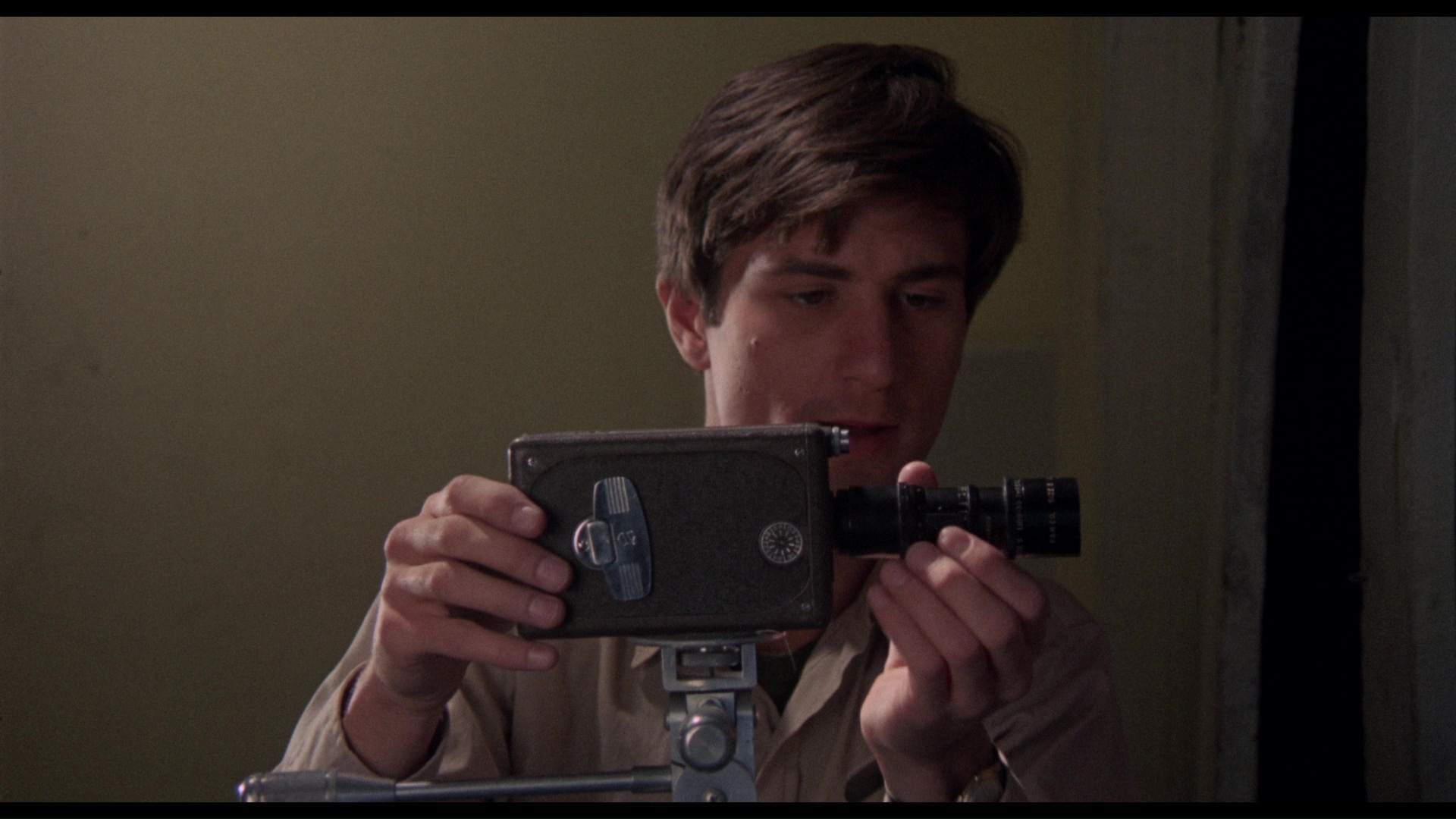 as commercial exploitation.
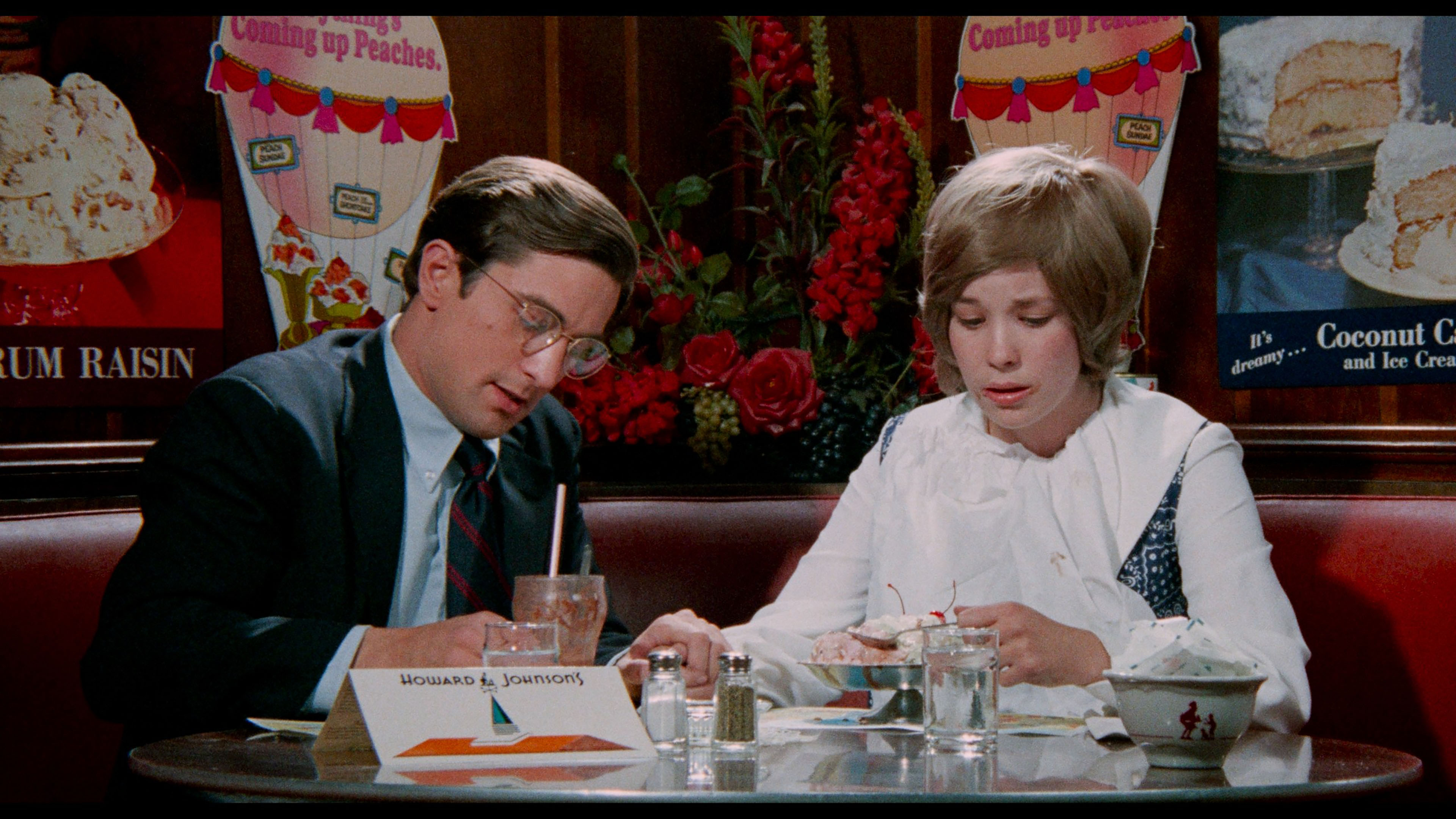 touches on the impact of television's depictions of the Vietnam War, and unpacks the film's anti-capitalist stance that would hardly end with this film.
 included here is De Palma's 1968 film Dionysus in 69 (85m27s), capturing a confrontational interactive production by The Performance Group (culled from two different performances) delivered in the split-screen format that would become a standout De Palma trademark in numerous later films starting with Sisters. Featuring another one of his regular actors William Finley (who spends much of the time cavorting around in a jockstrap), it's a deliberately caustic experience that incorporates the audience into the madness in a way that obviously influenced a key bit in Hi, Mom! as well. The film is presented here from the sole existing digital master previously used for its only DVD release in France, and you'll probably want to use your zoom control to fill the screen since it's flat letterboxed in 4x3 and will otherwise look like a postage stamp (apart from the 1.33:1 credits). Also released by Sigma, it's presented here in its full version which also earned an early X rating for its nudity. One amazing extra here is "Son of Greetings: Behind the Scenes of Hi, Mom!" (76m29s), a collection of behind-the-scenes footage from the production shot by filmmaker Peter Davis with tons of coverage of De Palma and the cast at work including rehearsals and shooting on numerous key scenes. The quality here is VHS level but absolutely worth seeing if you're a fan of the director. Finally an interview with critic / broadcaster Ellen E. Jones (12m23s) takes a look at the film's depictions of race relations, its status within the larger scope of De Palma's filmography, and the themes that would turn up over the course of his career carrying elements of De Palma's own early life. Also included in the limited edition is a 23-page booklet featuring the essay "The Medium Is the Message: The Interplay of Ideas in Brian De Palma's Hi, Mom!" by Matt Zoller Seitz about the film's release, actors, and voyeuristic themes, and a brief note about Dionysus in 69.
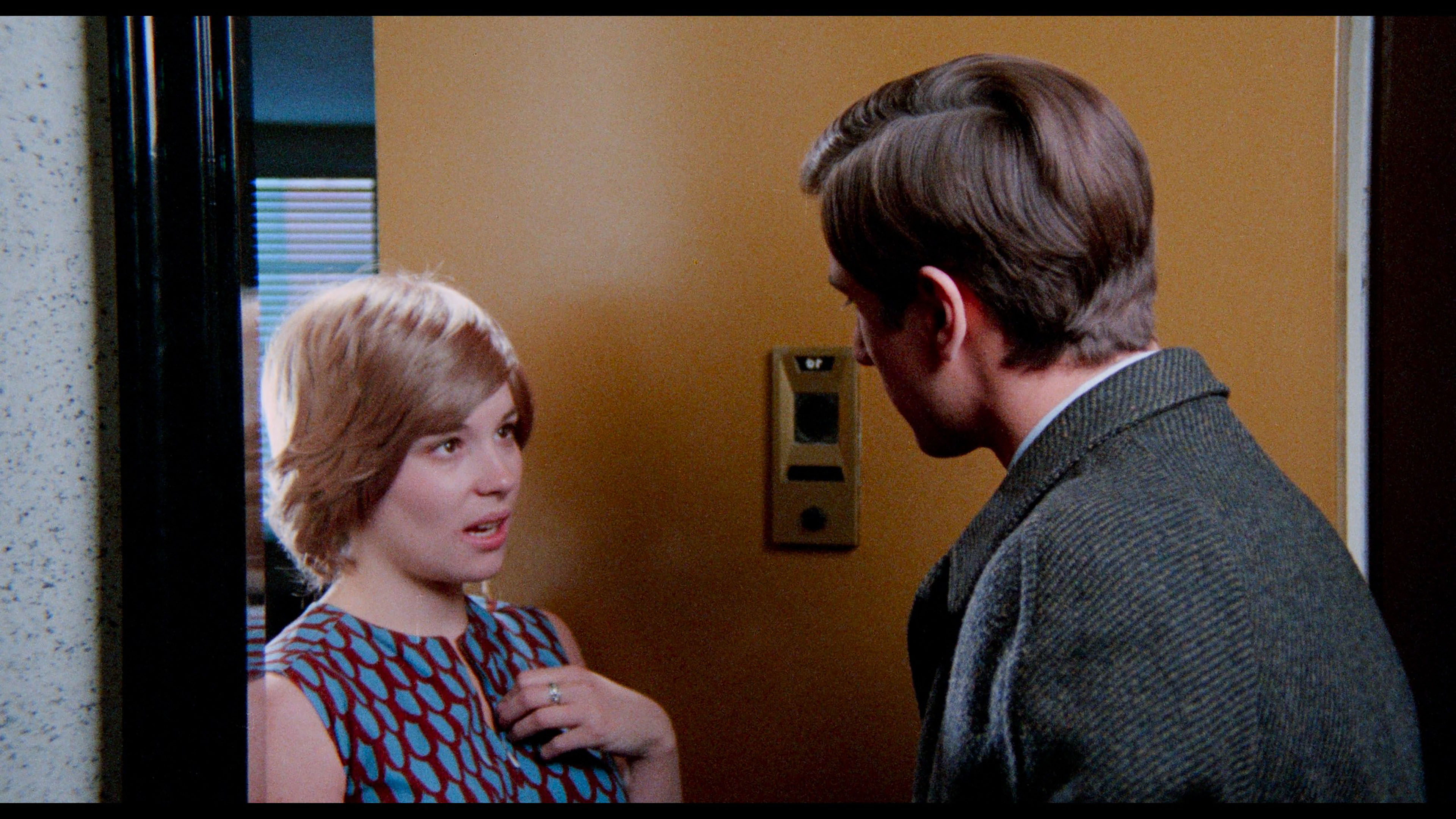
Radiance Films (UHD)
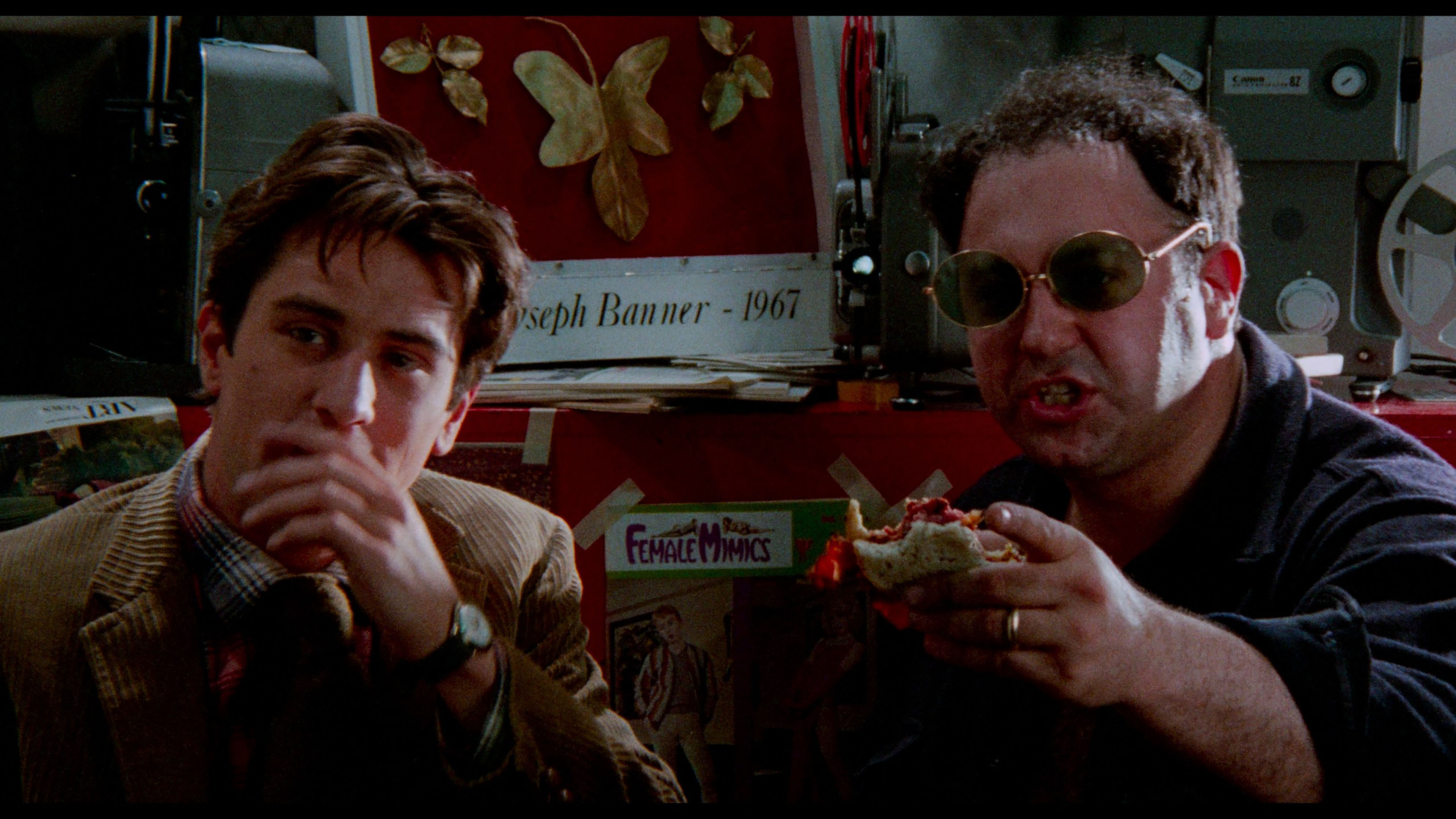
Arrow Video (Blu-ray)