
 internationally for his phantasmagoric The Saragossa Manuscript, Polish filmmaker Wojciech
  Has delivered several other notable genre works over the course of his career. Inspired by his own observations during occupied Poland in World War II, he adapted novel and other works by Bruno Schulz into 1973's The Hourglass Sanatorium (also screened as The Sandglass), which nabbed a Jury Prize at Cannes after he managed to slip a print out past authorities. A surrealist masterpiece that borders on horror several times, it's a dizzying and haunting experience with a rich, eerie setting unlike anything else in cinema.
  height of art house surrealist cinema for the masses when directors like Luis Buñuel, Raúl Ruiz, and Andrzej Zulawski were all working at the same time, this one still stands as a singular achievement with a visual surprise in every scene and a
  dreamlike flow that overrides anything resembling a conventional narrative. If anything it may be most akin to another film from the same year, Mario Bava's ill-fated Lisa and the Devil, with its shifting between humans and mannequins existing out of accepted time and space. Chances are no two viewers will interpret this one in quite the same way, but most should agree that it's a wild sensory experience with a truly haunting final scene.
  In 2023, Yellow Veil Pictures
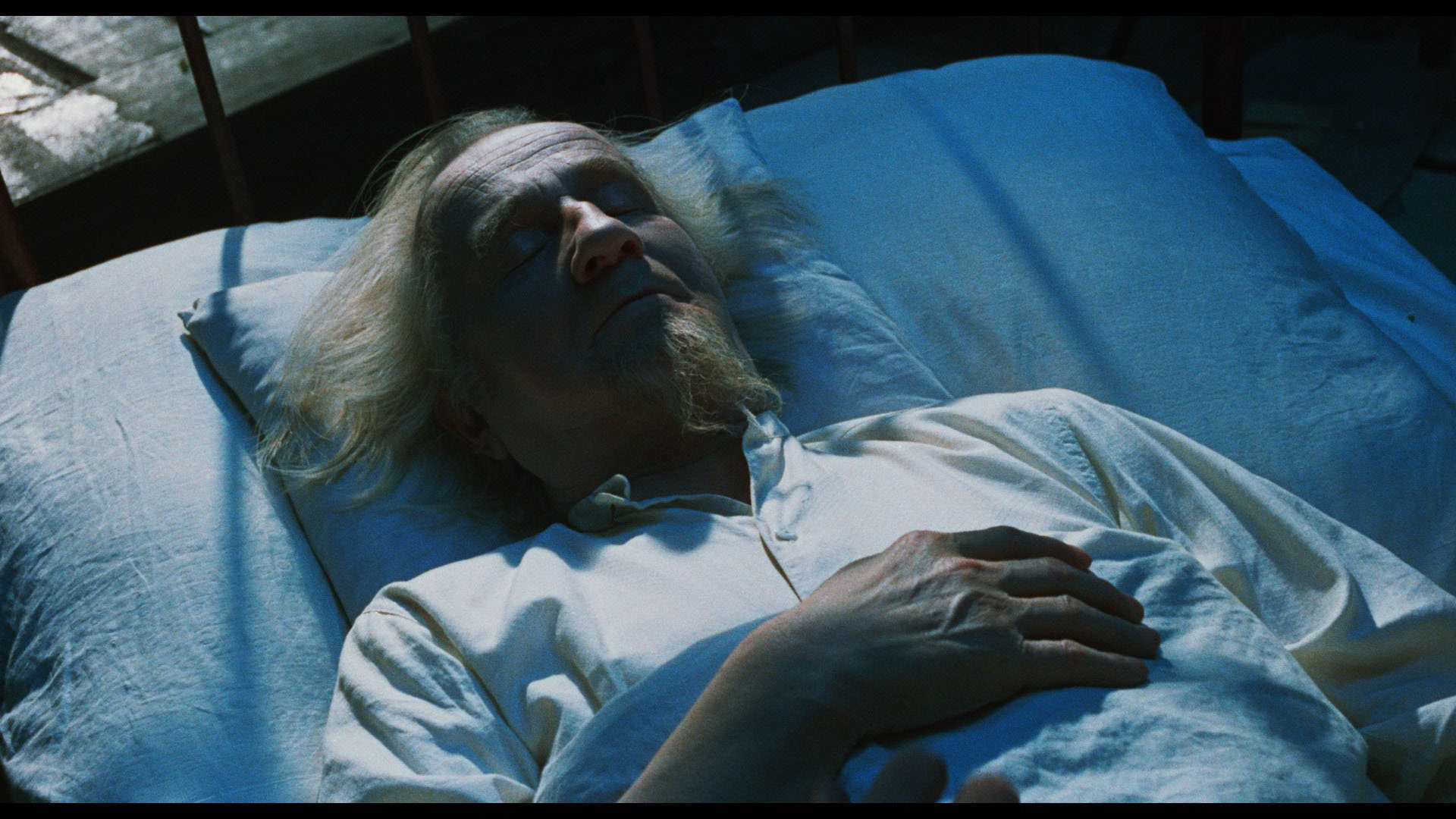
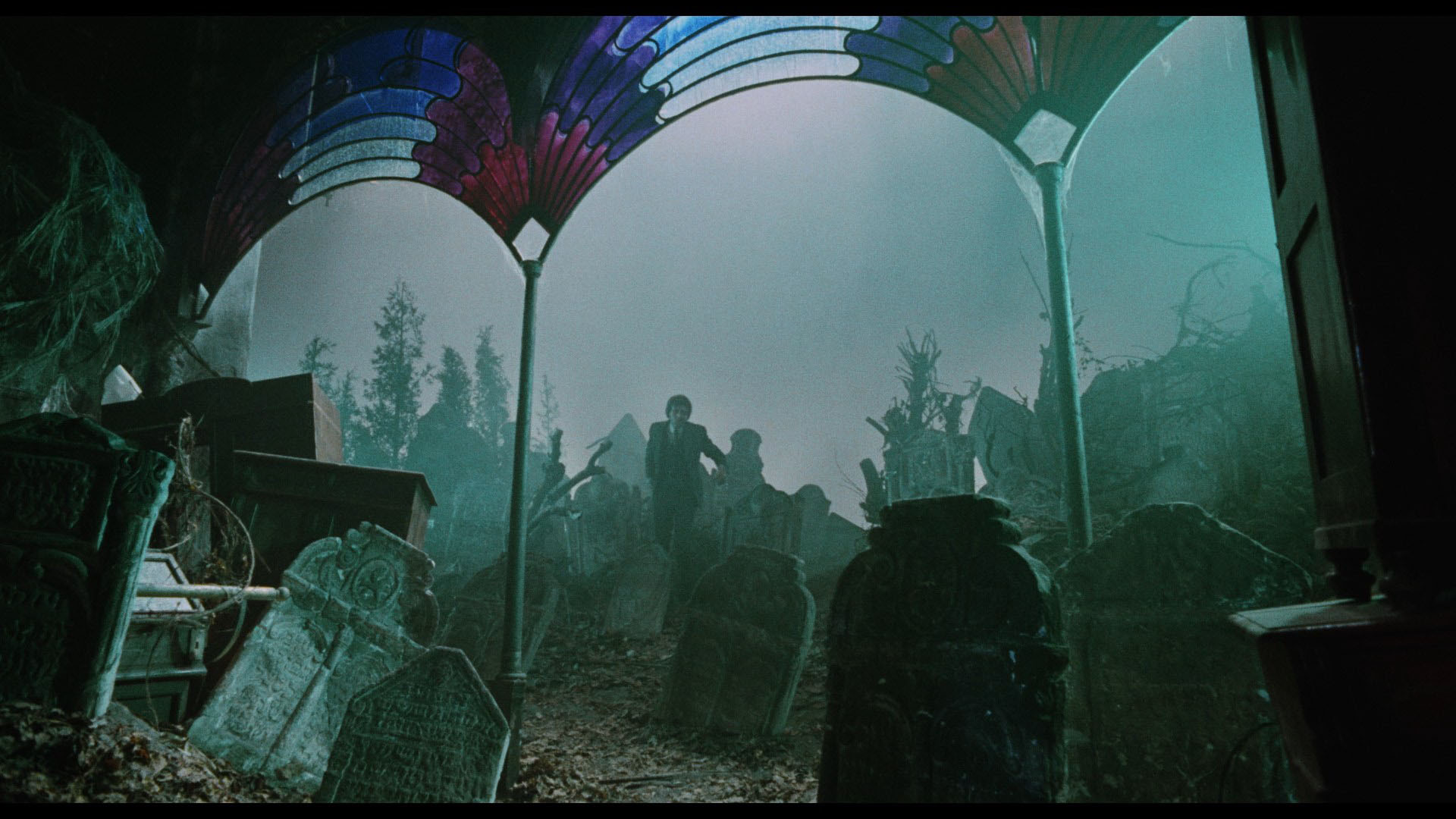
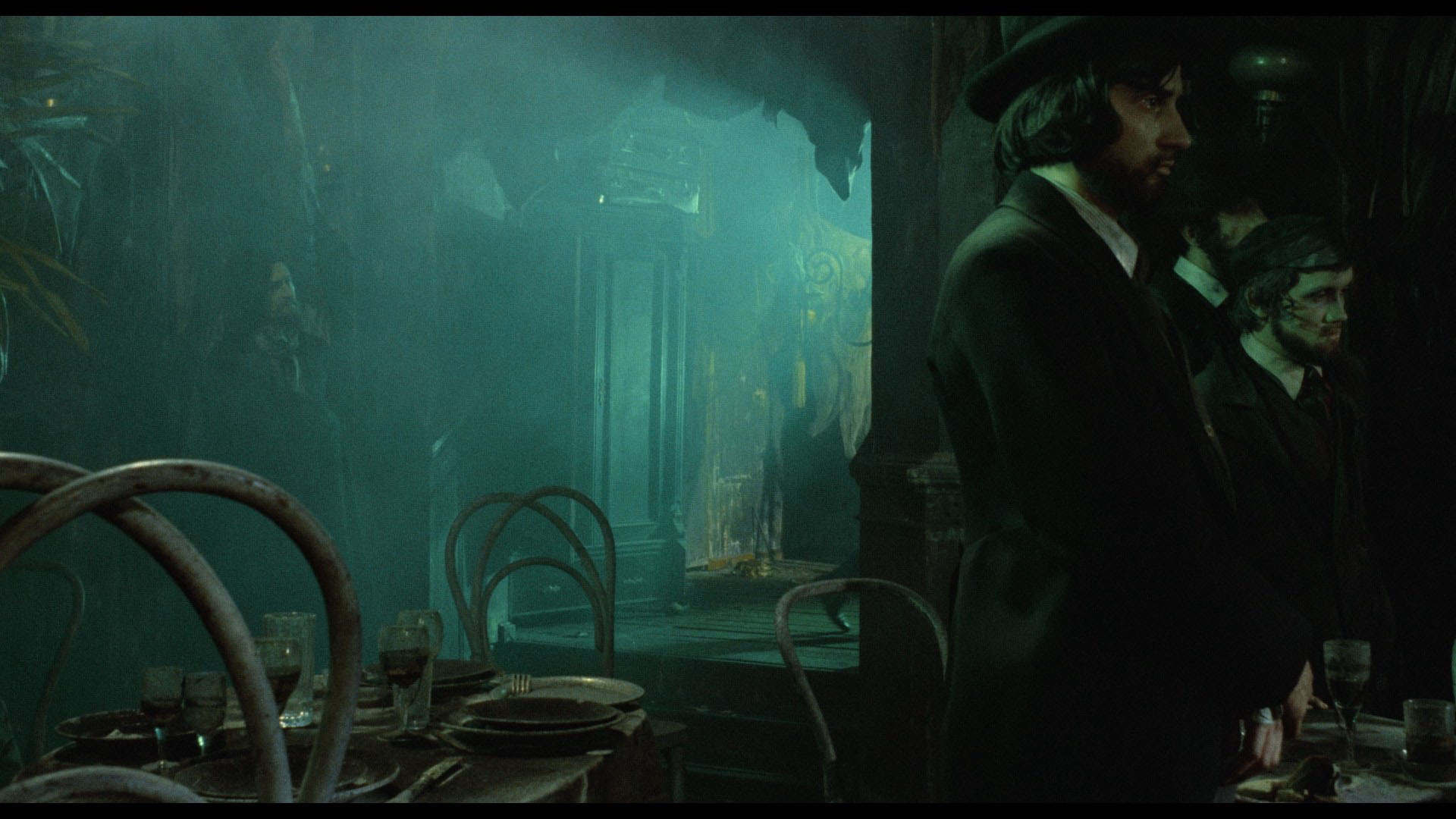
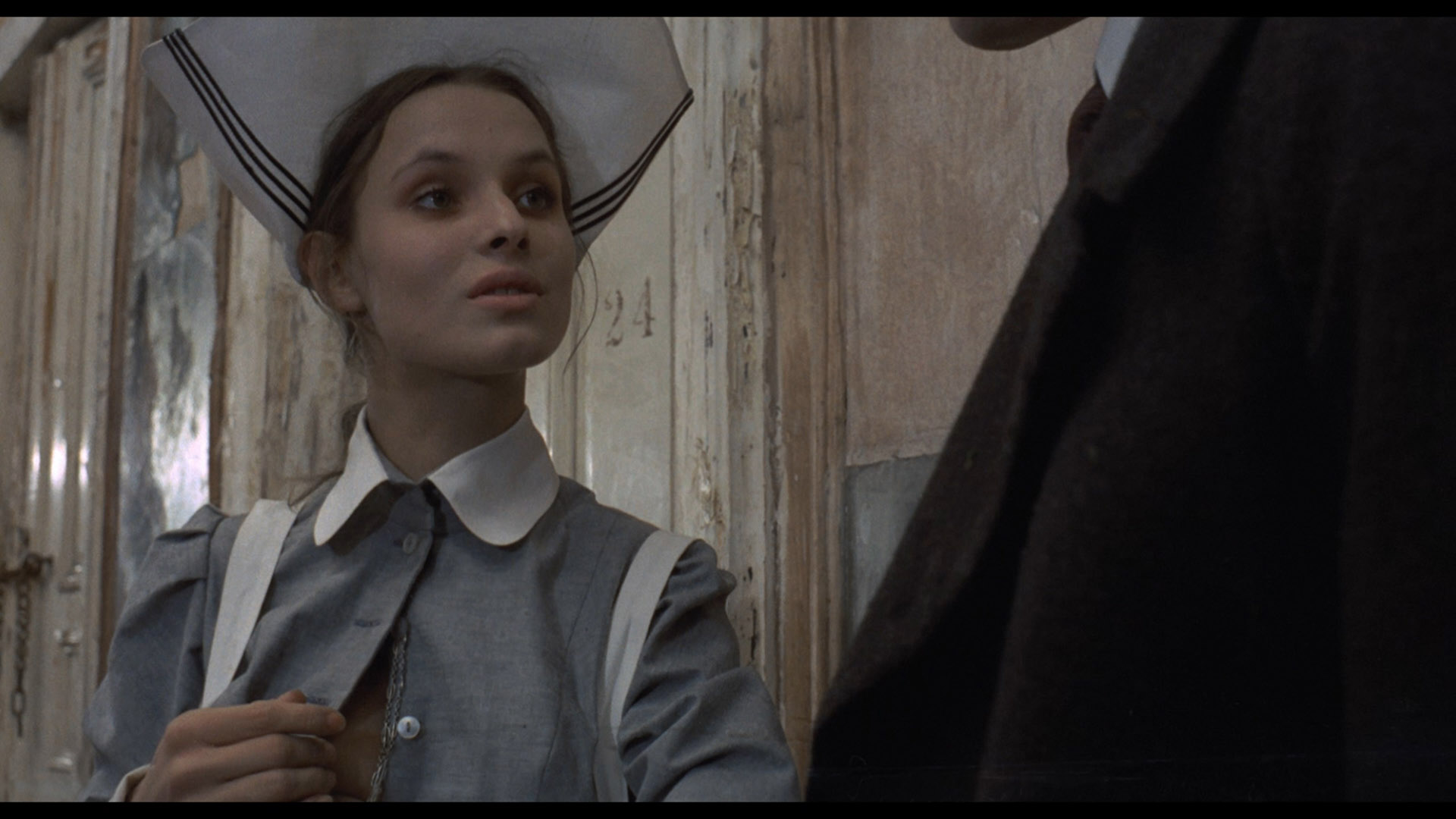
  gave The Hourglass Sanatorium its first official U.S. video release of any kind with a Blu-ray special edition available in limited slipcover or standard packaging. The presentation comes from the same restoration and looks like its predecessors, preserving the unusual color scheme of the film with an emphasis on muted grays, blues, and pale greens for the most part but bursting into vivid warm colors during some of the more fantastic moments. The DTS-HD MA Polish 2.0 mono track is in excellent shape and features optional English subtitles. The video extras include introduction notes (6m52s) and post-screening notes (9m47s) by film professor and Intimations: The Cinema of Wojciech Has author Annette Insdorf pointing out the more fascinating symbolic elements and recurring visual techniques that affect how we perceive and process the film. She also studies the use of time in the film, from the title itself through the multiple timelines at play on the screen. Also included is a video discussion with film critic Sebastian Smoliński (20m3s) exploring the film's use of imagination logic and deliberate artifice to construct its own cinematic world, as well as the place of this very tricky literary adaptation within the larger framework of Has' work. The disc also comes with an insert booklet featuring essays by Insdorf and Samm Deighan about the film's surreal imagery, elements of genre cinema, and unusual approach to the Jewish experience. The same disc was later included in Yellow Veil's three-film collection, Three by Wojciech J. Has along with The Saragossa Manuscript and How To Be Loved.
  In 2026, Radiance Films debuted the film on UHD as part of a two-disc limited edition set (with a Blu-ray) in the U.K. featuring a new restoration from the negative, with the former option featuring HDR10-compatible Dolby Vision. Not surprisingly, it looks quite different from the prior HD presentation with much deeper and richer blacks and, most significantly,
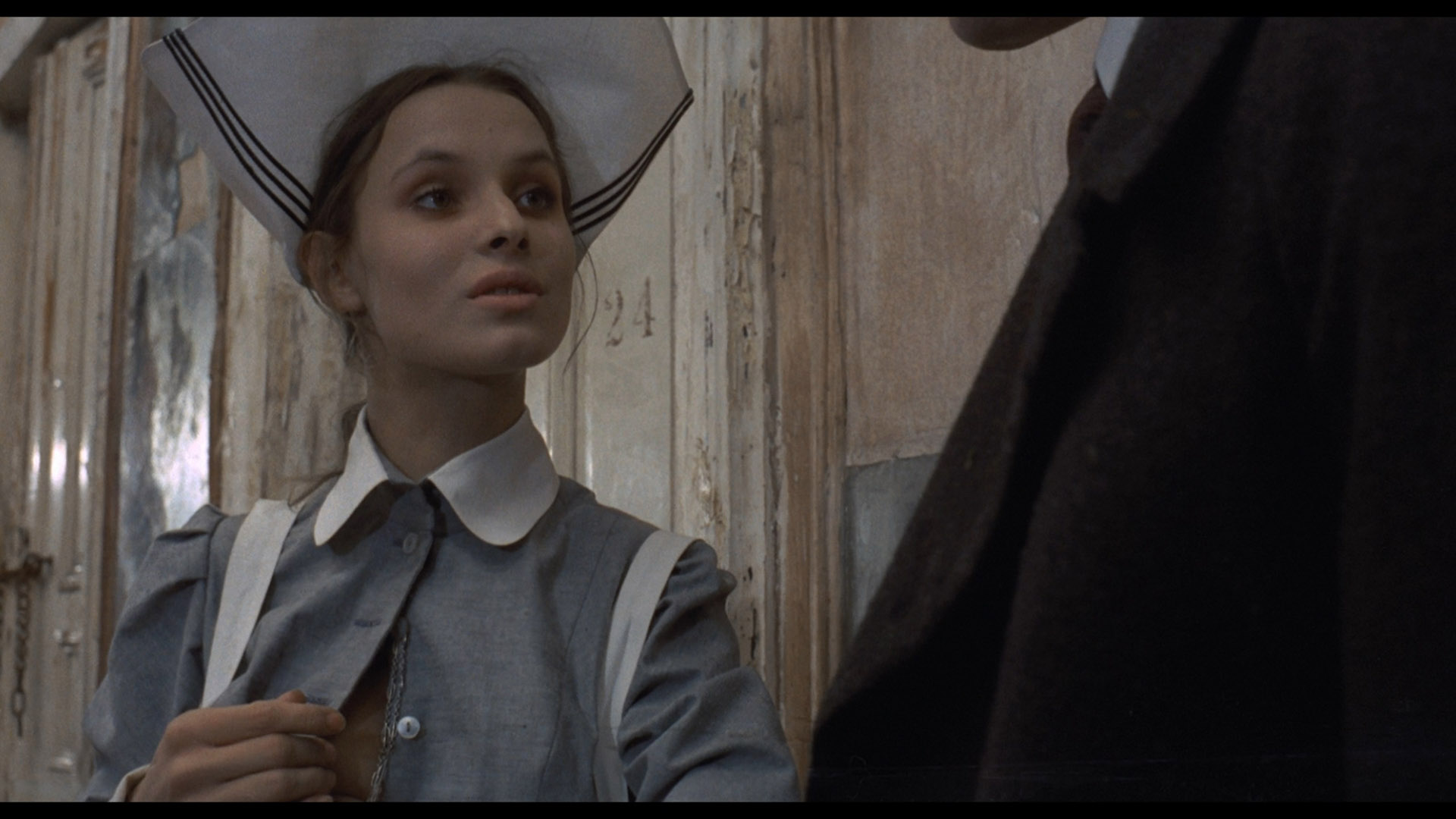
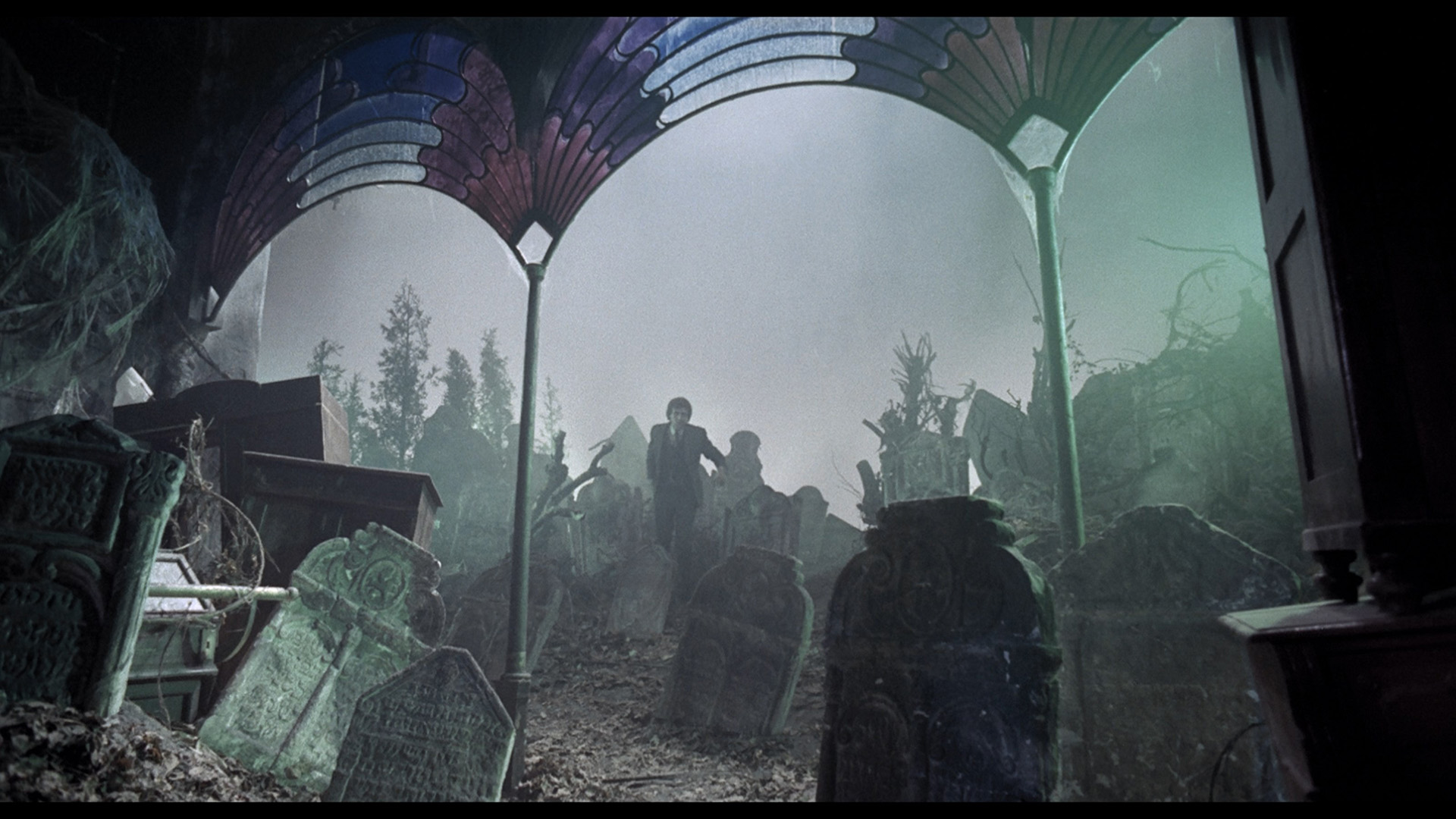
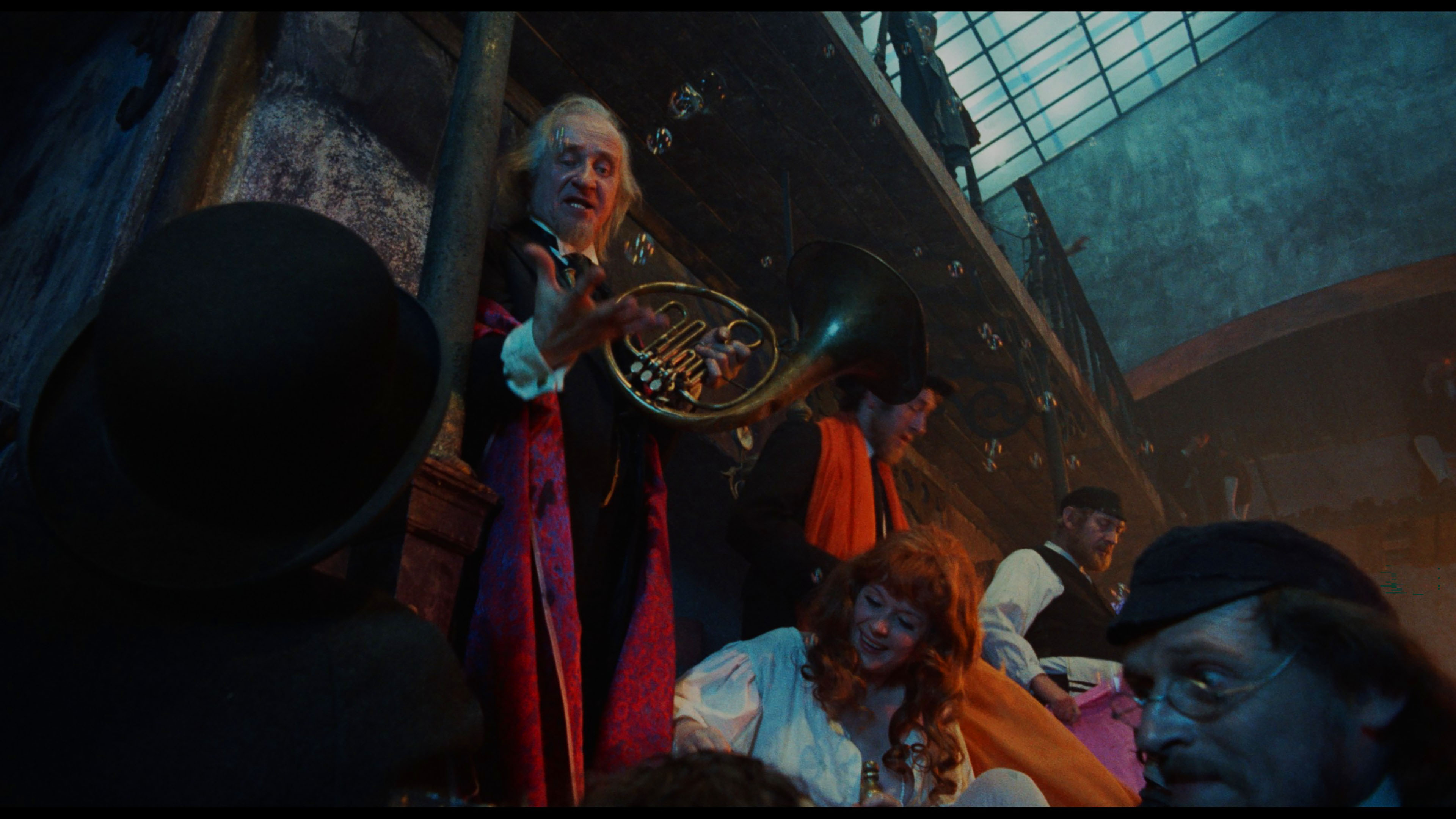
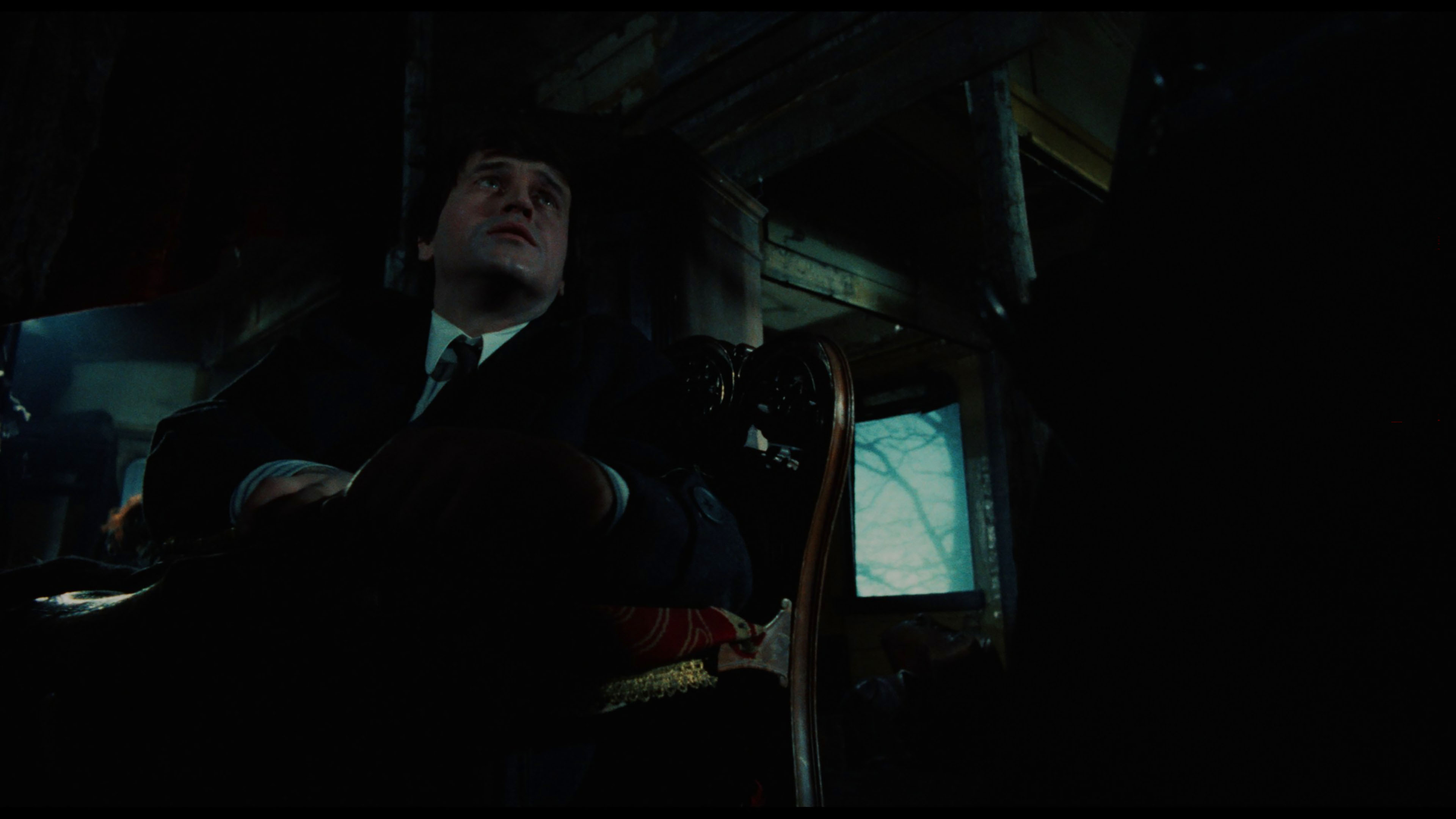
 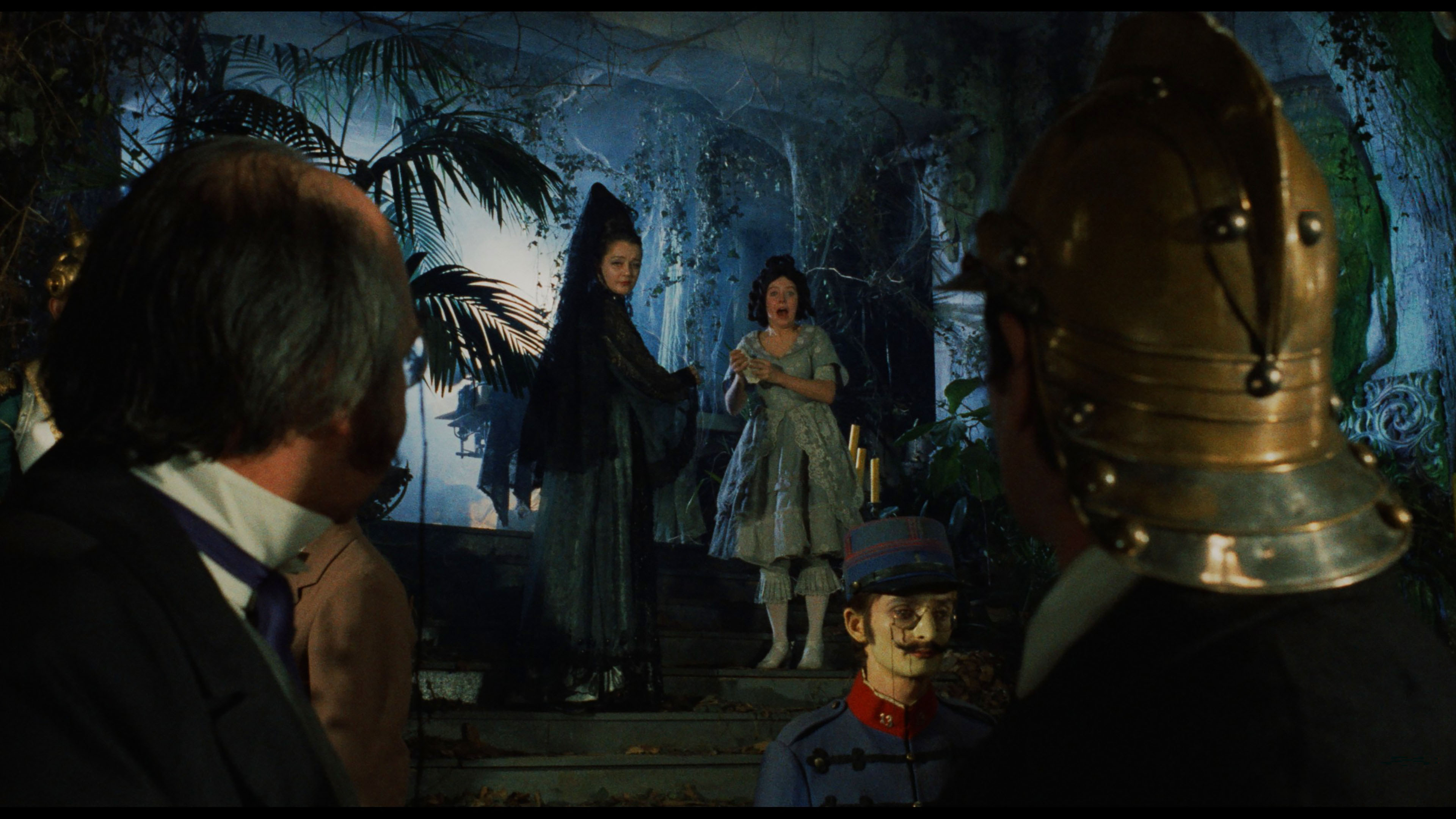 dramatically stronger colors. The oft-noted use of the color green for scenes indicating the presence of death is far more dramatic and obvious here (see comparisons below), and in motion it looks quite stunning with a great sense of depth throughout. The LPCM 1.0 Polish mono audio is also in pristine condition, with excellent optional improved English subtitles. A new audio commentary by Michael Brooke is more than up to his usual intensively researched standards, here serving as what will likely be a handy Rosetta Stone for many viewers trying to parse out the meaning of numerous scenes including comparisons to the source novel, Has' trademarks a a director, and the way it danced around possible issues with the Polish government. He also covers the actors, the political climate of the period, the subsequent very different adaptation of the novel with the Brothers Quay's Sanatorium Under the Sign of the Hourglass, and much more. A 1947 Has short, Accordion (12m8s), is a great example of the director's early work with a dialogue-free, bittersweet portrait of the young son of a shoemaker whose dream involving the titular instrument leads him to a pawn shop and one memorable night. Also included is a 1997 Polish TV interview for the show Cinematic Language with production designer Jerzy Skarzynski by filmmaker Jerzy Wójcik (15m1s) talking about working with Has including the conjuring of a fantastical version of bygone Spain for Saragossa. An insert booklet is also included featuring a new essay by Ela Bittencourt.
RADIANCE (UHD)
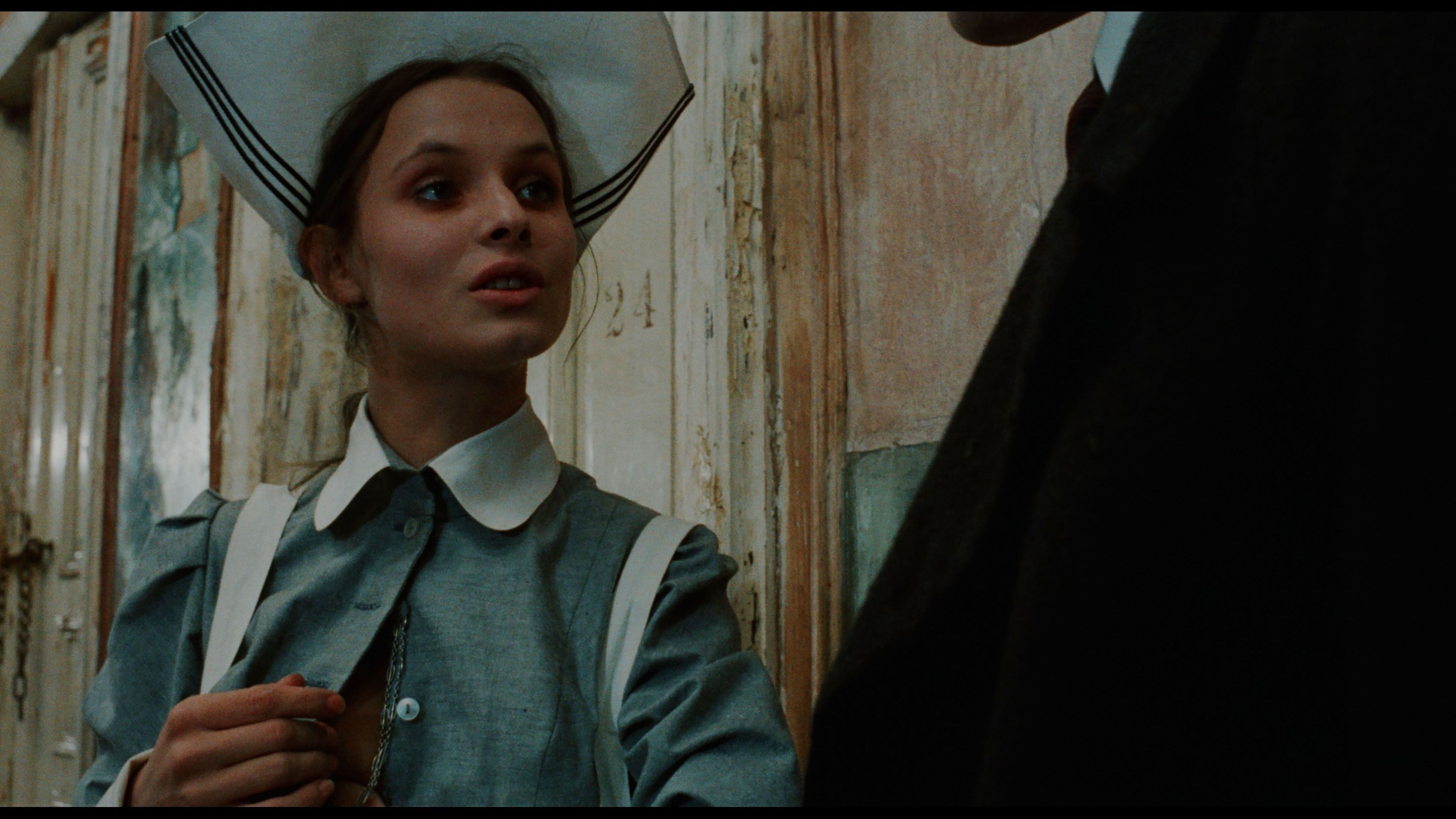
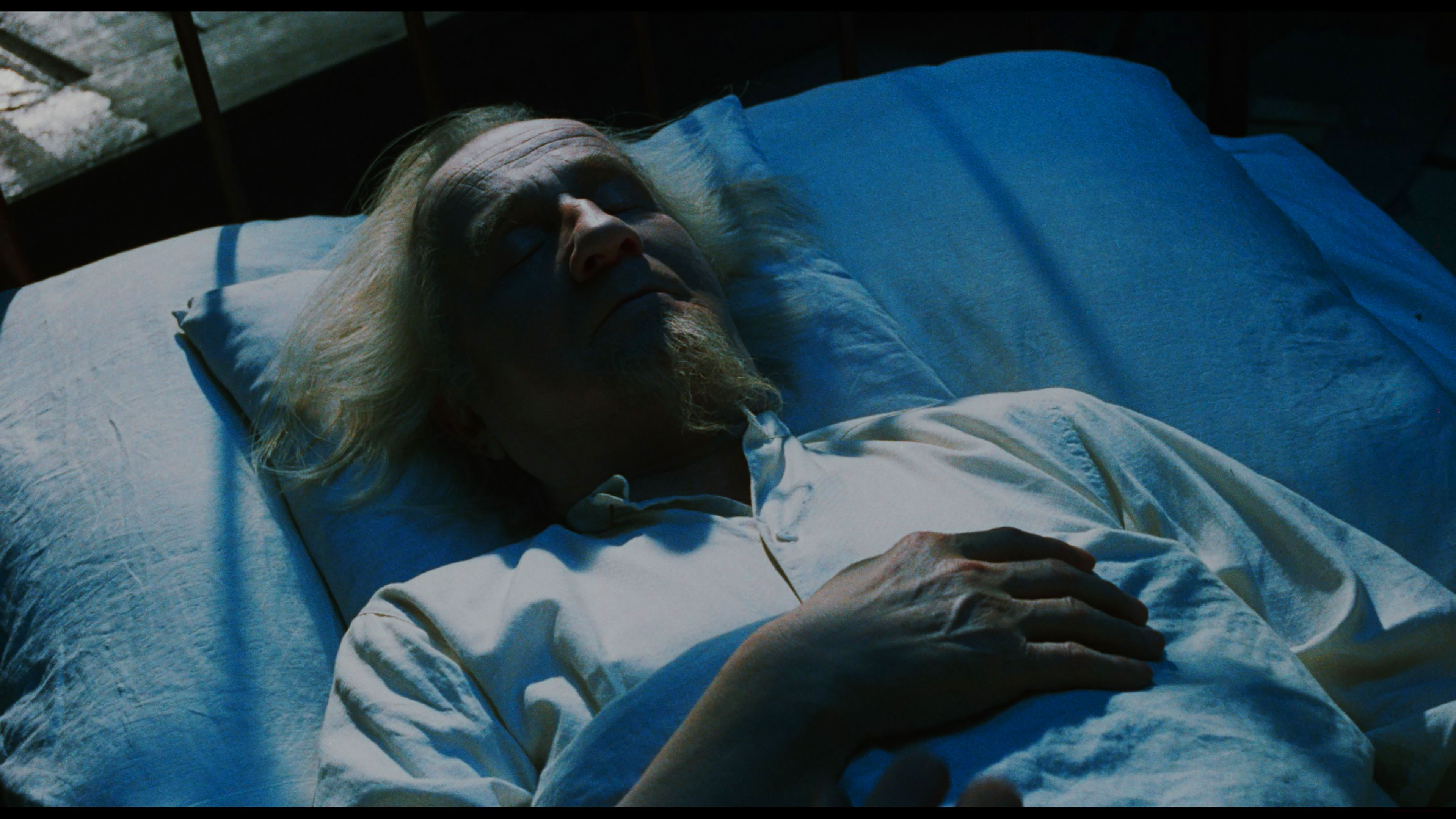
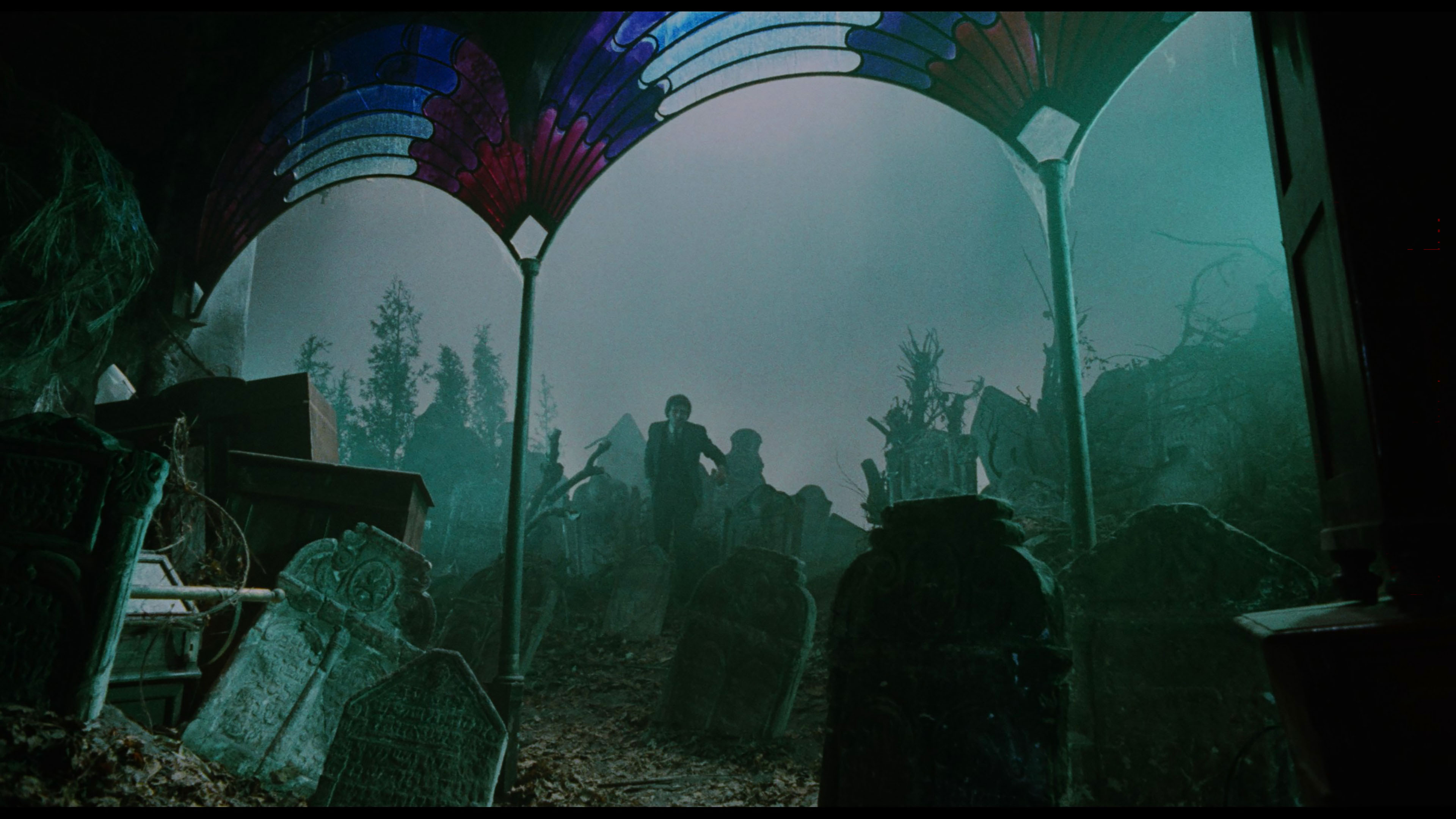
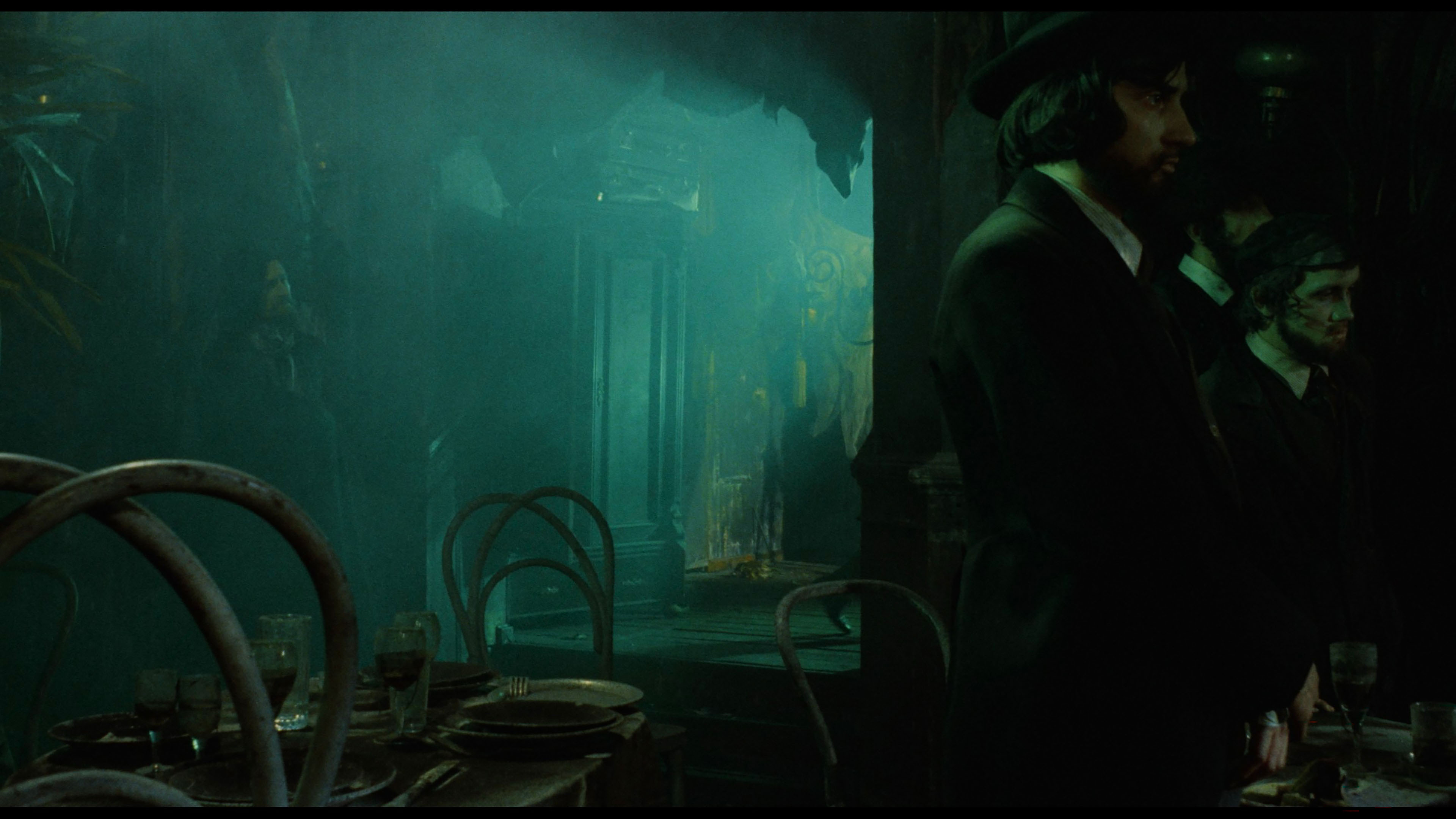
RADIANCE (Blu-ray)
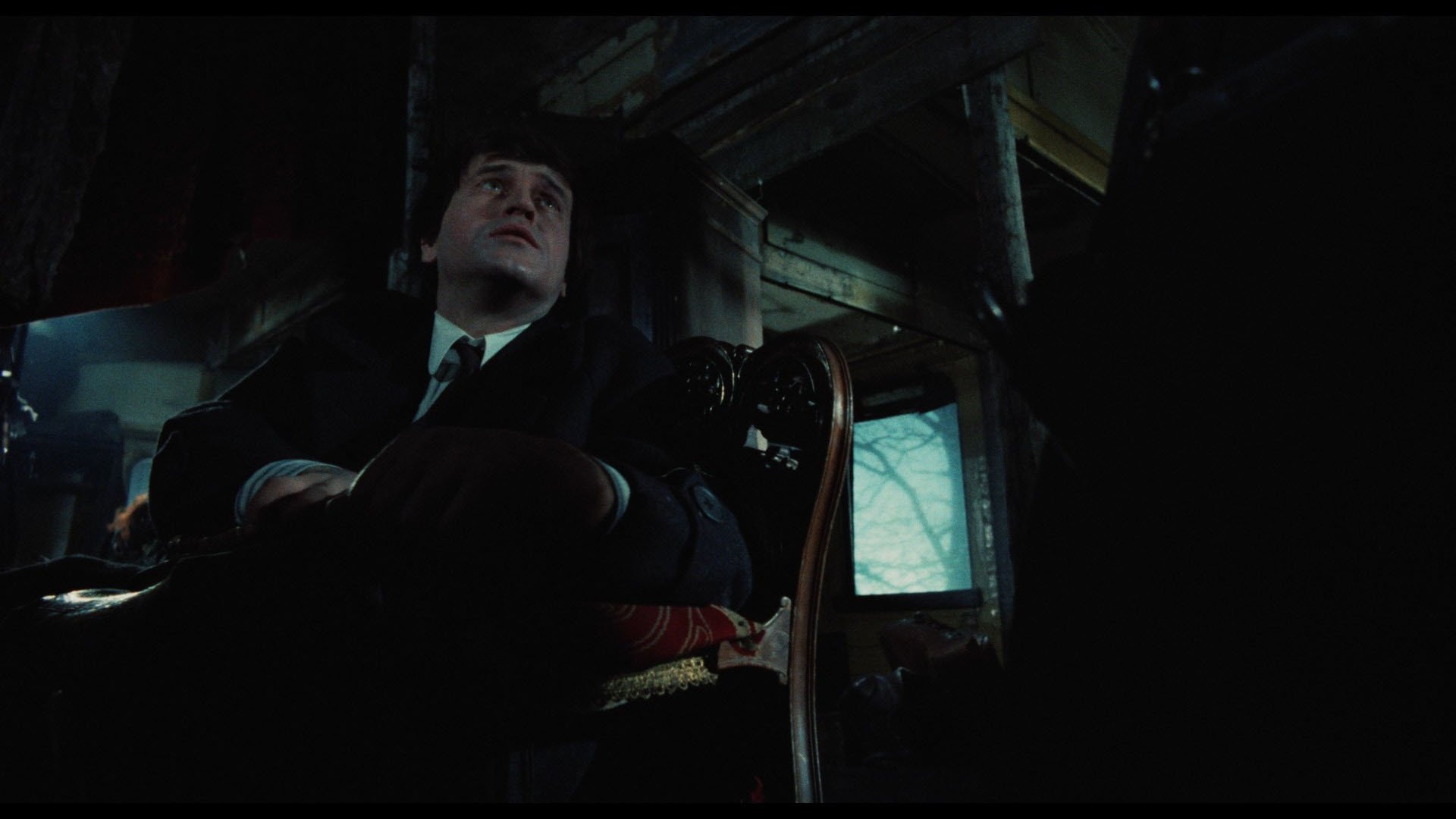
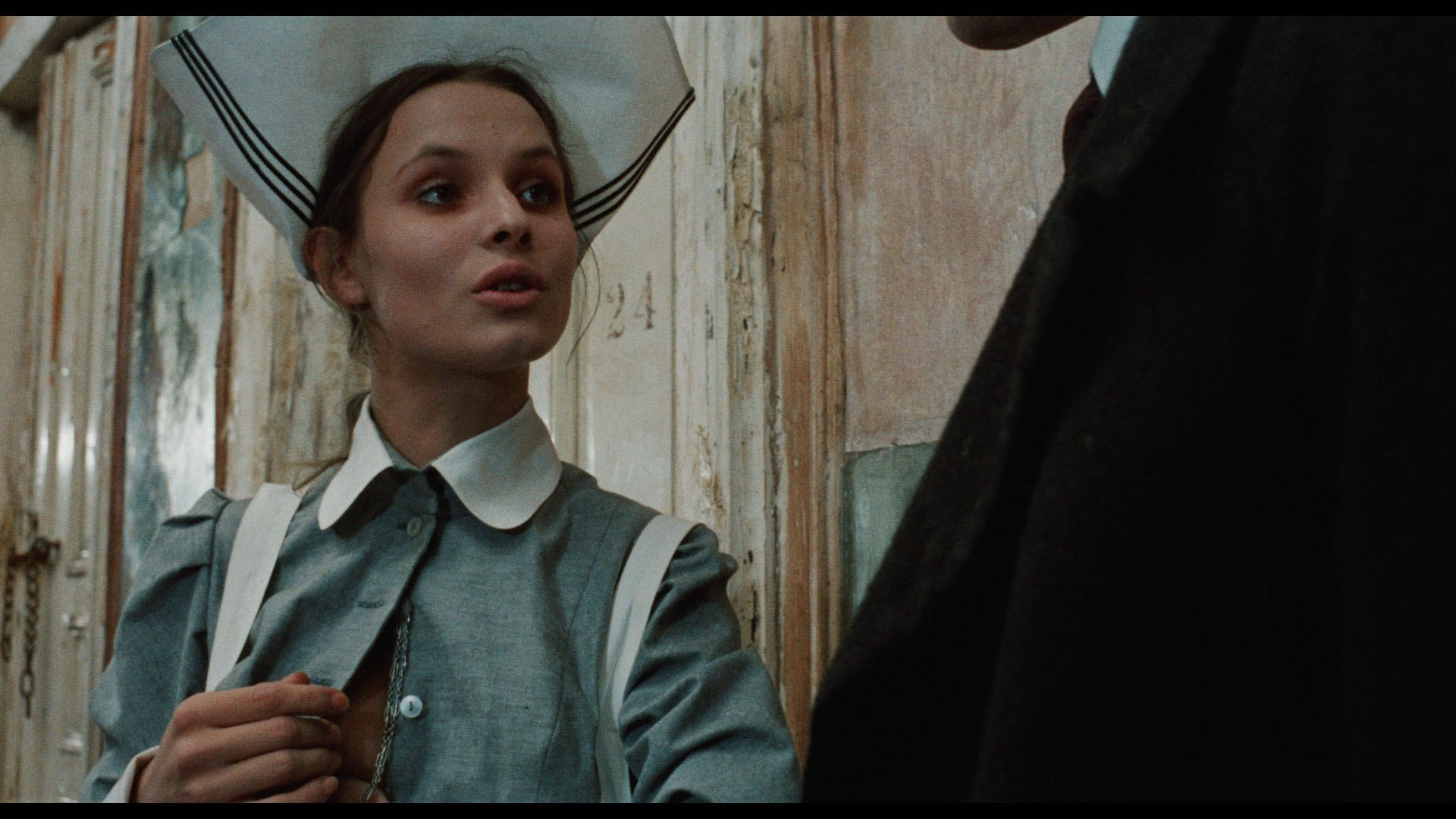
YELLOW VEIL (Blu-ray)



ZEBRA - KINO RP (Blu-ray)