B&W, 1948, 101 mins. 45 secs.
Directed by Otakar Vávra
Starring Karel Höger, Florence Marly, Eduard Linkers, Jirí Plachý, Natasa Tanská, František Smolík, Miroslav Homola
Deaf Crocodile (UHD & Blu-ray) (US R0/RA 4K/HD), Studio Hamburg Enterprises (Blu-ray & DVD) (Germany RB/R2 HD/PAL)
A unique fusion of atomic 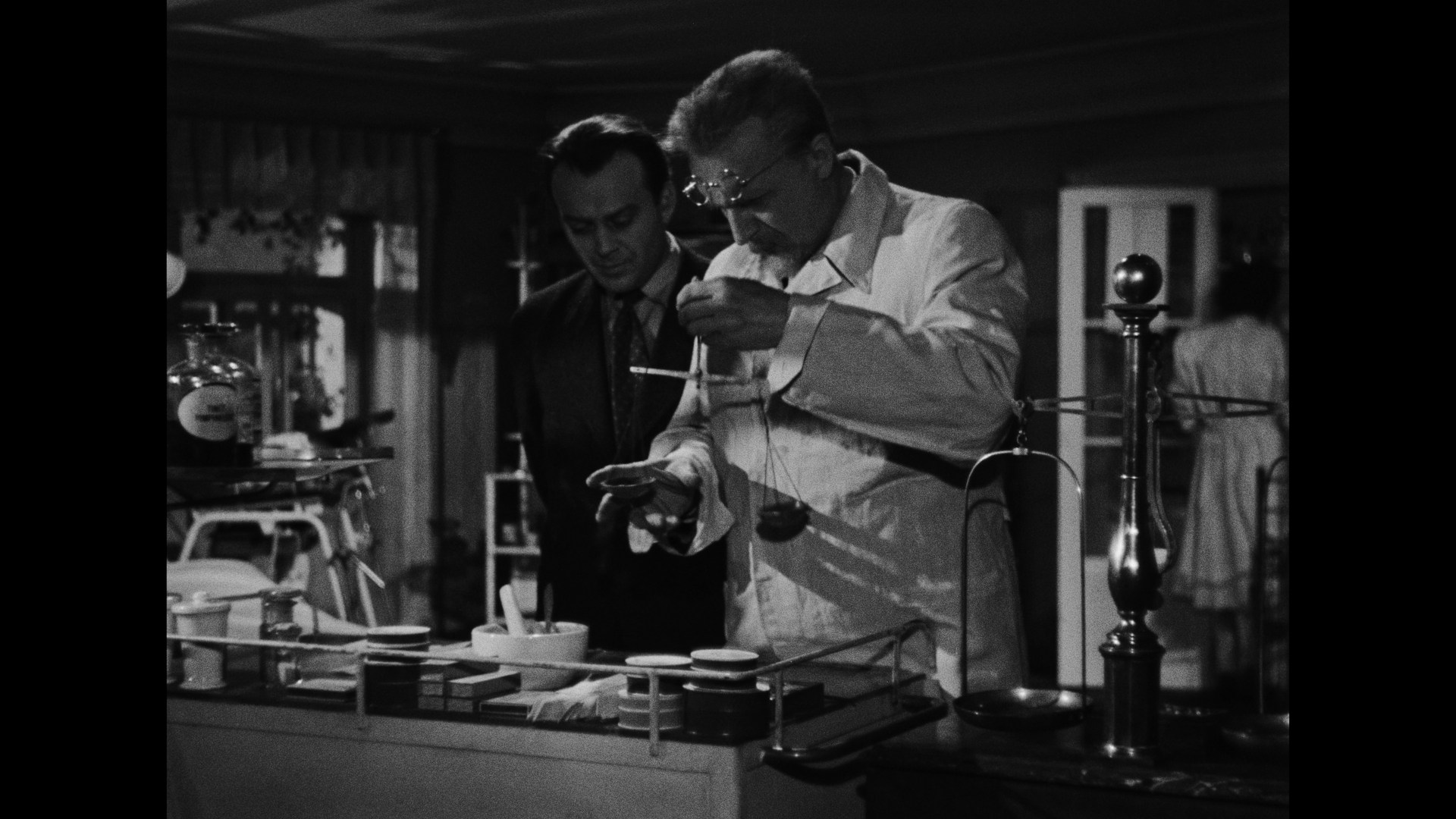 terrors in the wake of World War II and the film noir style that was defining
  crime cinema, the Czech production Krakatit is difficult to fully describe but fascinating to behold. Based on an esteemed 1922 novel by Karel Čapek, it's a film that feels like a throwback to an earlier age while also conjuring up nightmares that feel very much like a prophecy of what was to come.
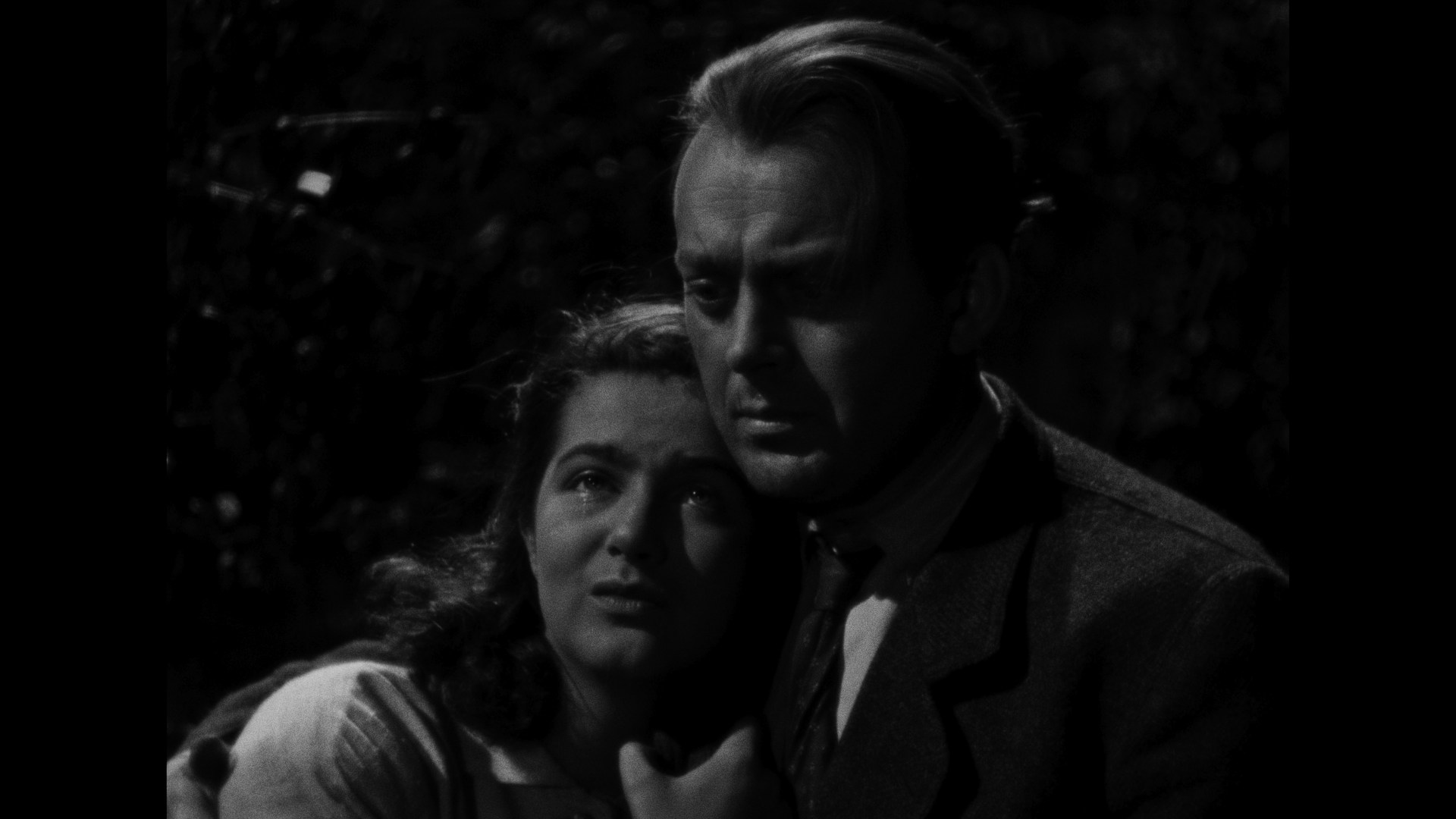
An opening bit of text informs the audience that what will unfold is a "feverish dream," here taking place in the mind of a man named Prokop (Höger) being treated in a medical facility with facial wounds and mutilated hands. Through flashbacks, possible flash forwards, and surreal transitions between the two, he encounters a classmate, Jiří (Homola), who has a keen interest in apparently stealing and selling off "Krakatit" (named after Krakatoa, an apt analogy), a powerful explosive capable of leveling an entire major city if applied correctly. The formula in Prokop's head becomes a keen source of fascinating for everyone he encounters, be it in a medical classroom filled with cardboard cutouts to a mysterious veiled woman eager to track down Jiří when he lies about taking off to see his father. Also involved is an international 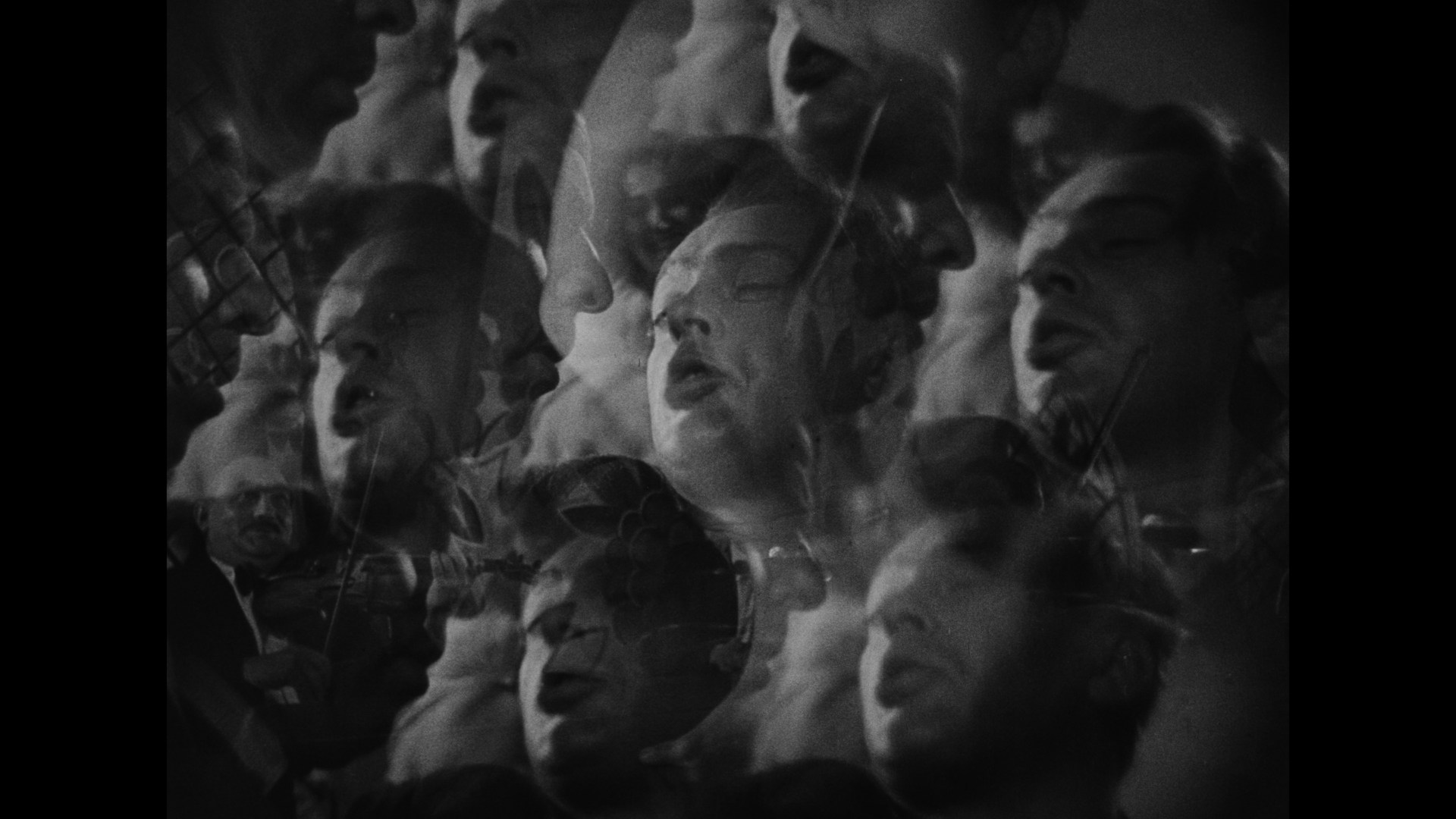 weapons conglomerate run a man named Carson (Linkers), with promises of marriage to the glamorous Princess
 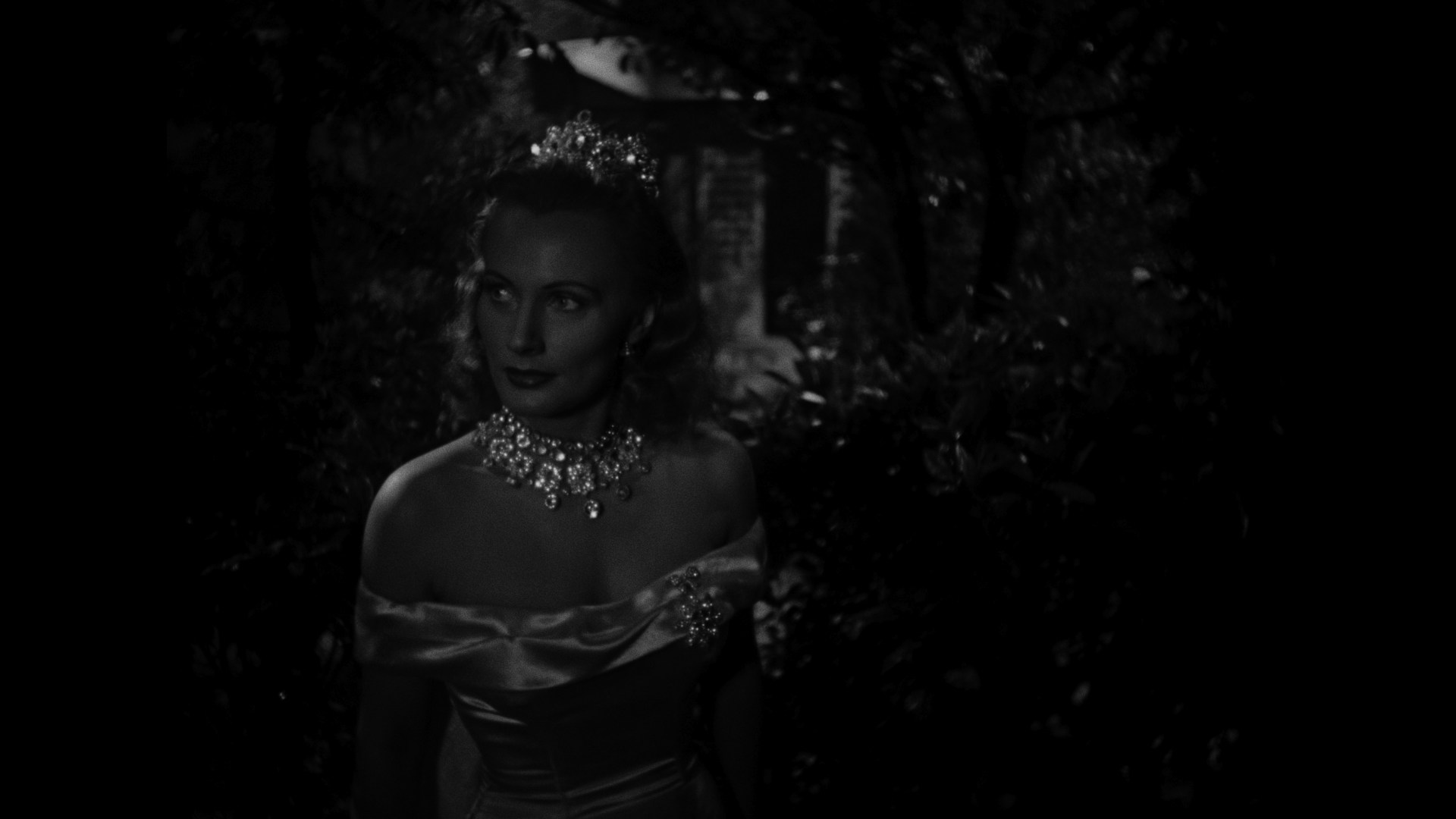 Wilhelmina (Queen of Blood's Marly) among the inducements to acquire this new weapon of mass destruction.
At least taken a scene at a time, Krakatit feels like a fairly straightforward film with linear dialogue scenes and a conspiracy plot that feels like it's putting together one puzzle piece at a time. However, it's when you try to put it all together that the real delirium of it kicks in on the way to a truly eerie, ambiguous ending that will leave you wondering about its possible real interpretations. There's no doubt that this is very much an anti-war tale, mixing stark and brutal modern architecture (largely through some great matte work) and nostalgic elegance to create an atmosphere you can never quite pin down. The uncanny touches are just the icing on top, including characters disappearing or morphing into statues or our protagonist suddenly transporting through time and locale simply by walking up to a window. Buñuel would have probably loved this, and you can also see how it foreshadows later films like Open Your Eyes, Short Night of Glass Dolls, and multiple David Lynch films.
Released internationally including a limited 1951 U.S. run from specialty outfit Artkino Pictures, Krakatit was impossible to see in decent condition after that for decades until a full 2016 restoration was undertaken by the Národní filmový archiv (NFA) in Prague. That was the source used for a very brief, scarce German Blu-ray and DVD release in 2018, which wasn't English-friendly. In 2026, Deaf Crocodile debuted the film on UHD and Blu-ray as a limited 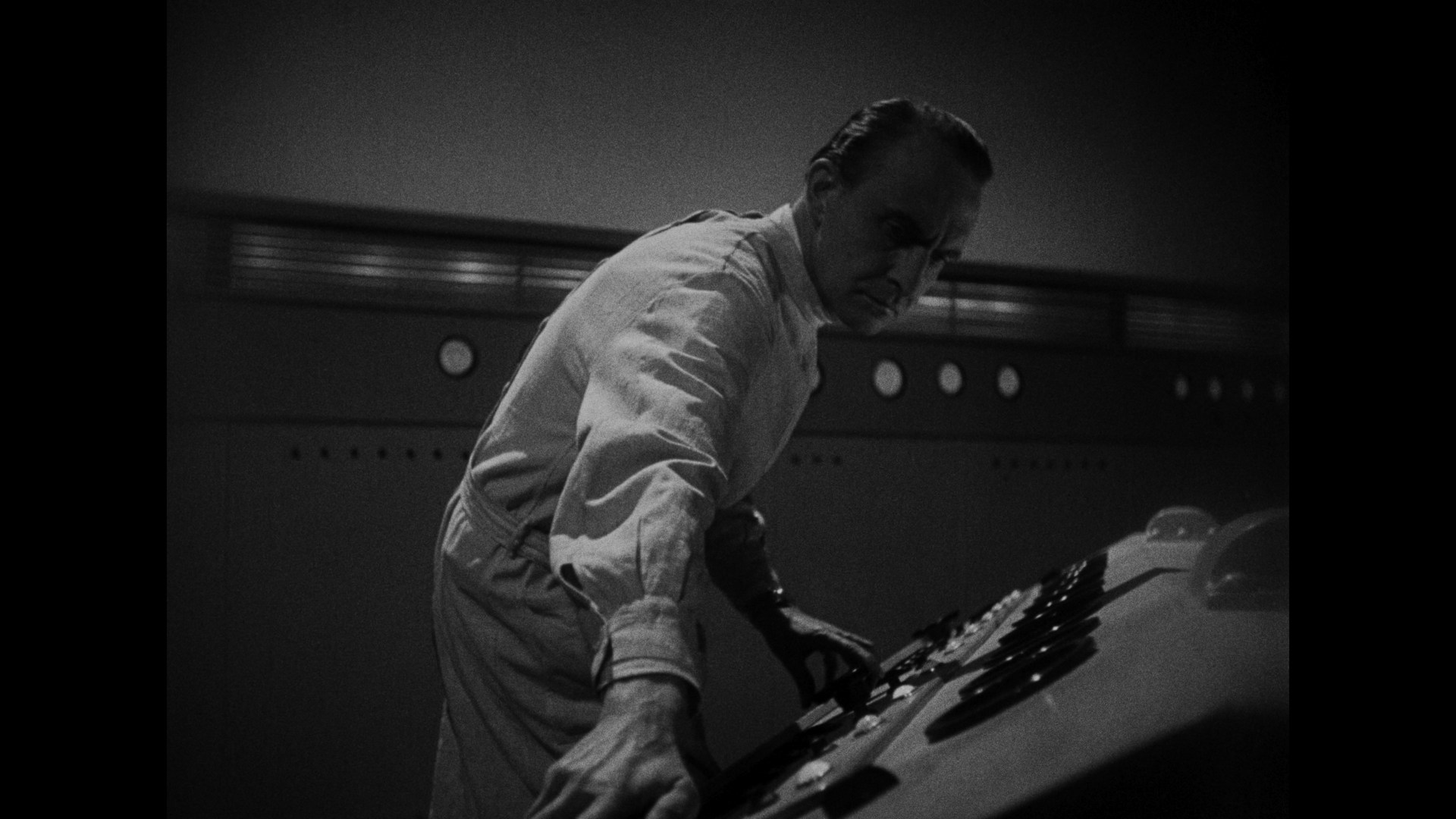 edition deluxe set,
 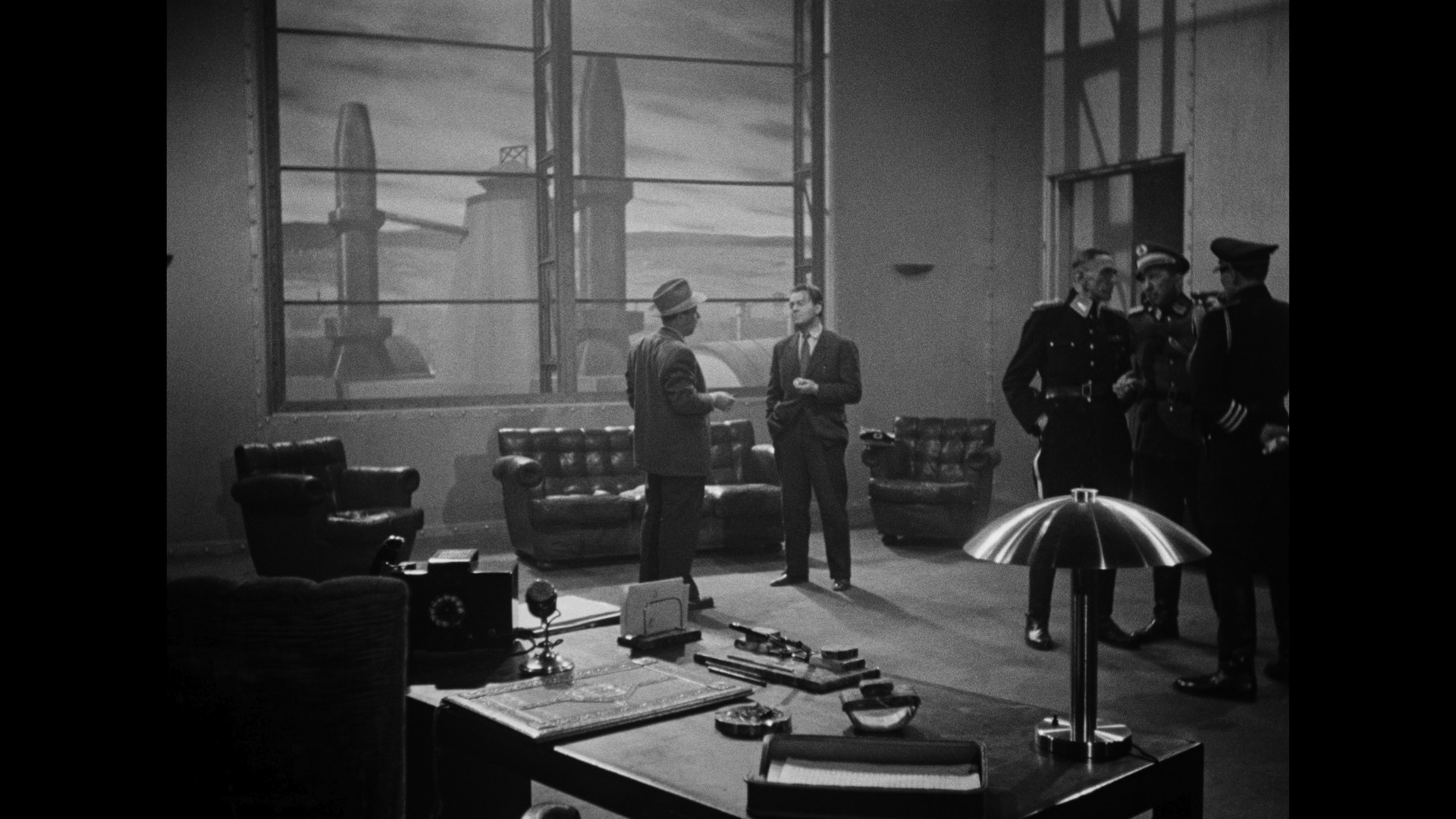 presenting the restoration for the first time in the U.S. with the Comeback Company. The film looks flawless here with fine grain, excellent detail, and a silvery, rich look that makes it a real treat for the eyes. The DTS-HD MA Czech 2.0 mono audio sounds pristine as well and comes with excellent optional English subtitles. A new audio commentary by film historian Peter Hames and Czech film expert Irena Kovarova focuses largely on director Otakar Vávra including his love of movies and his influence at the time, as well as the background of other key players, the development and awareness of noir at the time, and comparisons to the source novel. In "Krakatit: Moral Vertigo in the Nuclear Age" (18m46s), film critic Clayton Dillard surveys the rise of nuclear-themed thrillers and sci-fi films from this period and over the next decade, the anxieties that made this ideal to adapt at that point in time, and the visual language that ties this in with the sense of encroaching peril. Finally an interview with the NFA's Tereza Frodlová (48m37s) via Zoom with Deaf Crocodile's Dennis Bartok covers the challenges and process of restoring the film, the state of postwar Czech films, the background needed to get into restoration work, and the importance of preserving films like this for future generations. The limited edition features a slipcase design by Richard Cox (in addition to the original sleeve art by Beth Morris) and comes with a 60-page illustrated book with two untitled essays: in the first, Walter Chaw examines the film's sense of nuclear panic and its subjective treatment of madness, and in the second, Jonathan Owen looks at the director's relationship to authoritative power and the backgrounds of the book, star, and theatrical release, as well as a thematic reading of where it all ultimately leads.
Reviewed on March 8, 2026
