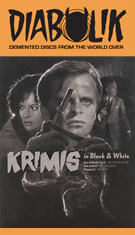
THE INDIAN SCARF (DAS INDISCHE TUCH)
B&W, 1963, 86 mins. 30 secs.
Directed by Alfred Vohrer
Starring Heinz Drache, Corny Collins, Klaus Kinski, Elisabeth Flickenschildt, Hans Clarin, Eddi Arent, Gisela Uhlen, Siegfried Schürenberg, Hans Nielsen, Richard Häussler, Alexander Engel, Ady Berber
THE SQUEAKER (DER ZINKER)
B&W, 1963, 88 mins. 48 secs.
Directed by Alfred Vohrer
Starring
Heinz Drache, Barbara Rütting, Günter Pfitzmann, Klaus Kinski, Jan Hendriks, Inge Langden, Eddi Arent, Agnes Windeck, Siegfried Schürenberg
ROOM 13 (ZIMMER 13)
B&W, 1964, 89 mins. 12 secs.
Directed by Harald Reinl
Starring Joachim Fuchsberger, Karin Dor, Richard Häussler, Walter Rilla, Siegfried Schürenberg, Kai Fischer, Eddi Arent, Hans Clarin
Vinegar Syndrome (Blu-ray) (US RA HD), Leonine / UFA (Blu-ray & DVD) (Germany RB/R2 HD/PAL) / WS (2.35:1) (16:9)
A major 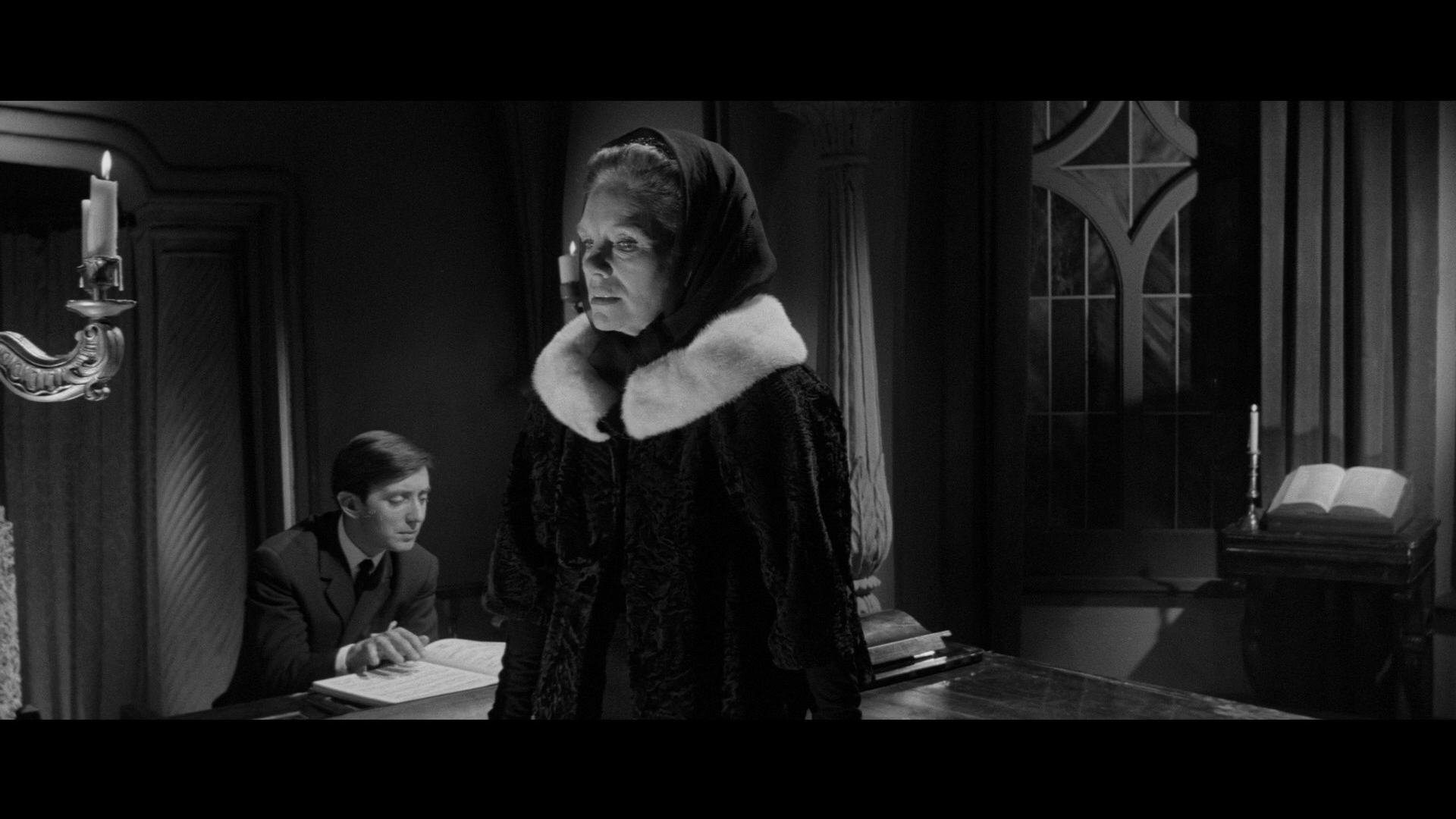 commercial shot in the arm for postwar West Germany, a wildly popular string of thrillers based (more or less) on novels by
 British writer Edgar Wallace kicked into gear in 1959 and continued into the early 1970s. Though he died in 1932, Wallace's work had been adapted numerous times during the sound era by that point-- but the German-language productions from the Preben Philipsen's Rialto Film and producer Horst Wendlandt were an exciting new blend of scares, laughs, and titillation with an endearing slate of repertory players turning up over and over again. The films formed the cornerstone of what became termed overseas as the Krimi film, taking its name from the generic German name for thrillers in the same fashion as the later giallo (which the Krimi intersected with multiple times near the end of its run). The Wallace films have been bootlegged numerous times in the U.S. over the years, but official, high-quality releases have been few and far between with the first one on Blu-ray, The Secret of the Red Orchid, appearing in Severin Films' 2022 set, The Eurocrypt of Christopher Lee Collection 2. All of the Wallaces were released in uncut editions on German DVD and later Blu-ray, the majority featuring English dubs and often very insufficient English dubtitles, but the gates didn't really open stateside until 2026 with Vinegar Syndrome's two-disc Blu-ray set, Krimis in Black & White. All of them come from the peak middle period when the films were being shot in anamorphic widescreen with striking color main title sequences to go with that immortal opening welcome, "Hallo, hier spricht Edgar Wallace" ("Hello, this is Edgar Wallace speaking"). On top of that you get
 some of the best cast combinations, ingenious horror-flavored whodunit plots, and stylish direction from two of the
 series' maestros.
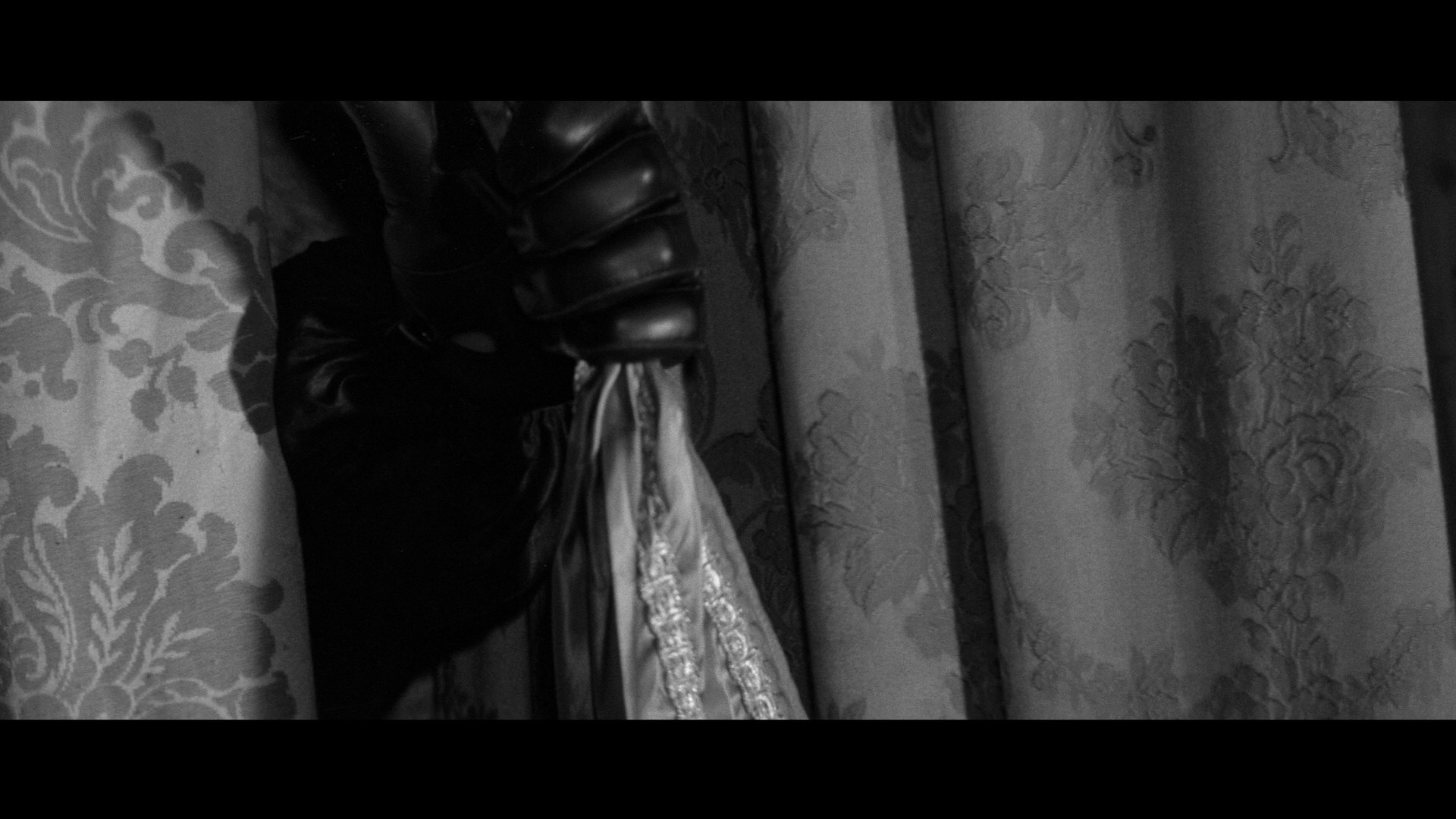
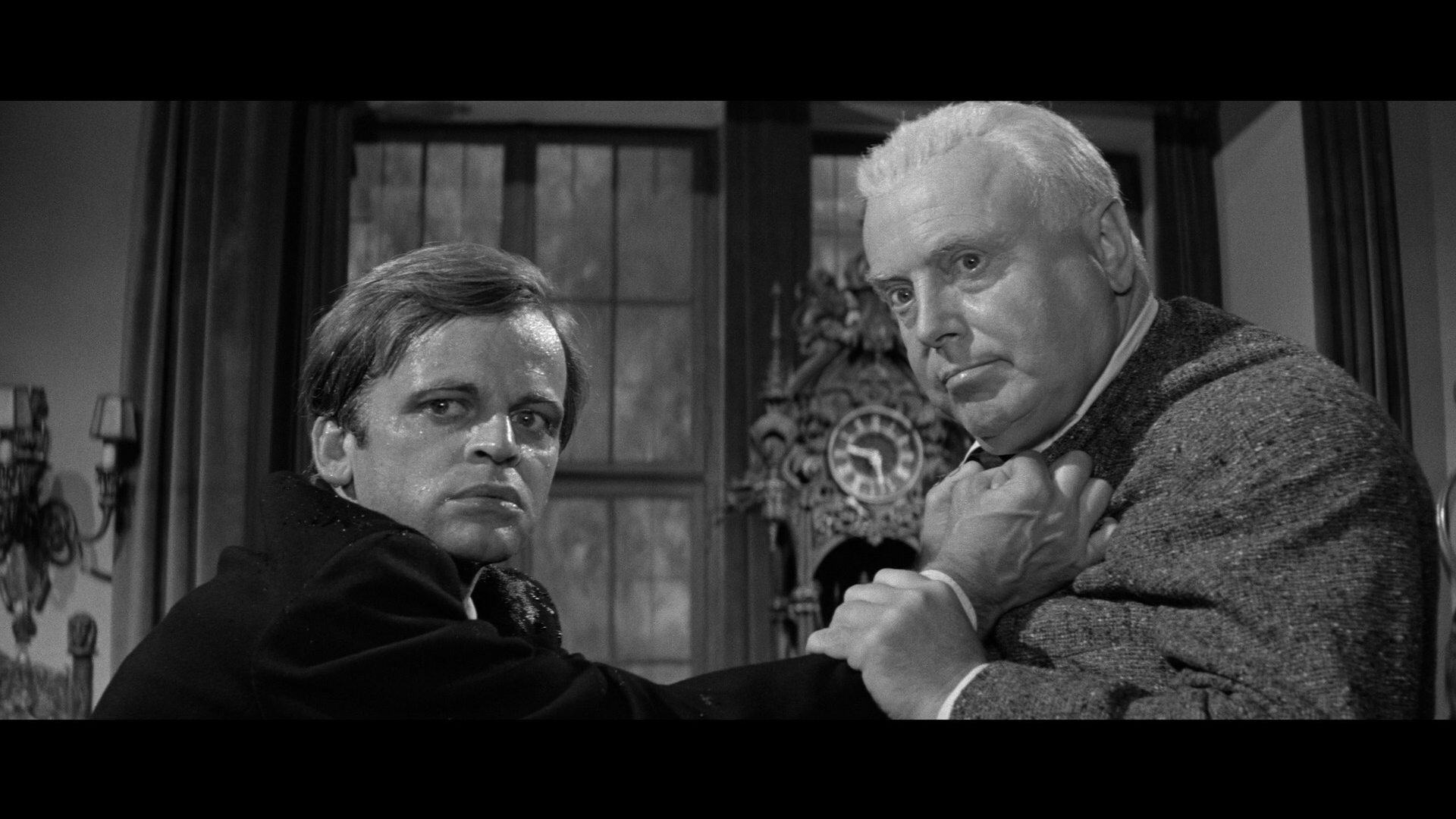
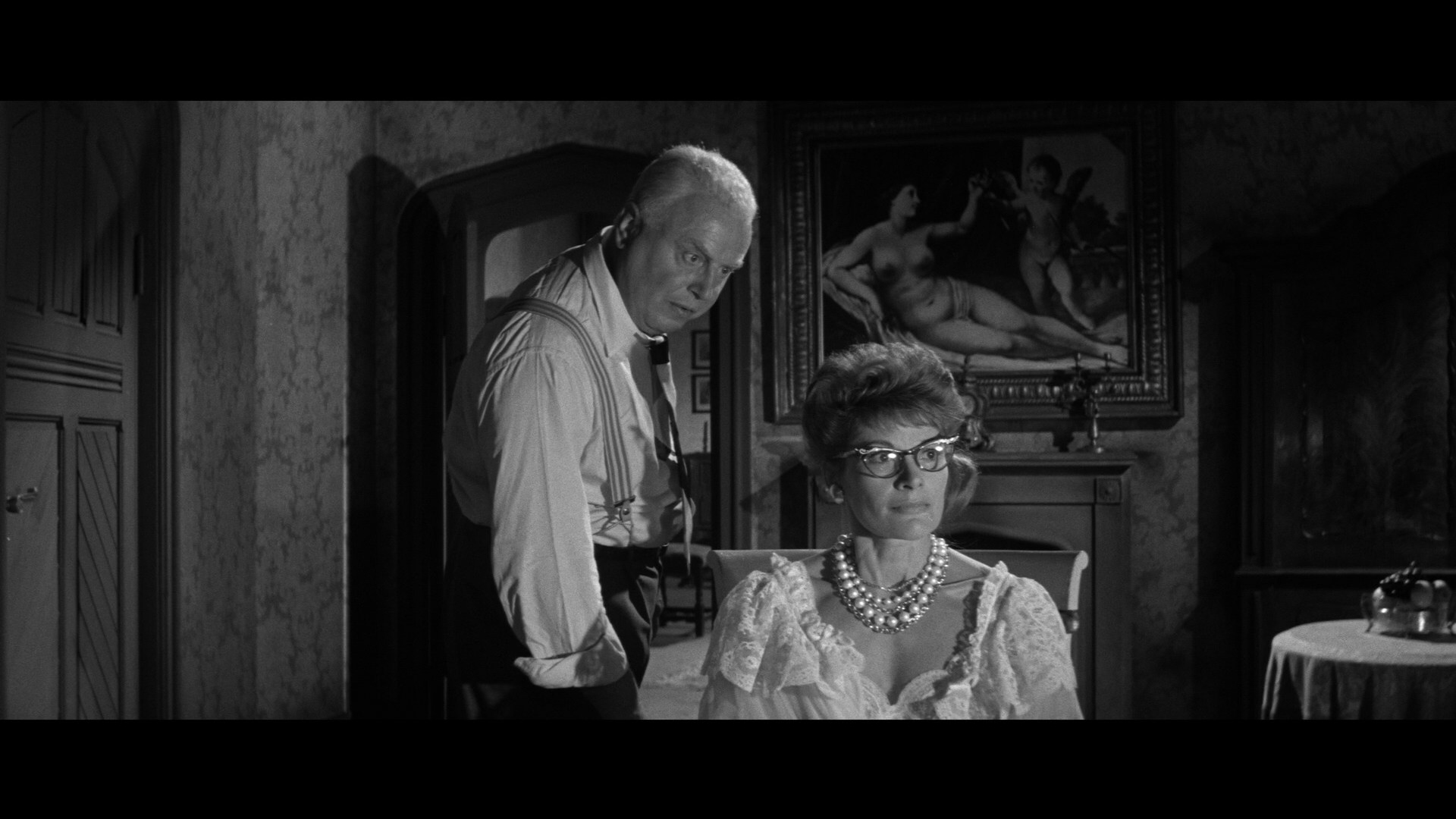
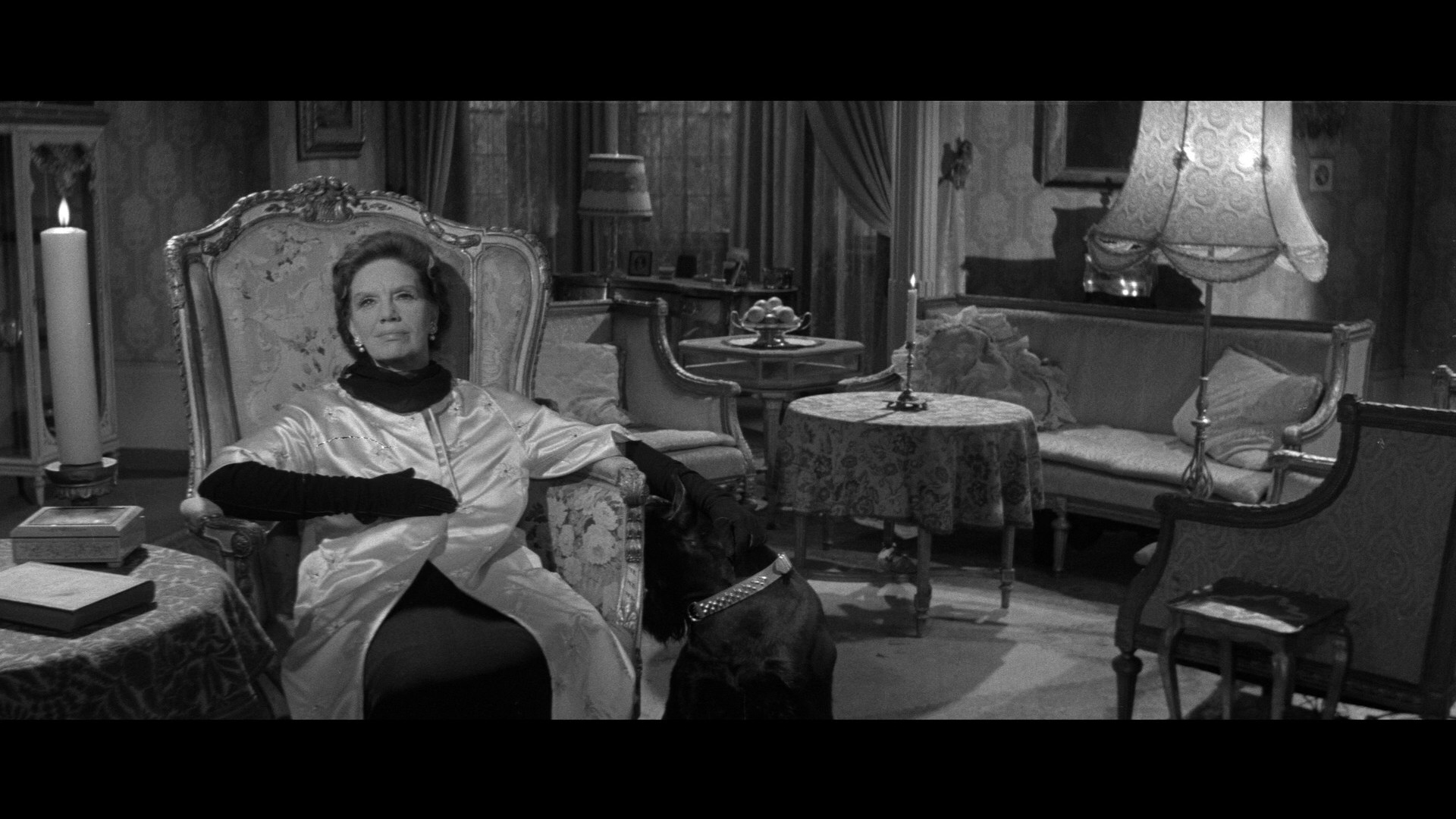
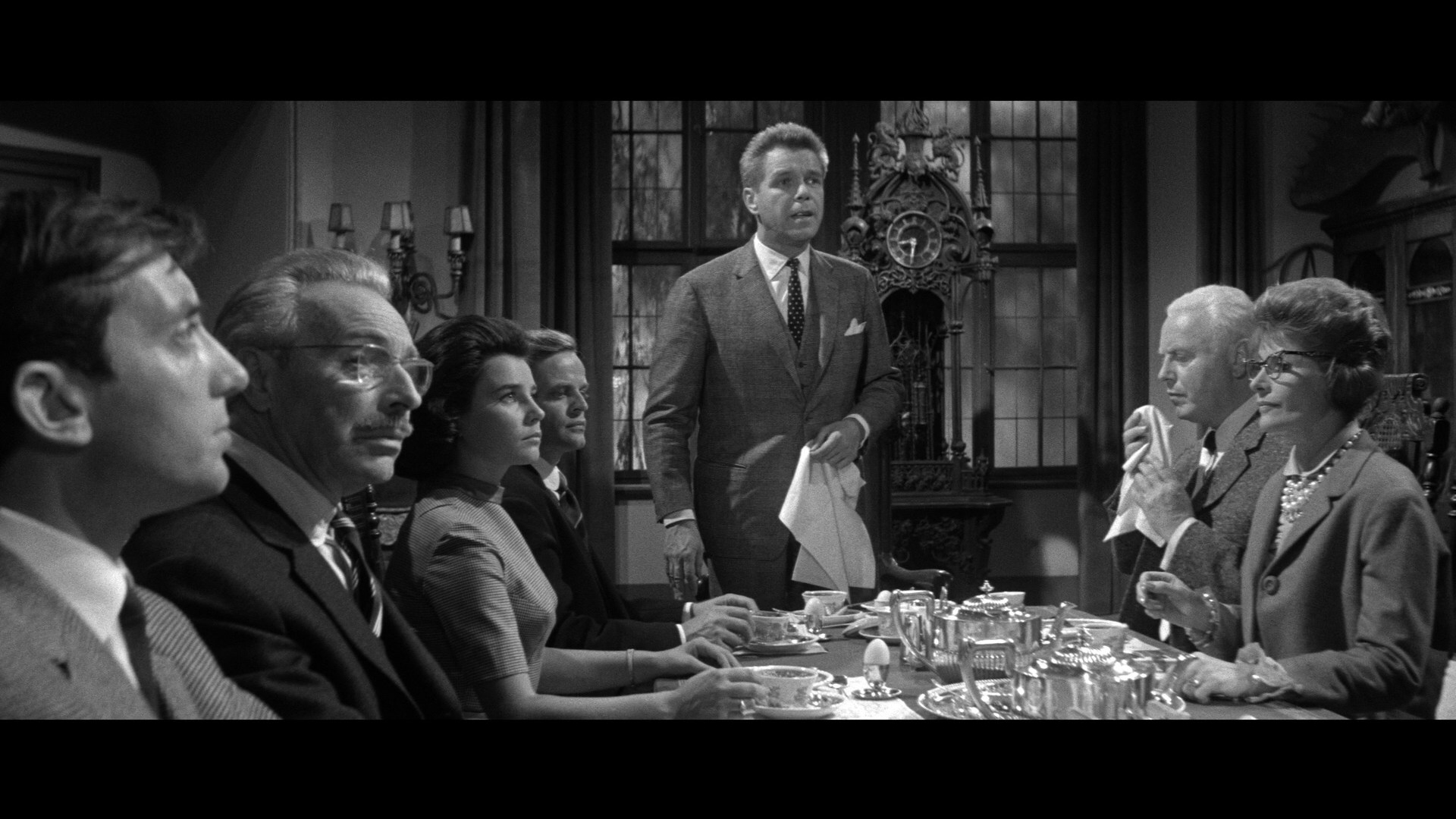
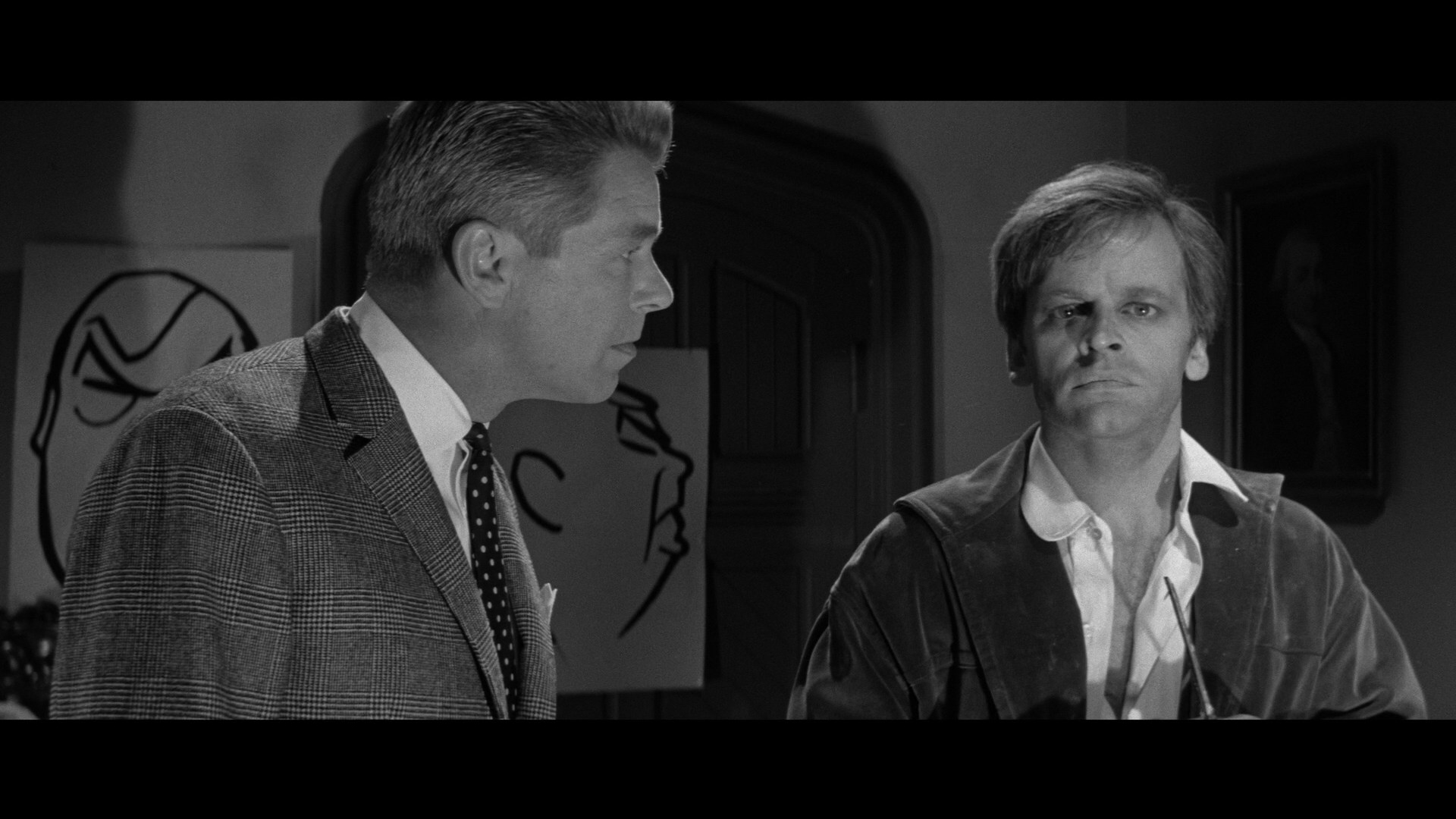
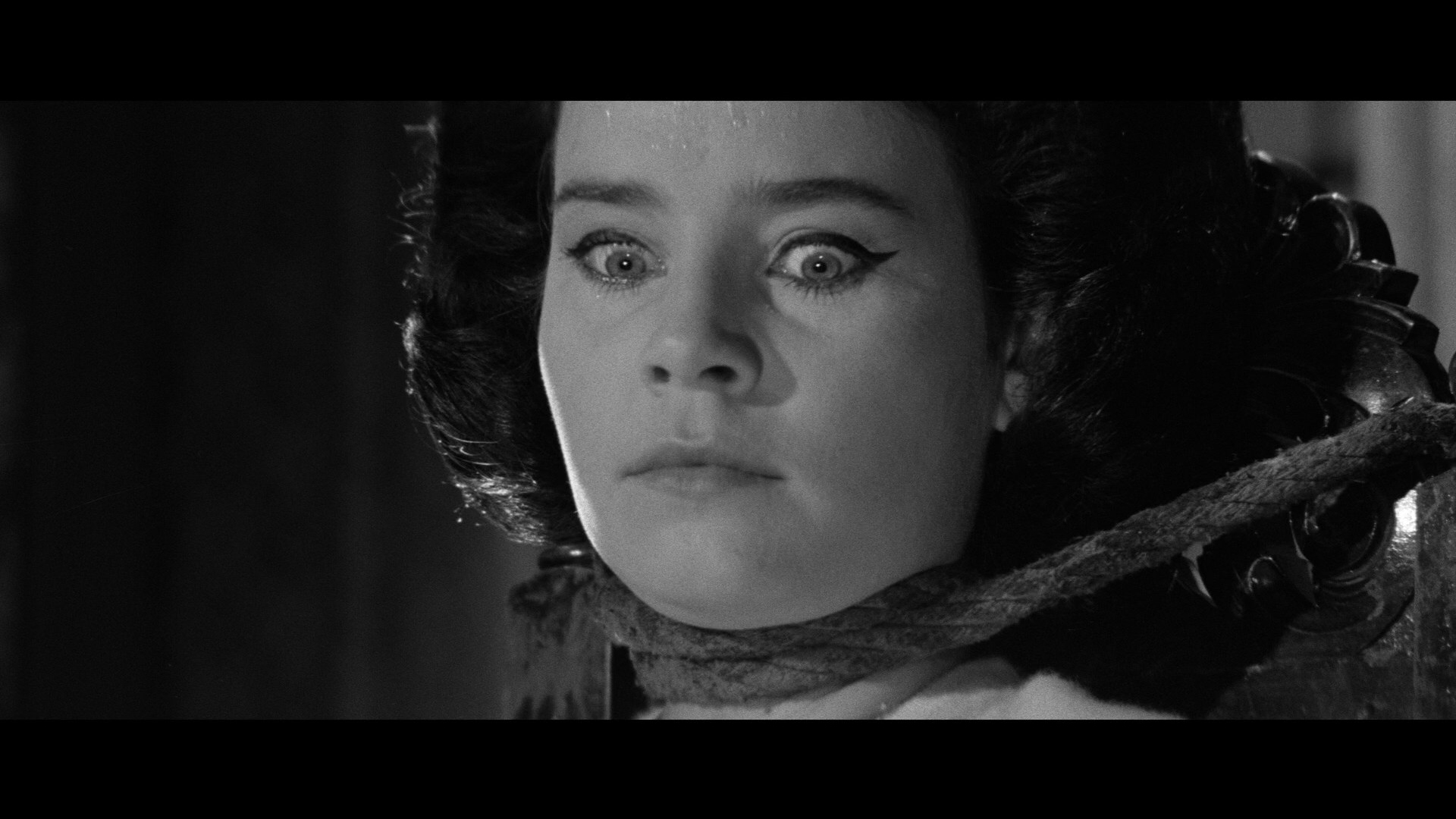
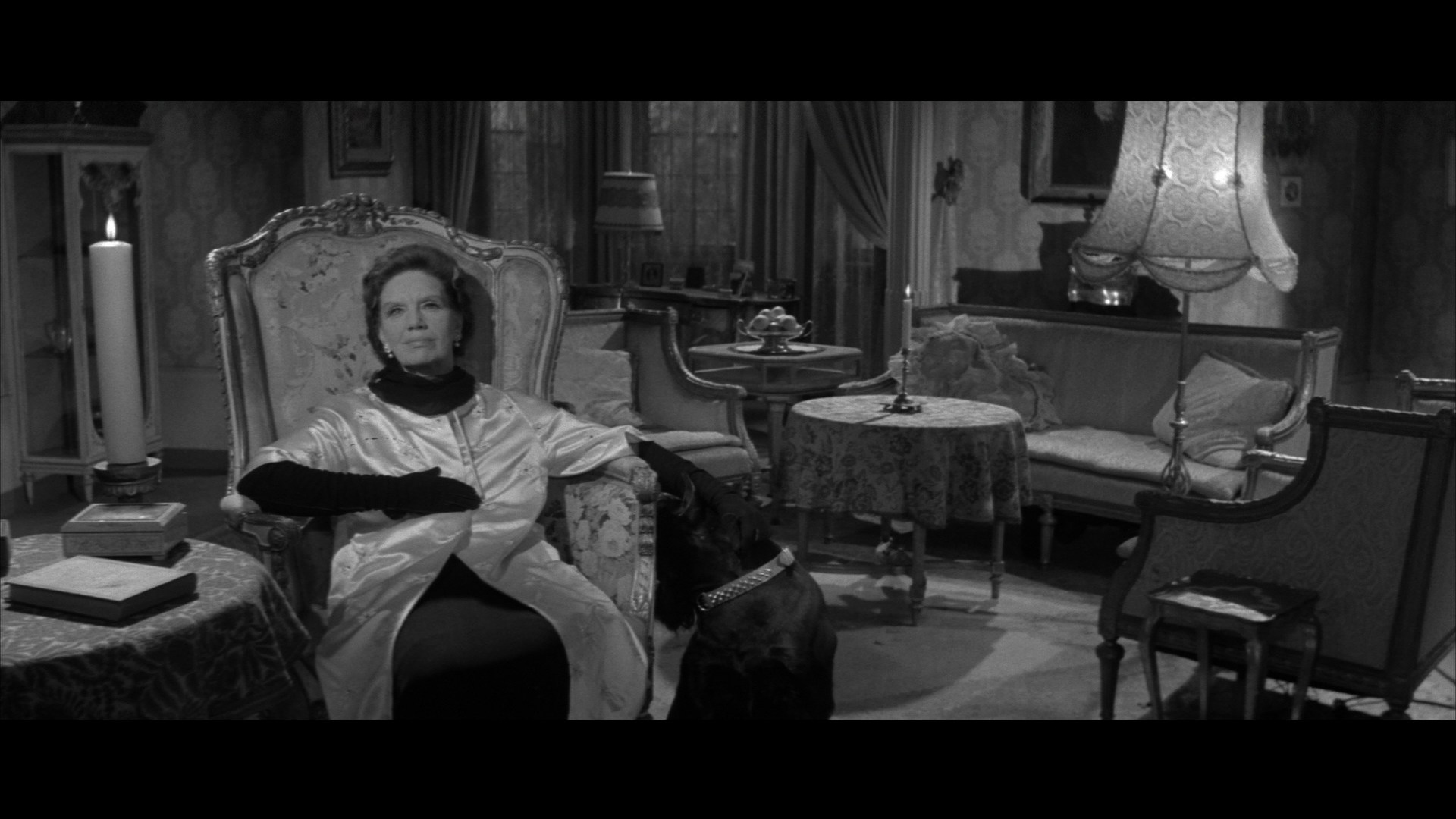
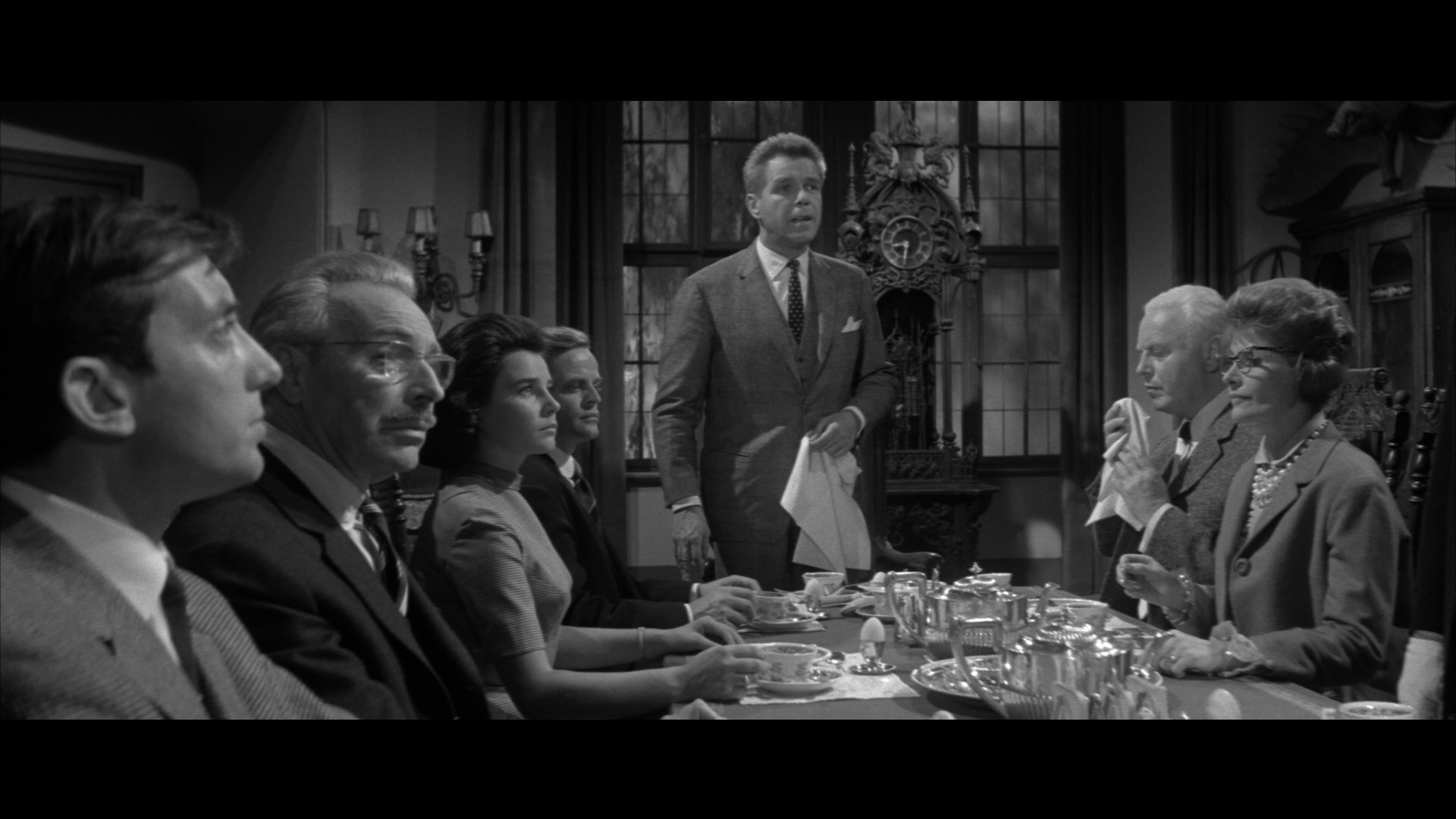
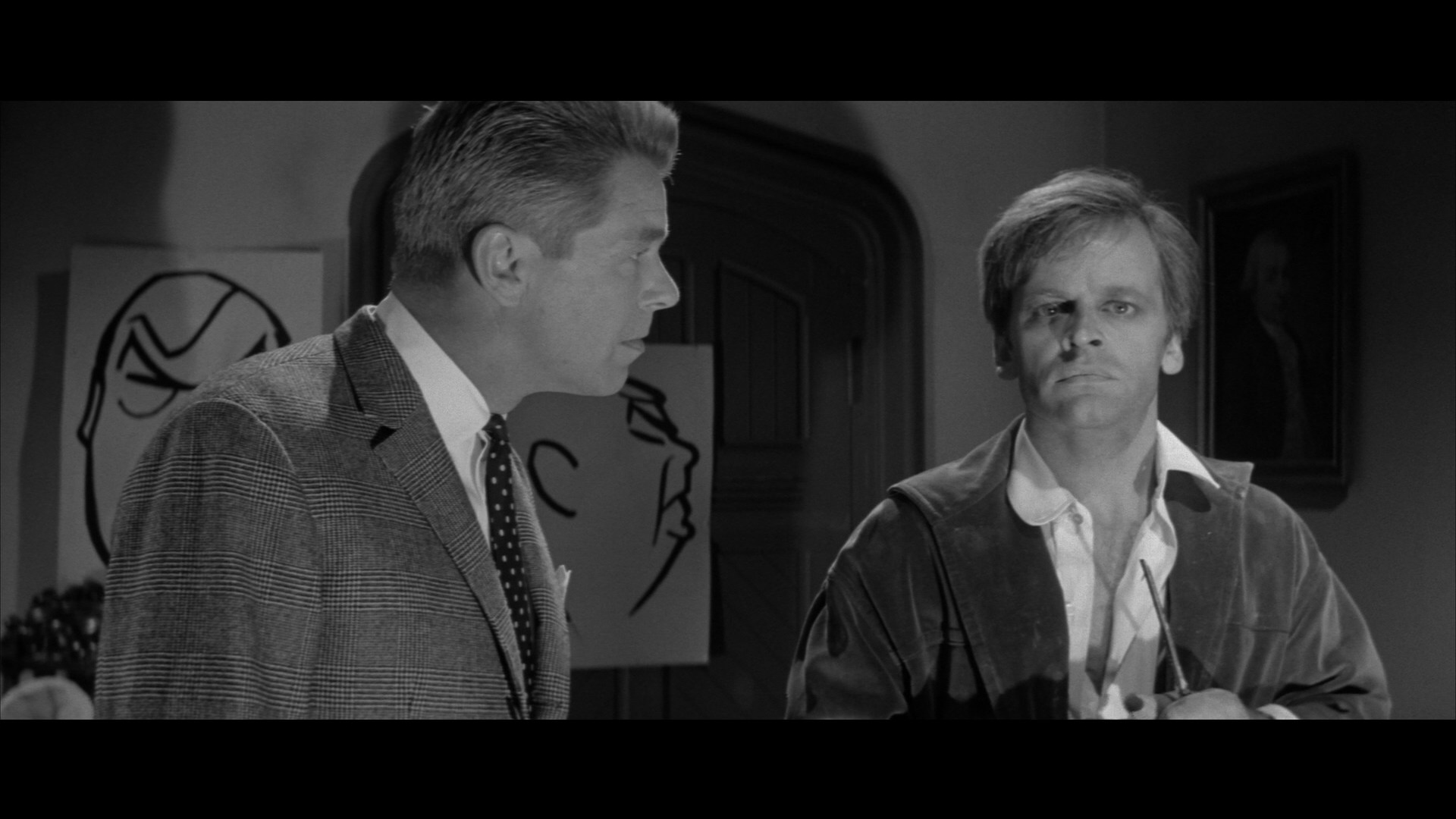
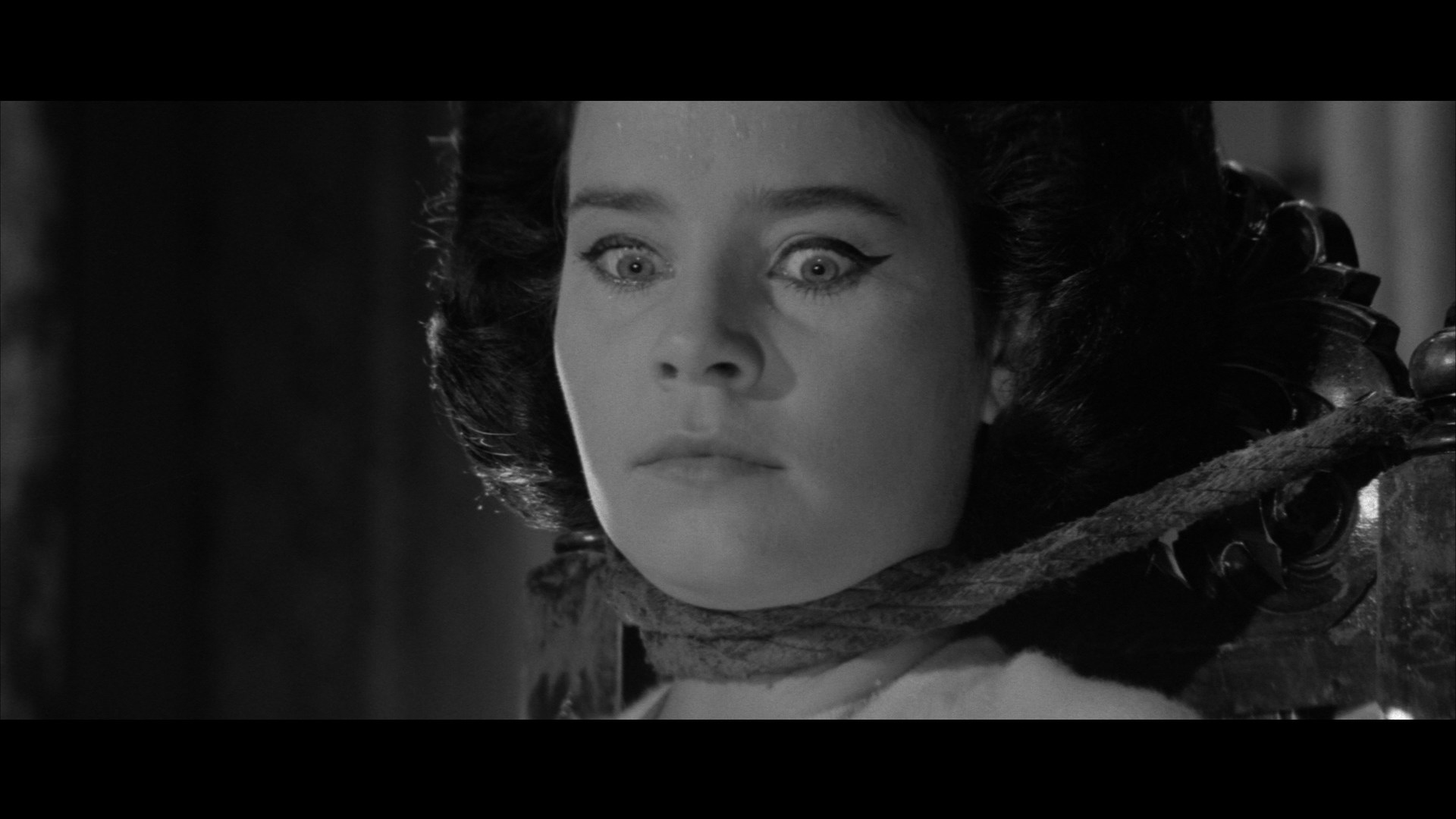
First up is a perfect introduction for any newcomer, The Indian Scarf (Das indische Tuch), a very loose adaptation of Wallace's old dark house play, The Case of the Frightened Lady (already filmed before in 1940 in the U.K.). Completely dispensing with the police procedural aspects of the source, this one wisely transforms into a breakneck body count chiller closer in tone to Agatha Christie's And Then There Were None. Late at night, the wealthy Lord Lebanon is strangled to death in his Scottish estate, Mark's Priory, by a black-gloved killer wielding a lethal Indian scarf. His widow, Lady Emily (Flickenschildt), and her eccentric aspiring concert pianist son, Edward (Clarin), have their home turned into a protracted murderous hunting ground when the reading of the will coincides with a massive storm and flood trapping them all inside. Among the attendees required to stay for six days and nights to earn an inheritance are family lawyer Frank Tanner (Drache), poor cousin Isla (Collins), junkie sculptor Peter (Kinski), craven Reverend Hastings (Engel), pervy explorer Sir Henry (Schürenberg), shifty Dr. Amersham (Häussler), and testy Mrs. Tilling (Uhlen) and her American jerk husband 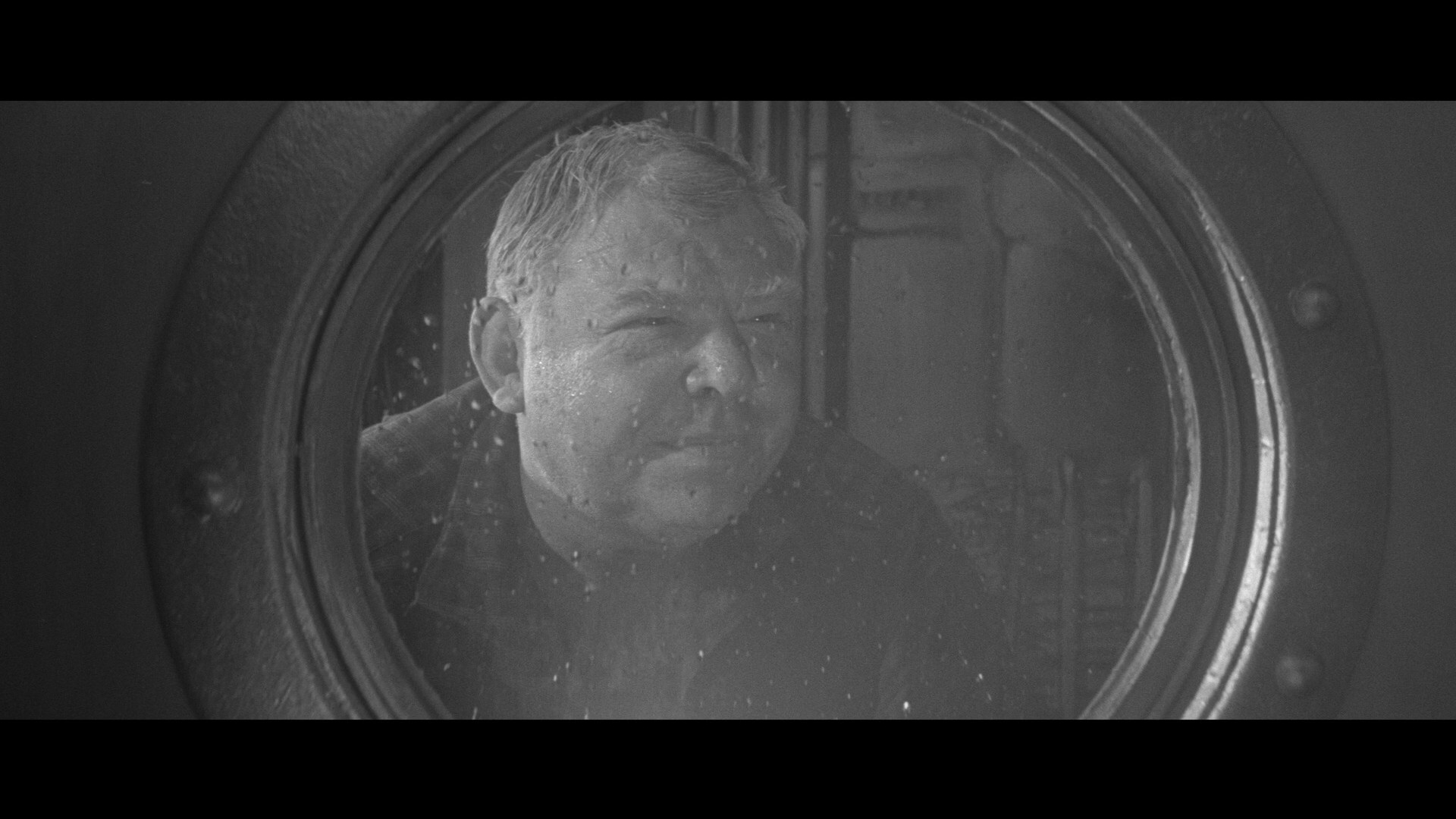 (Nielsen).
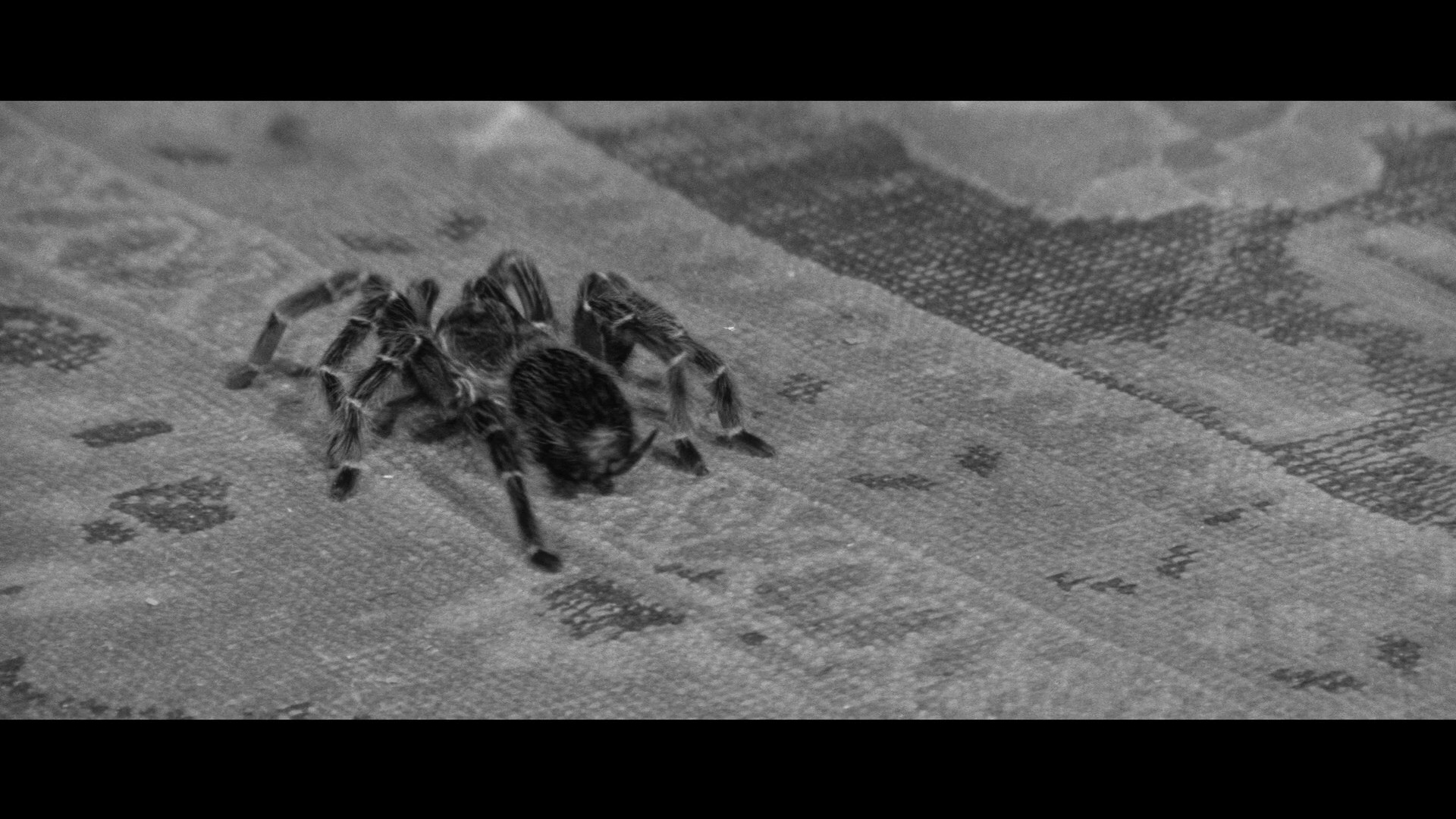
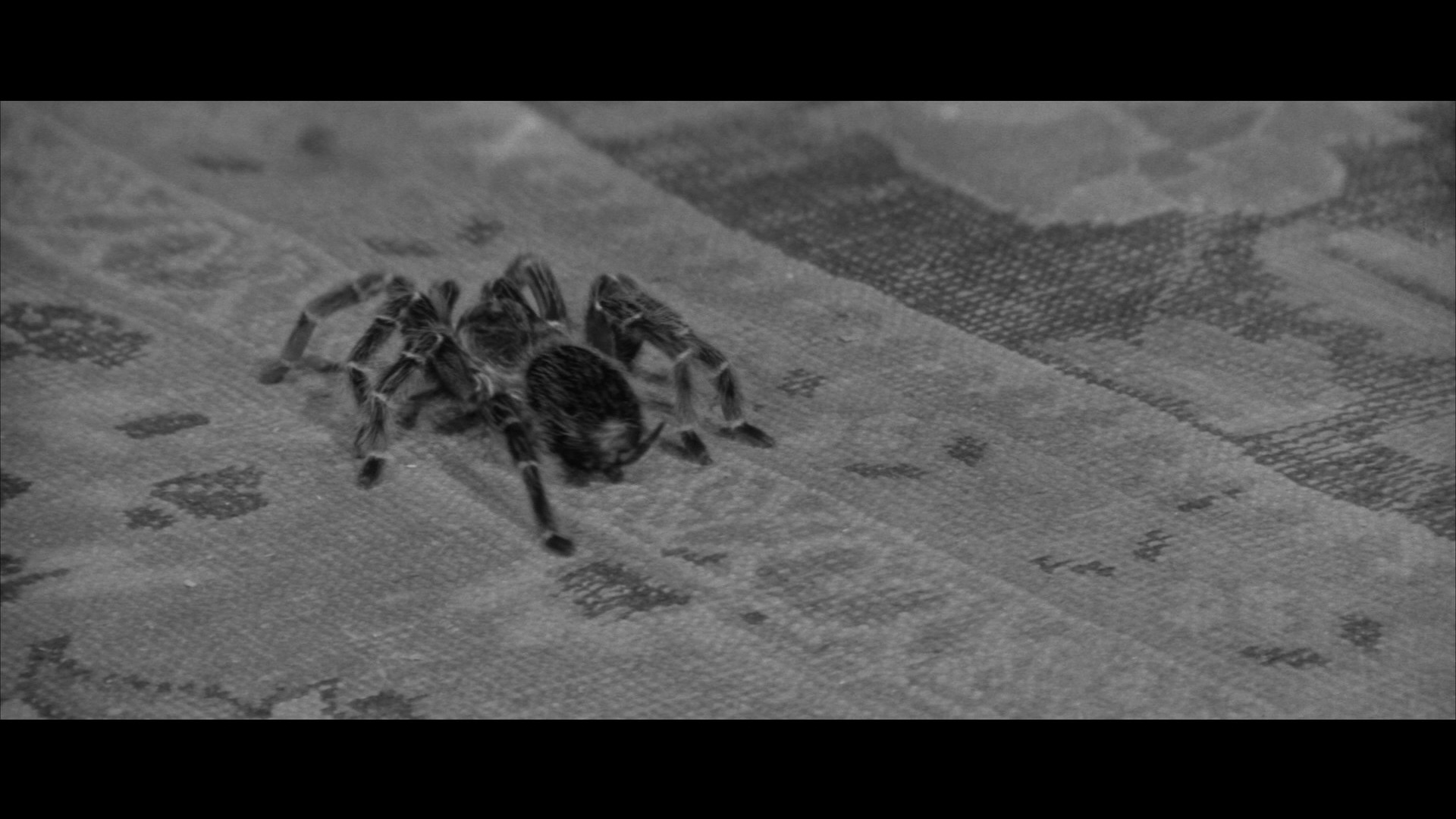
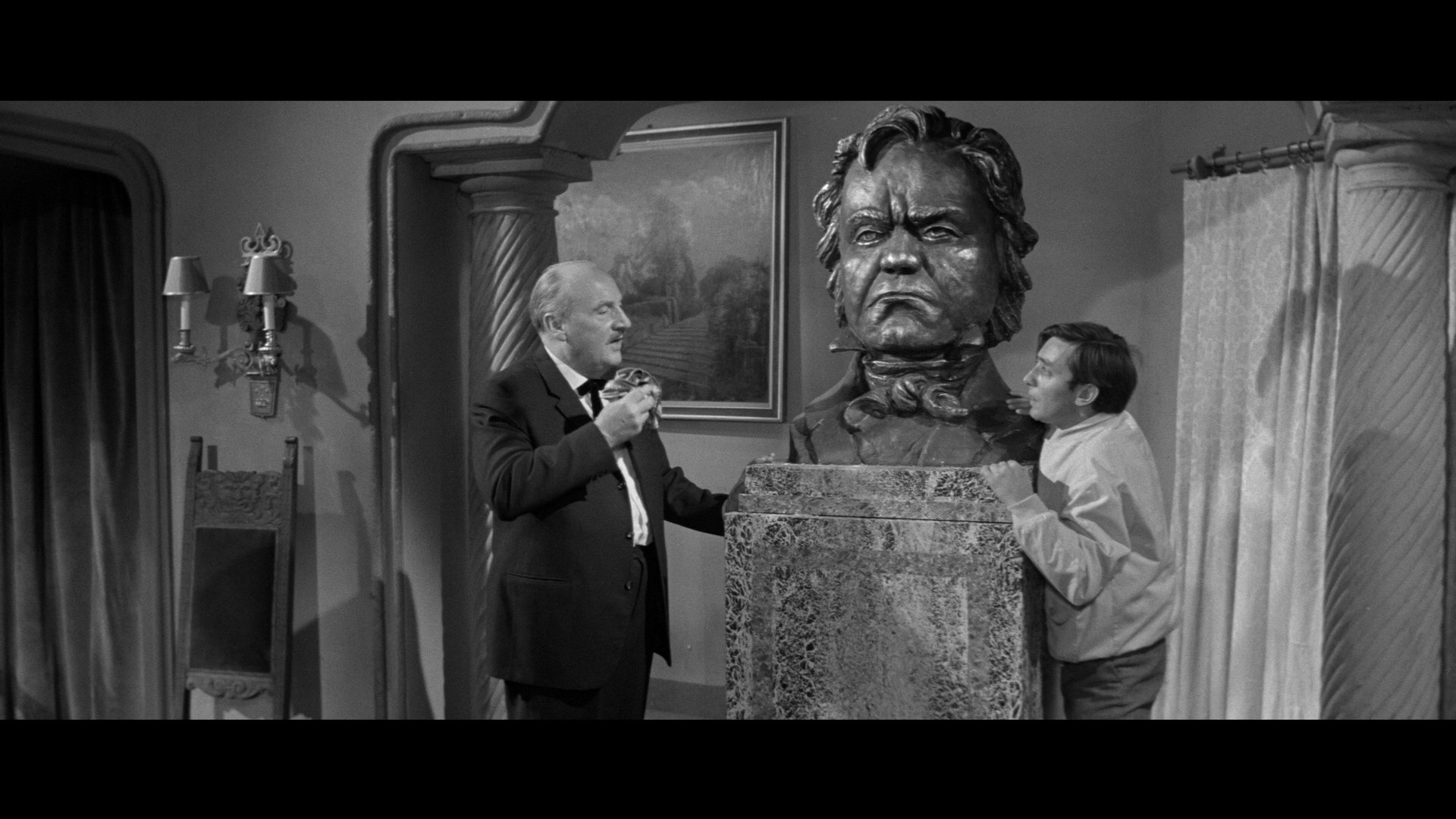 Attending all of them is studious butler Bonwit (Arent, the usual comic relief in these films), who has to contend with an uninvited tarantula, a foul-mouthed bird, and ever-changing table settings as guests get picked off one by one.
With Drache filling in the amateur sleuth role here, the rest of the cast gets plenty of room to strut their stuff including a typically twitchy performance from Kinski, a glorified cameo from Dead Eyes of London poster boy Ady Berber, and a scene-stealing Clarin who excelled in all three of his Rialto thrillers before moving on to fame on German TV and Pippi Longstocking. One of the series' two legendary composers, Peter Thomas, contributes a catchy main theme here but otherwise mostly stays in the background, while director Alfred Vohrer (the flashiest of the Wallace filmmakers by far) unleashes a horde of visual tricks including wild POV killer shots with that twirling scarf. Like many of the Wallace films, this was also prepared with an English dub that mostly went straight to TV in many territories; unlike many giallo films, these ones really don't work well at all in English thanks to the stilted voice performances and complete obliteration of humorous turns of phrase (including a funny in-joke at the end here). That dub made the rounds from several gray market VHS and DVD companies over the years, but a 2004 letterboxed DVD as part of an ongoing line of Wallace sets was a godsend at the time featuring German and English audio and subtitles, plus English and German trailers. The subsequent German Blu-ray featured the same audio and subtitle configurations but only included the German trailer, but it was a huge visual step up at the time.
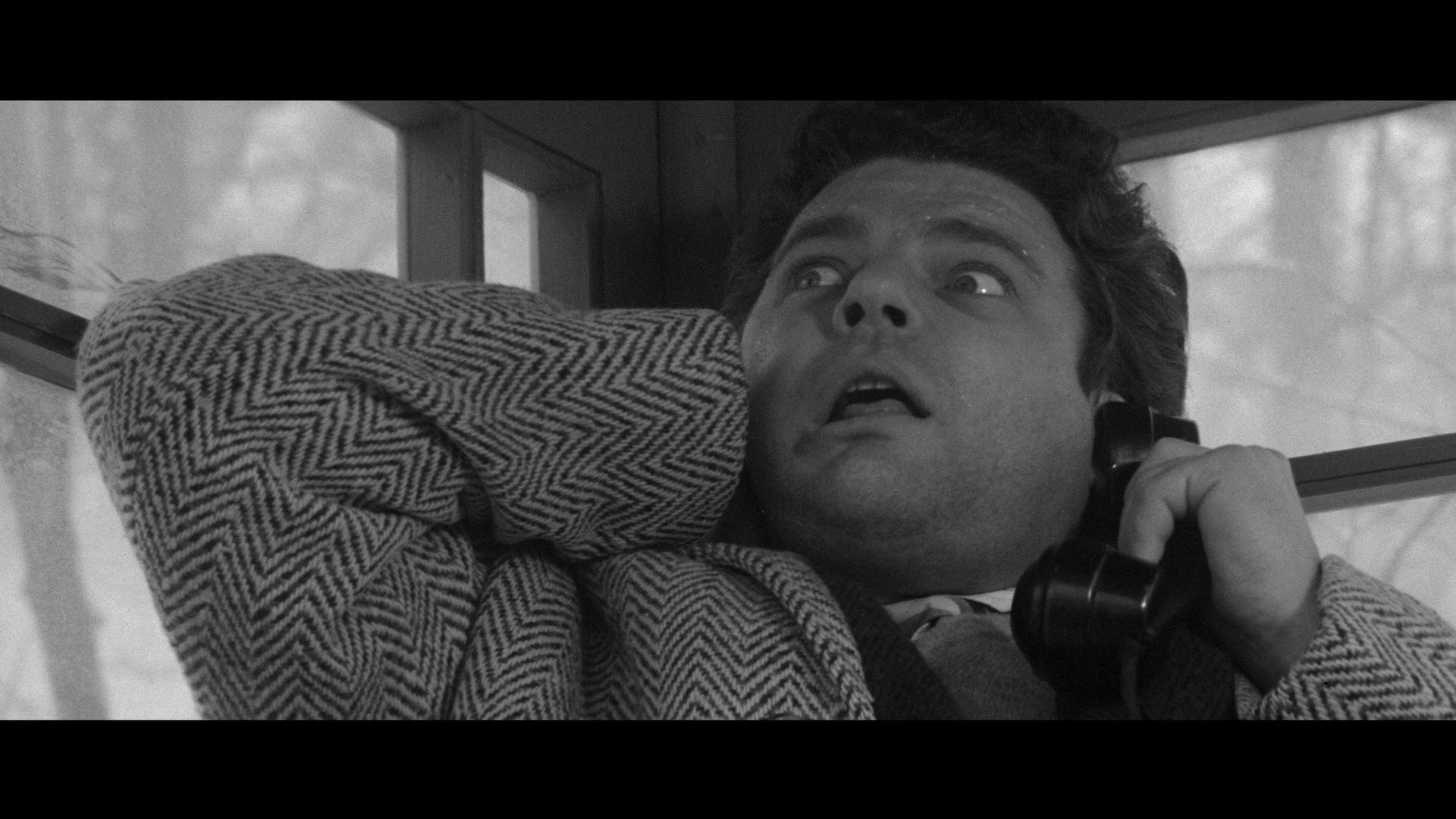
The Vinegar Syndrome edition automatically surges way ahead thanks to the inclusion of properly translated English subtitles, which make this far more enjoyable to watch and help the performances immeasurably. Again you get DTS-HD MA 2.0 German and English mono audio options, plus English SDH subs for the dub track. This and the other two films in the set are cited as new 4K scans from the camera negatives, which is clearly true as this differs visibly from the prior German Blu-ray (which was also included in a massive 2021 complete Wallace set). Framing is a bit tighter on the sides, detail bumps up a bit with more visible film grain, and some minor, fleeting damage is visible from time to time versus the scrupulous digital 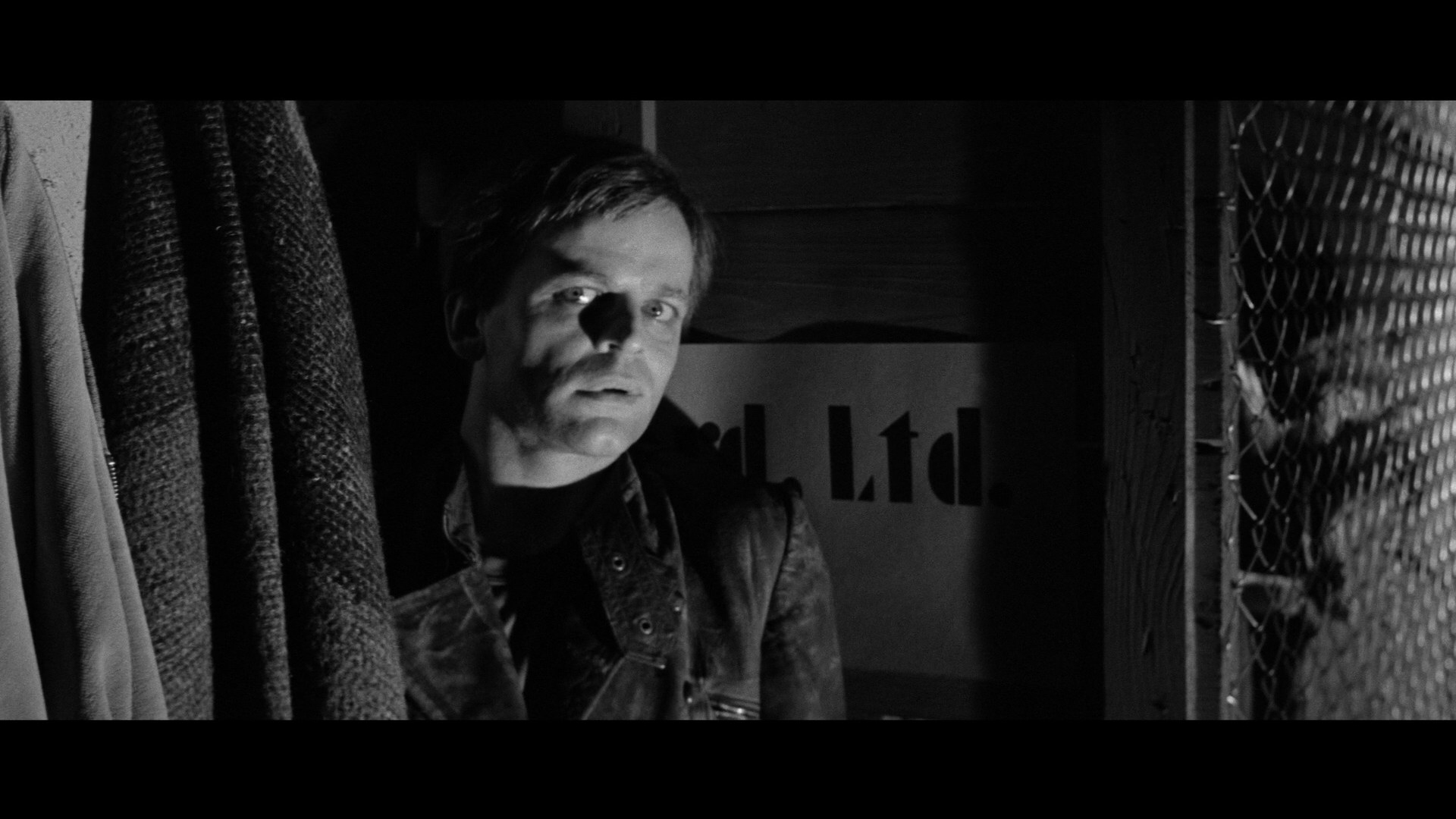 clean-up on the German editions. A solid new audio commentary by Samm
 Deighan lays out the basics of where Krimis came from, the state of German cinema after World War II, the appeal of the series and genre conventions, the role of cheeky humor, the actors' backgrounds, and Vohrer's directorial approach.
Also on the same disc is another Vohrer gem from the same year, The Squeaker (Der Zinker), based on a Wallace novel released more logically as The Squealer in America. In a tactic familiar from multiple other films in the series, Rialto sprang for a couple of cast members to actually go to London to shoot a few exterior scenes, giving it a sense of legitimacy for local viewers entranced by these tales of British murder and mayhem. Here the misdeeds begin with a psychopath named Krishna (Kinski) breaking into the London zoo at night to steal a black mamba whose venom is tooled into a projectile weapon used for targets of his boss, the Squeaker. A thorn in the side of Scotland Yard, particularly Inspector Bill Elford (Drache), the Squeaker kills off any criminals who oppose him after threats to squeal on them to the police. Meanwhile an ambitious reporter (Arent) covers the story with enthusiastic abandon for his irascible boss, Sir Geoffrey (Schürenberg), despite repeatedly being scooped by a mysterious rival reporter named Jos. Also on hand are crime writer Beryl (Rütting, one of the finest Krimi actresses around), and her colorful, orchestra-mad aunt, Mrs. Mulford (Windeck in a standout role that ensured her returning to the series again). Other suspects include pet shop owner Frank Sutton (Pfitzmann) who works for Mrs. Mulford, and his suspicious girlfriend, Millie Trent (Langen), while the Squeaker himself soon graduates to unleashing that deadly mamba in person on his next 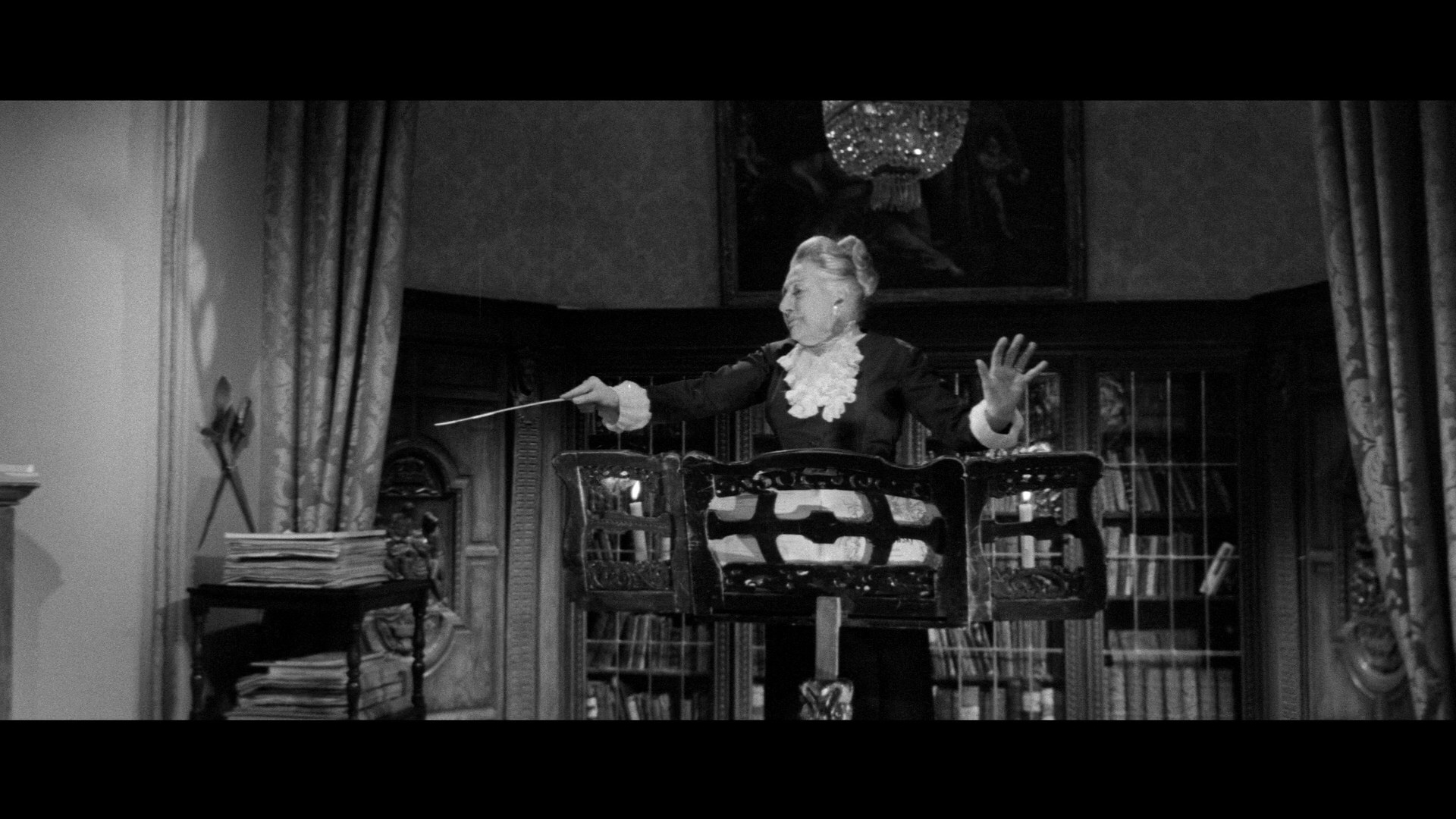 victims.
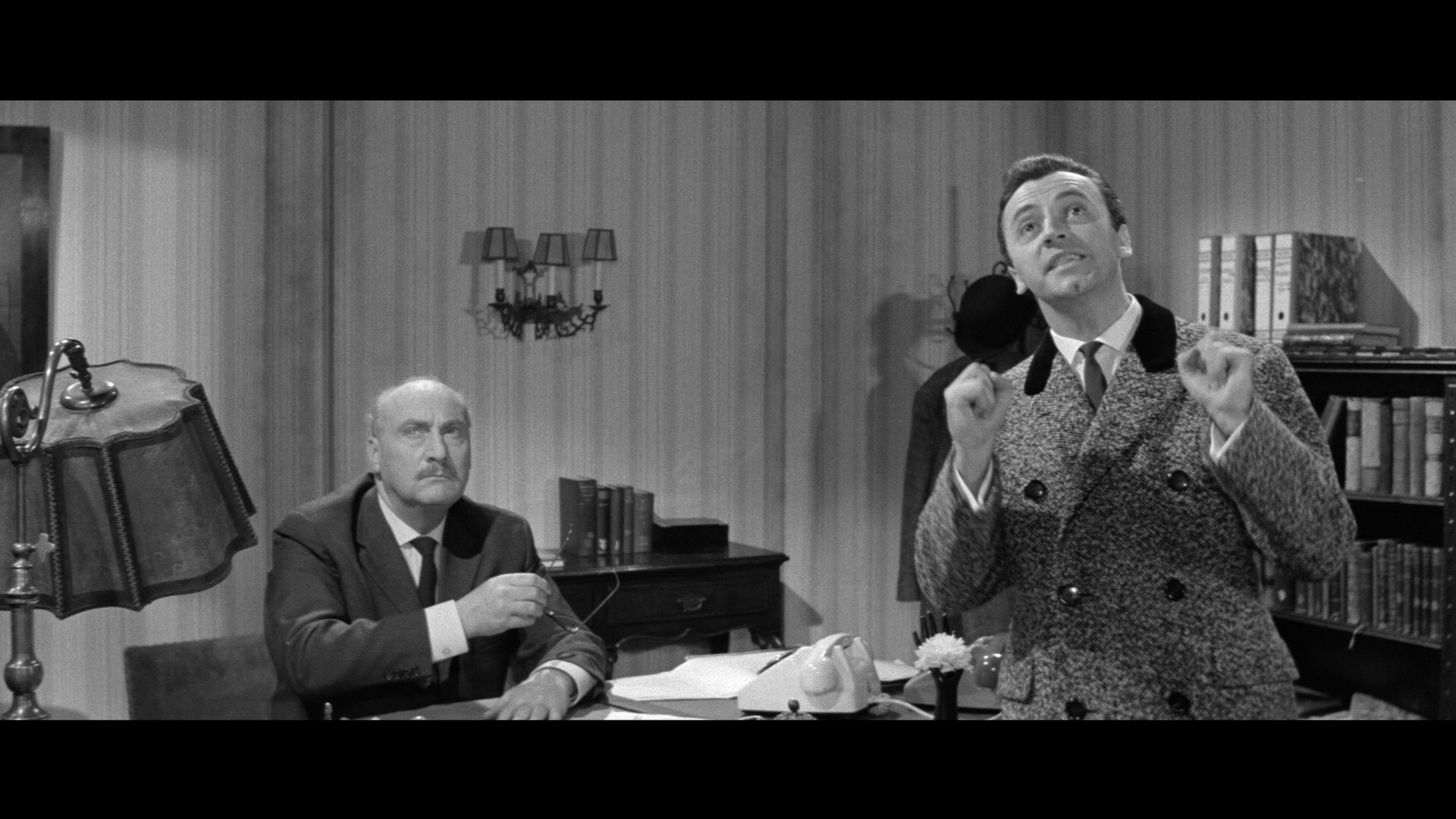 A particularly feverish performance by a snake-crazy Kinski quickly made this one a particular fan favorite, but everyone is firing on all cylinders here once again with Windeck in particular shining during the ingenious unmasking finale. A jittery Peter Thomas score has also been a mainstay of Wallace music comps for decades, and Vohrer goes even crazier here with his camera tricks including an insane POV shot inside Schürenberg's mouth munching on a carrot. Drache and Rütting have great chemistry here and engage in plenty of lively banter, while Arent is hilarious as always as long as you're only watching the German-language version. (The English dub also calls the villain "The Snake," to give you an idea of how worthless those dubtitles were.) Extra points for the quirky supernatural grace note at the end, too.
Widely distributed dubbed on TV and again bootlegged to death, The Squeaker looked great on German DVD and Blu-ray with, as usual, German and English audio and subtitle options. You get the same on the Vinegar Syndrome release, here with much-needed accurate translated English 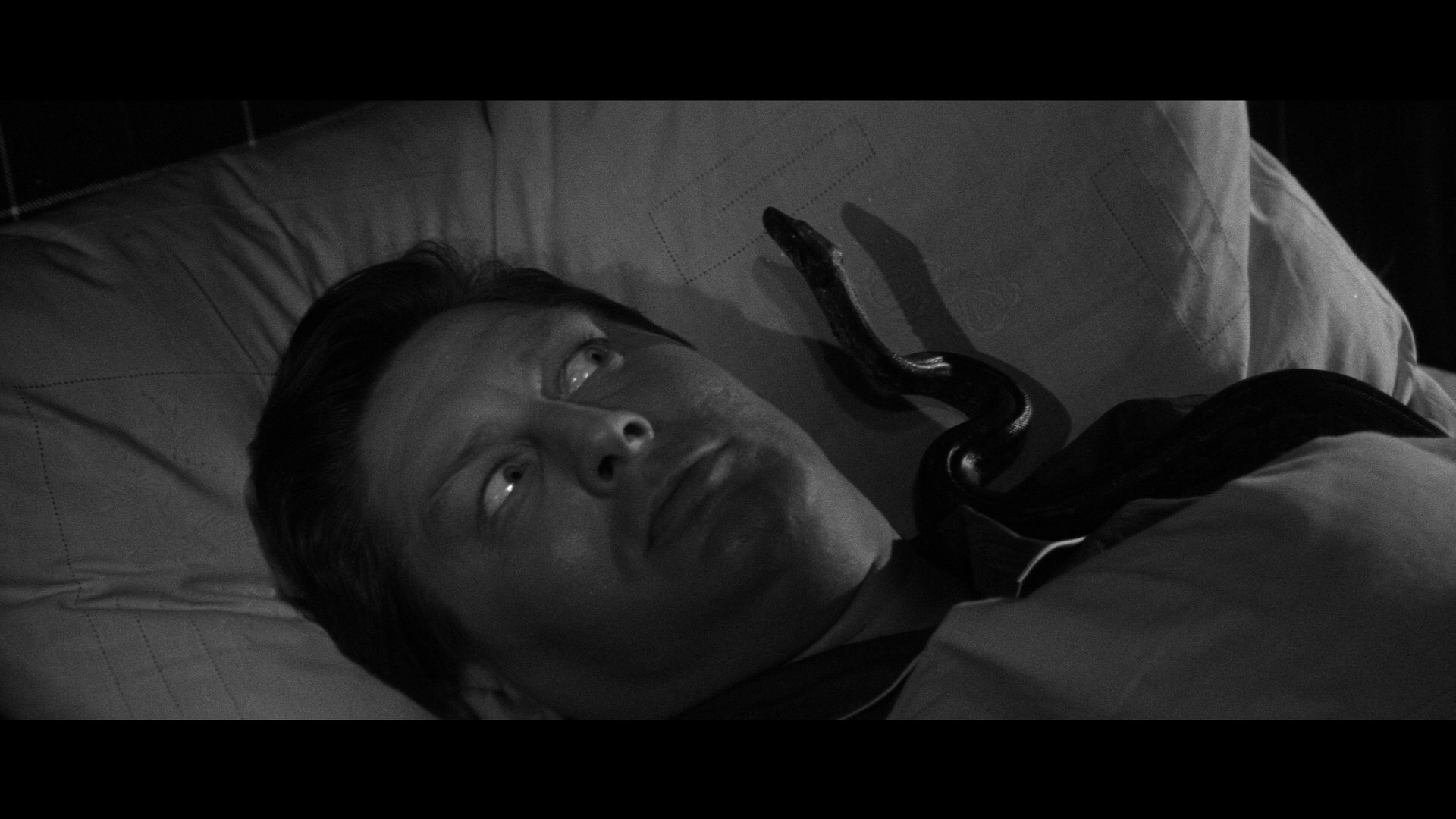 subtitles plus SDH ones. The new scan goes visibly tighter on all four sides, matting out some splice marks and dead space while otherwise sharing pretty much
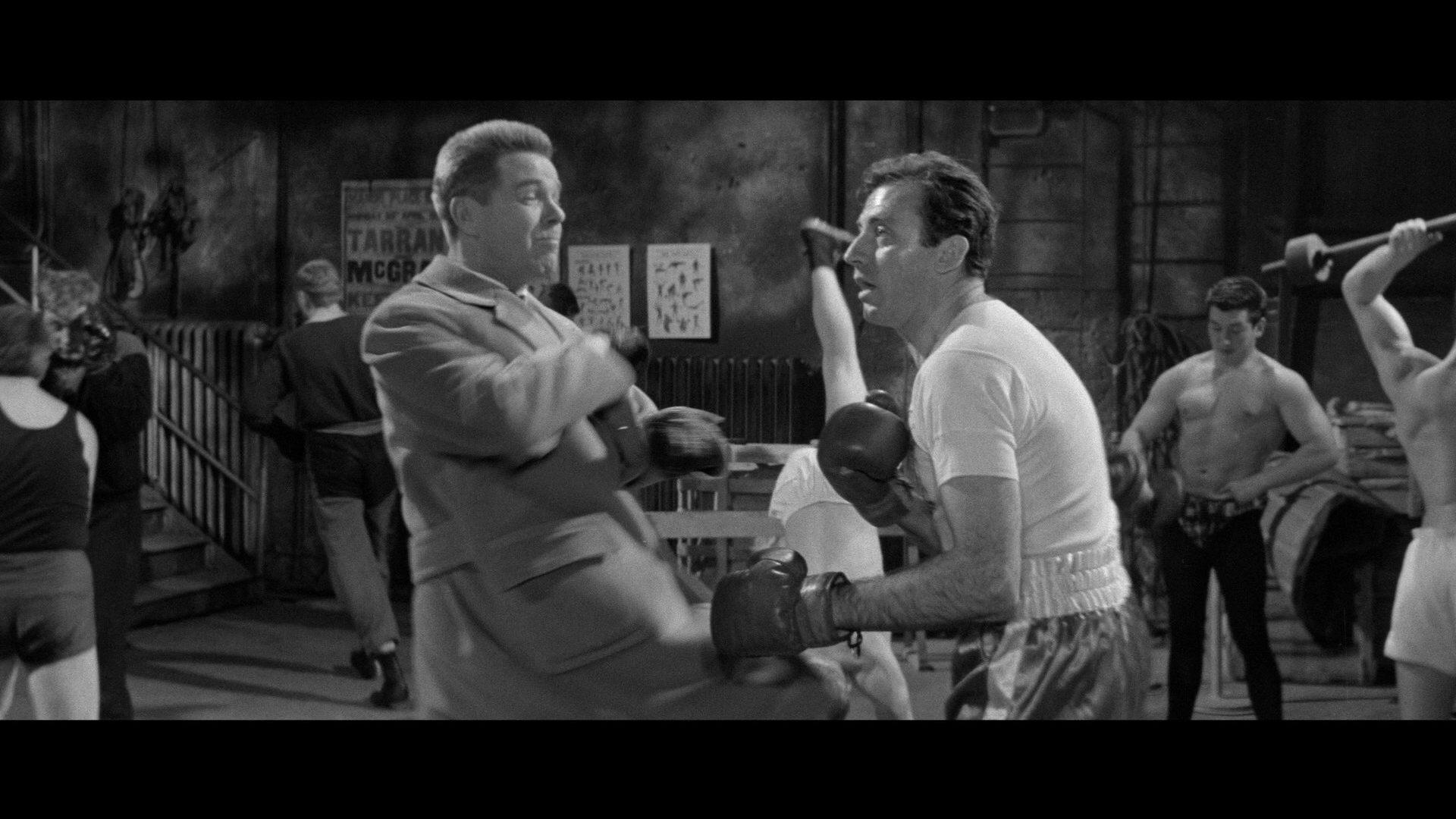 the same characteristic as the Indian Scarf presentation. Here Alexandra Heller-Nicholas handles the audio commentary, giving another overview of the Krimi evolution and cultural significance while citing pertinent reference books and enthusing about this film in particular which she defends from charges of being a lesser entry (though it's quite adored at home).
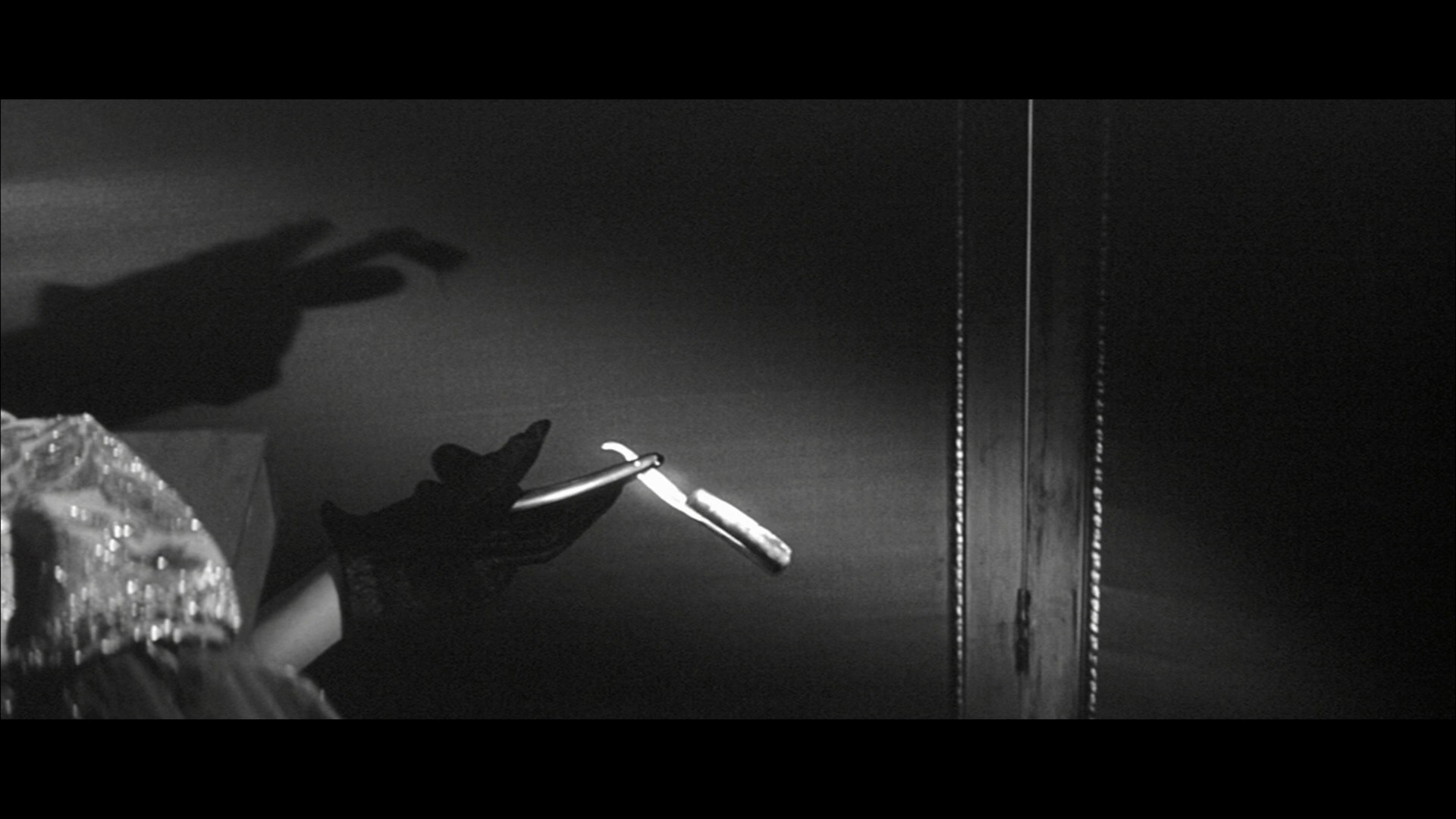
The second Blu-ray is devoted to all the video bonus features and one of the most controversial films in the prime Wallace series, 1964's Room 13 (Zimmer 13). With audiences eager for something new, this one took several risks with the formula including a major one that won't be revealed here since it's the identity of the killer. The most notorious moment here (censored from some prints) involves a stripper showing the series' first flash of topless nudity before she gets her throat slashed in blood-spraying fashion with a razor, a moment frequently pointed to as a tie to the giallo and the direction the films would eventually take with hybrids like Seven Blood-Stained Orchids and What Have You Done to Solange? Here you get to meet some of the other heaviest hitters in the series, namely leading man Joachim Fuchsberger, director Harald Reinl, and his wife at the time and frequent star, Karin Dor, who would go on to James Bond bad girl fame in You Only Live Twice. Here the source is a fairly musty 1924 robbery 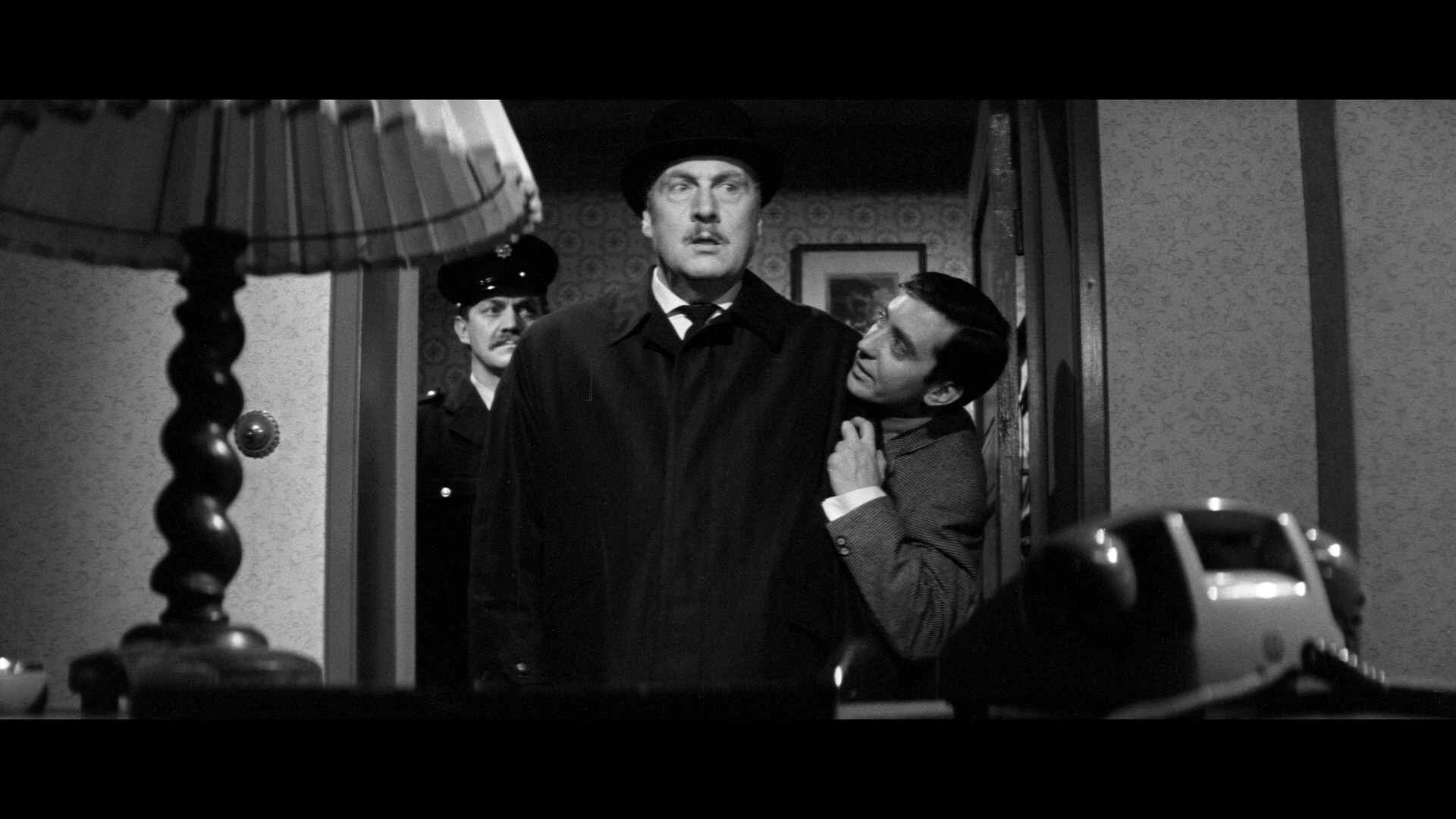 novel by Wallace, overhauled considerably now into a dark, whiplash-inducing mixture of modern heist
 thrills and serial killer jolts.
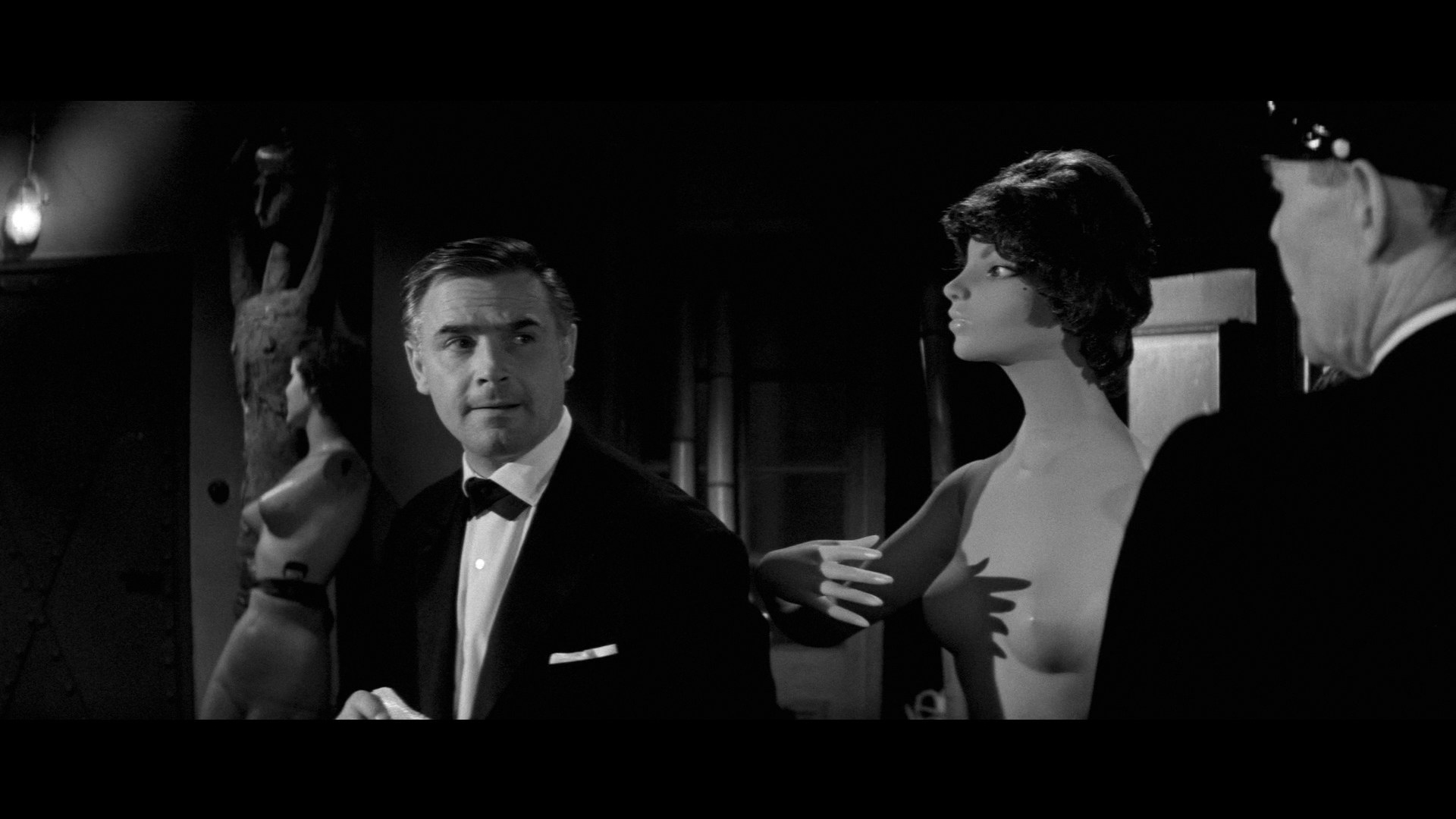
While a razor-wielding gloved killer is on the prowl attacking random women, wealthy Sir Robert Marney (Rilla) has many worries on his mind -- namely the sudden absence of his own razor, the trauma of losing his wife to suicide and its impact on his daughter Denise (Dor), and the sudden reappearance of nasty gangster Joe Legge (Häussler) who had stashed stolen goods once at the Marney estate under duress. Now Legge wants Sir Robert to participate in a new, ambitious train job being formulated out of the thirteenth room in Soho's smoky Highlow Club. Sir Robert hires a private detective, Johnny Gray (Fuchsberger), who falls for Denise and contends with a number of bizarre character including physically abused henchman Igle (Clarin, terrific again with some of the most outrageous moments), goofy sex doll-fixated Scotland Yard forensics expert Dr. Higgins (Arent), and the usual flustered, class-conscious Scotland Yard boss, Sir John (Schürenberg).
Though it certainly has its share of lighthearted elements (with Arent's undercover Italian shtick verging on the surreal, not to mention "the official underwear of Scotland Yard"), Room 13 is ultimately one of the very darkest of the Wallace films with a resolution that hardly leaves the audience going out with 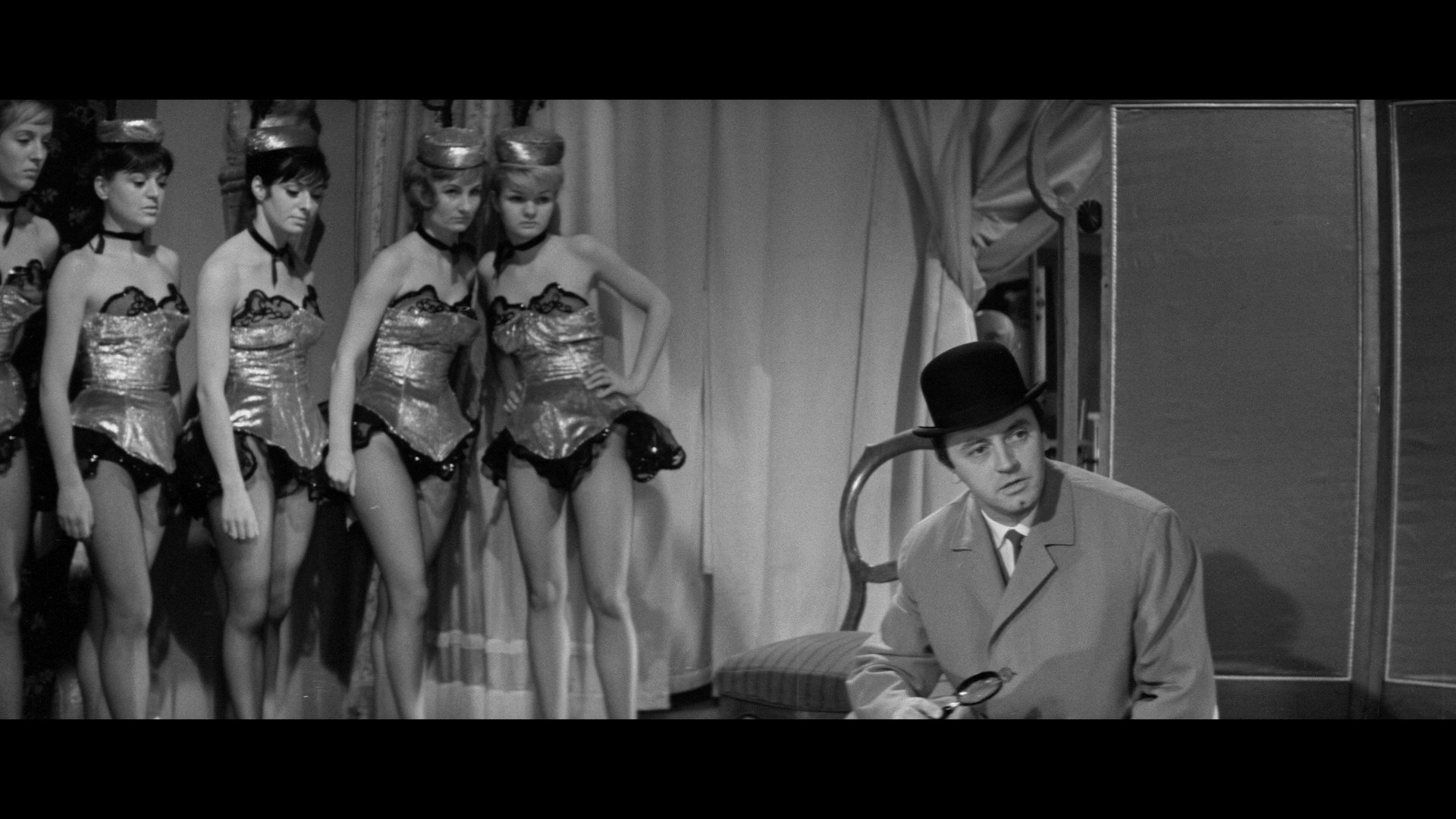 the usual playful wink. That approach
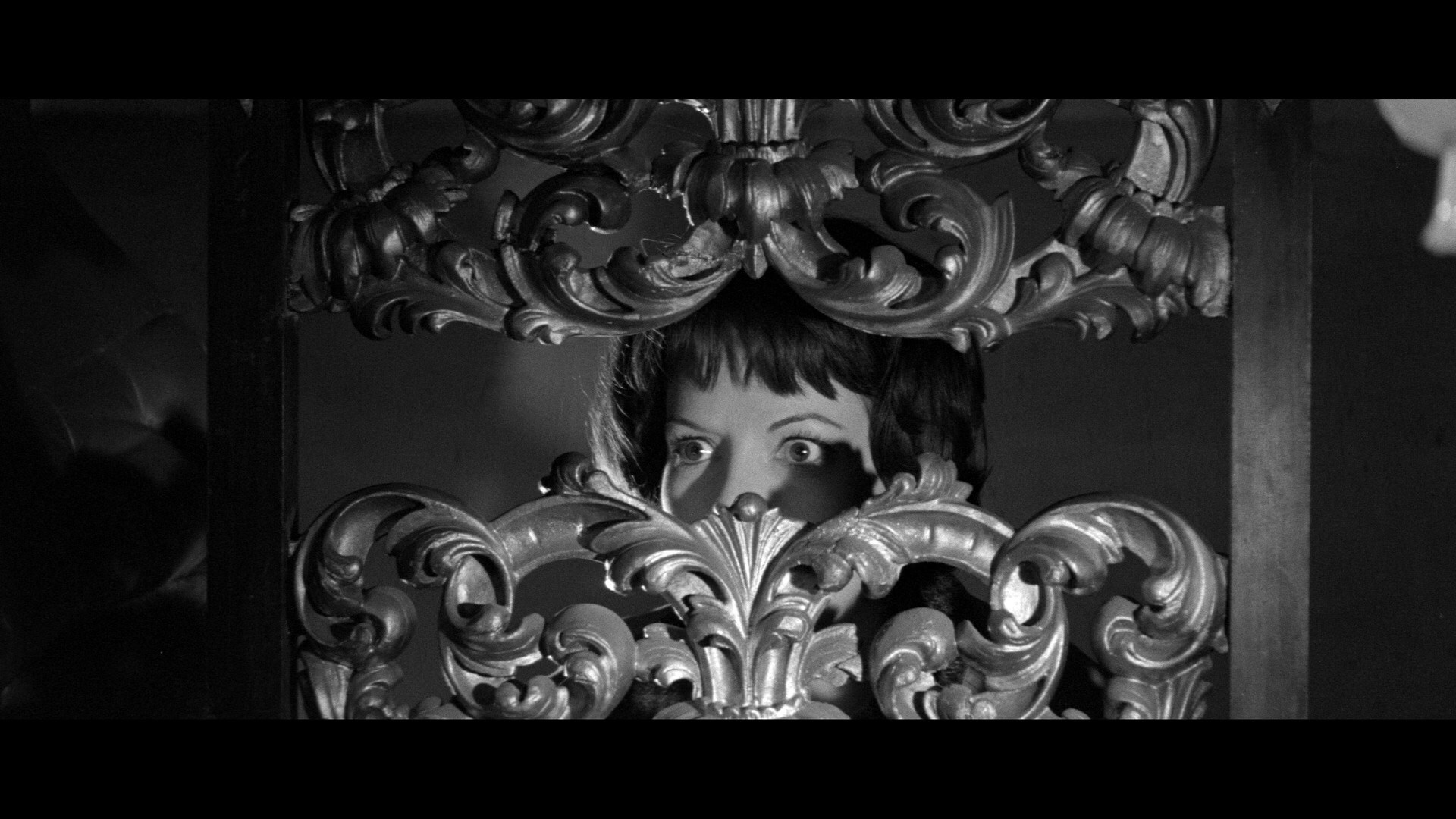 backfired at the box office at the time, with the more restrictive rating not helping matters either; however, time has been very kind to this one with its harder edge making this a good entry point for giallo fans in particular. This would prove to be the penultimate scope Wallace film (followed by the underrated The Curse of the Hidden Vault), with the series bidding adieu to black-and-white for good the following year on a high note with the marvelous The Sinister Monk.
The home video trajectory of this one is the same as its companion films here including German and English-friendly DVD and Blu-ray options from Germany. The deluxe Wallace set also added a really fun short look behind the scenes at Reinl directing Fuchsberger and Arent, which hasn't turned up anywhere else. The Vinegar Syndrome transfer is also comparable here, looking more organic, losing some excess peripheral info (mainly on the left), and boosting a bit in detail. A new commentary by Jonathan Rigby and Kevin Lyons is very much in the jovial spirit of their ones from Eureka's Terror in the Fog: The Wallace Krimi at CCC set as they note the stabs at passing off Germany for London, the credits and curious points about the major and minor actors, the relationship of crime writers to suspense cinema, and numerous other connected German productions.
The video extras kick off with 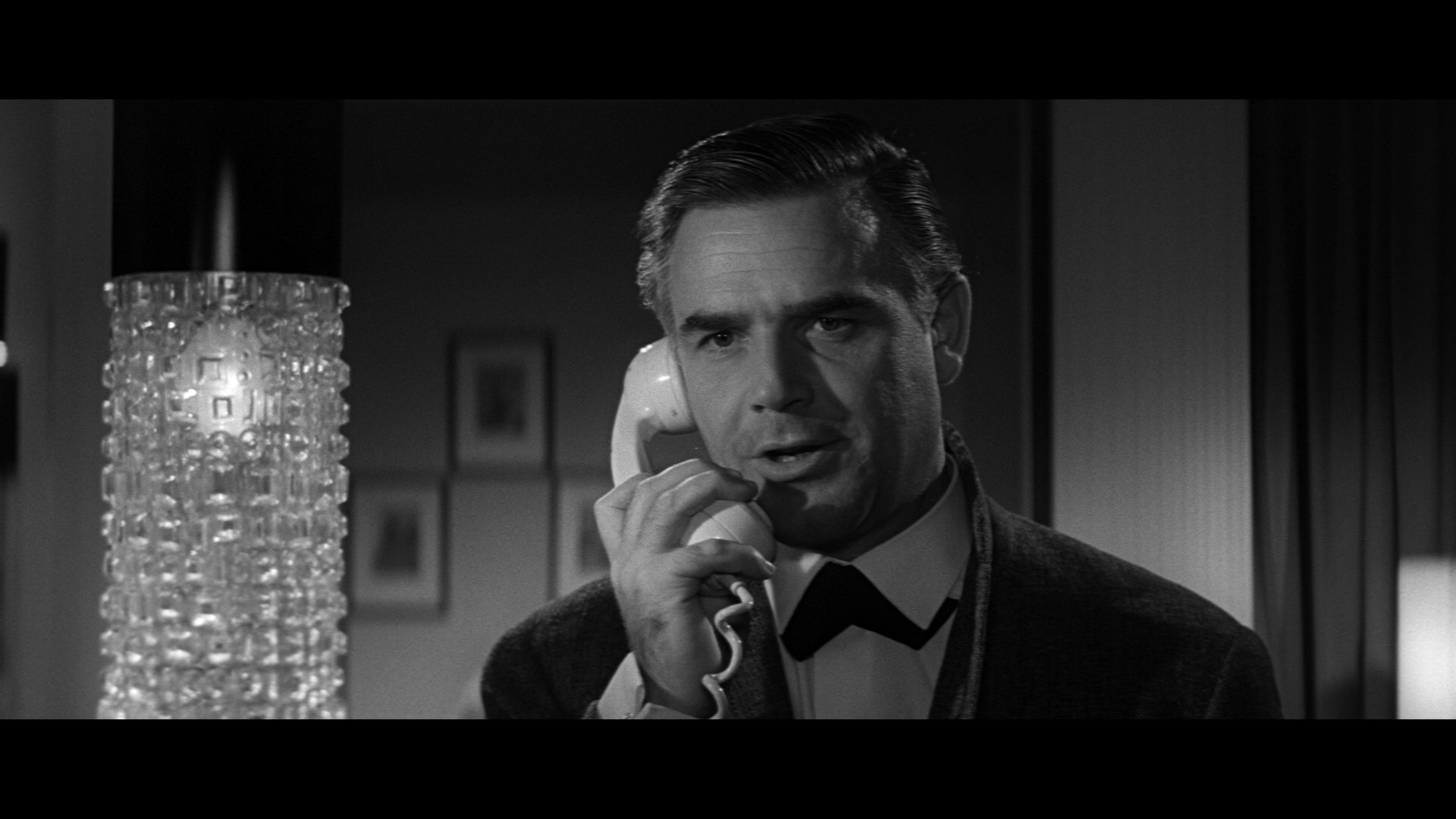 "A New Kind of Score" (17m55s) with Thomas' son Philip talking about his father's musical legacy and upbringing, his innate ability to wring unusual sounds out of music, the award that boosted his career in 1961, and his career
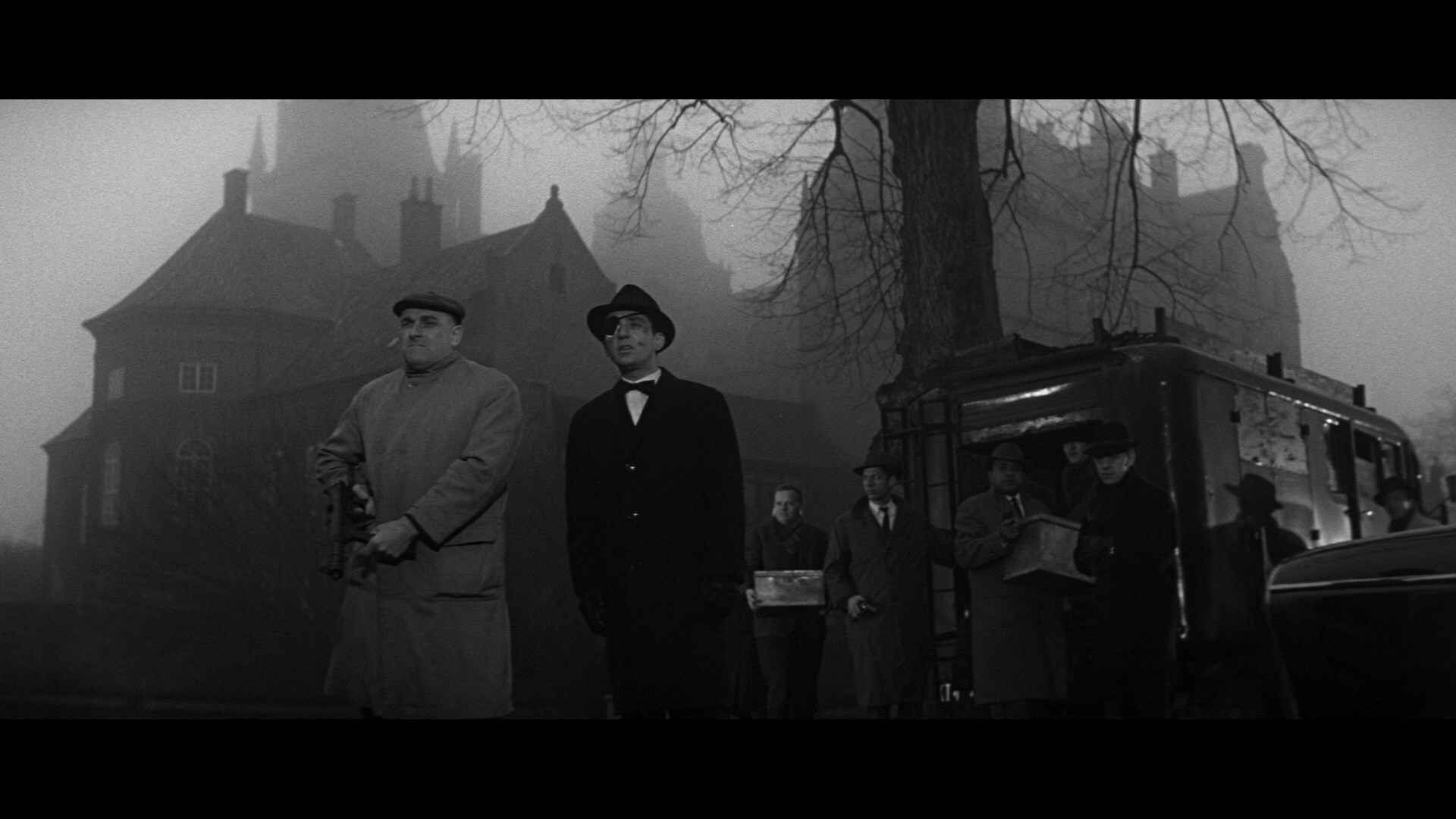 with Rialto that pushed him to the top level balancing numerous different moods. Then the 2011 short documentary "Hallo, hier spricht Peter Thomas!" (43m24s) by Oliver Schwehm features an in-depth look at the composer's life and work via interviews with the excitable and quirky man himself, who always makes for a wild conversationalist. Lots of film clips and music selections get tossed in here, too, and Thomas even dabbles a little at his keyboard, too. In "Behind the Image" (10m25s), Rialto camera assistant Joachim Gitt chats about the tight group of filmmakers in the late '50s at the start of his career, the camera crews (or single members) required by the production companies, and the family atmosphere on both the Wallace and Karl May films that defined an era. In the substantial "Wallace auf Deutsch: From English Paperback to German Box Office" (28m57s), Kim Newman and Nicholas G. Schlegel (author of the excellent German Popular Cinema and the Rialto Krimi Phenomenon: Dark Eyes of London) hone in on the prolific writer, his sudden death during work on King Kong, and his sudden resurgence in popularity via the 32 Rialto films and the British Edgar Wallace Presents series of crime quickies that made his trademark red-covered German paperbacks hot items as well. Hopefully Schlegel will get a stab at doing a full commentary for one of these at some point, and you might want to start with this featurette before diving into the main features for a nice primer. Heller-Nicholas returns for the video essay "Women and the Gaze: Gender, Power and the Look in Zimmer 13" (12m45s) emphasizing the connections to gialli and slashers via the point of view and murder victim handling in this film, while Deighan's "Krimi Masters: Harald Reinl and Alfred Vohrer" (13m36s) gives a rundown of the output from two most important directorial names in the Rialto Wallace films. Also included are HD German and SD English trailers for all three films.
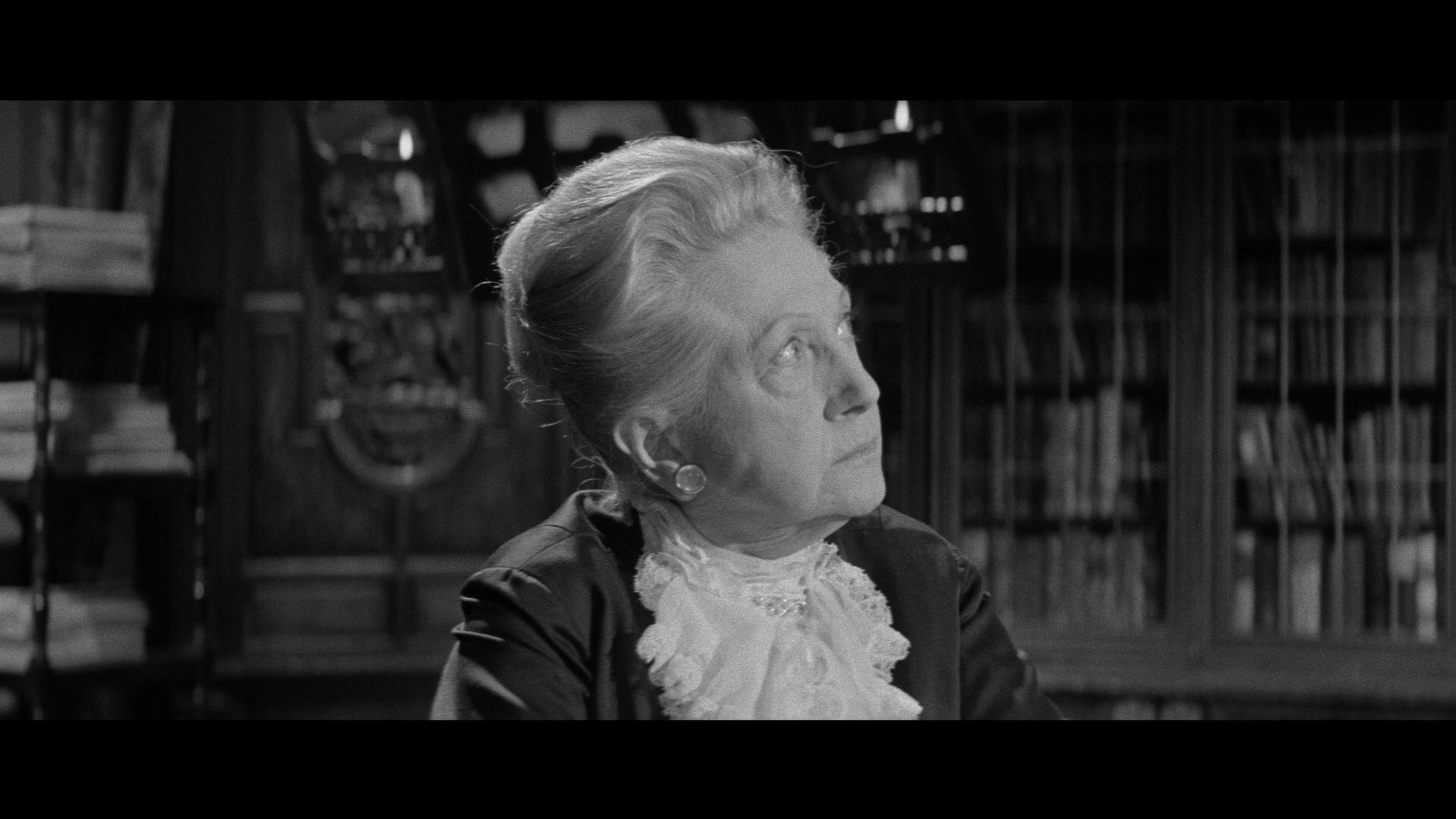
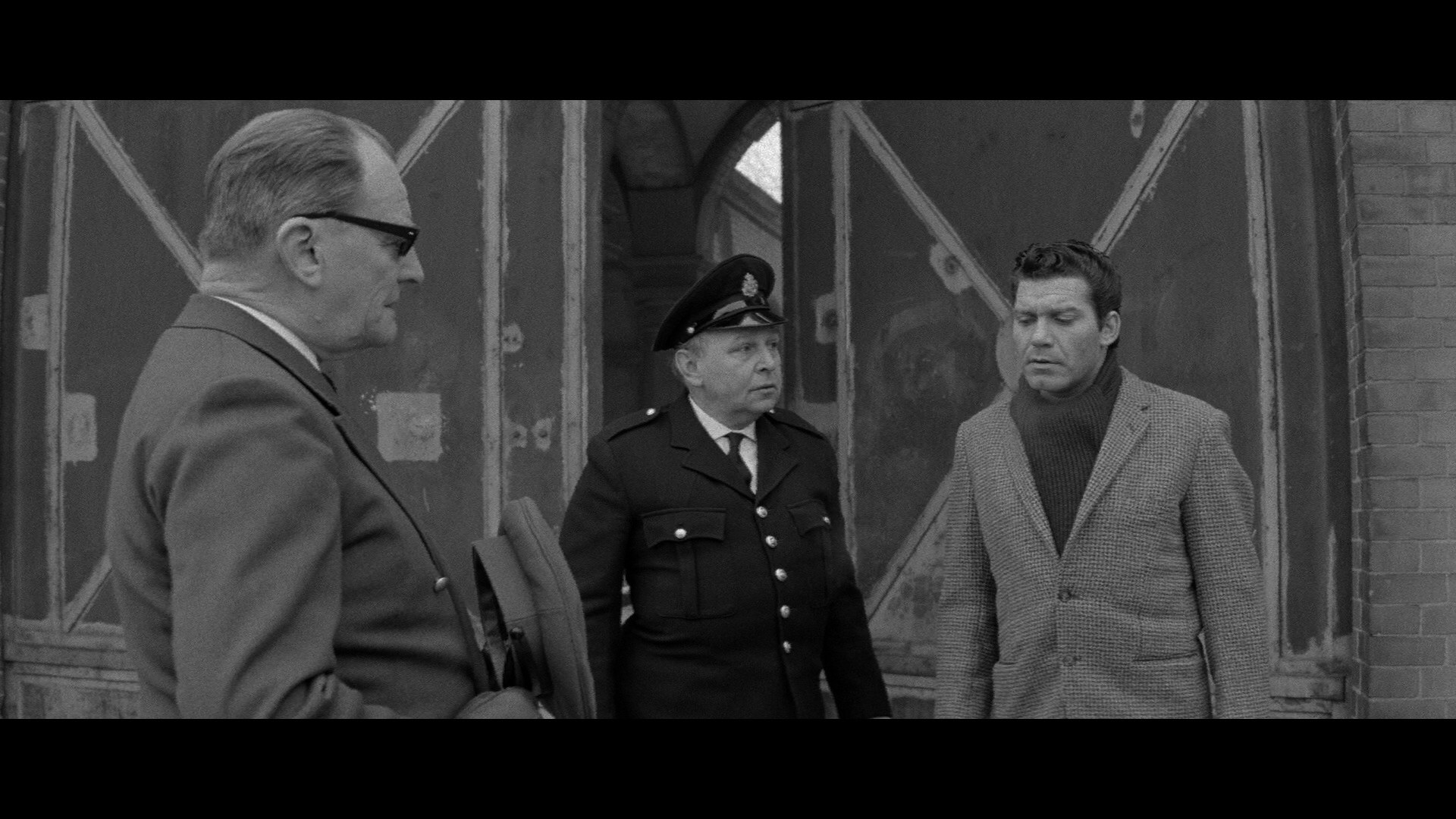
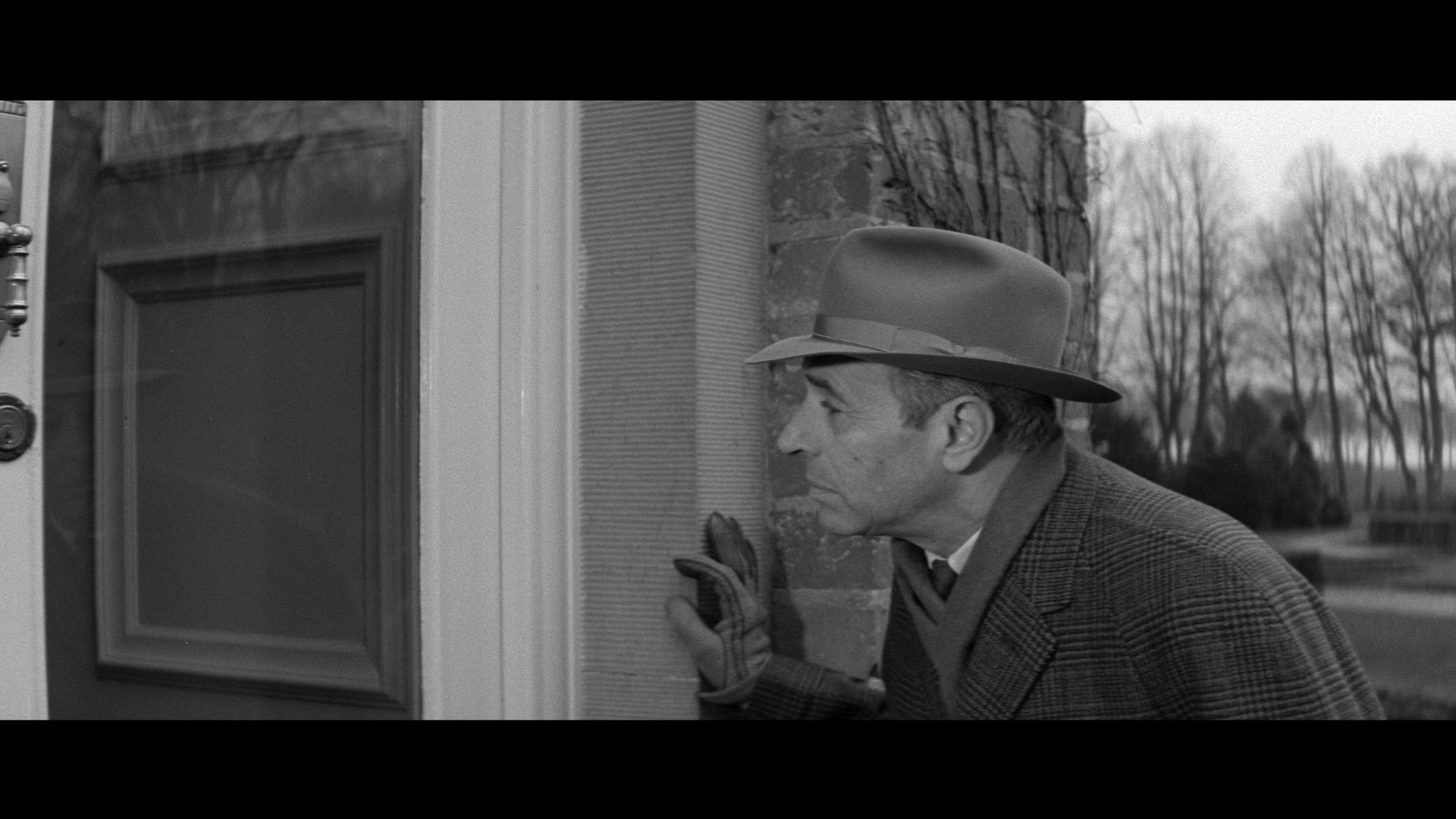
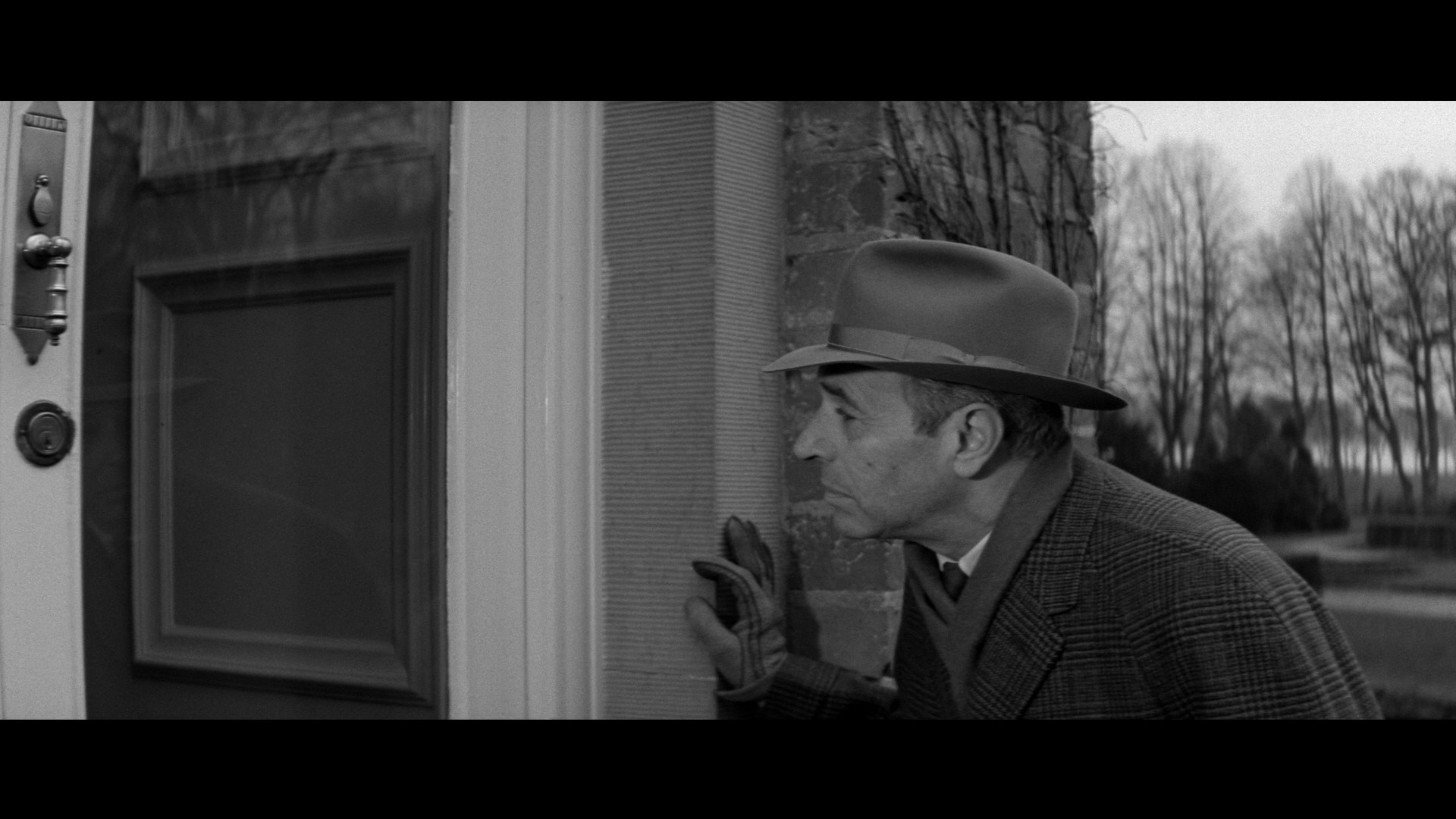
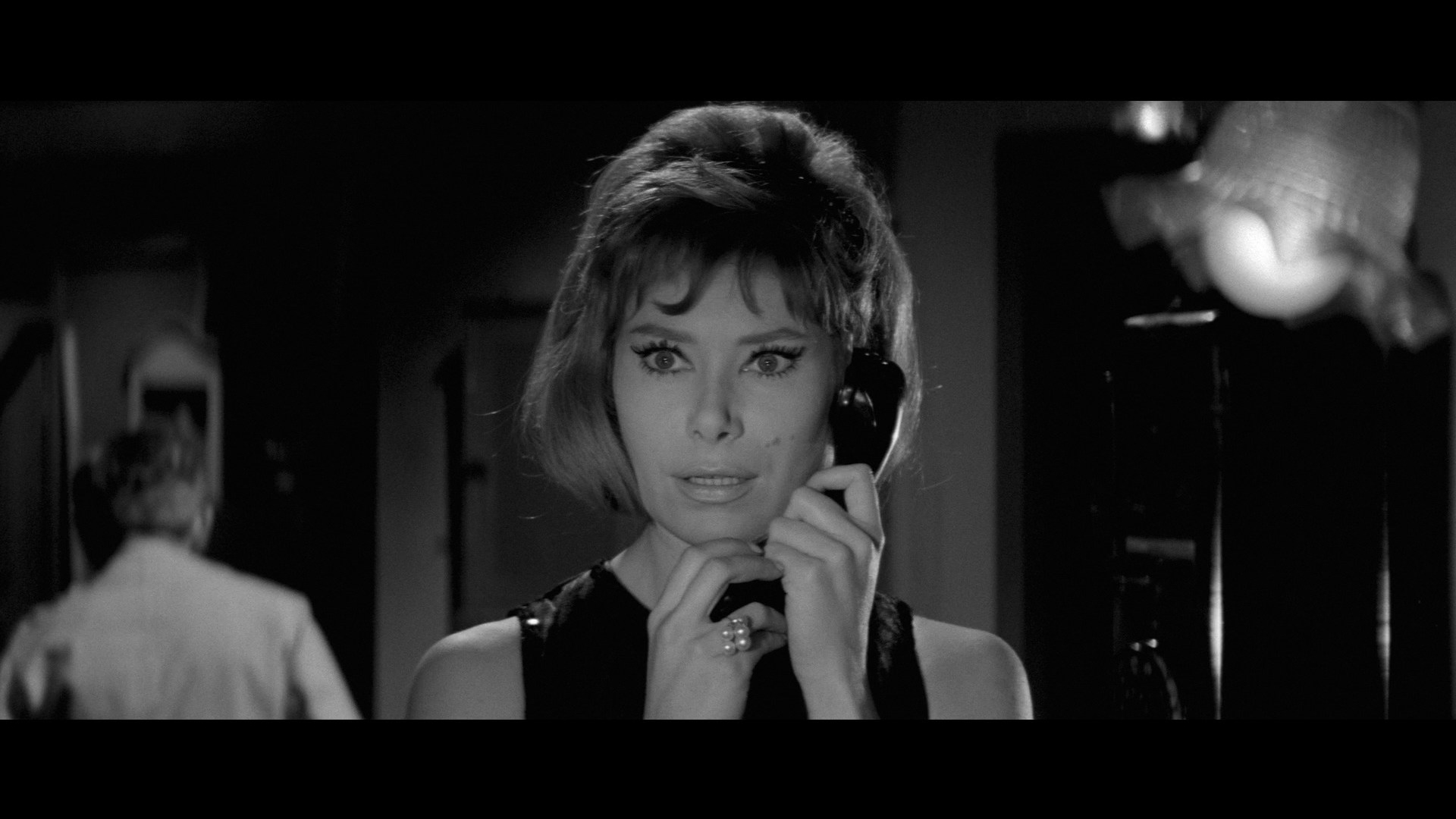
THE INDIAN SCARF: Vinegar Syndrome (Blu-ray)
THE INDIAN SCARF: Leonine / UFA (Blu-ray)
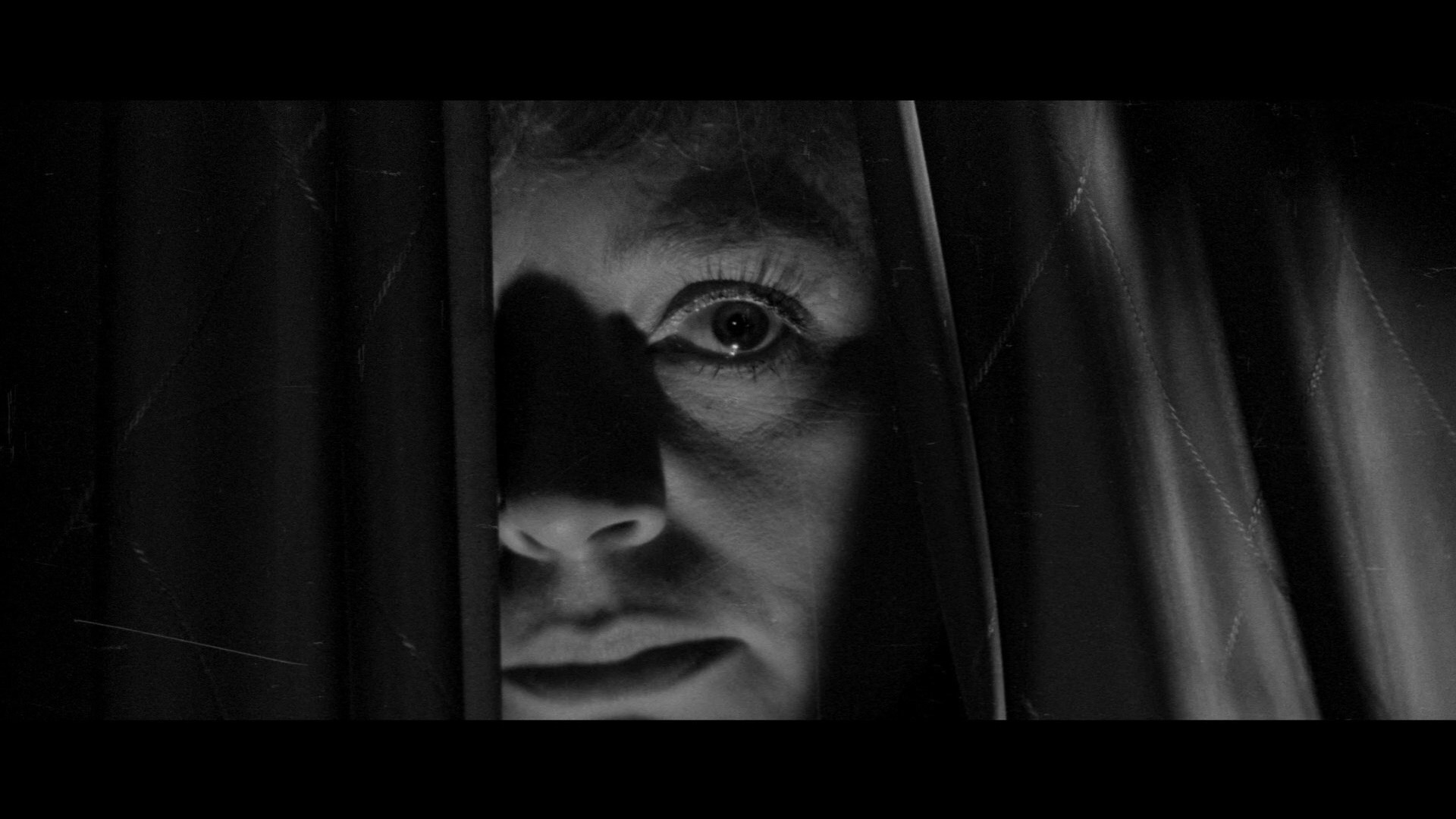
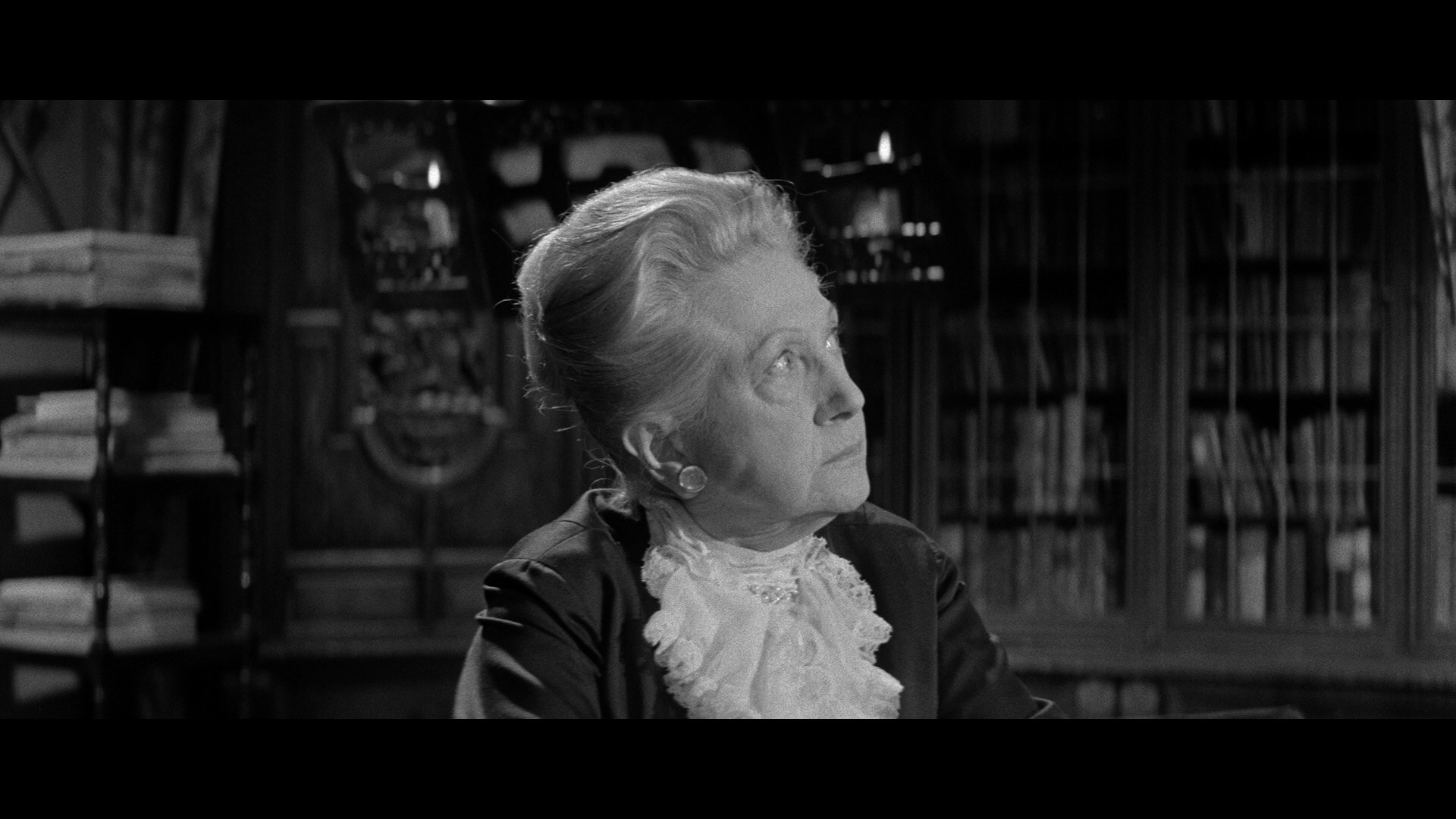
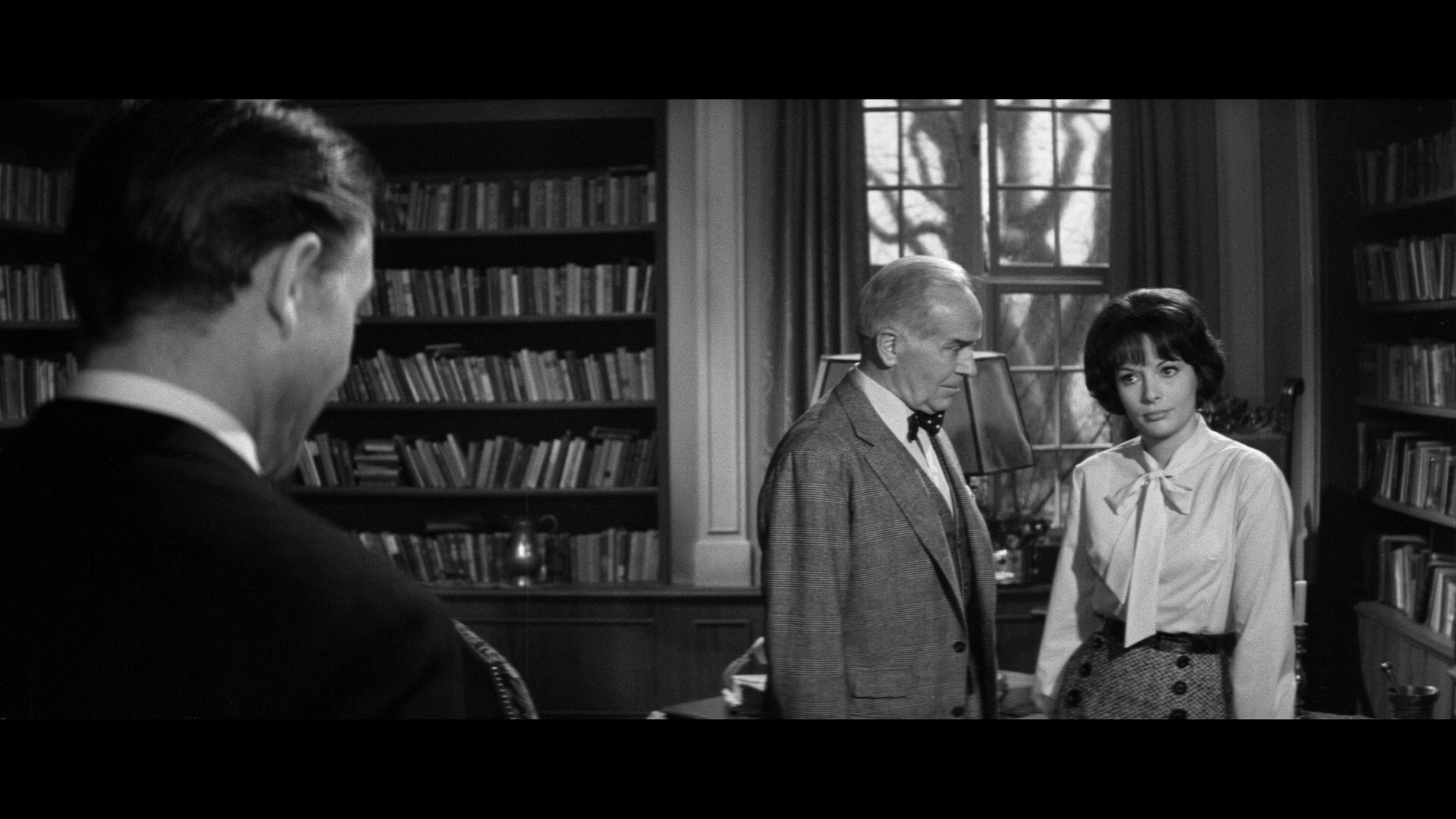
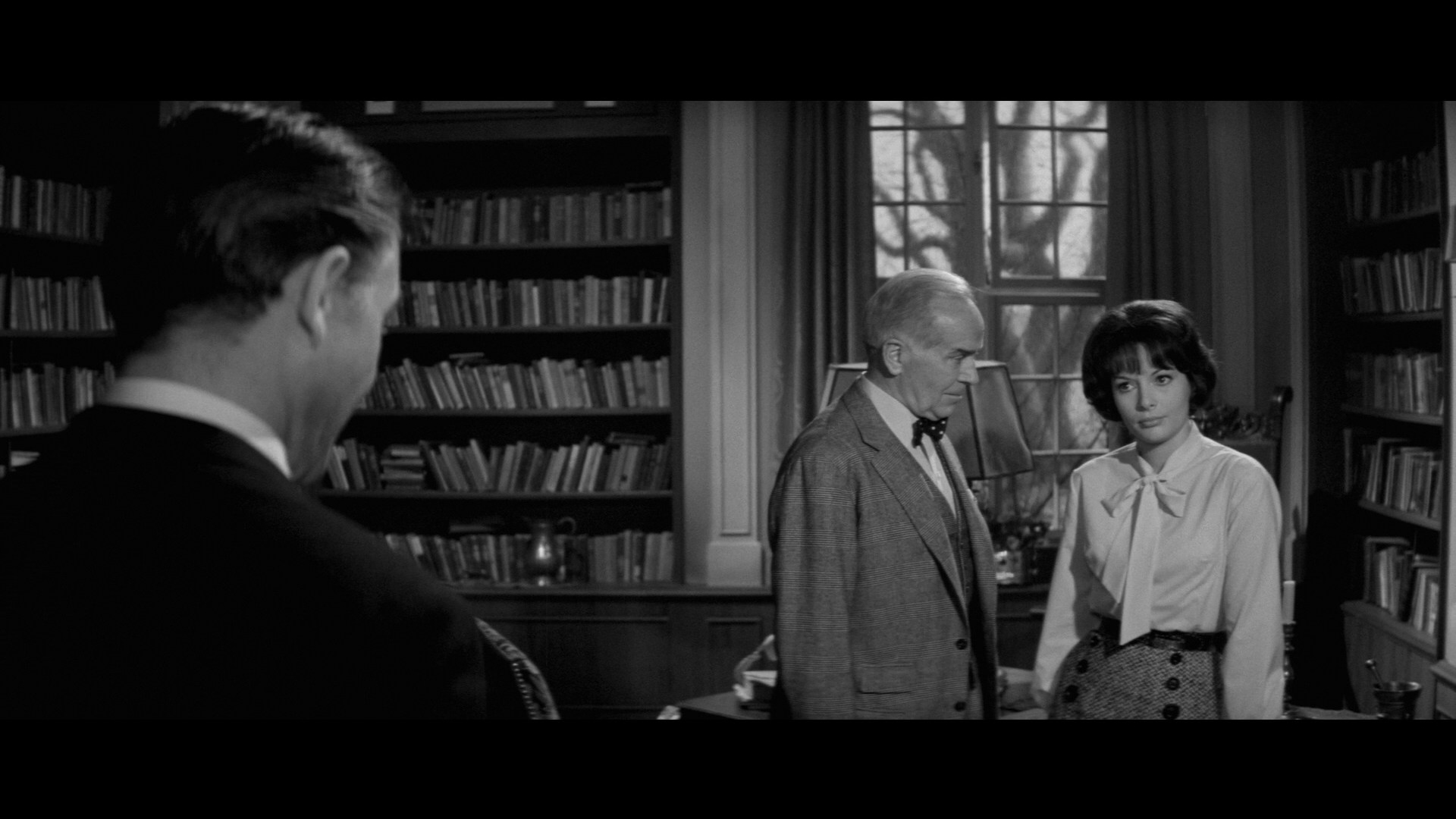
THE SQUEAKER: Vinegar Syndrome (Blu-ray)
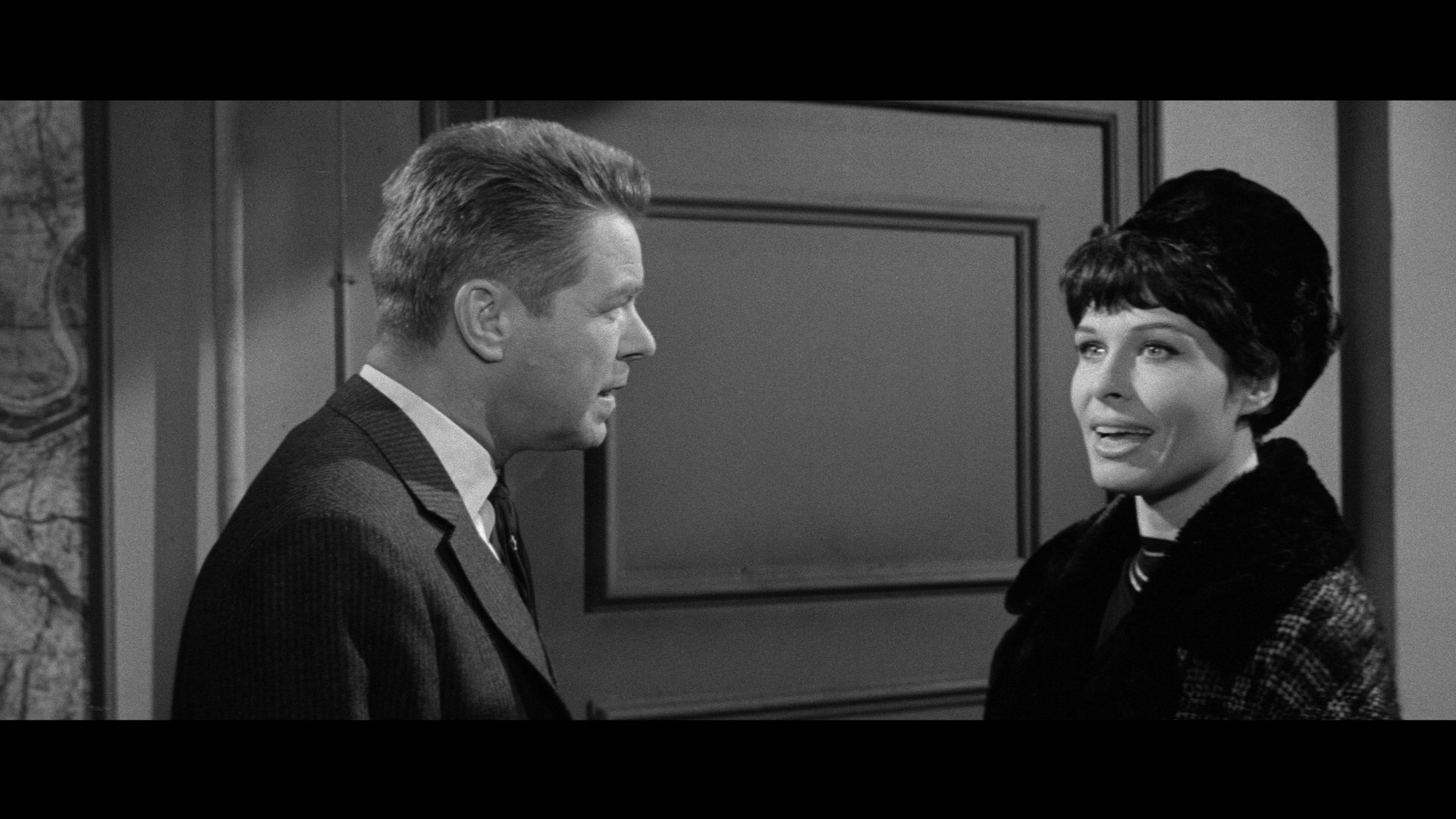
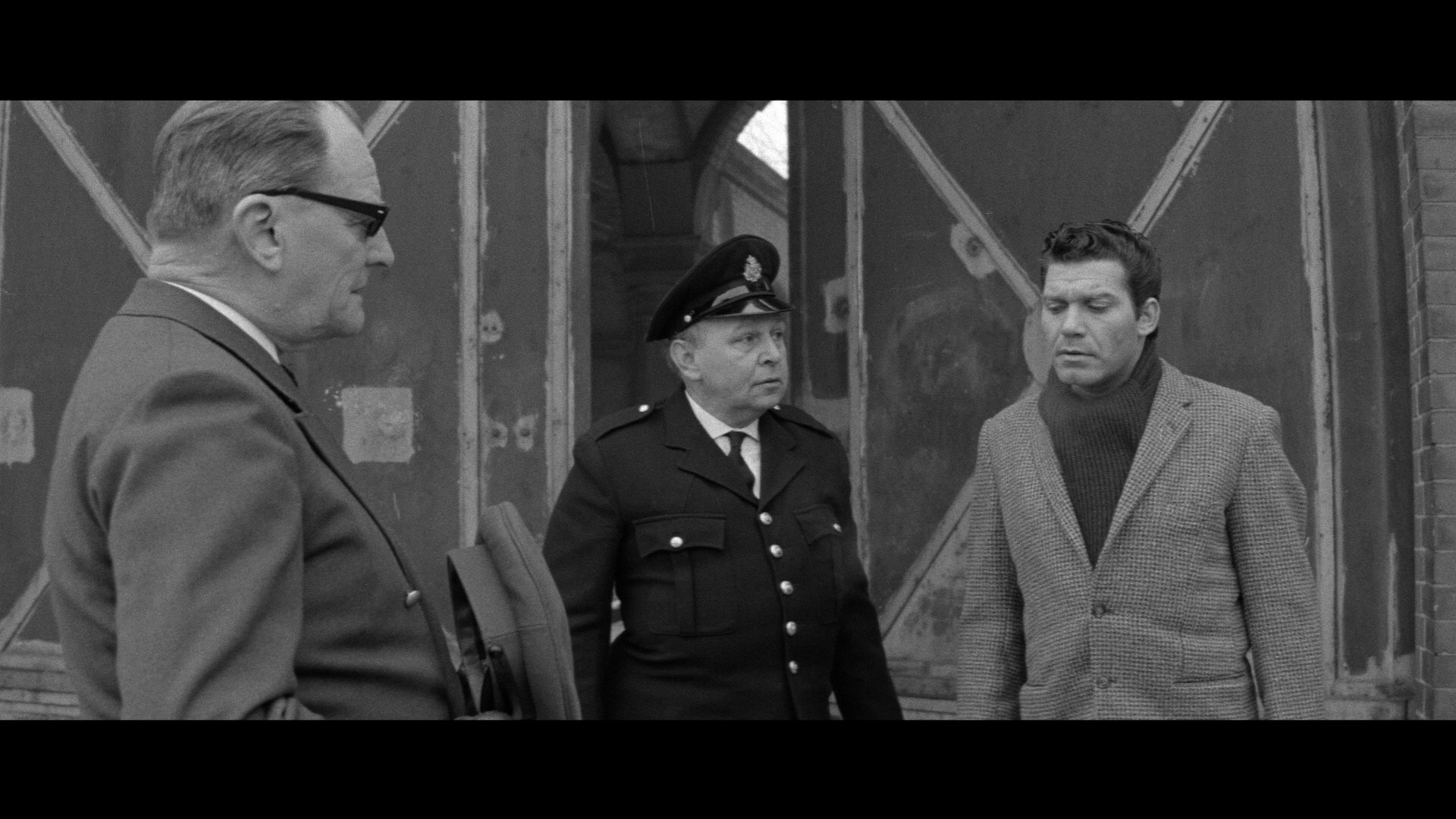
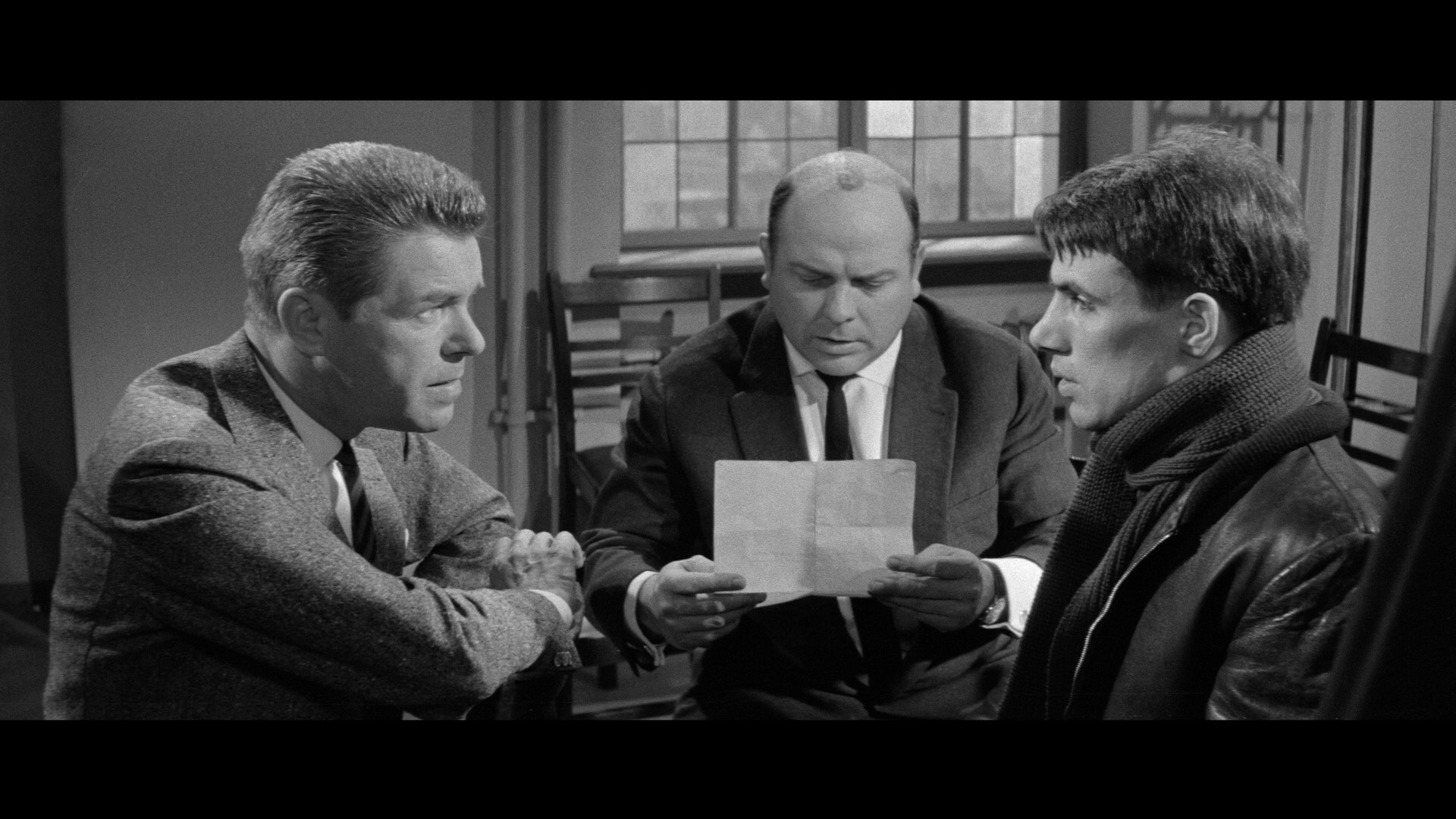
THE SQUEAKER: Leonine / UFA (Blu-ray)
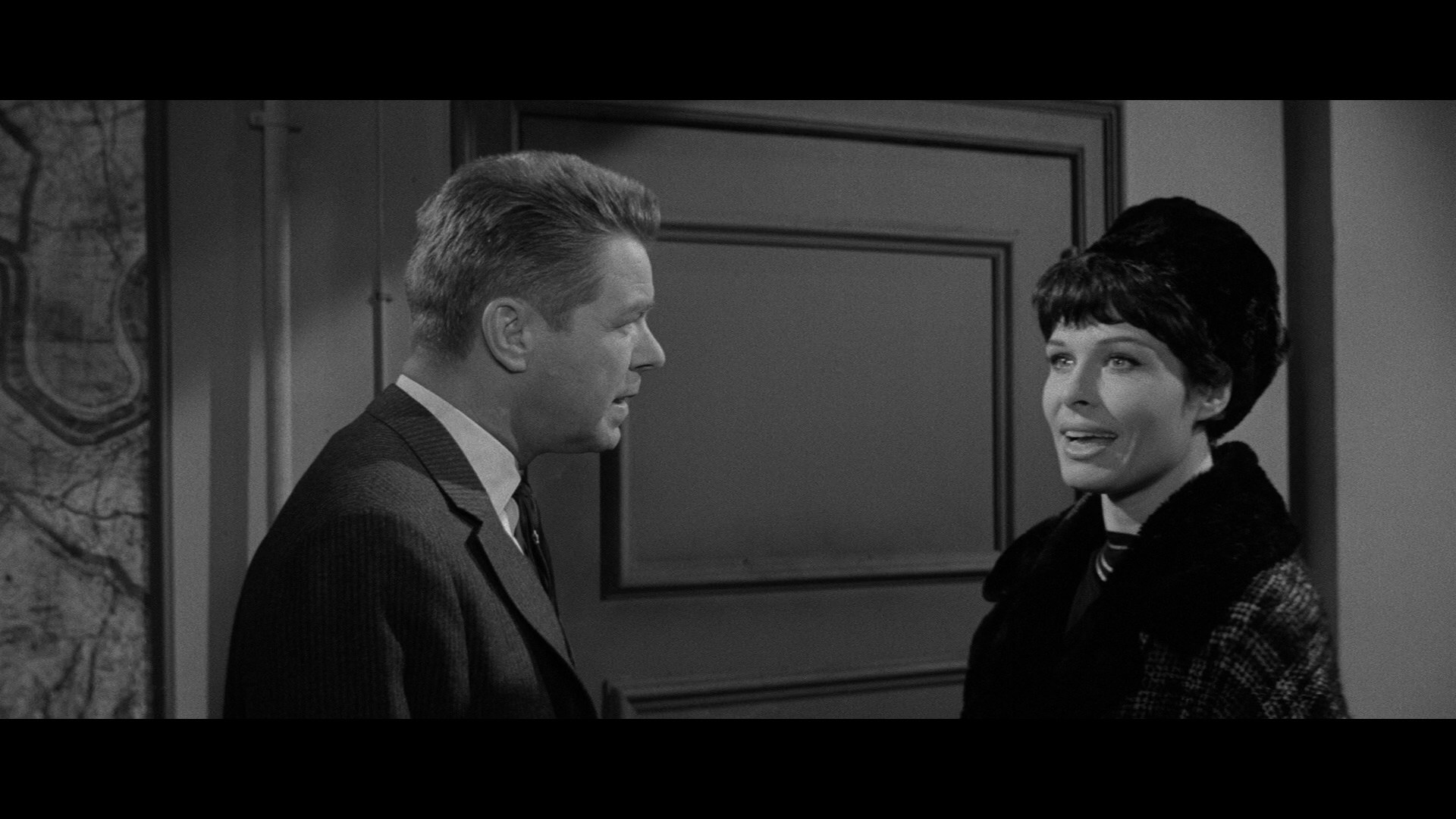
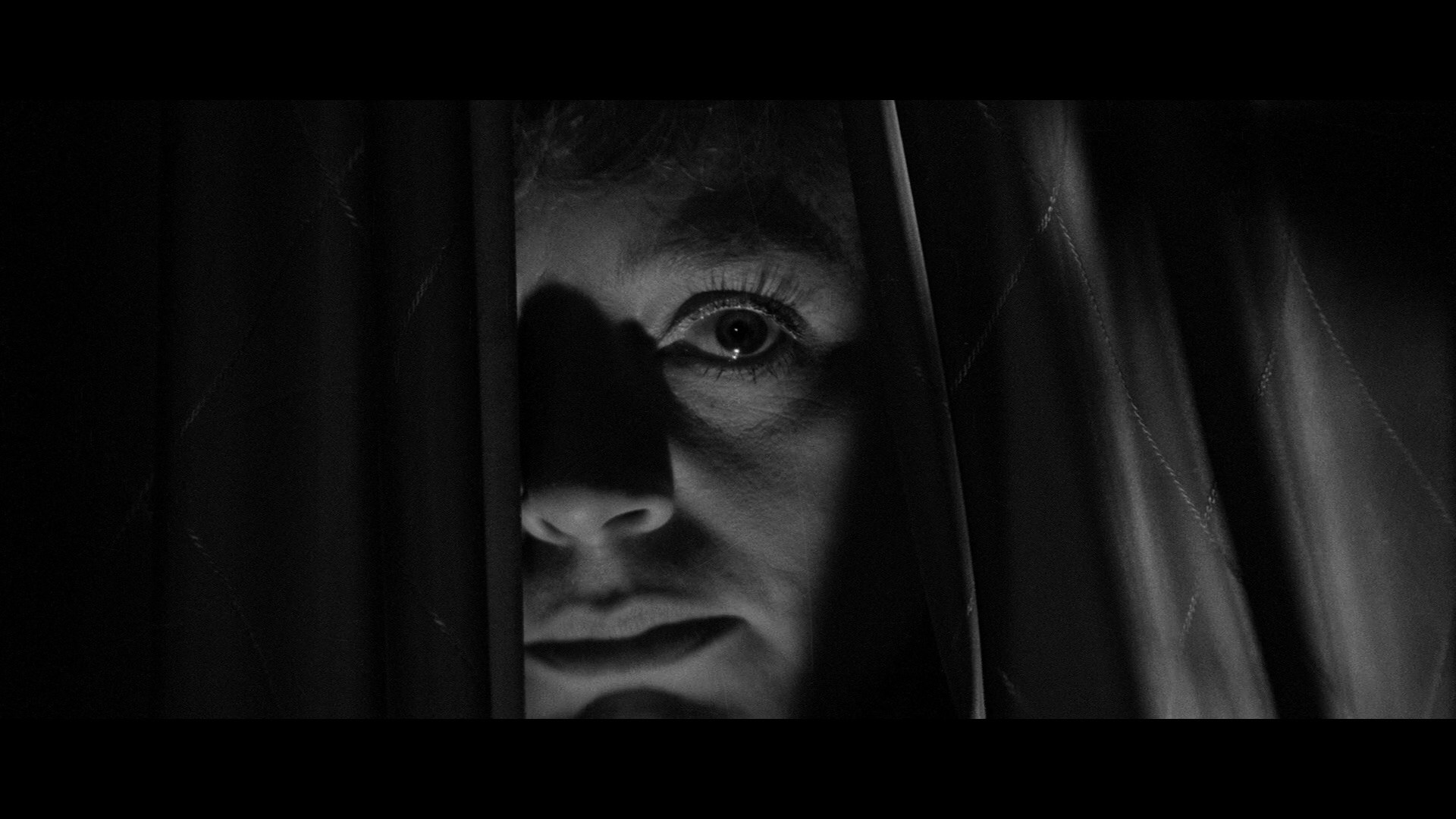
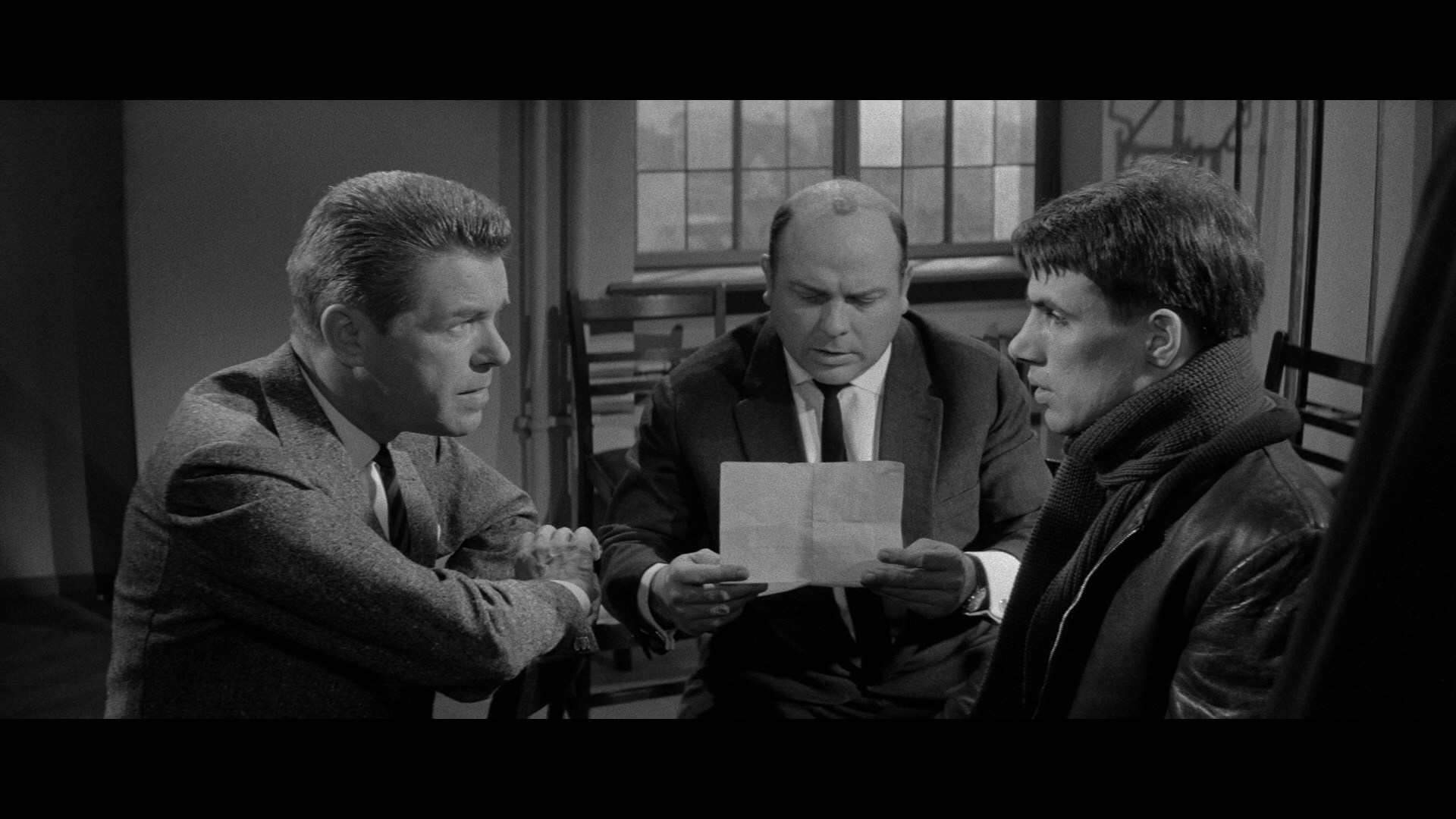
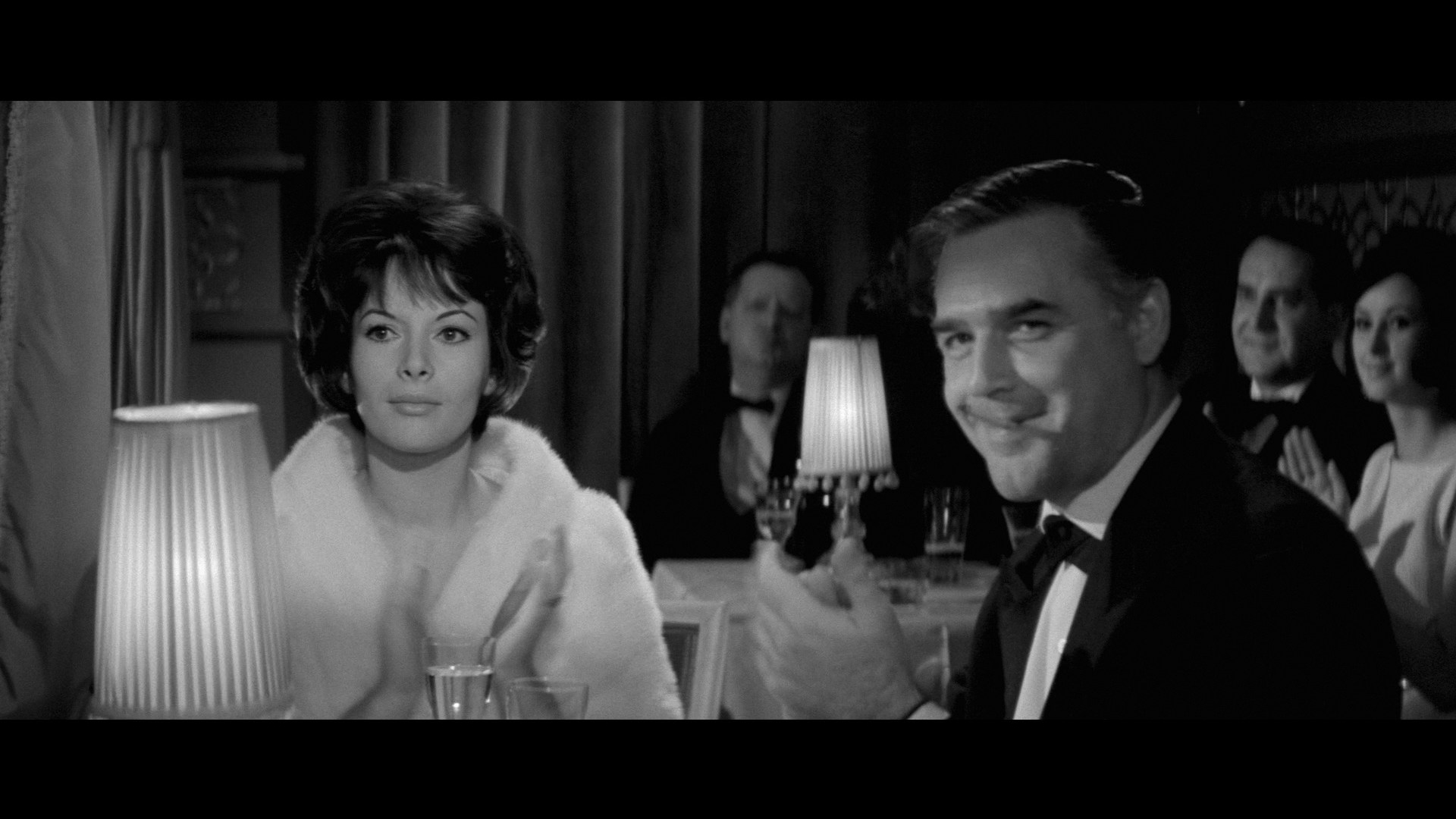
ROOM 13: Vinegar Syndrome (Blu-ray)
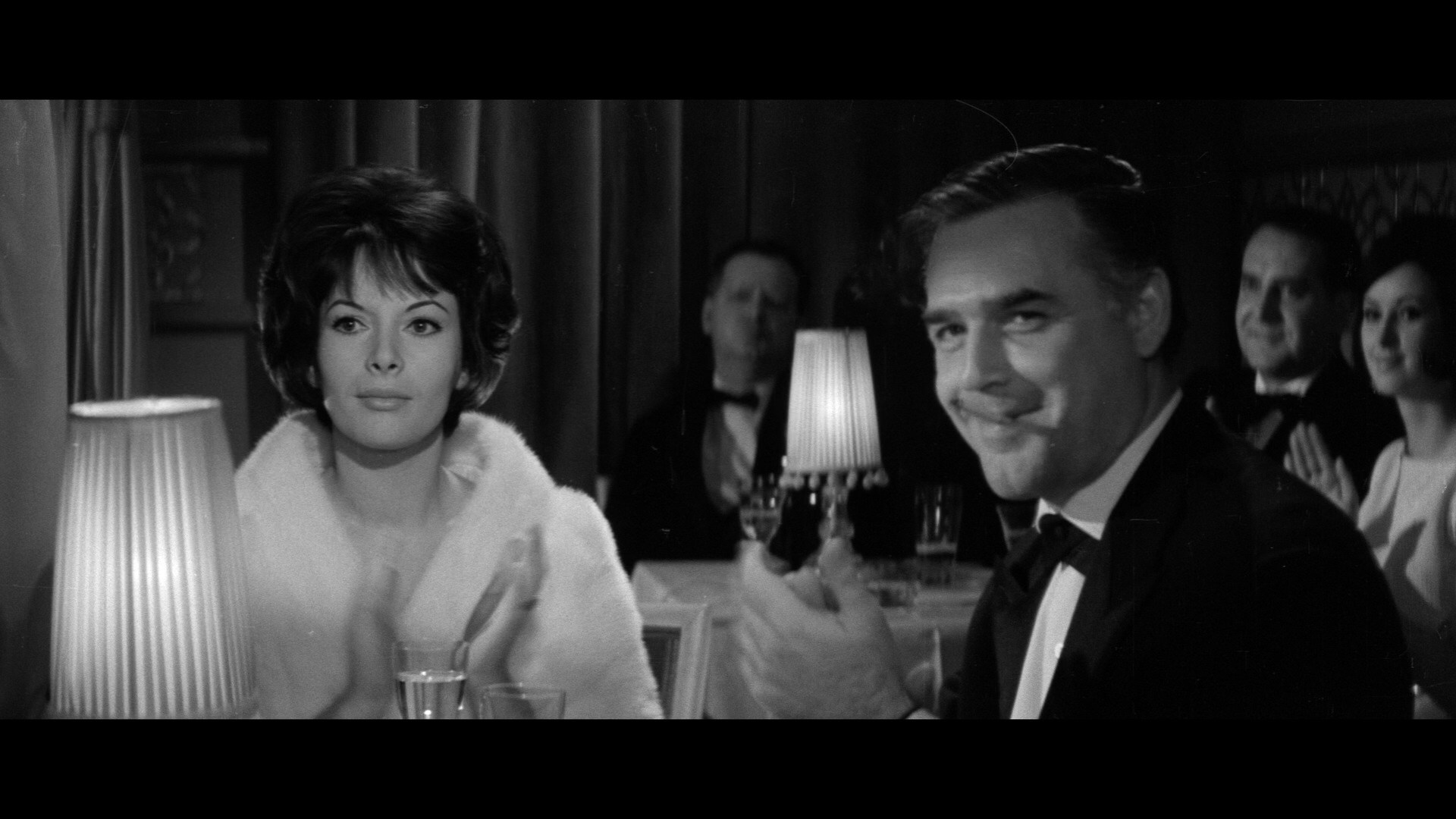
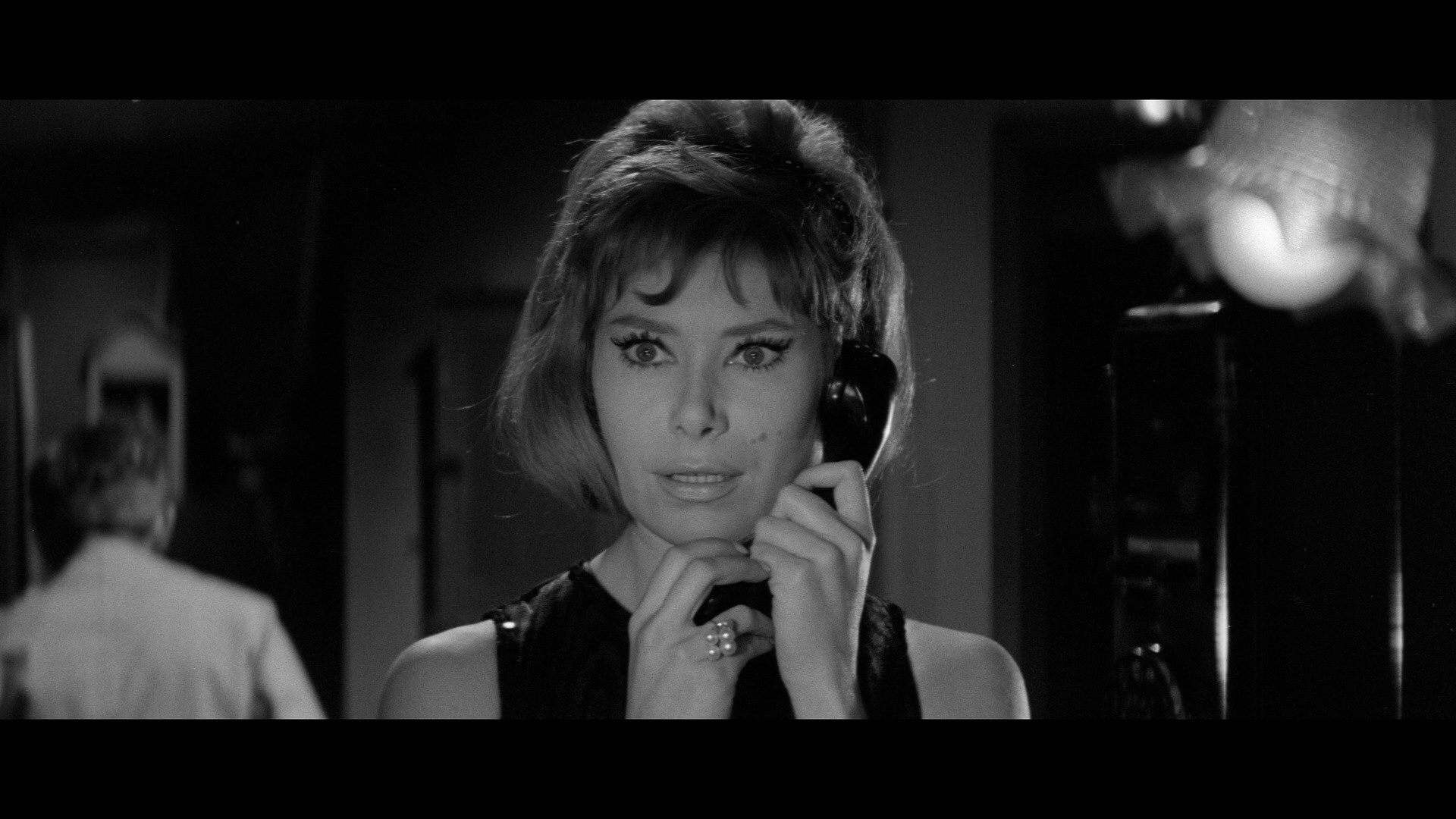
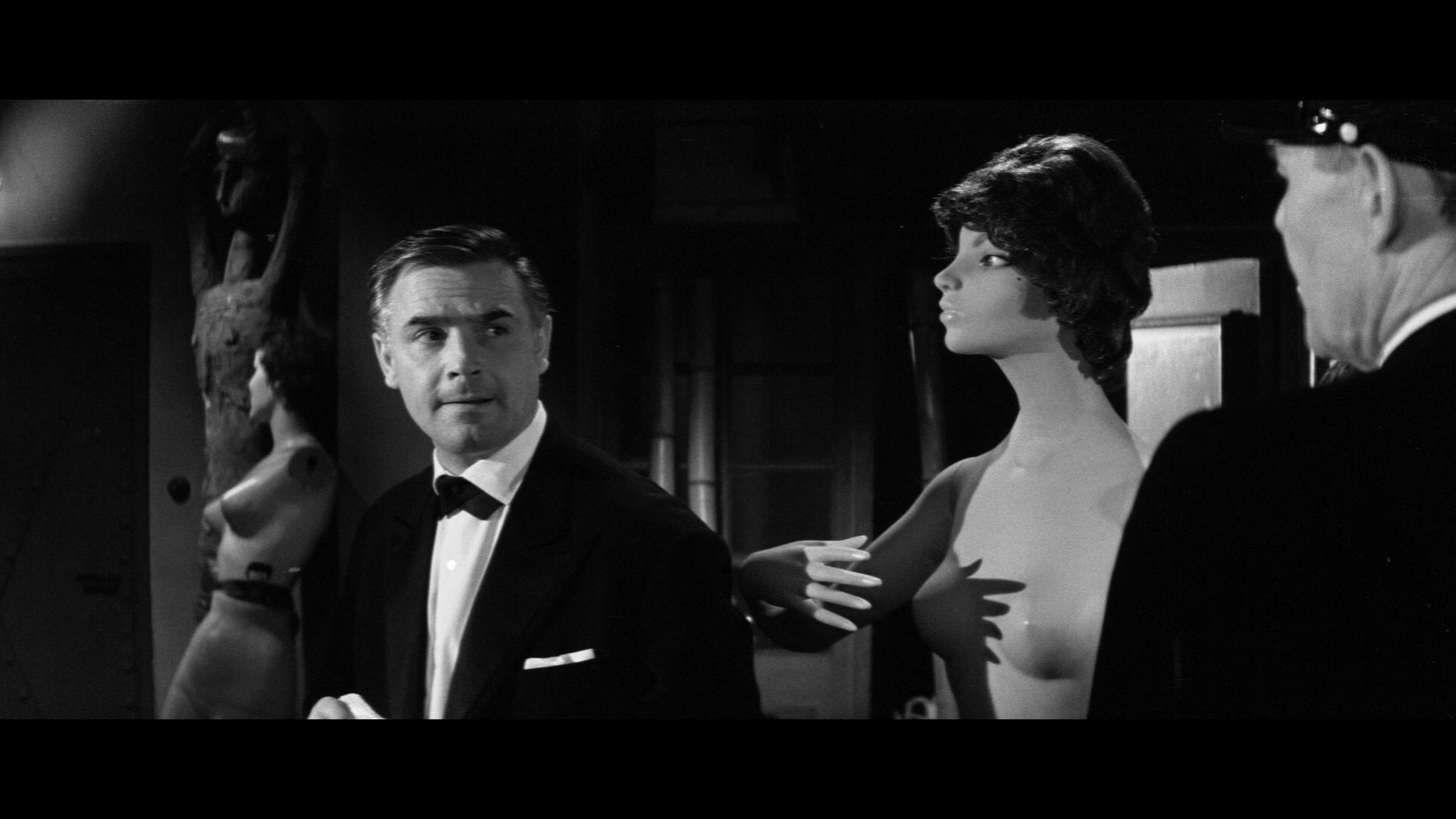
ROOM 13: Leonine (Blu-ray)
Reviewed on November 3, 2026
