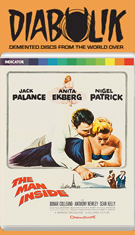
 talent collides in this often overlooked late '50s crime thriller, one of several made by Warwick Film Productions with
  international distribution handled by Columbia Pictures thanks to anchoring the production with at least one notable Hollywood actor. In this case you get Jack Palance (stepping in for the originally announced Alan Ladd) in the sole screen incarnation of intrepid insurance investigator Milo March created by novelist M.E. Chaber (the jokey pen name for Kendell Foster Crossen). In this case the globe-trotting adventure also ropes in Swedish sensation Anita Ekberg (pre-La Dolce Vita), then under contract to Warwick owners and this film's producers, Irwin Allen and future James Bond guru Albert R. "Cubby" Broccoli who later worked her in prominently in From Russia with Love.
 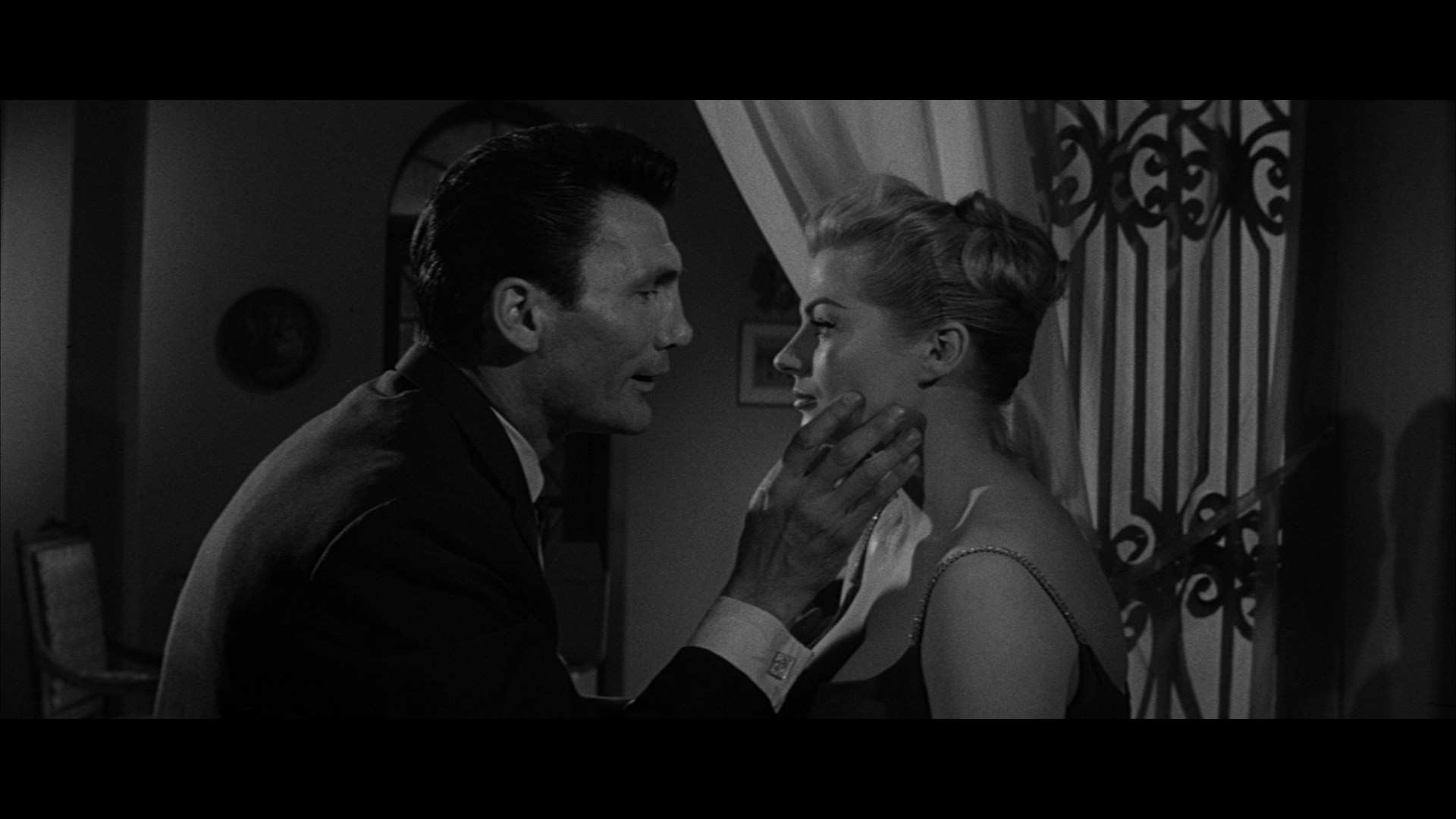 hunter
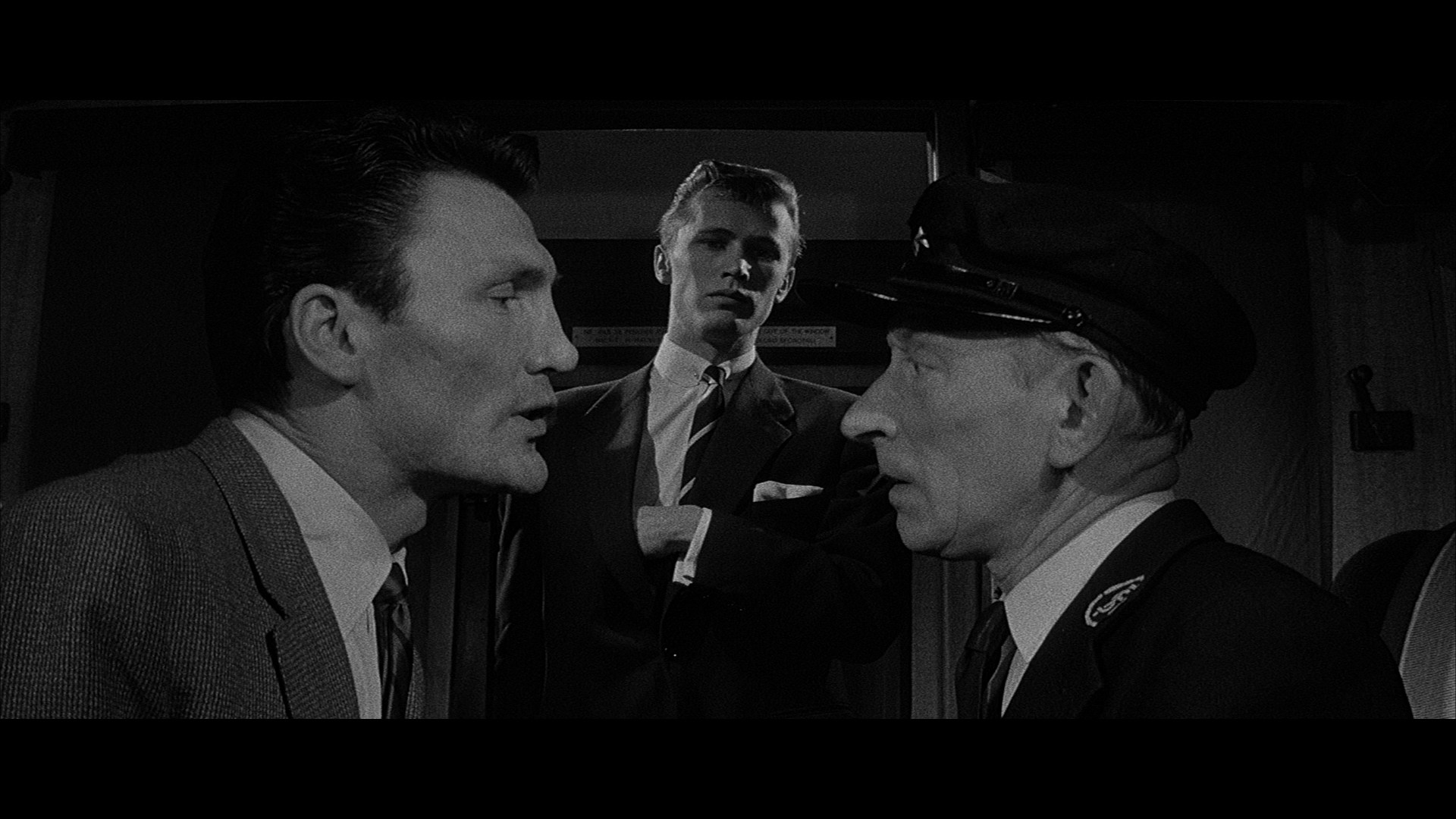
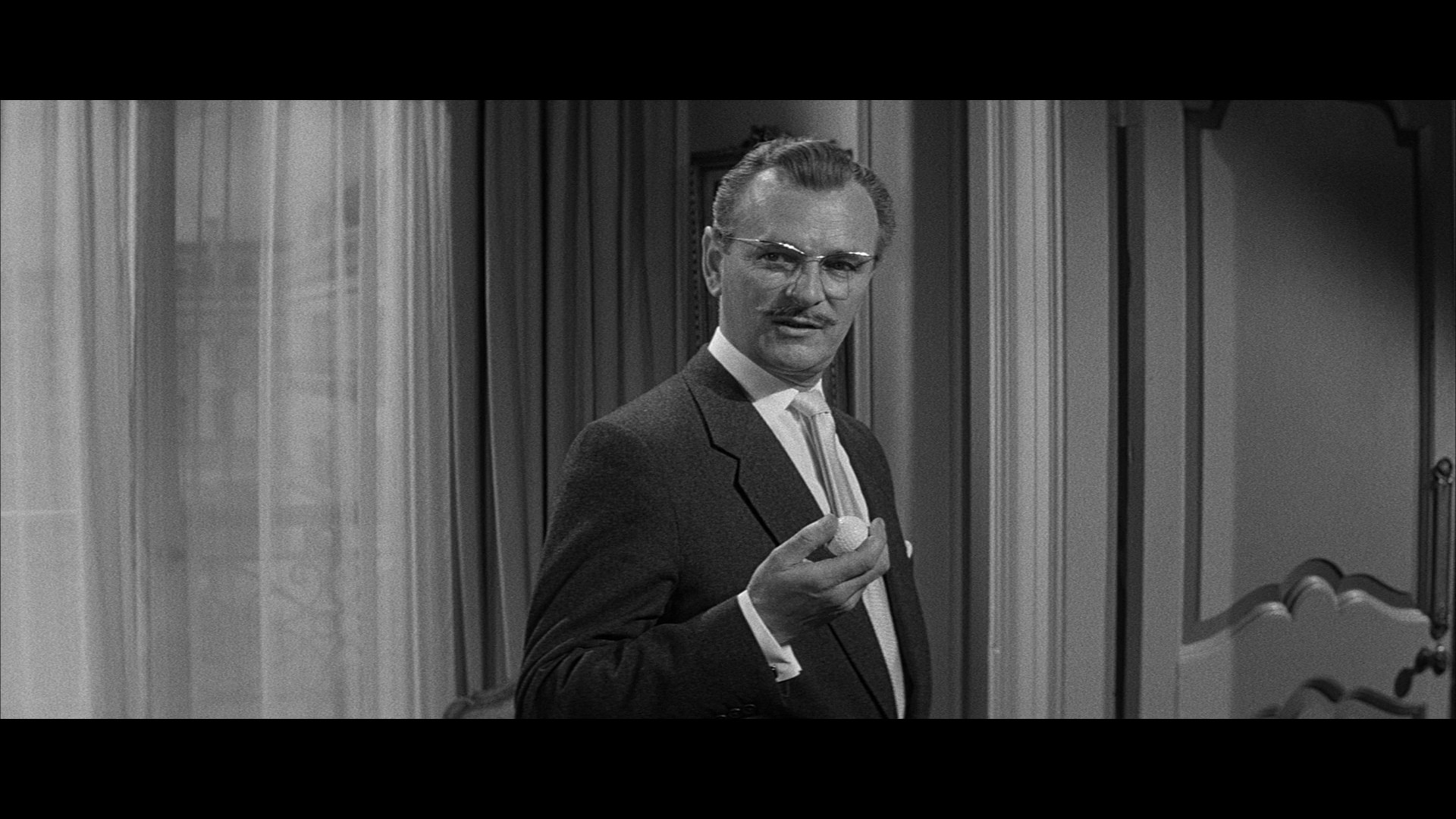
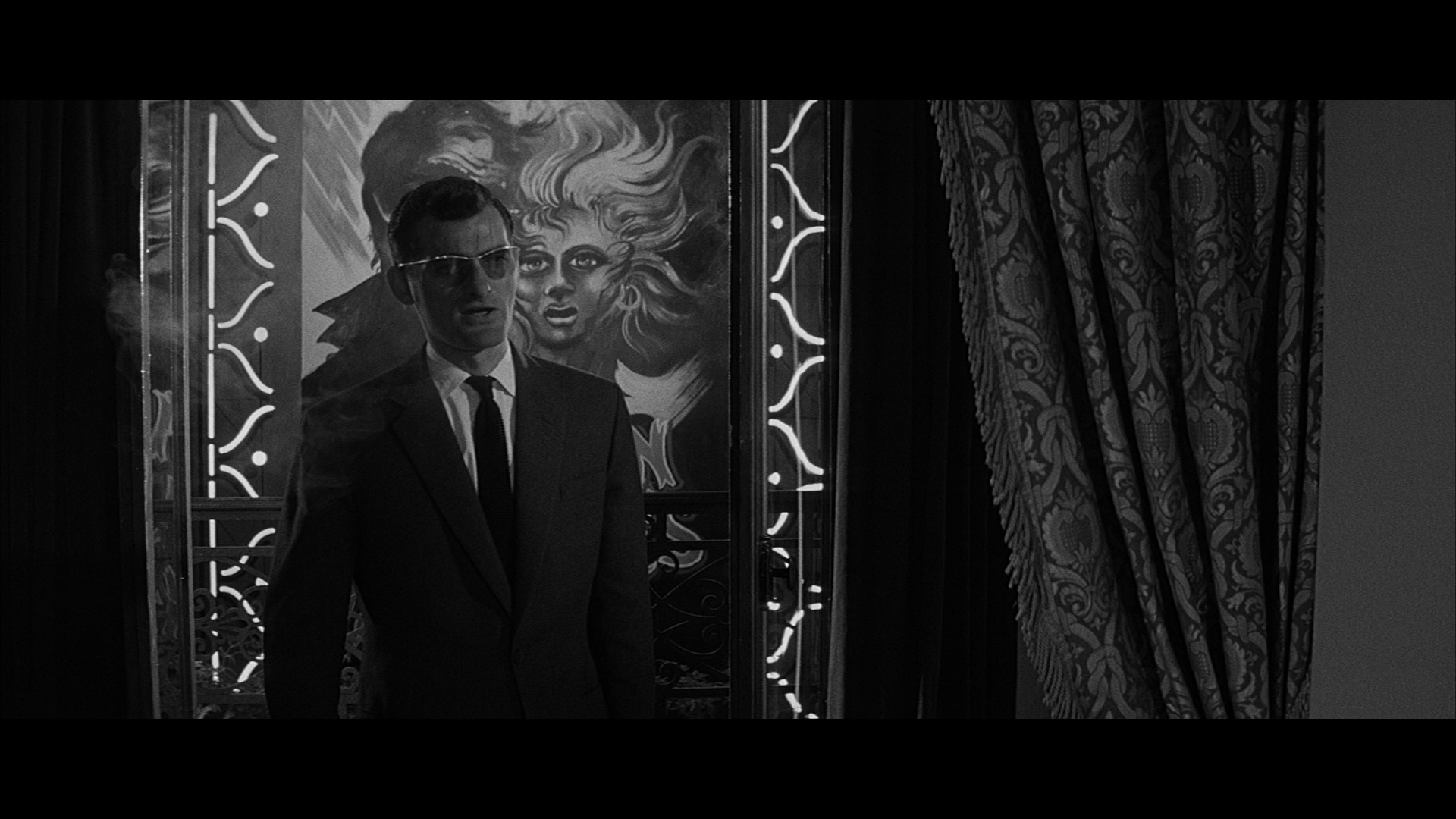
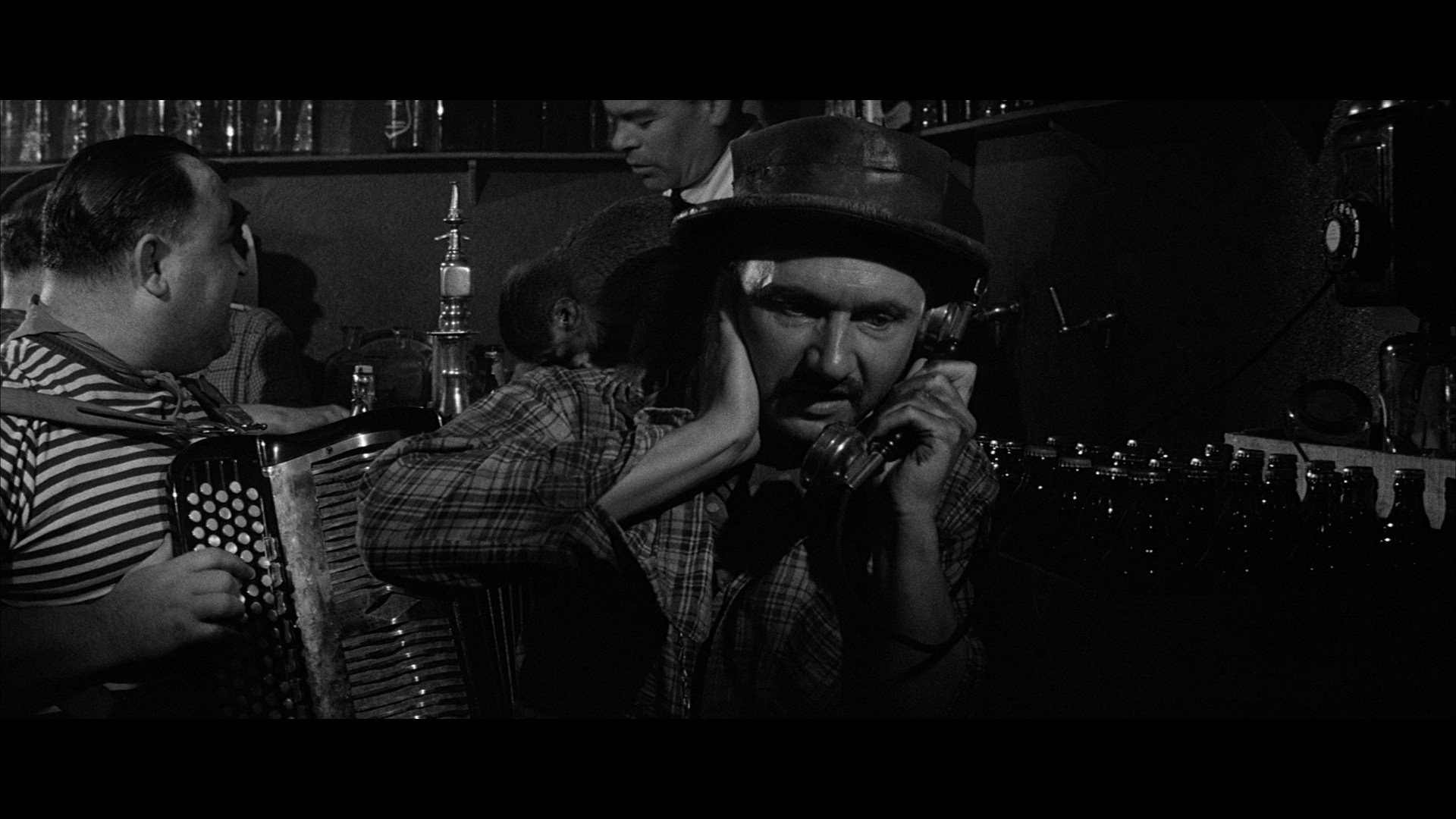
 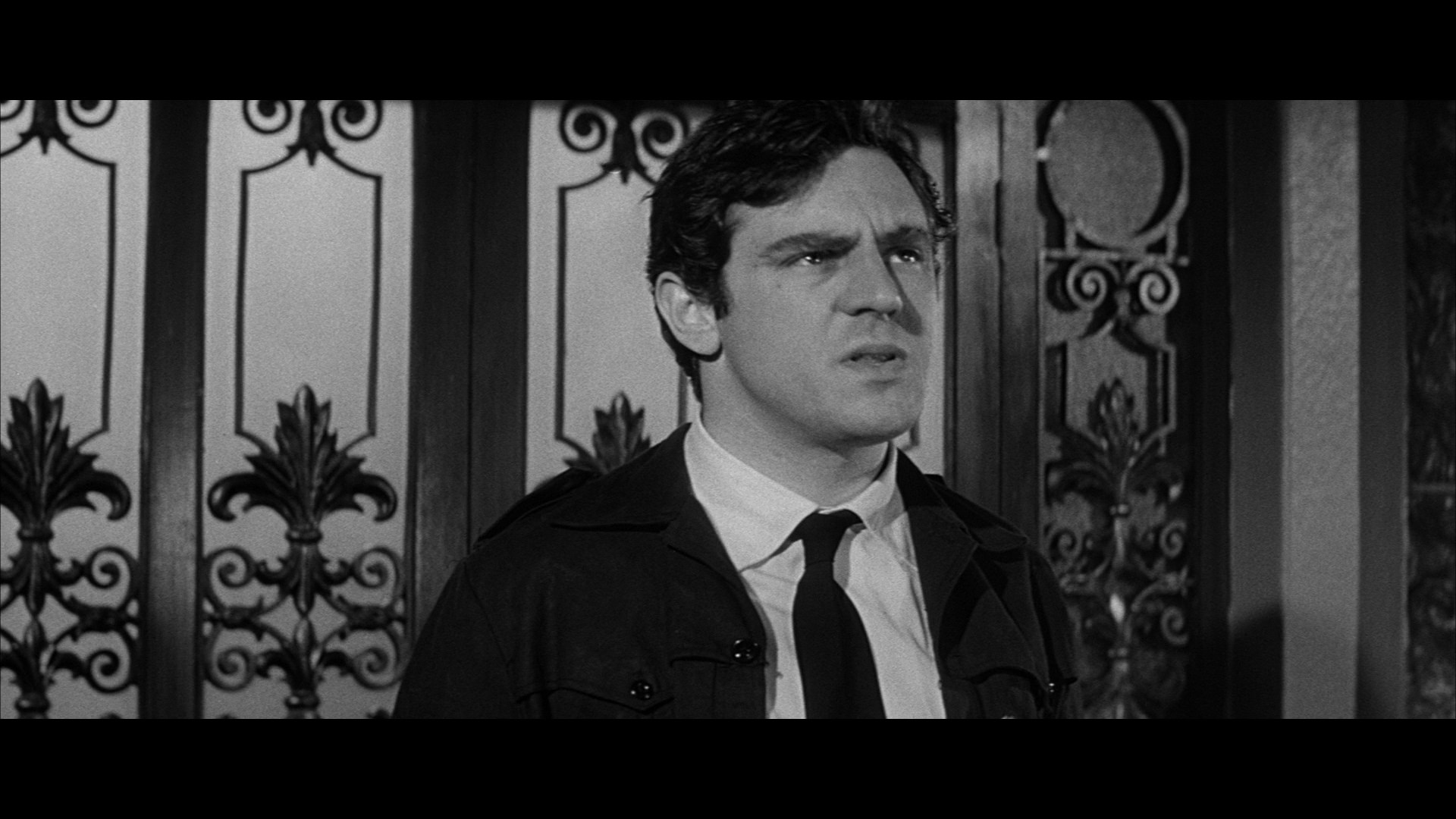 first spied in Carter's apartment, and a pair of dogged thieves (Colleano and Heiniz) plus a young Anthony Newley as a Spanish cabbie and a short-lived Donald Pleasence as a Portuguese organ grinder who nearly gets upstaged by his monkey.
  perfectly framed Blu-ray presentation with a typically nice master provided by Sony. The fairly thick film grain is left intact here looking
  detailed and natural, and the LPCM 1.0 English mono audio is also pristine with new English SDH subtitles provided. A new audio commentary by Barry Forshaw and Kim Newman is informative and lively as always as they cover the literary source character, the cinematic sleight of hand used to create a wide variety of locations, Gilling's career, the numerous notable bit actors floating around, and much more. In "Slam-Bang Entertainment" (10m23s), Vic Pratt covers the history of Warwick and its founders including their A-list talent roster, their early adoption of CinemaScope for maximum production value, and the "men's film" attitude that drove many of their productions. A 69-image gallery of stills and promotional material is also included, and the limited edition comes with a 36-page booklet featuring a new essay by Steve Chibnall singling out the contributions of cinematographer Ted Moore (with Nicolas Roeg among the crew) and charting the film's production history in London and Spain (with a little bit in New York), plus collections of archival articles on Warwick Film and Jack Palance, a "Warwick's Adventures in Economy" magazine story about the company from 1956, and a sample of press and biographical snippets about Palance.