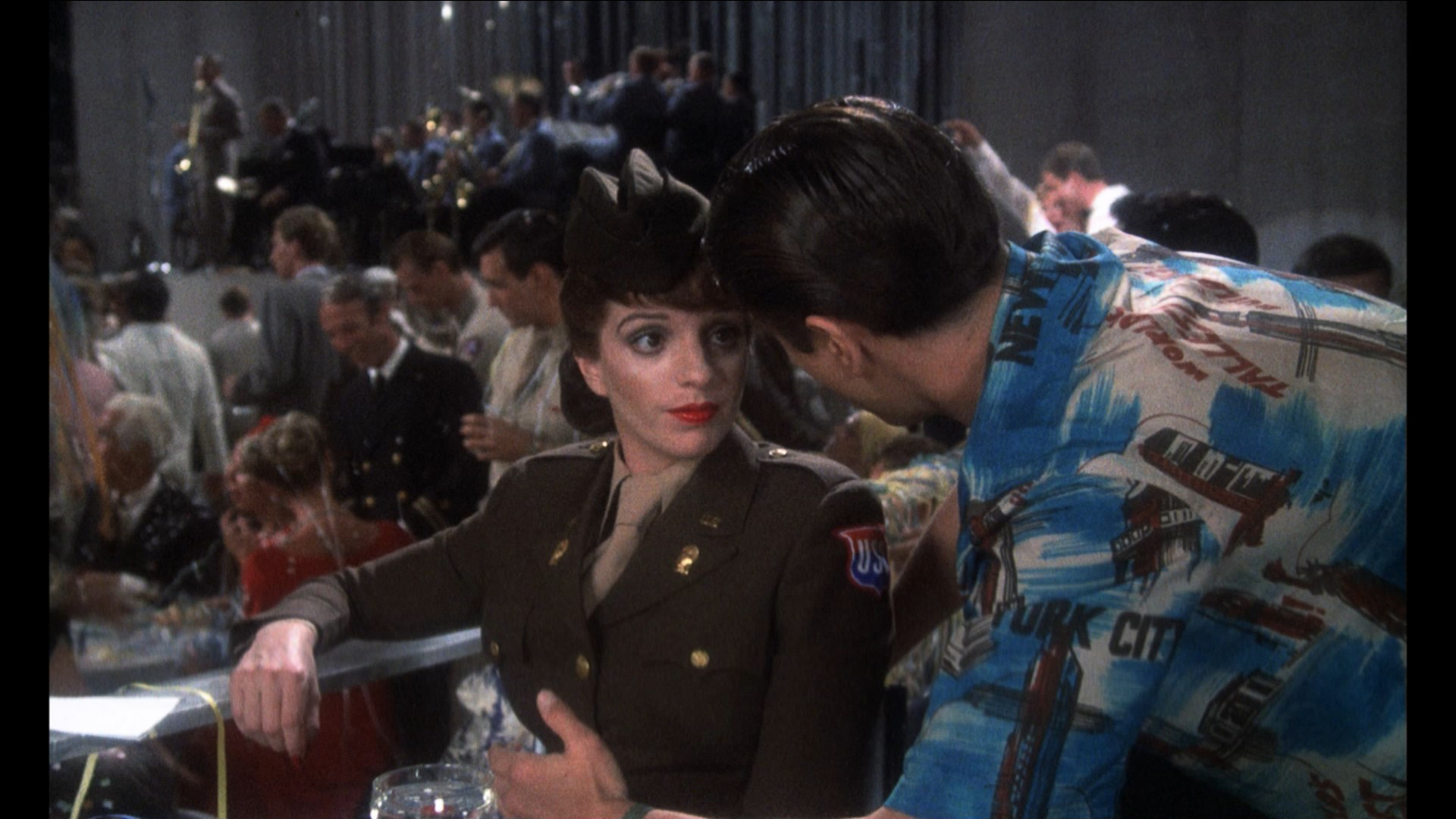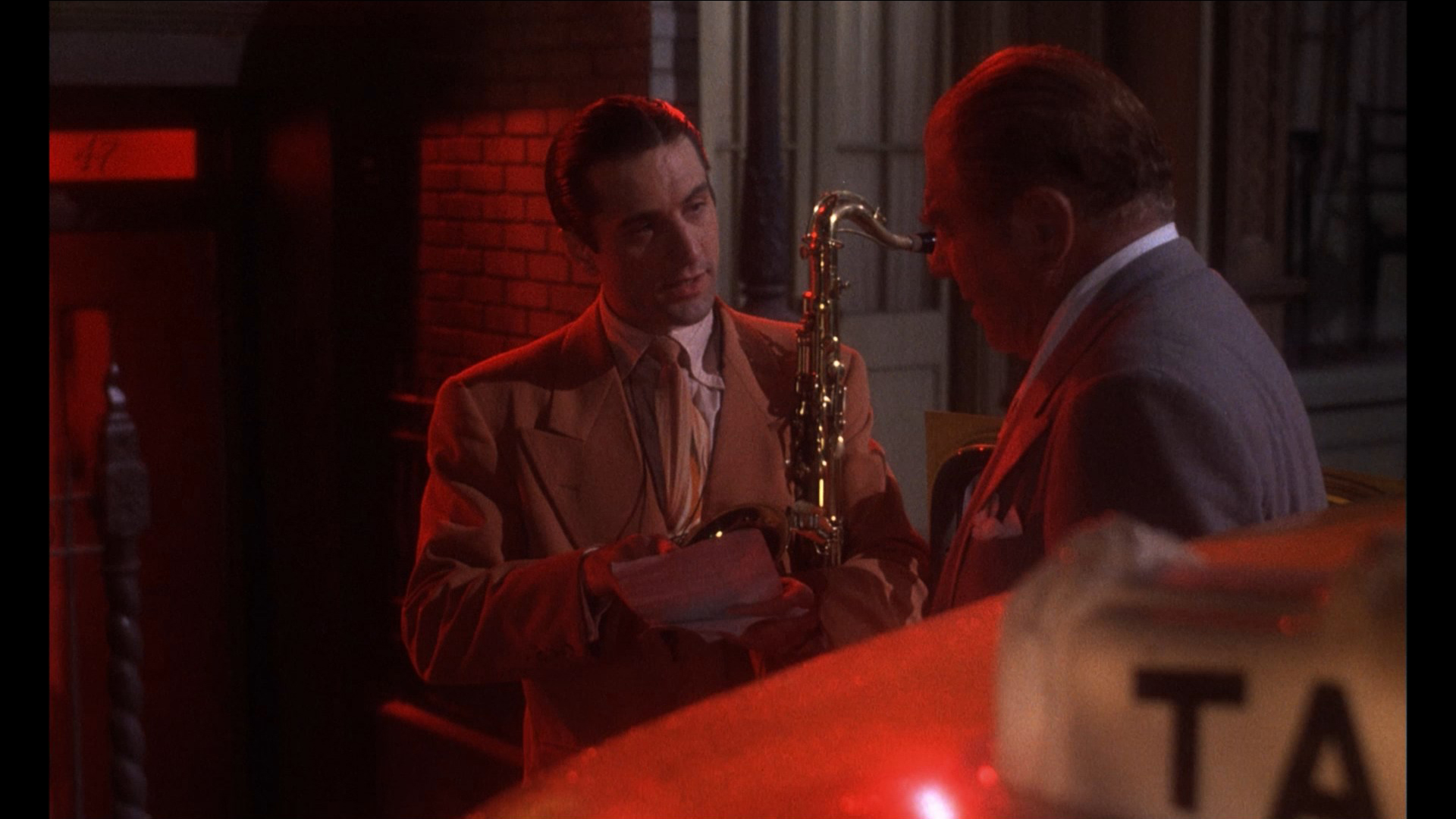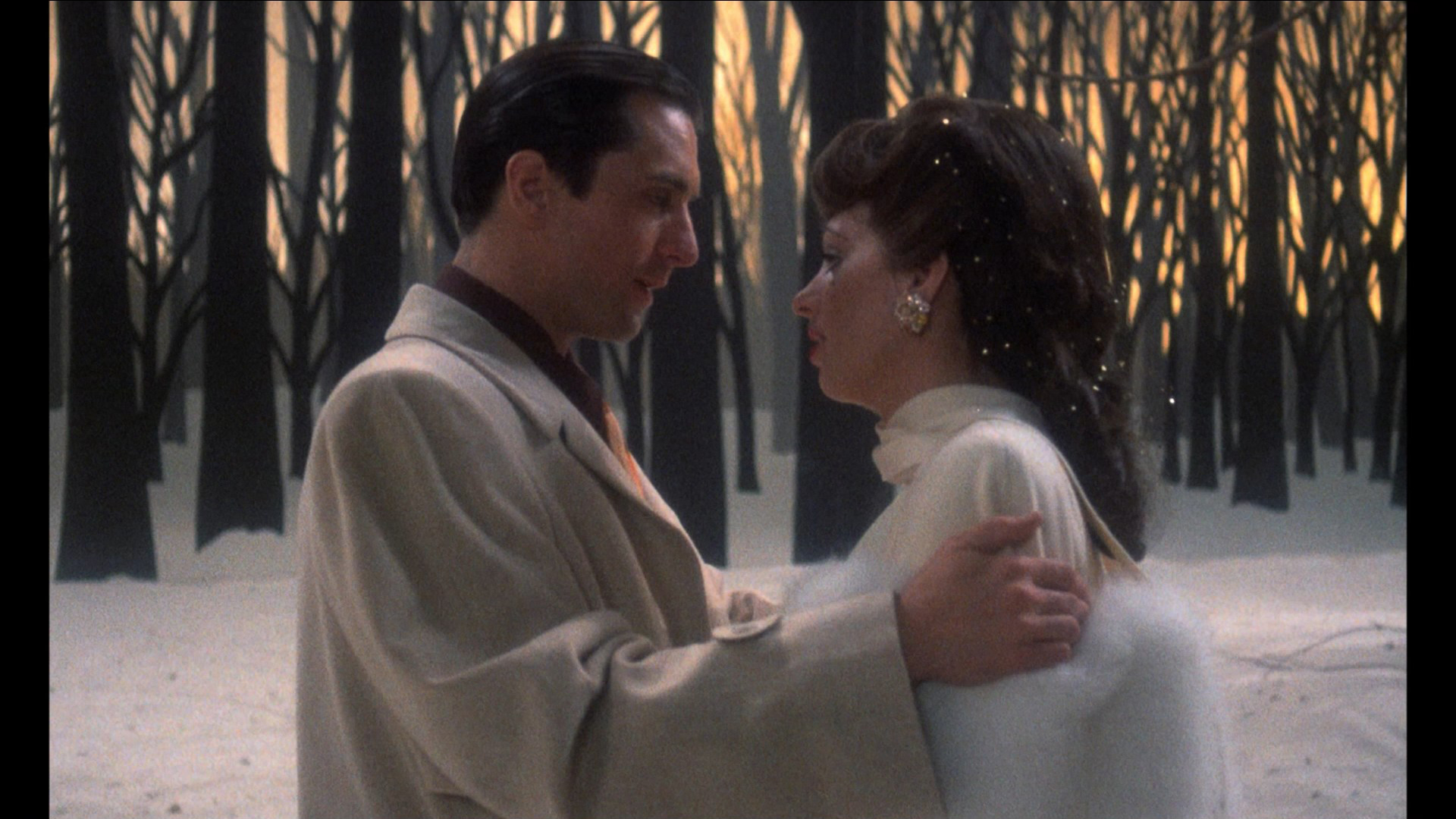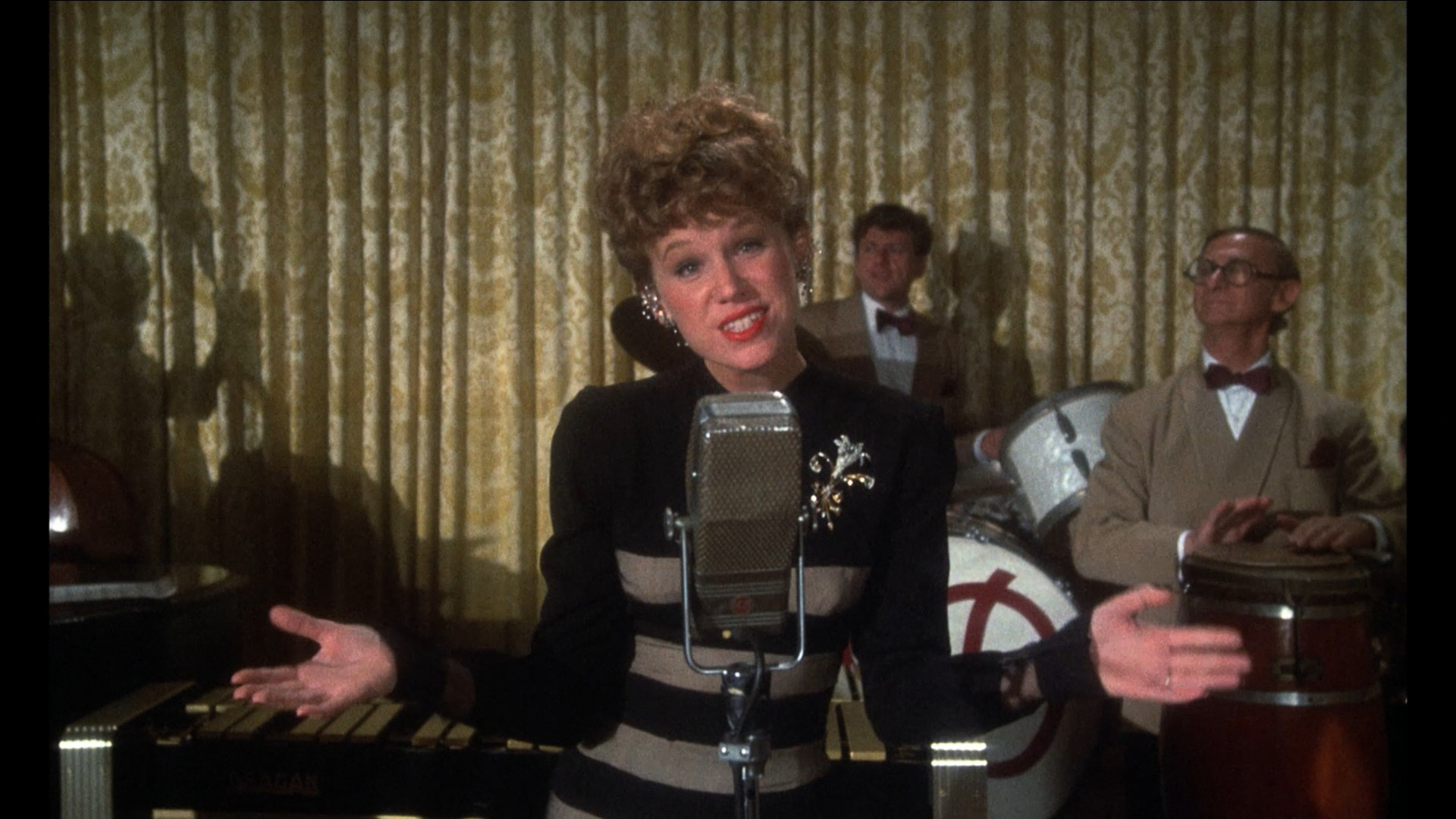
 Martin Scorsese coming up with a more controversial film than Taxi Driver in the immediate wake of that
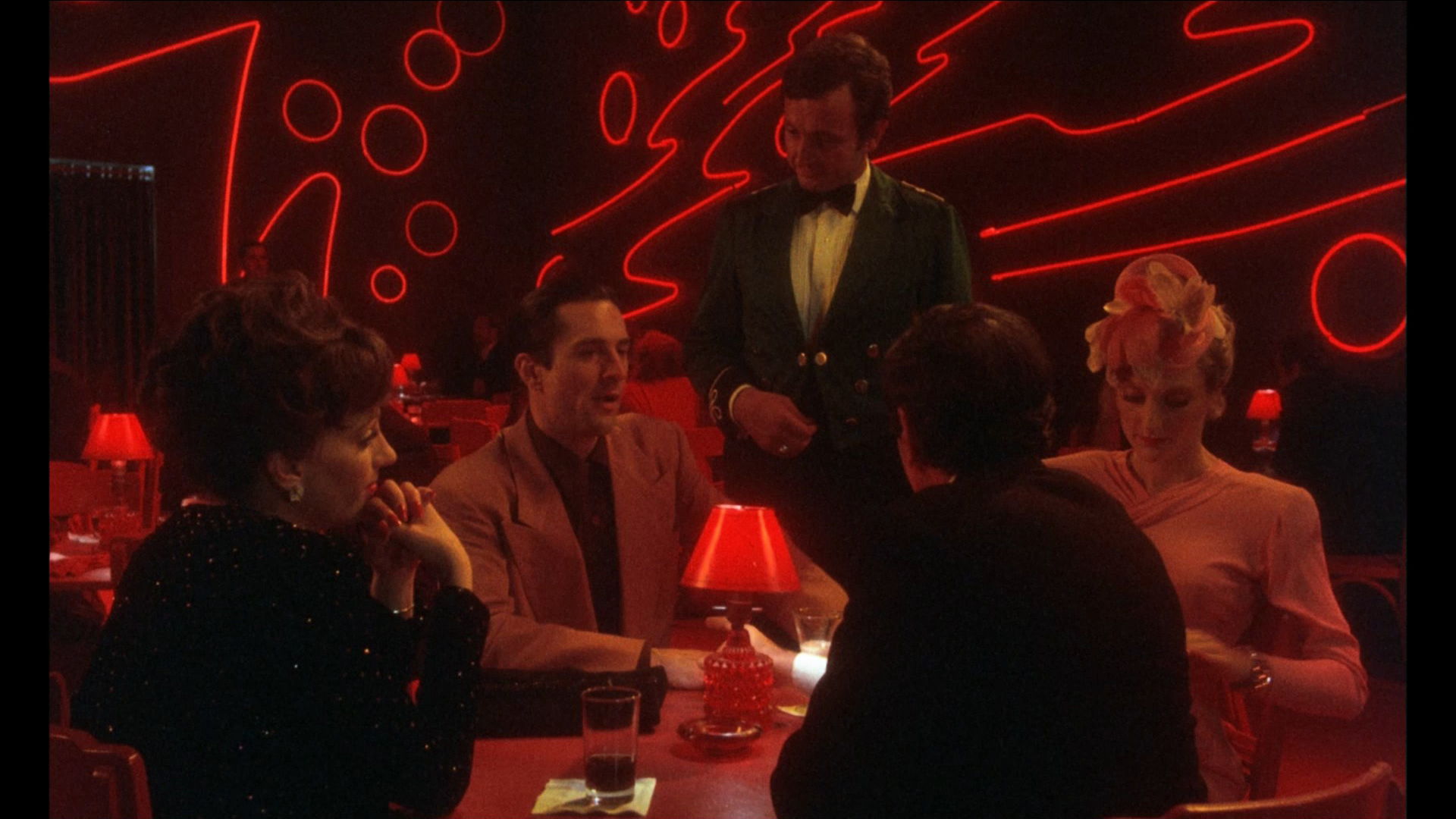
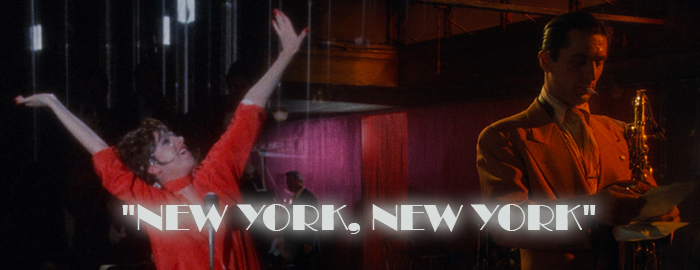
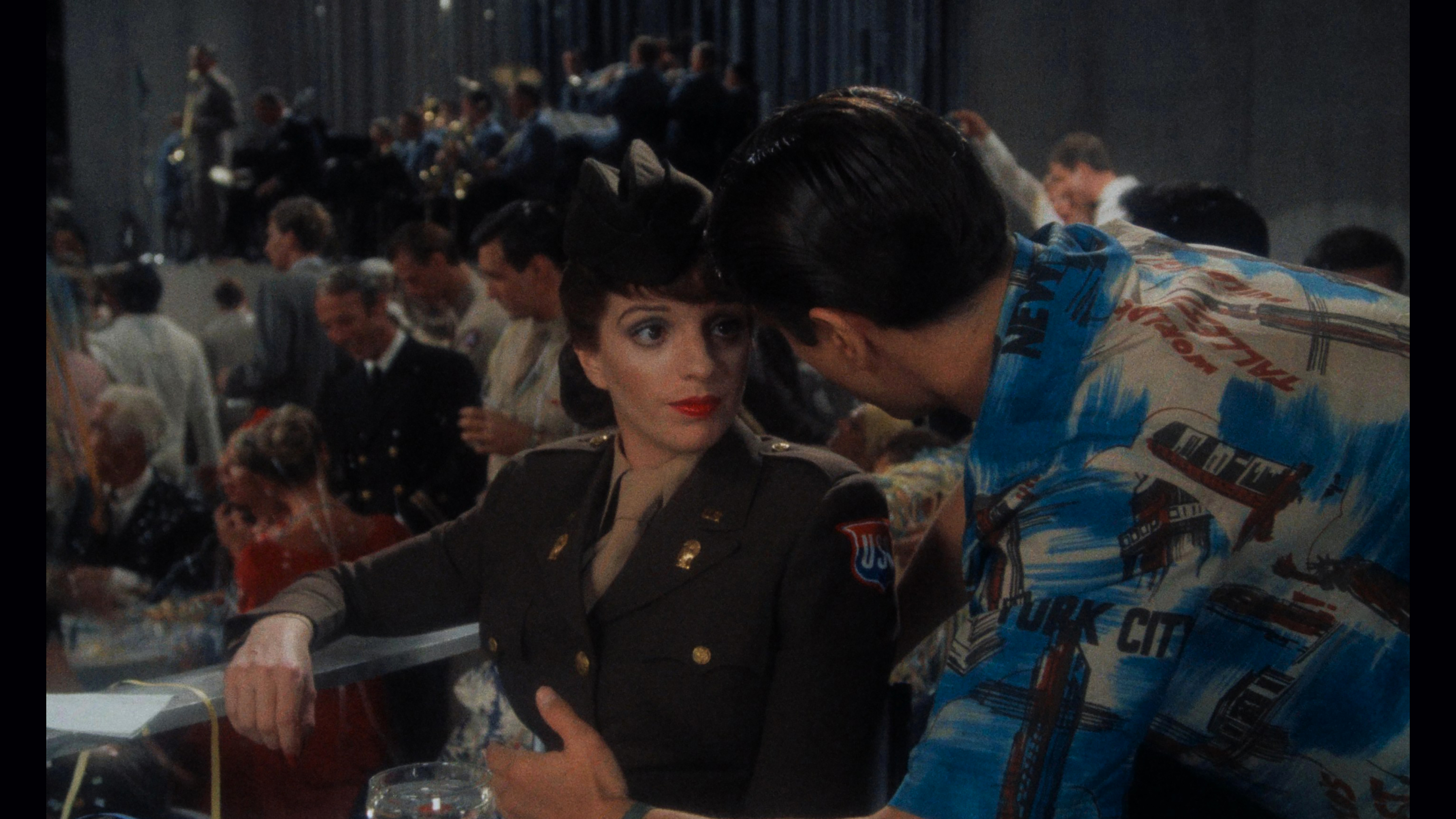
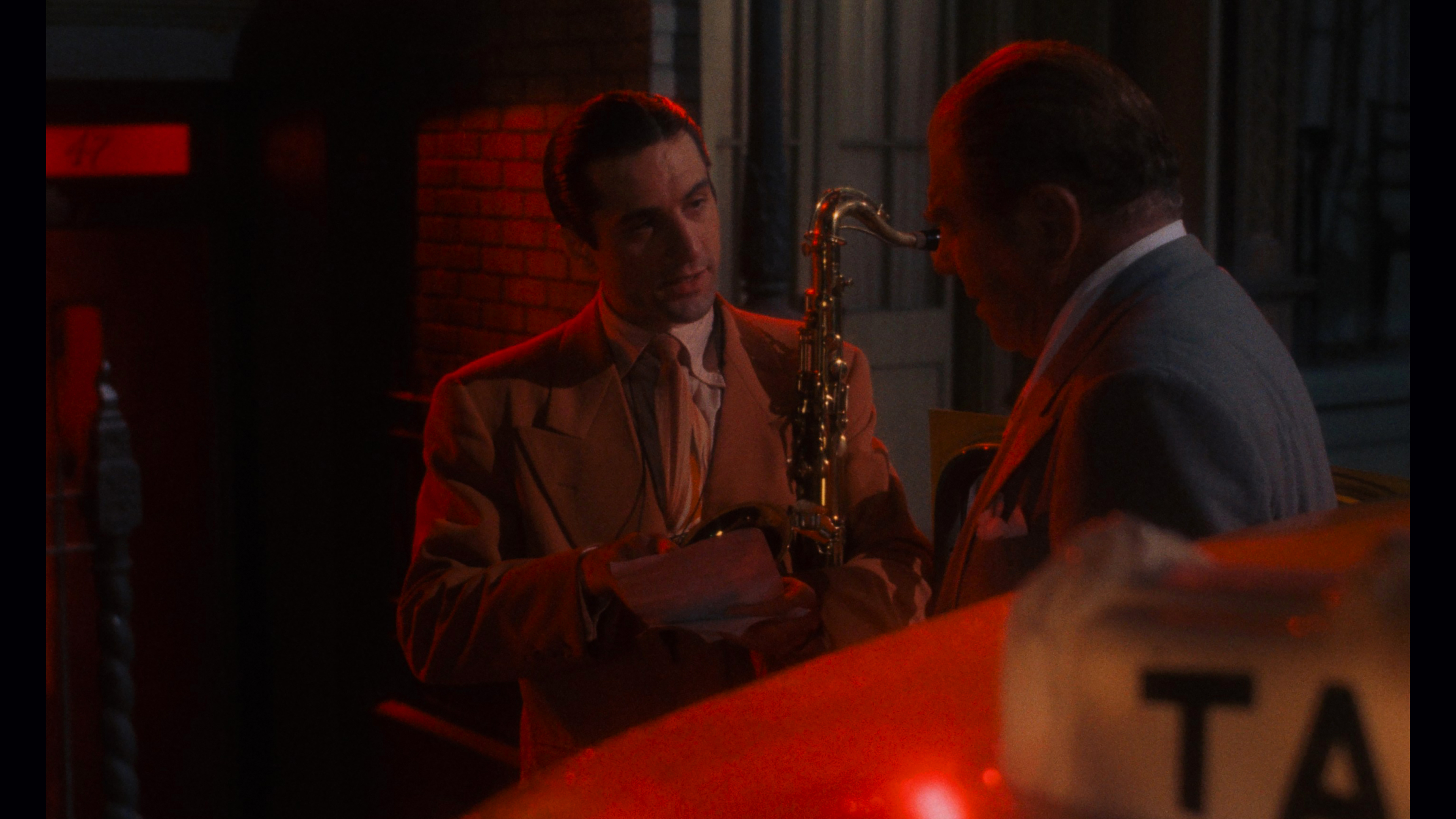
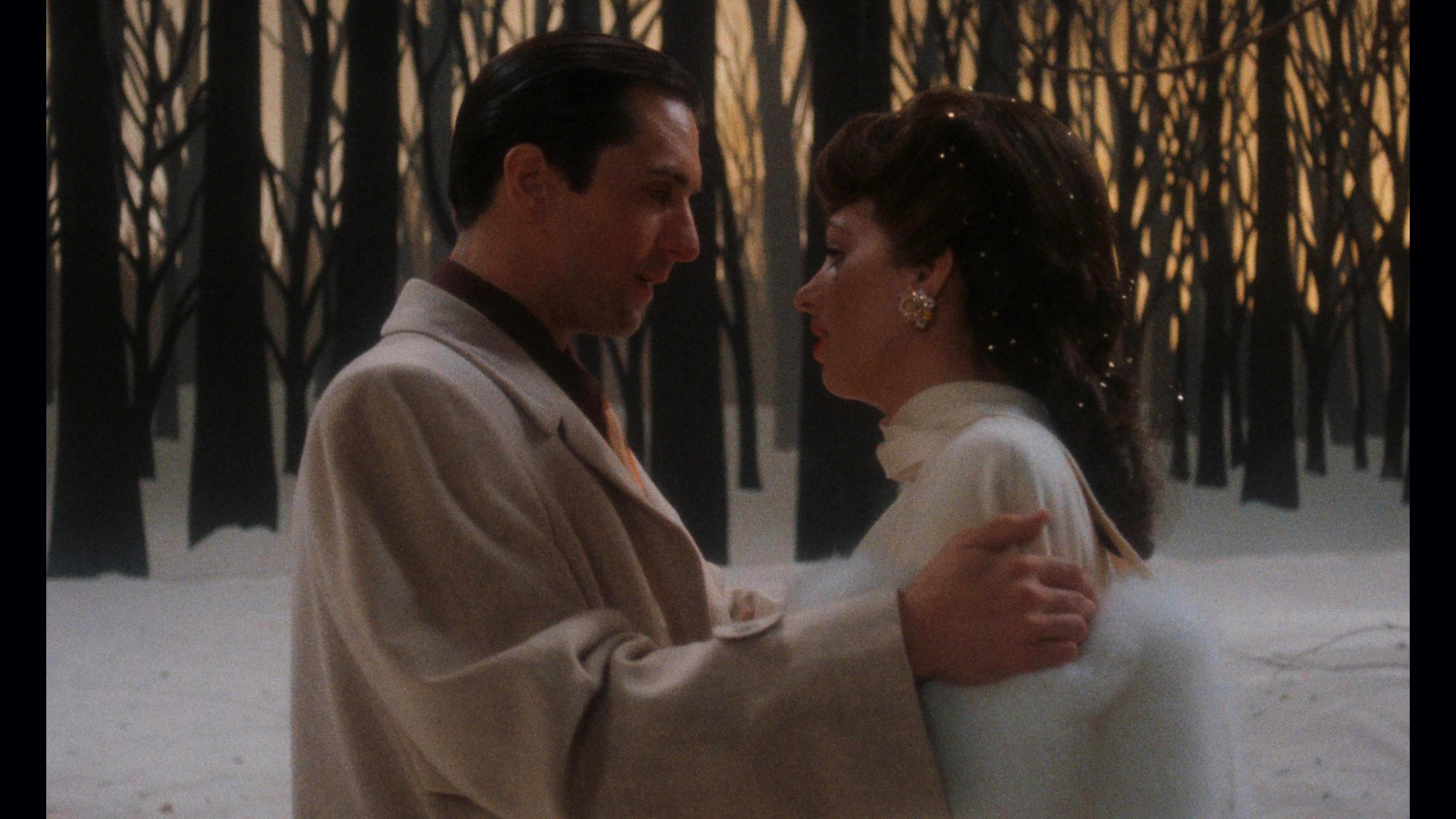
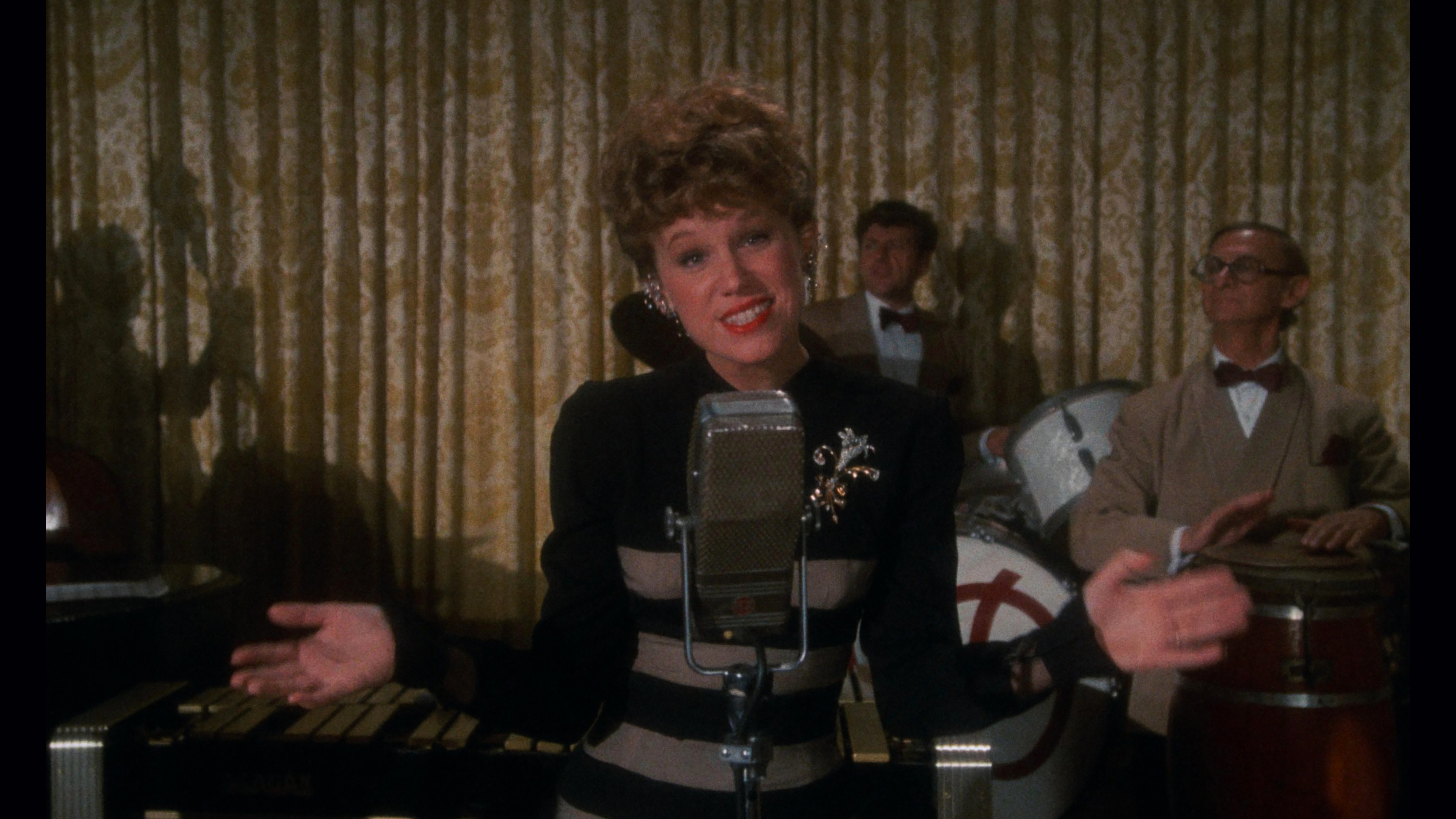
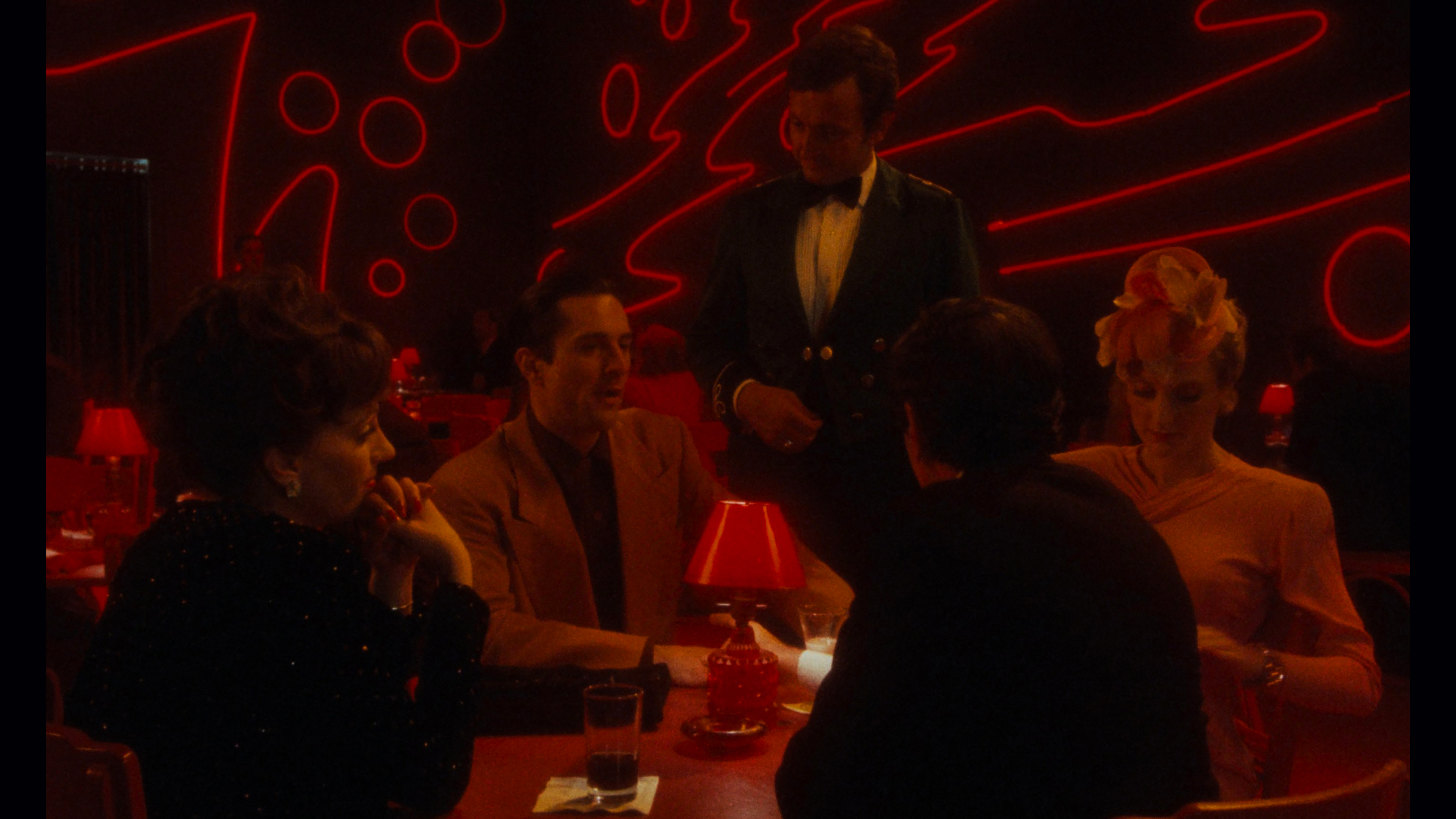
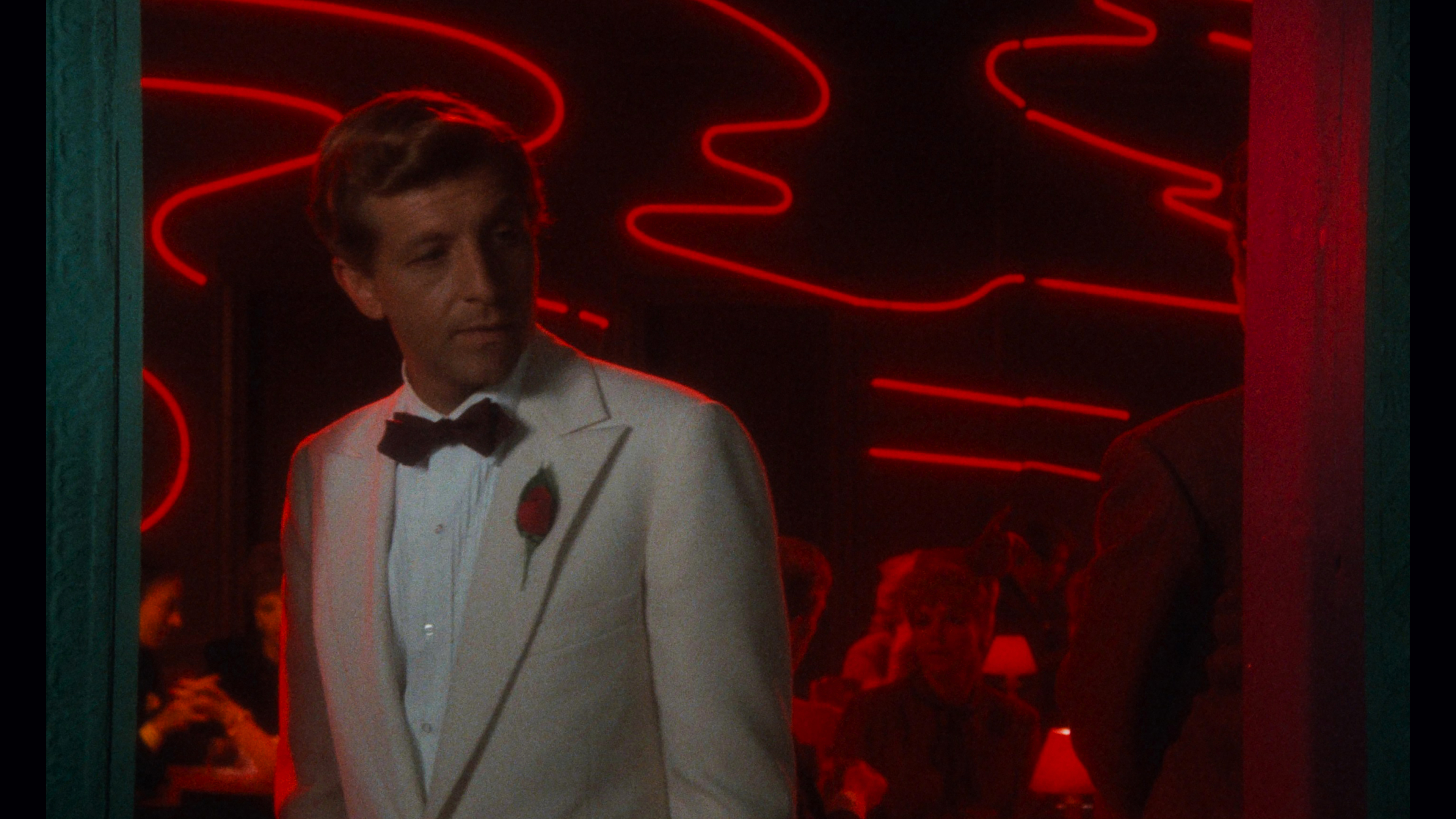 era-defining urban nightmare masterpiece, but somehow he came very close to doing just that with this splashy, very divisive homage to and acidic deconstruction of classic MGM musicals. Drawing its extravagant aesthetic from Powell and Pressburger, Vincente Minnelli, Mario Bava, and Busby Berekely among others, this emotionally violent anti-love story was a tough sell in 1977, especially when it was one of many movies completely steamrolled by the success of Star Wars. Depressed by this costly film's commercial failure and grappling with his own personal demons, Scorsese didn't make another narrative film after this until 1980's Raging Bull; however, it did find a belated cult following and its fair share of critical respect once home video made it easier to see in its complete form. On top of that, several films have openly paid tribute to this including La La Land, whose entire resolution is essentially an L.A. tweak to the one found here.
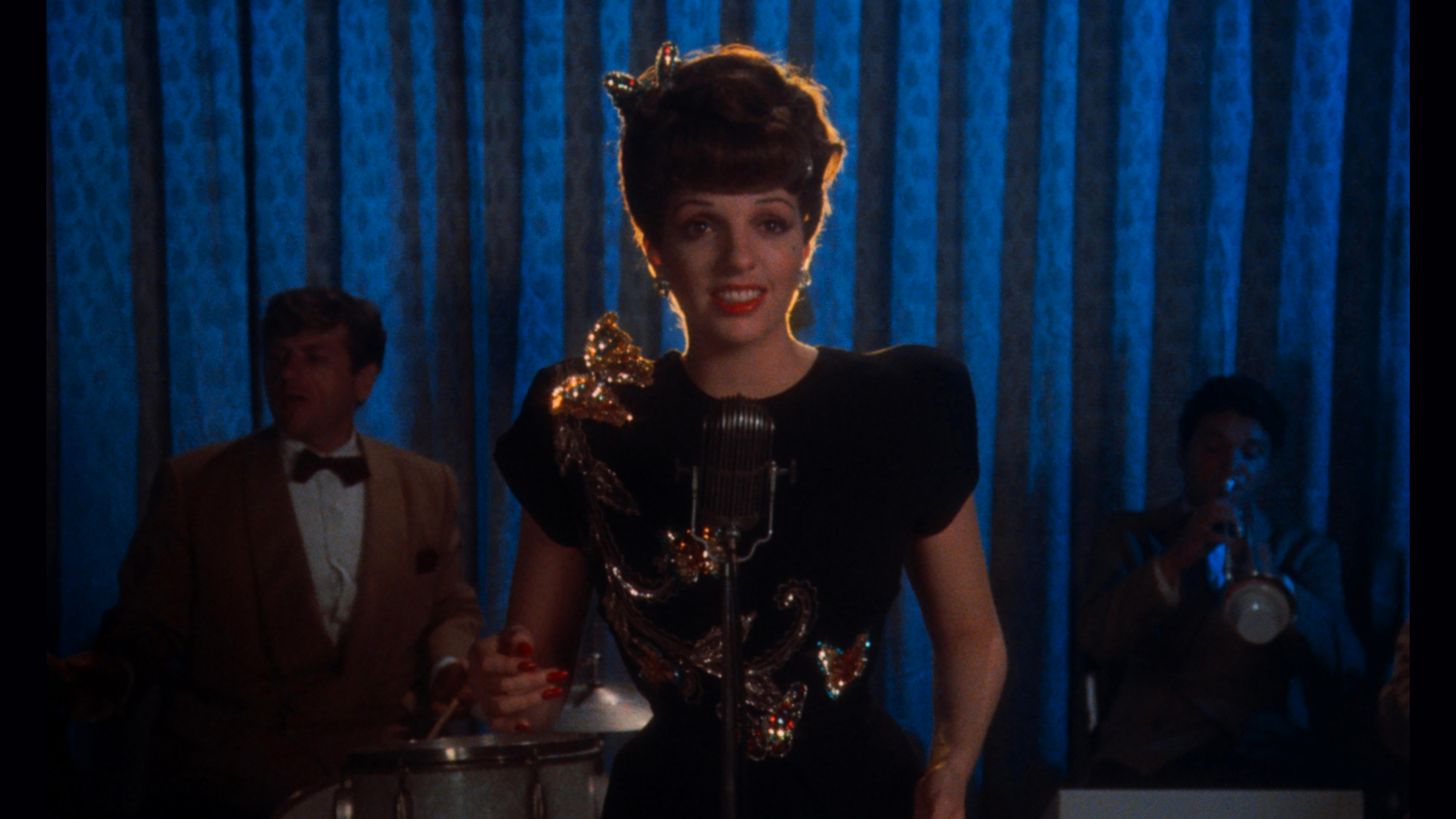 others, and separate ascensions in the music and film industries.
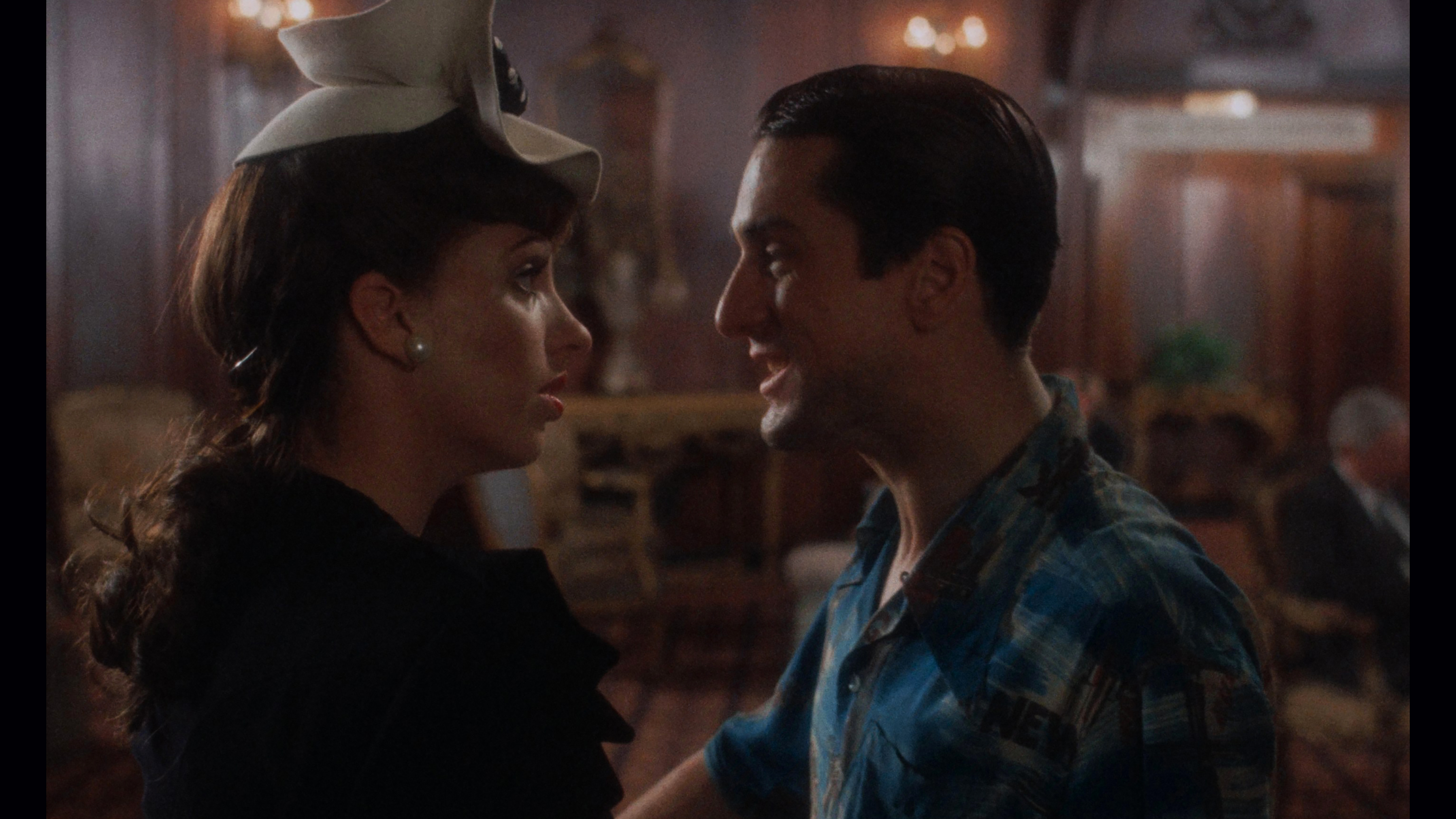
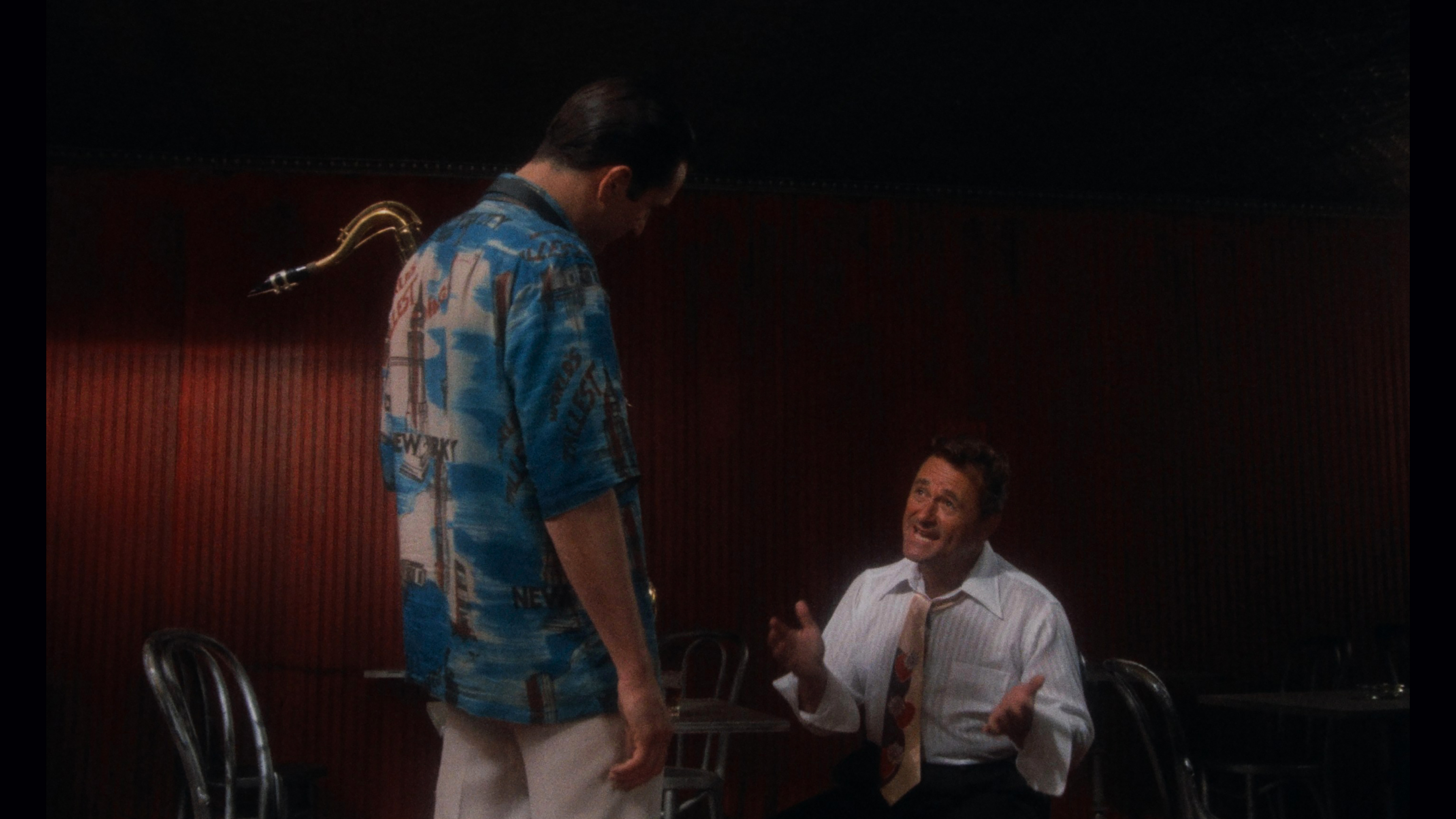 very quickly, with the largely improvised dialogue and wildly dysfunctional two main characters making this a far cry from Gene Kelly or Fred Astaire. The tension between the New Hollywood approach and more traditional performance found in the two lead actors gives the film a nervous energy that can take some getting used to, making this feel like a two-hander even with familiar faces like Lionel Stander, Dick Miller, Mary Kay Place, Clarence Clemons, and George Memmoli drifting in and out of the story.
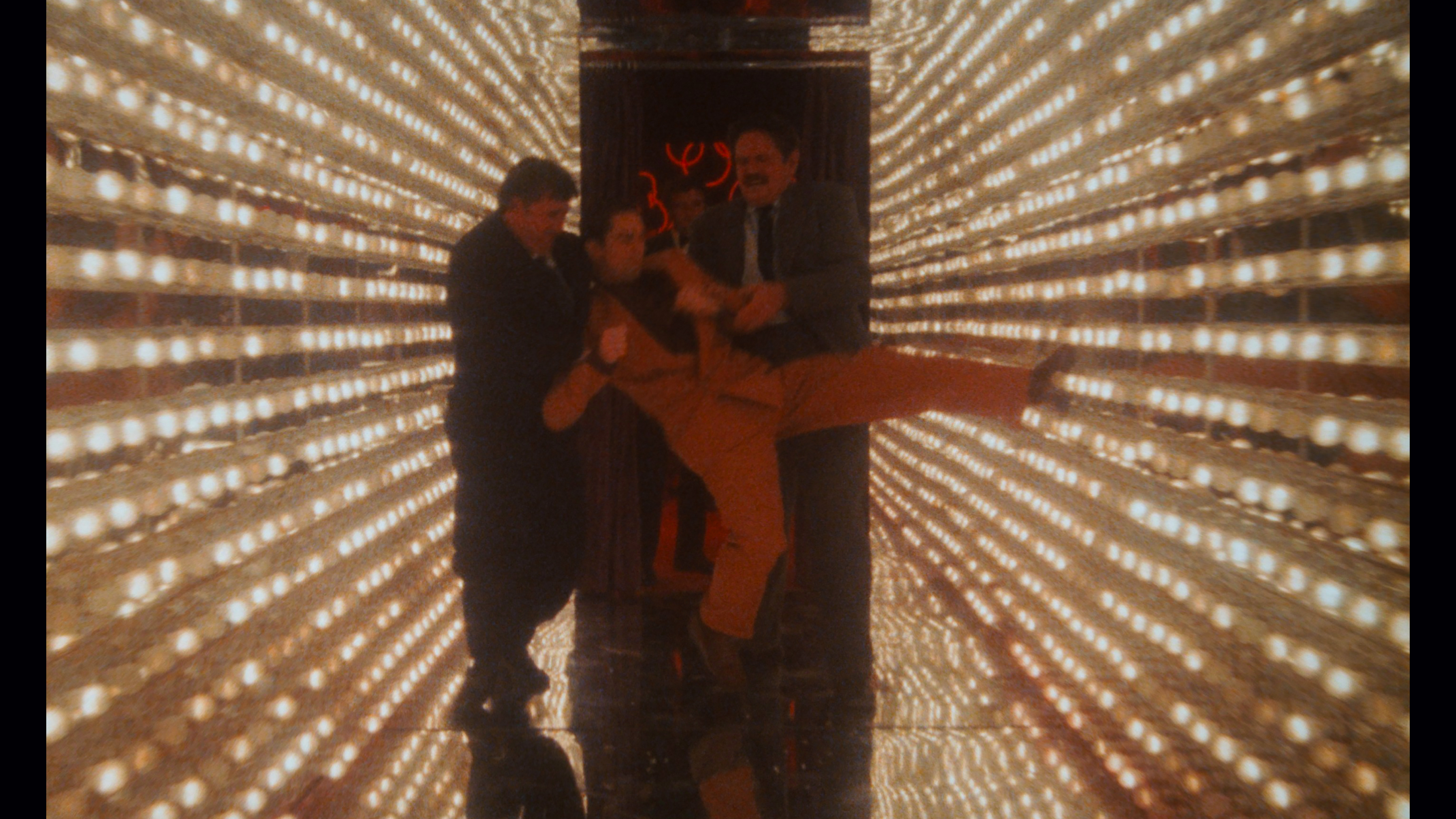 splashy
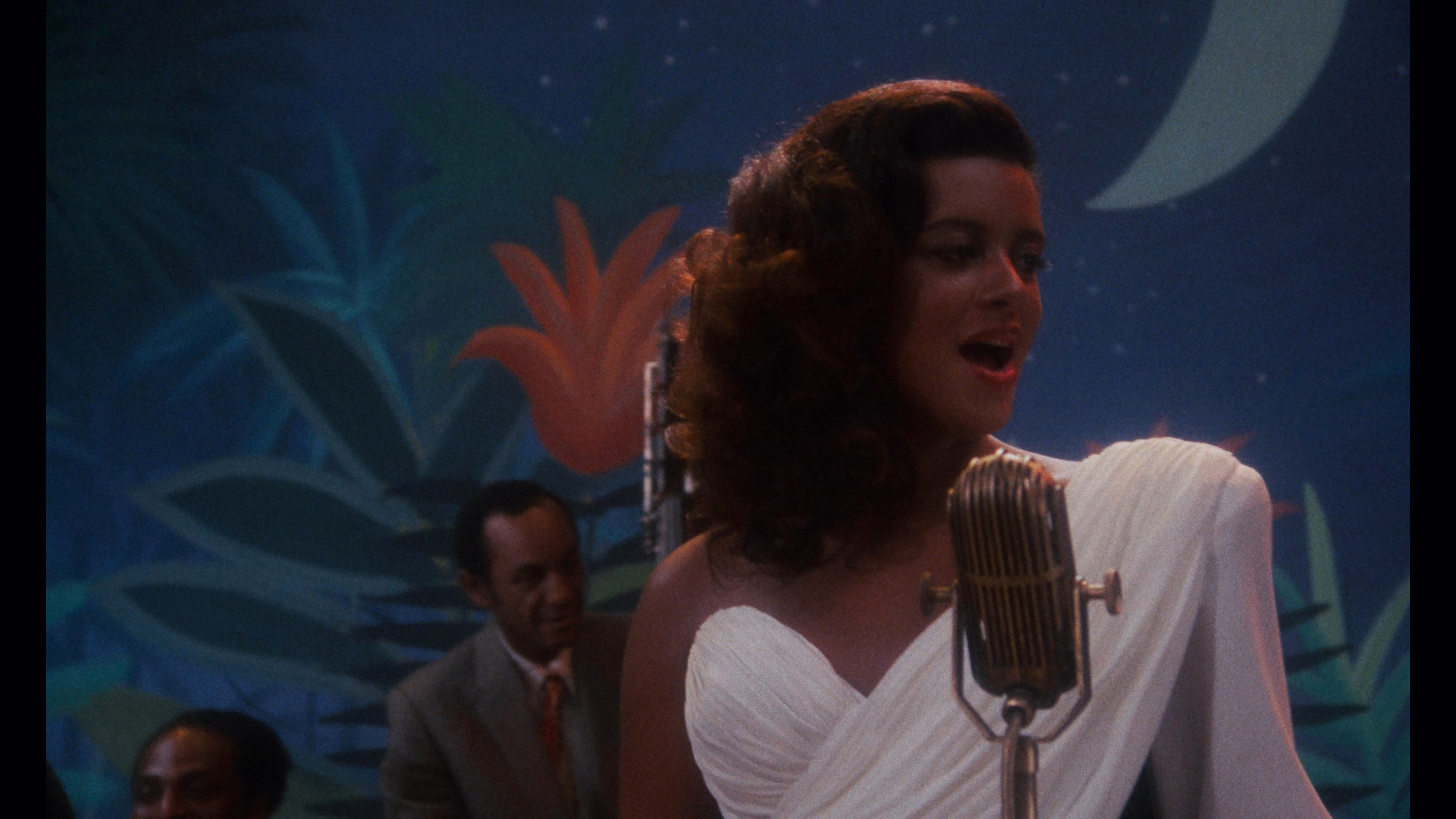
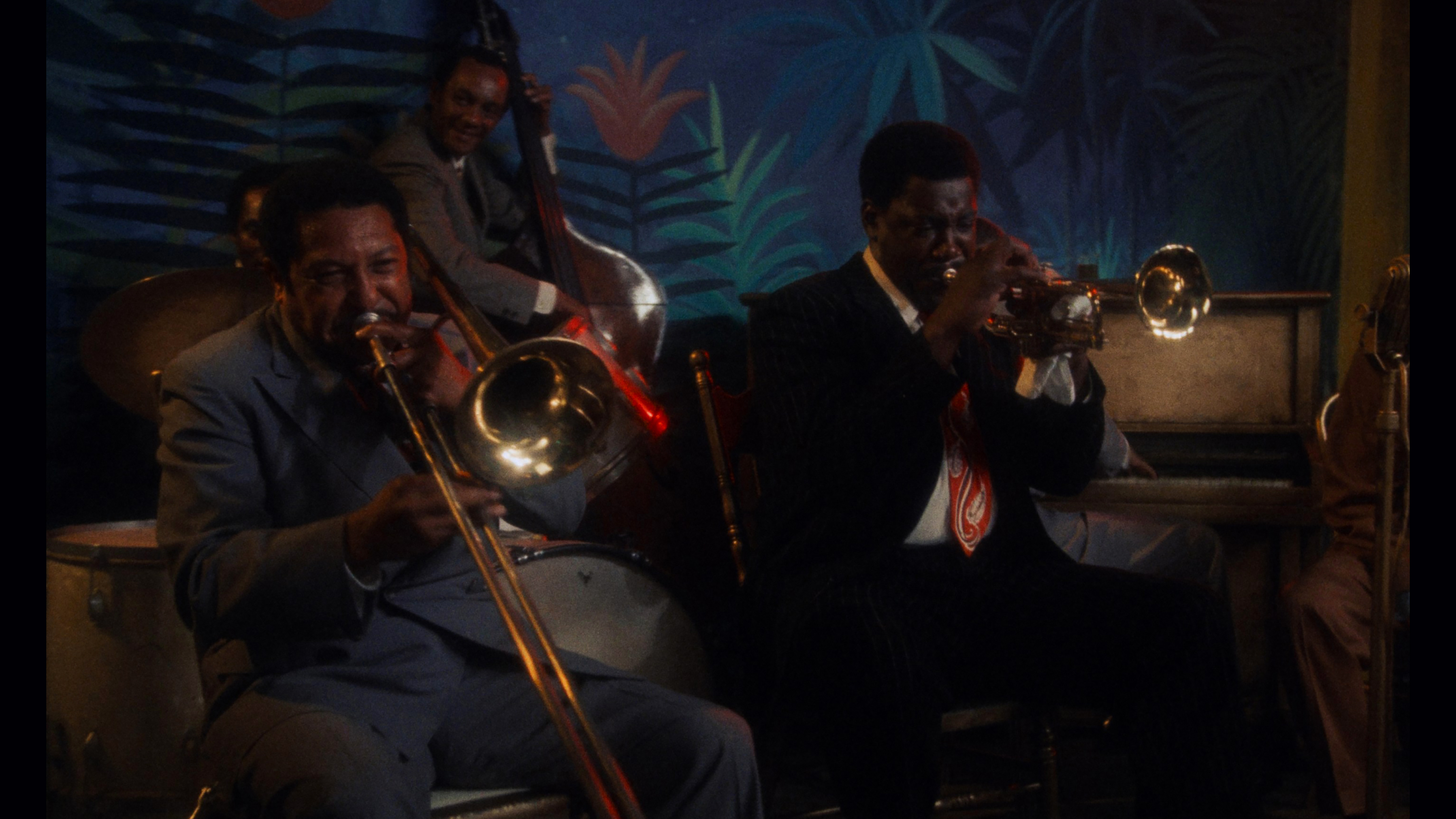 movie-within-a-movie sequence called Happy Endings with Francine as an usherette whose rise to fame is a starry-eyed counterpoint to what we've been watching for the past two hours. The shortest cut released in Europe at 137 minutes made the most drastic edits including a pivotal (and amazing looking) nightclub sequence, while the full uncut version was reassembled in 1981 and eventually released as a two-VHS edition that was, along with Manhattan, one of the rare cases of a filmmaker getting his way for a letterboxed-only option around that time. Since this film was shot at a tight 1.66:1, the black bars were so minimal most consumers probably didn't even notice; however, it's crucial for the composition of several scenes including a pivotal split diopter shot in the final sequence.
 released a three-disc hardbox Blu-ray limited edition in Australia featuring all of the preexisting extras plus several new bonuses as
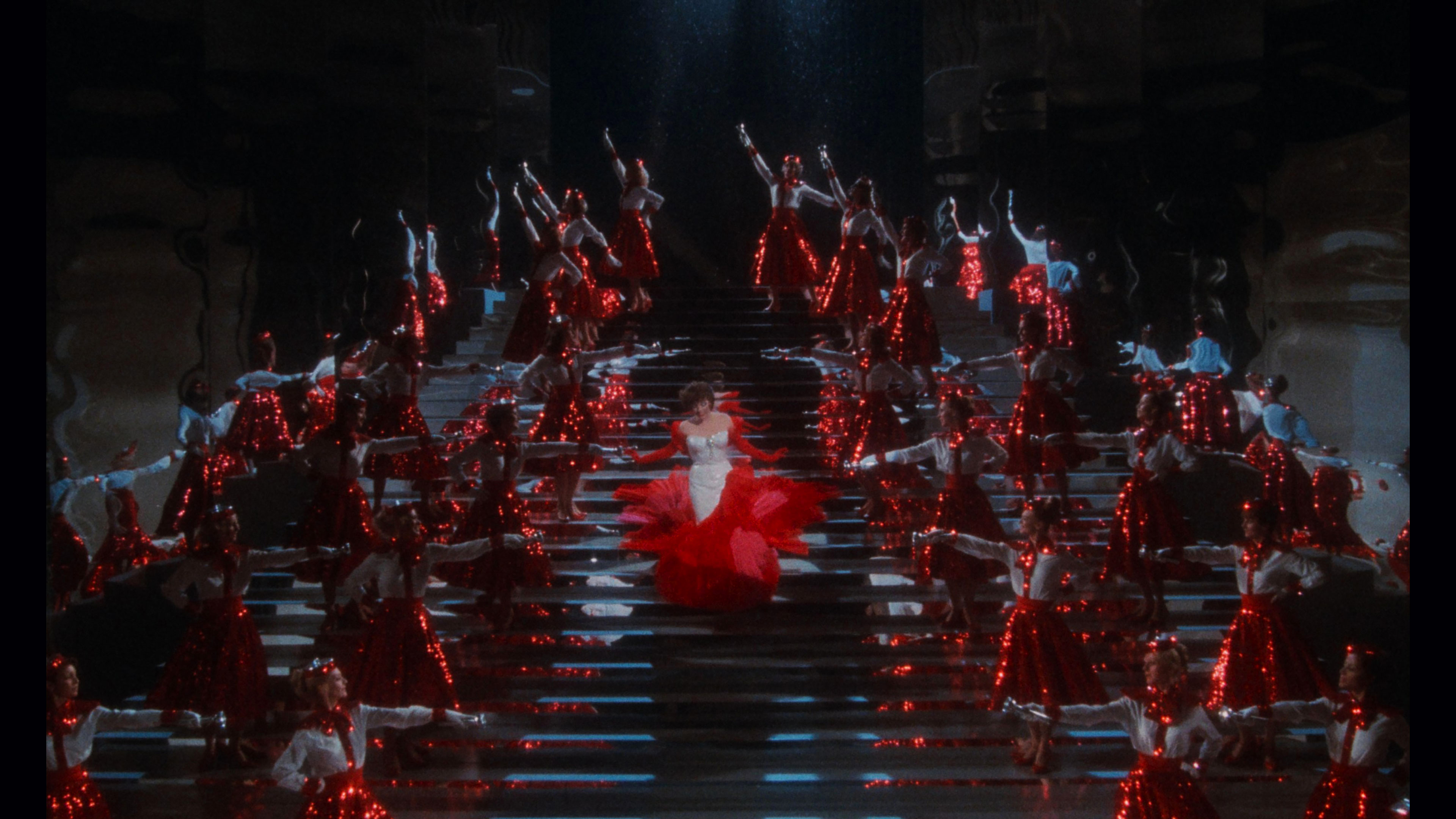 well. The usual extended cut is presented on disc one with DTS-HD MA 5.1 and 2.0 stereo English options with SDH subtitles, plus the Scorsese commentary and a new solo on by Daniel Kremer who does a thorough job of dissecting the film's visual language and its themes involving relationships and performance. Disc two features the abridged European cut (a disc debut at the time), while disc three has all the video extras from before along with two new featurettes: "Player Piano Player" (24m15s) with Primus recalling his connection to a drowning Scorsese via Brian DePalma and his experiences on the set reuniting with De Niro after Bloody Mama (plus a bonus 3m27s segment about music supervisor-conductor Ralph Burns), and a Kremer visual essay, "Momentary Departures: Movie Ballets, Musical Showstoppers and Detours" (14m51s), about the role of elaborate, stylized song-and-dance standalone scenes like "Happy Endings" in the movie musical. Also added here are an archival TV interview with Scorsese (5m11s) about De Niro's comic skills, a pre-title card sequence (2m7s) from the letterboxed VHS with more Kremer commentary, and an alternate workprint ending (1m29s) that goes in a far more traditional direction.
MVD (UHD)
Imprint (Blu-ray)