 at the start of the 1980s, it seemed like every week saw at least one or two new slice-and-dice offerings
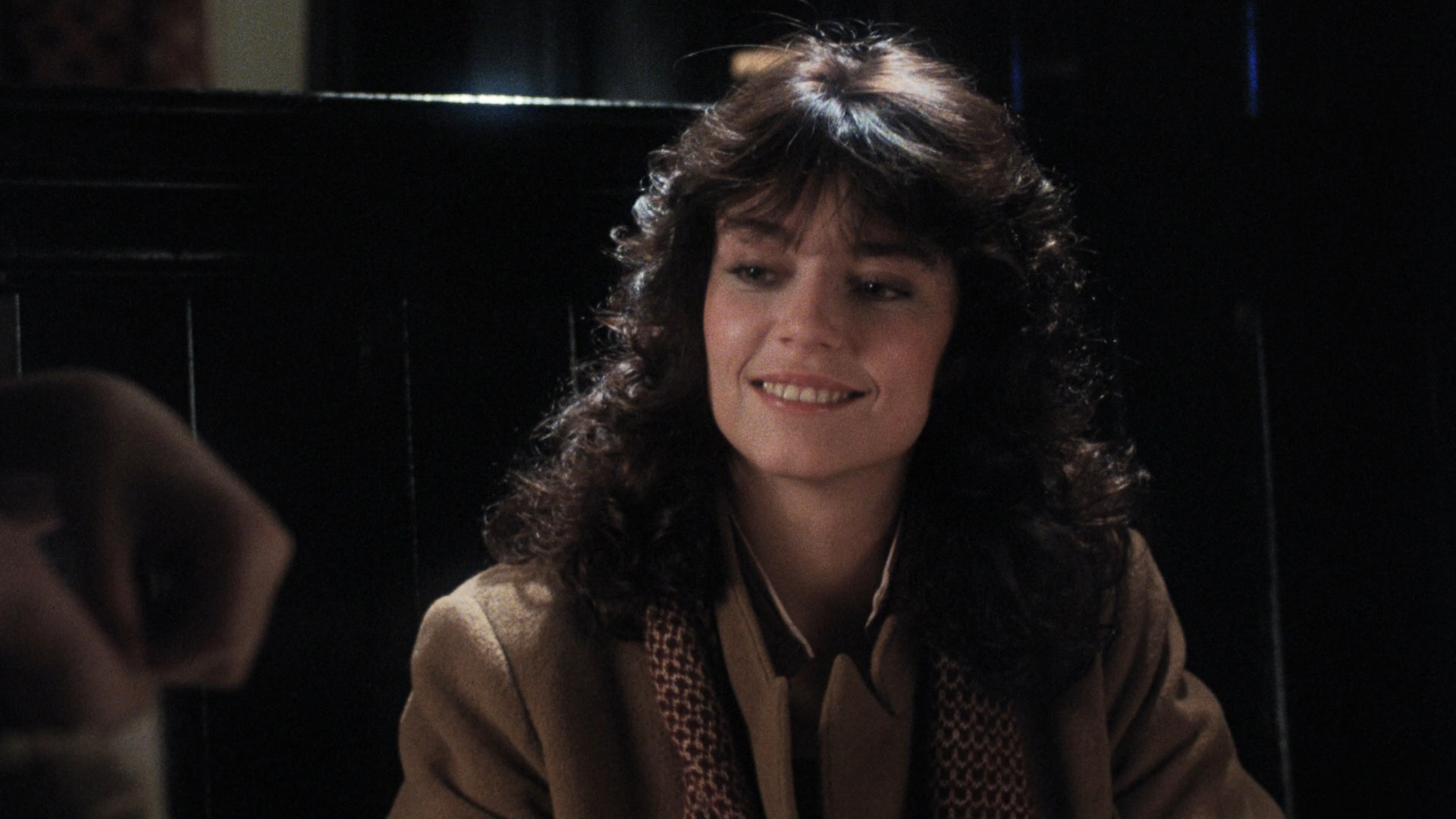
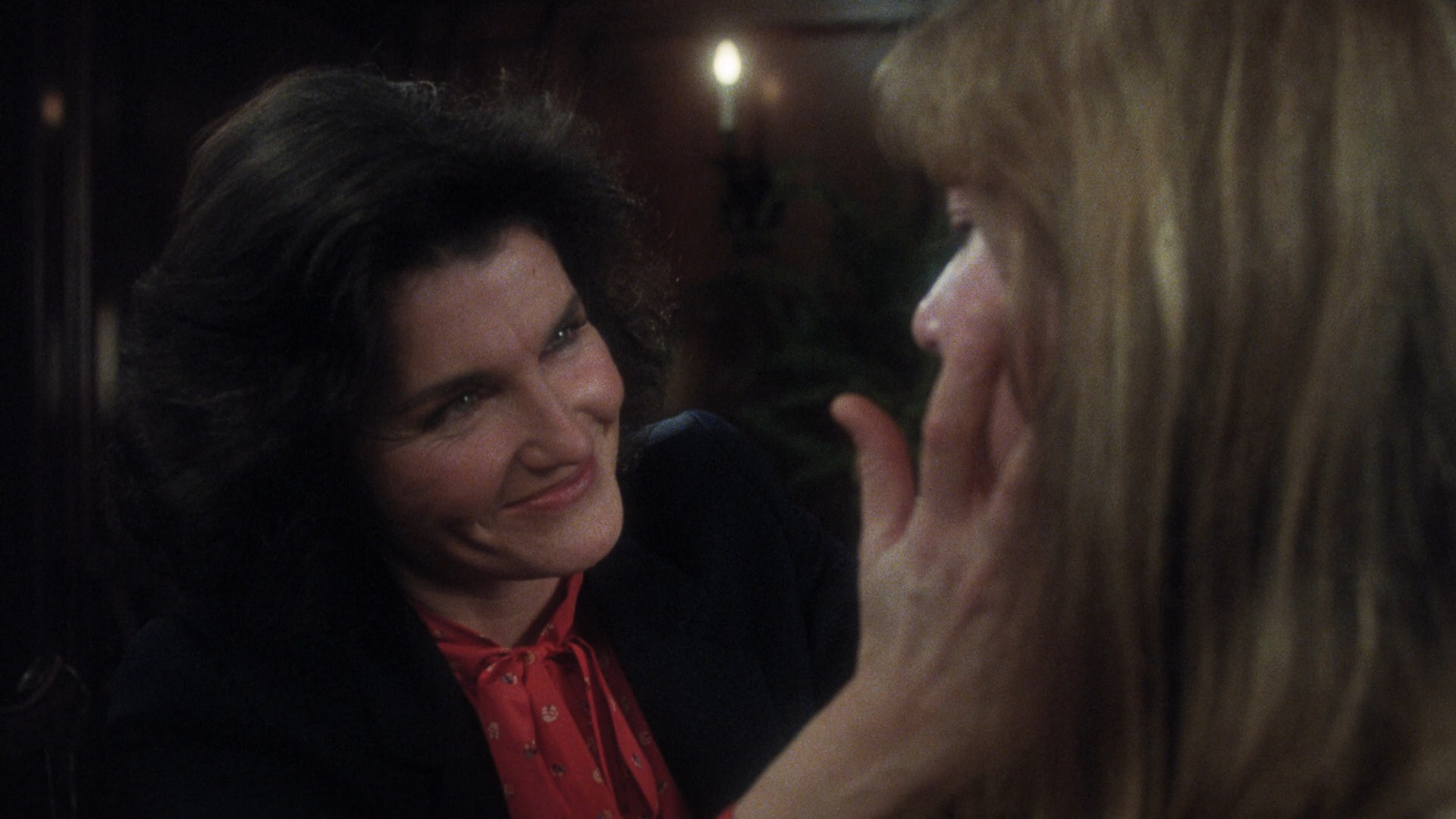
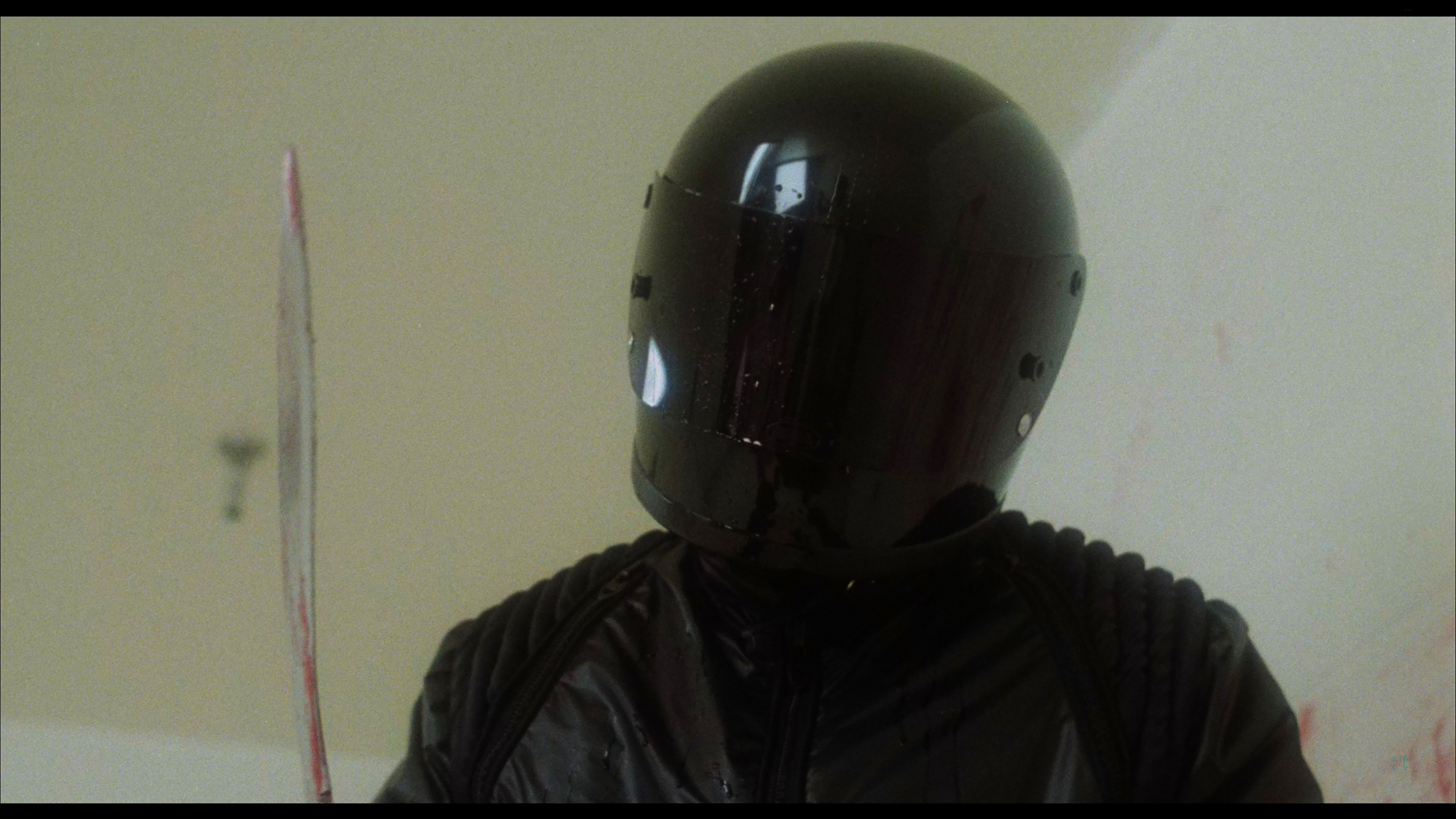
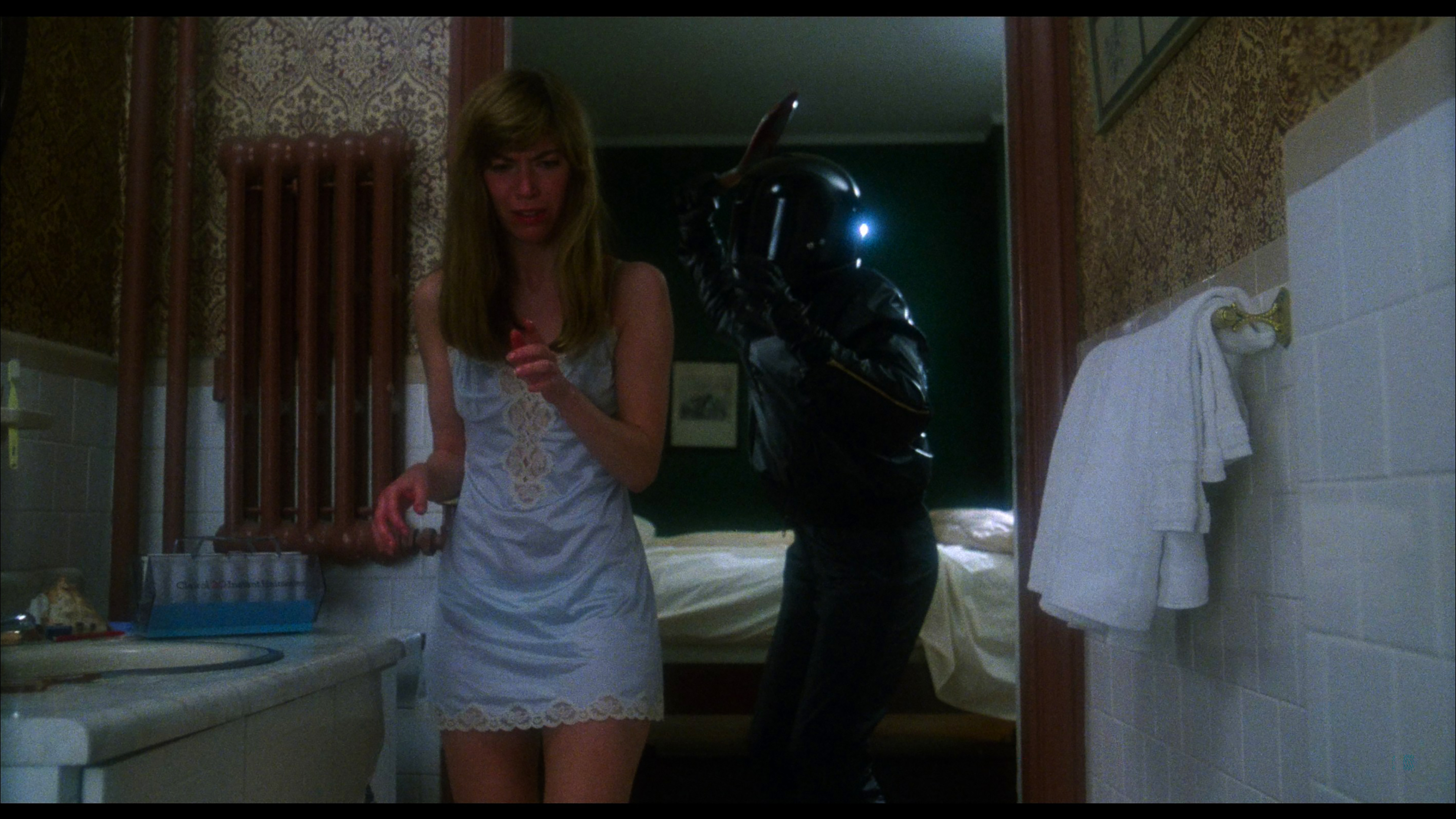
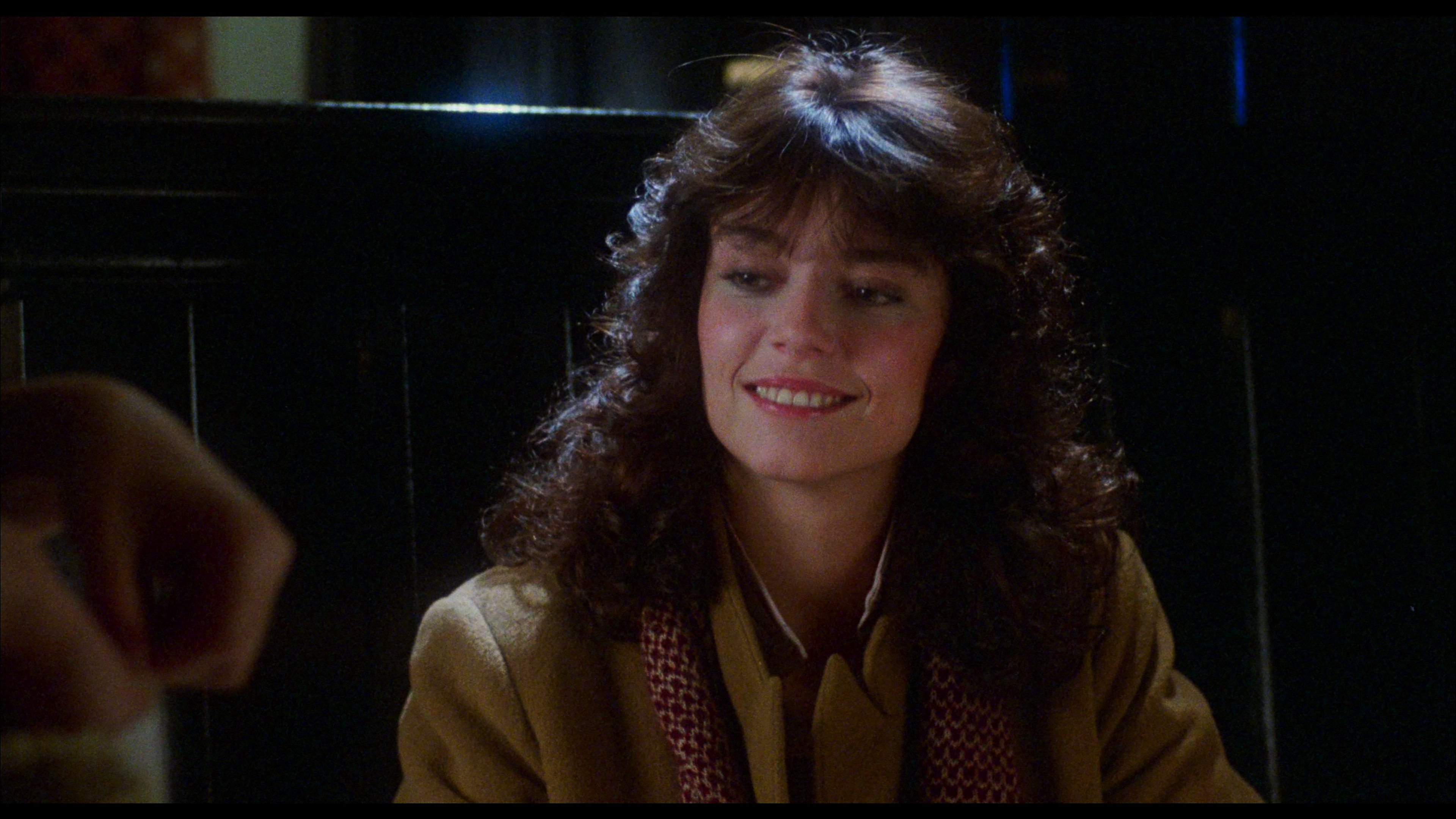
 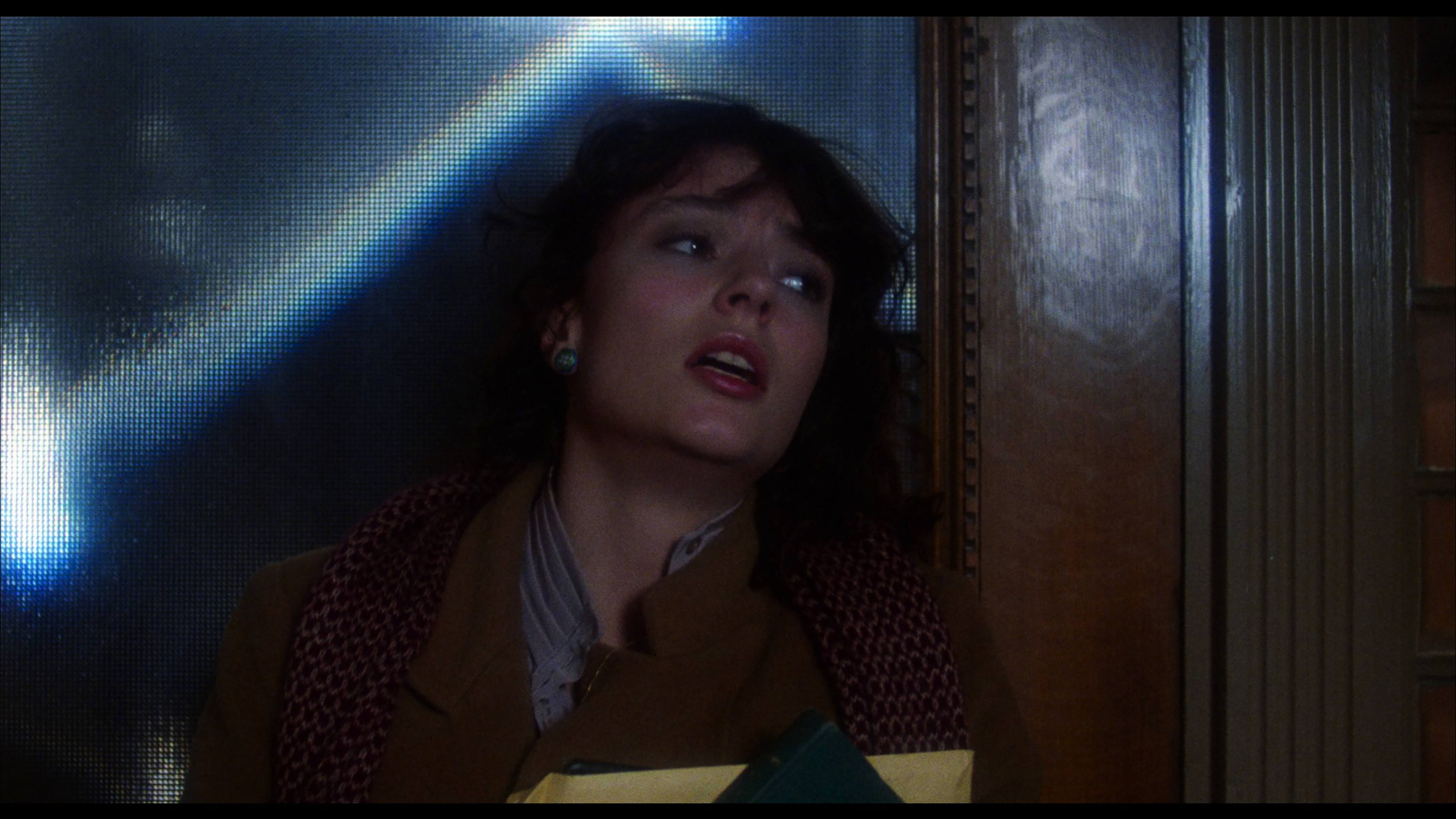 appearing in movie theaters aiming for the same young audiences who had turned Friday the 13th and Halloween into smash hits. 1981 in particular was jammed with options for horror fans, with knife-wielding killers stalking birthday parties, Canadian coal mines, hospitals, Broadway stages, and of course, college campuses. That last category definitely fits the bill for Night School, a highly entertaining whodunit (also released overseas under its original shooting title, Terror Eyes) directed by Ken Hughes, stepping in for Alfred Sole and best known for Chitty Chitty Bang Bang and part of Casino Royale (not to mention his film before this one, Sextette). The influence of the giallo on slasher films was very obvious by this point, but this one took it to a new level with a striking killer straight out of Strip Nude for Your Killer by way of What Have They Done to Your Daughters? (and even including a similar cops vs. motorcycle chase scene). Cementing that connection was the casting of lead Leonard Mann, an American whose career to that point had included spaghetti westerns, poliziotteschi like Weapons of Death, and Death Steps in the Dark. Of course, the film later became famous as the movie debut for model Rachel Ward, who was seen later that year in Sharkey's Machine followed by Dead Men Don't Wear Plaid and another much-loved slasher, The Final Terror, all leading to her breakthrough role in the smash TV miniseries The Thorn Birds. Plus you get some beautifully atmospheric cinematography by Mark Irwin (known for The
  Brood and Scanners at the time,
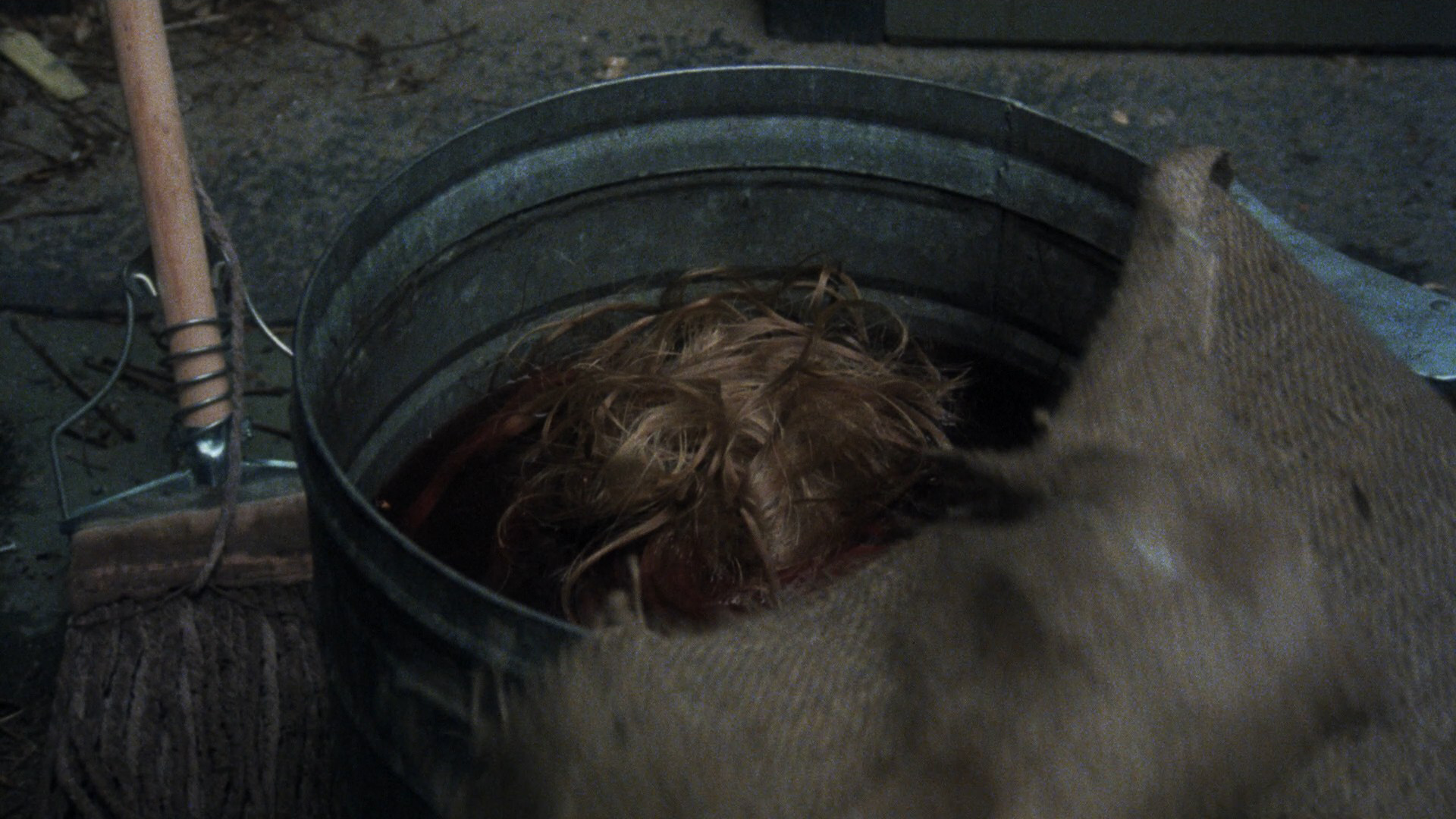
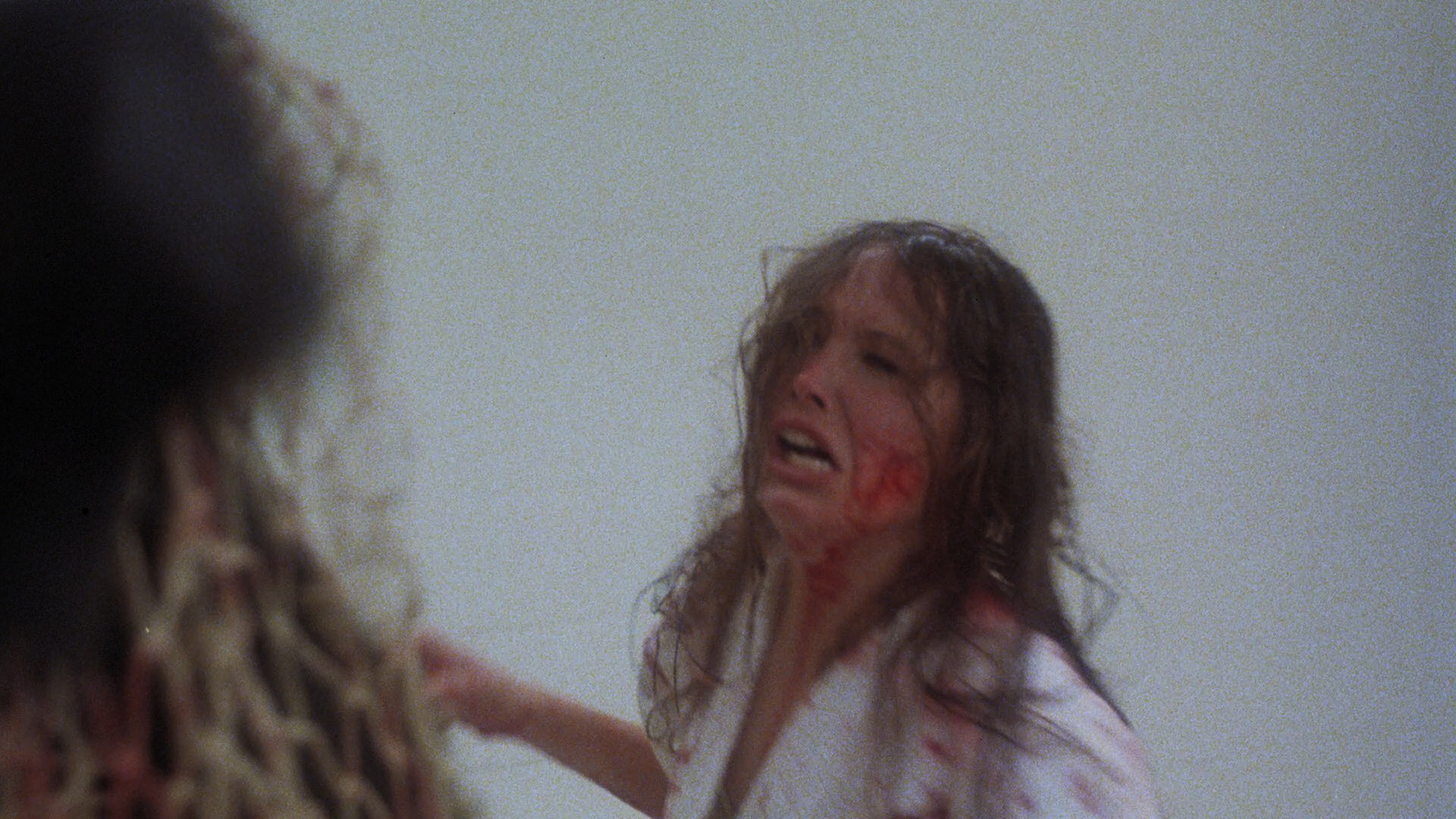
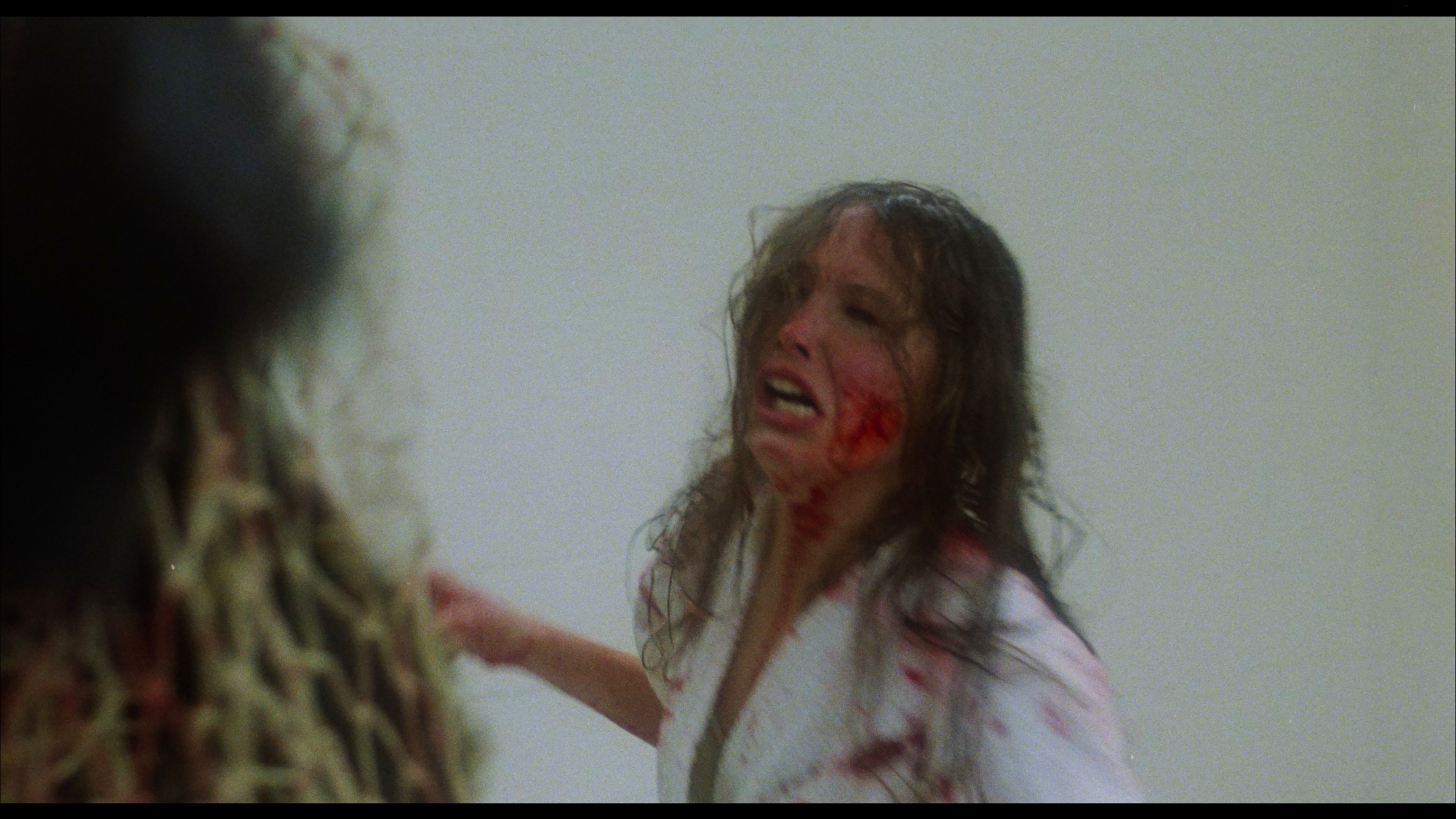
 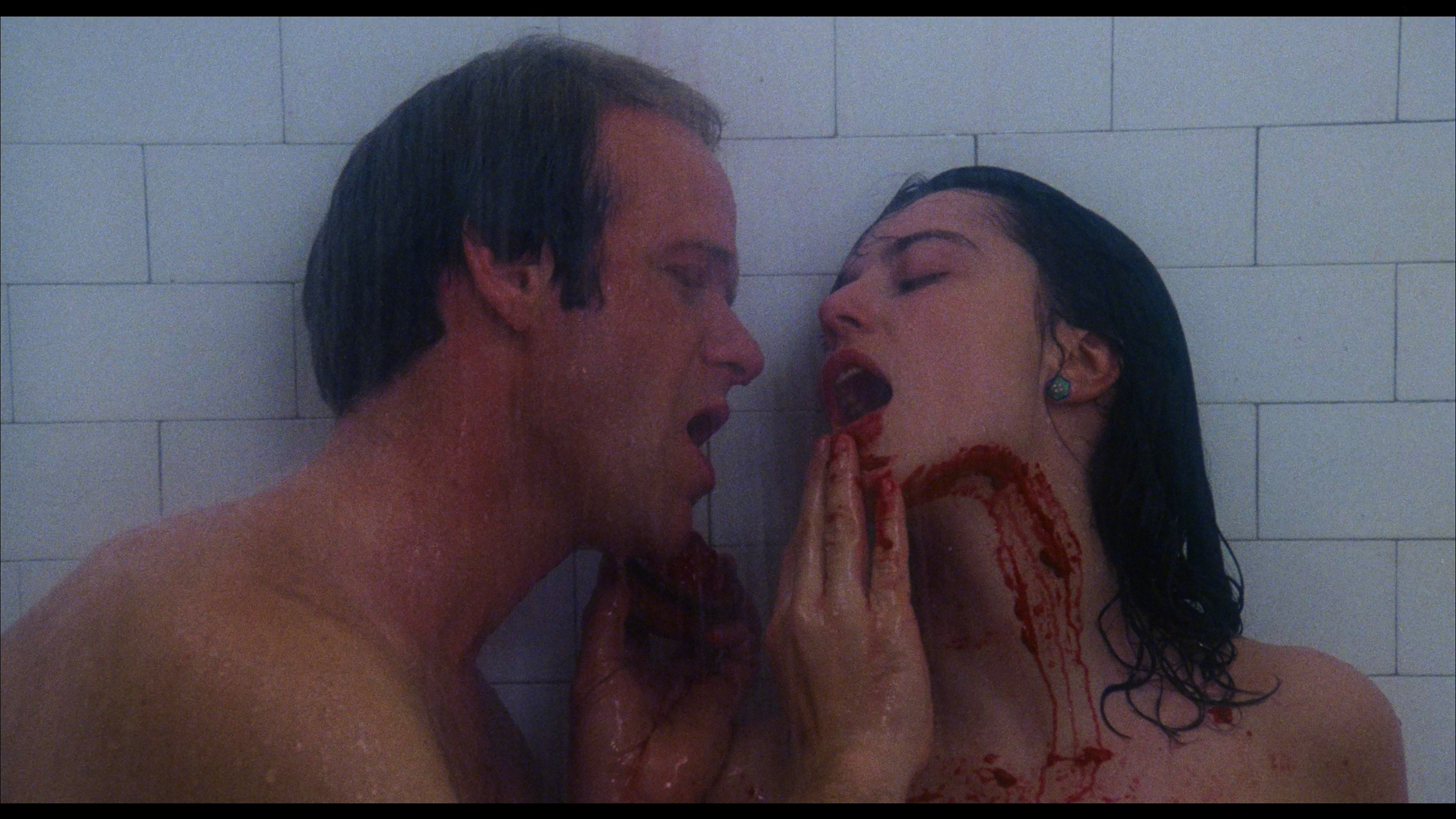 but later a slasher game changer with Wes Craven's Scream), and an effective, propulsive soundtrack by Brad Fiedel who did Just Before Dawn the same year before going on to The Terminator and Fright Night. Somewhat lost in the shuffle at the time due to oversaturation, Night School went on to moderate popularity on home video and is usually regarded as one of the "classy" slashers (a la He Knows You're Alone, whose aquarium scene is virtually quoted here). The film is very restrained about keeping its numerous severed heads as discreet as possible (something Trauma probably should have learned from), but it does feature two surprisingly blood-spattered scenes that go about as far as an R rating would allow at the time (not to mention some moderate nudity from Ward that would ensure its VHS popularity). Of course, this was also one of many slasher films targeted by the U.K.'s absurd video nasty frenzy throughout the '80s, leading to its eventual censorship on video for several years.
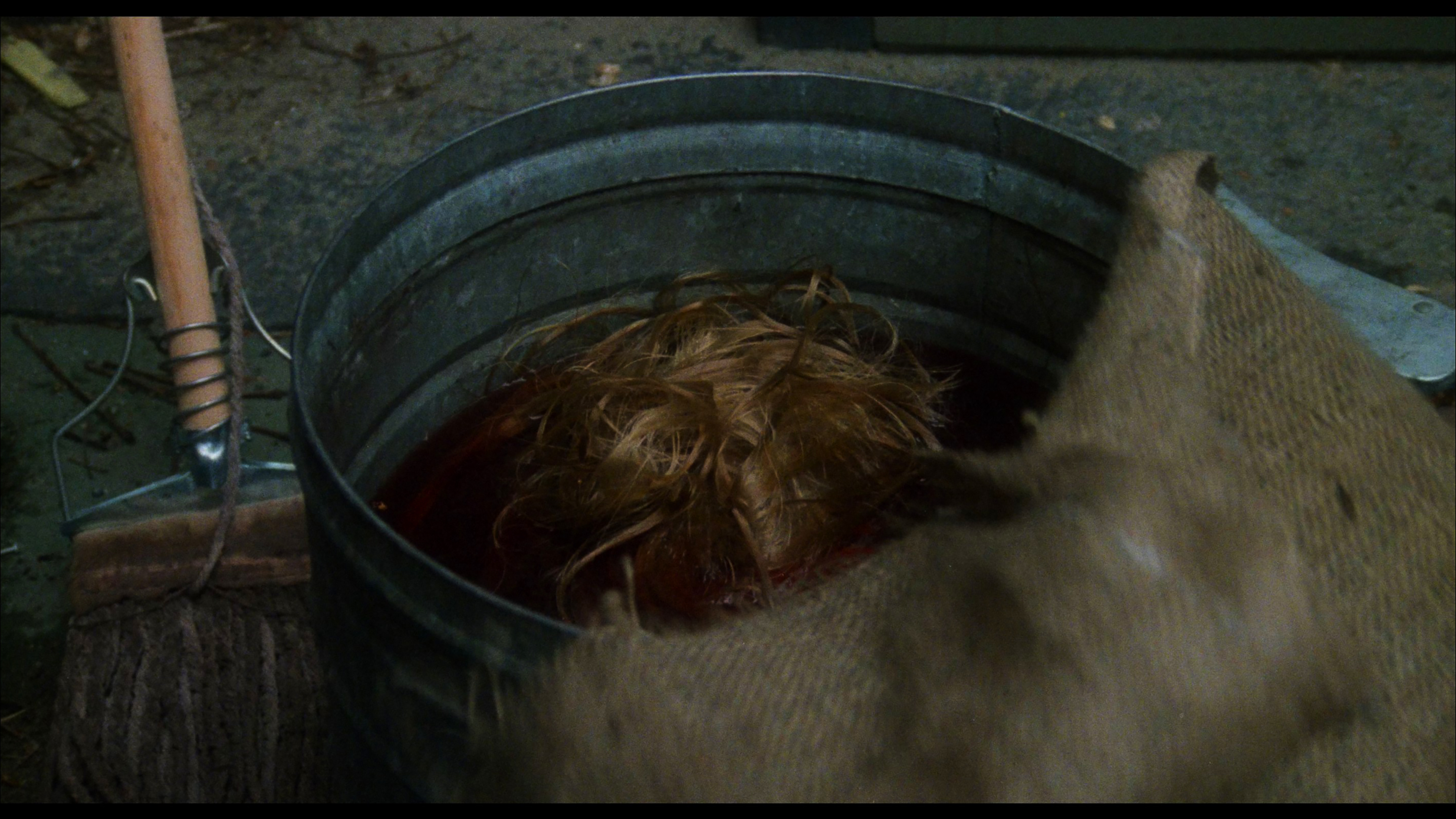
 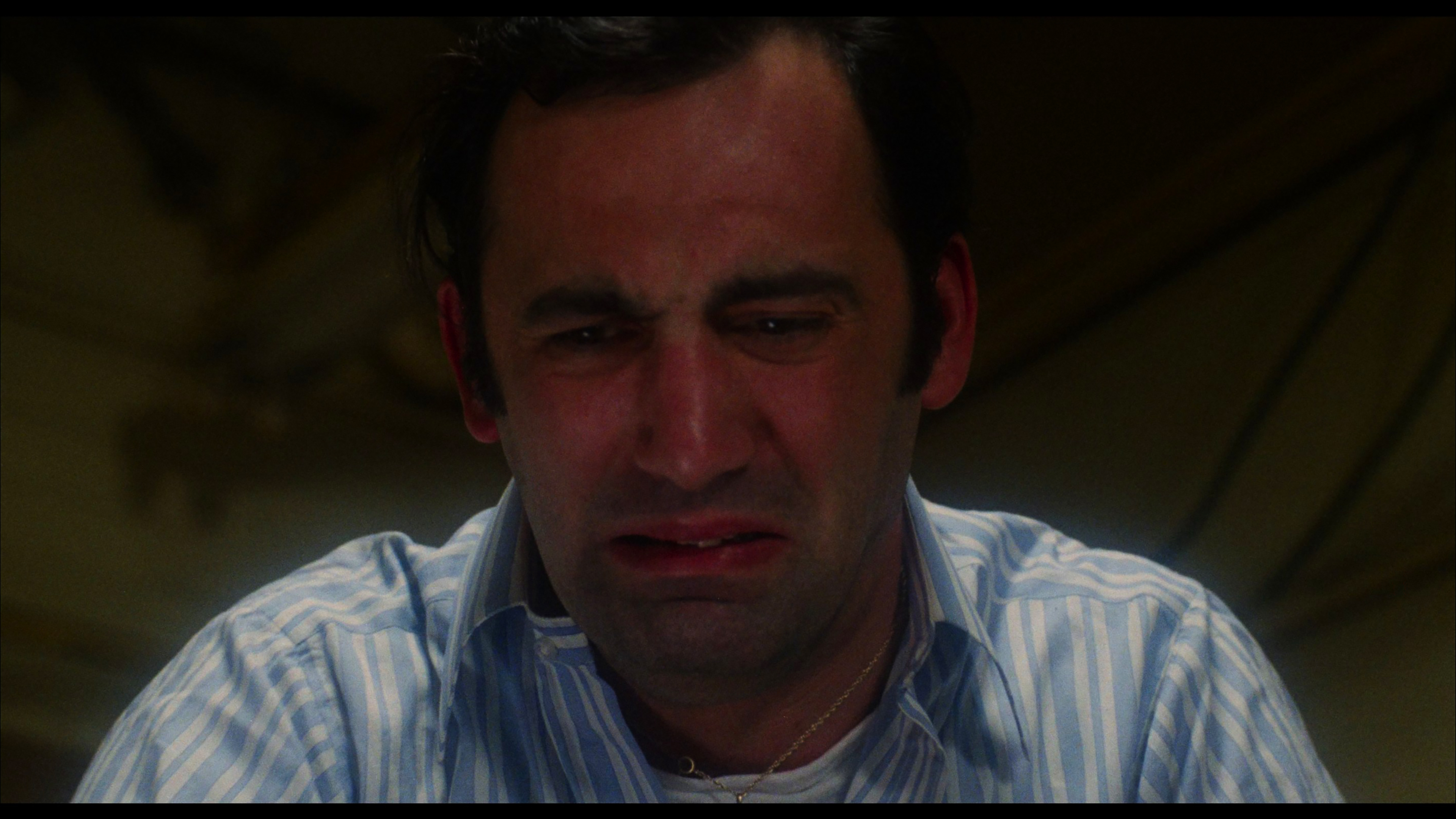 similar, with the female victim's head left to be discovered in water, be it a bucket, a sink, or the first of the screen's numerous "head in a toilet bowl" scenes. The one common thread seems to be Wendell College, where
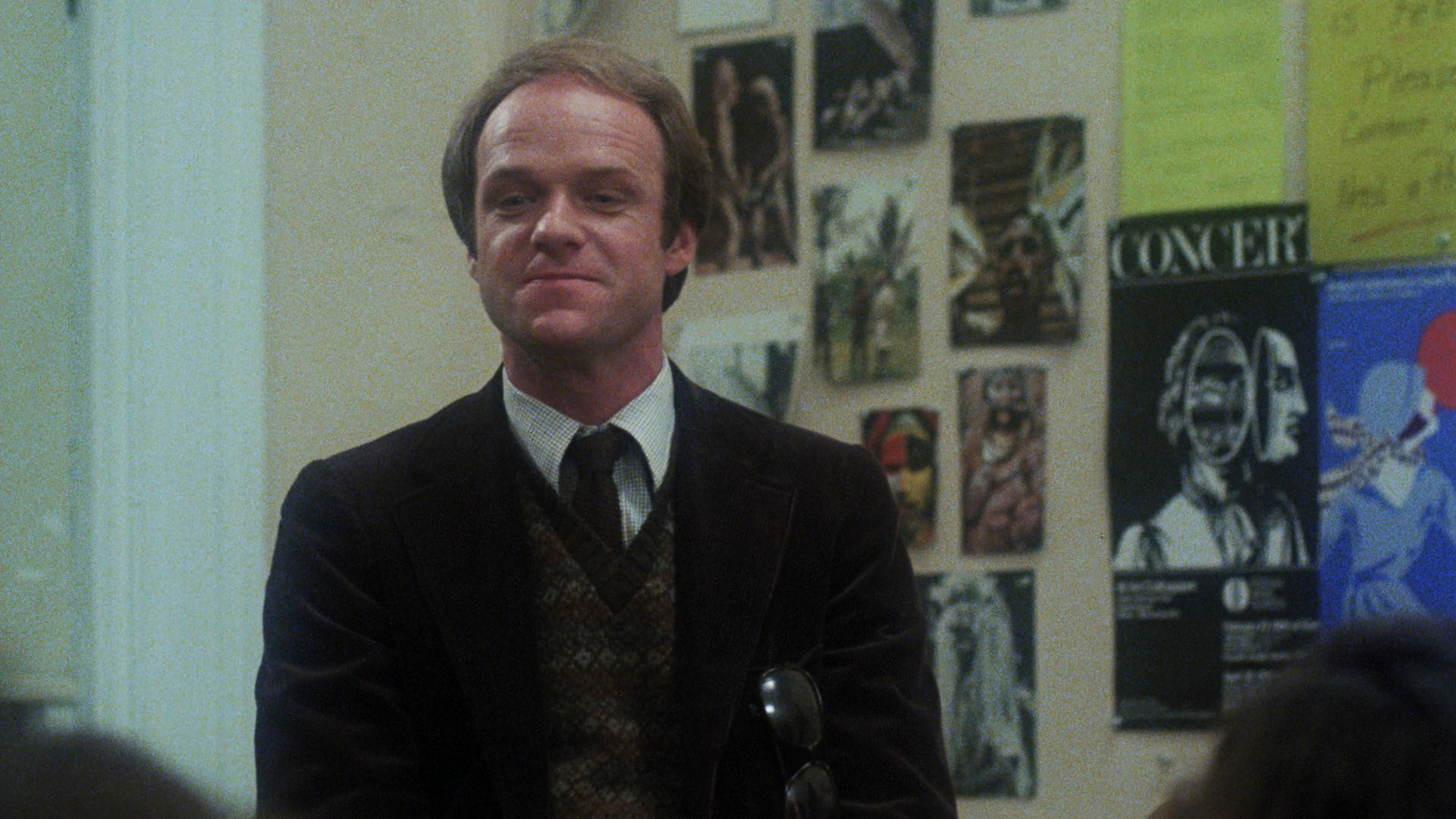
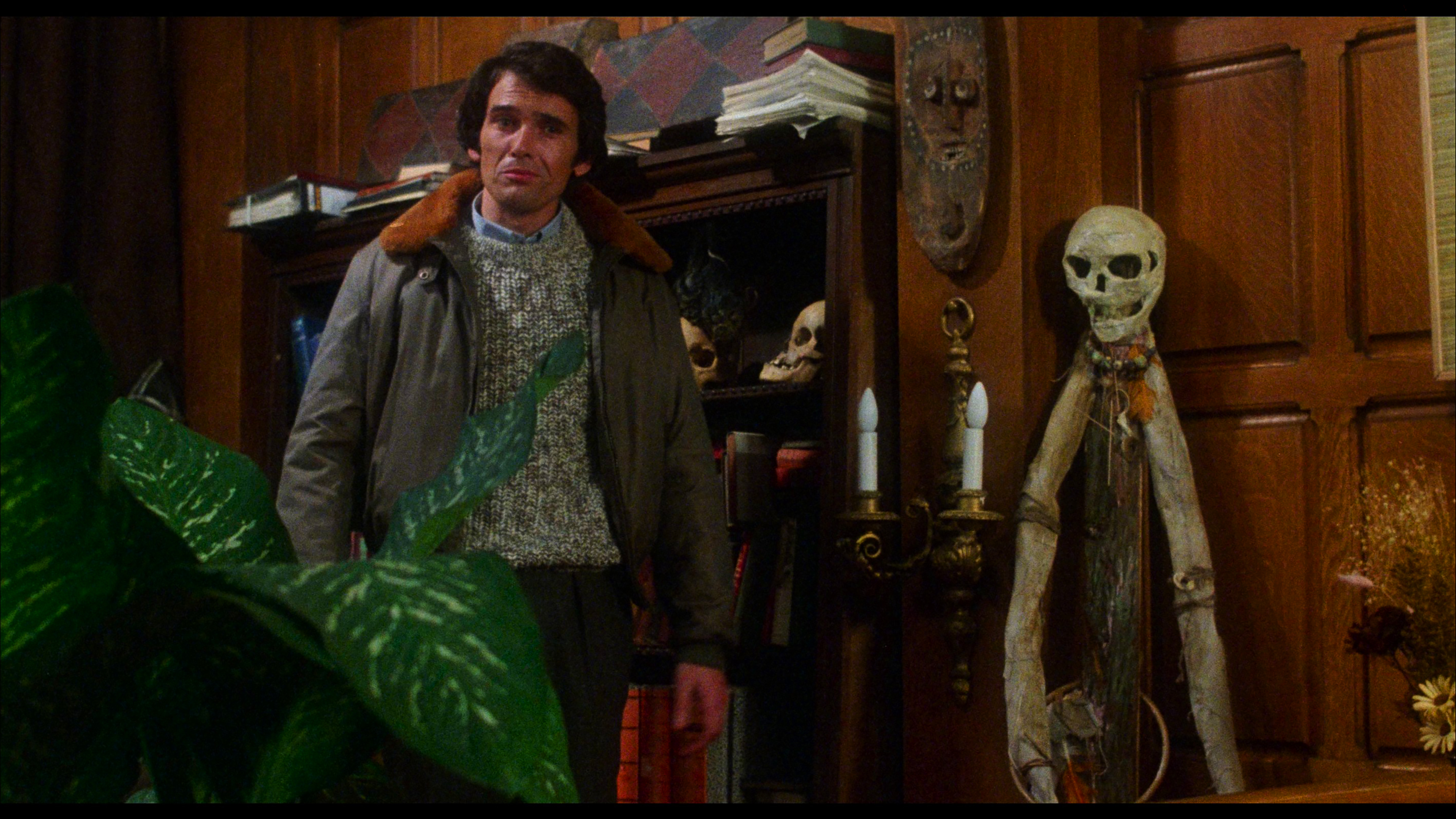
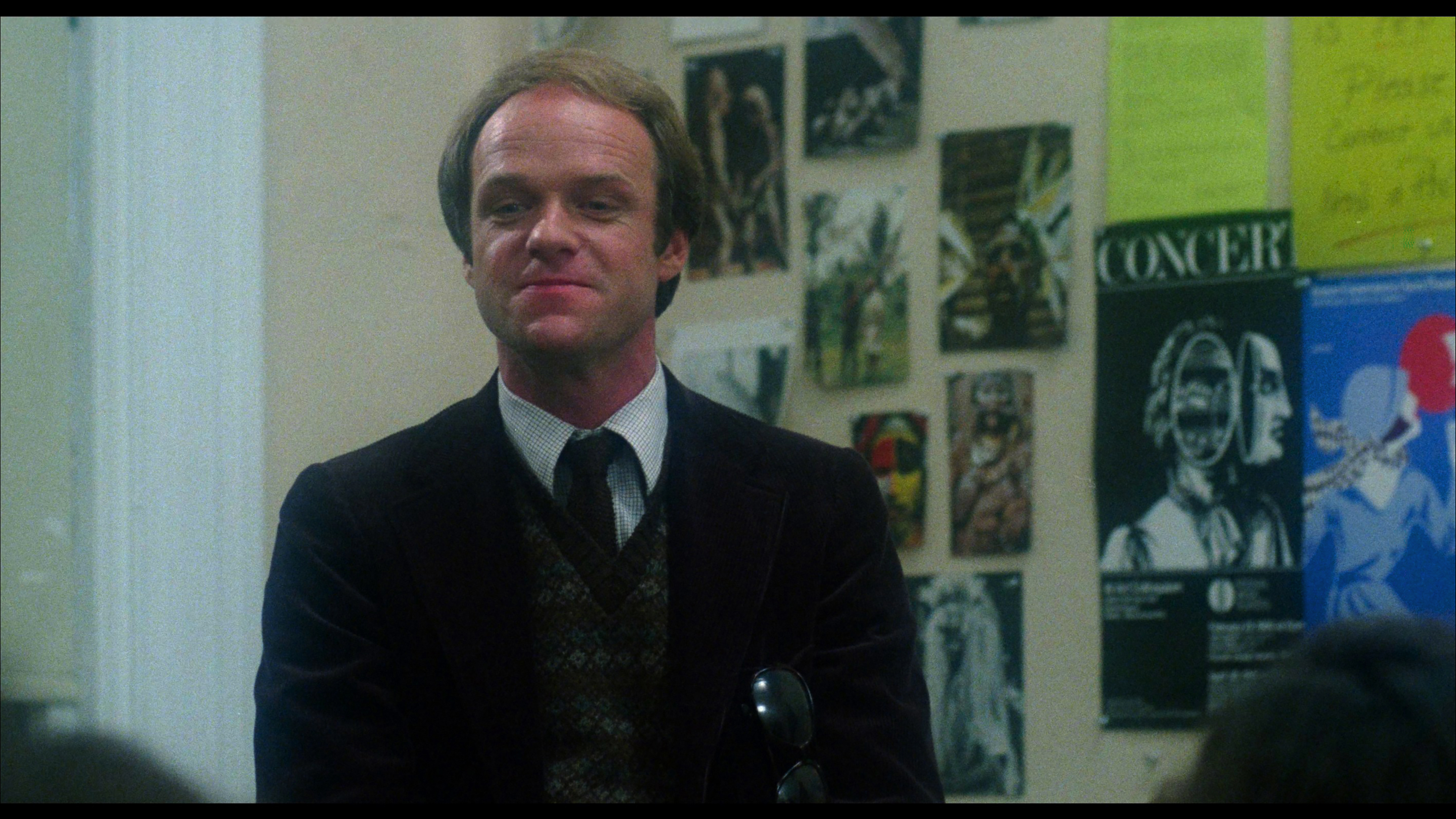
  sleazy Professor Millett (Snyder) is involved with student Eleanor (Ward) but flirting or sleeping with pretty much every other female in sight. The fact that Millett's lectures involve New Guinea head hunting rituals might have something to do with it, but who could the guilty party actually be?
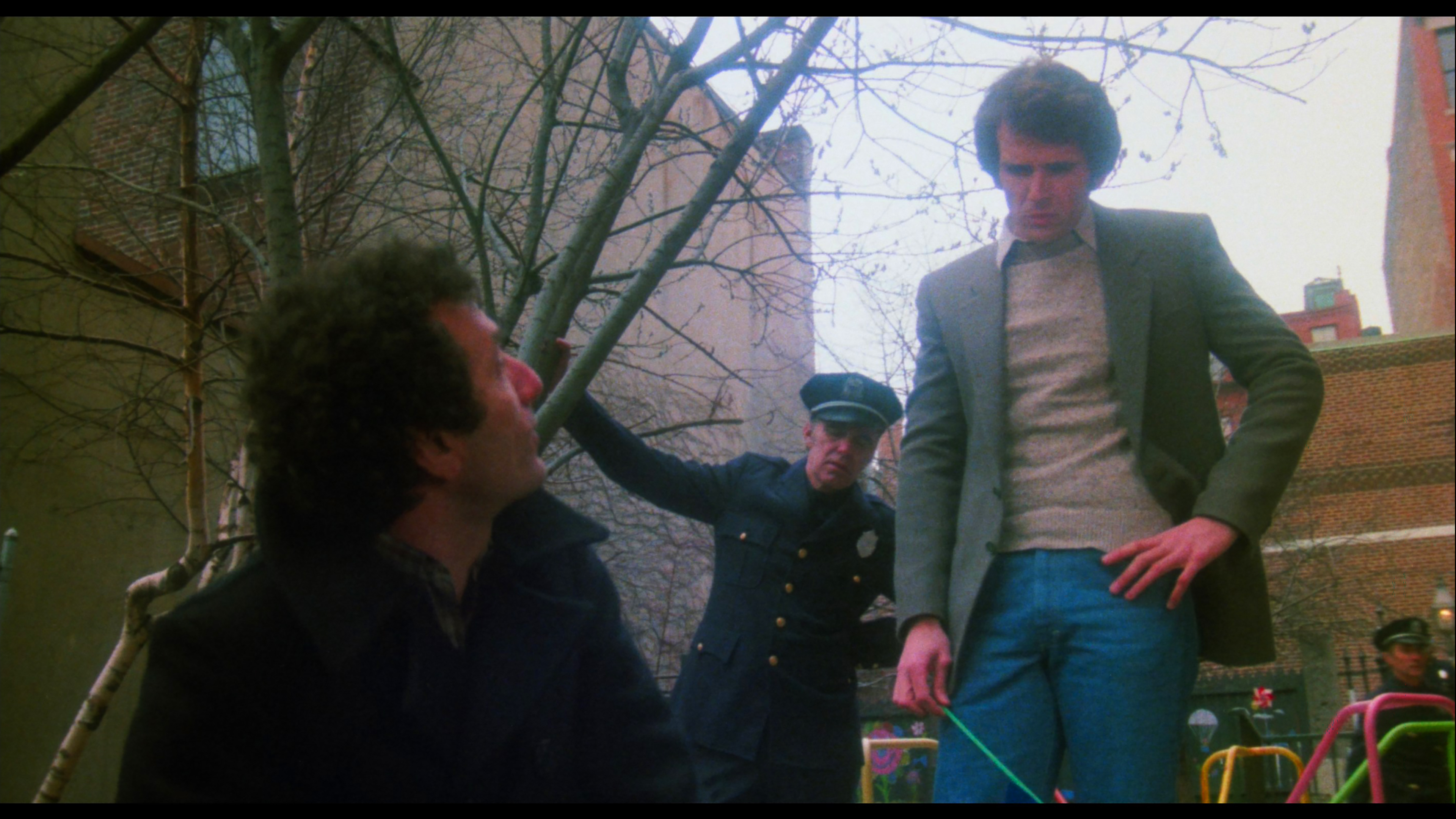
 featuring a new 4K scan from the camera negative, with HDR-compatible Dolby Vision for the UHD. The new
  scan adjusts the framing to 1.85:1 with quite a bit more lateral info and slightly less on the bottom, overall looking more balanced here. Color and detail are all improved with a stronger sense of depth; only the opening and closing titles look iffy thanks to the optical involved. The DTS-HD MA English 2.0 mono audio sounds as good as always and comes with optional English SDH subtitles. Bryan Thomas Norton moderates two audio commentaries, the first with associate producer Leon Williams and stunt man Jeffrey Leavitt (who played the killer in the helmeted scenes) and the second with Irwin. Both are thorough, informative listens covering the original choice of Sole (who wanted then-girlfriend Vanity to star), an appearance by the still-living legendary Myrtle the Turtle, the Boston locations, the mechanics of carefully shooting the (crazy) shower sex scene, Hughes' directorial approach, and much more. In "Head Hunter" (21m55s), Mann chats about coming to work in North America after his busy time in Europe, his thoughts on doing a thriller in the slasher era, his approach to the character, and the experience of working with Ward. In "Street Born" (27m46s), Sicari reminisces about playing his goofball character, working extensively with Mann, the contrast between their characters, his familiarity with Boston, and using his own Italian background to play an Armenian American. Finally Leavitt goes in front of the camera for "Stunt Killer" (9m4s), going into more detail about getting on this film thanks to fellow acting class students who were working on it, his knife-wielding prowess, his efforts to get a SAG card, his Massachusetts background, and the filming of the standout kill scenes. Note that pretty much all the extras reveal the killer's identity almost immediately, so don't dive in until you've seen the film first. The usual U.S. trailer is also included.
 Vinegar Syndrome (UHD)
Warner Archive (Blu-ray)