THE UGLY DUCKLING
B&W, 1959, 83 mins. 47 secs.
Directed by Lance Comfort
Starring Bernard Breeslaw, Reginald Beckwith, Jon Pertwee, Maude Edwards, Jean Muir, Michael Ripper
Indicator (Blu-ray) (UK RB HD), Sony (Blu-ray) (US R0 HD) / WS (1.66:1) (16:9)
DON'T PANIC CHAPS!
B&W, 1959, 84 mins. 46 secs.
Directed by George Pollock
Starring Dennis Price, George Cole, Thorley Walters, Nadja Regin, Harry Fowler, Percy Herbert
Indicator (Blu-ray) (UK RB HD), Sony (DVD-R) (US R0 NTSC) / WS (1.66:1) (16:9)
A WEEKEND WITH LULU
B&W, 1961, 88 mins. 6 secs.
Directed by John Paddy Carstairs
Starring Bob Monkhouse, Leslie Phillips, Shirley Eaton
Indicator (Blu-ray) (UK RB HD), Sony (Blu-ray) (US R0 HD) / WS (1.66:1) (16:9)
WATCH IT, SAILOR!
B&W, 1961, 81 mins. 15 secs.
Directed by Wolf Rilla
Starring John Meillon, Graham Stark, Liz Fraser, Irene Handl, Vera Day, Marjorie Rhodes, Dennis Price
Indicator (Blu-ray) (UK RB HD) / WS (1.66:1) (16:9)
Though its name is still largely synonymous with horror (and to a lesser extent with sci-fi and action), Hammer dabbled in numerous other genres including 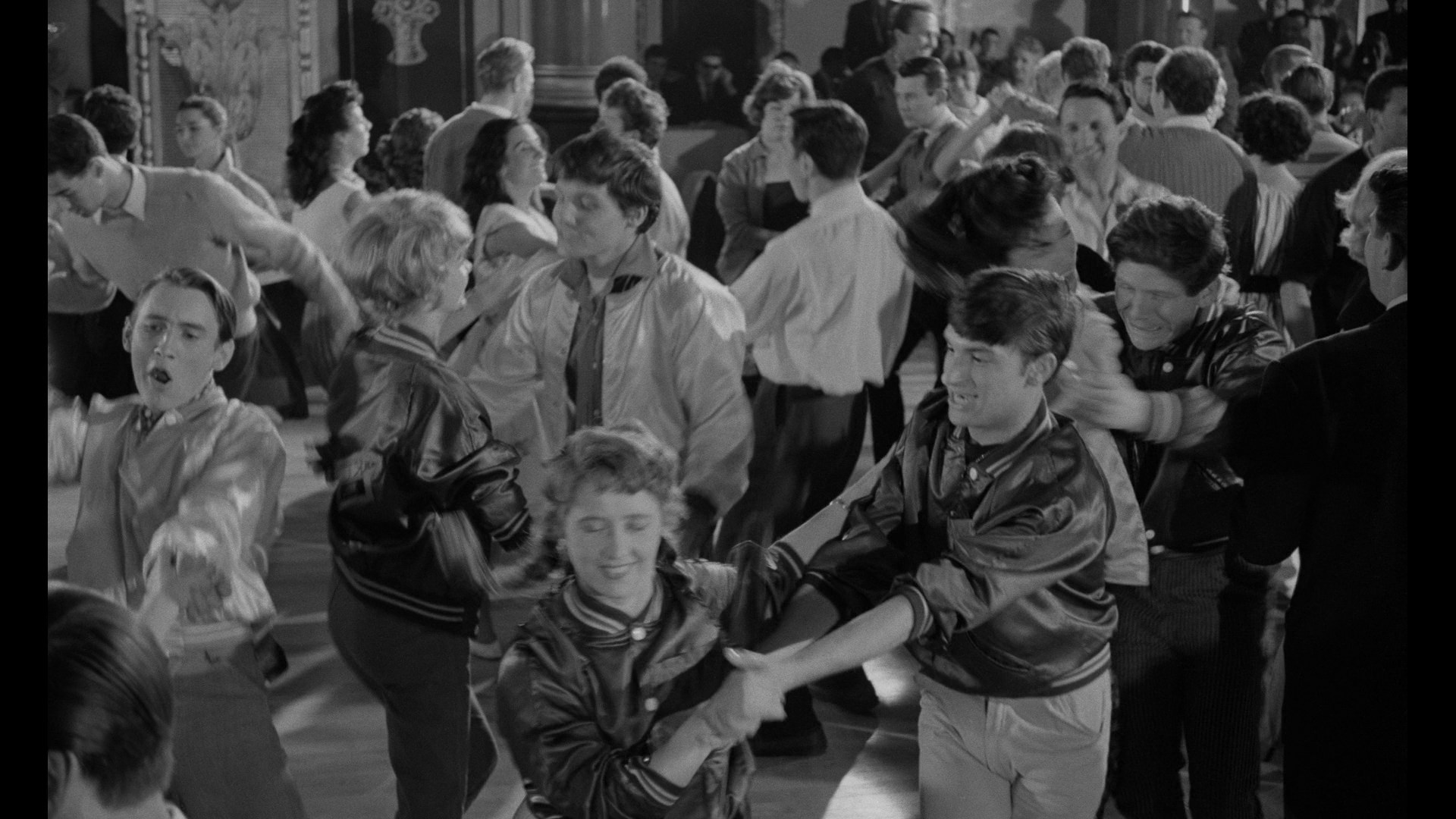 numerous comedies of varying degrees of success. In the '70s they largely focused on turning TV shows into films like the On the
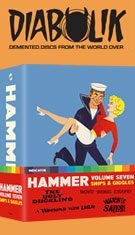
  Buses series, Man at the Top, and the now jaw-dropping Love Thy Neighbour, but their earlier output consisted of original(ish) projects starting in the late '50s. Four of those black-and-white comedies from the studio's productive time with Columbia Pictures have been collected in the 2026 U.K. Blu-ray set from Indicator, Hammer Volume Seven: Ships & Giggles, featuring two worldwide HD debuts as well as the first special editions for the other pair of titles.
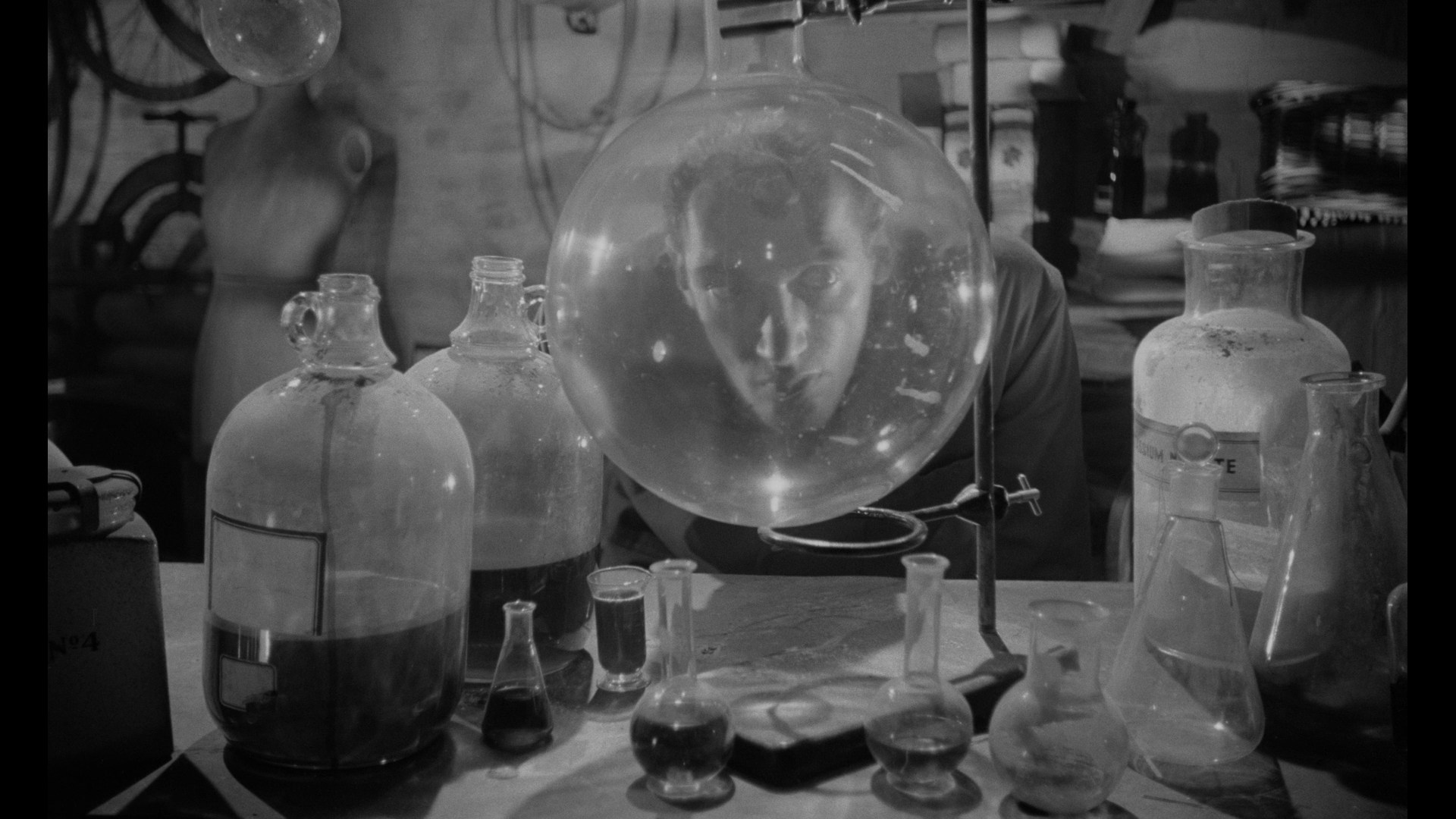
Touting that it features "ideas stolen from Robert Louis Stevenson" in the opening credits, The Ugly Duckling is Hammer's first overt adaptation of The Strange Case of Dr. Jekyll and Mr. Hyde (followed immediately after by The Two Faces of Dr. Jekyll and then a '70s gender-bender twist in Dr. Jekyll and Sister Hyde), here offering a pop-flavored comic take that anticipates what would come four years later with The Nutty Professor. The Jeckle family including dance leader Henrietta (Edwards) and conductor Victor (Pertwee, pre-Doctor Who) is embarrassed by the clumsiest of the siblings, Henry (Carry On's Breeslaw), whose dance attempts are mocked by all the teenaged attendees. By day Henry works in a pharmacy established by the family's notorious scientist ancestor, whose personality-altering formula is uncovered during an explosive lab mishap. Henry decides to try out the discovery and temporarily turns into the suave, confident Teddy Hyde, who becomes involved with the dance hall's organized crime elements 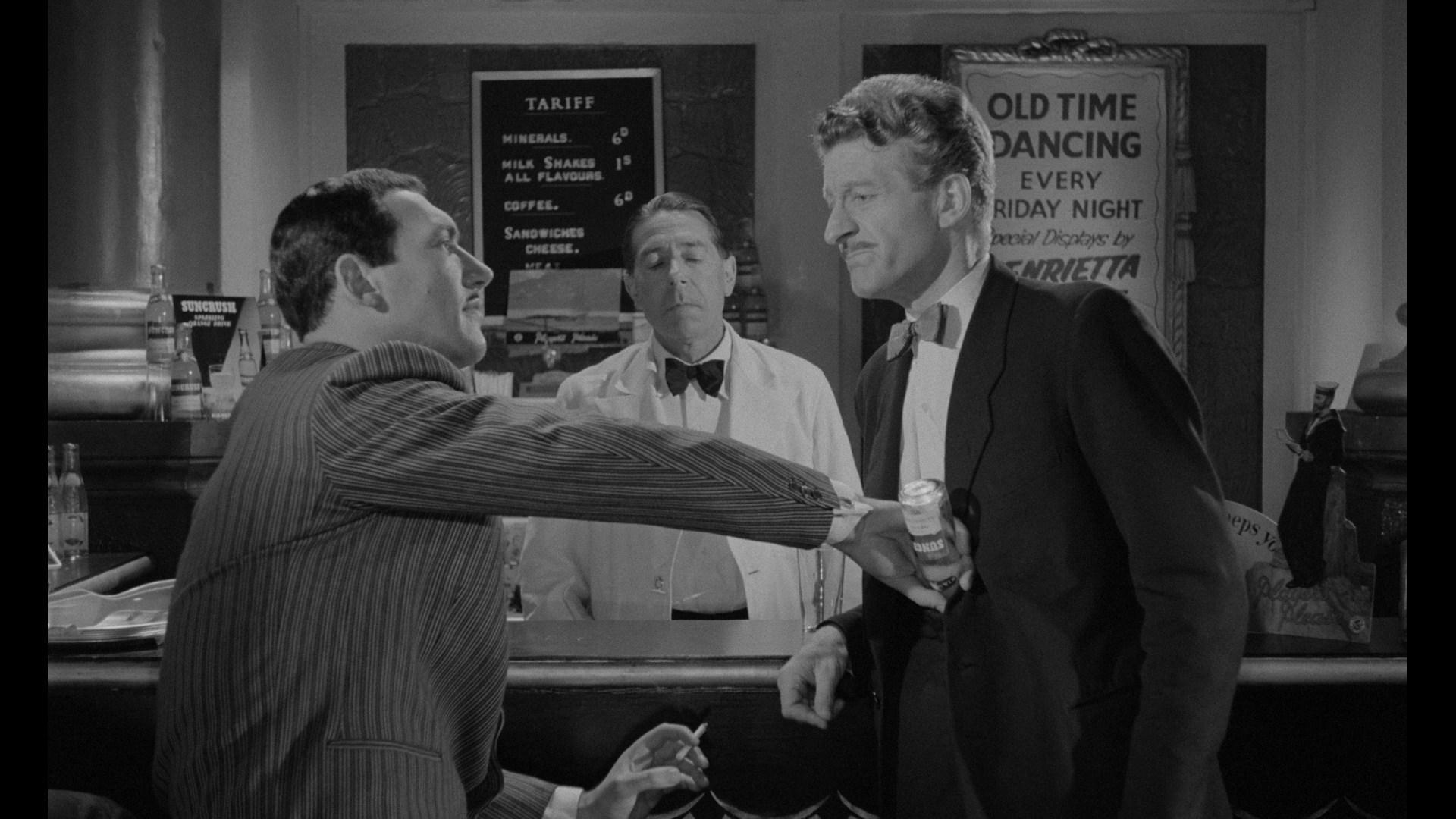 who are planning a jewel
 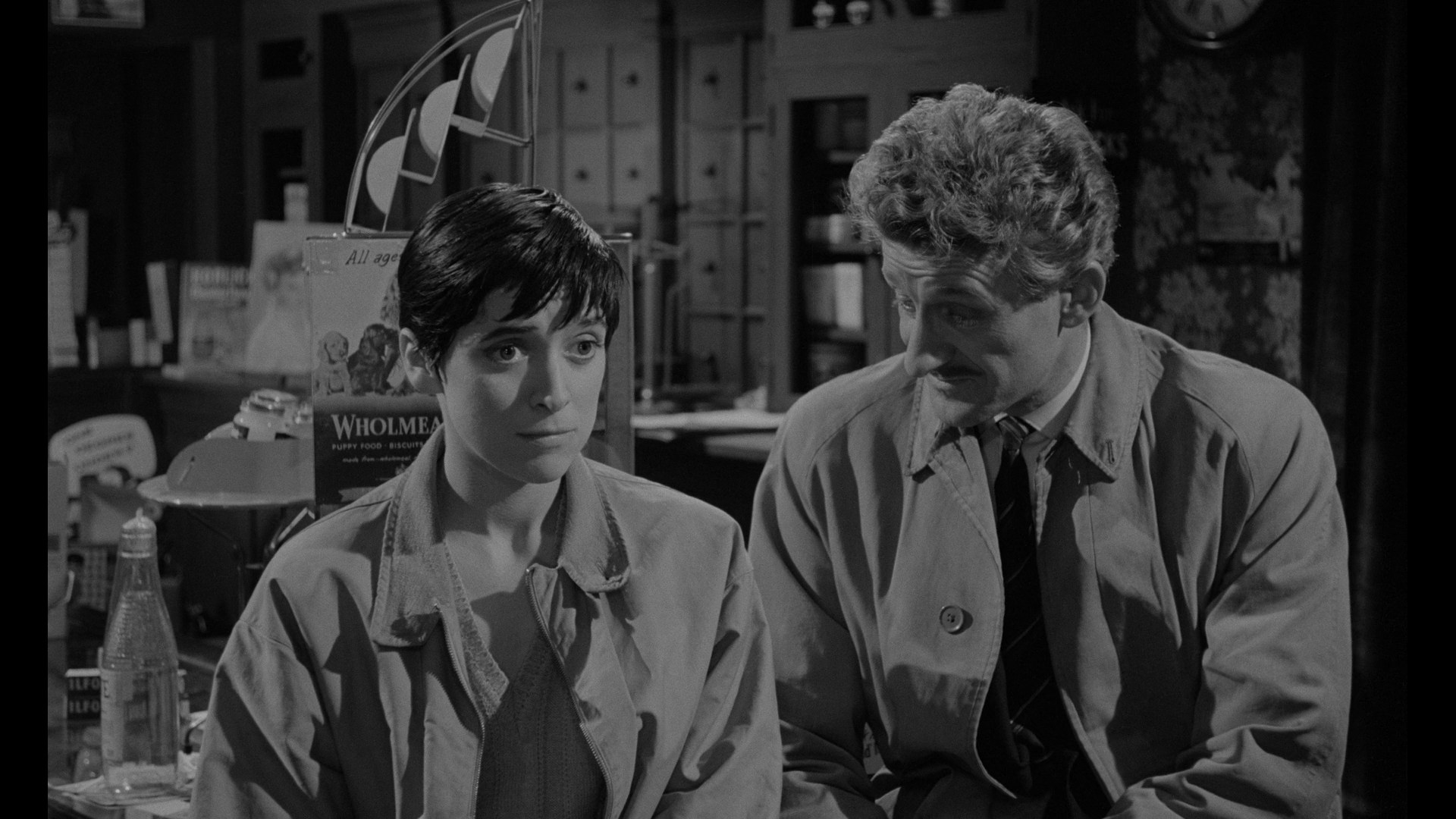 heist.
A slight but endearing film with just a hint of monster movie conventions, The Ugly Duckling is most fascinating as a showcase for numerous talents at a crossroads for Hammer and British culture in general. The sight of leather-clad adolescents acting up and bopping around to big band music feels downright surreal today and would make this a wild co-feature with These Are the Damned. Seeing Breeslaw and Pertwee as siblings is novel enough here, and Hammer fans can also spot a few other familiar faces including reliable mascot Michael Ripper, too. Like many Hammer comedies, this one didn't get much love on home video for decades and barely showed up on TV; however, Sony surprisingly chose it for a bare-bones (and wildly overpriced) Blu-ray release in the U.S. in 2020. That same excellent master is used for the Indicator release, which looks pin sharp and sounds great with an LPCM English mono track with optional, improved English SDH subtitles (as with the remaining three films in the set).
The film can also be played with "The BEHP Interview with Len Harris" (running the length of the full film) featuring the film's camera operator chatting with Alan Lawson and Manny Yospa in 1991 about his childhood, entertainment career, and the transformations of the industry bouncing between studios and camera duties over the years. In "Dancing the Cha-Cha-Cha" (21m3s), onetime teen actors Jess Conrad, Geremy Phillips, and Lionel Blair look back at the dance hall location, Breeslaw's intimidating height, the mechanics of doing the cha-cha, and lots of other TV and music projects around the same time. In "From Virtue to Vice" (14m57s), Robert Shail surveys director Lance Comfort including his start doing docs and medical training films, his wide range of films from melodramas to comedies, and the attention to characterization that marks his work. Then Kevin Lyons tackles this film specifically in "A Tricky Beast" (12m9s), exploring the unusual position of this film in the odd horror-comedy hybrid tradition, the star's background, some little pop culture insights given the weird limbo it occupies between big band and rock 'n' roll, and the challenge of keeping up with "what the kids want" including the "mod-ish" character of Snouty played by Jean Muir who was a little ahead of the curve. In "Infamously Fun" (6m48s), Stephen Laws delivers a handy intro to the film (which you can safely watch before the feature) covering the finer points of its creators, cast, peculiar title choice, potent transformation scene goosed up with James Bernard music, and production history. Also included are a 20-image gallery and 1969's Up in the Air (55m29s), a fun little Children’s Film Foundation movie featuring Pertwee in the story of some Victorian boarding school kids plotting an adventurous getaway involving a hot 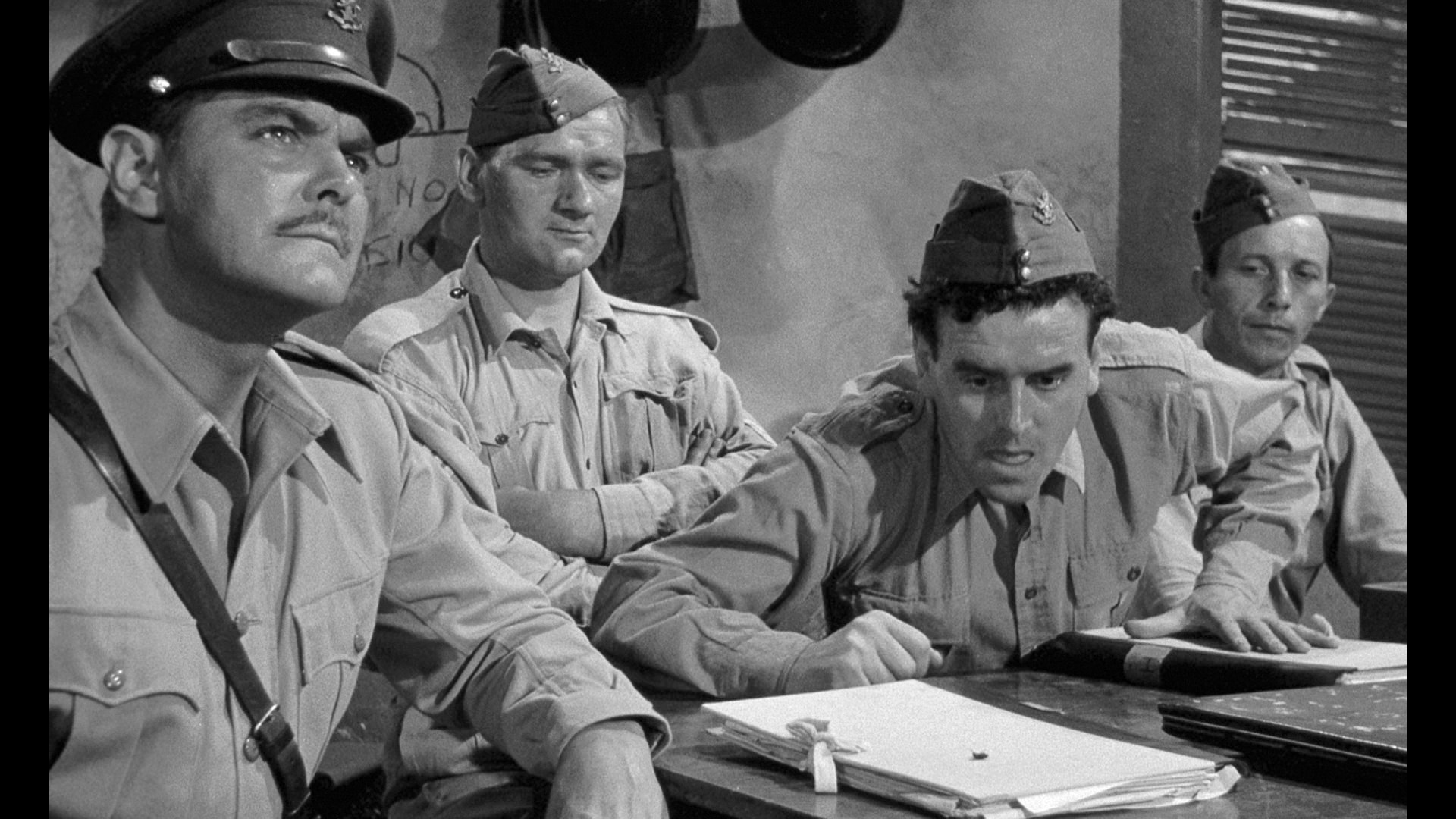 air balloon. Though taken from an unrestored SD source, it's a nice little bonus to
  have.
have.
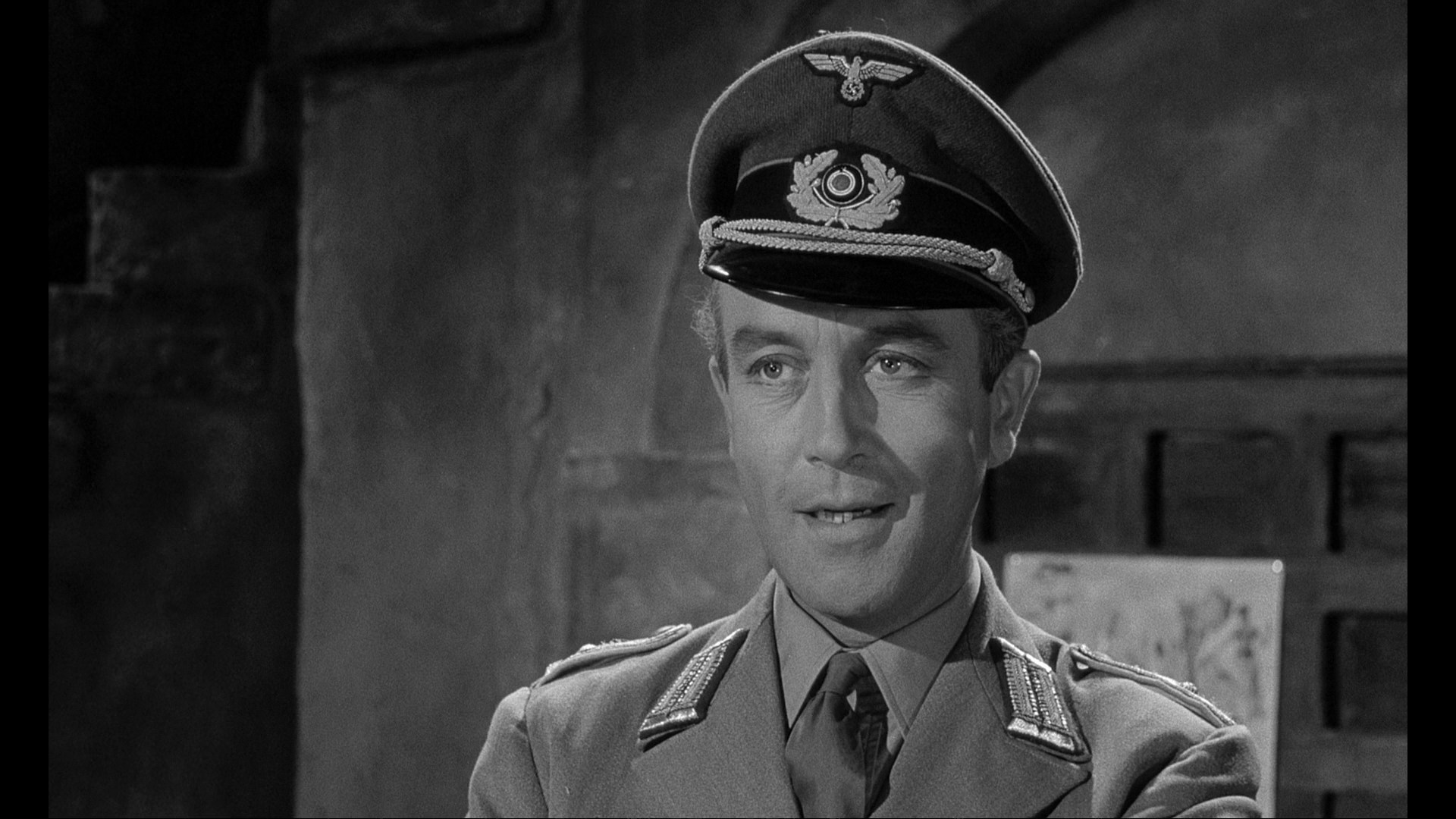
Also released in 1959, Don't Panic Chaps (no, there isn't a comma in the title) is a far more typical comedy outing of the era when Ealing was fizzling out. In fact, here you get a onetime Ealing star, Dennis Price (Kind Hearts and Coronets), headlining for the first of two times in this set, along with more Hammer vets like the always welcome Thorley Walters. In a variation on a familiar formula, here we have a small group of British soldiers during World War II -- Eric Finch (Cole), Brown (Walters), Frederick Ackroyd (Fowler), and Bolter (Herbert) -- stuck on a Mediterranean island where they're prepping for an impending infiltration of Italy. Soon they discover they're in close proximity with an equally tiny group of German soldiers led by Captain von Krisling (Price) inside an abandoned monastery. Complicating things further is the arrival of the beautiful Elsa (Regin), who can't speak English but ignites a rivalry among all the men, who are otherwise perfectly willing to share supplies for their mutual survival.
Another pleasant diversion, Don't Worry Chaps doesn't reinvent its formula in any way but does offer a nice showcase for a game cast in prime form. The most memorable gag involving a sudden skinny-dipping encounter may account for why it was completely shut out of the U.S. at the time 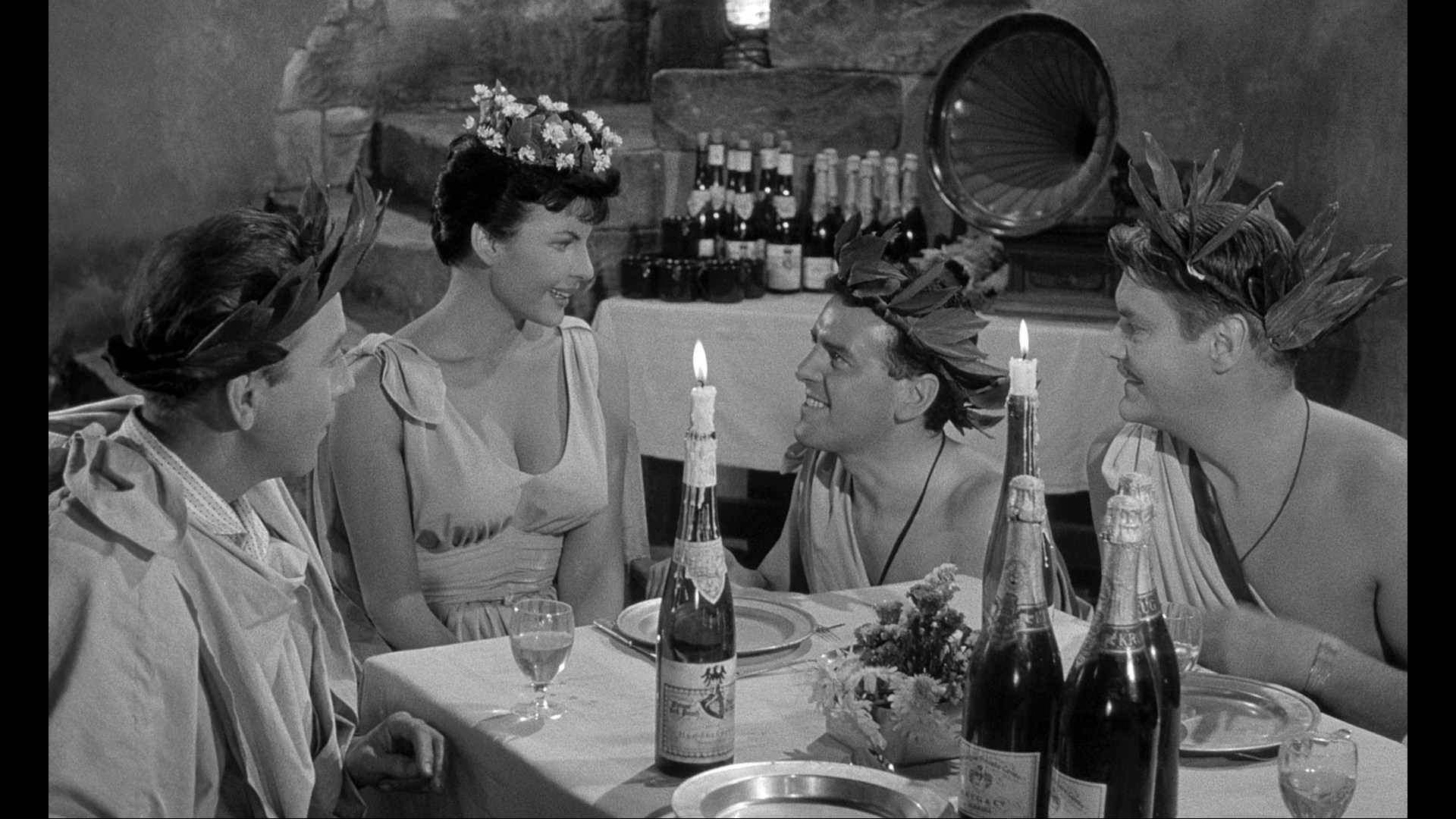 (with its
 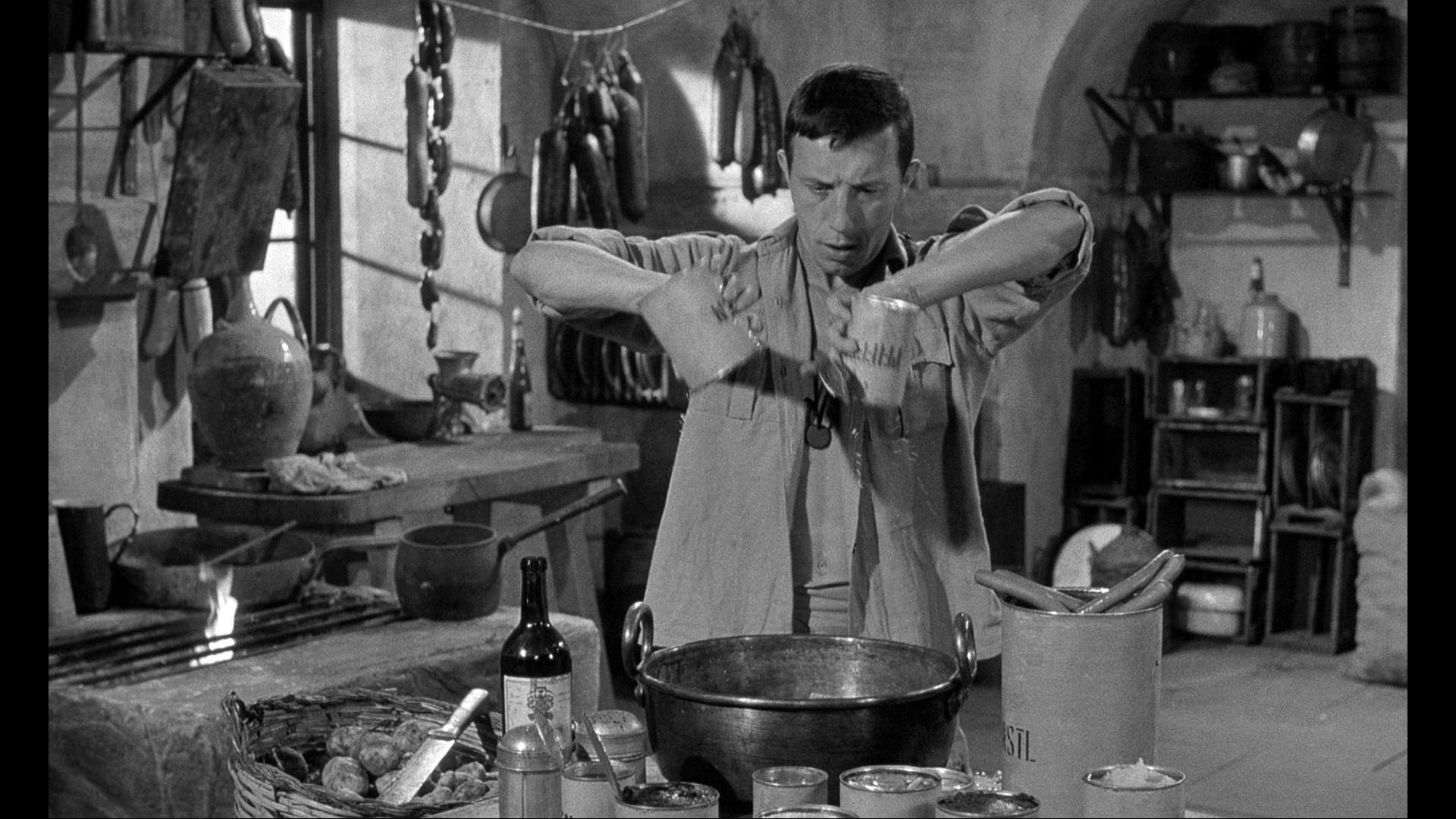 silly bare bottom footage censored for TV airings), but eventually Yanks got it as a no-frills DVD-R as part of the Sony Choice Collection in 2012. The excellent Sony-supplied HD master makes its full-resolution debut in the Indicator set, looking immaculate as expected. In "No Naughtiness" (18m7s), the source play's co-author, Michael Corston, talks about the artistic contributions of a hamster, the censorship of the era, a similar movie made after this that caused some confusion and a prospective plagiarism claim, and other anecdotes about the production. Then Jonathan Rigby pops up for "Frightfully Funny" (30m) covering the entire Hammer-Columbia comedy cycle in detail, as well as the studio's larger comedy history going back to its earliest days and stretching through most of its history with numerous lesser-known titles along with oddities like The Old Dark House. Another Laws intro, "Differences Behind Us" (8m15s), is another handy survey of the film's attributes as a counterpart to some of the darker Hammer WWII films like the same year's Yesterday's Enemy and part of a larger wave of military
 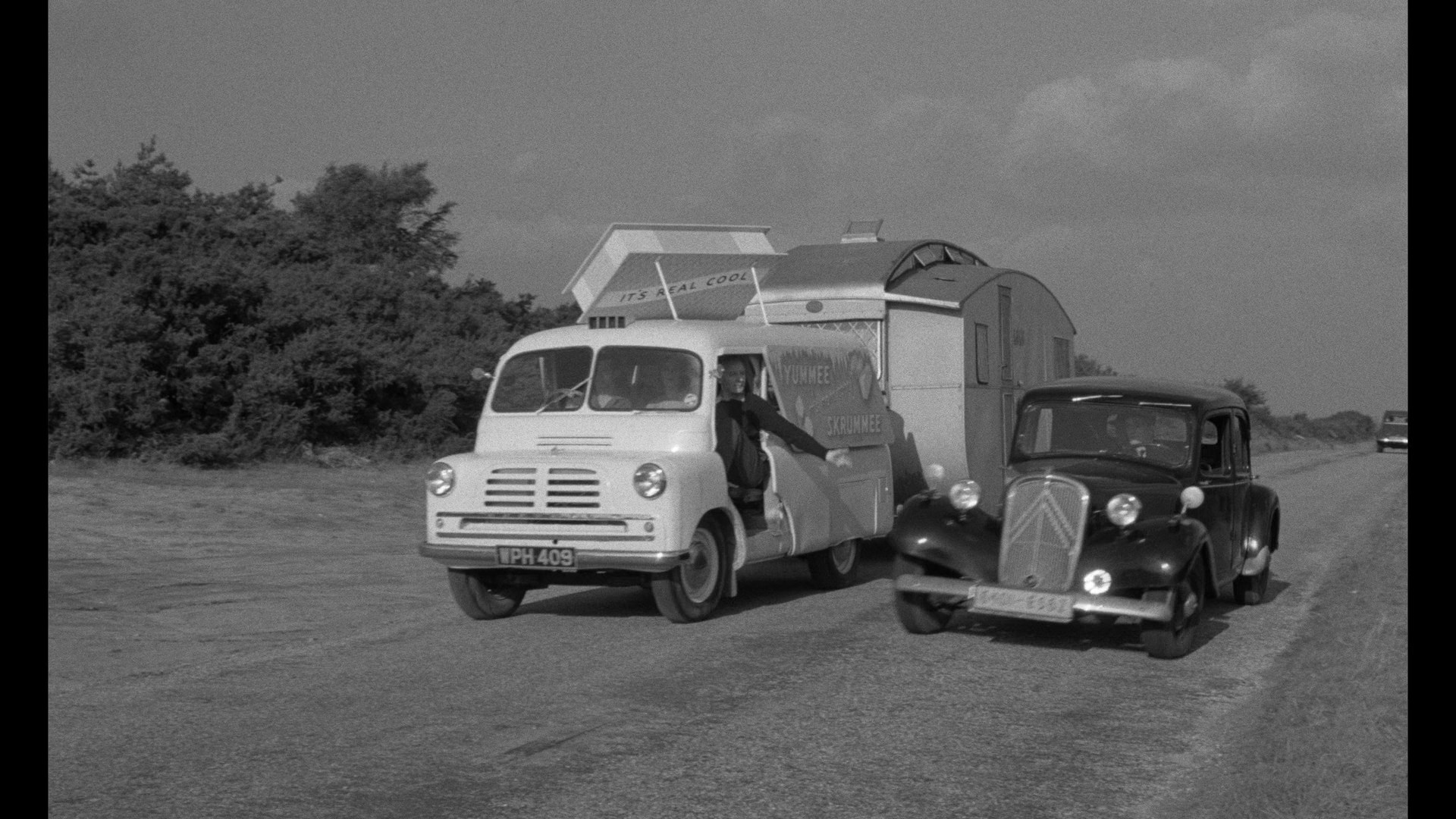 comedies flourishing on the big and small screens at the time. Also included are the theatrical trailer, a 14-image gallery, and a
  45-image publicity manual.
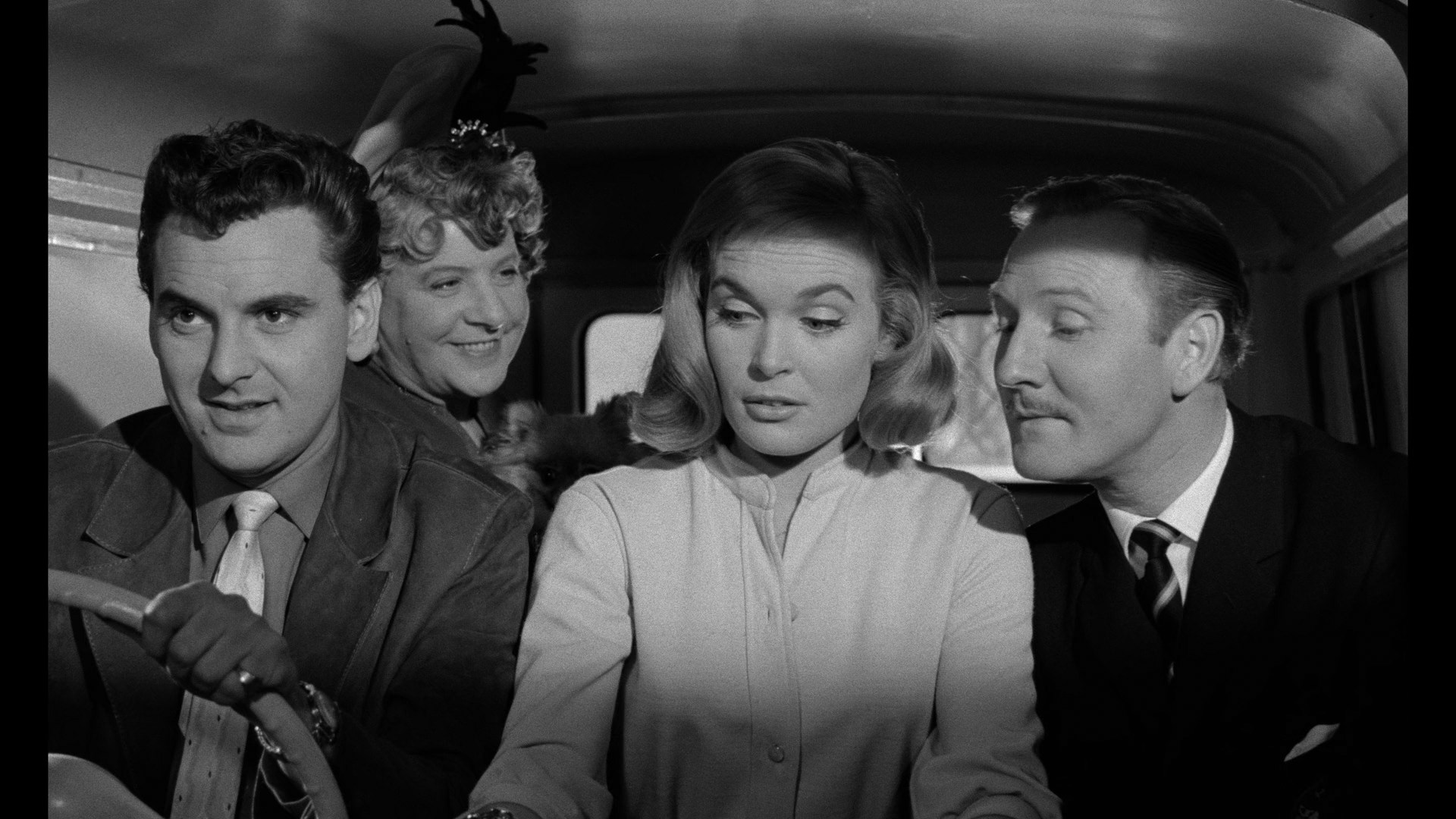
Then we hop ahead a couple of years to 1961 on disc three for A Weekend with Lulu, another one oddly selected as a bare bones standalone Blu-ray from Sony in the U.S. in 2022. Despite the sexy bikini poster art, "Lulu" is actually the name of an ice cream truck-hauling caravan owned by Fred (Monkhouse) who decides to use the opportunity to sell his wares to a new customer base while allowing his engaged brother Timothy (Phillips) and hair stylist Deirdre (Goldfinger's Eaton) to hop in this "mobile love nest" for a weekend getaway. However, things get complicated when Deirdre's mother, Florence (Handl), comes along for the ride, and they end up getting stuck in France for a whirlwind of adventures involving Tour de France bicyclists and an assortment of folks ranging from nobility to tourists.
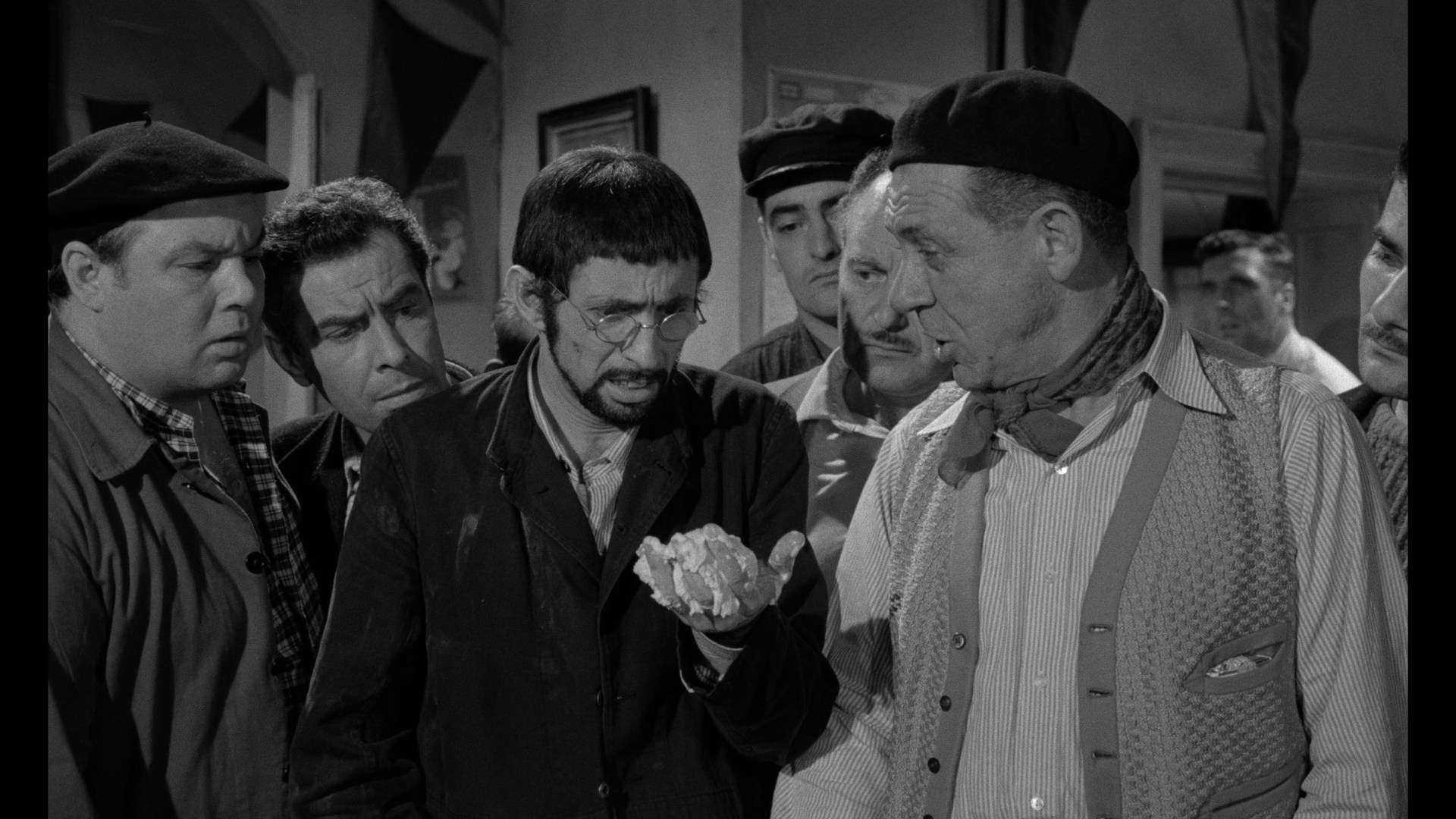 A lightweight piece of fluff with dubious French accents galore and lots of Eaton running around in a nightie, A Weekend with Lulu doesn't overstay its welcome and makes for a breezy little vacation of a watch. The
 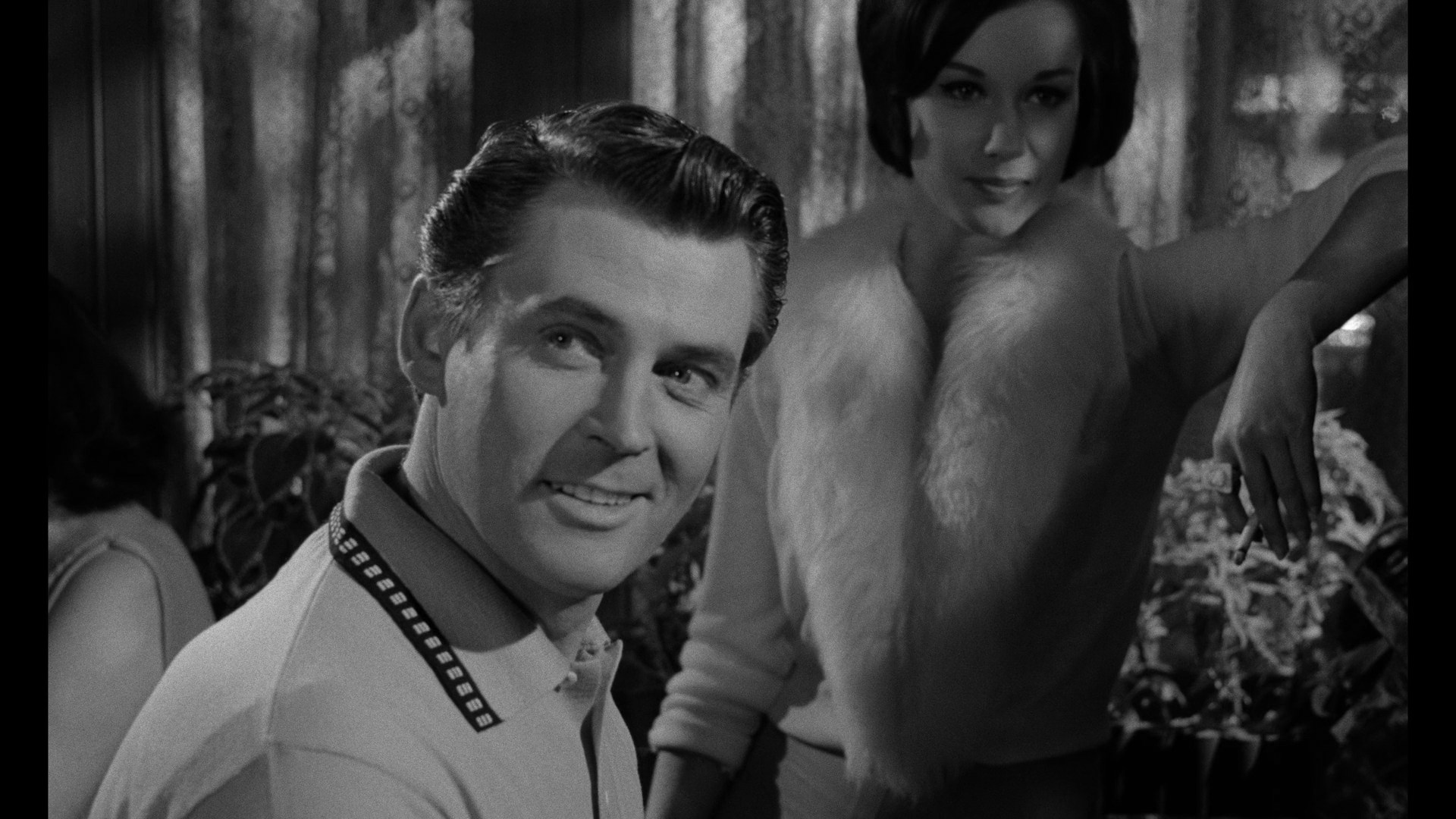 studio-bound evocation of France works well enough here apart from a bit of stock footage, and the leads all seem to be having a good time. The HD master here from Sony is identical to the prior U.S. one and looks extremely impressive, so fresh it could have come right out of the lab. In "Four Weeks with Lulu" (30m57s), third assistant director Michael Klaw, production secretary Jill Langley, camera operator Brian West, and assistant sound editor Geoff R. Brown share separate stories about the production which sounds like a completely happy affair apart from Handl whose real dog, which she carts around in the film, was apparently a total terror. In "A Comedy Vehicle" (5m42s), Laws returns to cover prolific director John Paddy Carstairs, popular comic Monkhouse, the Carry On vibe of the supporting actors, and related projects coming after this with some of the same participants. Also included are a 59-image gallery, a 54-image publicity material, and 1960's Leslie Phillips Asks… (4m,20s) with the actor making a
  charity pitch for the Royal National Institute of Blind
  People.
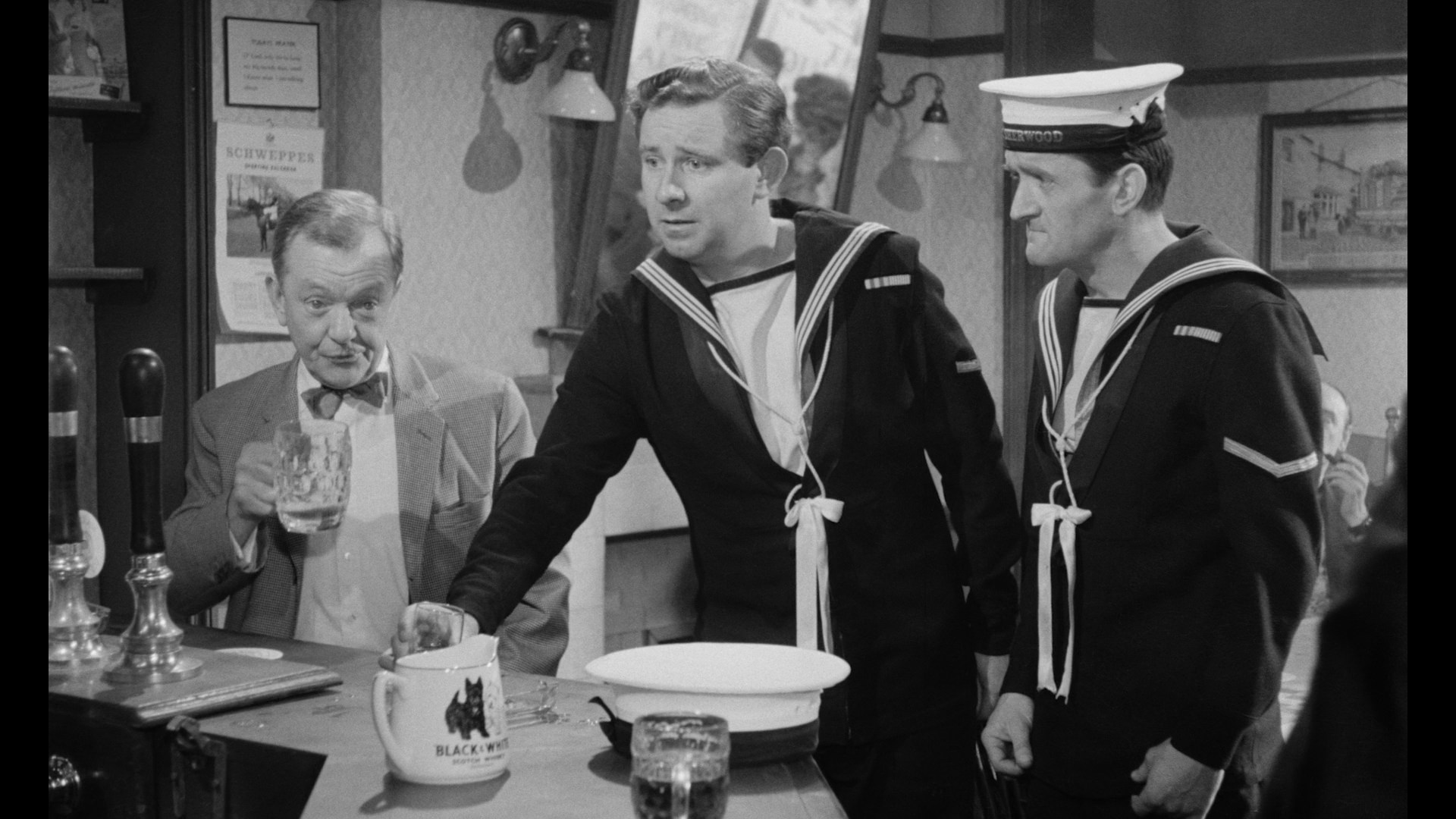
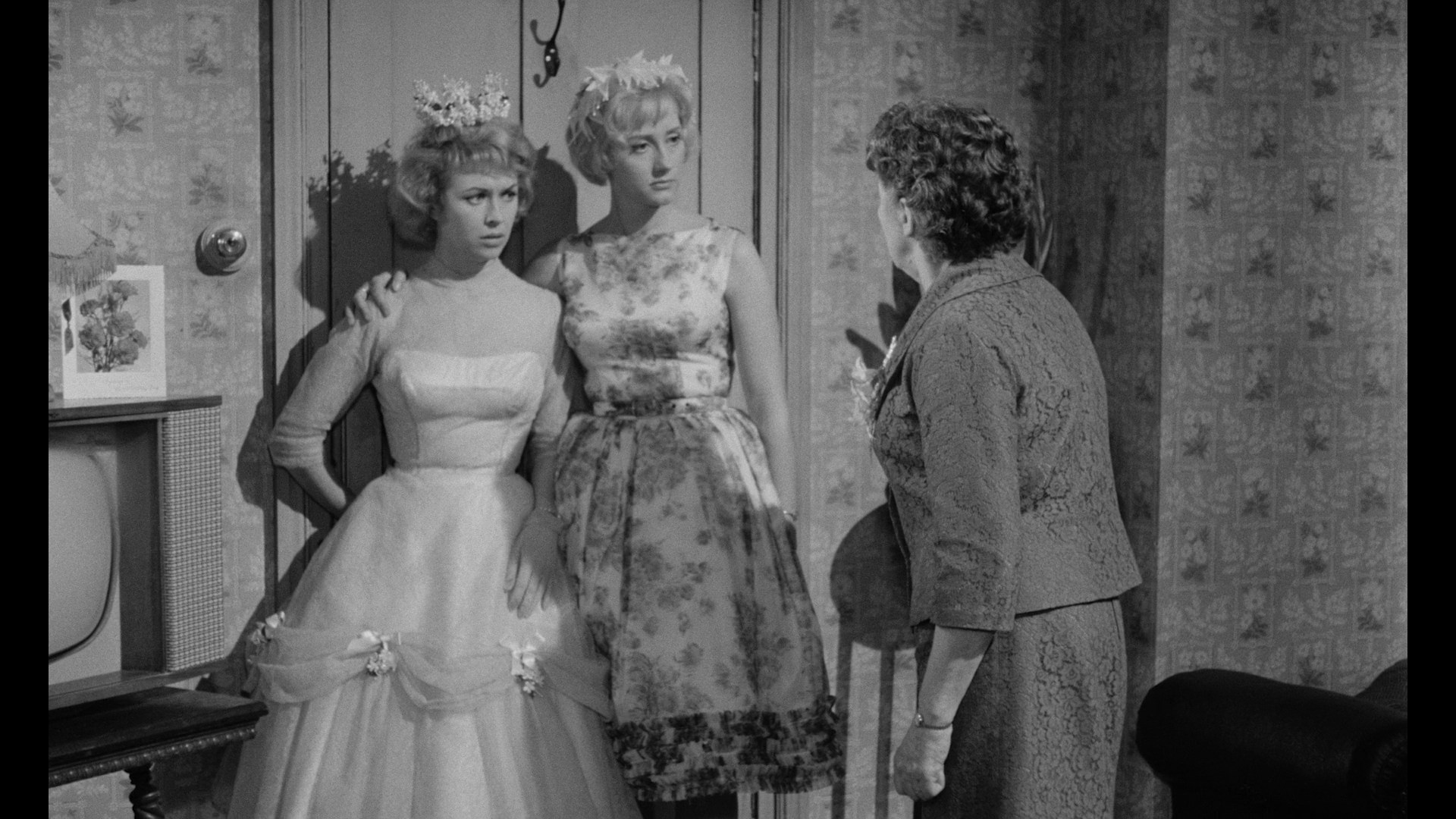
Finally on disc four is another 1961 comedy, Watch It, Sailor!, based on a Philip King and Falkland Cary play that was sort of a sequel to Sailor Beware, filmed earlier in 1956 but not for Hammer or Columbia. (Got that?) On leave back home to marry his fiancee, Shirley (Day), sailor Albert (Meillon) has a slew of obstacles thrown in his way including a mysterious intercepted telegram saying he can't tie the knot for undisclosed reasons. Accompanied by sailor buddy Carnoustie (Blake Edwards mascot Stark), he navigates treacherous waters including his fiery future mother-in-law (Rhodes) and other family members including Aunt Edie (Handl again) and cousin / maid of honor Daphne (Fraser, a British comedy staple well into the late '70s). Much confusion and hijinks ensue until an inexplicably top-billed Dennis Price shows up for a glorified cameo to help sort things out and save Albert's reputation.
Of all the films in this set, this is the one you might want those English SDH subtitles for the most given its heavy doses of Northern and Scottish accents as well as silly 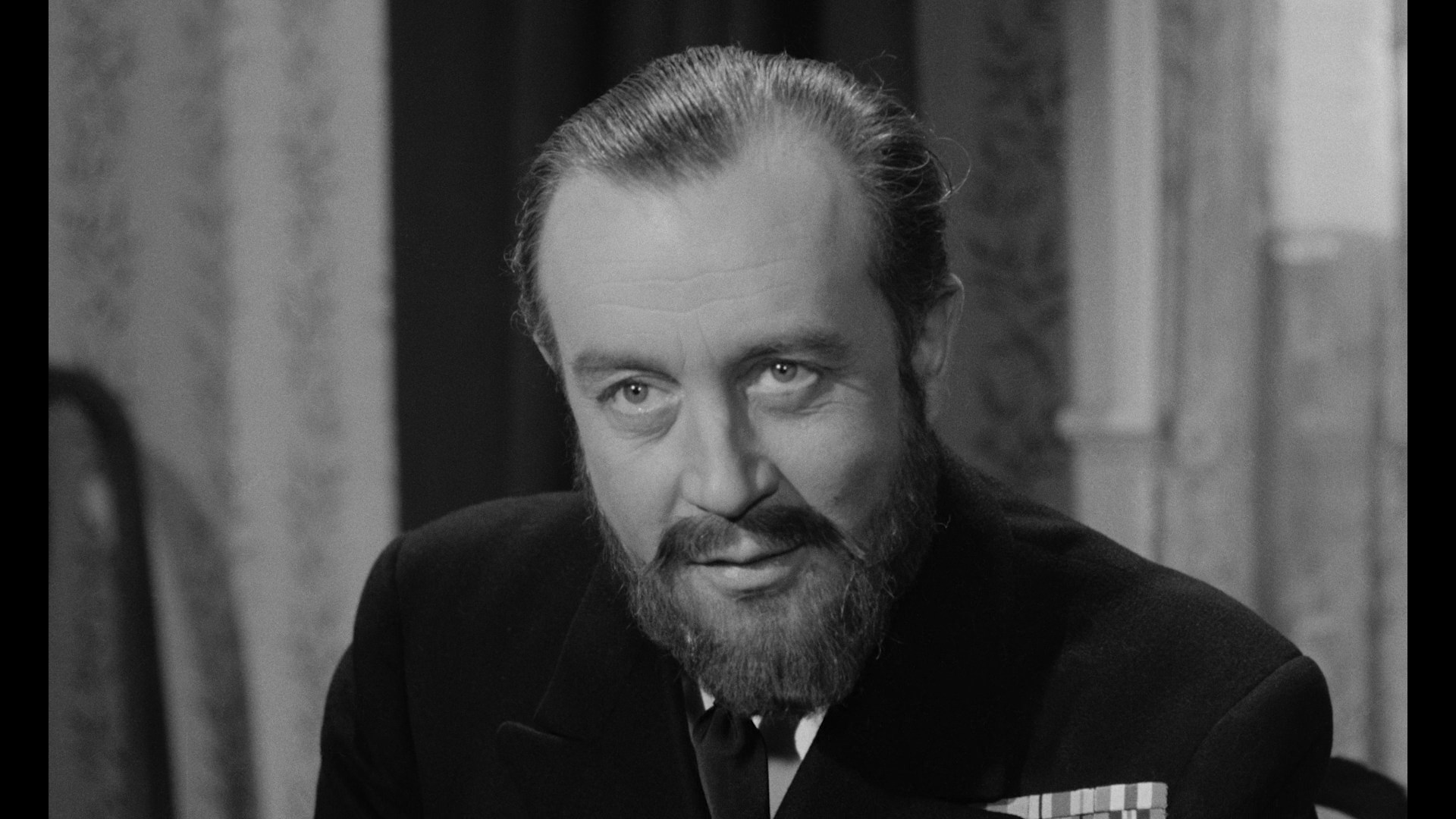 turns of phrase you could easily miss. It's no wonder
 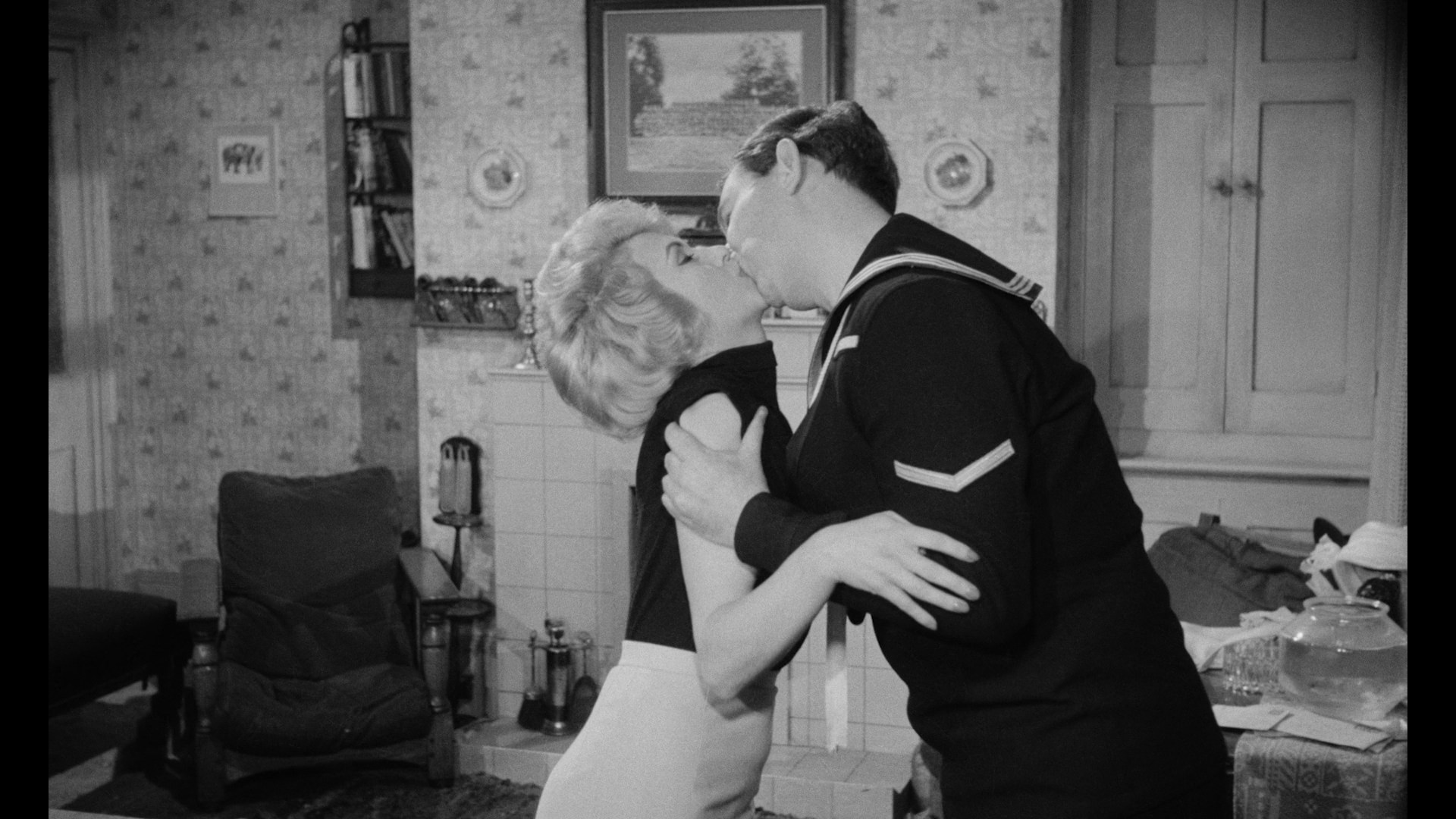 this didn't get theatrical play outside of the U.K. at the time (though it did hit American TV later), and Indicator's Blu-ray will probably be a first-time watch for almost anyone who wasn't around when this first opened. That certainly didn't stop them from piling on the extras for this one, too, with the film itself looking excellent and up to par with its companion features here. The film itself can be played with "The BEHP Interview with Alfie Cox" from 1992 featuring the editor chatting with Alan Lawson and Syd Wilson, plus "The BEHP Interview with Tilly Day" from 1988 with the continuity supervisor with Lawson and Sidney Cole. Audio quality for these is definitely in rougher shape than usual, but it's great to have their stories chronicled here for posterity including their upbringing, days in the trenches on a wide variety of British productions (with this one not meriting much discussion), wartime experiences, and the ins and outs of the key local studios. In the 2016 interview "Happy About It" (34m11s), Day looks back at her career with Derek Pykett including her modeling days, her discovery by Val Guest, her awe at doing The Prince and the Showgirl with Marilyn Monroe and Laurence Olivier, and other key highlights including a surprising turn for Guy Ritchie. In the last Laws intro, "Getting Spliced" (5m13s), he lays out the essentials about director Wolf Rilla who was fresh off of Village of the Damned, the comedy tropes at play here, and the specialties of the numerous actors here. Finally you get a 19m4s audio presentation of actor-comedian-author David Benson in 2002 at BFI Southbank paying tribute to Frankie Howerd, laying the groundwork for a succession of clips showing off his wide range of comedic talent. Also included are a 21-image gallery and a 46-image publicity manual, while the limited edition also comes with booklets featuring essays by Josephine Botting, Melanie Williams, David Cottis, and Mark Fryers, an archival article on The Ugly Duckling, pressbook excerpts, and sample critical reactions.
Reviewed on May 26, 2026
