
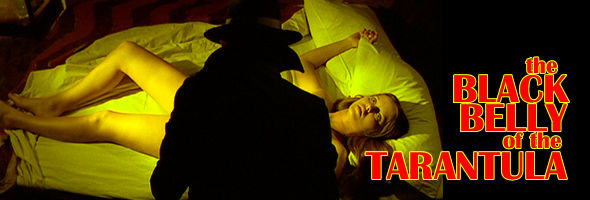
Color, 1971, 97 mins. 53 secs. / 87 mins. 58 secs.
Directed by Paolo Cavara
Starring Giancarlo Giannini, Stefania Sandrelli, Barbara Bach, Claudine Auger, Barbara Bouchet
Celluloid Dreams (UHD & Blu-ray) (US R0/RA 4K/HD) / WS (1.85:1) (16:9), Blue Underground (DVD) (US R0 NTSC), Alive (Blu-ray) (Germany RB HD), CMV (DVD) (Germany R2 PAL), RHV (DVD) (Italy R2 PAL) / WS (1.78:1) (16:9), Vellavision (DVD) (Spain R2 PAL)
With the giallo craze 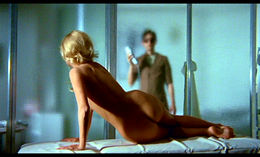 seizing Italy in the early 1970s, many directors who normally shied away from that arena began dabbling with some truly
  odd results. Best known for collaborating with Gualtiero Jacopetti and Franco Prosperi on Mondo Cane and later ripping them apart with The Wild Eye, filmmaker Paolo Cavara turned to more mainstream fare in 1969 with a mostly ignored war drama, The Ravine. Fortunately he got back on track shortly afterwards with The Black Belly of the Tarantula, a stronger-than-usual thriller sporting an eye-popping cast. If ever there was a textbook example of a typical golden age giallo, this is it-- plus it was one of the rare gialli (along with The Weekend Murders, The Sweet Body of Deborah, and Four Flies on Grey Velvet) to be handled by a major American studio, in this case MGM. Apparently comfortable enough with the results, Cavara would go back to the giallo again a few years later with the more unorthodox Plot of Fear.
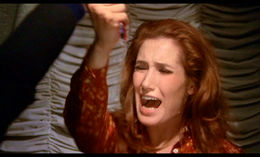
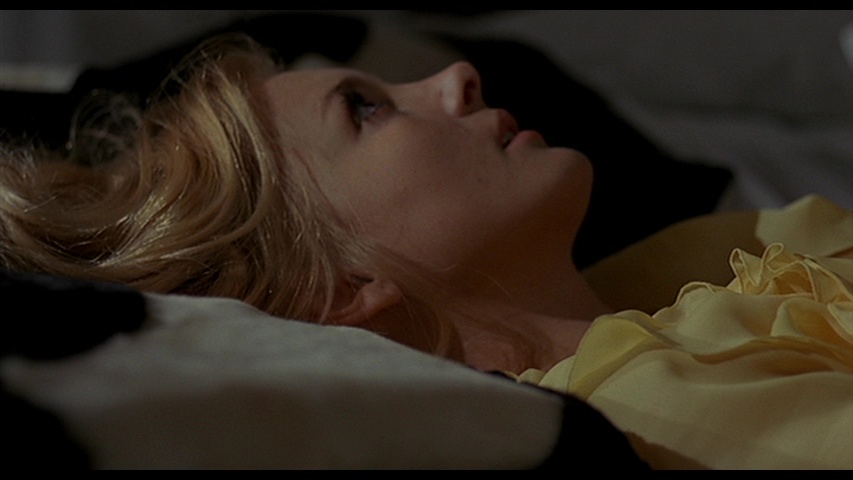
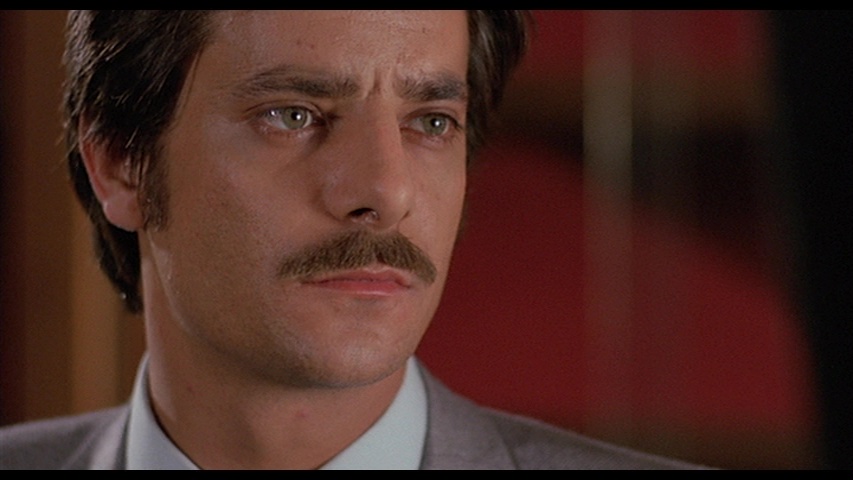
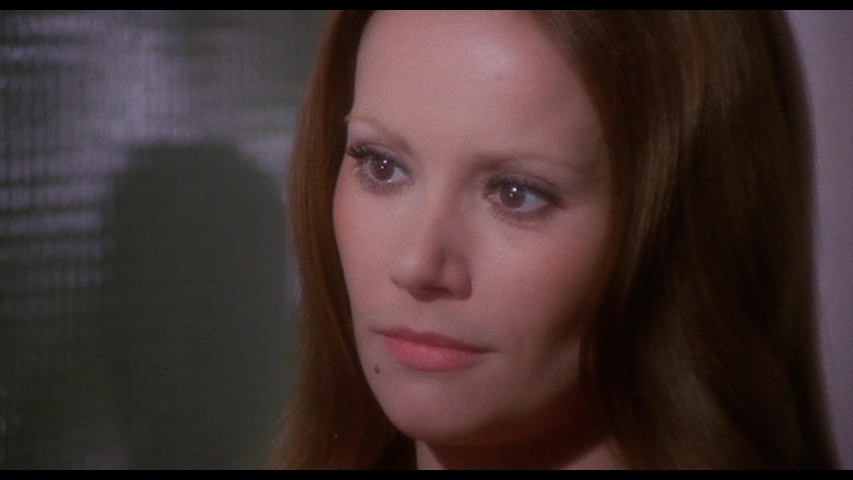
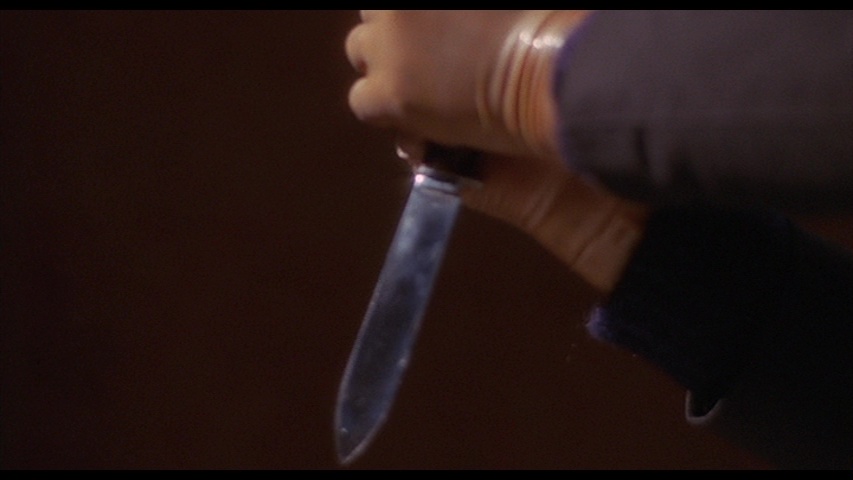
The proceedings get off to a memorably steamy start with the credits unspooling over Maria Zani (Bouchet) getting pampered by a blind masseuse, only to return home and face accusations of adultery from her abusive husband. Things get even worse for the poor woman that night when she's attacked by a gloved maniac who pierces her with a needle that leaves her paralyzed as he eviscerates her. The policeman in charge of the murder investigation, Inspector Tellini (Giannini), regards the murder as another dispiriting factor in his desire to leave the force, a decision he bats around with his wife, Anna (Sandrelli). The number of murder suspects grows during the investigation, with smoky salon owner Laura (Auger) seemingly at the center of an intricate mystery involving drug-smuggling, affairs, and a mounting body count.
Slick, stylish, and utterly enjoyable pulp of the highest order, The Black Belly of the Tarantula aspires for much more character depth than 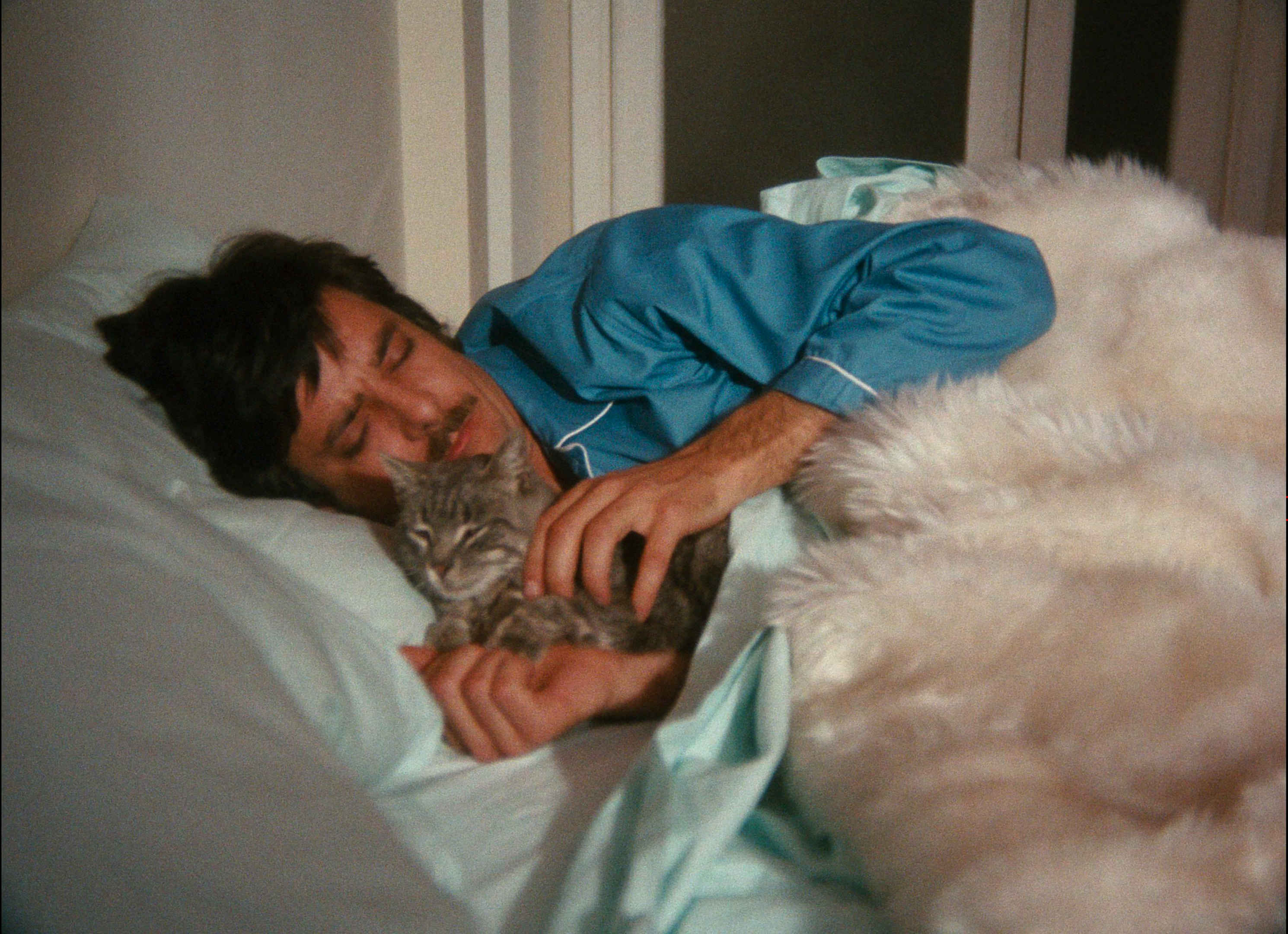 usual; in particular, Giannini's domestic life serves as an integral portion of the story and motivates the surprisingly effective climax, which provokes more emotional investment from the viewer than usual. The quality of the presentation
  didn't escape the international community either as this became of the few gialli to be distributed by a major studio (in this case, MGM), albeit with a few minutes lost along the way. The film maintains a steady balance erotically-charged imagery and suspenseful set pieces, with one killing deliberately quoting Mario Bava's Blood and Black Lace (which no doubt had more than a passing influence on the entire storyline as well). As with most Italian thrillers deriving their titles from animal names, the "tarantula" is an eccentric reference to parallels between the murderer's methods and the tactics a wasp uses to sting and paralyze a tarantula for food. Thus, arachnophobes don't need to worry about scenes involving actors covering in rampaging, furry spiders.
Virtually impossible to see in English for years following its theatrical release, the film was only issued uncut on video in Japan albeit in Italian only with Japanese subtitles. The first DVD arrived from Spain in a mediocre open matte transfer, again with English options. This version, carried over from the heavily censored US edition, was quickly snapped up by a bootleg label who added optional English subtitles over what amounts to a long, watered-down trailer without the good stuff. The feature finally arrived uncut on DVD, with Italian and English audio options to boot, from Italy's RHV in a far superior anamorphic transfer, with the theatrical trailer thrown in, too. Even better was the 2006 Blue Underground DVD, beautifully transferred from the original negative and featuring both the English and Italian tracks with optional English subtitles. Either option is viable, as the scenes with Giannini and Sandrelli were clearly shot in Italian while some of the rest (featuring three Bond girls, a big part of the film's popularity) was performed in English and later looped in post-production. Overall the Italian track fares better, as it sounds a bit more natural (especially Giannini) and clarifies a few story points obscured in the English dub. Both tracks certainly do justice to the lush Ennio Morricone score, 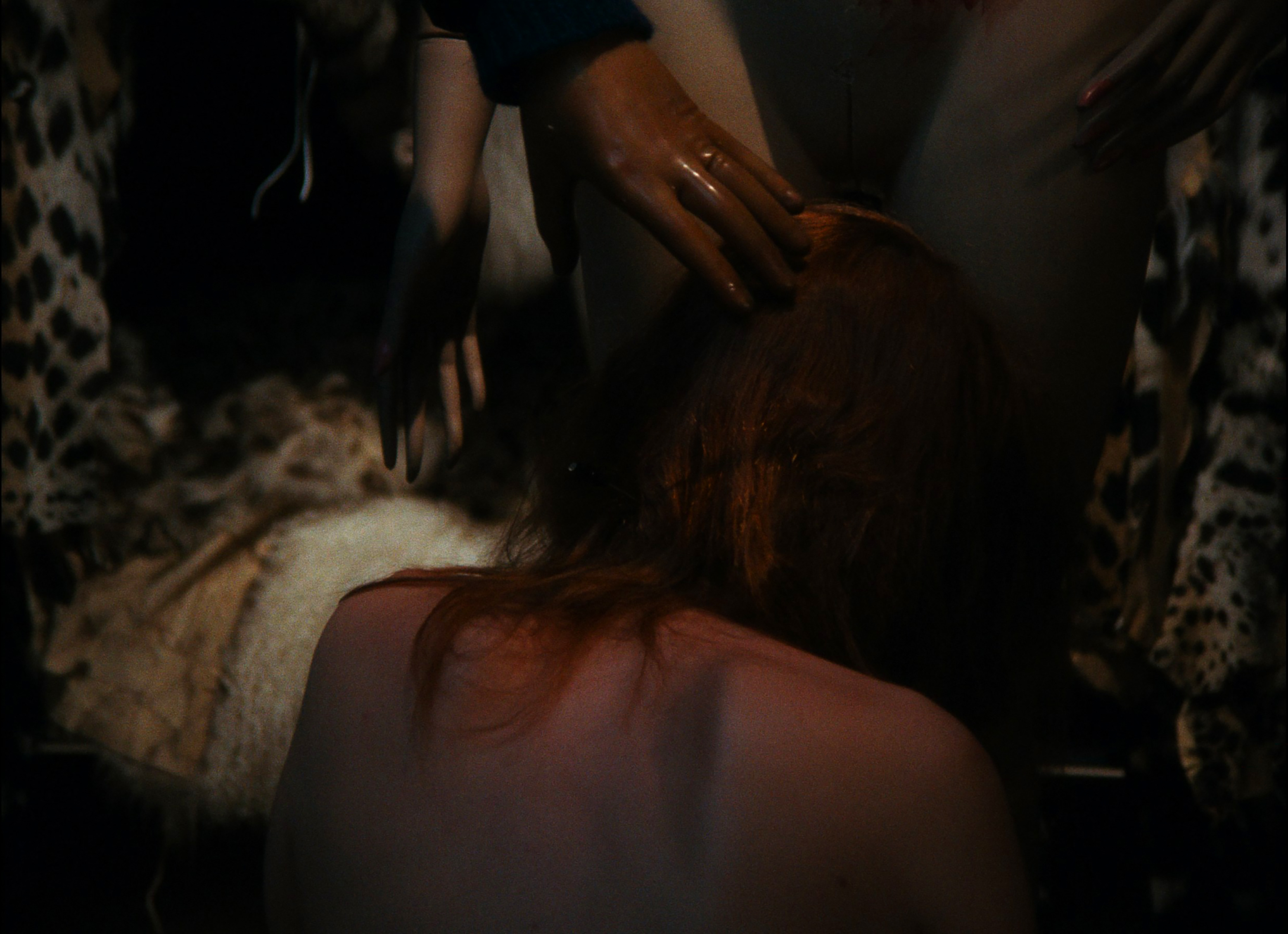 one of the composer's most effective from the period. (Note that some visible debris in some shots during the opening titles is actually dust collected on the glass plates for the credits and is present in all extant versions.) Extras include the full theatrical trailer, a combo TV spot with The Weekend Murders (a fun double bill!), and a 15m19s interview with Lorenzo Danon (son of
  the producer/screenwriter Marcello Danon), who shares his memories of being on the set and the various antics of the actors during shooting.
The first Blu-ray on the market came from Germany courtesy of Alive, but it simply ported over the DVD master upscaled to 1080p with zero quality increase. The version featured Italian and German audio with German subtitles, plus the Danon interview, a 4m54s interview with the director's son Pietro Cavara generally talking about his filmography, the U.S. trailer, the very wild German trailer, and bonus promos for other titles like The Boogey Man.
the producer/screenwriter Marcello Danon), who shares his memories of being on the set and the various antics of the actors during shooting.
The first Blu-ray on the market came from Germany courtesy of Alive, but it simply ported over the DVD master upscaled to 1080p with zero quality increase. The version featured Italian and German audio with German subtitles, plus the Danon interview, a 4m54s interview with the director's son Pietro Cavara generally talking about his filmography, the U.S. trailer, the very wild German trailer, and bonus promos for other titles like The Boogey Man.
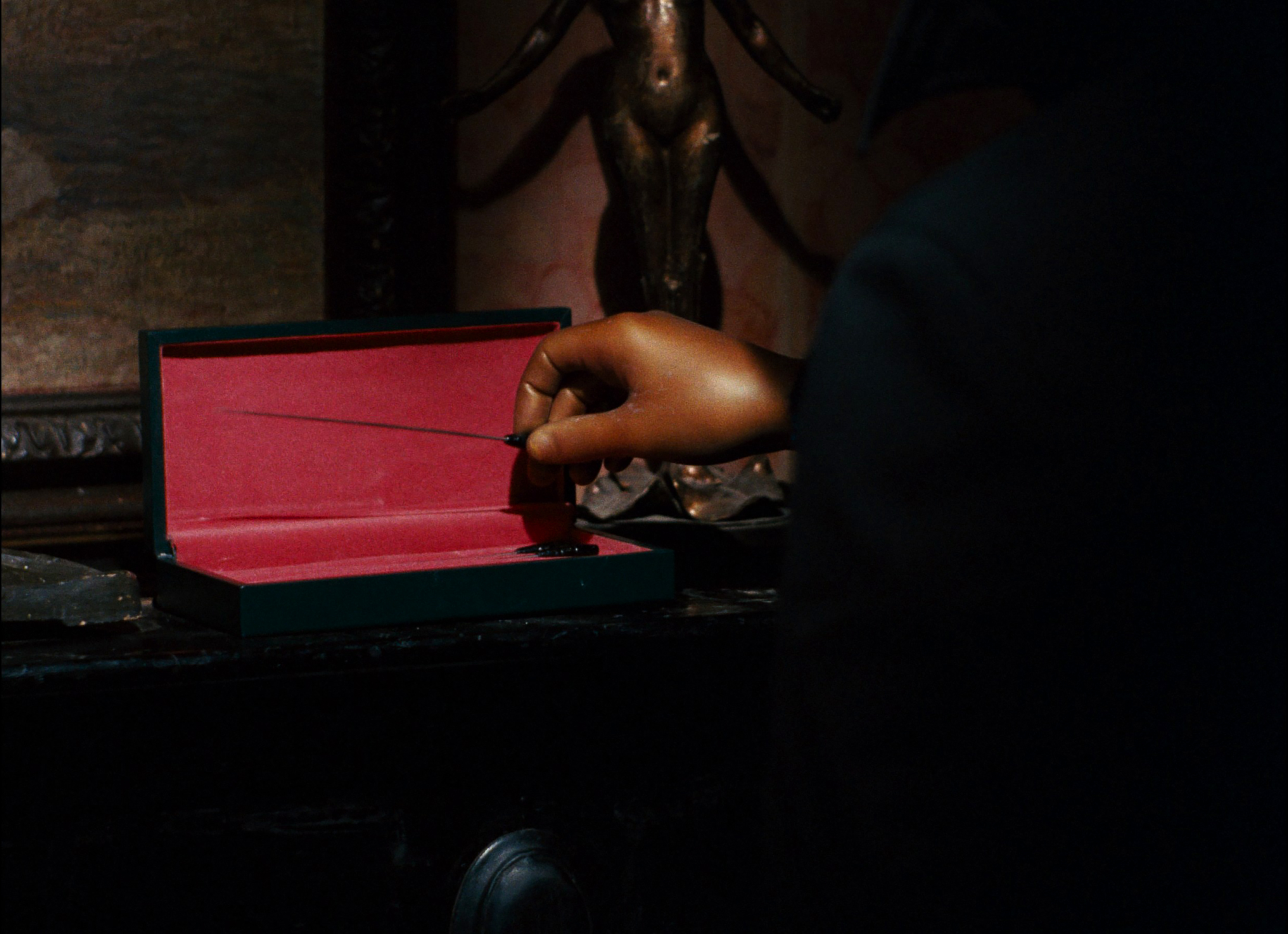
It took a long time, but a bona fide upgrade for the film finally arrived in 2026 from Celluloid Dreams as a four-disc edition almost two years in the making featuring one HD and three Blu-rays. The film itself is presented in multiple viewing options: the UHD has the full-length European cut in full frame 1.33:1 or widescreen 1.85:1 options with DTS-HD 2.0 mono Italian (restored), Italian (raw), or English audio with English-translated or English SDH subtitles (with English subtitles automatic for any on-screen text anyway). According to the label, the creators intended the film to be ideally shown at 1.33:1 which is how it was run in Italy; however, the compositions were clearly safe to be matted in as tightly as 1.85:1 without losing anything crucial. The fact that the end credits run in the middle of the screen at what would be the 1.85:1 areas has further confused matters, but really you're fine going with either option depending on your personal preference -- or even better, watch it both ways and compare. The 1.33:1 has a lot of empty headroom in many shots, but close-ups tend to fare better that way so take a look and decide for yourself. Either way, image quality is stunning and much more striking than any presentation we've had before; as the typically superb audio commentary by Guido Henkel points out, the color timing in the past (and on the first master they received) was definitely off with a bright, heavily pushed look that minimized the film's moody, shadowy aesthetic in numerous scenes. As you'd expect, the UHD is the way to go if you're able with the HDR10 grading giving it a particularly 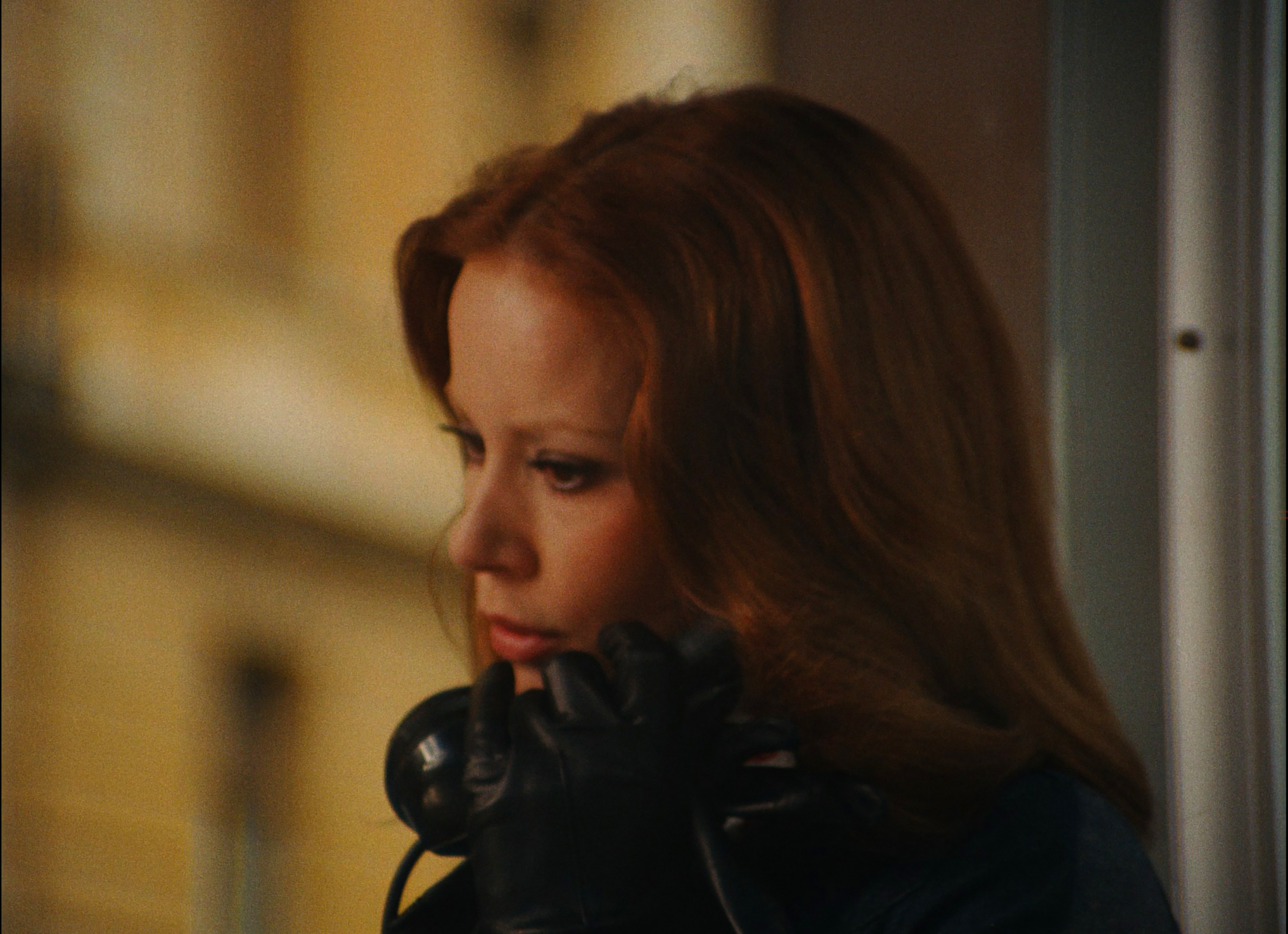 lush and vivid appearance. Due to a flood at the Technicolor lab in Rome, the film's pre-print main and end titles no longer exist (nor does the Italian trailer) so those have been taken from a print and nicely matched as closely as possible to the negative's look. The
 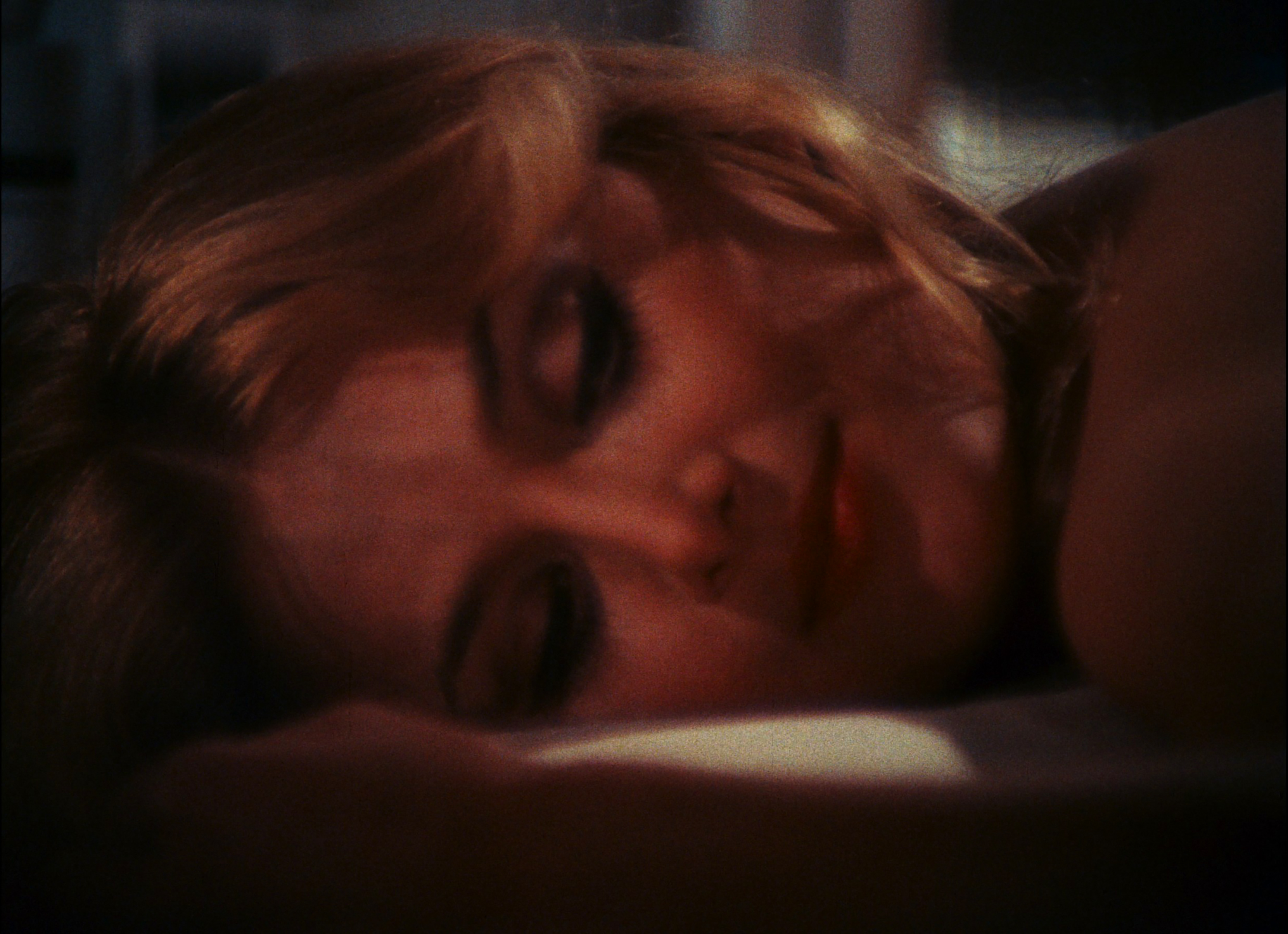 Henkel track is loaded with info about the logistics of this release, lots of great trivia about the locations, the backgrounds of the actors (including the scene-stealing American Eugene Walter who creeped everyone out in The House with Laughing Windows), the obligatory J&B sighting, some inexplicable quirks in the killer's behavior, and possible interpretations of the editing choices at the end. Speaking of the ending, no one mentions it on the release but it seems obvious that at some point a far more tragic fate was planned for one major character but gets reversed here with a couple of offhand lines of dialogue. Also on the UHD is the 87-minute U.S. release version, also in 1.33:1 or 1.85:1 options and in comparable quality-- with the MPAA R-rating card and American title sequence which have been out of commission for ages. It's great to have this scarce option back now to compare how the pacing and more sadistic moments were tweaked for American sensibilities at the time. The first Blu-ray features the 1.33:1 options for both cuts, while the second Blu-ray has 1.85:1 options for each as well with the same language options.
The fourth Blu-ray has all the video extras starting with an 84m57s "grindhouse" version of an Italian print (with English subs) that's turned very pink and obviously been through many, many projectors. In "Made-up Words" (25m12s), legendary vocalist Edda Dell'Orso chats about her upbringing and musical studies that led to her distinctive contributions to so many important soundtracks including numerous major ones with Ennio Morricone like this film often in collaboration with Alessandro Alessandroni. "The World of Paolo Cavara" (22m16s) features Pietro Cavara recalling his dad's international exploits through filmmaking early in his career, the turbulent Mondo Cane experience, and the thought process behind the narrative features that followed often dealing with violence in the world and how it relates to human nature. The visual essay "What a Tangled Web We Weave" (20m50s) by Andy Marshall-Roberts covers how this film fits in the lineage of the giallo starting with Mario Bava and coming after the jolt Dario Argento provided at the start of the '70s (incorporating extensive psychosexual and animal imagery), while "The Uncanny Peephole: Objectification, Abstraction and Alienation in The Black Belly of the Tarantula (...and The Modern Mind)" (22m35s) by Howard S. Berger tackles the possibly guilt-driven voyeuristic aspects of Cavara's work using the spectator's relationship to the screen in disquieting ways throughout his career. The archival Lorenzo Danon and Pietro Cavara interviews are also ported over here, plus you get a new 4K scan of the English trailer, the German trailer (now subtitled), that U.S. TV double feature spot (in restored or "grindhouse" options), a 24s sample of optical blurring from the Japanese VHS, and a 63-image gallery of international lobby cards, posters, and other tidbits.
The usual extravagant packaging comes with sixteen publicity photo reprints from the U.S. press kit and an 80-page booklet with two essays, "Spinning a Different Kind of Web with The Black Belly of the Tarantula" by Cinematic Void's Jim Branscome covering the film's finer genre-tweaking points, and "Inside the Belly of the Tarantula" by The Hysteria Continues' JA Kerswell about the exploiting of paralytic phobia and integration of essential giallo tropes; both of them appropriately salute that magnificent rooftop chase scene. The booklet also comes with a great, lengthy before-and-after photo comparison of the film's locations by director Andrea Girolami, plus restoration notes and production credits.
Celluloid Dreams: UHD (1.33:1)
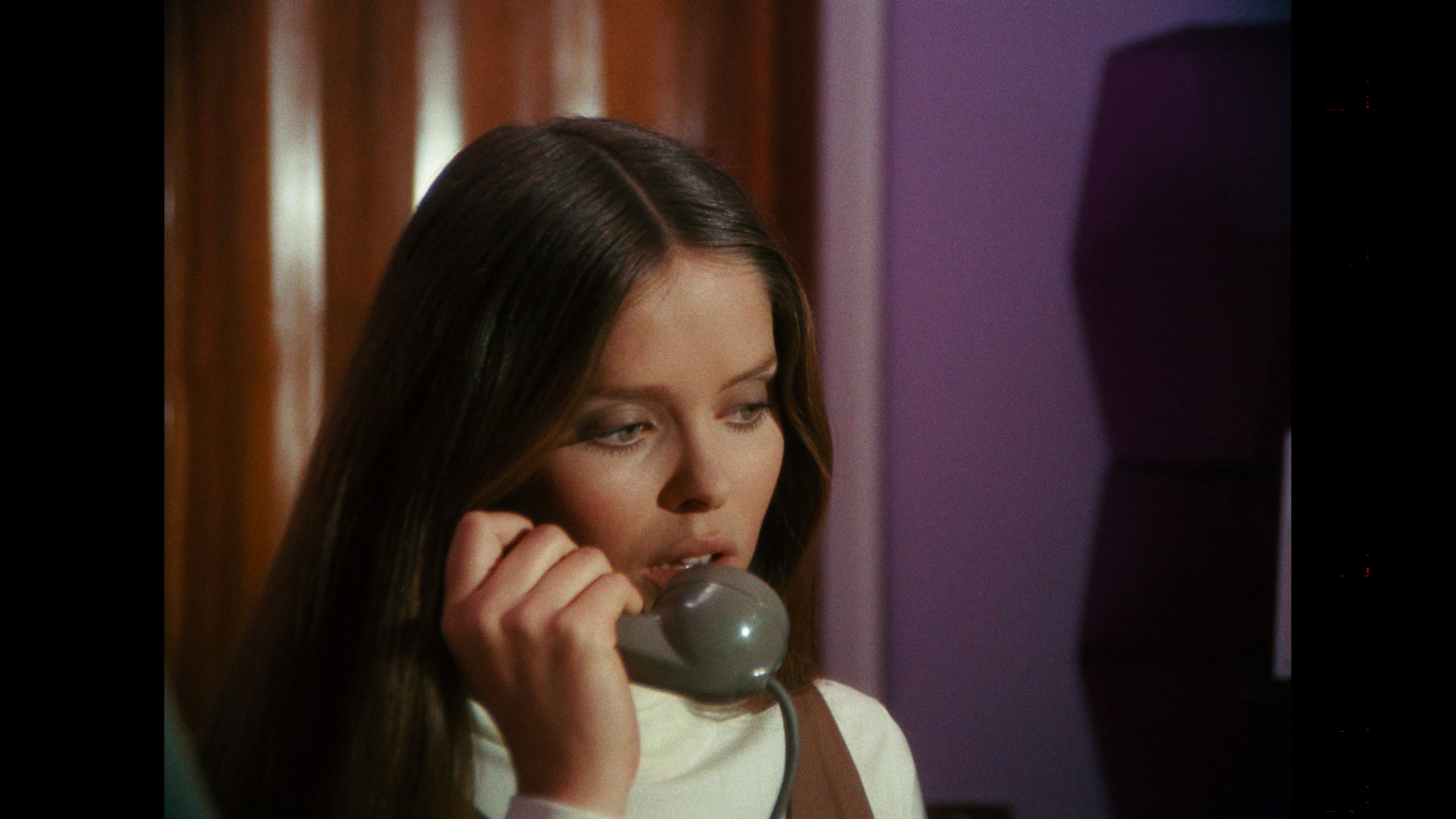
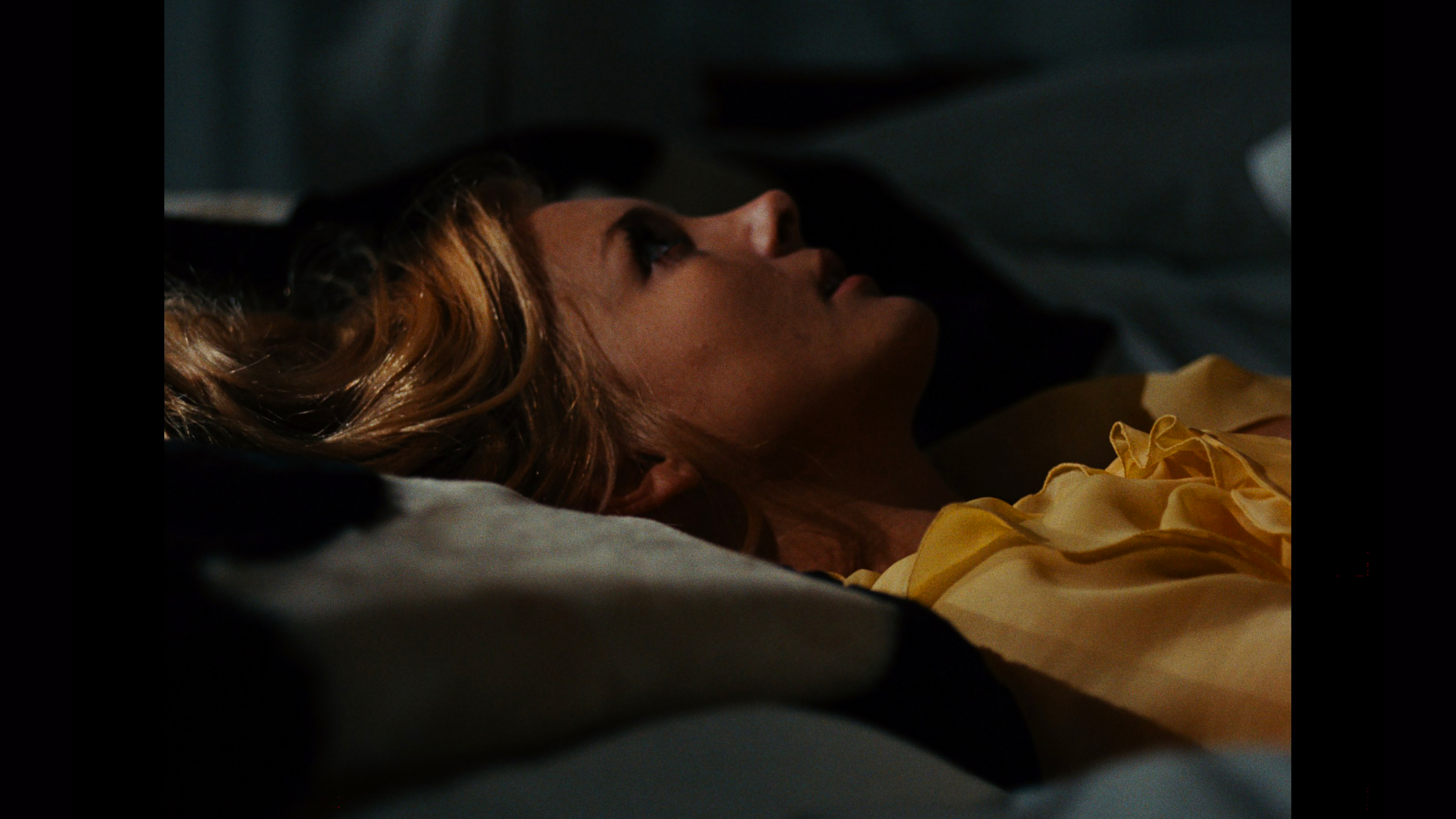
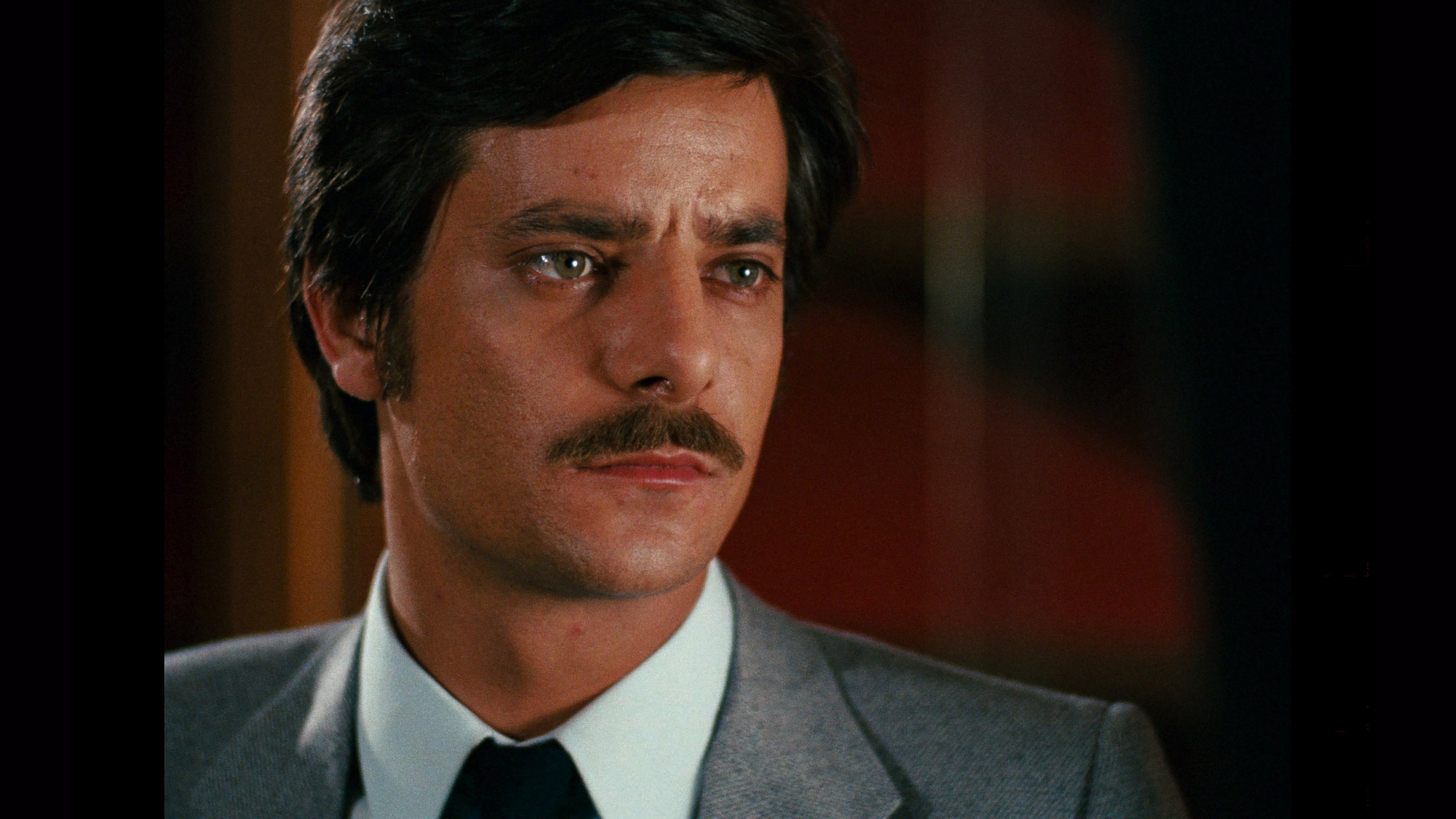
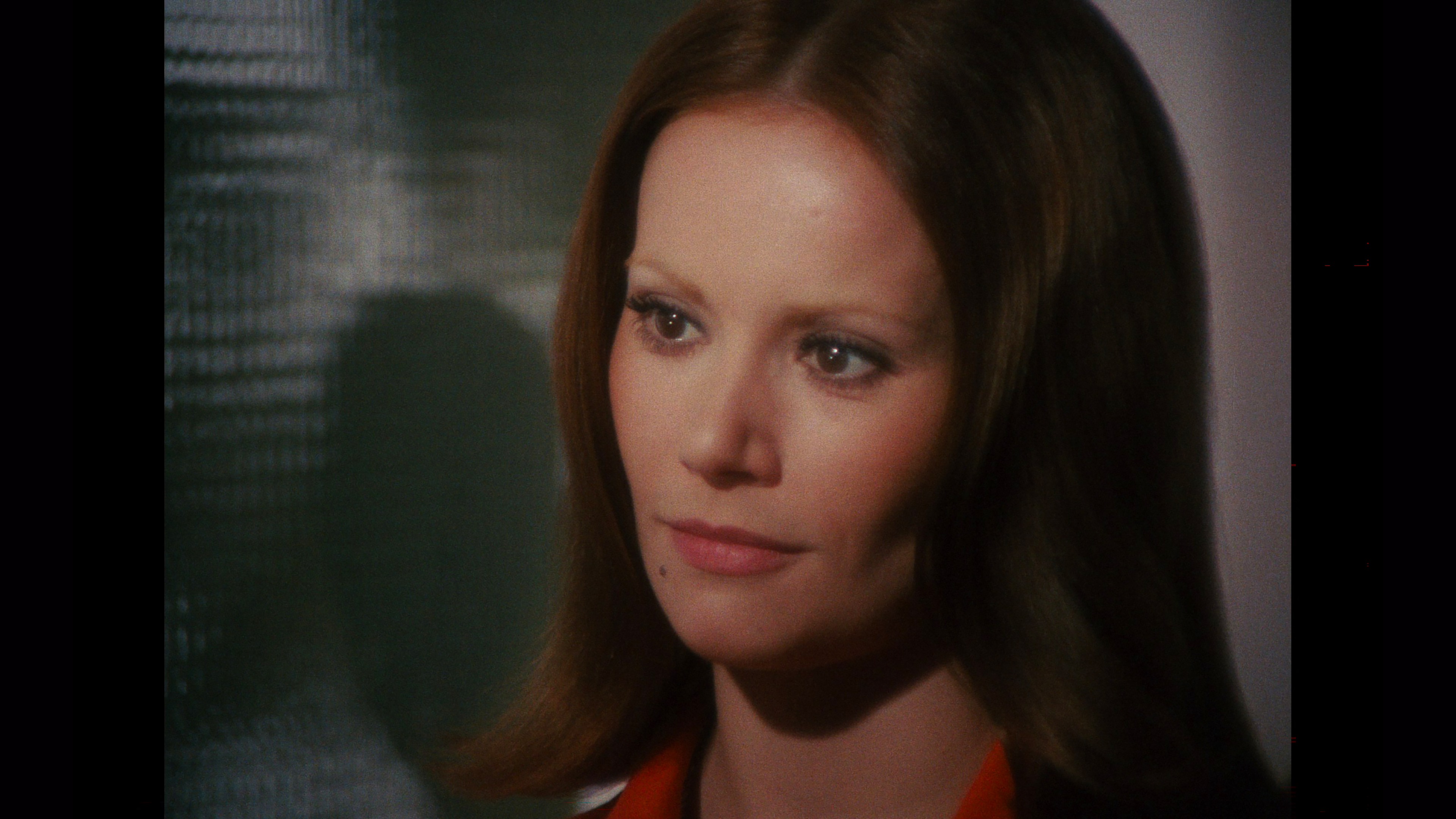
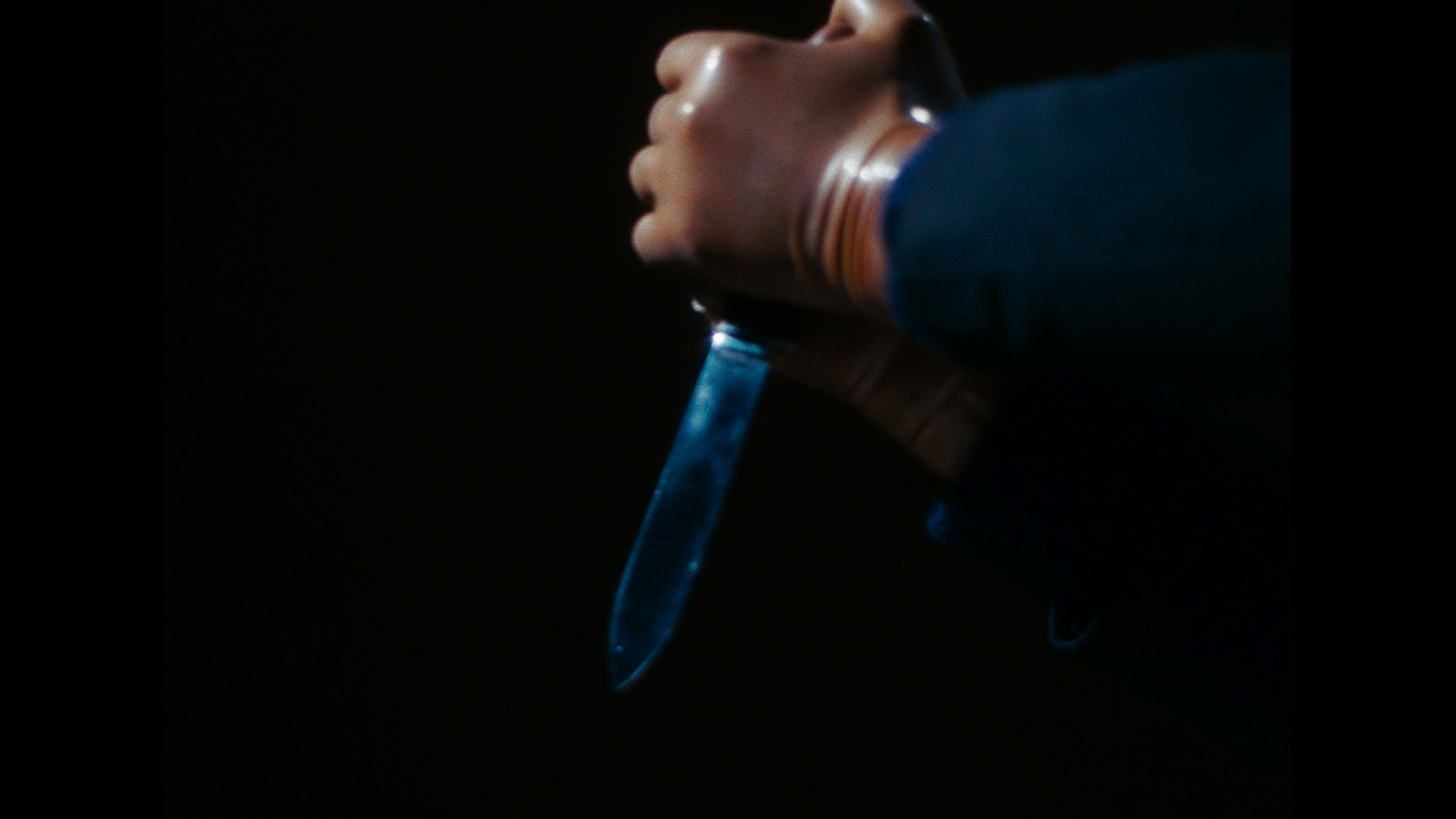
Celluloid Dreams: UHD (1.85:1)

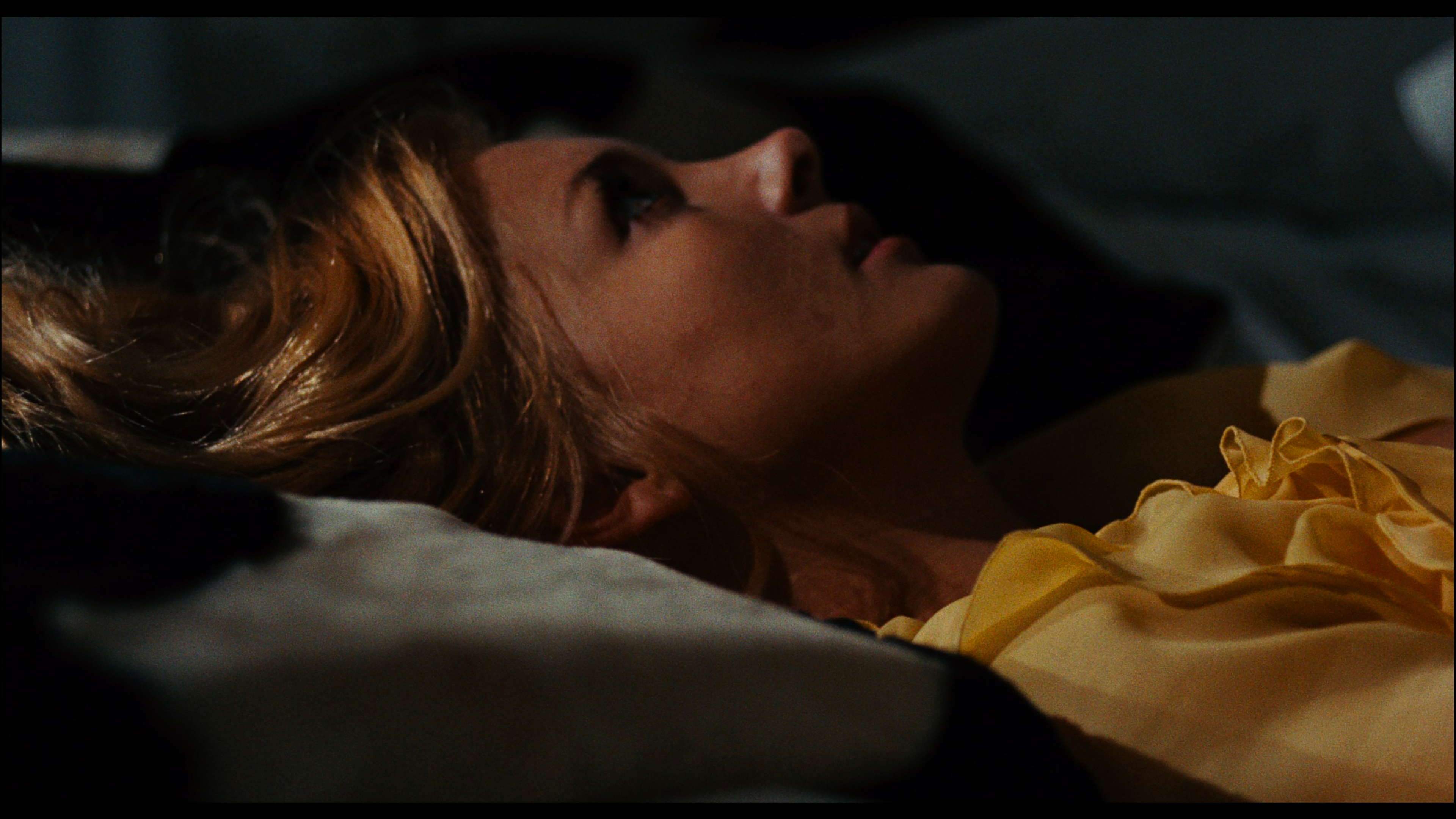
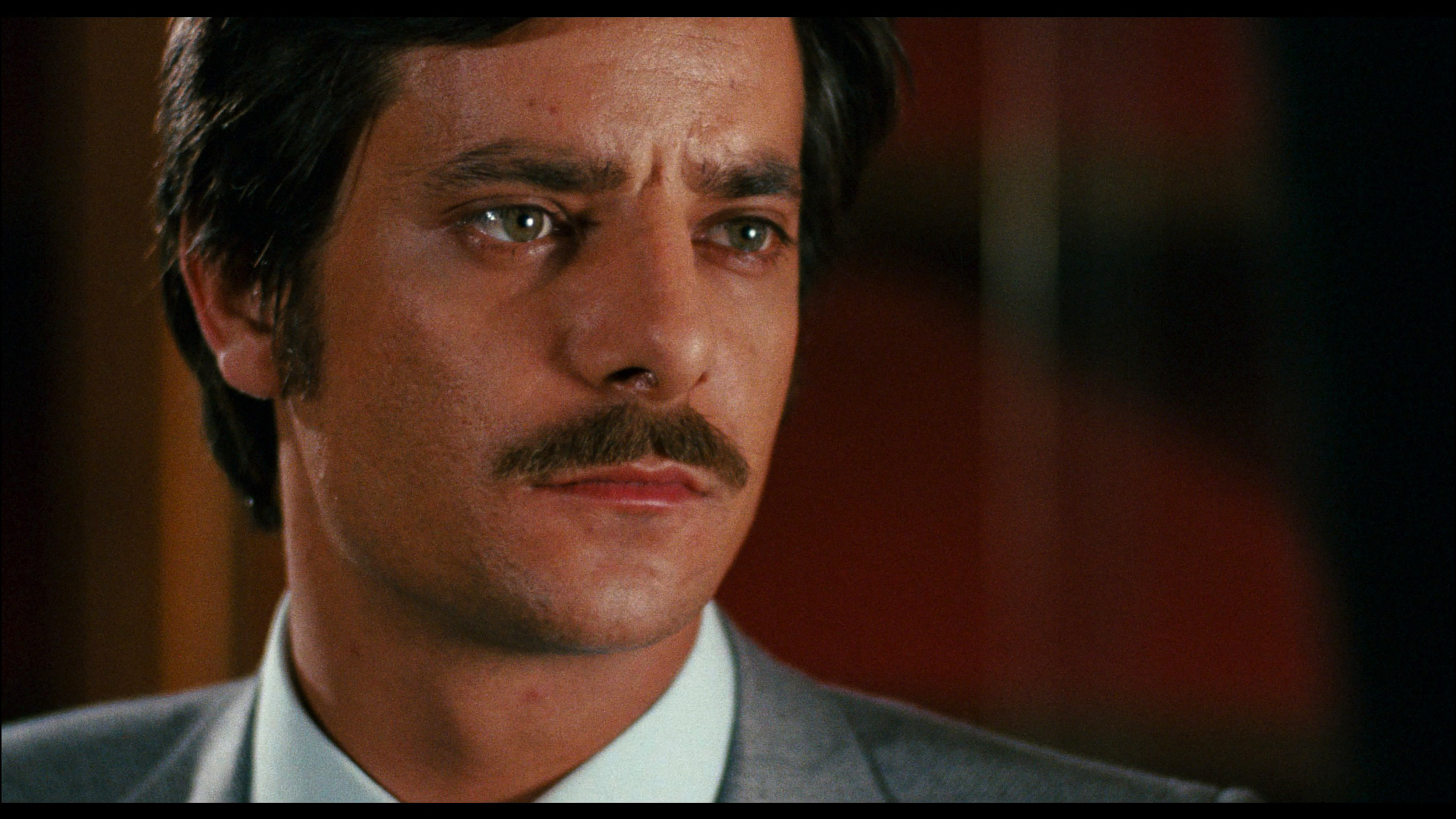
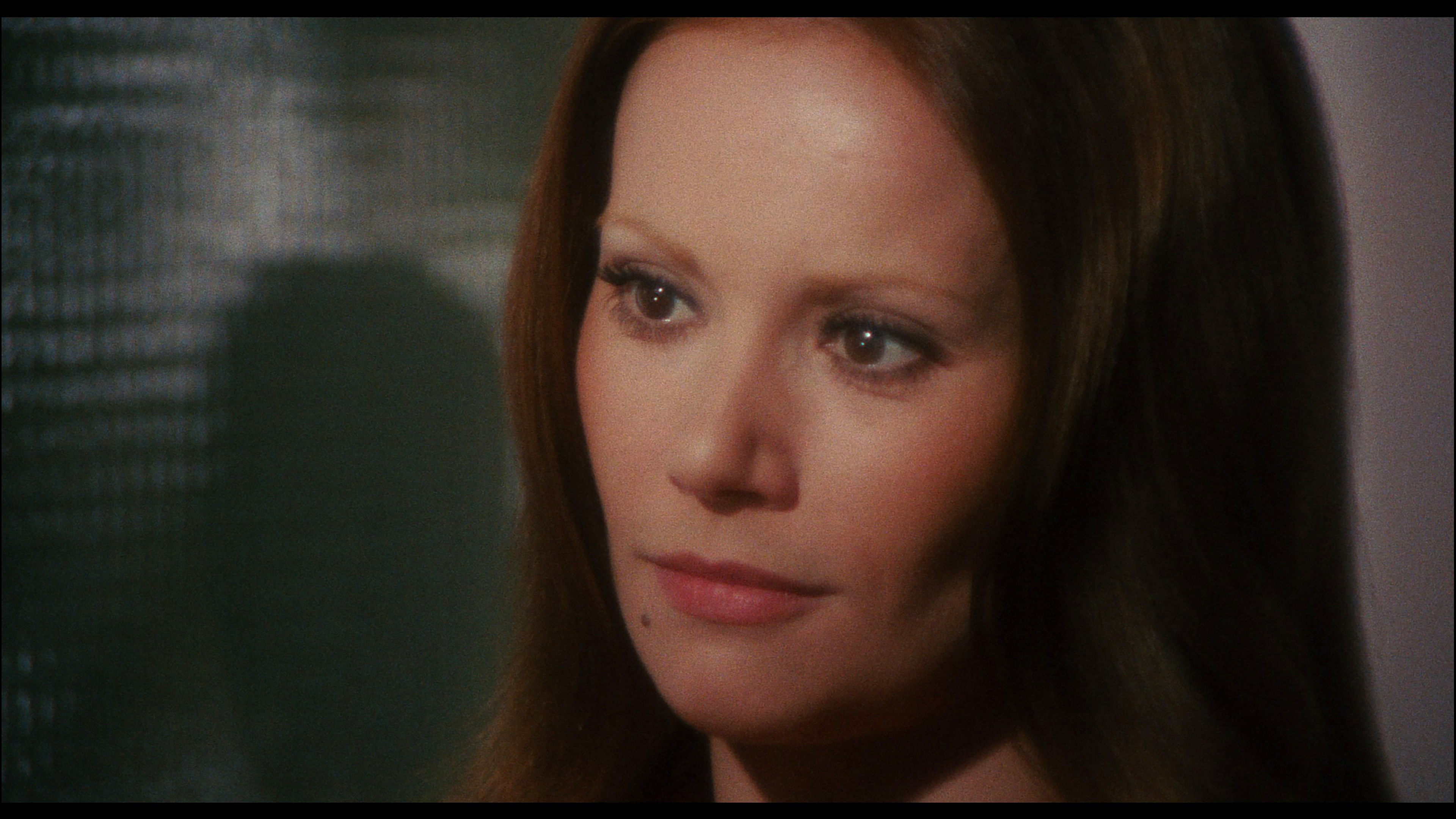

Celluloid Dreams: Blu-ray (1.33:1)

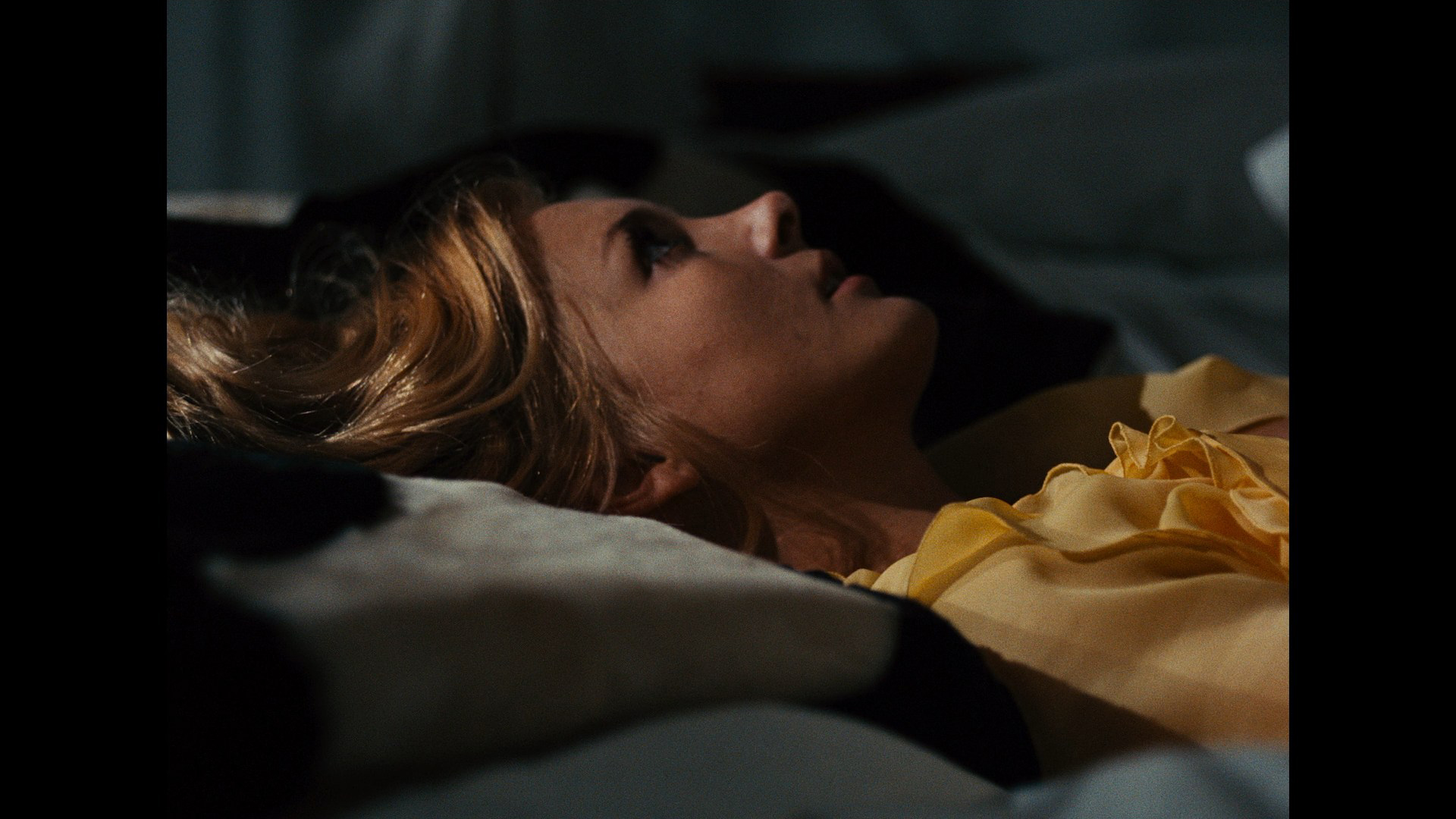
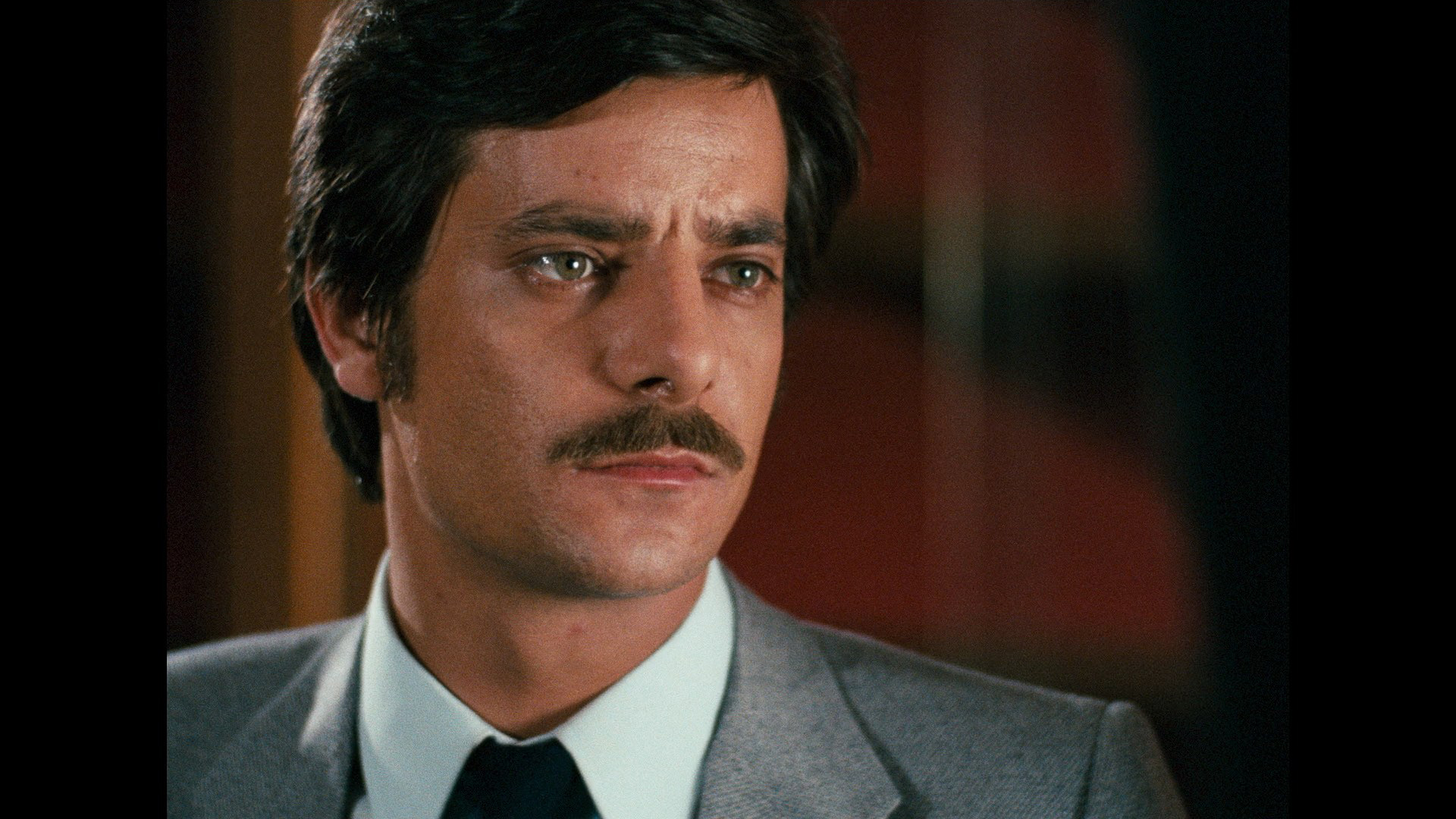
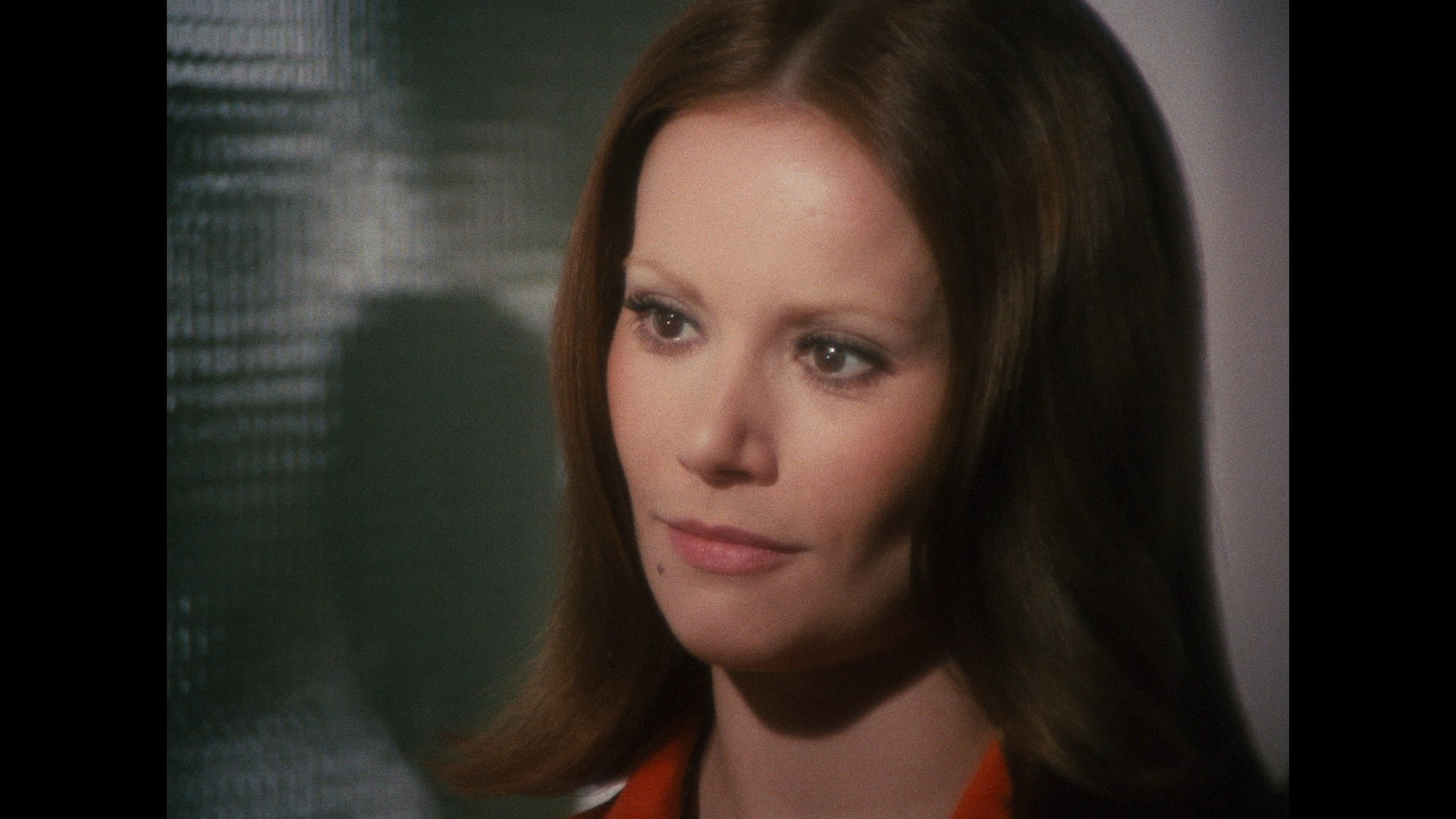

Celluloid Dreams: Blu-ray (1.85:1)
Alive: Blu-ray

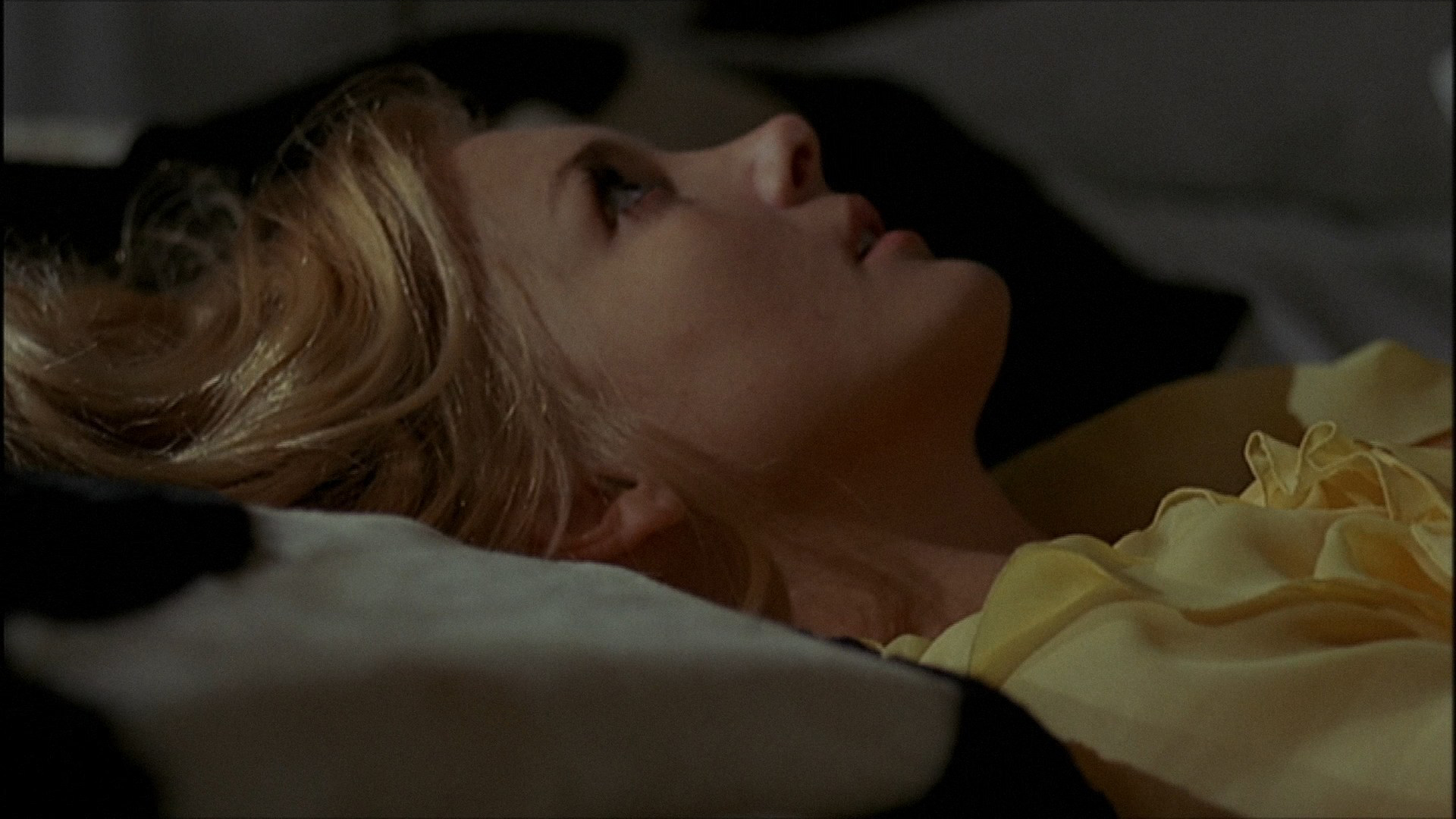
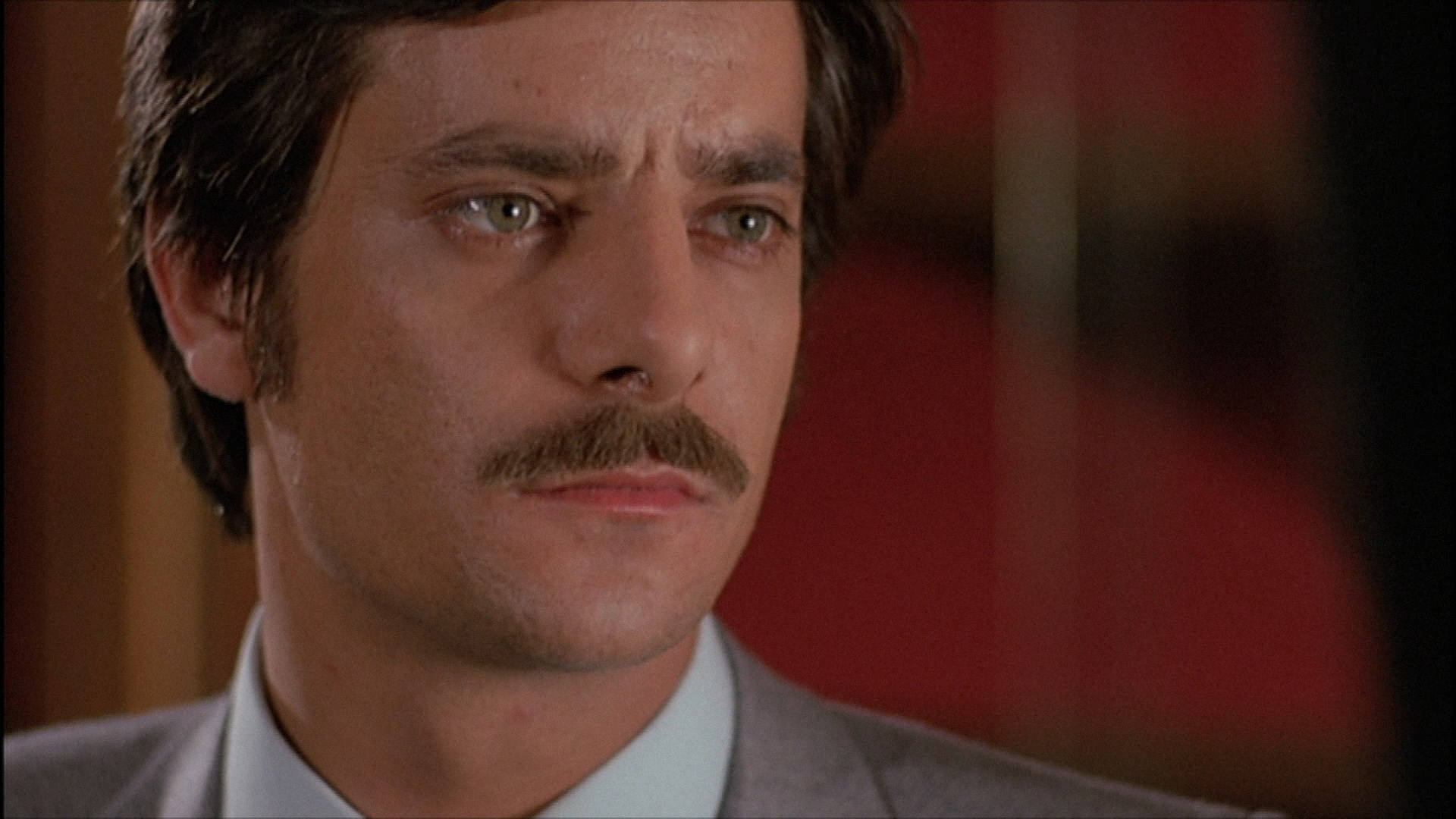
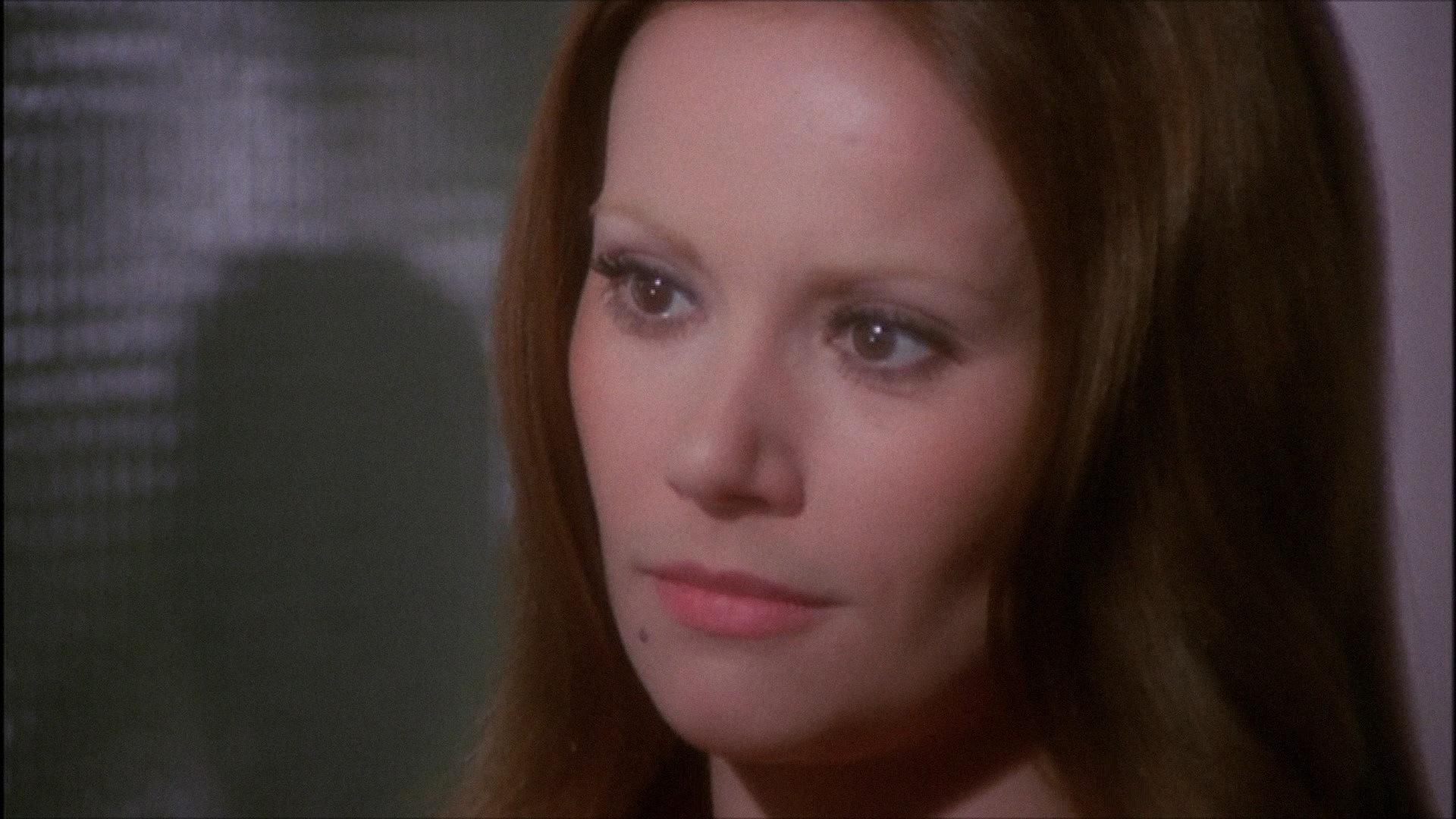
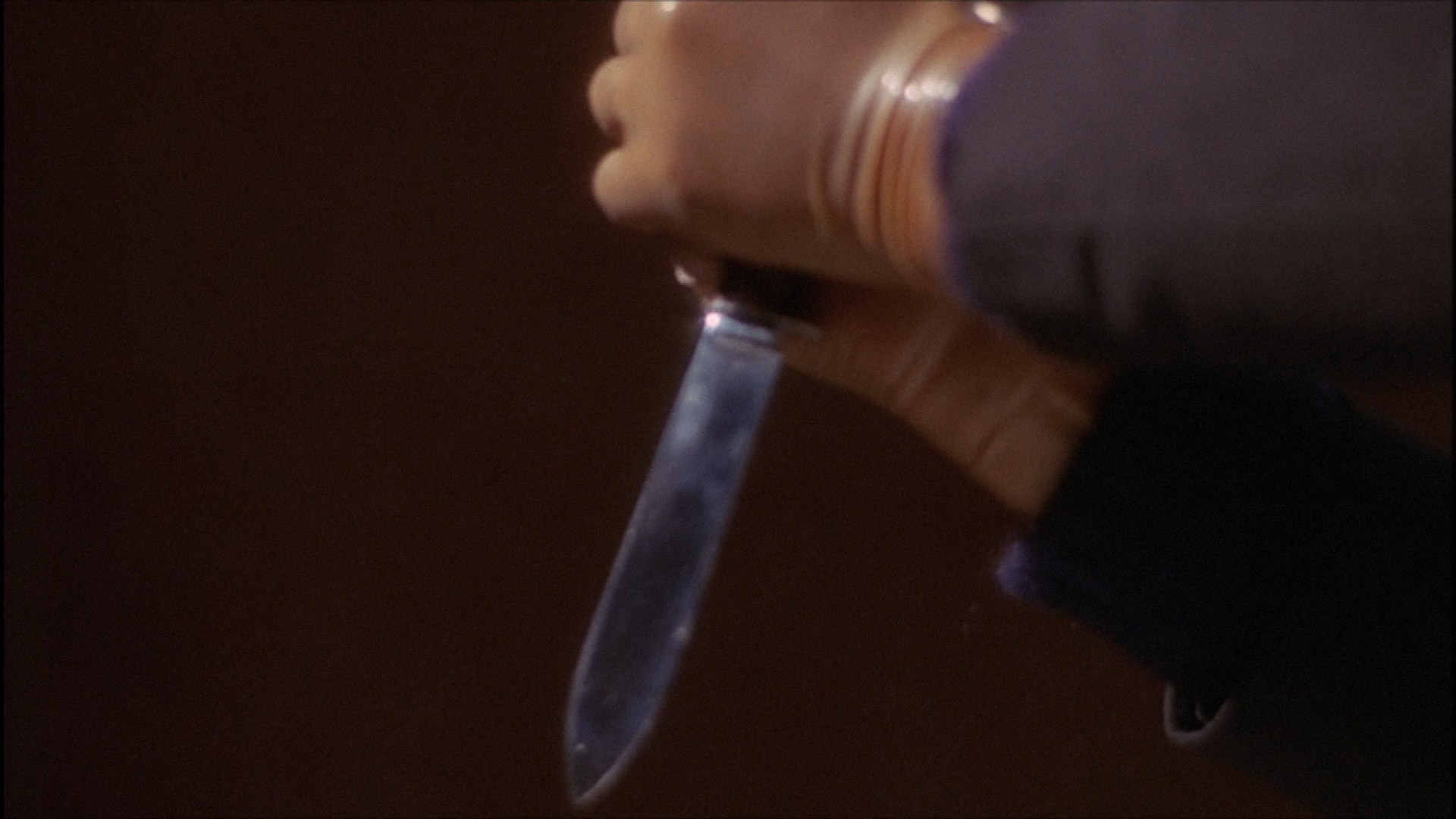
Blue Underground: DVD

Updated review on August 27, 2026
