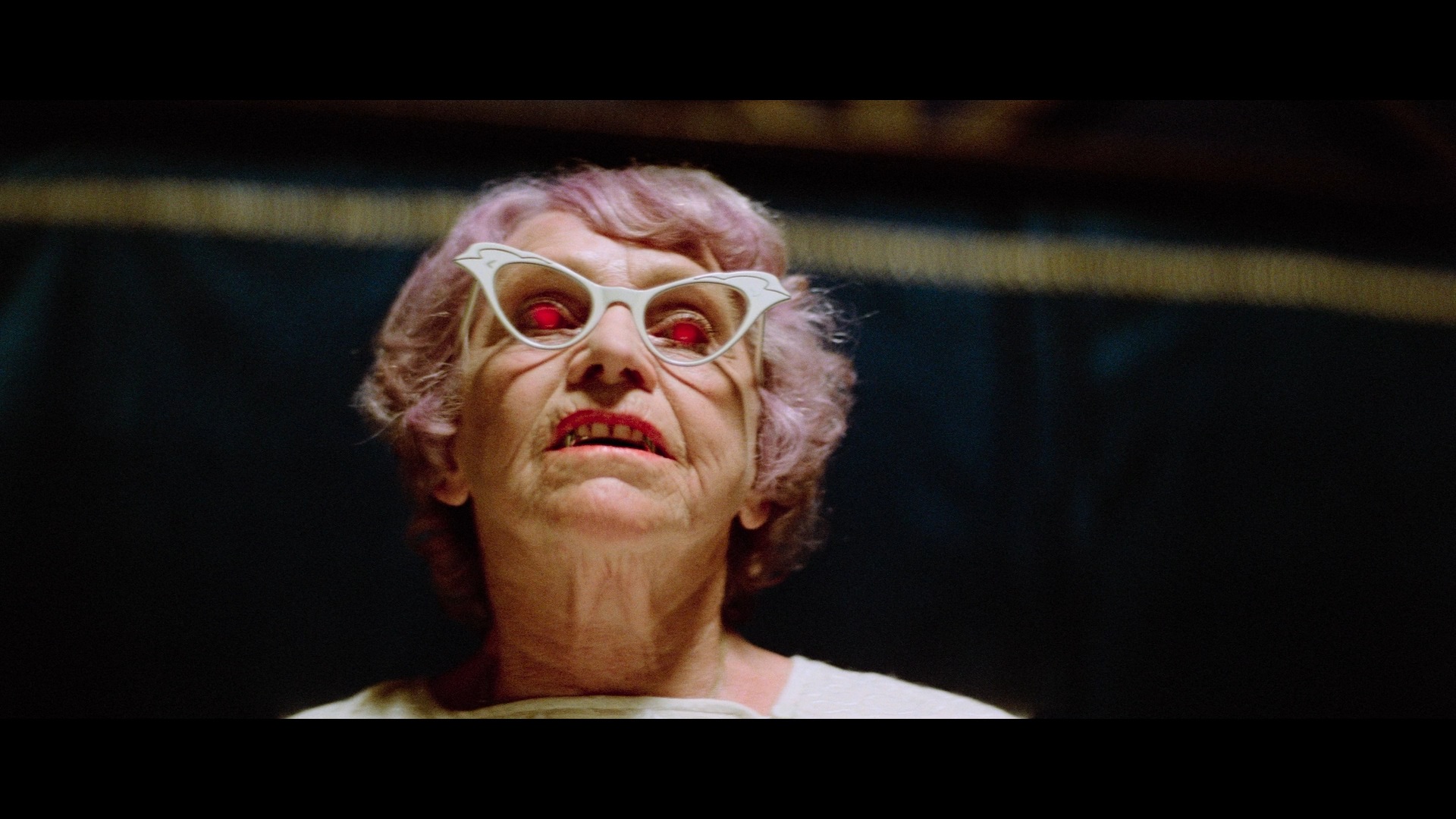
 success of Anne Rice's Interview with the Vampire and a resurgence of interest in
  Dracula and his very debatable real-life influence, Vlad the Impaler, everyone went on a mad vampire binge in the late '70s. Nowhere was this more evident than the year 1979, with movie theaters crowded with bloodsucking films ranging from the serious (Herzog's Nosferatu and Badham's Dracula) to the silly (Love at First Bite, Nocturna) and even flat-out misleading (Nightwing). Tucked away among these was Thirst, an Australian stab at vampire lore with a modern scientific/industrial slant, foreshadowing a number of other modern spins still to come decades later (most obviously Daybreakers and TV's True Blood).
  direct descendant of the infamous Countess Elizabeth Bathory and therefore a sort of queen to lead them onward. However, Kate's less than enthusiastic about being the chosen one, which inspires some of the vampiric officers to resort to mind manipulation to get her to comply with her bloody fate.
 mostly hits all the right emotional notes.
 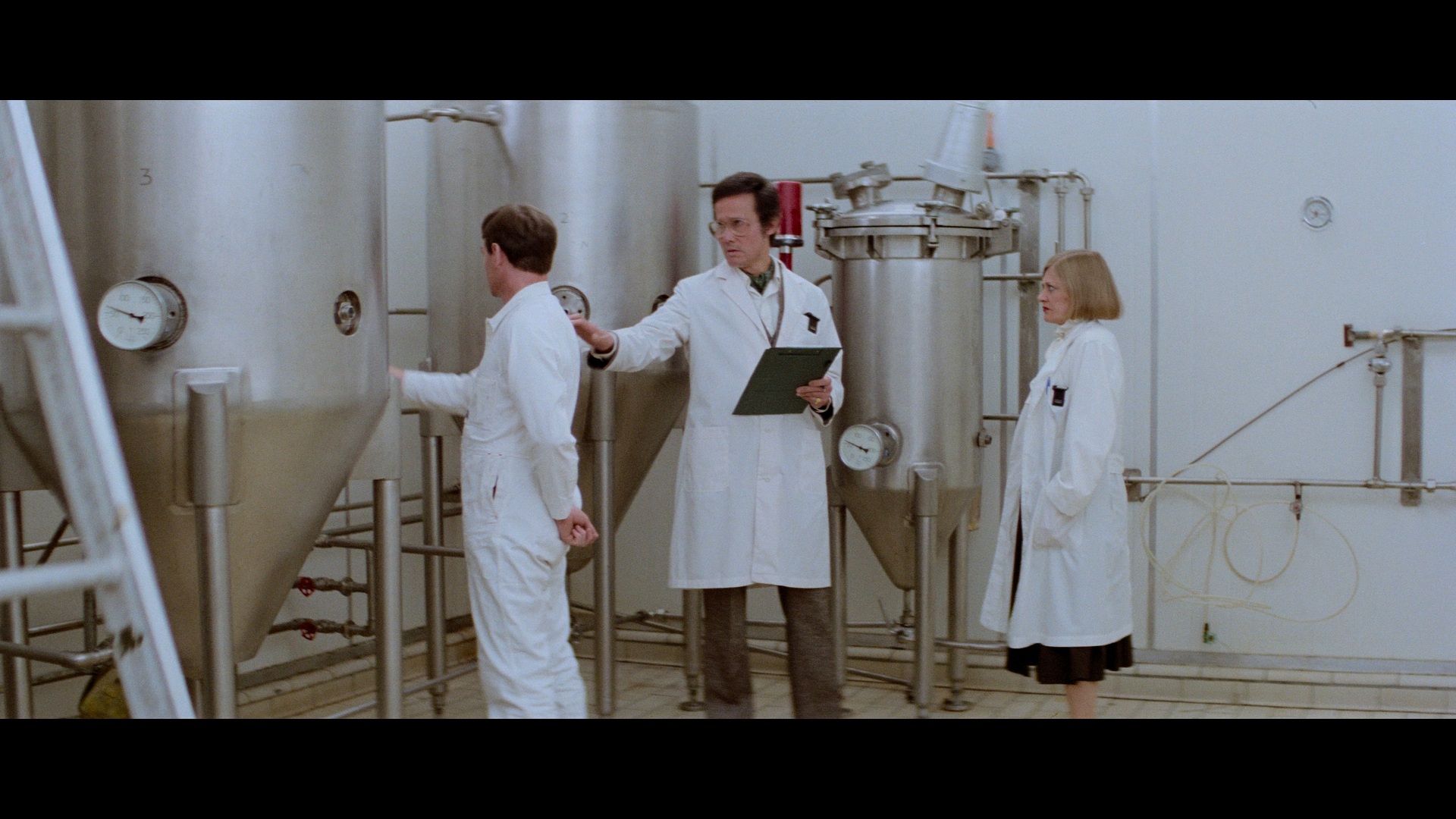 until a 2003 DVD release from Elite Entertainment that finally restored the film to a much wider 2.35:1 aspect ratio, making it enjoyable for the first time in decades. The film was also added to its three-disc Aussie horror set along with Strange Behavior (a.k.a. Dead Kids) and Patrick, then reissued along with those same titles by Synapse in 2008. All versions included an entertaining audio commentary with director Rod Hardy and producer Anthony I. Ginnane (a familiar name from many subsequent chat tracks and DVD interviews), who discuss the state of the filmmaking industry at the time which allowed for a great deal of creative freedom but not the richest financial resources. Other bonuses included the New Line theatrical trailer and a trio of TV spots, plus a Spanish audio track and an isolated May score track. Those same supplements were carried over to the dual-format Blu-ray and DVD edition from Severin Film released in 2014, but not surprisingly, the transfer showed off how far technology came in just a bit over a decade. The DTS-HD mono audio sounds more robust, of course, while the transfer improved with deeper black levels and featured a strong beige and gold appearance (more on that below).
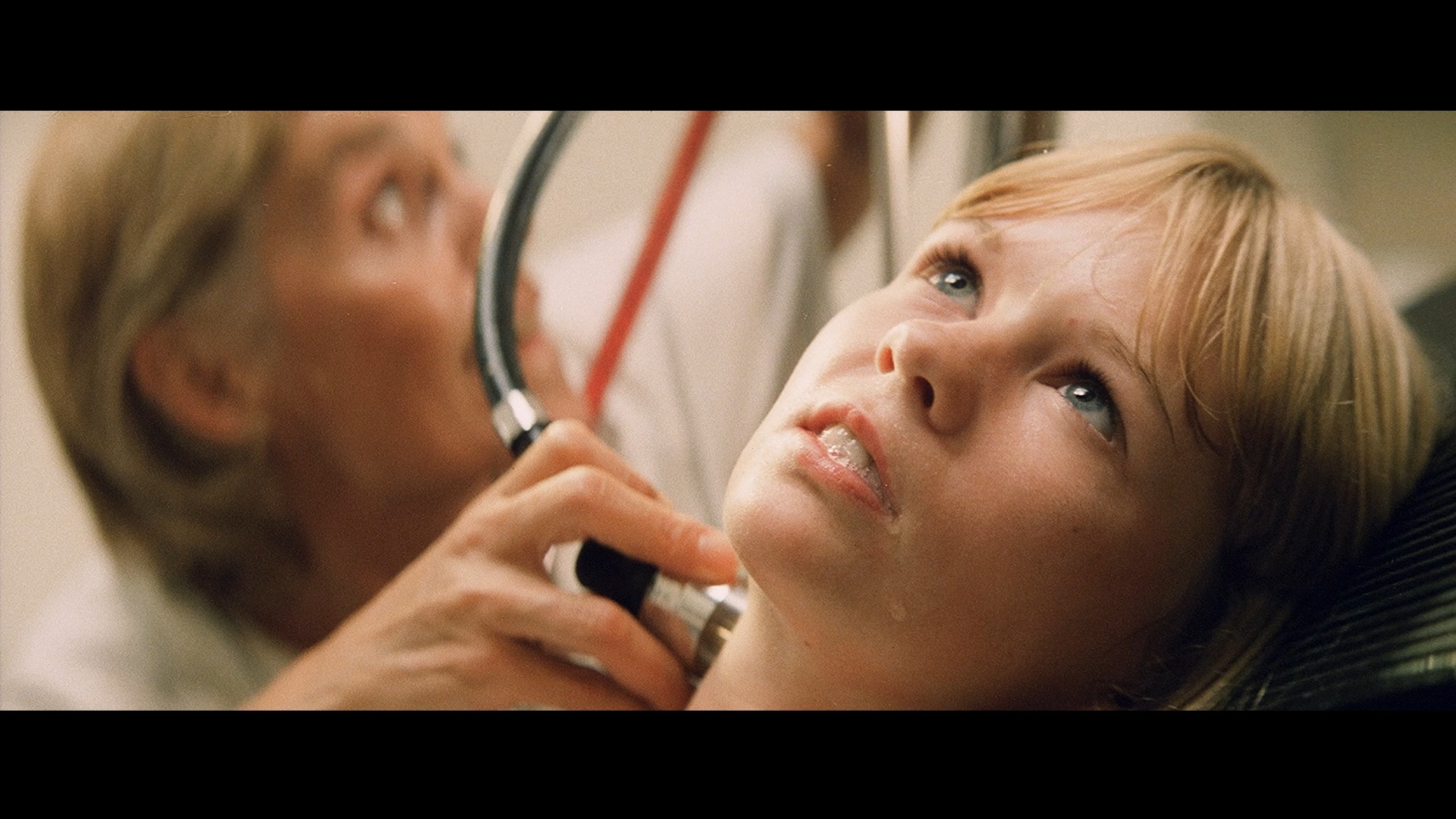
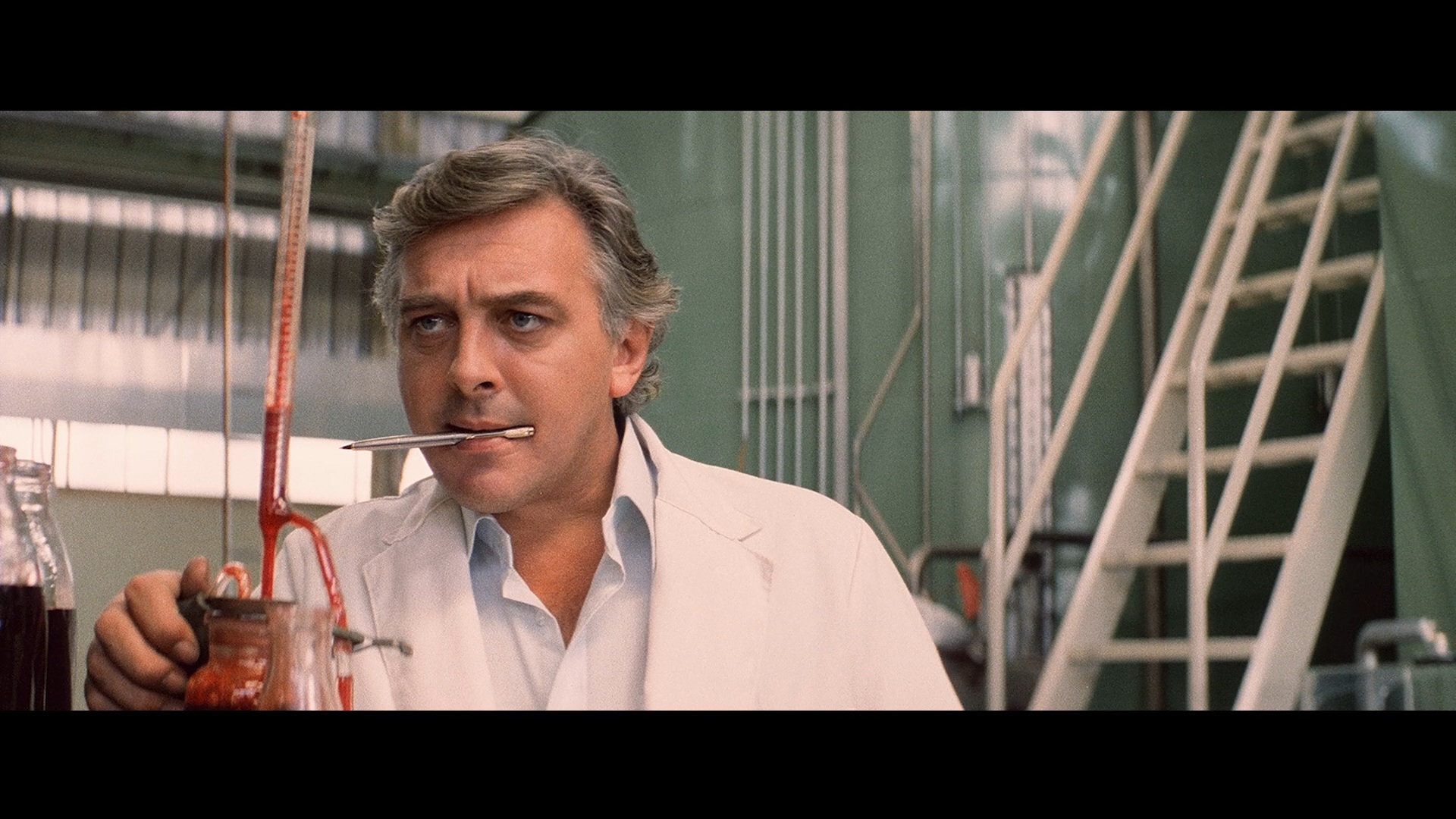
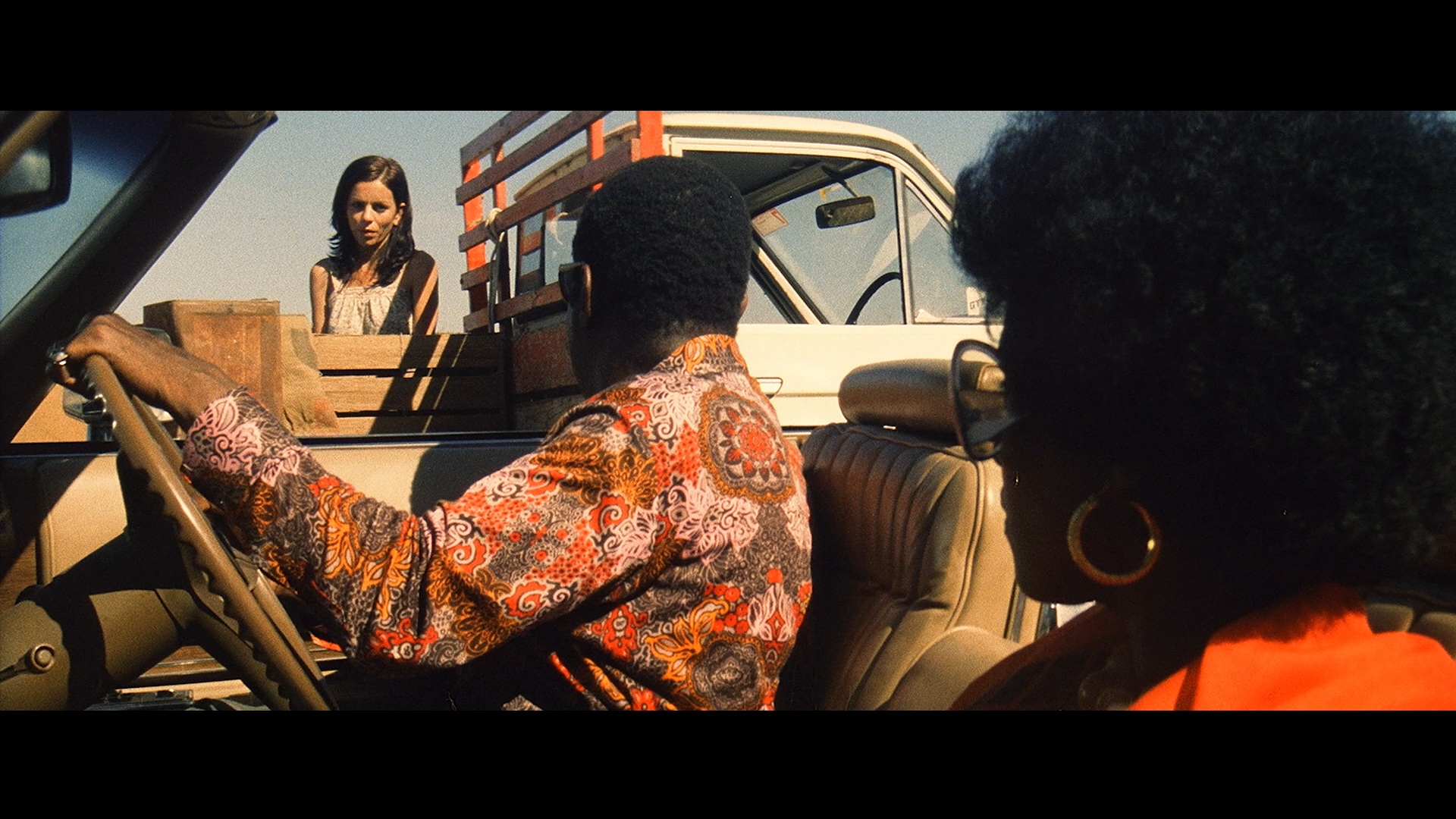
  separate UHD and Blu-ray editions in the U.S. and U.K. with their usual luxurious packaging as a limited edition with an 80-page book with a new essay by Diane A Rogers, excerpts from Ginnane’s unpublished memoirs, and archival interviews with Contouri, Hemmings and Silva. Of their Aussie upgrades to date, this one is the most dramatic with a far more robust and satisfying color gamut than any prior release. The UHD wins thanks to the HDR10-compatible Dolby Vision giving it some extra punch and
 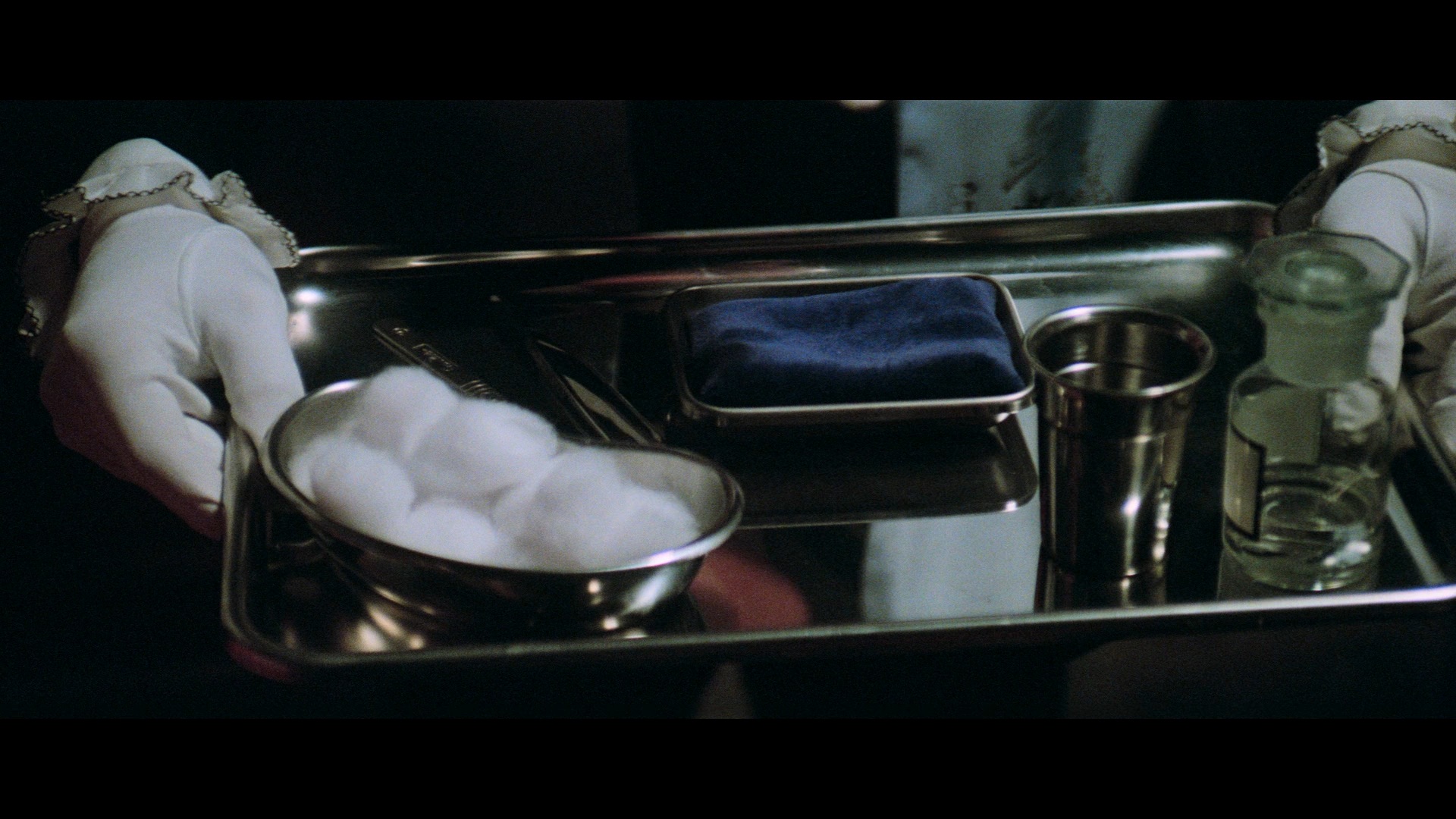 depth, but the Blu-ray is also a radical leap forward as you can see below. The DTS-HD MA English mono track is in perfect shape as always (with optional English SDH subtitles), plus an LPCM 2.0 track of the film's isolated score in stereo. The 2022 Ginnane interview "Thirst: A Contemporary Blend" (13m52s) is a more general overview of the film's development as a modern take on vampirism and its links to the personnel from Harlequin and other productions including Hemmings. Then you get outtake interview footage from the filming of Mark Hartley's Not Quite Hollywood with Hardy (13m32s), Ginnane (15m11s), actor Rod Mullinar (6m21s), and cinematographer Vincent Monton (4m54s) chatting about the arduous physical demands of the production, the cold conditions in Melbourne during the winter, the casting process, the contrast in Hemmings as an actor versus a director (and the role of his alcoholism), and the execution of the special effects. Hemmings himself turns up for a funny 1979 TV interview on the local program The Don Lane Show (15m55s) including an amusing opener from a certain beloved Jane Fonda sci-fi movie, followed by a '79 audio interview with Contouri for Aussie radio (23m48s) about her thoughts on her role and the film. A 2019 Film Buffs Forecast audio interview with Hardy, Hartley, and Paul Harris (154m1s) is a very detailed, career-spanning interview charting pretty much everything you could want to know about the filmmaker's career. "Seeing Reality" (3m36s) is a quick interview with late stunt man Grant Page about the execution of the helicopter feats from the climax and the cinematic aversion to doing something like that, and finally "First Blood" (17m56s) is an appreciation by Aussie film academic Stephen Morgan about the film's unique qualities in bloodsucker and Australian cinema at a pivotal point for monster movies and blockbusters. Also on the disc are the Australian and U.S. trailers, three TV spots, and separate galleries for promotional material (110 images), behind the scenes photos (122 photos), and the dialogue continuity script (19 images).
 INDICATOR (Blu-ray)


SEVERIN (Blu-ray)