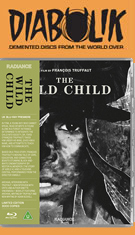
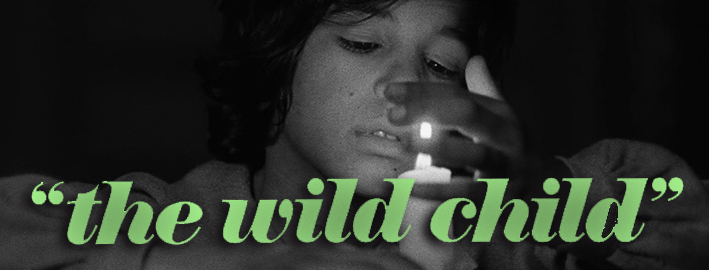
B&W, 1970, 84 mins. 50 secs.
Directed by François Truffaut
Starring Jean-Pierre Cargol, François Truffaut, Françoise Seigner, Paul Villé, Jean Dasté
Radiance Films (Blu-ray) (UK RB HD), Kino Lorber (Blu-ray) (US RA HD), Arte Editions (Blu-ray & DVD) (France RB/R2 HD/PAL) / WS (1.66:1) (16:9), MGM (DVD) (U.S., Germany R1/R2 NTSC/PAL) / WS (1.66:1)
Following the box office 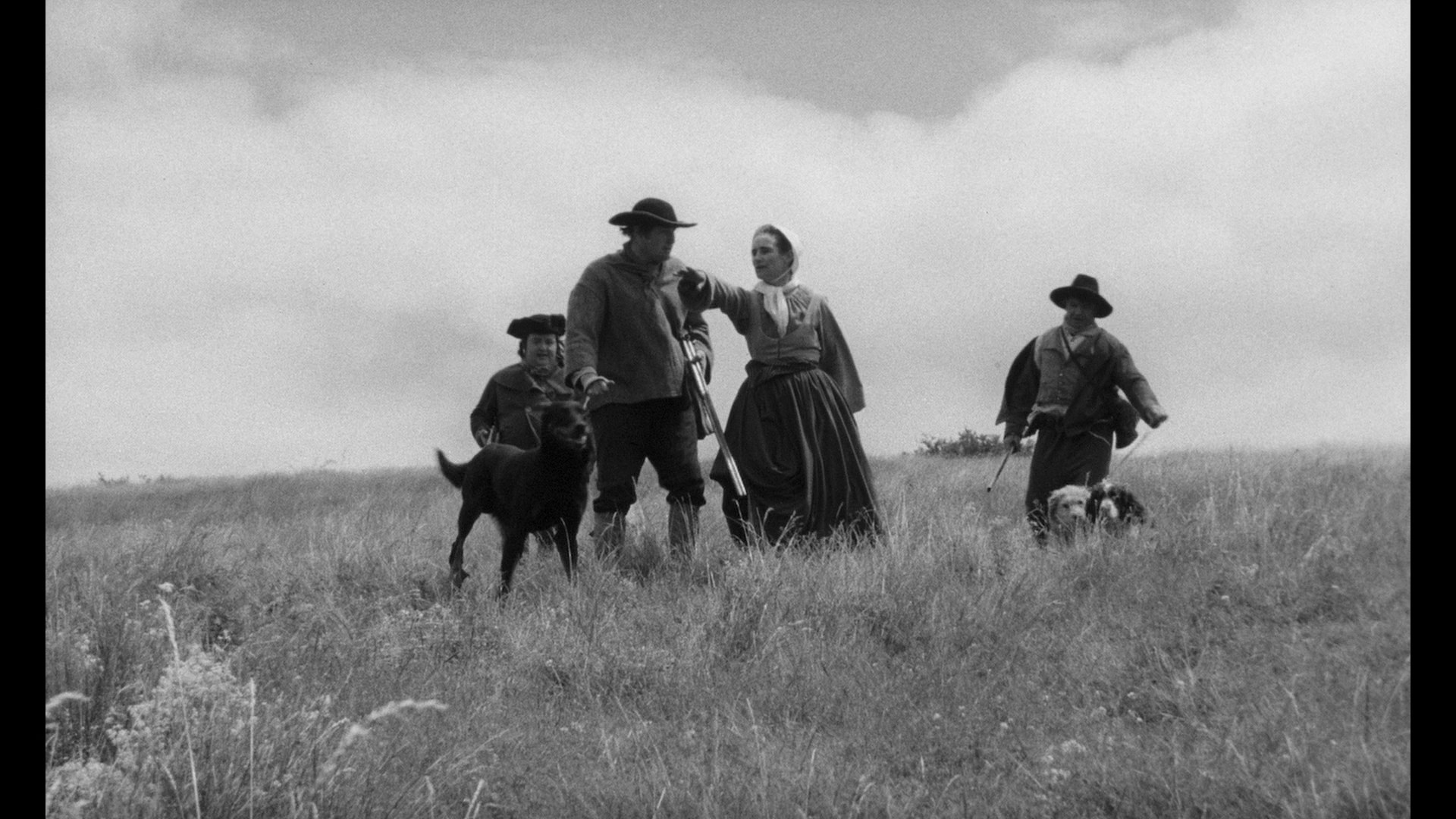 disappointment of his once-mutilated romantic thriller Mississippi Mermaid in 1969, writer-director
  François Truffaut went back to basics the following year with two films in quick succession: Bed & Board, another installment in his Antoine Doinel cycle, and The Wild Child (L'enfant sauvage), a fascinating variation on his excursions into the minds and behaviors of children. In this case he took inspiration from a case that had been fascinating him for a few years, real-life feral child Victor of Aveyron who became a renowned case study at the turn of the 19th century.
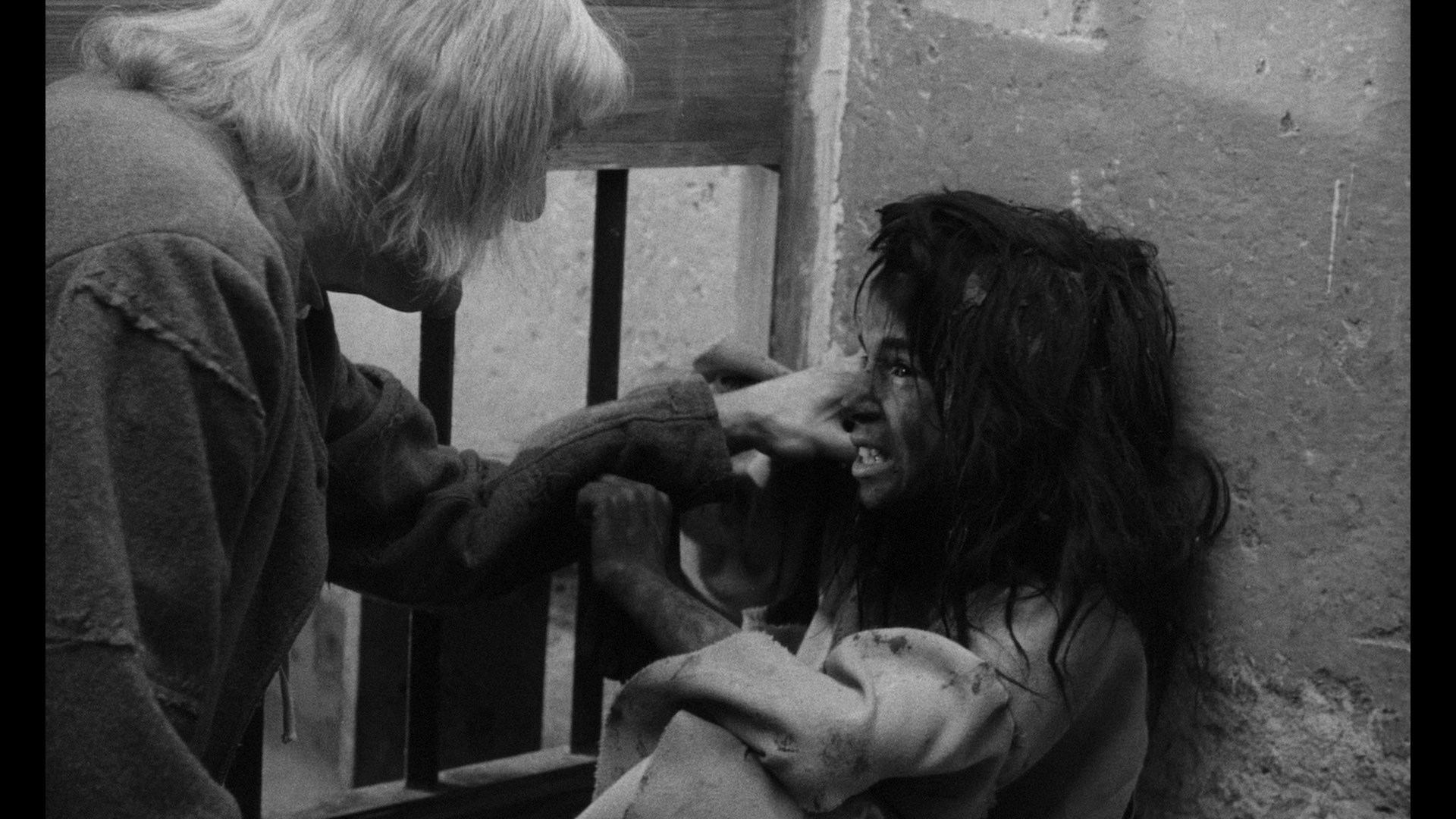
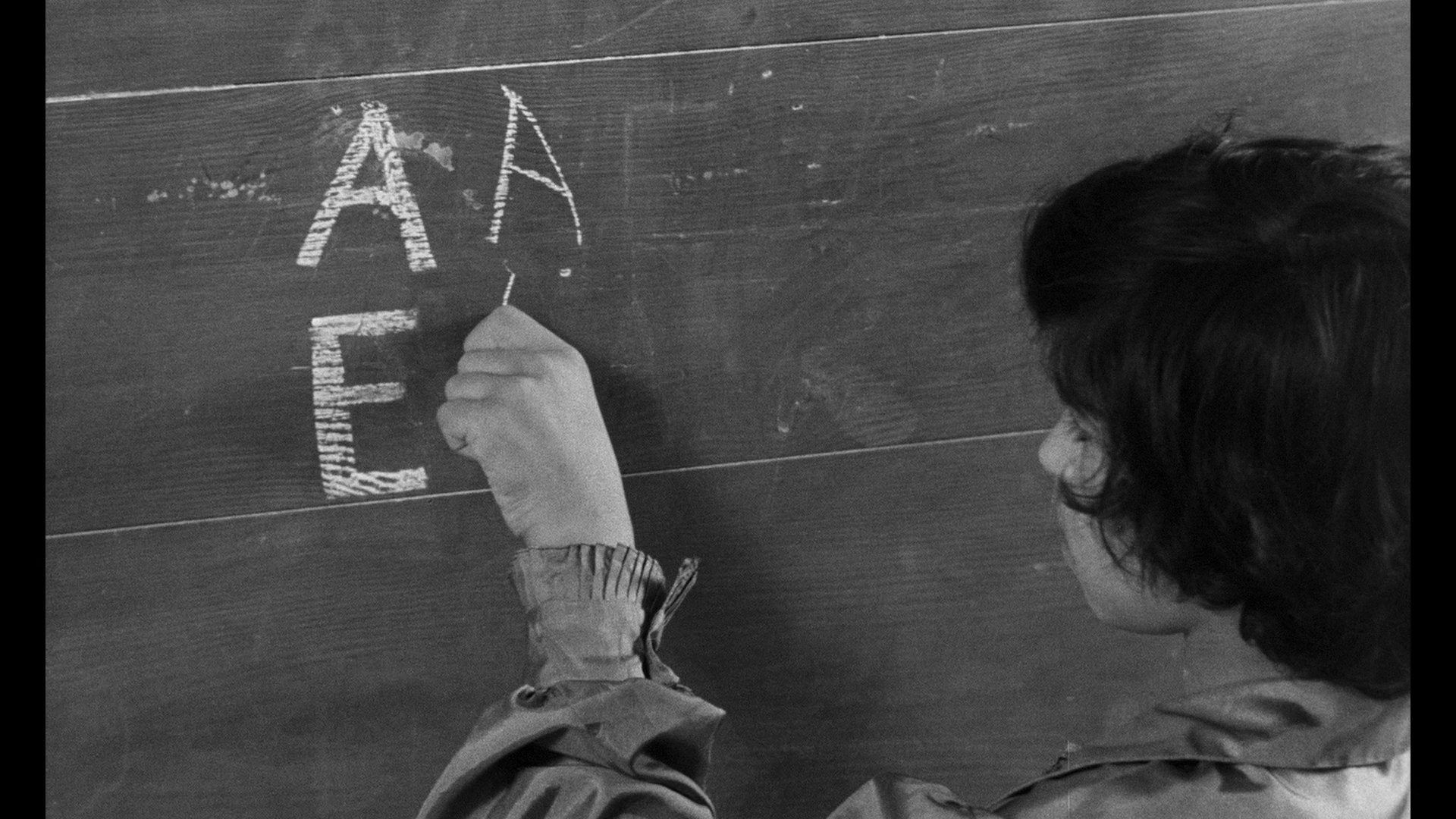
Shot in luminous black-and-white by the great Néstor Almendros (in his first of many Truffaut collaborations), the film begins with the discovery, hunting, and aggressive apprehension of young Victor (Cargol) in the woods, where he proves to be unable to speak or comprehend what anyone is saying. Caged and then admitted among other non-communicative children, he becomes a point of interest for Dr. Jean Marc Gaspard Itard (Truffaut) who believes the boy's wild environment for his entire life can be counteracted with education and social training. However, that agenda proves to be extremely 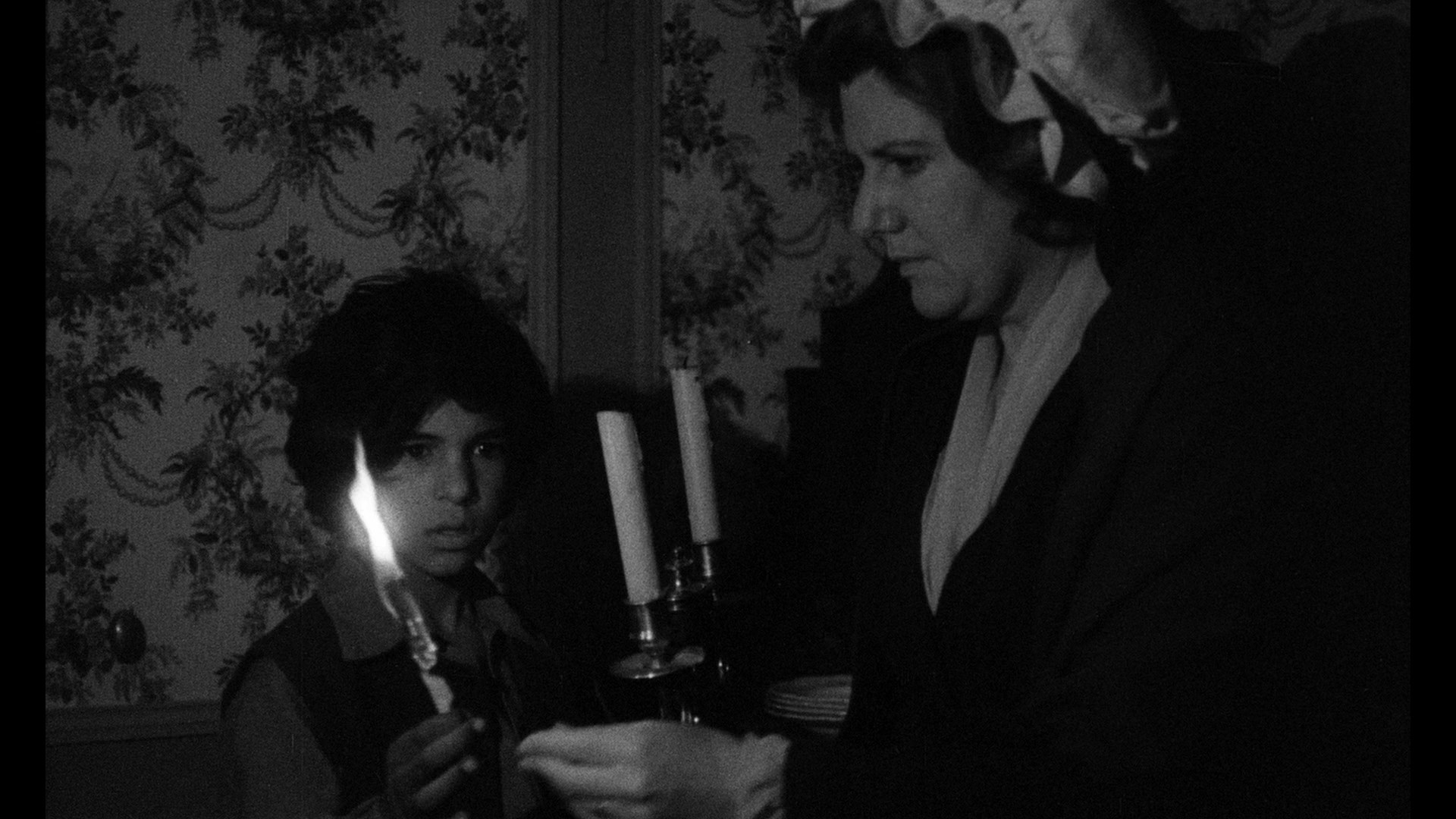 difficult
 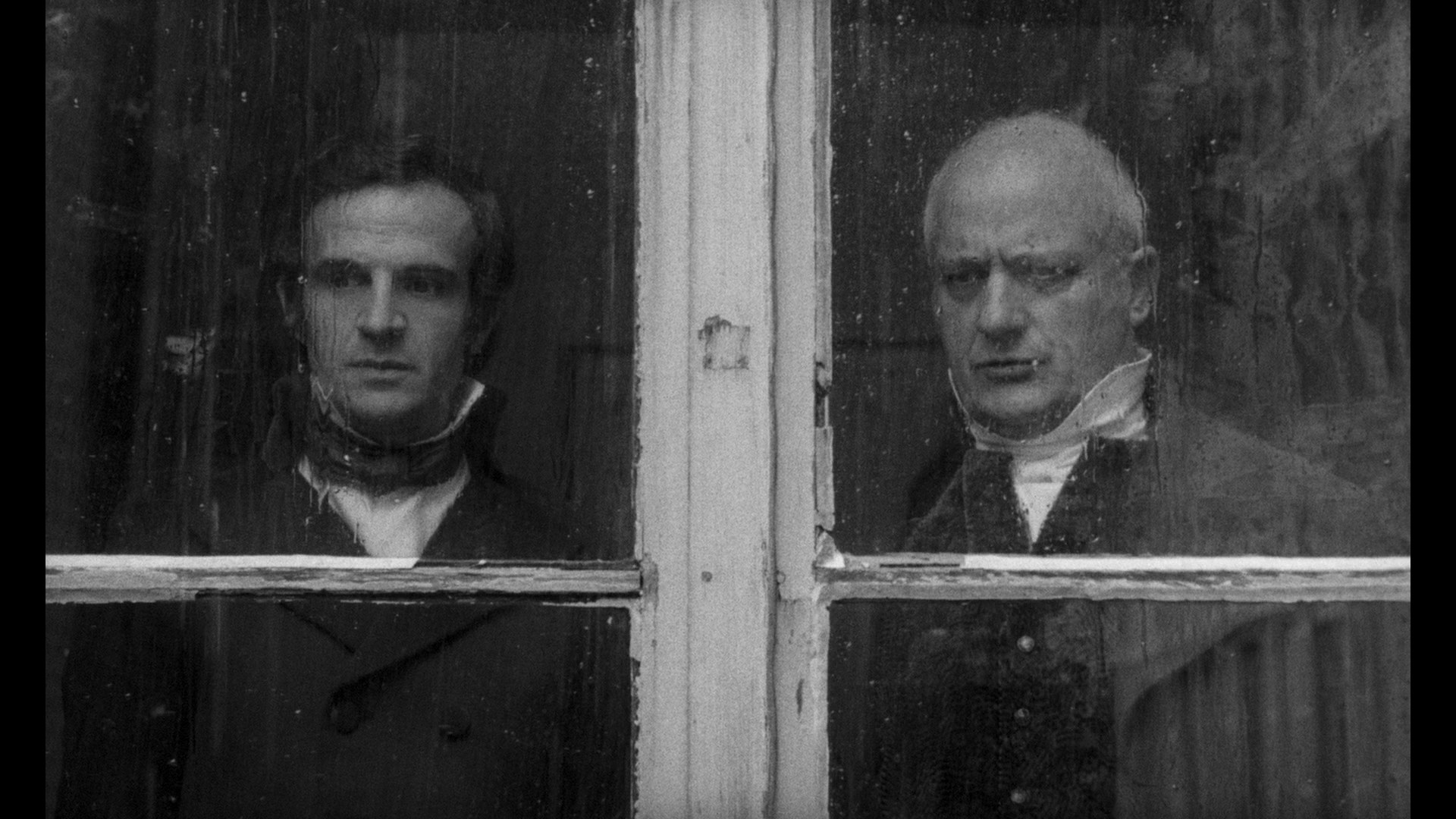 to enforce with the boy's will often clashing with that of his instructor.
Though the idea of a boy growing up in the wild had long been a familiar subject in literature and film, The Wild Child gives it a novel spin by fusing the idea with the public's fascination with steel-willed teachers which had made The Miracle Worker a major hit on stage and screen. In turn Truffaut's film has had a quiet but powerful influence over the years, with David Lynch's superb The Elephant Man echoing it (intentionally or not) in several moments. For the first time, Truffuat cast himself as a lead here primarily to make the intense directorial process go smoother with his first-time young actor; it proved to be a logical and canny decision that paved the way for his prominent roles in Day for Night and another highly fascinating period piece, The Green Room. Though he only went on to act in one more film (Caravan to Vaccarès), Cargol is affecting here in a challenging and intense role with some beautiful moments of quiet introspection.
The Wild Child was the third Truffaut film to be released by United Artists in many countries outside of France, with four more to come by the end of the decade. The film proved to be a critical and commercial success, though the director's output after this would be jinxed for a couple of years until his major rebound with Day for Night. This one has been issued on multiple formats by MGM including VHS and a 2001 non-anamorphic DVD, after which it fell off the radar for a long time until its first English-friendly Blu-ray release in 2023 from Kino Lorber as part of a very short-lived, two-disc Truffaut collection along with The Green 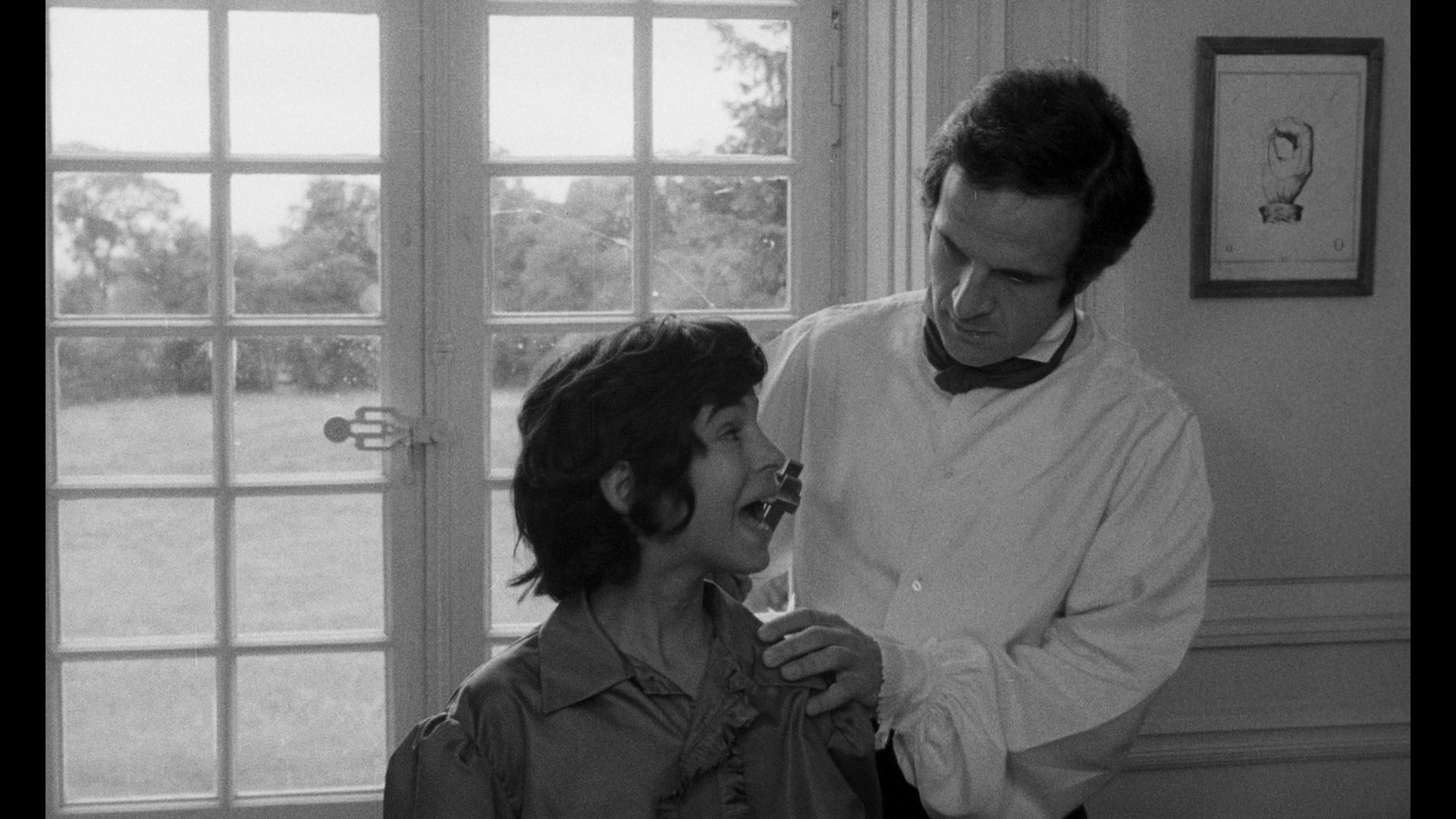 Room, Small Change, and
  The Man Who Loved Women (with a French Blu-ray and DVD option coming later in 2024, not English-friendly). In 2026, Radiance Films released a much-needed special edition taken from the same excellent MGM master but with significantly improved English subtitles featuring far more accuracy and precision than the frequently paraphrased option we've had before. The LPCM 1.0 French mono audio is also in excellent condition. A short but great interview with Truffaut on the shoot in Auvergne for French TV (3m43s) is surprisingly shot in gorgeous color and offers a rich snapshot of the film underway at the same time Bed and Board was being prepared. Truffaut is also interviewed a bit about his intentions for the film, including his close identification with Itard (an aspect that chafed some counterculture voices at the time) and comparisons to Tarzan and Mowgli. A second interview for French TV from earlier in 1969 (9m49s) features Truffaut in the planning stages with sociological writer Lucien Malson whose work with Itard's legacy inspired the film around five years earlier. A new interview with critic-author Ginette Vincendeau (18m51s) is a fine look at the film's real-life origin story, the film's place in Truffaut's body of work, and the aspects of the story that resonated with the filmmaker in more ways than one. An SD United Artists trailer is also included, and the limited edition comes with a booklet featuring archival notes on the film by Truffaut and a new essay by Adam Scovell.
Reviewed on February 15, 2026
