 every country on the planet jumping on the martial arts movie bandwagon in the '70s thanks
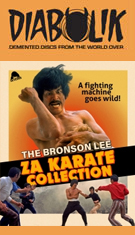
  to the huge success and sudden death of Bruce Lee, everyone also seemed to be suddenly enrolling in any karate or kung fu-affiliated class in their neighborhood. Largely thanks to Enter the Dragon, anything involving a martial arts school or tournament was good for business, even spilling over into unlikely places like The Man with the Golden Gun and Kentucky Fried Movies. Japan's Toei was quick to cultivate its own action stars like Sonny Chiba in The Street Fighter and its sequels, and in quick succession they recruited Japanese-American actor and martial artist Tadashi Yamashita (later seen in films like The Octagon, Gymkata, and American Ninja) to essentially play an exaggerated movie version of himself in a trilogy of Za Karate (or just The Karate, which doesn't sound as cool) films for the Japanese market. Only the first of these was picked up for English-dubbed distribution, with New Line trimming it down heavily for a PG rating under the editorial hand of Jack Sholder (who had also performed cutting duties on The Street Fighter and its trailer and would go on to direct Alone in the Dark, A Nightmare on Elm Street 2: Freddy's Revenge, and The Hidden). The result hit American theaters belatedly in 1978 as Bronson Lee, Champion, despite the
 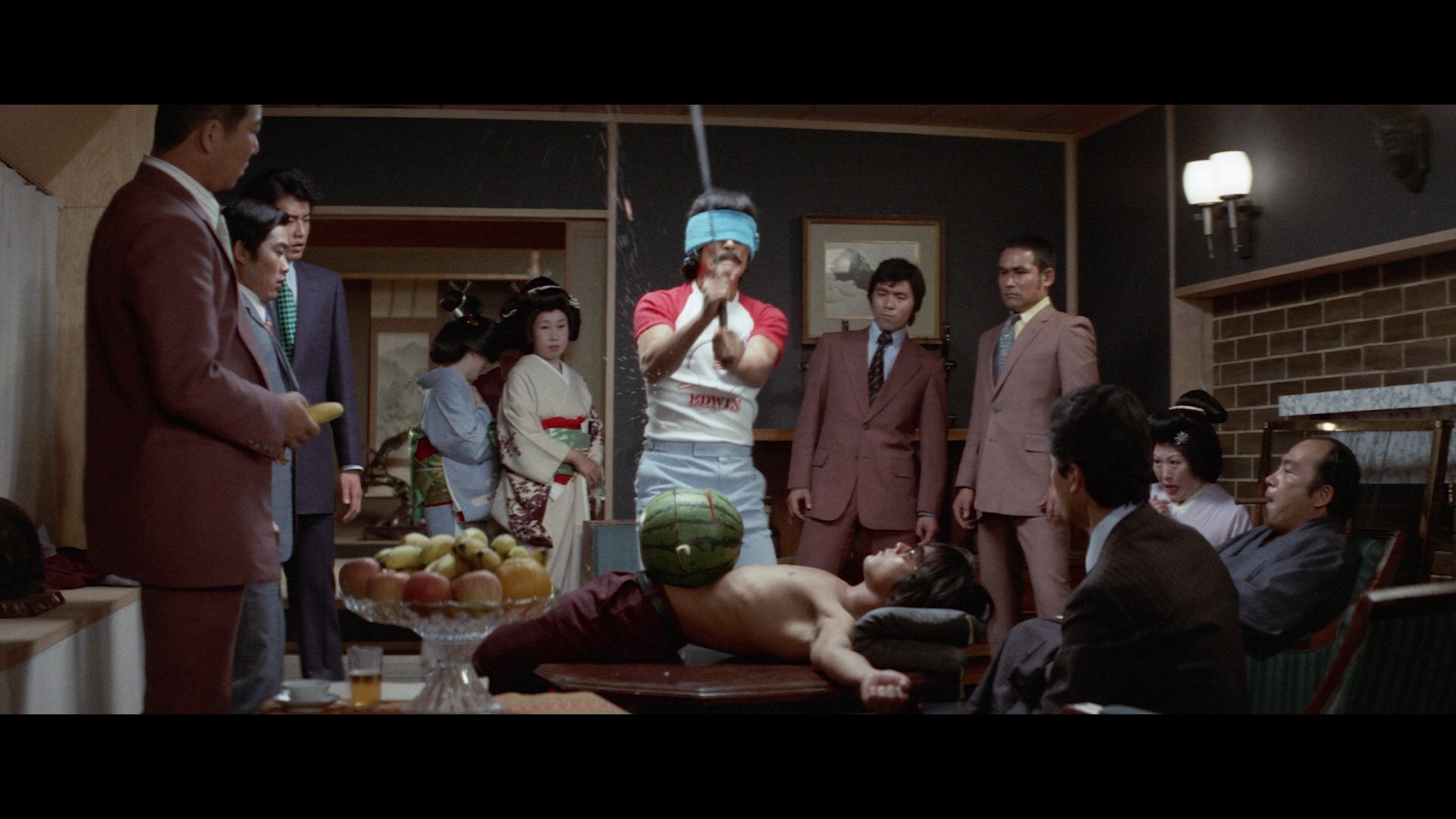 fact that its star looked and acted nothing like Bruce Lee or Charles Bronson. Even in watererd-down form, it was
 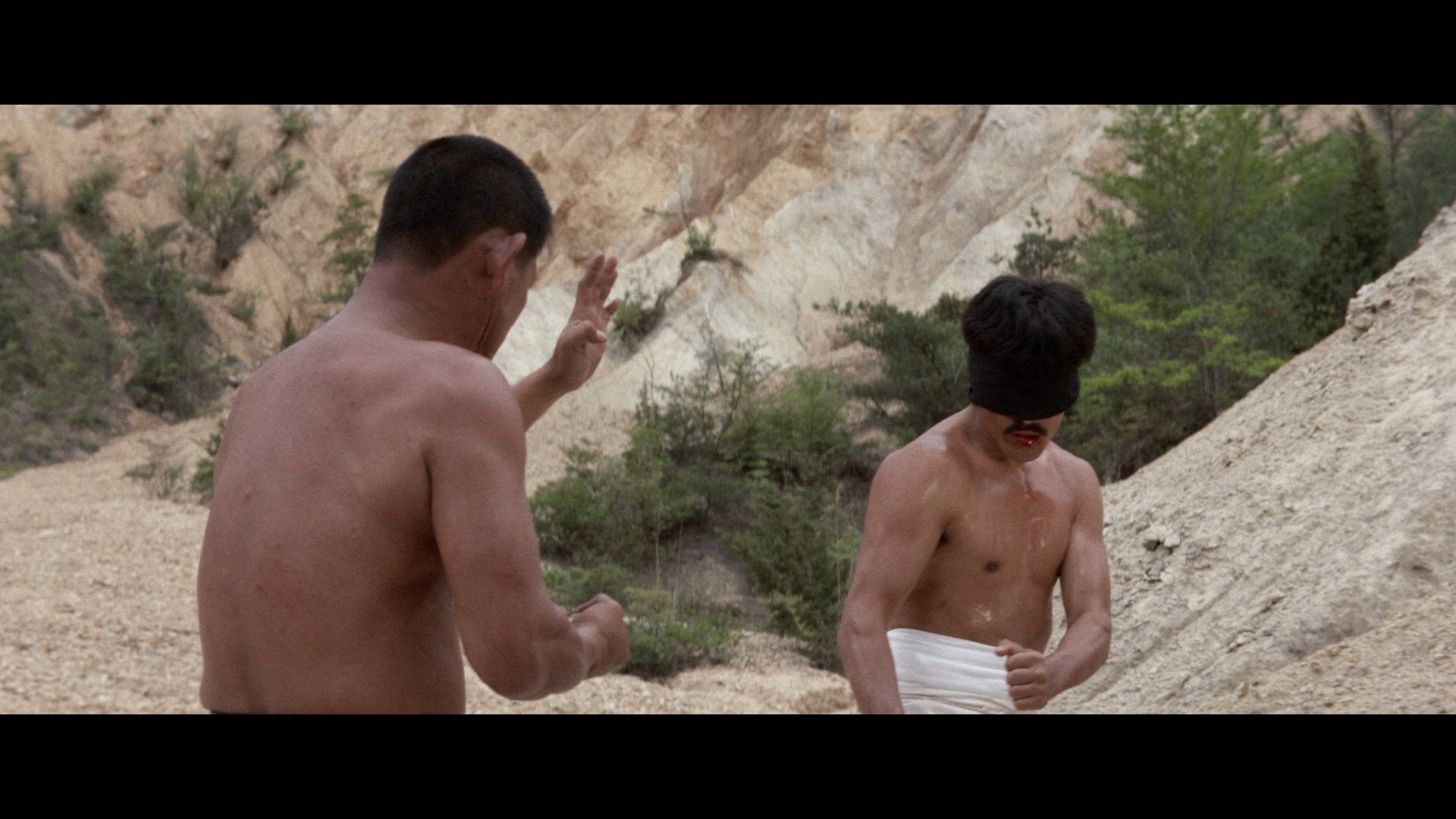 still an instant cult favorite among fans and got a boost when it was released in one of those big clamshell VHS editions from Warner Bros. in the '80s. A widescreen version of the PG cut eventually surfaced for streaming on various platforms, but the film and its two sequels stubbornly refused to hit physical media again until a much-needed two-disc Blu-ray edition from Severin that makes for quite the entertaining and often utterly berserk marathon experience.
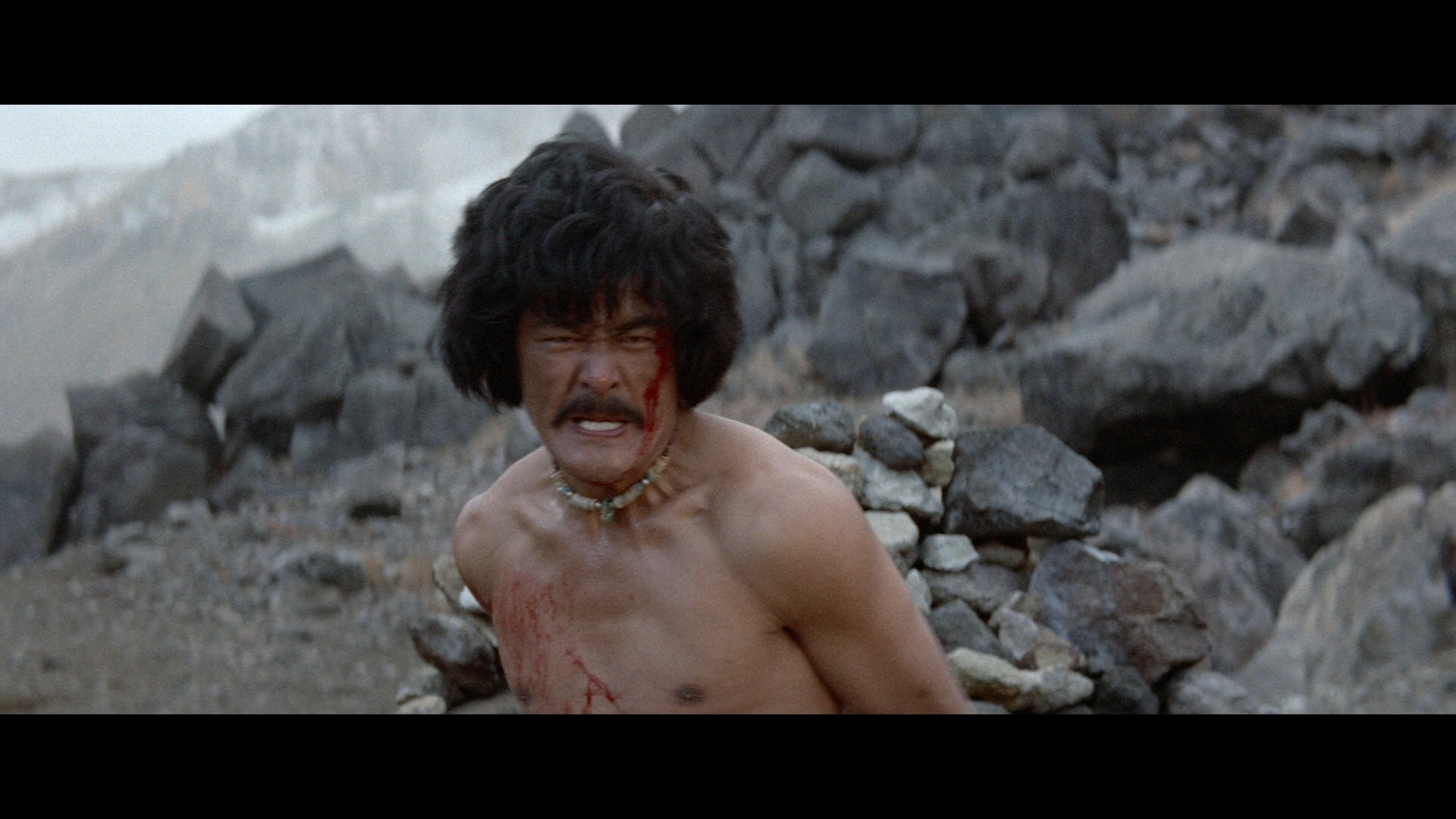
 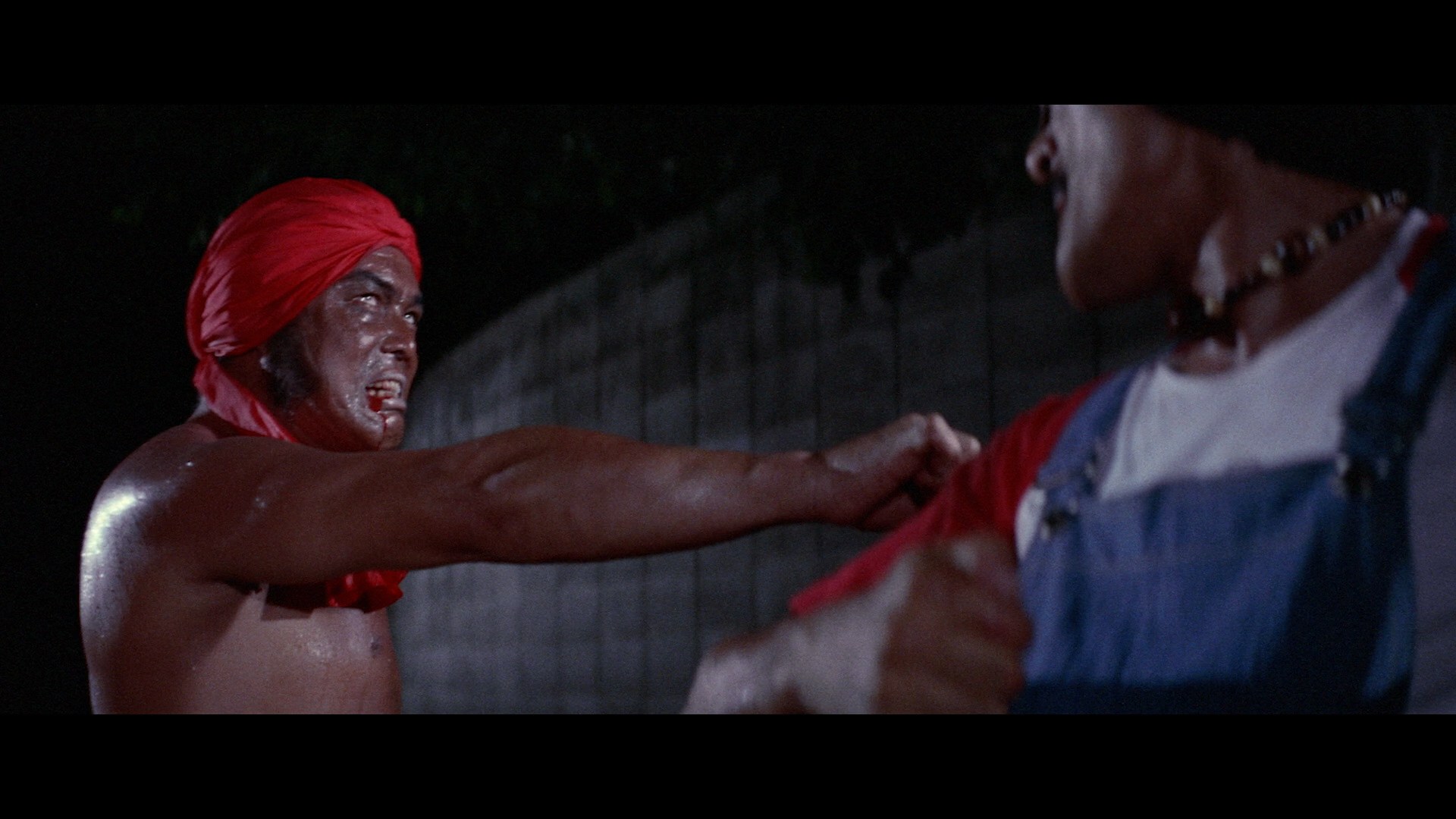 fight to the death in the desert.
 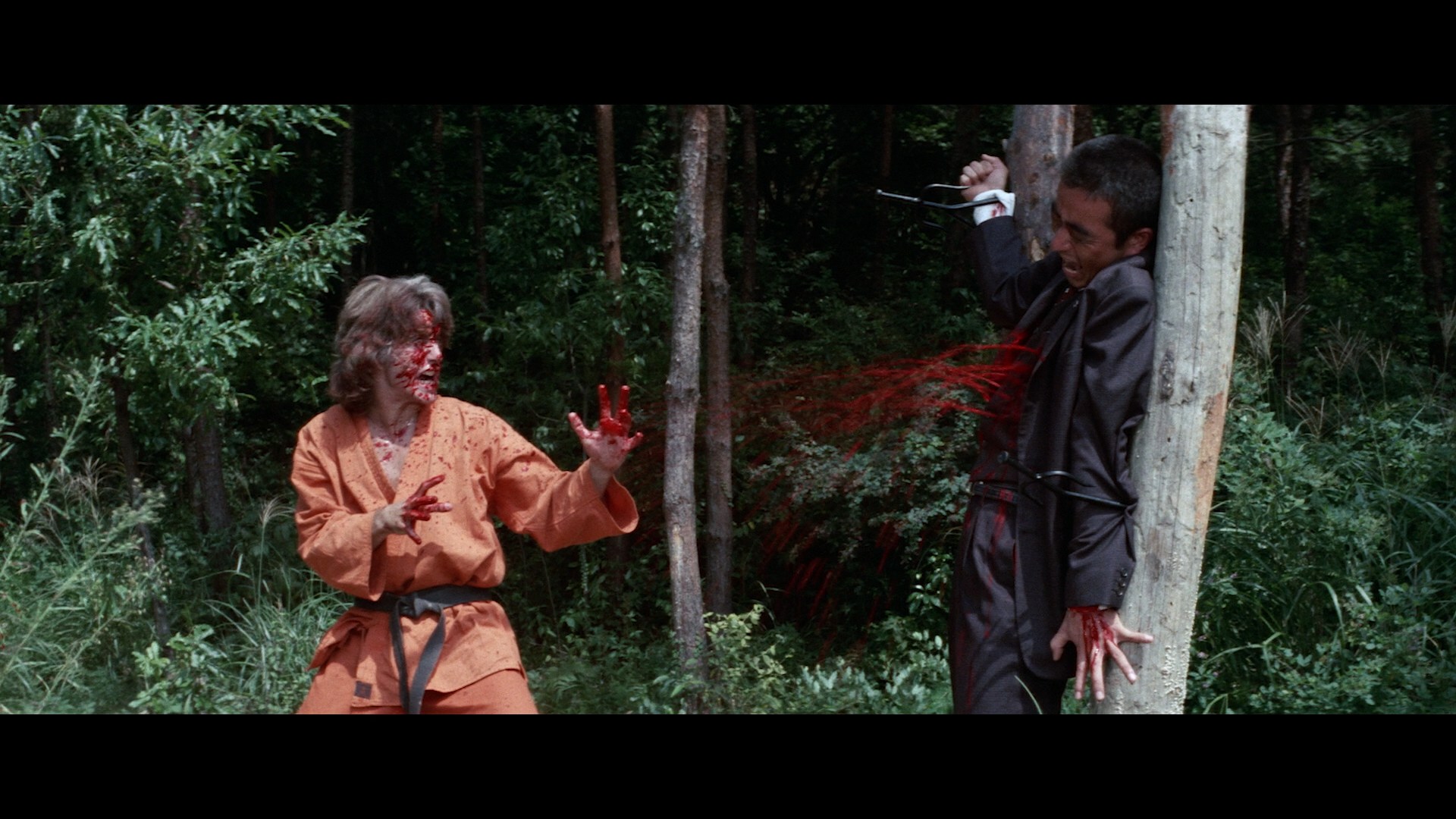 Za Karate 2, which is impossible to discuss without spoiling major plot points of the prior film-- so consider yourself warned from this point on. After being brutally blinded in the first film, Tadashi is a prospective candidate for an upcoming eye operation and teaches kids in his spare time, but now he has bigger things to worry about-- namely an international crew of master fighters out for blood after he won the tournament in the prior film. Blindfolded all the time but now with his fighting skills sharpened more than ever, Tadashi has to contend with a very nasty attack in the operating room that puts his surgery plans on hold when his doctor gets tossed to a bloody death. Some plot nonsense involving a priceless stolen sword gets thrown in between attack scenes, but mainly it's an excuse for our sightless hero to face off against colorful opponents like
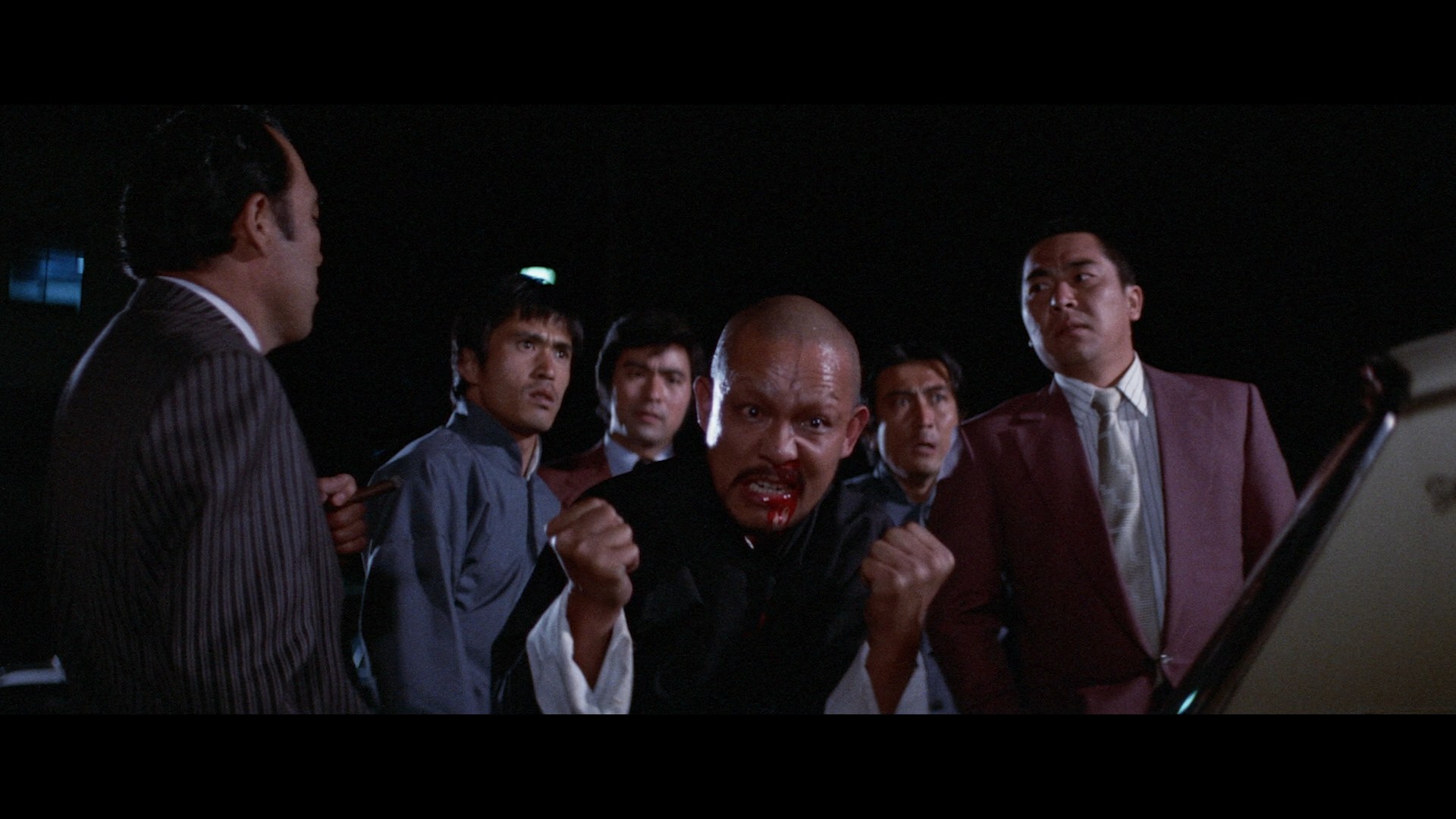
 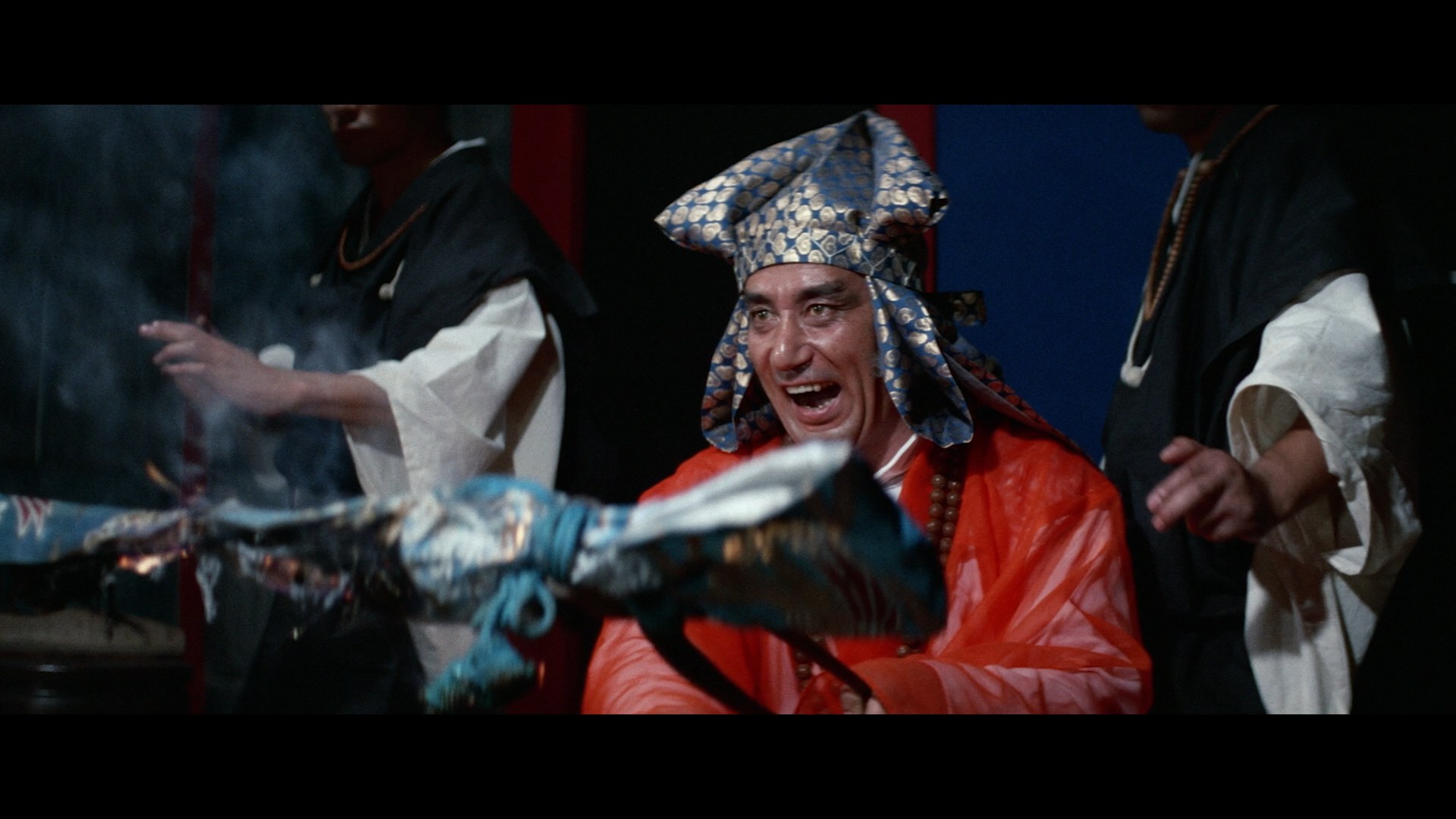 Sweden's Doctor One (van Okan), New Guinea's Guillotine Brothers, German Neo-Nazi Blue Geller (Carsons), America's utterly deranged and scarred Killer Samson (a scenery-swallowing Jerry Samson), and the unforgettable Dracula Jack from Hong Kong played by Bolo Yeung. The Zatoichi-style gimmick of Tadashi fighting blind through the entire film is a fun one that allows our star to show off his prowess to its full advantage, and the drastic increase in the violence level
 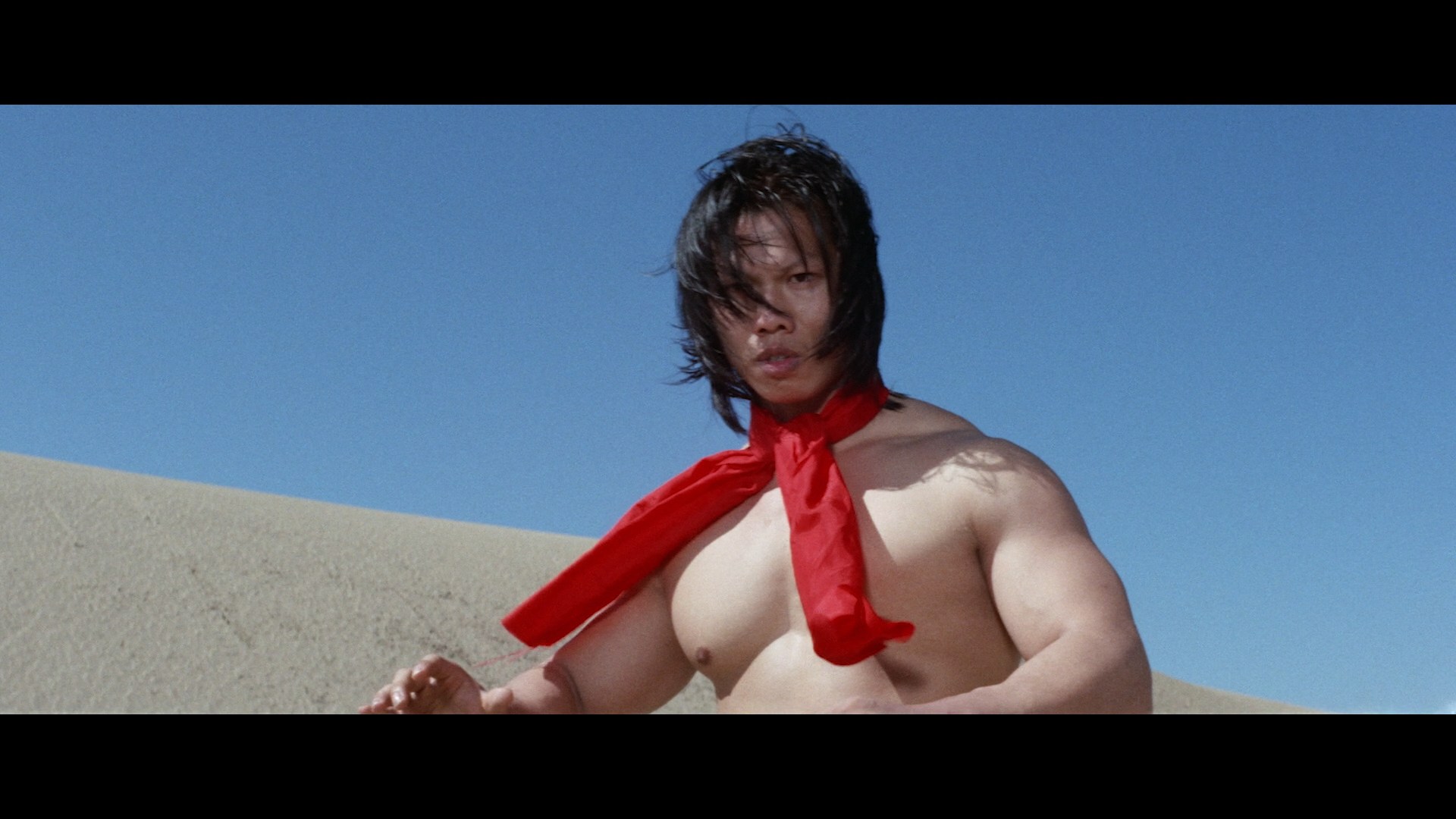 here means New Line probably passed because it's unlikely this could have gotten cut down to an R rating, much less a PG. As with the other films, there's also some ridiculous comic relief thrown in from time to time that thankfully doesn't drag the pace down much at all.
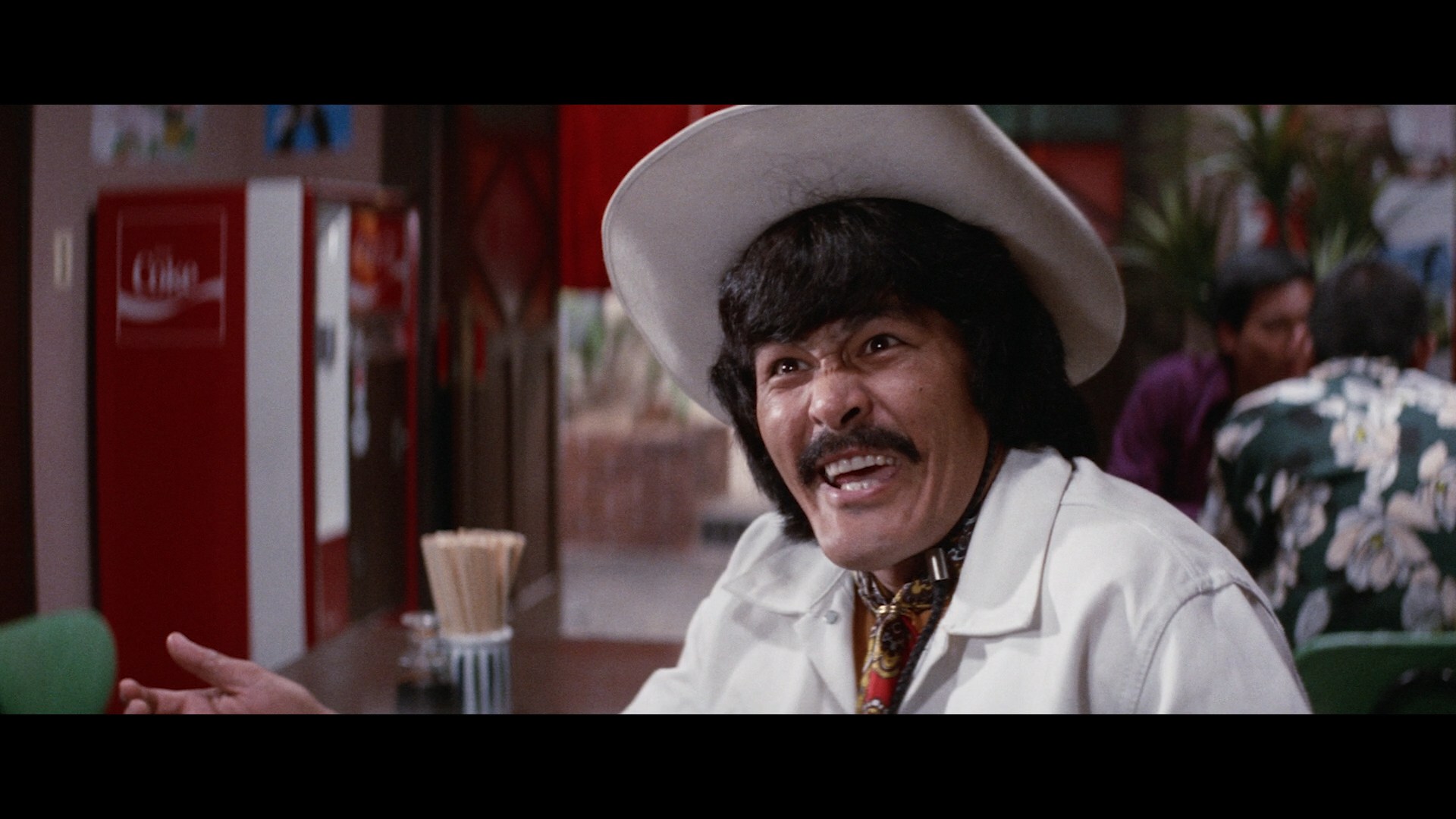
 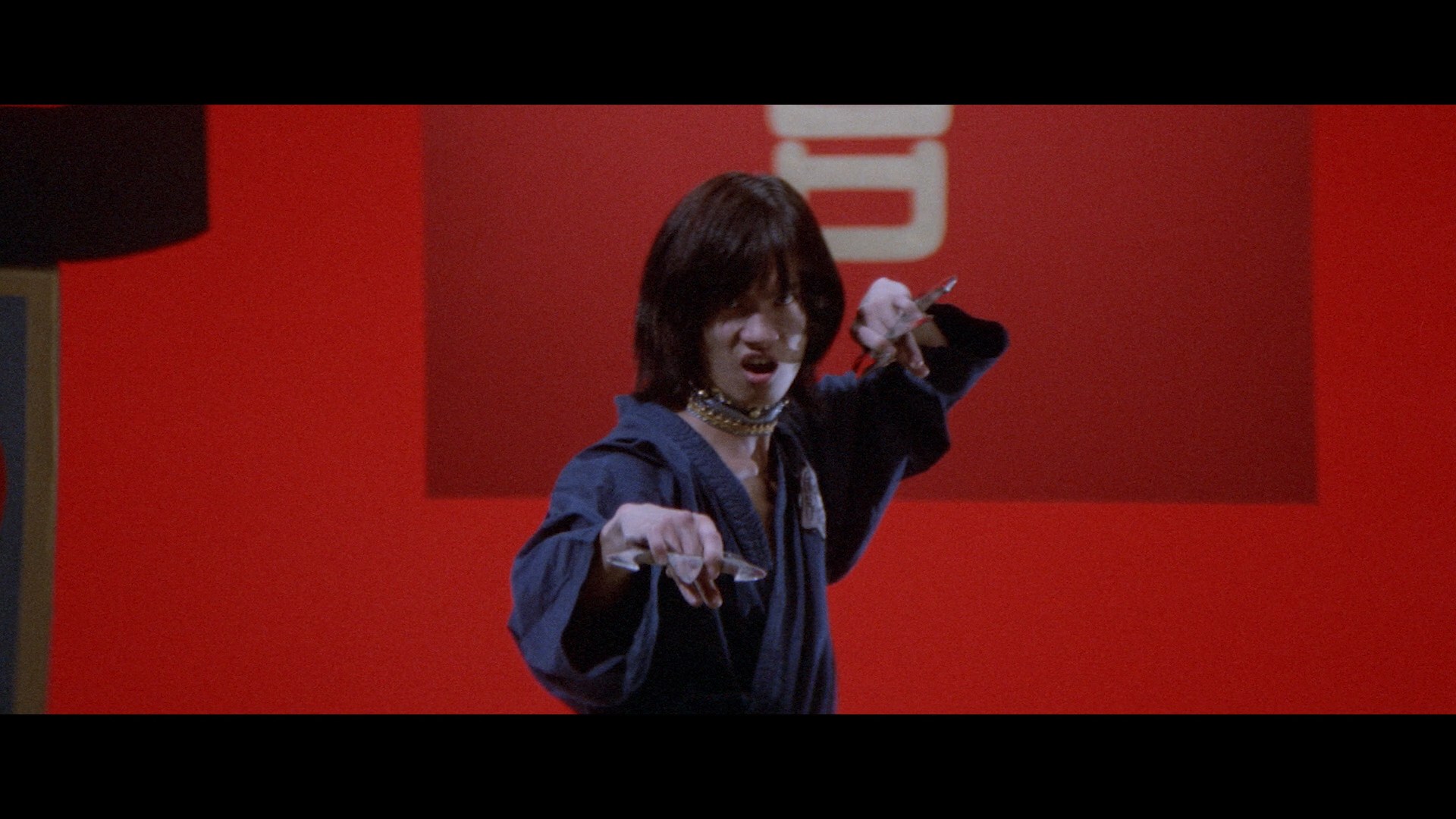 opponents here, also including the Dracula Habu Brothers and Australian madman Bob Willy, all tied to another big power play over the local control of the martial arts community or something with the Chinese trying to muscle in. It's really Black Wolf's show here though, including a weapon choice right out of From Russia with Love, complete with a frenetic finale
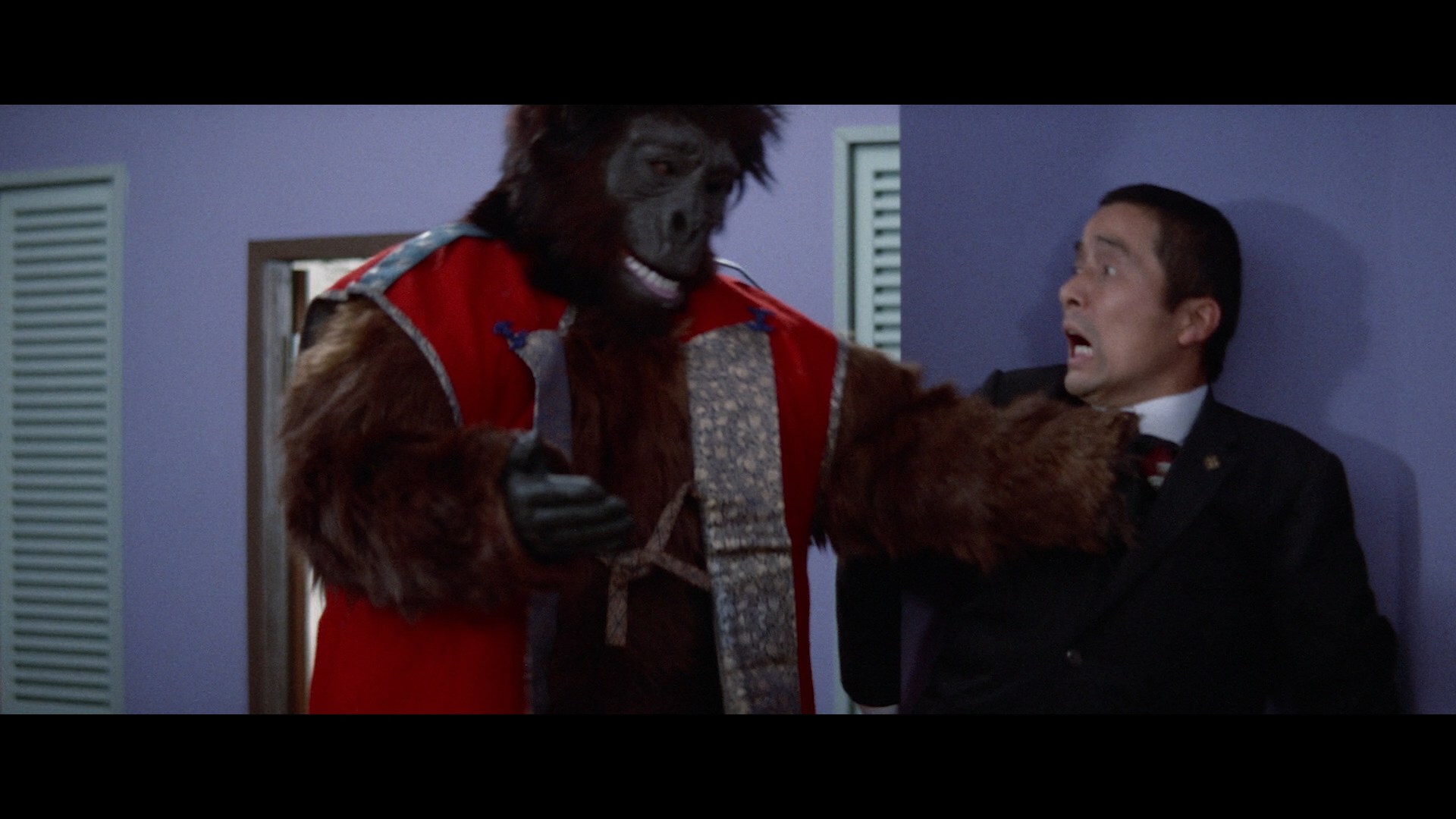
 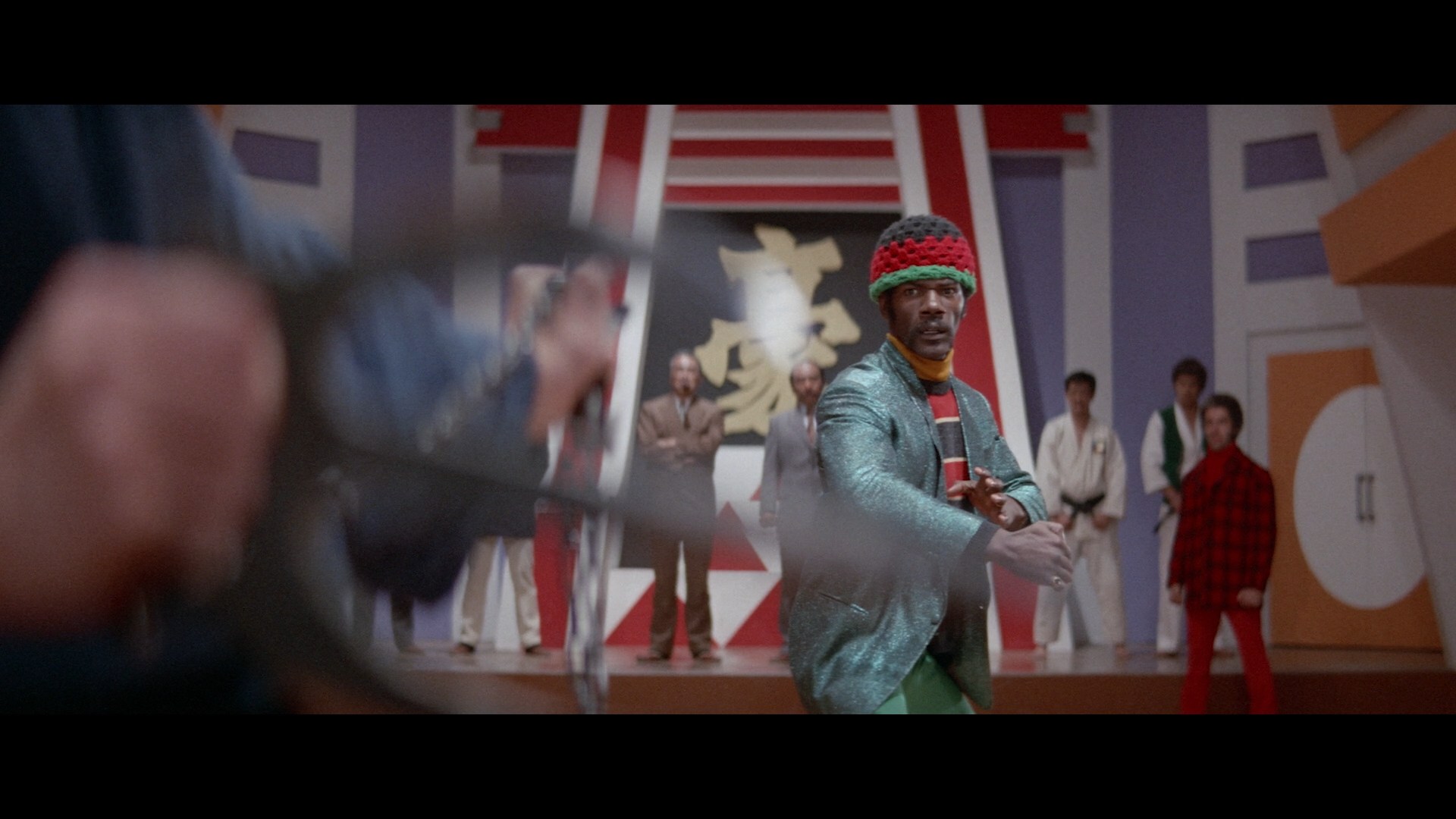 atop a dormant volcano you have to see to believe. Also, there's a big action scene involving a gorilla suit.
 with lots about the Toei sets, the real backgrounds behind the actors, the lack of acting training, the contrasting fighting styles, and much more. There are some stretches where they just kick back and laugh at length at what's happening on screen, but you can hardly blame them. The U.S. Bronson Lee, Champion version also comes with a partial audio
  commentary by Lovely Jon (covering the first 44 minutes), stepping outside of his usual soundtrack arena and doing a fine job of talking about the film's place in the Japanese martial arts pantheon, the "Deputy Dawg" accent given to our hero, and much more. "Bronson Lee, Thespian" (27m47s) is a more general interview with Yamashita covering his early life, his identity as an Okinowan, his martial arts tournament history, and the road that led to him becoming an actor with no idea he'd be making three of these films at the time. The first film also comes with a Japanese teaser and trailer ("Roaring with Japanese fighting spirit!") plus a nice HD scan of the U.S. Trailer (which even tries to tie this to Game of Death); the second film gets a teaser and trailer, with a Japanese trailer for the third -- which also has Williams participating in a 15m20s scene-specific commentary (he doesn't remember a ton, but he's very funny) and a video interview, "The Donnie Williams Show!!" (19m32s), both with Worth chatting about the amazing outfits, the dizzying number of martial arts legends Williams encountered in his life and career, and the method of making crazed facial expressions on camera.